






PowerShell Object Automation: Enterprise-Grade Scripting Mastery
Master enterprise-scale PowerShell automation to orchestrate hybrid clouds, enforce compliance, optimize resources, and lead digital transformation.
#1 Most Popular Online Course & Internship in Artificial Intelligence You can enroll today & get certified from EasyShiksha & HawksCode.
 Build real-world projects
Internship with certificate
Resume-ready experience
Beginner to advanced
Lifetime access
Interview prep included
Build real-world projects
Internship with certificate
Resume-ready experience
Beginner to advanced
Lifetime access
Interview prep included
 Updated September 28, 2026
Join 5,00,000+ students already enrolled worldwide
No risk — 30-day full refund guarantee
Start instantly after payment — access in seconds
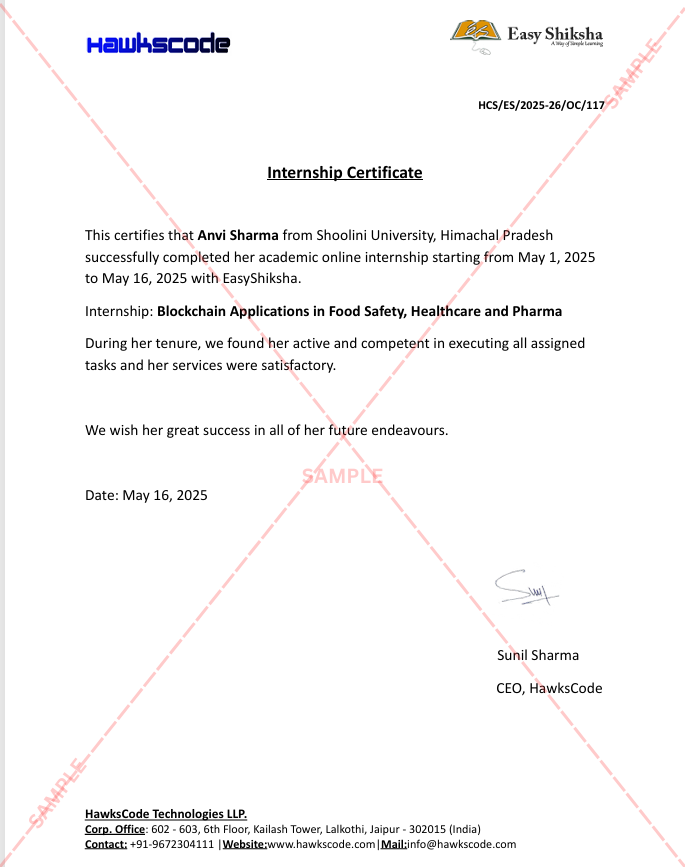
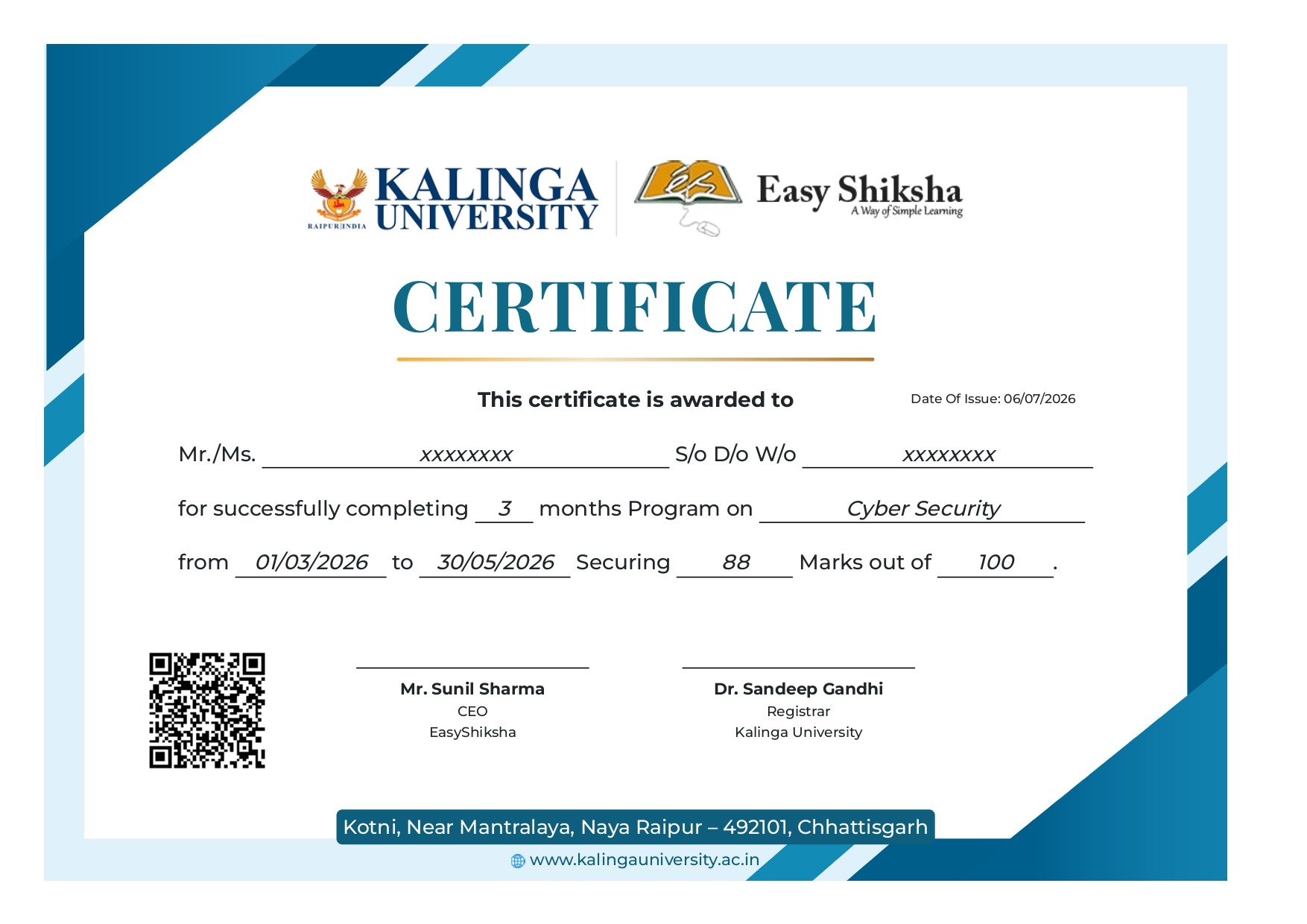
Certificate + Internship Joining Letter included
Updated September 28, 2026
Join 5,00,000+ students already enrolled worldwide
No risk — 30-day full refund guarantee
Start instantly after payment — access in seconds
Certificate + Internship Joining Letter included

 Free Preview
 107 On-demand Videos
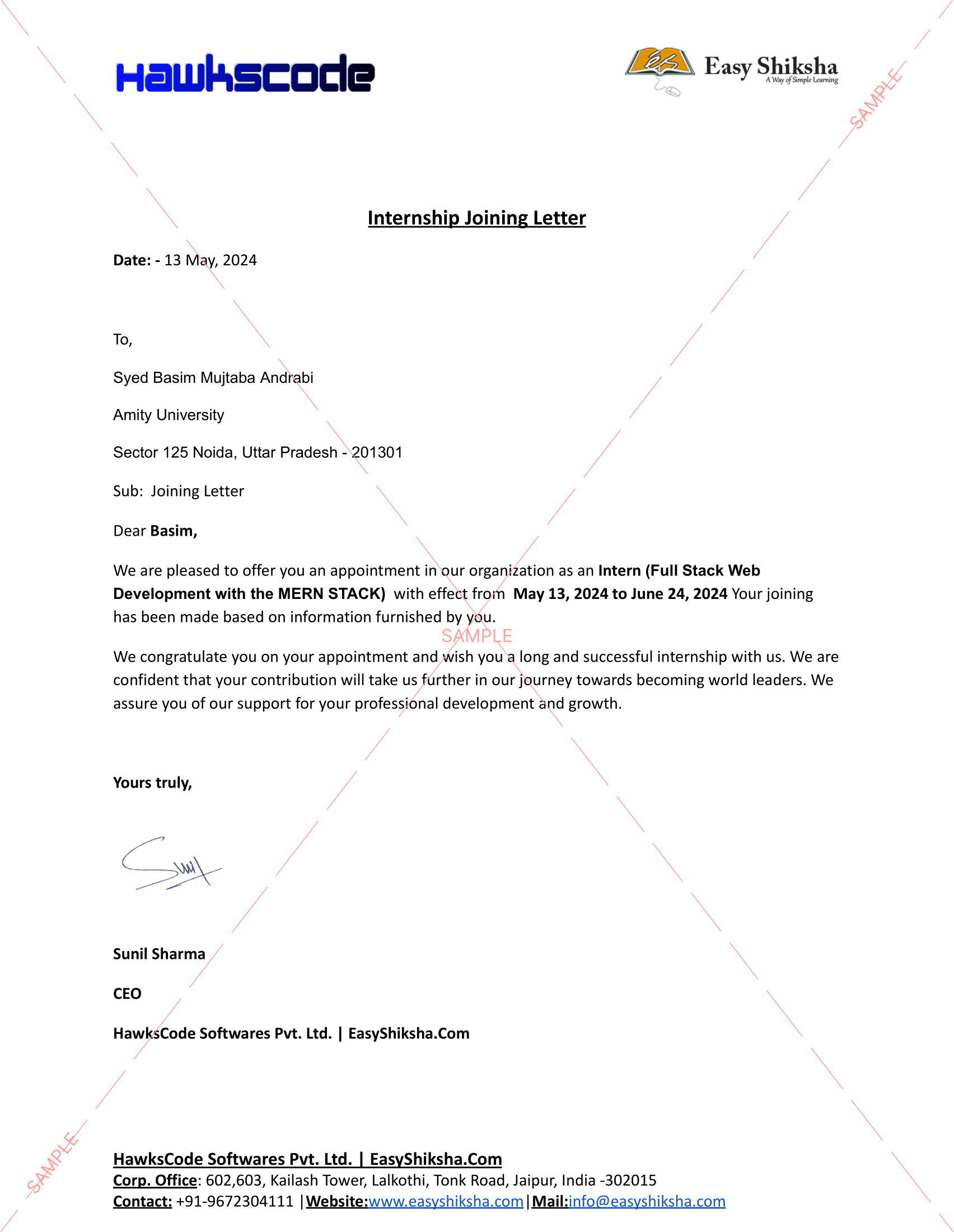
 Internship Joining Letter
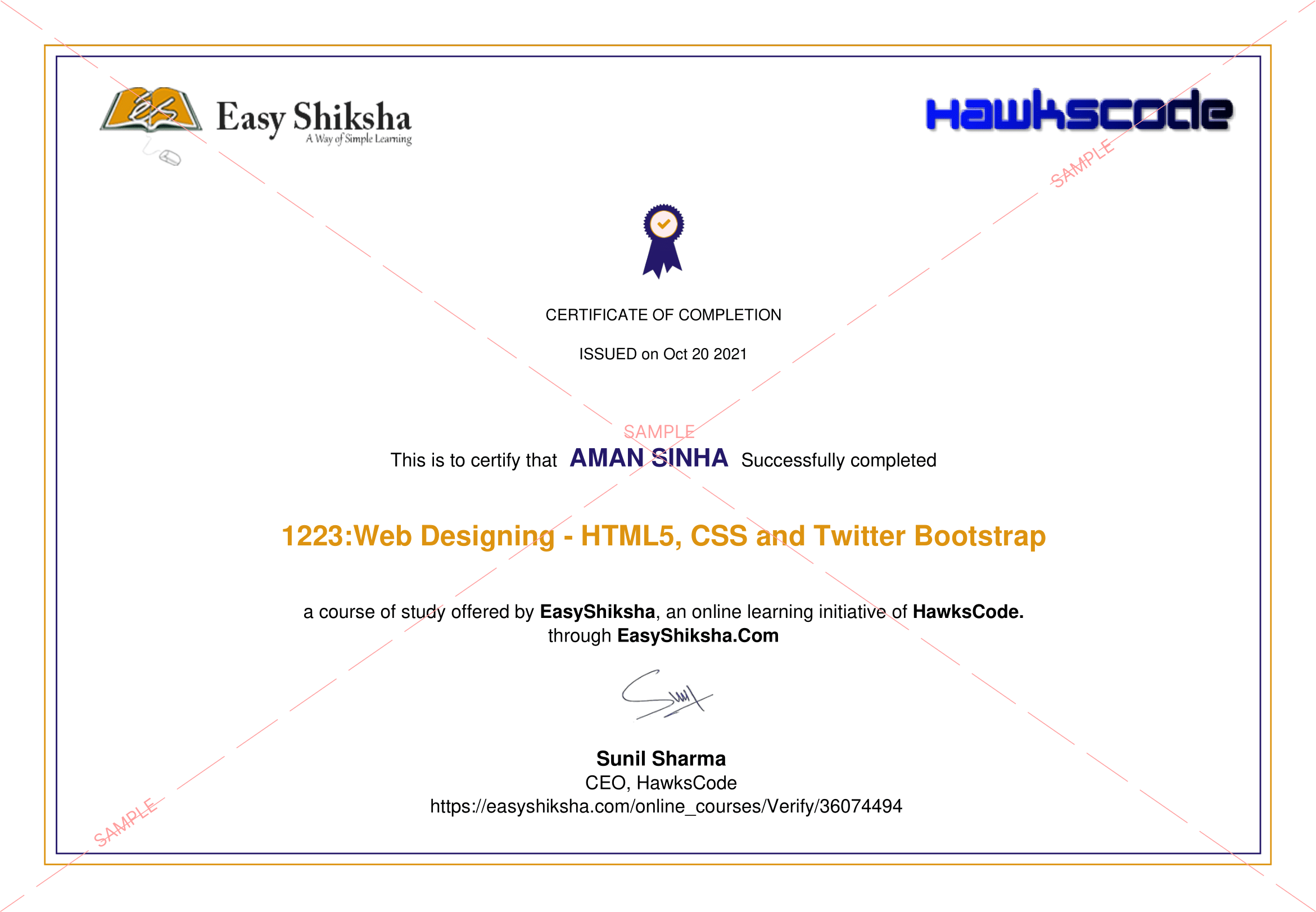
 2 Certificates (Course + Internship)
 Lifetime Access
 1 Quiz + Assignments
 Mobile & Desktop Access




Why This Course and Internship Stands Out
See exactly what separates EasyShiksha students from everyone else
 Watching scattered YouTube
videos with no structure
No certificate — nothing to show
employers
No internship experience on
resume
Wasting months without clear
direction
Struggling to stand out in job
applications
No proof of practical skills
Structured, beginner-to-advanced
learning path
Verified certificate — shareable
on LinkedIn
Real internship offer letter for
your resume
Go from zero to job-ready in one
programme
Resume-ready experience before
graduation
Practical projects you can show
any recruiter
Watching scattered YouTube
videos with no structure
No certificate — nothing to show
employers
No internship experience on
resume
Wasting months without clear
direction
Struggling to stand out in job
applications
No proof of practical skills
Structured, beginner-to-advanced
learning path
Verified certificate — shareable
on LinkedIn
Real internship offer letter for
your resume
Go from zero to job-ready in one
programme
Resume-ready experience before
graduation
Practical projects you can show
any recruiter
Internship Opportunity Included With This Course
"This is not just a course — it's real career experience. Walk away with documents that prove your skills to any employer."




This Course is Perfect For
Whether you're starting from scratch or switching careers — this course is designed with your success in mind.








This course uses elements of Artificial IntelligenceAre you ready to take your place at the forefront of modern IT and cloud-driven enterprise automation? In a world where structured data, orchestration, and platform integration define business agility and operational excellence, command-line scripting is no longer enough—advanced automation frameworks like PowerShell have become the backbone of resilient, secure, and future-proof systems. Join us on a transformative journey into “Mastering Enterprise Automation with PowerShell: Object-Based Frameworks and Beyond”—the definitive guide designed for professionals who aspire to architect, implement, and govern automation at scale.
Imagine enabling seamless management across Windows, Linux, and cloud platforms with scripts that not only work, but anticipate change, ensure compliance, and drive digital transformation. This course is meticulously crafted by experts who have guided Fortune 500 enterprises, government agencies, and fast-growing startups through the challenges of automation modernization. With our team, you’ll gain not only practical mastery of PowerShell’s technical capabilities but also deep insight into the strategic leadership and cultural transformation needed to make automation central to your organization’s success.
Why PowerShell—and Why Now?
PowerShell is more than just the next iteration of Windows scripting—it’s a powerful, cross-platform automation and configuration management framework that has evolved into an indispensable tool for orchestrating complex environments. As organizations migrate to hybrid and multi-cloud infrastructures, the ability to automate processes with structured, object-based data is crucial for delivering agility, governance, and innovation. With cloud adoption accelerating, cost optimization in the spotlight, and compliance regulations tightening, PowerShell’s object-first approach holds the key to transforming not just technical operations but entire business models.
What Makes This Course Different?
Unlike typical scripting tutorials that barely scratch the surface, our curriculum delves deep into PowerShell’s core advantage: object-based automation. We don’t just teach commands and syntax. Instead, we explore, explain, and let you experience the foundational concepts that elevate PowerShell above legacy text-based scripting paradigms. Through a mix of real-world case studies, hands-on labs, and challenging assessments, you’ll learn to build and govern sophisticated automation solutions—from simple data extraction to orchestrating cross-cloud deployments and delivering enterprise-grade compliance.
We place particular emphasis on platform integration, security governance, change management, and digital strategy—giving you the skills enterprises demand today. Along the way, you’ll develop solutions suitable for your professional portfolio, demonstrating capability in everything from hybrid cloud automation and service orchestration to monitoring, analytics, and resource optimization.
Your Journey: Foundations to Future-Ready
Your learning experience is structured as an immersive journey through the architecture, principles, and strategic applications of PowerShell automation:
- Deep Foundations: First, we lay the groundwork by exploring PowerShell’s evolution from traditional text parsing towards full object handling. You’ll understand why object-based scripting revolutionized system management and how structured data brings predictability, reliability, and advanced capabilities to automated processes. Step into the mindset of working with objects instead of plain text—an essential shift for any automation architect.
- Object Pipelines and Data Consistency: Engage with the heart of PowerShell’s design—the object pipeline. Here, you’ll learn why structured data is a necessity, not a luxury, in automation frameworks. Interactive labs will let you experiment with data extraction, manipulation, and processing across typical enterprise scenarios. Through focused exercises, you’ll gain confidence using PowerShell’s data consistency to solve real-world problems, eliminate manual interventions, and automate confidently at scale.
- Design Patterns and Error Handling: Our team will guide you through proven scripting patterns for sequential object processing, error handling, and workflow reusability. Explore the role of object properties and methods, and discover how to prevent data loss and maintain integrity in system administration tasks—a must-have skill for reliable, enterprise-grade automation.
- Comparative Paradigms: Broaden your perspective by contrasting PowerShell’s object-centric approach with traditional text-based scripting. Through side-by-side comparisons, enterprise scenario analyses, and debate, you’ll see clearly why structured, typed automation revolutionizes maintainability, portability, and security in a cross-platform world.
- Integration Across Platforms: Dive into PowerShell’s remarkable ability to integrate Windows infrastructure, external applications, and leading cloud vendors. By completing guided integration projects, you’ll learn to streamline hybrid and heterogeneous environments, connect to APIs, aggregate data from disparate sources, and orchestrate resources wherever they live. Our cloud labs give you hands-on experience managing Microsoft Azure, AWS, and Google Cloud resources—skills employers are searching for.
- Object Models as Universal Bridges: Grasp the concept of object models as a unifying language between technologies. You’ll use pipelines to connect databases, files, services, and orchestration layers. Our hands-on labs in this module focus on developing cross-platform automation scripts, aggregating metric data, and establishing best practices for robust, platform-neutral integrations.
- Distributed and Device Automation: In today’s distributed enterprise, automation must cross boundaries—operating systems, device types, and locations. We’ll introduce frameworks for interacting with Windows, Linux, and hybrid environments and showcase how PowerShell treats everything as structured data. You’ll apply remoting techniques for centralized management of remote nodes, demonstrate seamless workflows across mixed systems, and master scalable deployment.
- Application and Service Orchestration: Master using PowerShell to automate application deployments and integrations. You’ll tackle service account management, resource provisioning, and maintaining stateful workflows—always through the lens of object pipelines. After completing our scenario-based assignments, you’ll be able to orchestrate even the most complex, multi-tiered enterprise applications.
- Modern Cloud and Hybrid Automation: Understand how structured automation enables multi-cloud governance, backup strategies, disaster recovery, and flexible management of virtualized infrastructure. Through interactive case studies and labs, you’ll connect PowerShell pipelines to SaaS, IaaS, and PaaS providers—delivering hybrid cloud solutions that satisfy both operational and compliance mandates.
- Enterprise Governance and Security: Elevate from pure technical automation to strategic governance. You’ll learn to build centralized policy models, audit frameworks, and security controls—incorporating least privilege, role-based access, and robust identity management. Our instructors bring real examples, teaching you to balance autonomy and oversight in distributed teams.
- Change Management and Compliance: We equip you with methodologies for version control, managing shifting requirements, and documenting script workflows for both team knowledge sharing and external audit compliance. Risk assessment strategies and best practices for traceable automation ensure your PowerShell solutions are both powerful and trustworthy.
- Identity, Access, and Permissions: Tackle the critical topic of enterprise identity and access with object-first automation. You’ll design, implement, and review role-based access control, automate directory operations, and enable secure, predictable workflows for sensitive operations—using PowerShell to achieve granular visibility and compliance even at enterprise scale.
- Monitoring, Analytics, and Reporting: Automation is only as good as the insight it delivers. Create rich, real-time dashboards, aggregate operational data, and trigger alerting and responses—all with object-driven analytics. You’ll gain hands-on experience building monitoring systems that translate into direct value for IT operations and business stakeholders.
- Resource Optimization and Cost Management: Dive into automation for cost analysis, capacity planning, and resource scheduling. PowerShell’s object model makes historical data trends actionable; you’ll develop scripts for automated resource cleanup and reduction of unnecessary spend, building portfolio-ready assets that highlight your ability to optimize enterprise efficiency.
- Organization-Wide Standardization: Understand how large organizations achieve consistency in scripting, integration, and automation governance. From templates to data contracts, we demystify standardization projects and auditing for integration reliability—key differentiators for architects and automation leaders.
- Digital Transformation Acceleration: We bring visionary insight to the forefront—how object-based automation accelerates legacy migration, cross-enterprise workflows, and innovative use of technology. Explore hands-on the digital transformation journeys of leading organizations and build scripts that scale with your business.
- Leadership and Culture: Automation is as much about people as technology. Learn proven strategies for leading cultural evolution, breaking down silos, and empowering users to adopt and extend object-centric automation—in ways that strike the right balance between innovation and control.
- Trends, Future Readiness, and AI: Peer into the future as we discuss edge computing, IoT automation, emerging standards, and the convergence of PowerShell with AI-driven orchestration. Our scenario planning exercises help you anticipate the next wave of enterprise automation.
- Challenges and Overcoming Barriers: Scale your solutions with confidence. Our advanced modules tackle the realities of technical debt, legacy system integration, security, and human factors. Through industry case studies, you’ll learn to surmount obstacles faced by even the most mature enterprises.
- Synthesis and Next Steps: The journey culminates in a comprehensive synthesis. We help you refine your automation strategies, connect to community and professional development resources, and prepare portfolio-ready demonstrations that showcase your capabilities to employers and stakeholders.
Assessments, Hands-On Labs, and Portfolio Outcomes
Every module features practical labs and scenario-based challenges. You’ll automate real tasks: manage hybrid cloud resources, integrate compliance workflows, build dashboards, audit enterprise directories, and script for both legacy and cutting-edge technologies. Step-by-step guidance ensures that even complex projects are approachable, while assessments cement your knowledge and highlight areas for growth.
By the course’s end, you’ll leave with a portfolio of scripts, reports, dashboards, and documented workflows—tangible proof you are ready to lead automation initiatives at any scale.
Why Choose Us?
Our instructional team combines decades of hands-on expertise in enterprise automation, security, digital transformation, and platform interoperability. We’ve built this course around the challenges real organizations face. Our support doesn’t end with the last video: we connect you to ongoing community, knowledge networks, and certification pathways to keep your learning fresh and forward-looking.
Are You Ready to Become a PowerShell Automation Architect?
Step into the future of IT, digital operations, and cloud architecture. Whether your goal is to advance your career, take on enterprise automation leadership, or simply master the structured, object-centric automation that is revolutionizing the business world, this course is your launchpad. Enroll now and transform the way you think, script, and deliver value with enterprise-ready PowerShell automation.
 Unlock 105 More Lessons + Internship Access

 Missing this = losing the internship credential Missing this = losing your early-access advantage Missing this = falling behind candidates who did enroll



.svg?v1)
 Chat with us first →
 UPI
UPI
 Wallets
 Debit/ Credit card
 NetBanking
 EMIs
107 On-demand Videos Course Completion Certificate
Internship Certificate
Internship Joining/Offer Letter
Letter of Appreciation (LOA)
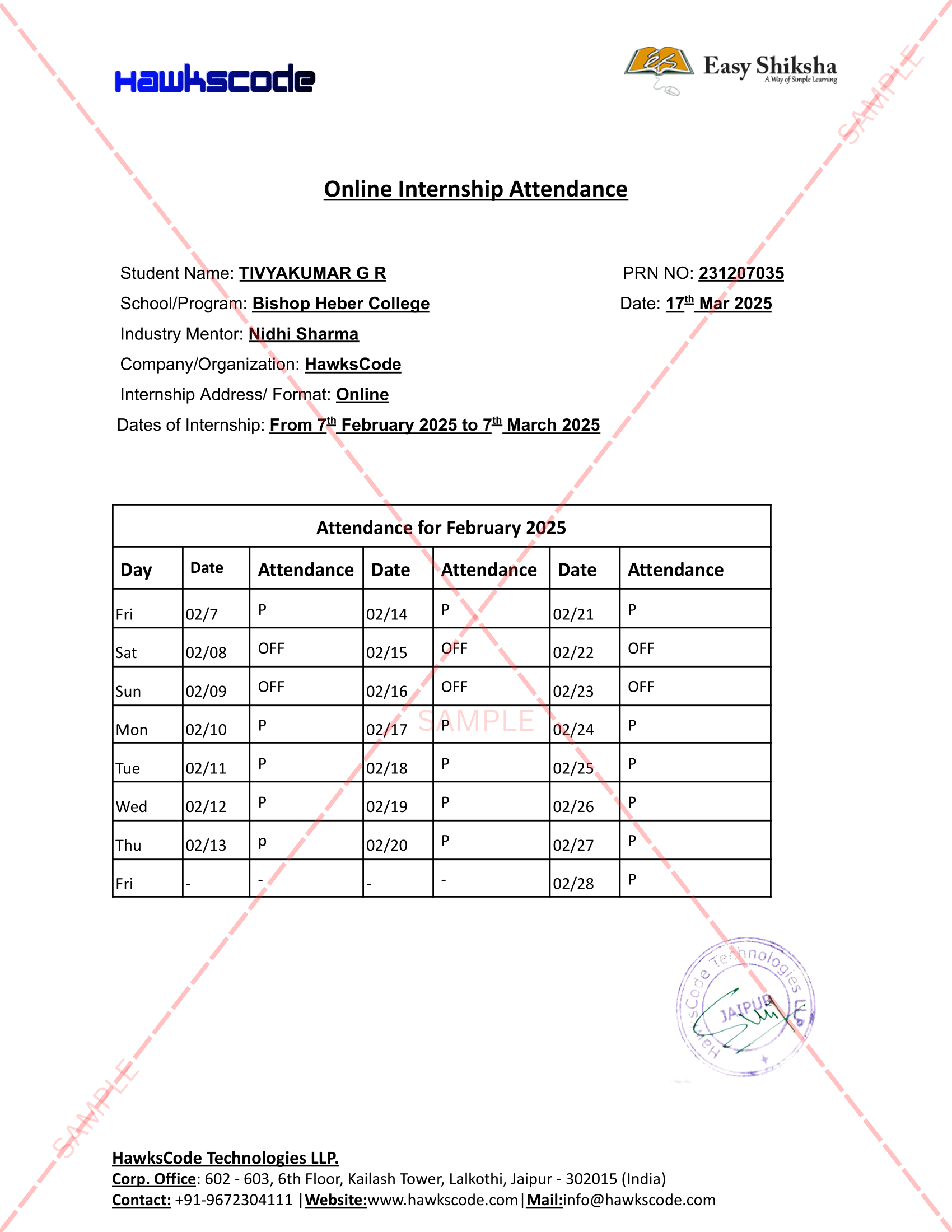
Internship Attendance Report
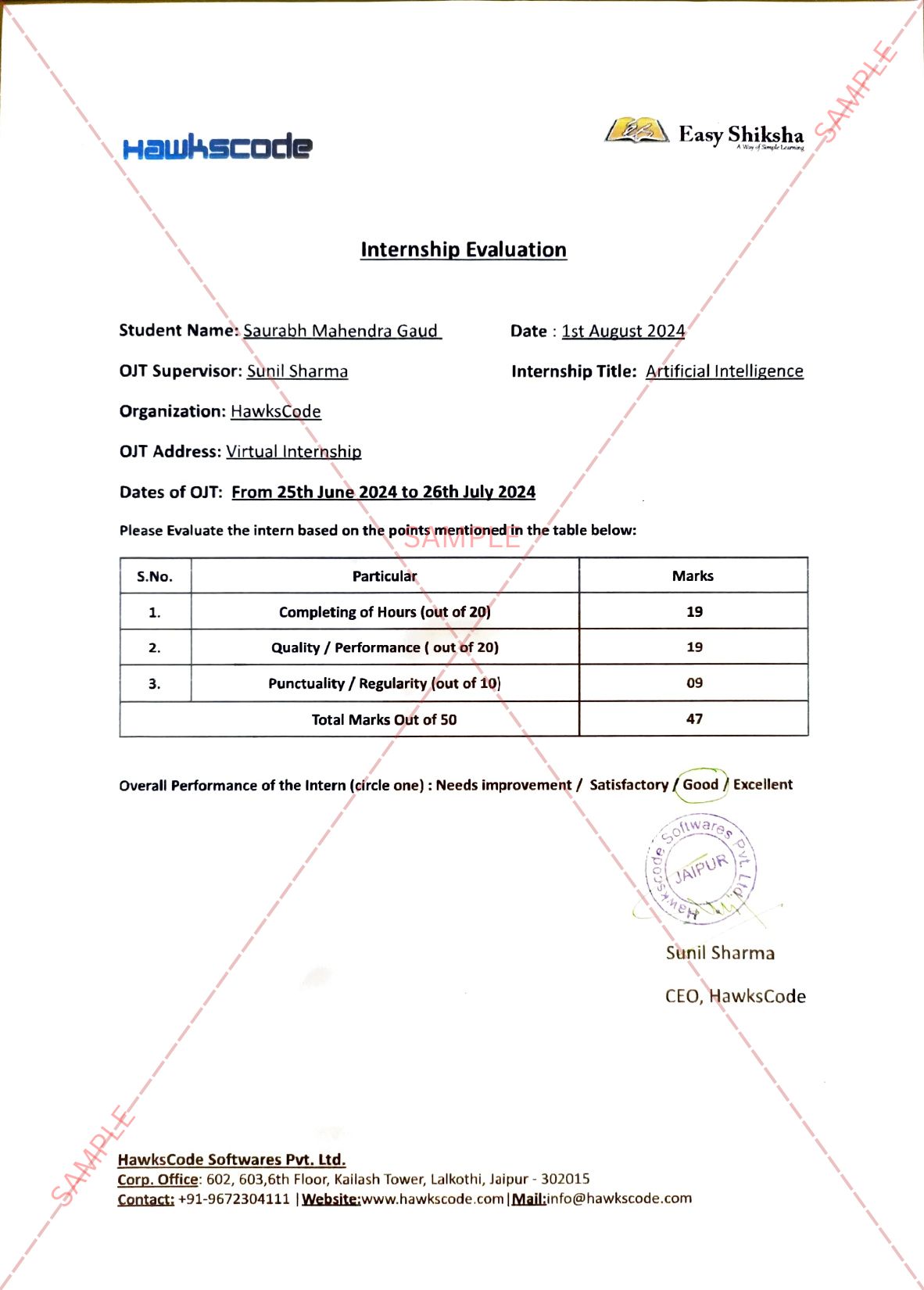
Internship Evaluation Report
Internship Certificate Hard Copy
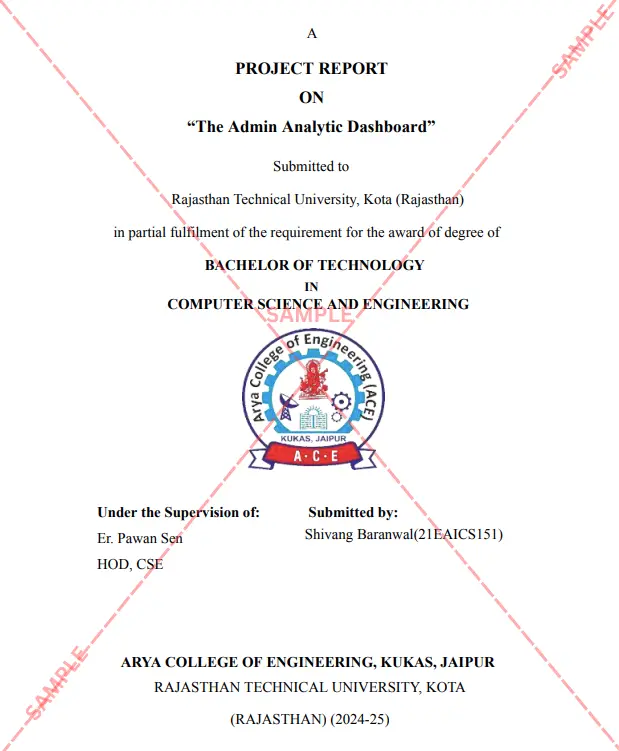
Project Report Assitance
Internship Project Assitance
1:1 Live Mentor Call
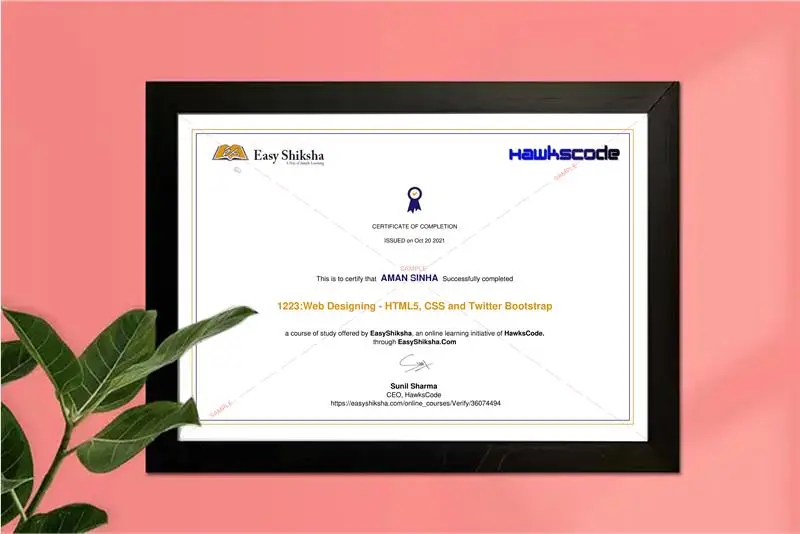
Course Certificate in Elegant Wooden Frame
2 Certificates (Course + Internship) Lifetime Access Projects & Assignments 1 Quiz + Assignments
EMIs
107 On-demand Videos Course Completion Certificate
Internship Certificate
Internship Joining/Offer Letter
Letter of Appreciation (LOA)
Internship Attendance Report
Internship Evaluation Report
Internship Certificate Hard Copy
Project Report Assitance
Internship Project Assitance
1:1 Live Mentor Call
Course Certificate in Elegant Wooden Frame
2 Certificates (Course + Internship) Lifetime Access Projects & Assignments 1 Quiz + Assignments
Why Start Now?
The Opportunity Won’t Wait.
Every day you delay is a missed opportunity to grow your skills. Learners who start today gain the advantage — whether it's building skills, improving careers, or unlocking new opportunities.
Still Thinking?
Here's everything that makes this a no-brainer:
No prior experience needed — start from absolute zero Beginner friendly — explained step by step Risk-free — 30-day full refund guarantee One-time payment — access forever Student-friendly pricing — see details at checkout Real internship certificate includedWhat Happens After You Enroll?
From payment to certificate — here's exactly what to expect
 Secure Payment
 Instant Access
30-Day Refund
2 Certificates
Instant Access
30-Day Refund
2 Certificates
Imagine After Completing This Course
Picture yourself 30 days from now — with skills, experience, and credentials that open real doors.




 Includes Internship