








Mastering Software Automation Testing for Quality, Risk & Reliability
Master automation testing to deliver reliable software, reduce risk, accelerate releases, and build scalable quality systems for modern development.
#1 Most Popular Online Course & Internship in Quality Management You can enroll today & get certified from EasyShiksha & HawksCode.
 Build real-world projects
Internship with certificate
Resume-ready experience
Beginner to advanced
Lifetime access
Interview prep included
Build real-world projects
Internship with certificate
Resume-ready experience
Beginner to advanced
Lifetime access
Interview prep included
 Updated September 07, 2026
Join 5,00,000+ students already enrolled worldwide
No risk — 30-day full refund guarantee
Start instantly after payment — access in seconds
Certificate + Internship Joining Letter included
Updated September 07, 2026
Join 5,00,000+ students already enrolled worldwide
No risk — 30-day full refund guarantee
Start instantly after payment — access in seconds
Certificate + Internship Joining Letter included

 Free Preview
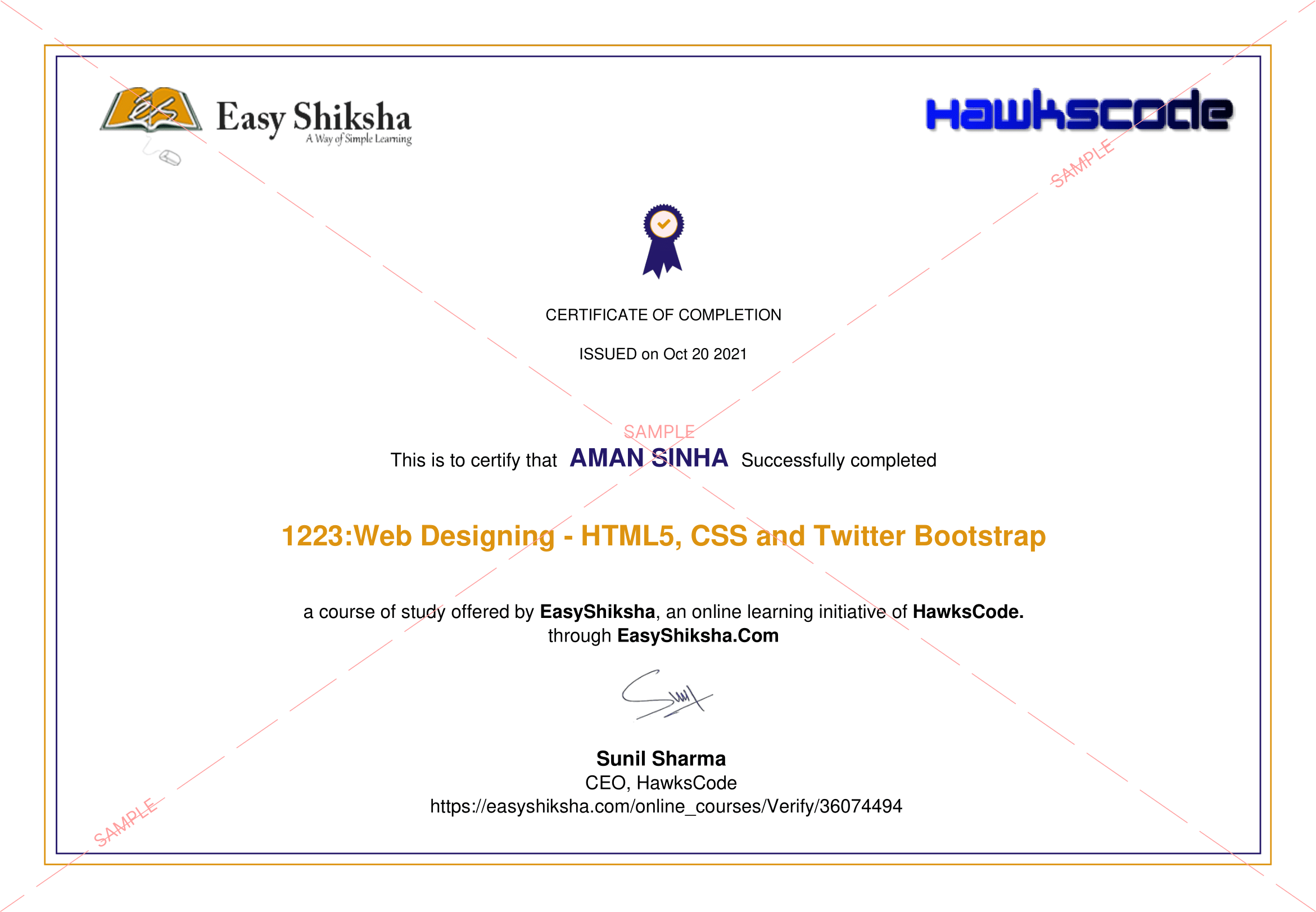 101 On-demand Videos
 Internship Joining Letter
 2 Certificates (Course + Internship)
 Lifetime Access
 1 Quiz + Assignments
 Mobile & Desktop Access




Why This Course and Internship Stands Out
See exactly what separates EasyShiksha students from everyone else
 Watching scattered YouTube
videos with no structure
No certificate — nothing to show
employers
No internship experience on
resume
Wasting months without clear
direction
Struggling to stand out in job
applications
No proof of practical skills
Structured, beginner-to-advanced
learning path
Verified certificate — shareable
on LinkedIn
Real internship offer letter for
your resume
Go from zero to job-ready in one
programme
Resume-ready experience before
graduation
Practical projects you can show
any recruiter
Watching scattered YouTube
videos with no structure
No certificate — nothing to show
employers
No internship experience on
resume
Wasting months without clear
direction
Struggling to stand out in job
applications
No proof of practical skills
Structured, beginner-to-advanced
learning path
Verified certificate — shareable
on LinkedIn
Real internship offer letter for
your resume
Go from zero to job-ready in one
programme
Resume-ready experience before
graduation
Practical projects you can show
any recruiter
Internship Opportunity Included With This Course
"This is not just a course — it's real career experience. Walk away with documents that prove your skills to any employer."




This Course is Perfect For
Whether you're starting from scratch or switching careers — this course is designed with your success in mind.








This course uses elements of Artificial IntelligenceImagine launching a groundbreaking software product with confidence, only to watch your team scramble as a critical failure emerges — one a well-constructed automated test suite could have caught in minutes. Or picture a global company announcing a flawless release, not because of extra overtime or luck, but through a mature culture of quality built on advanced automation testing. In an era where system complexity, rapid product iterations, and stakeholder expectations reach unprecedented heights, mastering automation testing isn’t just a technical advantage — it’s your secret weapon for delivering reliable software and accelerating organizational growth.
Our team of seasoned industry experts, with decades of hands-on leadership in software quality assurance, invites you to unlock the full power of Automation Testing for Software Quality and Reliability. This immersive course is meticulously crafted to address the present and future stakes of automated testing. Whether you aspire to reduce time-to-market, minimize business risk, conquer system complexity, or build organizational trust across product lines, you’ll find proven strategies, real-world insights, and practical frameworks designed for today’s demanding environments.
Why does this matter now? The velocity and competitiveness of modern software development mean a single oversight can trigger costly downtime, data breaches, or brand erosion. Meanwhile, robust automation delivers not just speed, but also the confidence that each release meets the highest standards of quality and reliability. Our curriculum goes far beyond scripting repetitive tests — offering holistic, business-aligned strategies that connect testing actions directly to product, customer, and business outcomes.
Throughout your learning journey, you will explore the evolution and strategic value of automation testing, uncovering how leading organizations have transformed their operations by embedding quality into every stage of development, from startups to enterprise giants. We demystify the hidden economics of quality assurance, reveal the human and organizational factors in successful adoption, and show you how to communicate test outcomes with clarity to stakeholders of all backgrounds.
You’ll journey through the foundations with illuminating examples of industry-defining failures — and the transformative role that automation could have played. Through interactive assessments and portfolio-building capstone case studies, you’ll analyze the complex relationship between manual and automated testing, weigh trade-offs, and make informed decisions that align with risk tolerance and market demands.
As you advance, you’ll gain a vital understanding of how automation testing empowers Agile and iterative lifecycles. Learn how to align your test strategy with changing product risks, system complexities, and business priorities. Real-world case studies highlight how companies slashed time-to-market by deploying automation thoughtfully, while direct interviews with industry stakeholders give you exclusive insights into how quality signaling influences go/no-go release decisions.
One of the course’s hallmarks is our deep dive into the mechanics and business value of system reliability. Discover why reliability is so much more than passing a set of tests — it’s a dynamic, system-wide property that must be continuously measured, understood, and communicated. Through detailed breakdowns, you’ll explore the nuances between reliability, availability, and system robustness, with authentic accounts of outages, regressions, and the lessons only automation can provide.
Our team brings special attention to the delicate art of balancing regression prevention with organizational agility. You’ll build and critique regression suites designed to give teams “change confidence,” studying real scenarios where robust automation averted costly incidents after release. These hands-on, project-oriented modules empower you to intelligently assess change impacts and create intelligent safeguards — not just code, but trust within your engineering culture.
But we don’t stop at the technical core. You’ll unravel the “emergent properties” of complex systems and how aggregated testing, layered strategies, and nuanced coverage models signal real-world health — far beyond the myth of 100% automation. Deep-dive portfolio projects will task you with modeling interconnected risks, closing coverage gaps, and communicating the limits and realities of test coverage to technical and non-technical decision-makers.
Effective communication sits at the heart of software quality. In our unique modules, you’ll master the best practices of reporting, visualization, and narrative construction to turn raw test data into compelling quality health signals. Through practical exercises and case studies — including crisis communications after failures and success stories of quality-driven culture change — you’ll refine your ability to bridge the gap between engineers, business leaders, and customers.
We also challenge you to go beyond code and dashboards by examining the human side of automation. Experience first-hand lessons on fostering collaboration between testers and developers, achieving buy-in, and managing the inevitable resistance that comes with new tooling and methodologies. Through real examples, you’ll learn how cross-functional teams have transformed traditional mindsets and embraced continuous improvement by integrating automation as a core discipline rather than a checkbox.
Modern organizations rarely have the luxury of greenfield systems. That’s why we dedicate a substantial portion of the course to overcoming technical debt and fragility in legacy codebases. Learn proven strategies for phasing automation into mixed-technology environments, managing risk during gradual modernization, and leading successful rollouts in global enterprises. Capstone case studies offer you experience in phased adoption — the kind of real-world challenge recruiters and engineering leaders value most.
Tooling, infrastructure, and sustainable engineering are paramount for scaling automation beyond a handful of tests. We guide you through modern frameworks, best practice selection criteria, and the essential investments needed to construct a resilient, future-proof testing platform. From test maintenance to infrastructure scaling, our case-driven approach illustrates what works at every stage of growth — and, just as importantly, what to avoid.
An often-overlooked pillar of automated testing is test data management. You’ll gain deep expertise in handling data dependencies, repeatability, and maintenance — learning through vivid examples where poor data stewardship sabotaged quality signals or, conversely, unlocked trust and compliance in regulated industries. As regulations and privacy become ever more central, you’ll understand your responsibilities in stewarding quality data for the long haul.
Perhaps most exciting for future-focused technologists, we open the door to the ongoing evolution of automated testing. Explore how learning systems, adaptive test strategies, and new industry benchmarks are reshaping the landscape. We look ahead to assure the reliability of next-generation distributed systems, helping you position yourself as a leader in this fast-changing discipline.
Balanced with optimism, we confront the limitations of automation head-on. Our team guides you through identifying gaps, blind spots, and potential anti-patterns that can undermine even the most enthusiastic efforts. Through rigorous scenario analyses and lessons learned from mission-critical industries, you will cultivate the discipline to innovate responsibly, always learning from setbacks to inform future strategies.
In the culminating section, you’ll build your own portfolio-ready capstone project: a comprehensive, real-world automation strategy based on industry incidents, success stories, and quality signaling pivots. You’ll reflect on organizational interviews spotlighting the true impact of automation on perceptions of quality and reliability. With cumulative best practices and frameworks, you’ll be equipped to deliver immediate value in any QA, development, or leadership role.
But what truly sets our course apart is its unwavering focus on building a lasting culture of quality. We help you not only master testing tools and tactics, but also develop the lasting processes, leadership skills, and stakeholder engagement habits that drive quality and reliability at scale. Through actionable tools for feedback, collaboration, and continuous improvement, you’ll leave with the ability to champion systemic change and inspire future generations.
From system reliability and risk management to test coverage analytics, stakeholder communications, and sustainable infrastructure, this course delivers a 360-degree exploration of automated testing as the modern cornerstone of software quality assurance. Our integrated approach — blending technical proficiency, business acumen, and organizational dynamics — ensures you graduate not just with knowledge, but strategic, portfolio-ready expertise that turns you into a sought-after catalyst for change.
By enrolling in Automation Testing for Software Quality and Reliability, you’re not just learning to write better tests. You’re investing in the skills to shape release decisions, empower high-performing teams, communicate quality signals effectively, and safeguard your business’s future. Secure your place among the next generation of quality champions — where every automated test becomes a signal of trust, reliability, and enduring innovation.
 Unlock 99 More Lessons + Internship Access

 Missing this = losing the internship credential Missing this = losing your early-access advantage Missing this = falling behind candidates who did enroll



.svg?v1)
 Chat with us first →
 UPI
UPI
 Wallets
 Debit/ Credit card
 NetBanking
 EMIs
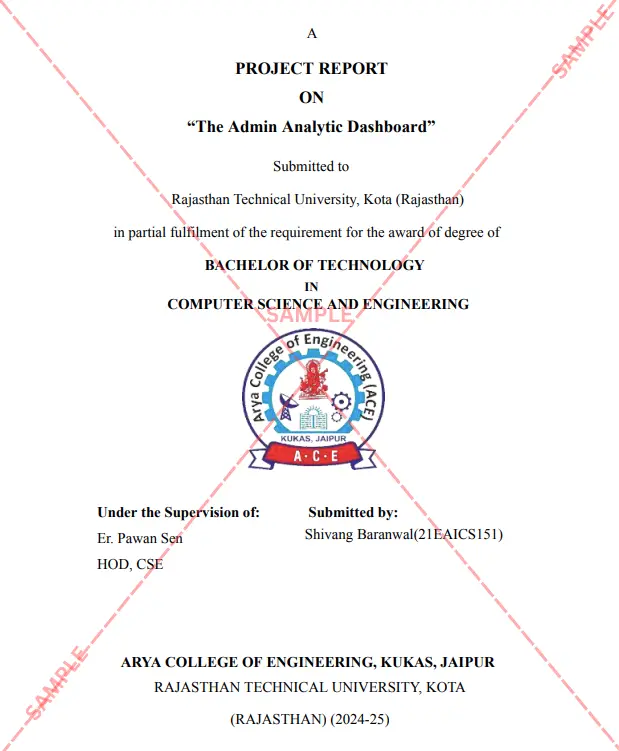
101 On-demand Videos Course Completion Certificate
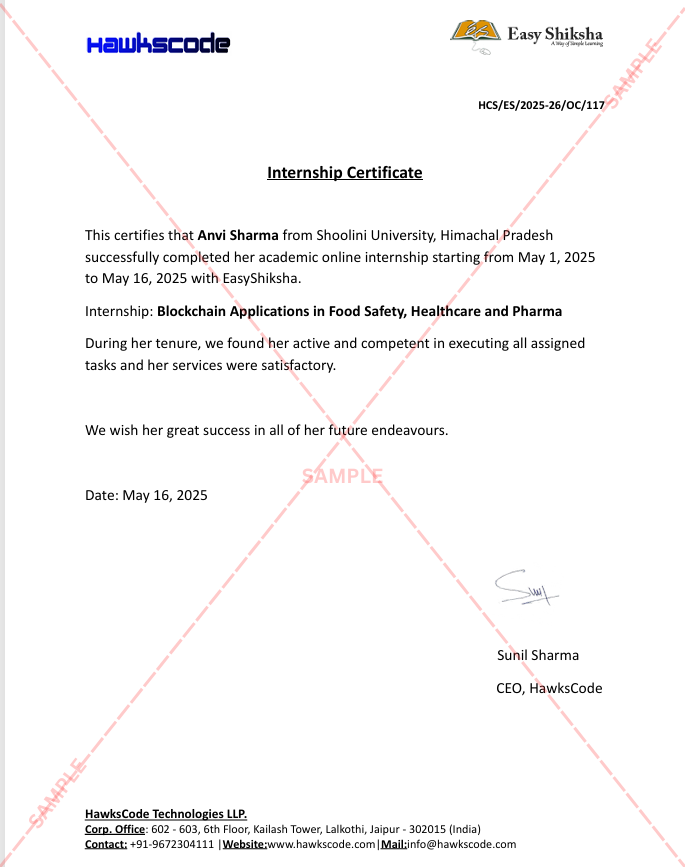
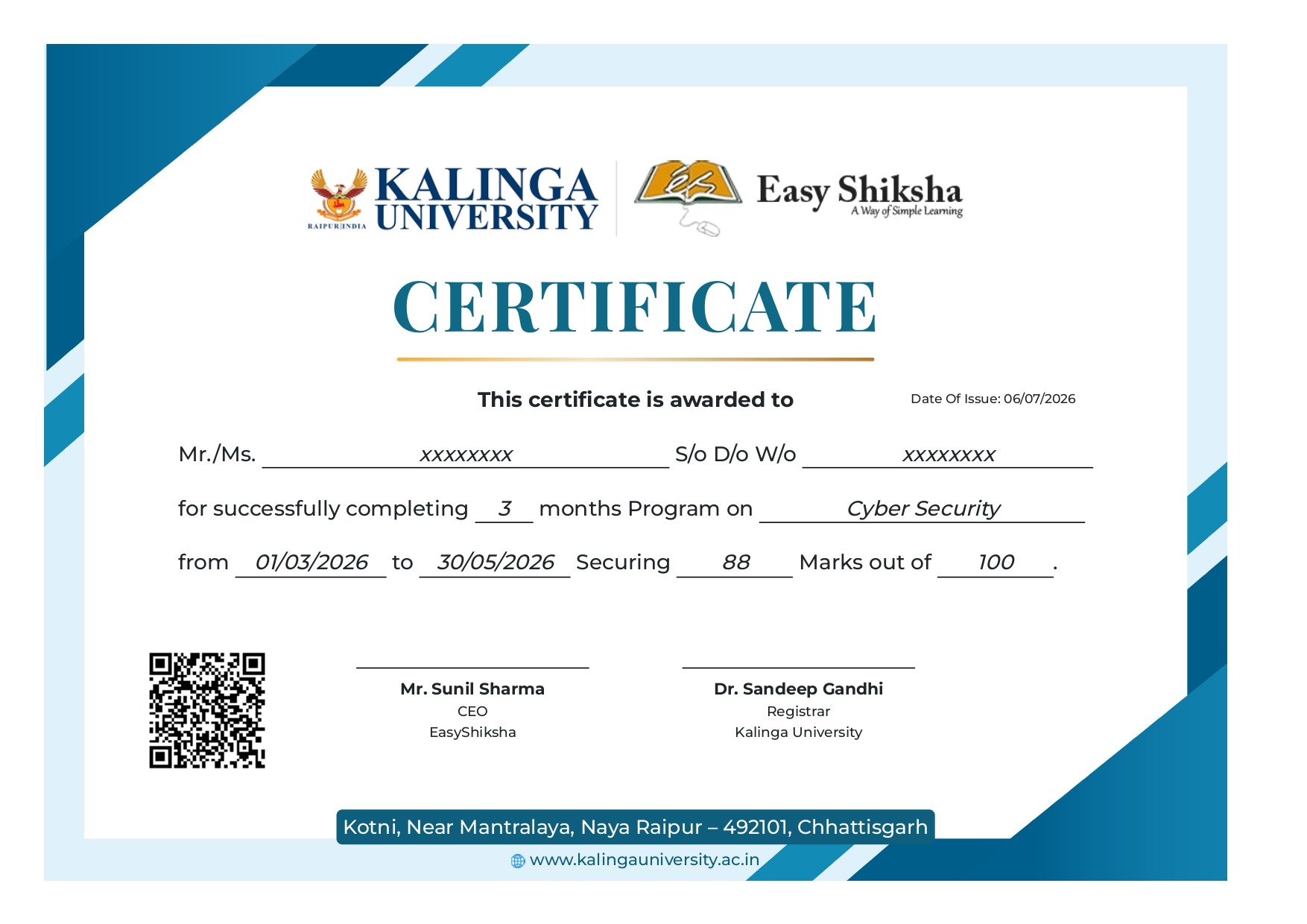
Internship Certificate
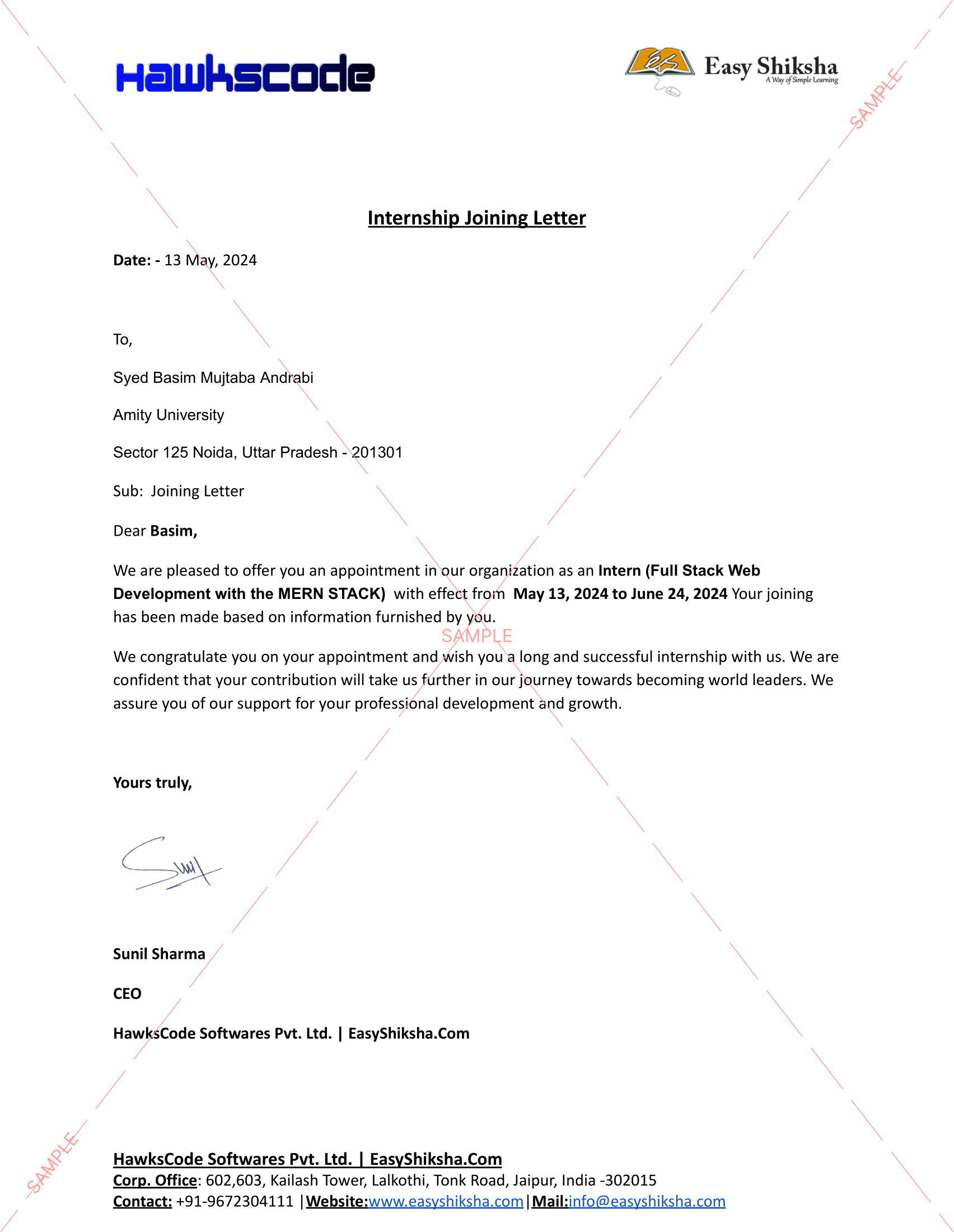
Internship Joining/Offer Letter
Letter of Appreciation (LOA)
Internship Attendance Report
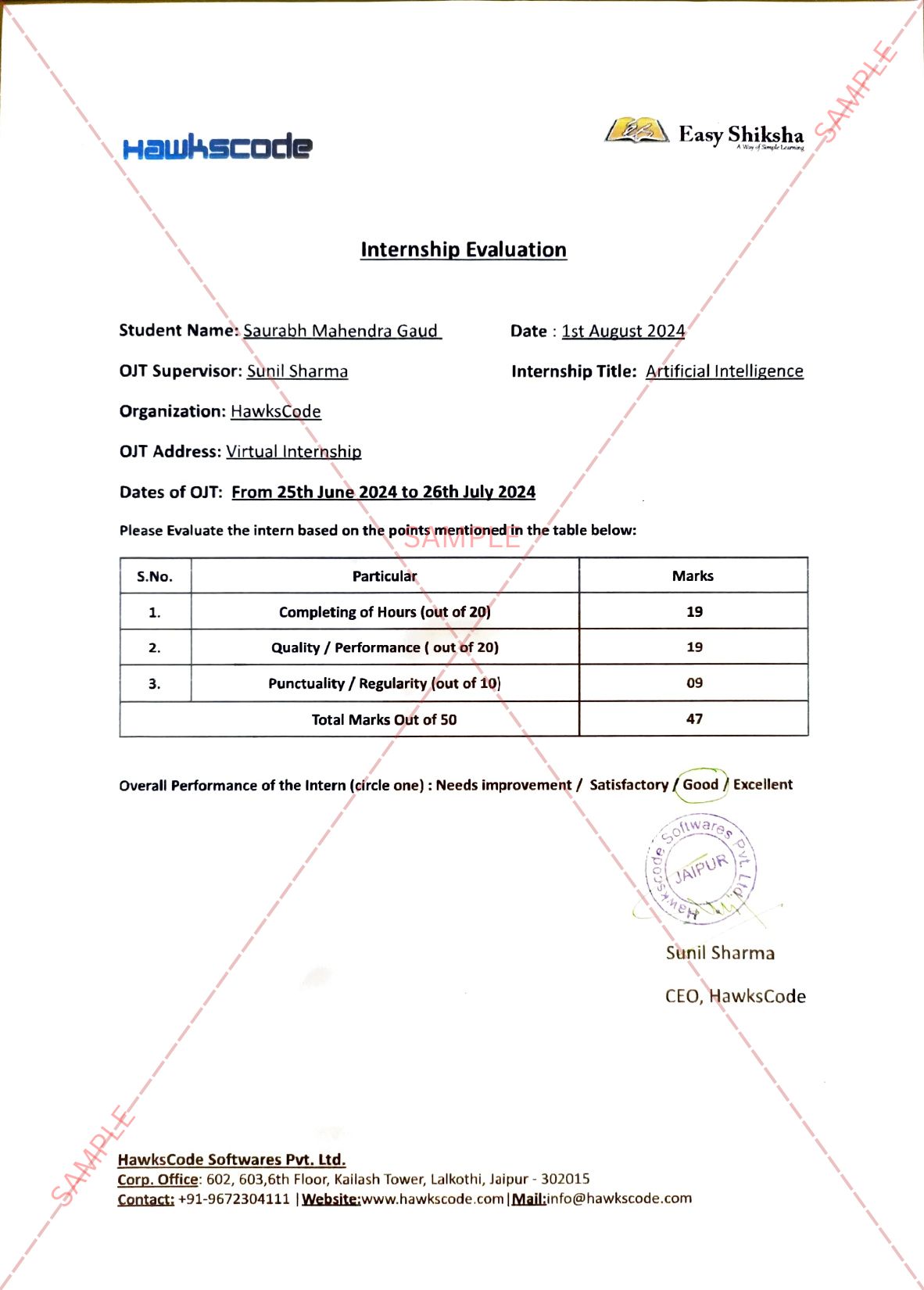
Internship Evaluation Report
Internship Certificate Hard Copy
Project Report Assitance
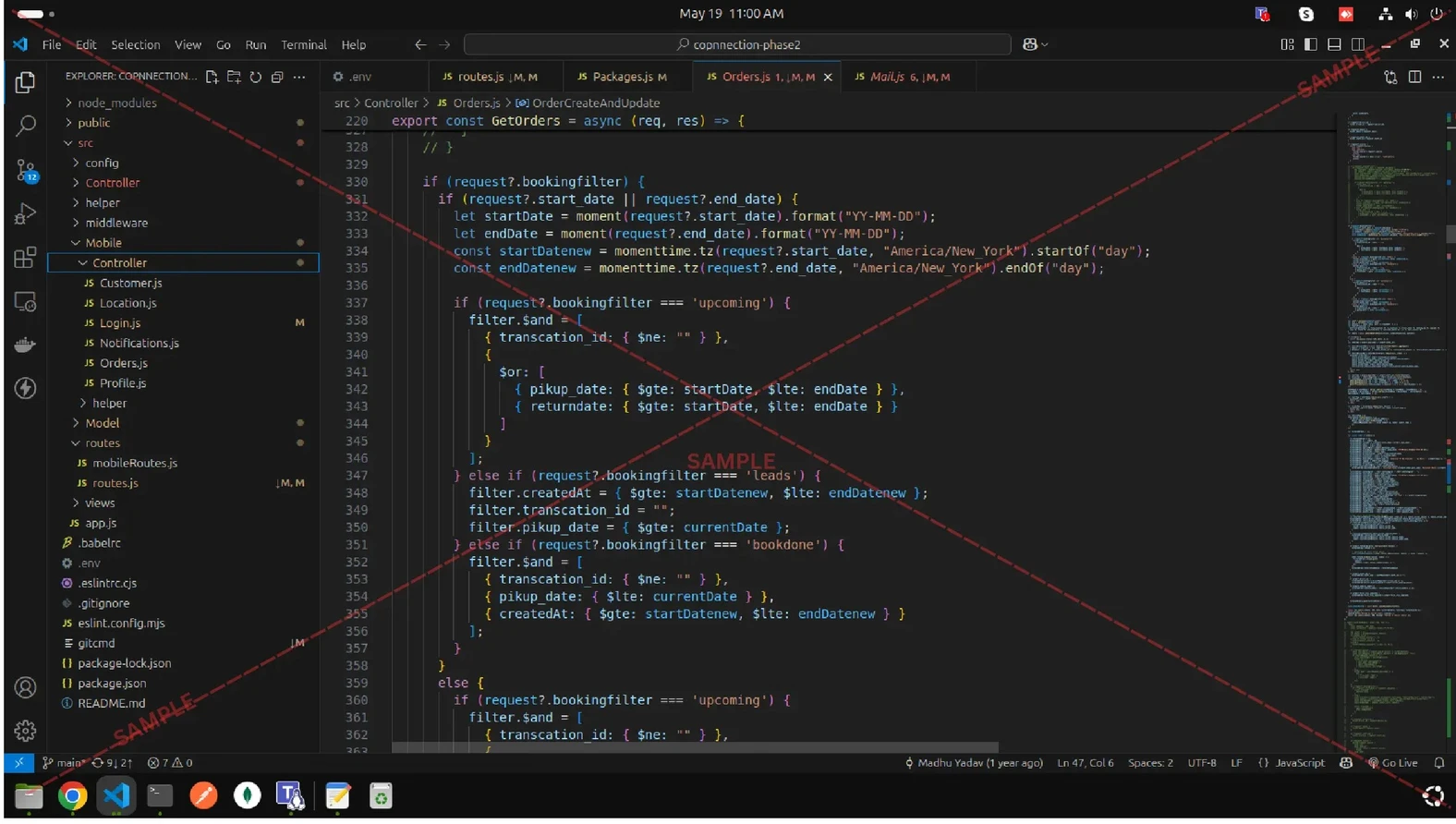
Internship Project Assitance
1:1 Live Mentor Call
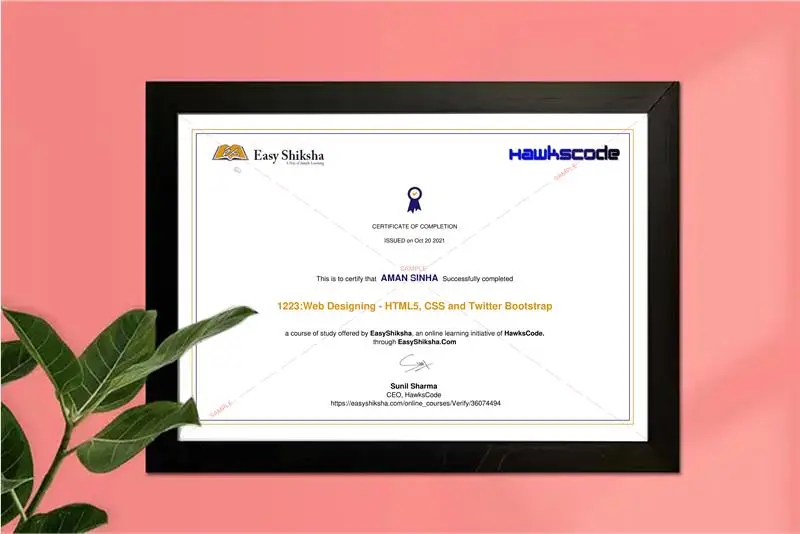
Course Certificate in Elegant Wooden Frame
2 Certificates (Course + Internship) Lifetime Access Projects & Assignments 1 Quiz + Assignments
EMIs
101 On-demand Videos Course Completion Certificate
Internship Certificate
Internship Joining/Offer Letter
Letter of Appreciation (LOA)
Internship Attendance Report
Internship Evaluation Report
Internship Certificate Hard Copy
Project Report Assitance
Internship Project Assitance
1:1 Live Mentor Call
Course Certificate in Elegant Wooden Frame
2 Certificates (Course + Internship) Lifetime Access Projects & Assignments 1 Quiz + Assignments
Why Start Now?
The Opportunity Won’t Wait.
Every day you delay is a missed opportunity to grow your skills. Learners who start today gain the advantage — whether it's building skills, improving careers, or unlocking new opportunities.
Still Thinking?
Here's everything that makes this a no-brainer:
No prior experience needed — start from absolute zero Beginner friendly — explained step by step Risk-free — 30-day full refund guarantee One-time payment — access forever Student-friendly pricing — see details at checkout Real internship certificate includedWhat Happens After You Enroll?
From payment to certificate — here's exactly what to expect
 Secure Payment
 Instant Access
30-Day Refund
2 Certificates
Instant Access
30-Day Refund
2 Certificates
Imagine After Completing This Course
Picture yourself 30 days from now — with skills, experience, and credentials that open real doors.




 Includes Internship