






Master Electronics: From Fundamentals to System Design & Future
Master electronics to design intelligent, energy-efficient systems, solve real-world challenges, and build portfolio-ready projects for high-demand tech careers.
#1 Most Popular Online Course & Internship in Electronics You can enroll today & get certified from EasyShiksha & HawksCode.
 Build real-world projects
Internship with certificate
Resume-ready experience
Beginner to advanced
Lifetime access
Interview prep included
Build real-world projects
Internship with certificate
Resume-ready experience
Beginner to advanced
Lifetime access
Interview prep included
 Updated September 28, 2026
Join 5,00,000+ students already enrolled worldwide
No risk — 30-day full refund guarantee
Start instantly after payment — access in seconds
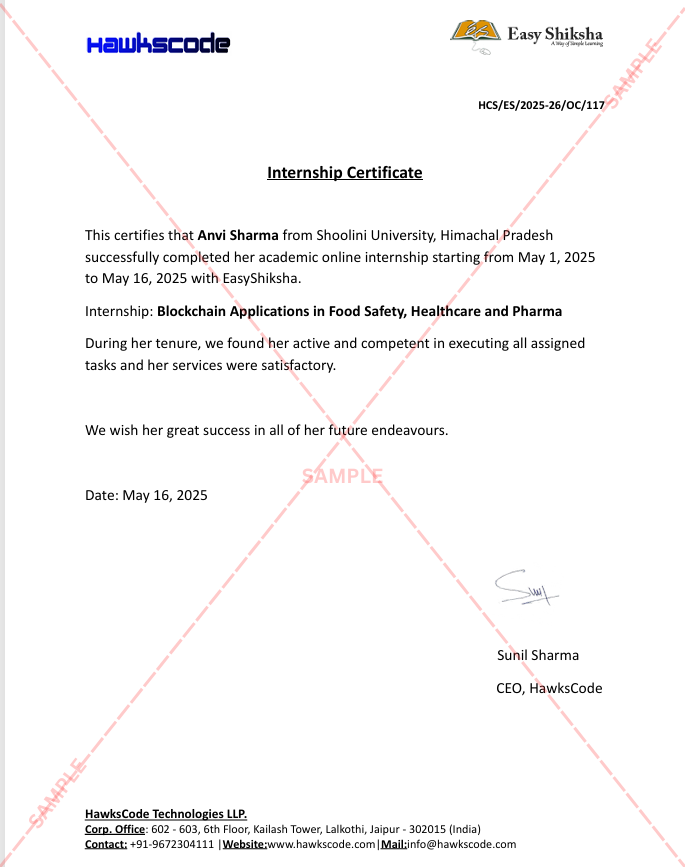
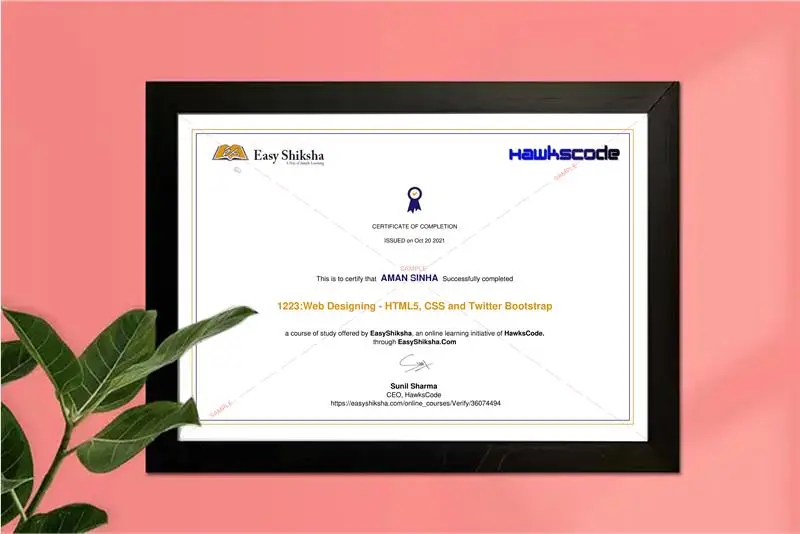
Certificate + Internship Joining Letter included
Updated September 28, 2026
Join 5,00,000+ students already enrolled worldwide
No risk — 30-day full refund guarantee
Start instantly after payment — access in seconds
Certificate + Internship Joining Letter included

 Free Preview
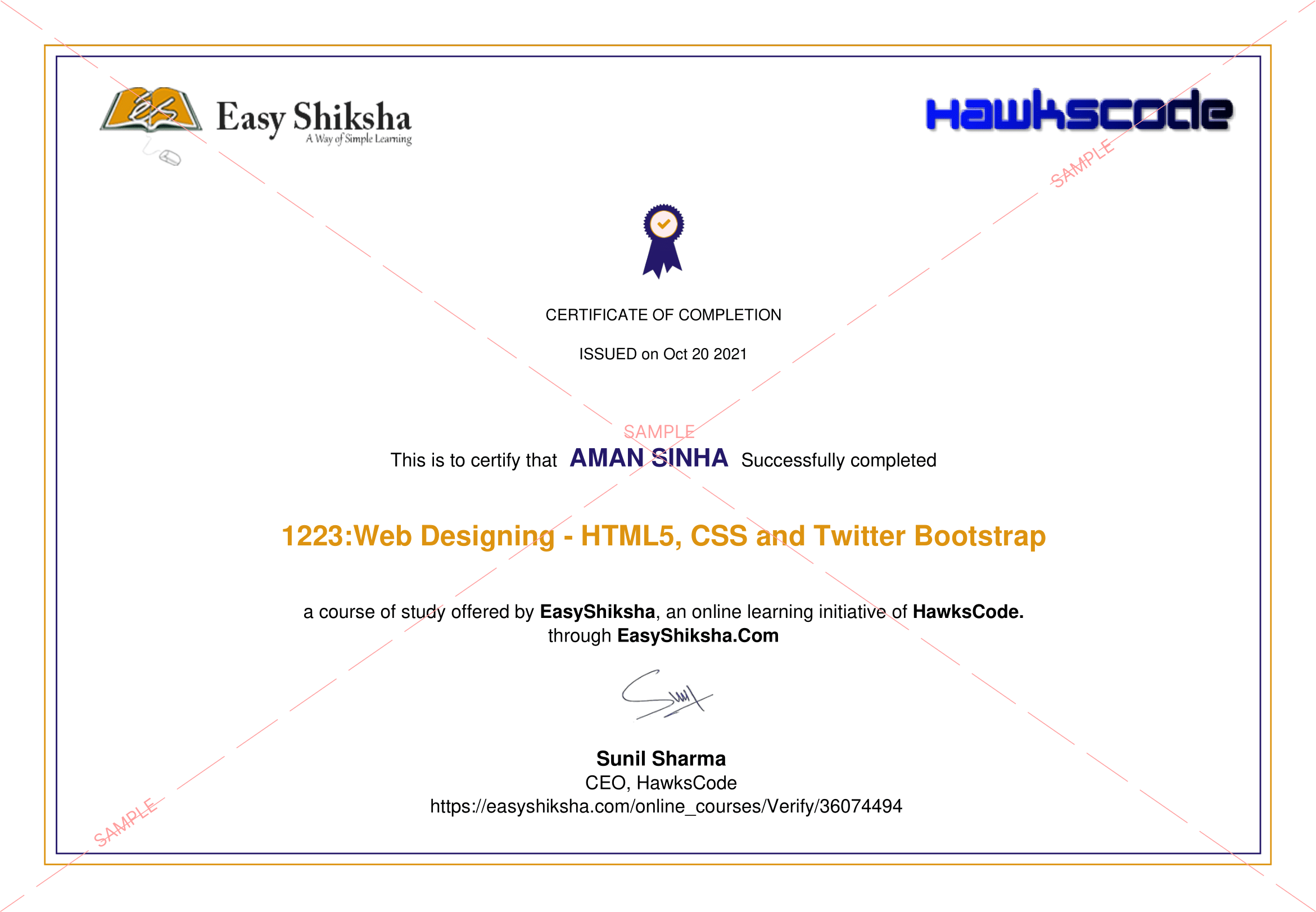 101 On-demand Videos
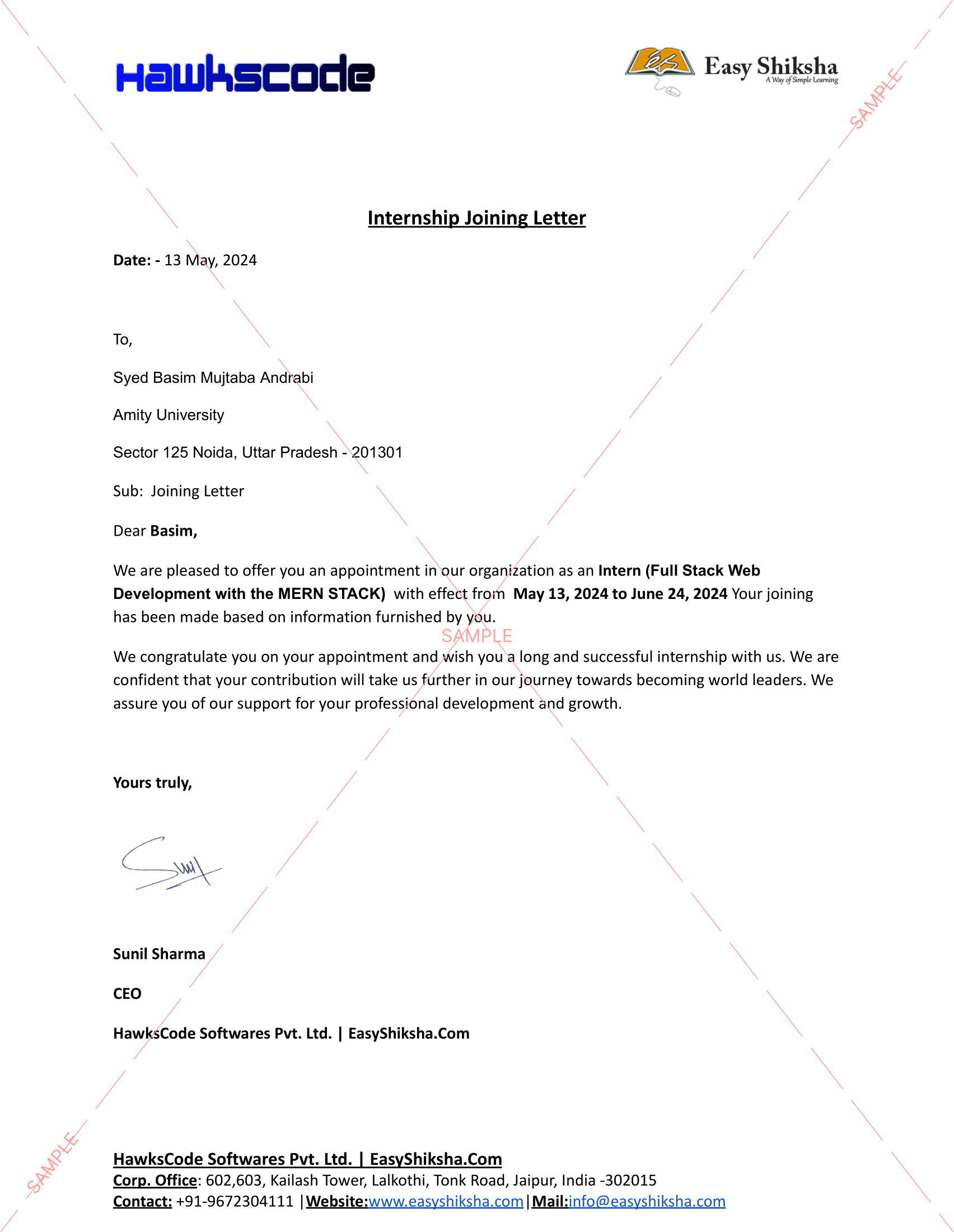
 Internship Joining Letter
 2 Certificates (Course + Internship)
 Lifetime Access
 1 Quiz + Assignments
 Mobile & Desktop Access




Why This Course and Internship Stands Out
See exactly what separates EasyShiksha students from everyone else
 Watching scattered YouTube
videos with no structure
No certificate — nothing to show
employers
No internship experience on
resume
Wasting months without clear
direction
Struggling to stand out in job
applications
No proof of practical skills
Structured, beginner-to-advanced
learning path
Verified certificate — shareable
on LinkedIn
Real internship offer letter for
your resume
Go from zero to job-ready in one
programme
Resume-ready experience before
graduation
Practical projects you can show
any recruiter
Watching scattered YouTube
videos with no structure
No certificate — nothing to show
employers
No internship experience on
resume
Wasting months without clear
direction
Struggling to stand out in job
applications
No proof of practical skills
Structured, beginner-to-advanced
learning path
Verified certificate — shareable
on LinkedIn
Real internship offer letter for
your resume
Go from zero to job-ready in one
programme
Resume-ready experience before
graduation
Practical projects you can show
any recruiter
Internship Opportunity Included With This Course
"This is not just a course — it's real career experience. Walk away with documents that prove your skills to any employer."



This Course is Perfect For
Whether you're starting from scratch or switching careers — this course is designed with your success in mind.








This course uses elements of Artificial IntelligenceHave you ever wondered what truly drives our digital world, powers life-saving medical equipment, or shapes the connected devices in our homes and pockets? Imagine seeing electronics not just as a collection of wires and chips, but as a living network of ideas, transforming energy and information through invisible symphonies of signals. Whether you’re fascinated by smartphones, motivated to design the next breakthrough device, or simply curious about how everyday objects “think,” this course will unlock the principles and practices at the heart of modern electronics.
In today’s rapidly changing technology landscape, electronics is more than a foundational science — it’s a deeply interconnected discipline weaving together physics, mathematics, software, and real-world systems thinking. At the core of every technological advance, from wearable health monitors to quantum computing prototypes, lies the artful management of signals: how we shape, process, and harness them to interact with our environment and each other. Mastering electronics means speaking the universal language that shapes tomorrow’s innovations, and this course is your immersive guide.
Our team brings a broad spectrum of expertise from industry and academia, fusing decades of experience in consumer electronics, embedded computing, biomedical systems, and power management. With backgrounds ranging from chip design to large-scale systems engineering, we understand not only how things work under the hood, but why certain decisions lead to transformative products or enduring reliability. We know what it takes to move beyond isolated facts to systemic understanding — and to help you gain confidence in asking “how” and “why,” not just “what.”
Relevance and Impact: Why Electronics Mastery Matters Now
Everywhere you look, electronics is redefining the possible. Energy-efficient urban lighting, life-sustaining devices in hospitals, smart vehicles navigating city streets — all powered by foundational concepts and careful design trade-offs. These systems demand engineers, innovators, and thinkers who not only “connect the dots” but see the big picture, anticipate challenges, and drive sustainable, robust solutions. Leaning into this field prepares you for in-demand careers, empowers creative problem-solving, and gives you the tools to participate in shaping the technological fabric of our time.
With the accelerating integration of hardware and software, the rise of embedded intelligence, and the global focus on sustainable and secure electronics, employers, startup founders, and research labs all value the mindset and skill set you’ll build here. But more than career benefits, this journey empowers you to see the world with fresh eyes — noticing the subtle orchestration behind familiar objects and evaluating technologies with a systems perspective.
Your Learning Journey: From Foundations to Portfolio-Ready Mastery
Our course unfolds as a carefully crafted roadmap, starting from first principles and gradually expanding to systemic thinking, practical application, and future-facing innovations. Each section builds not just technical know-how, but intuition, curiosity, and design acumen.
Early Foundations – Seeing Electronics as a System
You’ll begin by exploring what electronics truly means: looking at real-life examples, tracing historical breakthroughs, and discovering how abstraction lets us move from simple physical components to complex, intelligent networks. By examining signal processing and system behavior, you’ll move beyond rote memorization and build a framework for lifelong exploration.
We emphasize *conceptual reasoning*, teaching you to approach electronics as a living, evolving discipline where understanding “why” is as important as “how.” This approach sets you up to dissect modern products, troubleshoot with confidence, and propose innovative solutions.
Core Concepts – Voltage, Current, Resistance, and Energy Management
Next, we unravel the essential physical phenomena: how current flows, what voltage really means, and how resistance shapes every signal and energy transfer in a circuit. Using tangible analogies and real-device case studies, you’ll develop an instinct for what happens “behind the scenes” in anything from smartphones to industrial controllers.
Energy safety is woven throughout, giving you knowledge and habits that protect not only devices, but also yourself and those around you — an often-overlooked foundation for professional work and home tinkering alike.
Building Blocks – Resistors, Capacitors, and Inductors in Action
Dive deep into passive components that serve as the backbone of all electronics: resistors, capacitors, and inductors. You’ll see how each one shapes signal behavior, from smoothing audio to filtering power supplies, timing digital pulses, or enabling wireless energy transmission. By combining conceptual explanations with hands-on projects, you’ll gain firsthand experience with trade-offs in performance, efficiency, and reliability.
Design activities and quick challenges (ex: design a voltage divider for a battery-powered sensor) help reinforce learning, encouraging you to experiment, test, and iterate — the same skills required in industry settings.
Semiconductors and Signal Steering – Diodes and Transistors
Step into the realm where physics meets magic: semiconductors. Discover how diodes enforce the rules of current direction, safeguard sensitive components, and enable power conversion. Then, see how transistors act both as fast switches and as the magnifiers behind modern amplification and logic, powering everything from music systems to microprocessors.
You’ll analyze practical applications (from signal protection to power management), explore conceptual models like the P-N junction, and tackle design choices in speed, cost, and reliability. This prepares you to confidently interpret datasheets, select components, and design for real-world constraints.
From Basics to Integrated Systems – Building Complex Networks
Learn how combining simple components in series and parallel unlocks a universe of possibilities. Through guided analysis of circuit networks and real-world systems (from LED arrays to efficient lighting), you’ll develop both mathematical and intuitive fluency in current, voltage, and power distribution. We emphasize not just “what connects to what,” but why certain choices maximize energy efficiency, safety, or lifetime performance.
Signals in the Real World – Analog and Digital Perspectives
Electronics is ultimately about controlling information as much as energy. You’ll dive into the behavior of analog signals — exploring amplitude, frequency, phase, and the ever-present challenge of noise and interference. You’ll gain an appreciation for why analog fidelity still matters in the digital age (think: high-fidelity audio or precision measurement), and how filters and signal shaping preserve meaning and function.
Then, move seamlessly into the world of digital signals: understanding logic, thresholds, clocking, and propagation — as well as how digital systems communicate in microcontrollers, networks, and data interfaces. You’ll see why timing, synchronization, and signal integrity are make-or-break considerations for everything from consumer gadgets to mission-critical infrastructure.
Noise, Power, Timing, and the Path to Robust Design
Explore strategies for minimizing and managing noise — a crucial difference between a functional device and a best-in-class product, especially in medical or safety-critical contexts. Examine power management from the basics of supply conversion to nuanced design for energy efficiency, battery life, and sustainability. Assess timing and synchronization in communication and processing, gaining conceptual tools for analyzing delays, distributing clocks, and coordinating multiple circuits.
Integration and System Architecture
No electronic device is an island. You’ll discover the principles behind modular subsystems, how to standardize or customize interfaces, and how systemic thinking underpins the architecture of consumer electronics, automotive control, and beyond. You’ll be introduced to industry practices in functional testing, system integration, and reliability assurance — giving you a realistic perspective that bridges theory and real-world demands.
Trade-Offs, Reliability, and Real-World Application
Through detailed case studies, investigate how professionals weigh factors like performance, cost, power consumption, and reliability over a product’s lifecycle. Learn concrete, actionable strategies for designing robust, fault-tolerant systems, and explore practical standards for safety and quality — the backbone of sectors like aerospace, medical devices, and automotive electronics.
Delve into the ethical, sustainability, and security implications of design decisions, and discover ways to future-proof your creations and career in a world that values robust, responsible innovation.
The Software-Hardware Nexus
Unpack the powerful interaction between firmware and hardware, from embedded systems to IoT applications. See how software influences everything from signal timing to system updates and user security, and why mastering both sides sets great engineers apart. You’ll examine co-design approaches, interface principles, and the emerging role of software-defined electronics.
Feedback, Control, and Adaptive Electronics
Gain an intuitive grasp on feedback loops and control theory — skills essential for designing everything from audio amplifiers to precision motor systems and adaptive, self-tuning devices. You’ll explore stability, responsiveness, and the artful balancing of simplicity and control complexity.
Capstone Experiences: Real-World Case Studies and Portfolio Projects
Throughout the course, you’ll engage with deep-dive case studies covering consumer electronics, energy-efficient appliances, medical and safety-critical systems, automotive innovations, and more. Each scenario offers targeted projects and assessments, challenging you to diagnose problems, devise creative solutions, and justify trade-offs.
Culminate your journey by assembling your own portfolio-ready project or analysis — whether optimizing a power supply for wearables, proposing a robust digital communication protocol, or designing a system-level solution for an energy-harvesting application. Our assessments encourage reflection, troubleshooting, and documentation skills prized by employers and academic programs alike.
What Sets This Course Apart
Unlike fragmented tutorials or overly theoretical courses, our curriculum is grounded in both conceptual depth and system-level perspective. We prioritize interconnected thinking and emphasize how foundational ideas manifest across domains — preparing you to adapt, collaborate, and lead in multidisciplinary environments.
You’ll benefit from a dynamic blend of high-quality video lectures, interactive quizzes, schematic walkthroughs, design tasks, and downloadable reference guides. Our feedback and guidance are designed for long-term growth, supporting not just technical mastery but the mindset of a true innovator.
We consistently update our content to reflect emerging trends, industry standards, and student feedback — keeping you ahead as electronics evolves. Our approach nurtures curiosity, confidence, and a professional toolkit that’s instantly relevant to real-world problems, job interviews, and future study.
Join Us and Transform Your Understanding
Whether you aim to launch a tech career, add “systems thinker” to your skill set, or simply decode the technologies shaping everyday life, this is your gateway to excellence in electronics. The world needs more creative, critical, and conscious designers — and with this course, you’ll be ready to meet the challenge.
Sign up now to access a transformative journey through the entire world of modern electronics — from tiny electrons to complex systems, from timeless principles to future technologies. Let’s unlock your potential to see, analyze, and design the systems that will power tomorrow. Your adventure in electronics mastery starts here.
 Unlock 99 More Lessons + Internship Access

 Missing this = losing the internship credential Missing this = losing your early-access advantage Missing this = falling behind candidates who did enroll


.svg?v1)
 Chat with us first →
 UPI
UPI
 Wallets
 Debit/ Credit card
 NetBanking
 EMIs
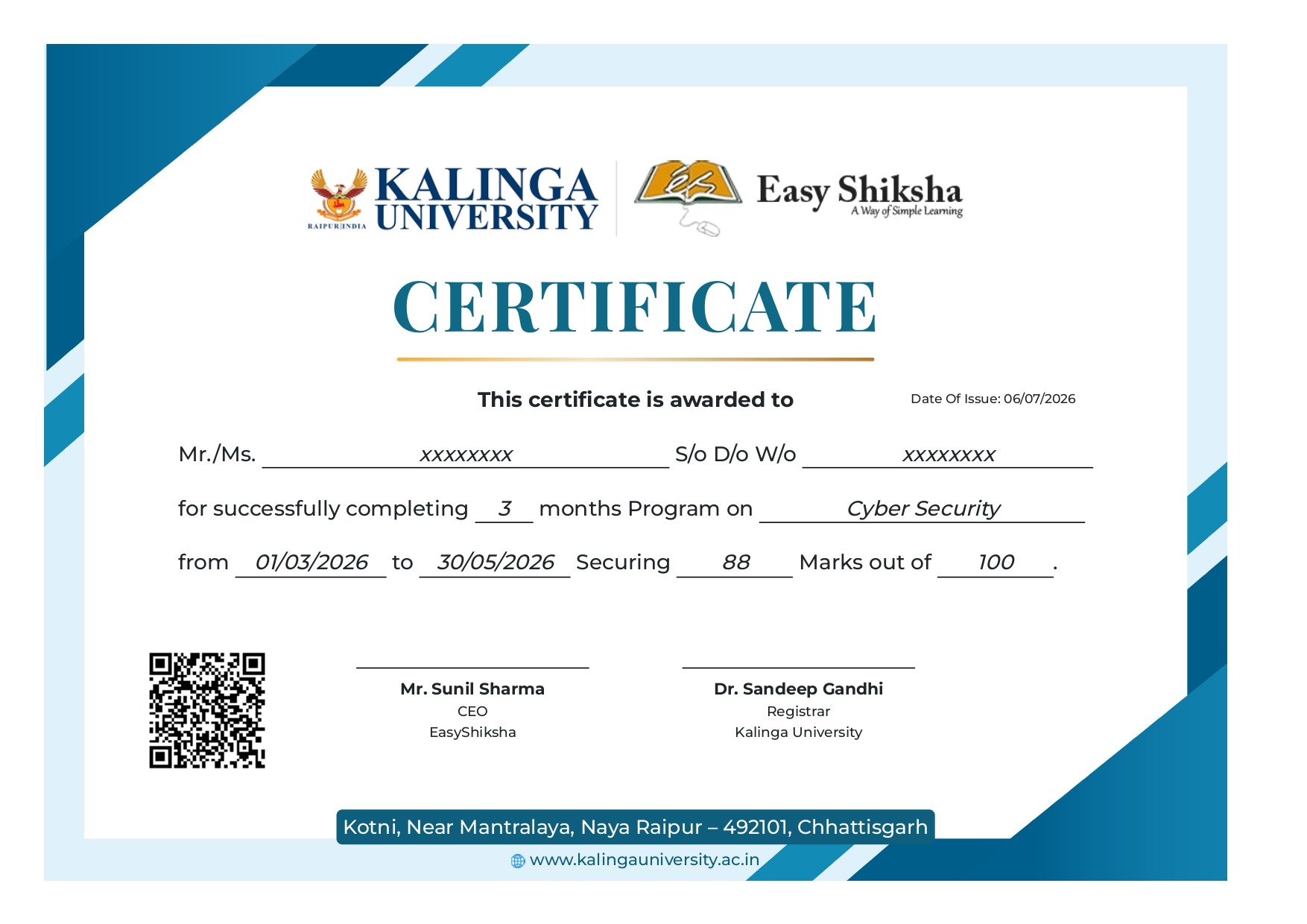
101 On-demand Videos Course Completion Certificate
Internship Certificate
Internship Joining/Offer Letter
Letter of Appreciation (LOA)
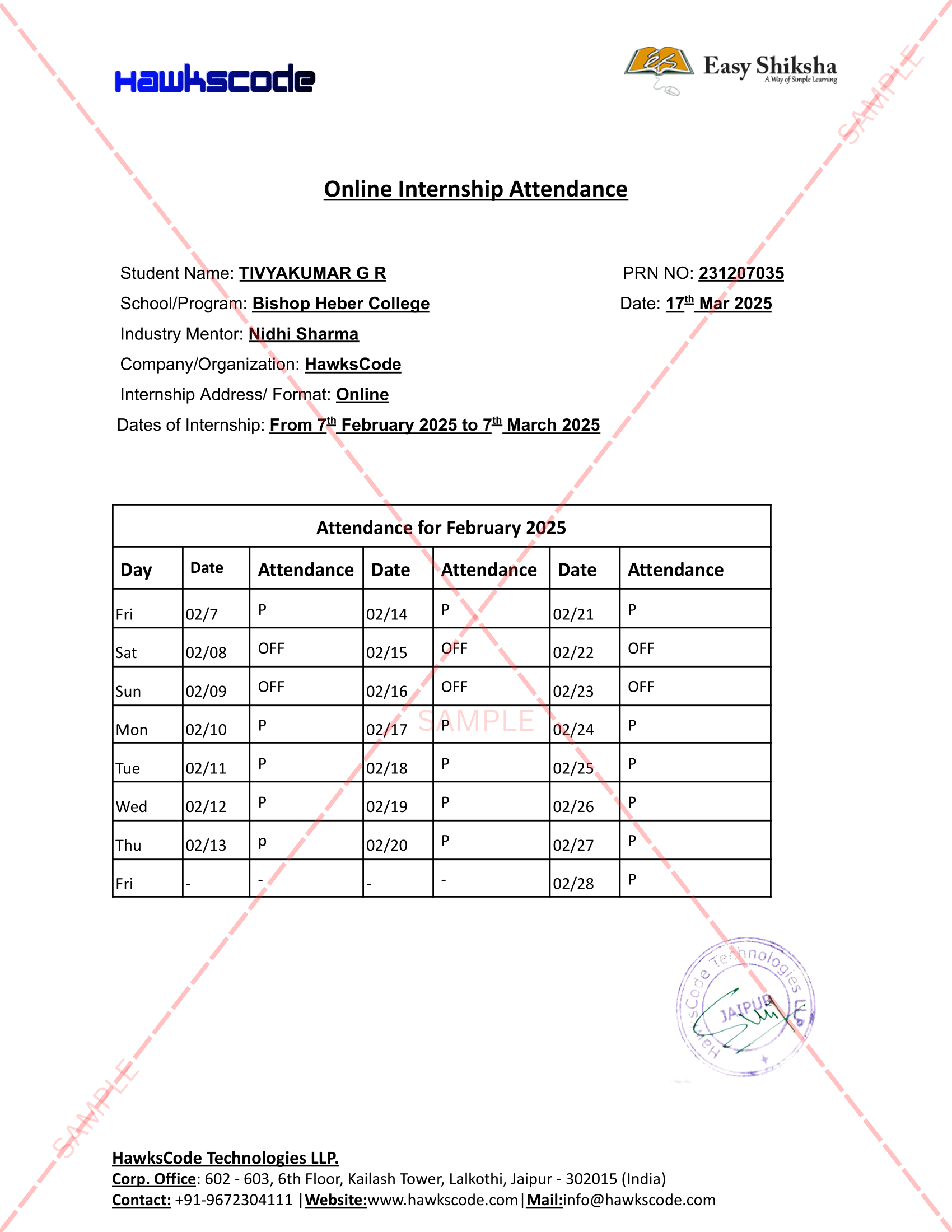
Internship Attendance Report
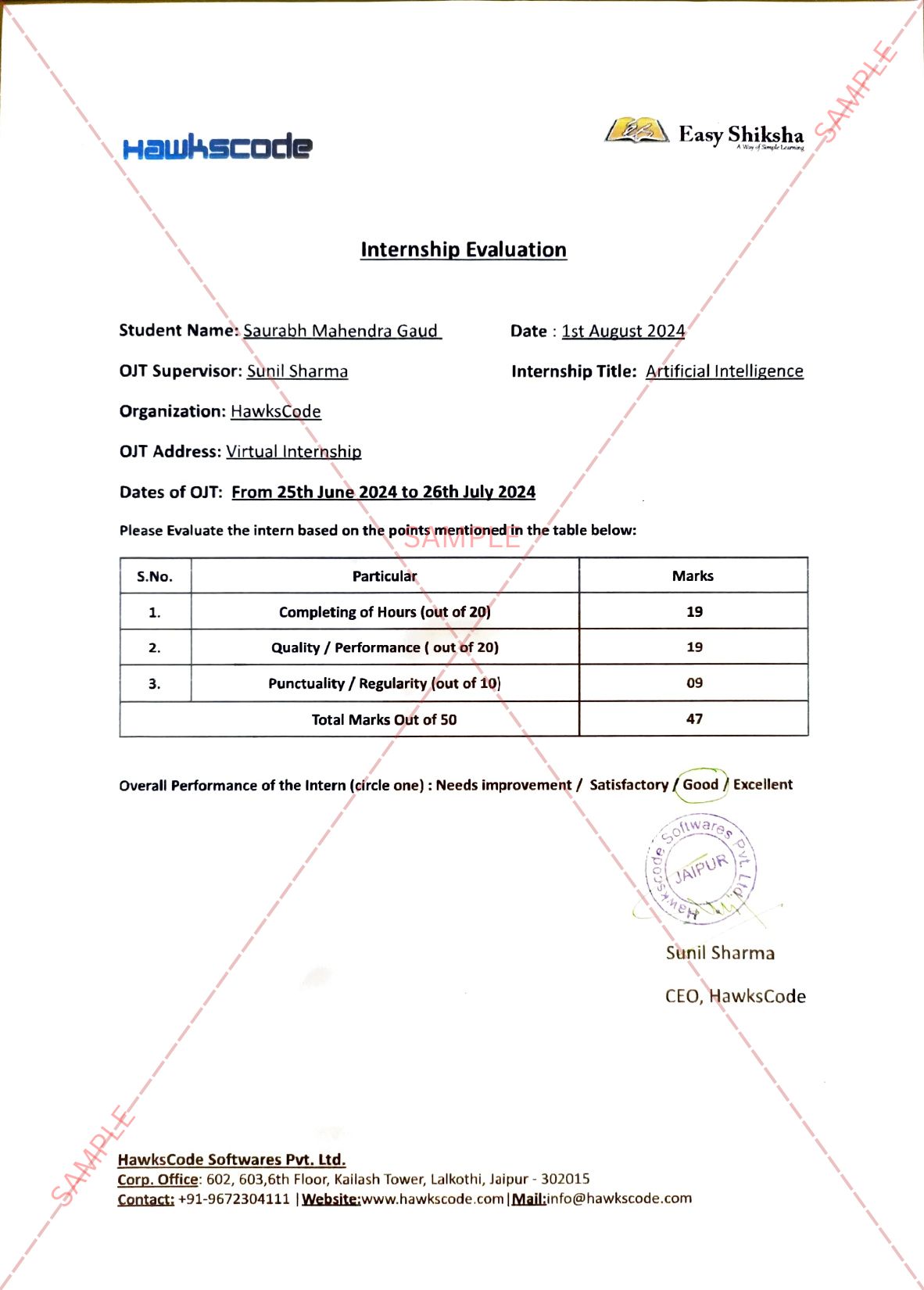
Internship Evaluation Report
Internship Certificate Hard Copy
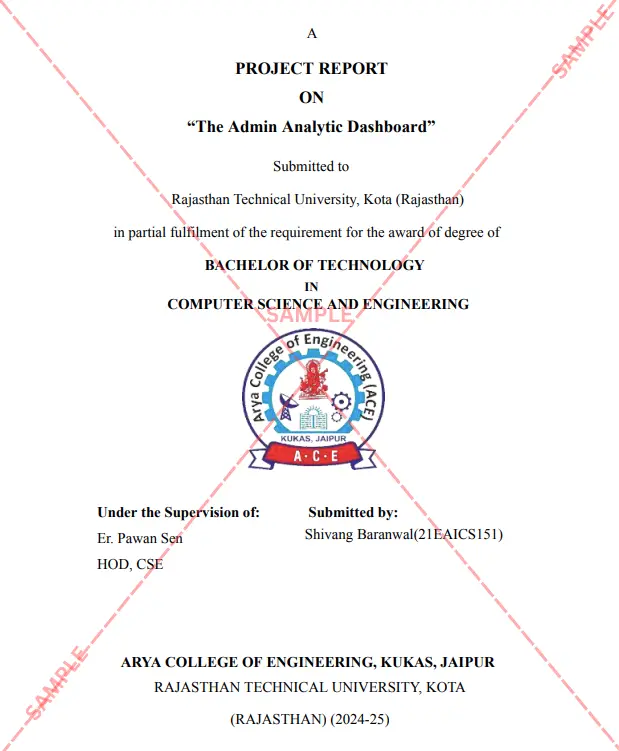
Project Report Assitance
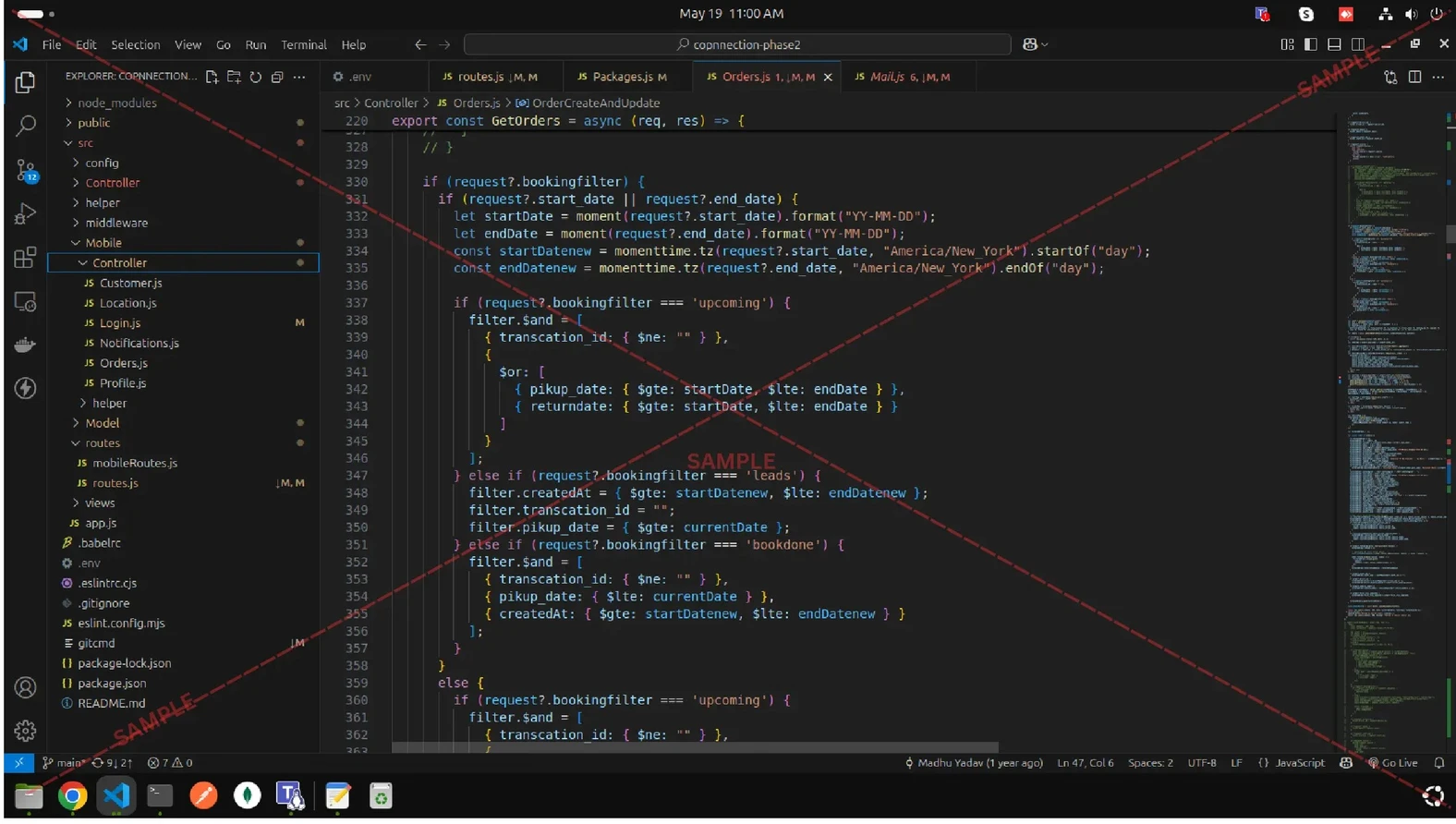
Internship Project Assitance
1:1 Live Mentor Call
Course Certificate in Elegant Wooden Frame
2 Certificates (Course + Internship) Lifetime Access Projects & Assignments 1 Quiz + Assignments
EMIs
101 On-demand Videos Course Completion Certificate
Internship Certificate
Internship Joining/Offer Letter
Letter of Appreciation (LOA)
Internship Attendance Report
Internship Evaluation Report
Internship Certificate Hard Copy
Project Report Assitance
Internship Project Assitance
1:1 Live Mentor Call
Course Certificate in Elegant Wooden Frame
2 Certificates (Course + Internship) Lifetime Access Projects & Assignments 1 Quiz + Assignments
Why Start Now?
The Opportunity Won’t Wait.
Every day you delay is a missed opportunity to grow your skills. Learners who start today gain the advantage — whether it's building skills, improving careers, or unlocking new opportunities.
Still Thinking?
Here's everything that makes this a no-brainer:
No prior experience needed — start from absolute zero Beginner friendly — explained step by step Risk-free — 30-day full refund guarantee One-time payment — access forever Student-friendly pricing — see details at checkout Real internship certificate includedWhat Happens After You Enroll?
From payment to certificate — here's exactly what to expect
 Secure Payment
 Instant Access
30-Day Refund
2 Certificates
Instant Access
30-Day Refund
2 Certificates
Imagine After Completing This Course
Picture yourself 30 days from now — with skills, experience, and credentials that open real doors.




 Includes Internship