For many students, education and employment still appear as two separate worlds. A student spends years attending classes, completing assignments, preparing for examinations and collecting qualifications. After graduation, the student begins searching for internships and jobs and is expected to demonstrate how all those years of learning can translate into professional capability. The difficulty is that the transition from academic learning to professional work is rarely automatic.
A degree can demonstrate educational achievement, but it does not always show how a student approaches a practical problem. A certificate can indicate that a course was completed, but it may not demonstrate whether the learner can apply the concepts independently. Even strong examination results may provide limited evidence of how a student would respond to a client requirement, technical challenge, project deadline or collaborative workplace environment.
This creates an important question for modern education: what if learning activities could be deliberately connected to the professional opportunities that students eventually want to pursue?
The Project-to-Profession Pipeline represents one possible answer. It describes an educational model in which learning does not stop at acquiring information or completing a course. Instead, students progressively move from learning concepts to practising skills, completing projects, developing evidence, gaining practical exposure and eventually connecting those experiences with internships, career pathways and employment opportunities.
For an education ecosystem such as EasyShiksha, this model is particularly relevant. Courses, quizzes, projects, internships, certificates, online degrees, career guidance, games and job-oriented learning can be viewed as interconnected stages of a broader student journey. The objective is not to guarantee employment through a single learning activity. Instead, it is to create a structured pathway through which students can gradually develop and demonstrate capabilities that are relevant to professional environments.
From Course Completion to Career Connection
Online education has made it easier than ever to access courses. Students can learn programming, artificial intelligence, cybersecurity, finance, digital marketing, communication, cloud computing, electronics and numerous other subjects through digital platforms. Yet the availability of learning content has also created a new challenge: students can accumulate knowledge without necessarily knowing how to convert that knowledge into career evidence.
A learner might complete ten courses and still wonder what to put on a resume. Another student might collect multiple certificates without having a substantial project to discuss during an interview. Someone else might understand theoretical concepts but remain uncertain about how those concepts are used in an actual organisation.
The Project-to-Profession Pipeline addresses this gap by changing the sequence.
Learning activities should ideally lead toward application. Application should generate evidence. Evidence should contribute to professional identity. Professional identity should support exploration of internships and career opportunities.
In this model, the course is not the final destination. It is the beginning of a capability-building process.
Why Projects Matter in Career Preparation
Projects occupy an important position in the transition from education to professional life because they require students to do something with what they have learned.
A theoretical lesson can explain how a technology works. A quiz can test whether the student understands the explanation. A project asks the student to use that understanding to create something, solve a problem, analyse information or produce an outcome.
This distinction is significant because professional work is generally outcome-oriented.
A software developer is expected to build and maintain software. A data analyst is expected to interpret information and communicate findings. A digital marketer is expected to develop and evaluate campaigns. A finance professional may analyse financial information and support decisions. A designer creates solutions for particular communication or user needs.
Projects give students opportunities to rehearse these forms of activity before they enter a professional environment.
The project does not have to replicate a real company's internal workflow perfectly. Its purpose is to provide a realistic enough problem that the learner has to move beyond passive knowledge and demonstrate application.
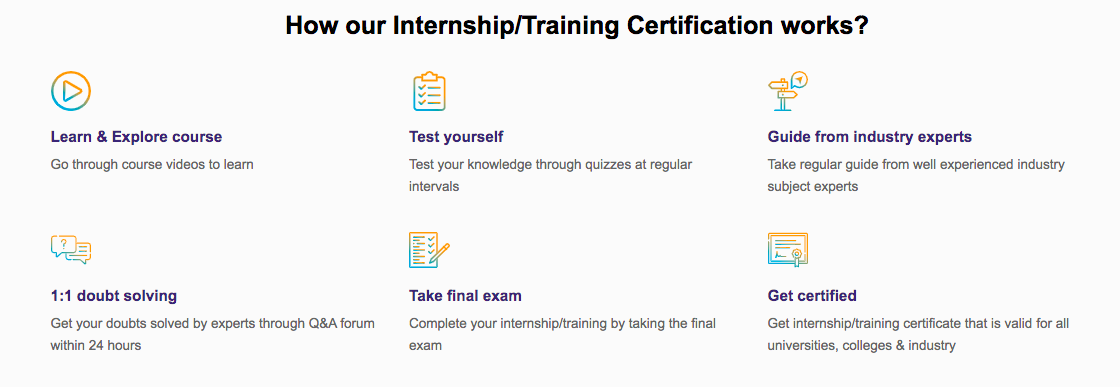
How EasyShiksha Internship/Training Program Works
The Pipeline Begins With Learning
Every professional capability begins somewhere, and structured learning remains an important foundation.
A student cannot be expected to build a complex application without understanding programming concepts. A learner cannot reasonably analyse financial trends without basic financial knowledge. Someone interested in cybersecurity needs foundational understanding of networks, systems and security principles before tackling more complex scenarios.
Courses therefore provide the knowledge layer.
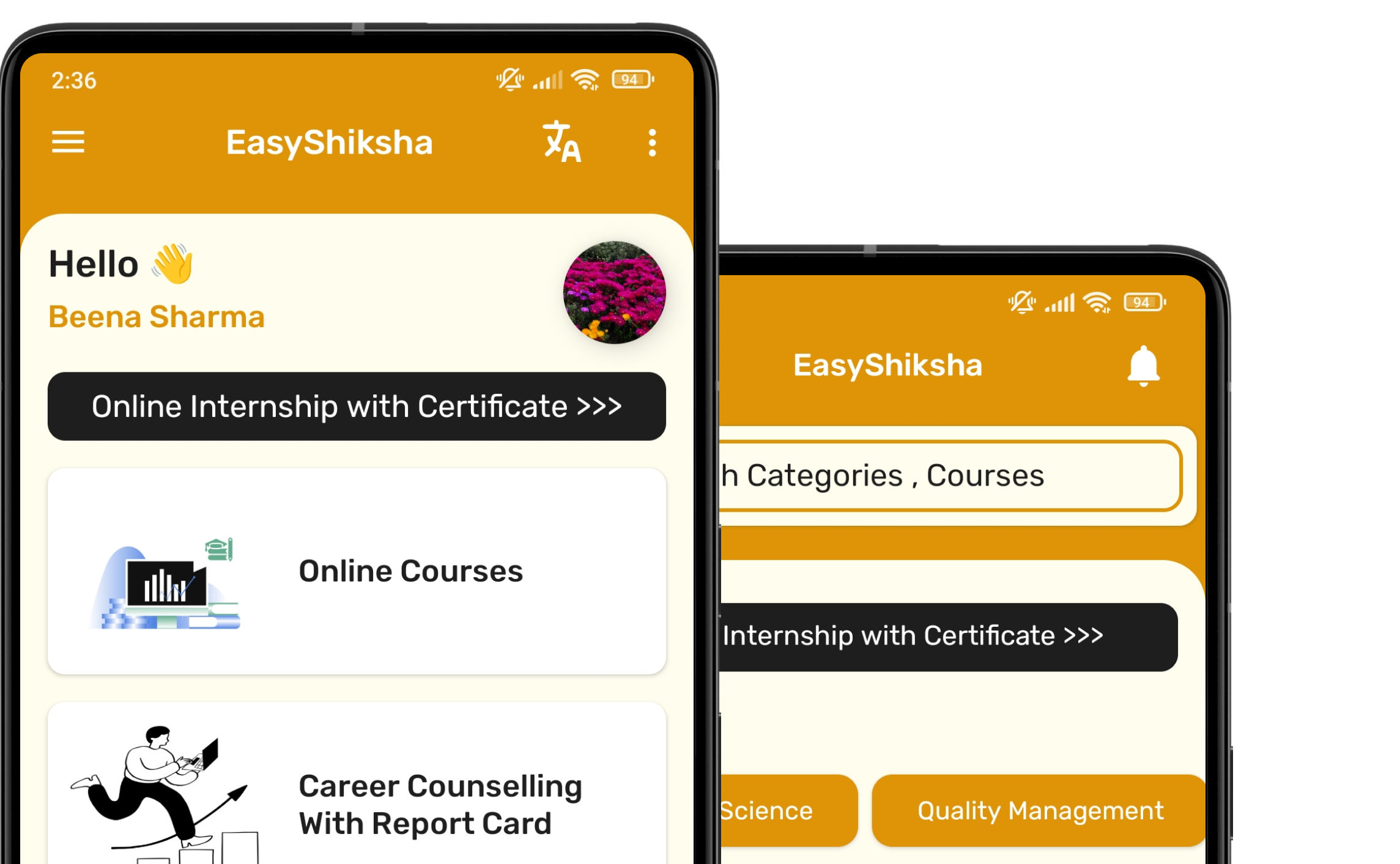
EasyShiksha can support this stage through online courses designed around different subjects and career interests. However, the more important opportunity comes when course content is connected with what happens afterward.
A course can introduce the concept. A quiz can verify understanding. A practical activity can test application. A project can produce evidence. An internship can provide exposure. Career guidance can help interpret the experience.
The pipeline emerges when these activities are intentionally connected.
Quizzes as the First Checkpoint
Quizzes may appear simple, but they can play an important role in a project-to-profession pathway.
Before students begin practical work, they need to know whether they understand the underlying concepts. A quiz can identify whether foundational knowledge is sufficiently developed or whether additional learning is necessary.
More advanced quizzes can also move beyond factual recall. Scenario-based questions can introduce decision-making and problem-solving situations. A student studying digital marketing could evaluate a campaign scenario. A cybersecurity learner could identify potential vulnerabilities. A programming student could analyse a code-related problem.
This makes assessment part of the transition from knowledge to application.
For EasyShiksha, quizzes can therefore function not merely as independent activities but as checkpoints within a broader learning pathway. Strong performance may indicate readiness for a project, while identified gaps can guide additional practice.
From Learning Activities to Project Evidence
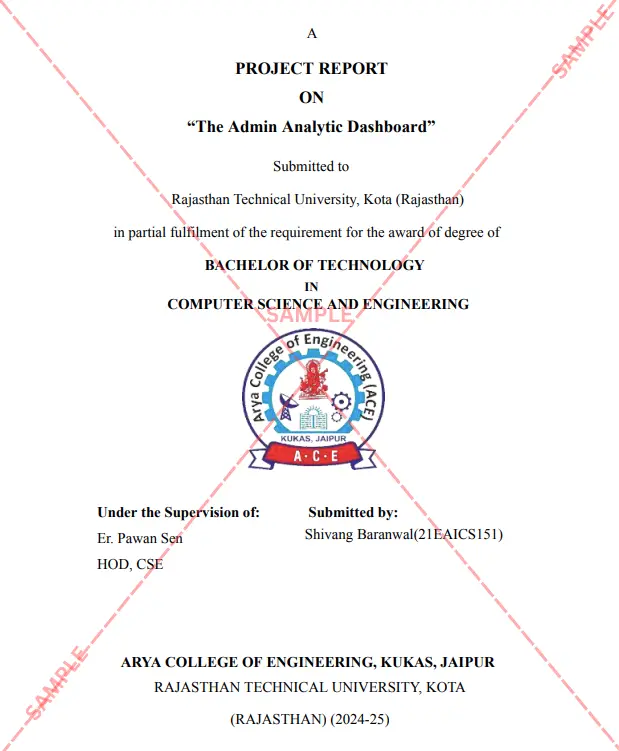
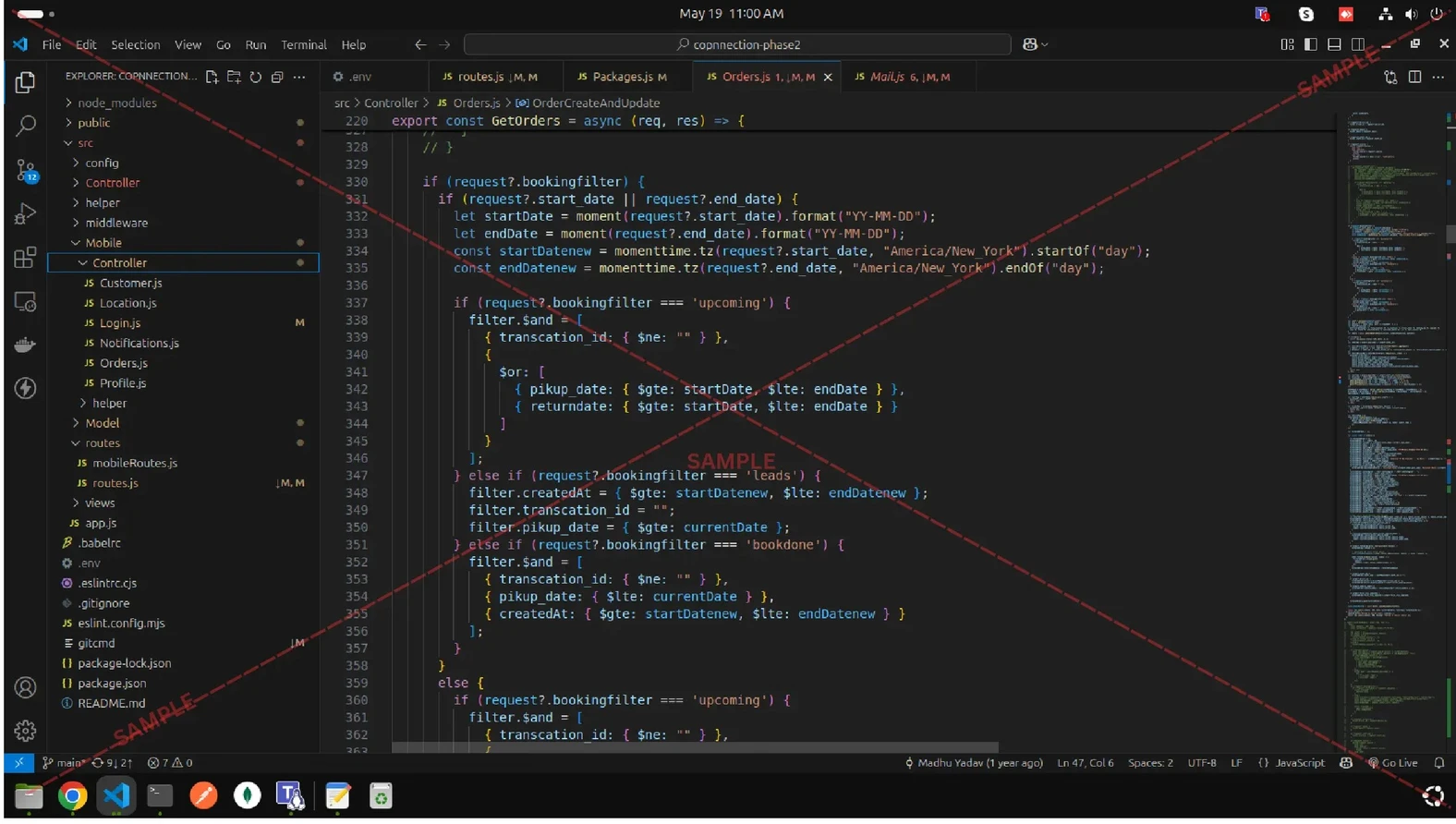
The next stage is where learning becomes visible. A project creates an artefact or outcome that can potentially be demonstrated to someone else. It can be a website, application, analysis, campaign, presentation, report, business plan, design, research exercise, automation workflow or other discipline-specific output.
The specific project matters less than the principle behind it: the learner has something concrete to show. This creates an important difference between saying "I learned Python" and demonstrating a Python project. It is different from saying "I studied digital marketing" and showing a campaign strategy created as part of practical learning.
Projects can therefore become evidence of application. This does not mean every student project will be professional-grade work. Beginner projects are expected to be limited in scope. Their value lies in demonstrating the learning process and the ability to apply concepts.
Building a Project Portfolio
When students complete multiple projects, they can begin to create a project portfolio.
A portfolio can tell a more detailed story than a list of certificates. It can show what the student attempted, which tools were used, what problem was addressed and how the outcome evolved.
For freshers, this can be particularly useful because they may have limited formal employment experience. Projects can provide an additional way to discuss their capabilities during interviews or internship applications.
The portfolio also creates an opportunity for reflection. Students can compare earlier work with later work and observe how their skills have developed.
Over time, the portfolio becomes a record of capability development rather than simply a collection of academic accomplishments.
The Role of Certificates in the Pipeline
Certificates remain useful, but their role changes within a project-to-profession model.
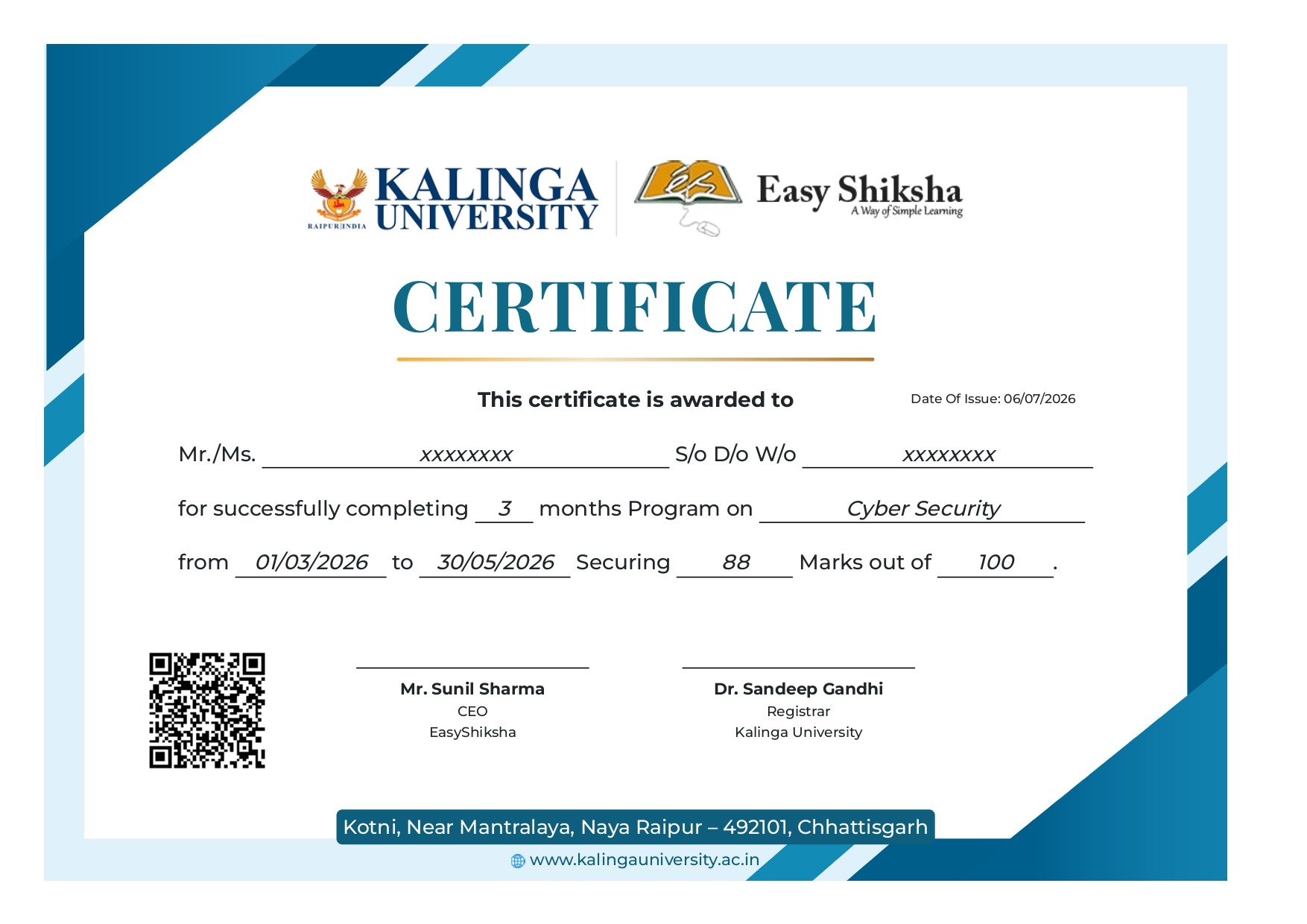
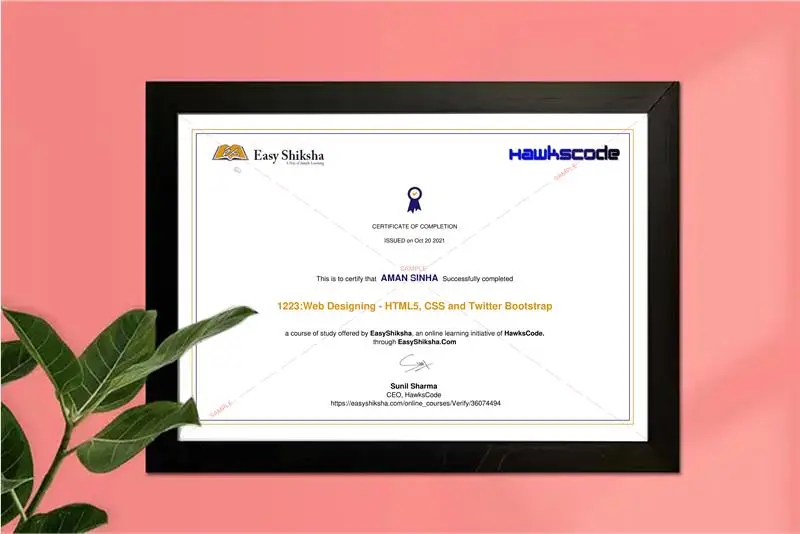
A certificate can document course completion, assessment or participation. It can provide a formal representation of a learning achievement. However, a certificate becomes more meaningful when it is connected to evidence of application.
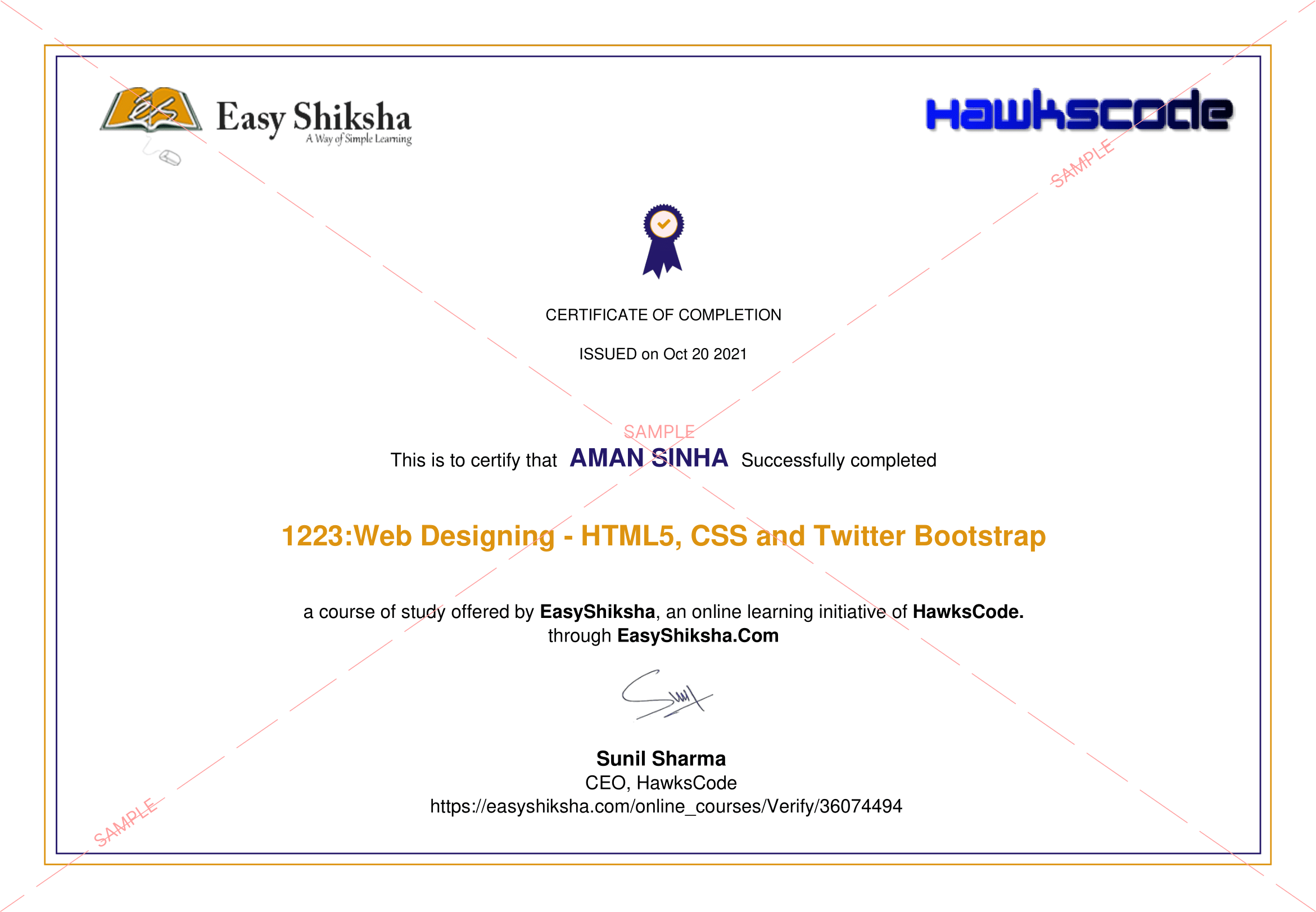
This creates a layered model in which a student might complete an EasyShiksha course, earn a certificate and also complete a related project. The certificate communicates the learning experience, while the project demonstrates an aspect of how that learning was applied.
The combination provides a richer story.
The future of digital credentials may increasingly involve connections between credentials and demonstrated skills. This does not make certificates irrelevant. Instead, it places them within a larger evidence ecosystem.
From Project to Practical Experience
A project is still an educational activity. Professional experience introduces additional complexity.
Work involves real expectations, communication, deadlines, organisational processes, feedback and collaboration. A student therefore needs opportunities to move from controlled projects toward more realistic environments.
This is where internships become important.
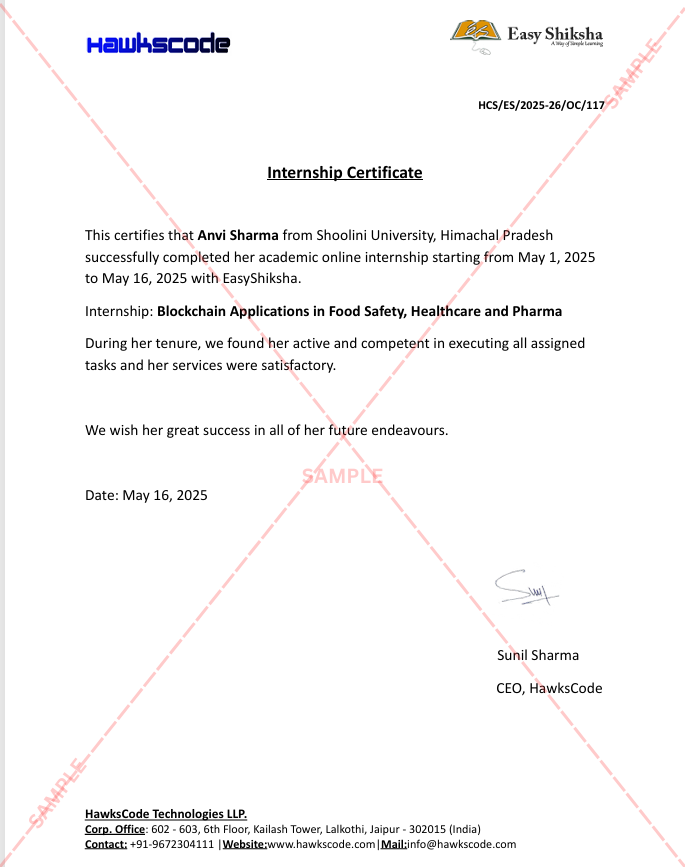
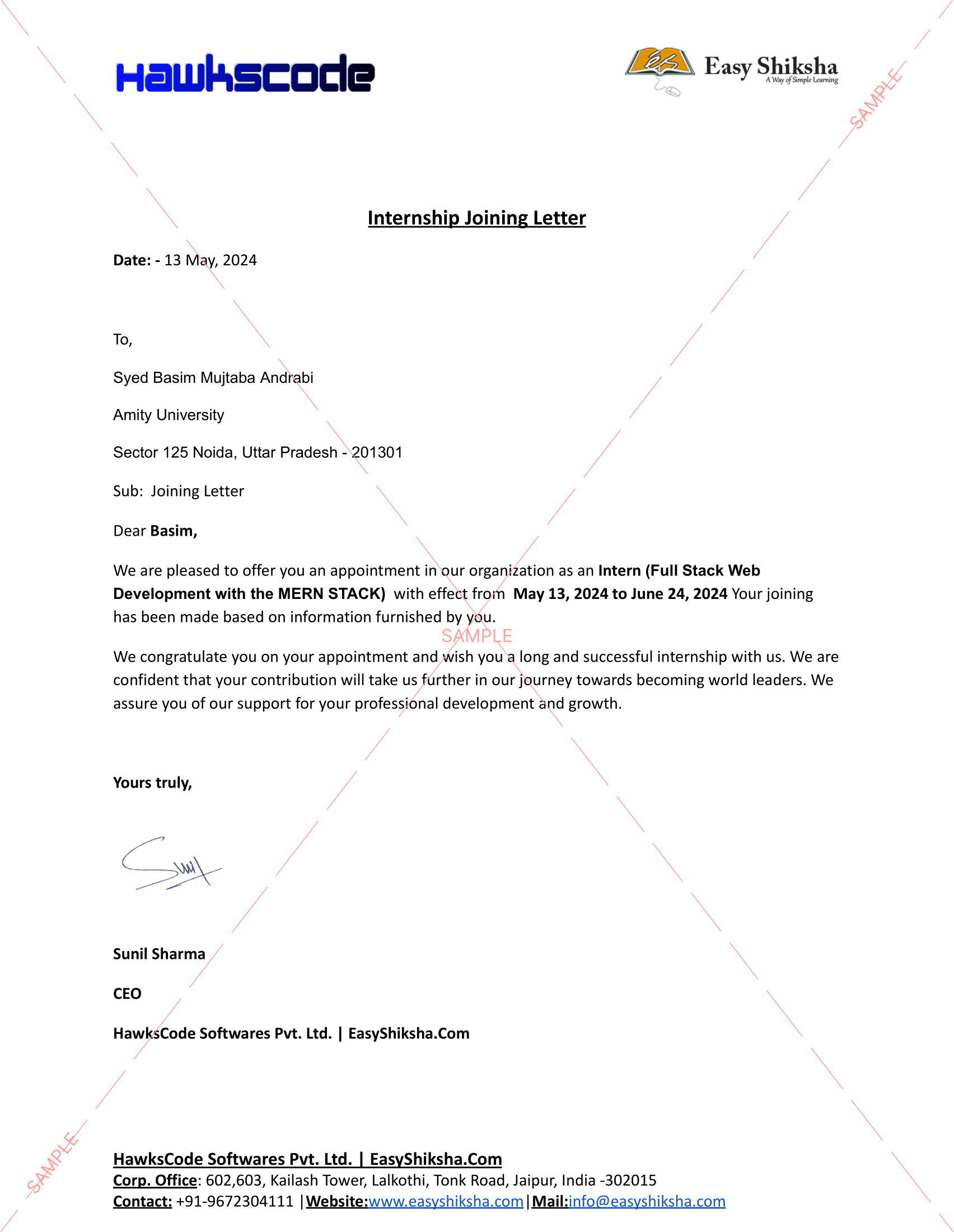
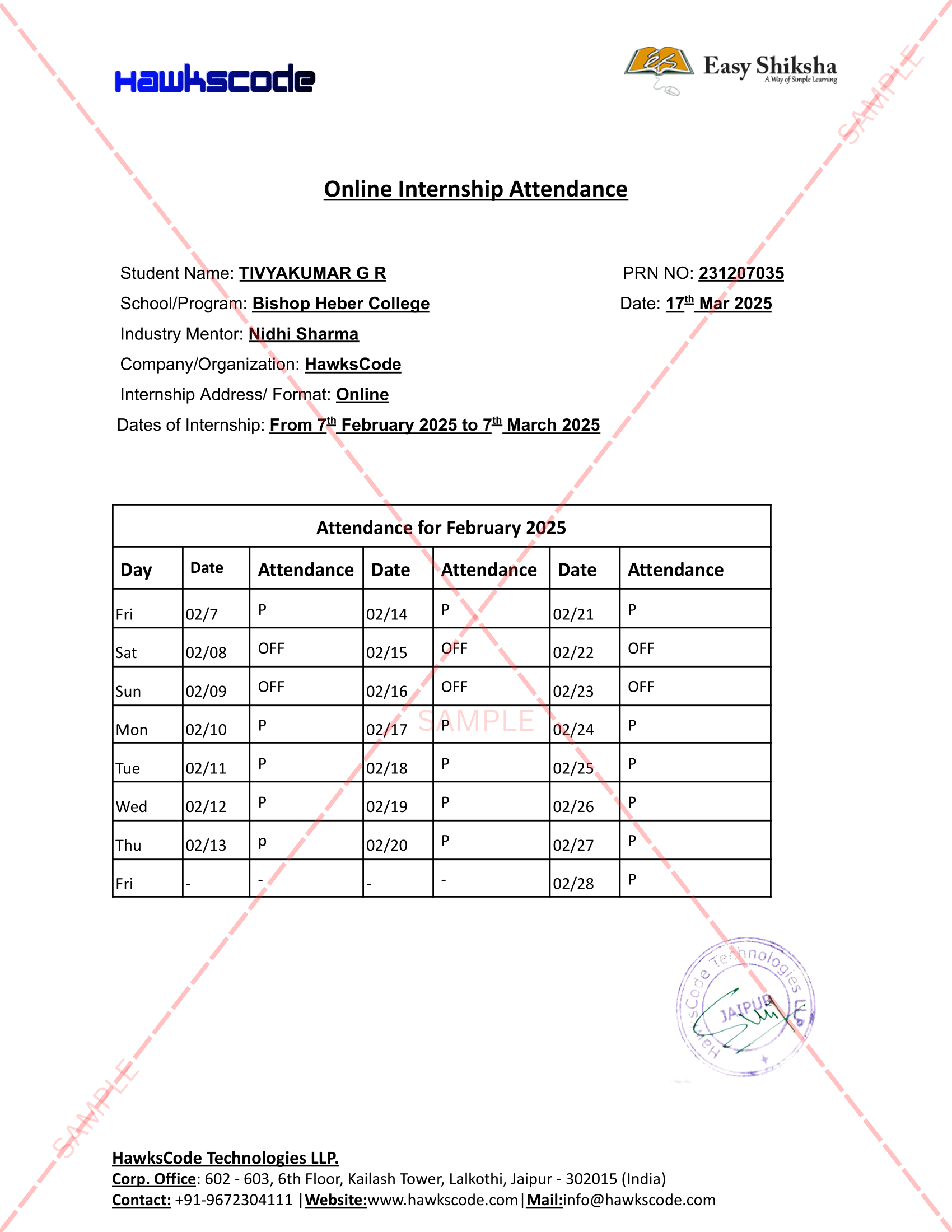
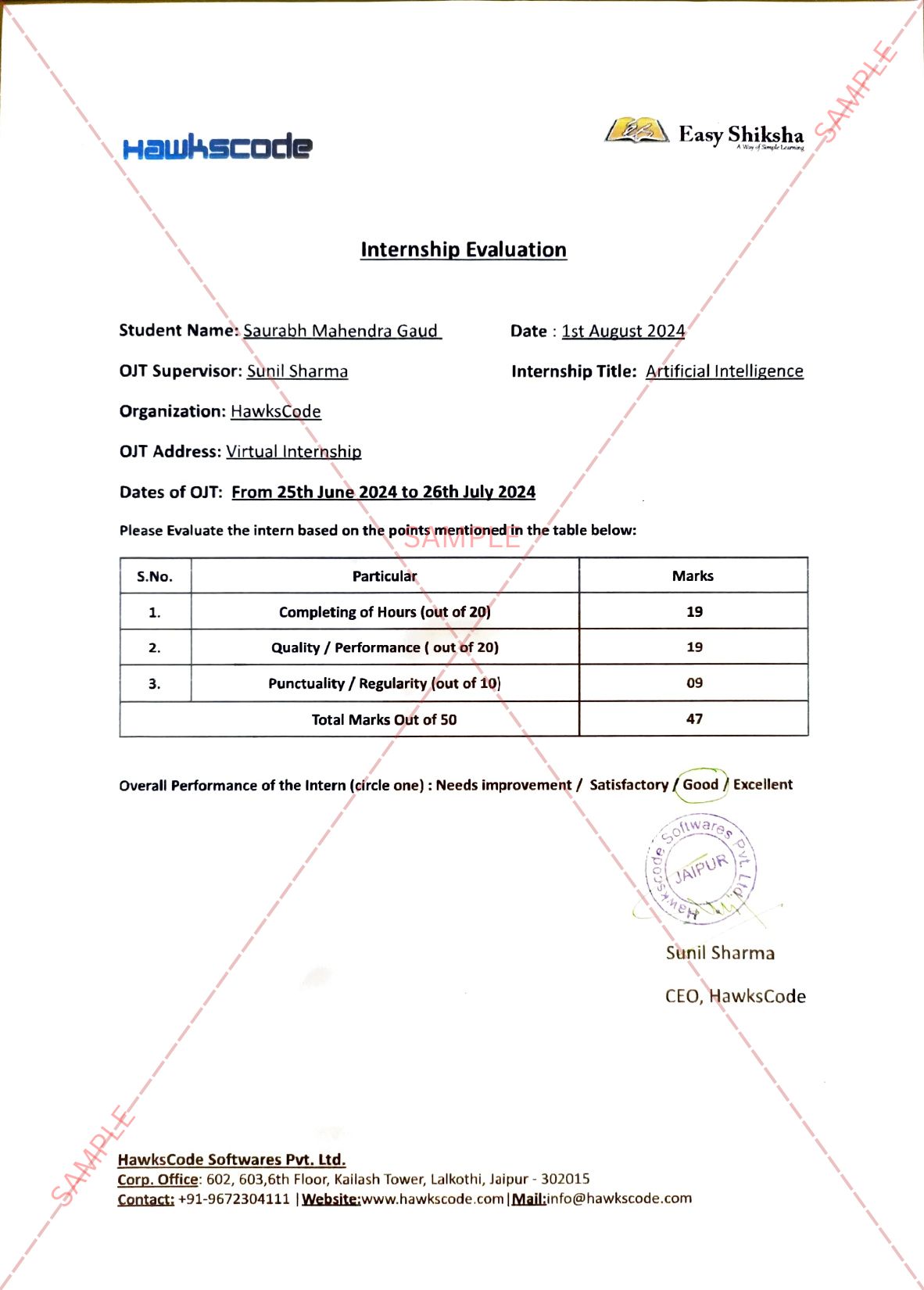
An internship can provide exposure to how professional tasks are assigned and evaluated. Students may have to work within existing systems, communicate with team members, meet deadlines and adapt to feedback.
The transition should ideally not feel like a sudden jump.
Projects can act as preparation for internships by familiarising students with practical problem-solving. Virtual work experiences and simulations can add another layer of preparation. Career guidance can help students understand what kinds of internships align with their interests and current capabilities.
The pipeline therefore becomes progressively more realistic.
Virtual Internships as an Intermediate Stage
Not every student can immediately access a traditional workplace internship. Geographic limitations, scheduling constraints, academic commitments and competition for opportunities can create barriers.
Virtual internships and digital work experiences can provide an intermediate stage.
A virtual experience can introduce students to professional-style tasks without requiring physical presence in an organisation. A learner might receive a fictional client requirement, analyse information, complete a technical assignment or develop a business recommendation.
Such experiences should be clearly represented for what they are. A simulation or virtual internship should not be presented as identical to employment in a real organisation.
Its value lies in practice.
For EasyShiksha, virtual internships can fit naturally between projects and more formal professional exposure. They can give students opportunities to practise workplace-style activities and develop additional evidence.
Connecting Skills With Career Paths
A project is most useful when the student understands what capability it represents.
A student might complete a dashboard project without realising that it demonstrates aspects of data analysis. Another might create a social media campaign without recognising its connection to digital marketing skills. A programming project may demonstrate problem-solving, coding, debugging and application development.
Career guidance can help students interpret these connections.
Instead of merely telling students which careers exist, career guidance can help them understand how their existing learning experiences relate to possible pathways.
This makes the project portfolio more meaningful.
The student is no longer simply saying, "I completed this project." They can explain what they learned, which skills were involved, what problem they addressed and how the experience relates to a particular career direction.
The Project-to-Profession Pipeline ultimately creates a career evidence layer.
This layer can include projects, practical assignments, internship experiences, certificates, assessment results and other learning achievements. Together, these elements can form a more complete representation of a student's development.
This idea is especially relevant in an environment where employers may want to understand what candidates can actually do.
For a fresher, the evidence layer can reduce dependence on previous employment as the only source of professional credibility. Students still need to meet employer requirements, and projects cannot substitute for every form of professional experience. However, practical evidence can provide additional context.
A student with no formal employment history can still have meaningful work to discuss.
AI and the Project-to-Profession Pipeline
Artificial intelligence can make this pipeline more personalised.
An AI-powered learning system could analyse a student's course performance, quiz results and completed projects to recommend the next appropriate challenge. If a learner demonstrates strong foundational knowledge, the system might suggest a more advanced project. If the student struggles with a particular concept, it could recommend targeted practice before progressing.
This could be part of an AI Learning Architect that continuously connects learning objectives with practical experiences.
AI could also help students identify patterns across their projects. For example, repeated success in analytical assignments might encourage exploration of data-oriented pathways, while strong performance in creative communication projects could support exploration of marketing or content-related areas.
These signals should support exploration rather than determine a student's future. Career decisions remain personal and involve factors beyond learning data.
Personalised Project Pathways
The idea of personalised learning can extend beyond course recommendations to project selection.
Two students studying the same subject may have different goals. One may want to become a developer, another may be interested in data analysis, while another may want to explore entrepreneurship.
A single generic project may not provide equal relevance for all three.
A personalised platform could potentially recommend projects aligned with different interests while still covering the same foundational skills.
For example, a learner interested in web development might build a functional website. Someone interested in data could analyse a dataset using programming and visualisation tools. A student interested in business could use similar technical knowledge to build a small analytics dashboard for a hypothetical organisation.
The learning objectives can remain connected while the practical context changes.
This makes education more closely aligned with individual career exploration.
From Project Difficulty to Professional Growth
Projects should also evolve in complexity.
A beginner might start with a guided project where the problem, tools and expected outcome are clearly defined. An intermediate learner can receive fewer instructions and more open-ended requirements. An advanced student can be presented with an ambiguous problem and asked to determine the appropriate approach independently.
This progression mirrors professional development.
Early-career professionals often begin with structured responsibilities before gradually taking ownership of larger and more ambiguous tasks.
A digital learning ecosystem can replicate part of this progression by increasing project complexity as capability develops.
This creates a sense of movement from guided learning toward independent practice.
The Importance of Feedback
A project without feedback can become merely an exercise in completion.
Professional growth requires knowing what worked, what did not and what could be improved. Feedback can come from instructors, mentors, peers, automated systems or structured evaluation frameworks.
An effective project-to-profession pipeline therefore needs feedback loops.
Students should be able to revise their work after receiving feedback. This is particularly important because professional work is rarely perfect on the first attempt. Drafts are reviewed, code is tested, campaigns are optimised and presentations are refined.
Teaching students to iterate is itself a form of career preparation.
EasyShiksha can potentially integrate feedback into the relationship between courses, quizzes, projects and internships, allowing students to treat each stage as part of an ongoing development cycle.
Connecting Projects With Internship Readiness
Projects can also contribute to internship readiness.
A student who has already completed practical assignments may have more familiarity with deadlines, problem-solving, documentation and presenting outcomes. This does not guarantee workplace readiness, but it creates a foundation.
Internship readiness can be assessed through multiple dimensions. Technical understanding is important, but so are communication, responsibility, adaptability and willingness to receive feedback.
A project-to-profession system can gradually expose students to these expectations.
Students can learn to explain their work, respond to questions, document their decisions and revise their outputs.
These experiences help make the transition from academic learning toward professional environments more structured.
The Role of Career Guidance
Career guidance becomes the navigation layer of the pipeline. Students may complete projects without knowing which opportunities to pursue next. They may also misinterpret their strengths or focus on careers simply because they are popular.
Career guidance can help students understand possible pathways, identify relevant skills and recognise areas where additional learning is needed.
For example, a student with several cybersecurity projects may explore security internships, entry-level technical roles or further specialised study. A learner with marketing projects might investigate content, SEO, performance marketing or social media roles depending on their interests and demonstrated skills. The objective is not to assign a career automatically. It is to provide better information for making career decisions.
From Digital Learning Profile to Career Identity
Over time, connected learning activities can contribute to a digital learning identity. This identity can include courses completed, assessment performance, projects created, internships undertaken, certificates earned and skills developed. Such a profile can become more useful when it is organised around capabilities rather than only chronology.
Instead of presenting a student as someone who simply completed five courses, it can show a progression from foundational learning to practical application. This aligns with the broader concept of a digital career profile or learning passport. The profile can evolve as the student continues learning.
The Project-to-Profession Pipeline and Online Degrees
The pipeline can also strengthen the career relevance of online degrees. Online higher education provides flexibility, but students still need opportunities to apply academic knowledge.
A degree pathway can therefore incorporate project-based learning, digital simulations, quizzes, internships and career preparation. Academic subjects establish conceptual foundations, while practical experiences provide opportunities to demonstrate application. For students completing online degrees, this combination can be particularly valuable because digital learning environments already provide infrastructure for storing projects, assessments and credentials.
EasyShiksha's broader education ecosystem can support the idea of connecting degree-level learning with additional courses, projects, internships and career guidance. The result is a more integrated educational experience.
Building a Continuous Project Economy
As students complete more projects, education can begin to resemble a project economy in which practical work becomes a recurring part of development. Instead of completing one final project at the end of a course, students can gradually build a portfolio of increasingly complex work.
This portfolio can show progression. An early project demonstrates basic understanding. A later project combines multiple skills. An advanced project addresses a more ambiguous problem. An internship project introduces professional constraints.
The student's development becomes visible through the evolution of the work. This can be particularly valuable for learners who are still developing their professional identity.
From Learning Activity to Opportunity
The ultimate purpose of the pipeline is not to turn every learning activity into a job application. Instead, it is to create meaningful connections between what students do while learning and the opportunities they may pursue later.
A course introduces knowledge. A quiz verifies understanding. A project demonstrates application. A virtual work experience provides rehearsal. An internship introduces a professional environment. Career guidance helps interpret these experiences. A portfolio documents evidence. A certificate records learning. A job application then becomes one possible next step.
This sequence does not guarantee employment, but it can make the transition more coherent. The student can explain not only what they studied but what they practised and what they produced.
Challenges in Building the Pipeline
Creating a project-to-profession ecosystem also presents challenges.
Not every project is equally valuable. Poorly designed projects can become repetitive assignments with little relationship to actual skills. Virtual experiences can become superficial if they simply imitate workplace terminology without meaningful decision-making. Certificates can lose value if their standards are unclear. Automated recommendations can become misleading if they rely on incomplete information. Quality therefore matters at every stage.
Projects need clear learning objectives. Assessments need meaningful questions. Internship experiences need transparency. Career guidance needs context. Digital profiles need accurate information. The pipeline should not be treated as a marketing funnel in which every learning activity automatically leads to a job. Its educational value depends on whether students genuinely develop capability.
Empower your team. Lead the industry
Get a subscription to a library of online courses and digital learning tools for your organization with
EasyShiksha
The future of digital education may increasingly involve connections between learning activities and professional pathways. Students will continue to take courses, but the meaning of course completion may change. Projects, practical challenges, simulations and internships can become integrated into learning rather than treated as optional additions.
Artificial intelligence can help personalise pathways. Digital portfolios can make learning evidence more visible. Online internships can provide broader access to workplace-style experiences. Career guidance can connect capabilities with possible opportunities.
Platforms such as EasyShiksha can play a role in bringing these components together. The broader idea is simple: education should not force students to make a sudden leap from classroom learning to professional performance. The transition can be progressive.
Conclusion: Building the Bridge From Learning to Profession
The Project-to-Profession Pipeline represents a shift in how the relationship between education and employment can be designed. Students do not simply need more content. They need opportunities to use what they learn. Courses can establish knowledge. Quizzes can verify understanding. Projects can transform concepts into evidence. Virtual work experiences can provide rehearsal. Internships can introduce real professional environments. Certificates can document educational achievements. Career guidance can help students interpret their experiences and identify possible directions.
When these elements are connected, the student's learning journey becomes more coherent. For EasyShiksha, this approach creates a natural connection between its broader ecosystem of online courses, quizzes, projects, internships, certificates, university programs, games, career guidance and job-oriented learning. Instead of viewing each feature as a separate destination, they can become stages within a continuous pathway from learning to application and from application to professional exploration.
The project becomes the bridge. It gives students something to practise, something to improve and something to demonstrate. Over time, a collection of projects can become a record of developing capability, while internships and career experiences can add professional context. The ultimate goal is not to promise that every project will lead directly to employment. Career development is influenced by many factors, including opportunity, individual goals, market conditions, communication, experience and continued learning. The goal is to make the journey between education and professional opportunity more connected and evidence-based.
In a rapidly changing employment environment, the ability to demonstrate what one can do may become increasingly important alongside what one has studied. The Project-to-Profession Pipeline offers a framework for making that connection visible. Education can begin with a lesson, but it does not have to end with a certificate. It can continue through practice, projects, feedback, experience and career exploration until students have a clearer understanding of not only what they know, but how they can use it.
Anshika Jain is an Engineer, Developer, and Educational Content Author known for her dedication to technology and knowledge sharing. With a strong analytical mindset and a passion for innovation, she has consistently contributed to creating meaningful digital solutions and insightful educational articles.
Her ability to simplify complex technical concepts into engaging and easy-to-understand content makes her work valuable for students and learners across various platforms. Along with her technical expertise, Anshika is admired for her creativity, professionalism, and commitment to continuous learning.
She represents a perfect blend of technical excellence and impactful communication, inspiring others through both her development work and educational contributions.