A student’s education journey used to follow a relatively predictable pattern. Attend school, complete examinations, choose a college, attend lectures, study textbooks, complete assignments and eventually graduate. Career preparation usually happened toward the end of the journey, when students began looking for internships, placements or their first job.
The digital age has changed this sequence. Today, students can discover universities online, compare courses, search for career information, learn skills through online courses, test their knowledge through quizzes, participate in internships and explore professional opportunities without waiting until graduation. A student can begin learning something new because of a five-minute search and continue that learning journey through courses, practice and practical experience.
This has created a new type of learner: the digital student.
The digital student is not defined simply by owning a smartphone or using an educational application. Instead, the digital student is someone whose learning journey increasingly takes place across digital spaces. Searching, learning, testing, practising, exploring and building experience can all happen online.
Platforms such as EasyShiksha are part of this changing education environment, where students can access online courses, quizzes, internships, certificates, games, degree-related resources, government exam preparation and education discovery opportunities within a broader digital learning ecosystem.
The transformation is important because education is no longer only about where students study. It is increasingly about how they discover information, develop skills, test what they know and turn learning into experience.
The Student Journey Is Becoming Digital
The first major change is that students are beginning their educational journeys differently.
Earlier, a student interested in a particular career might ask a teacher, parent, relative or counsellor for information. Today, that same student may begin with a search engine, educational platform, video, online forum or digital career resource.
A student interested in artificial intelligence may search for what AI is, which courses are available, what skills are required, what degree programmes are related to the field and what career opportunities exist. Another student interested in digital marketing may explore SEO, social media marketing, content creation and analytics before deciding which direction to pursue.
The internet has effectively expanded the classroom into a much larger information environment.
This gives students more opportunities, but it also creates a responsibility. Having access to information does not automatically mean knowing which information is useful. The new digital student therefore needs not only access but also the ability to evaluate, organise and apply what they discover.
Searching Is Becoming the First Stage of Learning
Search is often considered separate from education. A student searches for an answer, reads a page and moves on. But in the digital environment, searching can become the beginning of a learning journey.
A simple question such as “What is cybersecurity?” can lead to searches about cybersecurity courses, required skills, career roles, certifications, internships and educational pathways. Similarly, a question about data science can lead a student from a basic definition to programming, statistics, machine learning and career exploration.
The important change is that curiosity can now immediately lead to educational resources. This can be especially useful for students who are uncertain about their interests. They do not necessarily have to make a major educational decision immediately. They can begin by exploring questions.
A student may discover that a subject they assumed was uninteresting becomes fascinating once they understand its practical applications. Another student may realise that a career they had considered suitable does not match their interests. Digital searching therefore has the potential to become a form of early career discovery.
The same internet that gives students access to enormous amounts of information can also create confusion. Search results can produce thousands of pages, videos, tutorials, advertisements and recommendations. Students can easily move from one resource to another without completing anything.
A learner might save dozens of courses, watch introductory videos on multiple subjects and download study materials without developing a structured learning plan. This creates an important distinction between access to learning and progress in learning.
A digital student does not necessarily need more information. They need better ways to turn information into action. This is where structured online courses can become useful. Instead of jumping between unrelated resources, students can follow a defined learning experience that helps them move from basic concepts toward deeper understanding.
The goal is not to eliminate exploration. Exploration is valuable. The goal is to help students move from exploration to structured learning when they are ready.
Online Courses Give Structure to Digital Learning
Online courses have become an important part of the modern student’s education journey because they provide flexibility without removing structure.
A student can learn outside traditional classroom hours and explore subjects that may not be part of their formal curriculum. This is particularly valuable when students want to develop additional skills alongside their school or college education.
For example, a commerce student might explore digital marketing. An engineering student may learn programming or artificial intelligence. A computer science student may explore cybersecurity. A graduate may develop communication, business or data-related skills to complement an existing qualification. Online learning can therefore expand the boundaries of formal education.
However, completing a course should ideally be treated as one stage of learning rather than the end of the journey. The digital student needs opportunities to ask, practise, test and apply.
Testing Knowledge Through Digital Quizzes
Learning without testing can create an illusion of understanding. A student may watch a lesson and feel that the topic is clear. But when asked to answer a question without looking at the material, they may discover that they remember much less than expected.
This is where quizzes become important. Digital quizzes allow students to test their understanding shortly after learning. They can make students actively retrieve information rather than simply rereading it.
Suppose a student completes an introductory course on digital marketing. A quiz can ask questions about keywords, search engines, content strategy, social media or analytics. The student receives an opportunity to identify what they understand and what they need to revisit. This turns testing into part of the learning process.
For students preparing for competitive examinations, quizzes can become even more significant because regular practice helps them become familiar with question formats, recall information and identify areas requiring additional preparation. The digital student is therefore moving from simply asking, “Did I finish the lesson?” toward asking, “Can I actually answer questions about what I learned?”
From Learning to Practising
There is another important stage between learning and professional experience: practice. Students may understand a concept but still need repeated opportunities to use it.
A programming student may understand the principles of a programming language but need to write code. A marketing student may understand digital marketing concepts but need to develop a campaign. A graphic design student may understand design principles but need to create actual designs.
Practice creates a bridge between knowledge and application. Digital platforms can make practice more accessible because students can return to learning materials, attempt quizzes and work through exercises according to their own schedules. This flexibility can be particularly valuable for students who need additional time to understand a concept or who want to revisit a subject before moving forward.
The New Student Is Building Experience Earlier
One of the biggest changes in modern education is the growing importance of practical experience. Students increasingly recognise that graduation does not automatically mean they are prepared for every professional environment.
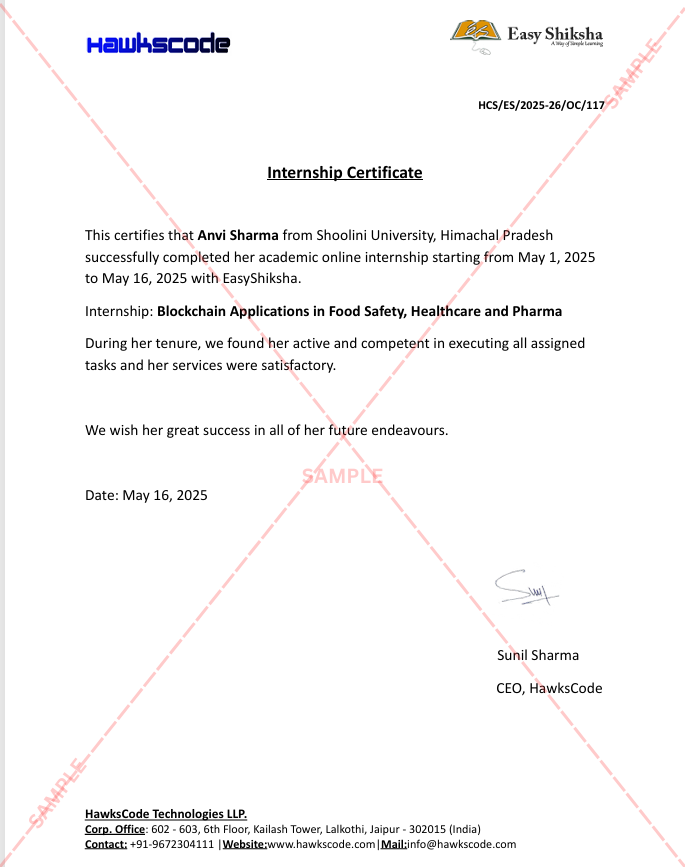
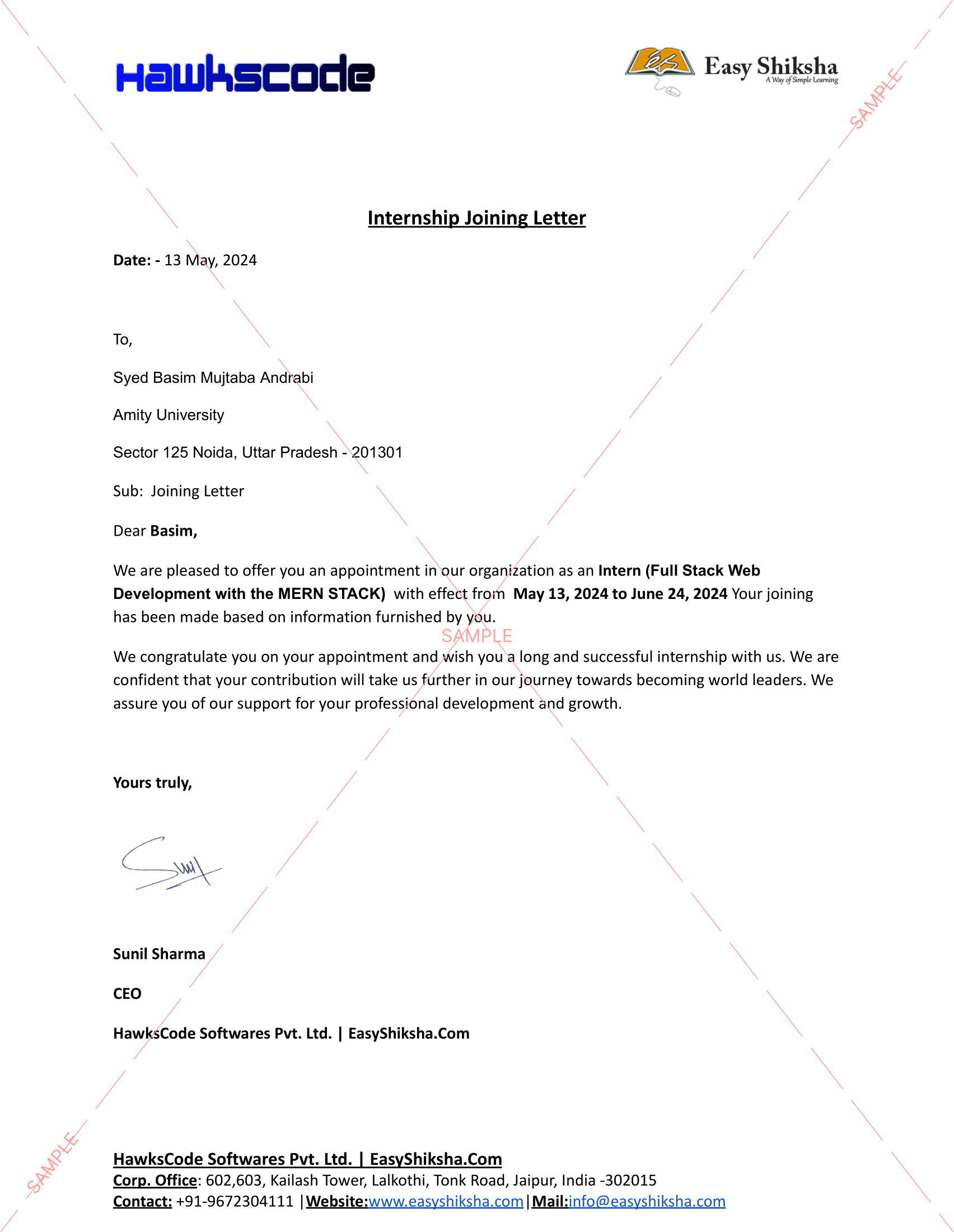
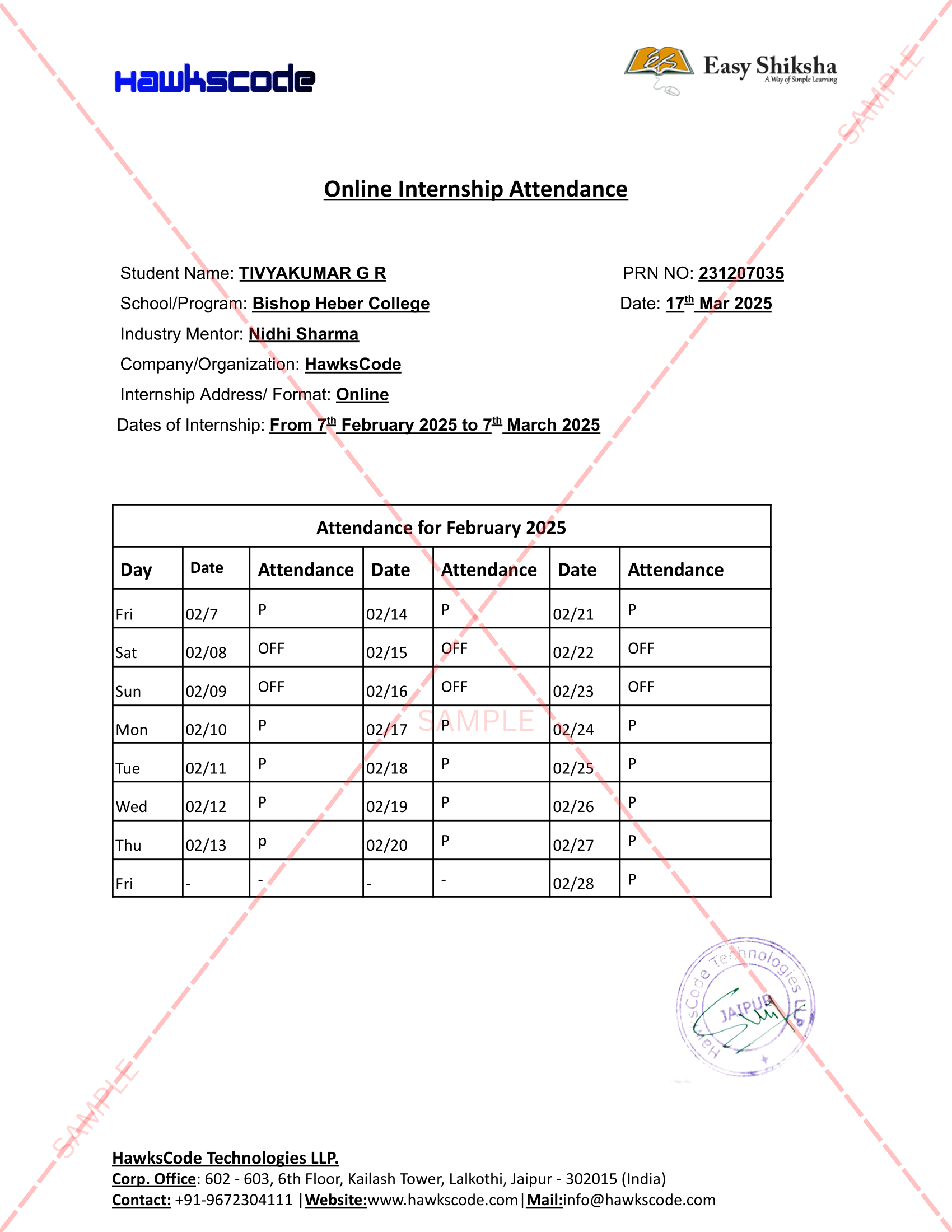
An internship can help students understand workplace expectations, communication, teamwork, deadlines and practical responsibilities. For this reason, internships are becoming an important component of the broader learning journey.
The digital student does not necessarily wait until the final semester to think about experience. Instead, students can begin exploring internships earlier, particularly when they have already developed foundational skills. This creates a useful relationship between learning and experience.
A student learns a skill, practises it, and then looks for an opportunity to apply it. The experience can reveal areas for improvement, which can lead to further learning. The process becomes continuous rather than linear.
From “I Have a Certificate” to “I Can Show What I Learned”
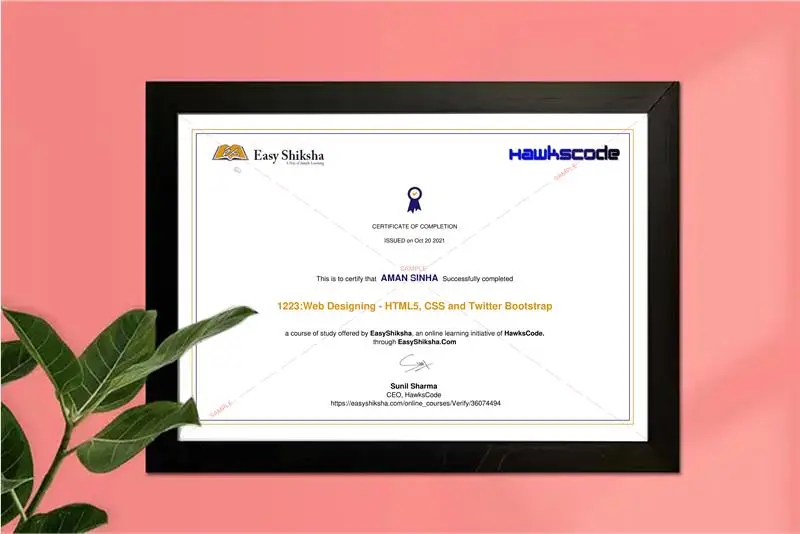
Certificates remain useful as evidence of course completion, but students increasingly need to think beyond certificates. A certificate can indicate that a student completed a learning programme. It does not necessarily demonstrate how effectively the student can apply the knowledge. This is why practical experience matters.
Consider two students who have both completed an introductory web development course. Their certificates may look similar. But if one student has also completed practical projects or gained internship exposure, they may have a broader learning story to discuss during an interview.
The lesson is not that certificates have no value. Rather, certificates become more meaningful when they form part of a larger record of learning and application. Courses, quizzes, projects and internships can collectively help students build evidence of development.
Career Discovery Is Moving Online
Career discovery has also become increasingly digital. Students can explore professions, industries, job roles, required skills and educational pathways online. They can read about careers they had never heard of and compare different options before making decisions.
This can be especially valuable during the period between school and higher education. A student may know that they want a “good career” but have limited understanding of what different careers actually involve. Digital resources can help turn a vague ambition into specific questions.
What does a data analyst do? What skills does a cybersecurity professional need? What does a digital marketer work on? What is required to become a software developer? What subjects are useful for a particular career?
These questions can lead to meaningful exploration. Career discovery should not be about telling students exactly what they must become. Instead, it can help them understand possibilities so they can make more informed choices.
Education Discovery and University Research
The digital student is also changing the way schools, colleges and universities are discovered. Instead of relying only on local information or recommendations, students can search for institutions, programmes and educational opportunities online. They can explore different academic pathways before making a decision.
This can be particularly important for students who are considering education outside their immediate location or exploring online degree opportunities. The process of finding the right educational pathway can become connected with skill exploration.
A student may first discover an academic programme and then explore additional courses related to the field. Alternatively, a student may develop an interest through an online course and later search for formal degree programmes connected with that subject. The relationship between education discovery and learning is therefore becoming more interactive.
The Smartphone as a Learning Companion
For many students, the smartphone is already part of everyday life. It is used for communication, entertainment, social media, information and increasingly education. The challenge is to make the device useful for more than passive consumption.
A student waiting for a class can spend a few minutes reviewing a concept. A student preparing for an examination can attempt a quiz. Someone exploring a career can research a new field. Another student can continue an online course from home. These small learning moments can accumulate.
Digital learning does not always have to involve several uninterrupted hours. Short, consistent interactions can also contribute to long-term progress when they are connected to a broader learning goal. This creates a more flexible relationship between time and education.
Learning No Longer Has to Follow One Schedule
Traditional education is usually organised around timetables. A class begins at a particular time. Students attend lectures, complete assignments and take examinations according to an institutional calendar.
Digital learning introduces greater flexibility. Students can often choose when to learn, how quickly to move through a course and which subjects to explore outside their formal curriculum. This flexibility can benefit students with different schedules and responsibilities.
However, flexibility also requires self-discipline. Without a timetable imposed by someone else, students need to create their own consistency. The digital student therefore needs to develop not only technical skills but also learning habits.
Insights from Internship Students: Testimonials
×
The Importance of Learning Consistency
Digital education makes it easy to start learning. The harder part can be continuing. A student may enrol in a course with enthusiasm and stop after several lessons. Another may take a quiz once and never revisit the subject. The digital learning environment rewards consistency.
Small, regular learning sessions can help students maintain momentum. A course completed gradually, combined with regular quizzes and practical activities, can be more valuable than repeatedly starting new courses without finishing them.
This is why digital education platforms need to encourage progress rather than simply maximise content consumption. The purpose of technology should be to help students move forward.
From Multiple Platforms to Connected Learning
One of the challenges of digital education is that students often have to use multiple platforms. One website provides courses. Another provides quizzes. Another lists internships. Another contains career information. Another helps students discover universities. This can create unnecessary fragmentation. A connected education ecosystem can make the journey simpler by bringing different forms of learning and development into a broader environment.
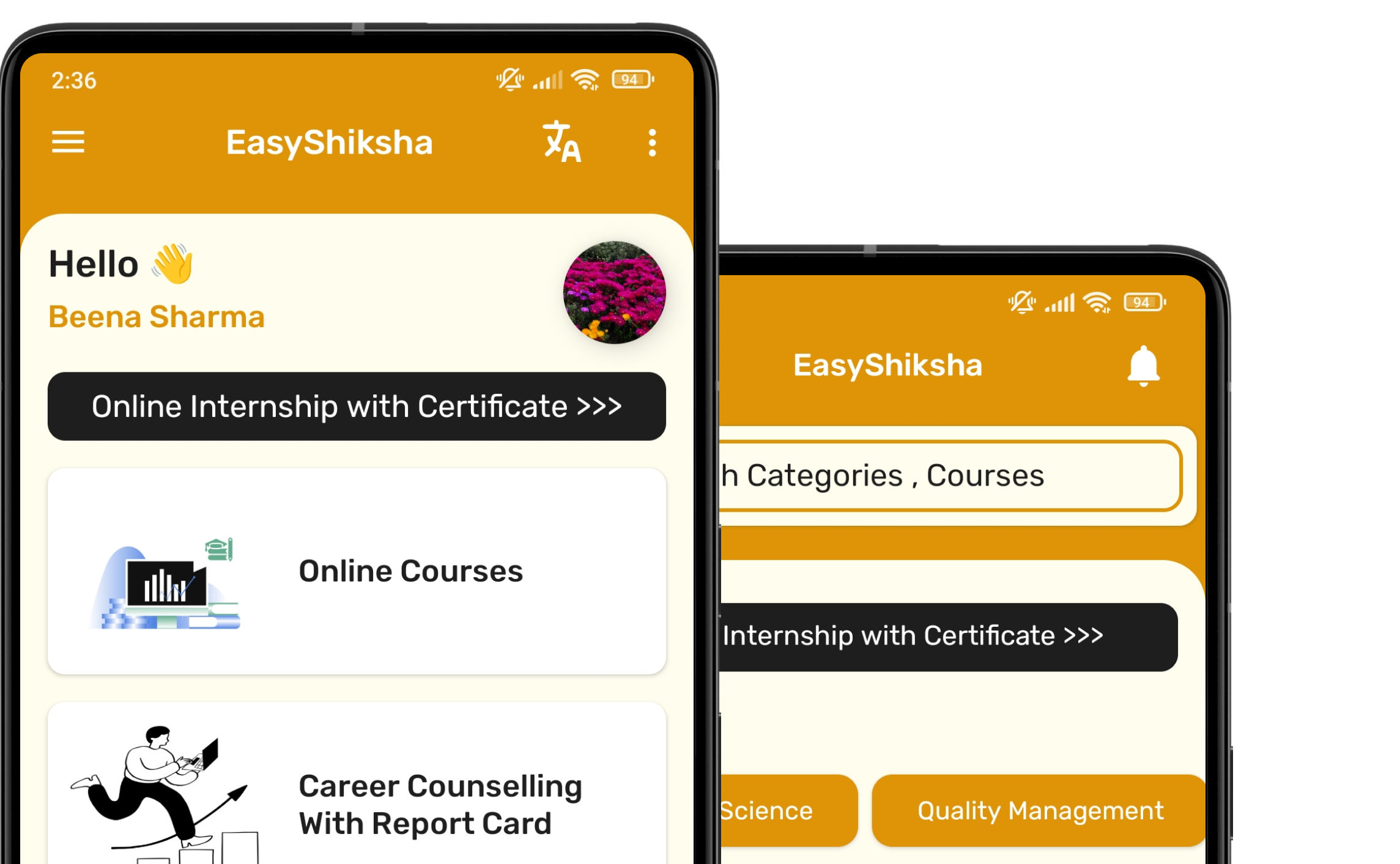
EasyShiksha reflects this approach by offering multiple student-focused resources, including courses, quizzes, internships, certificates, games, online degree resources, government exam preparation and education discovery. The idea is not that every student must use every feature.
Instead, students can explore different resources according to their needs. A school student may focus on learning and games. A college student may combine courses with quizzes. A graduate may focus on skills and internships. Another learner may use education discovery resources while exploring academic options. The journey can be different for everyone.
EasyShiksha and the Digital Student Journey
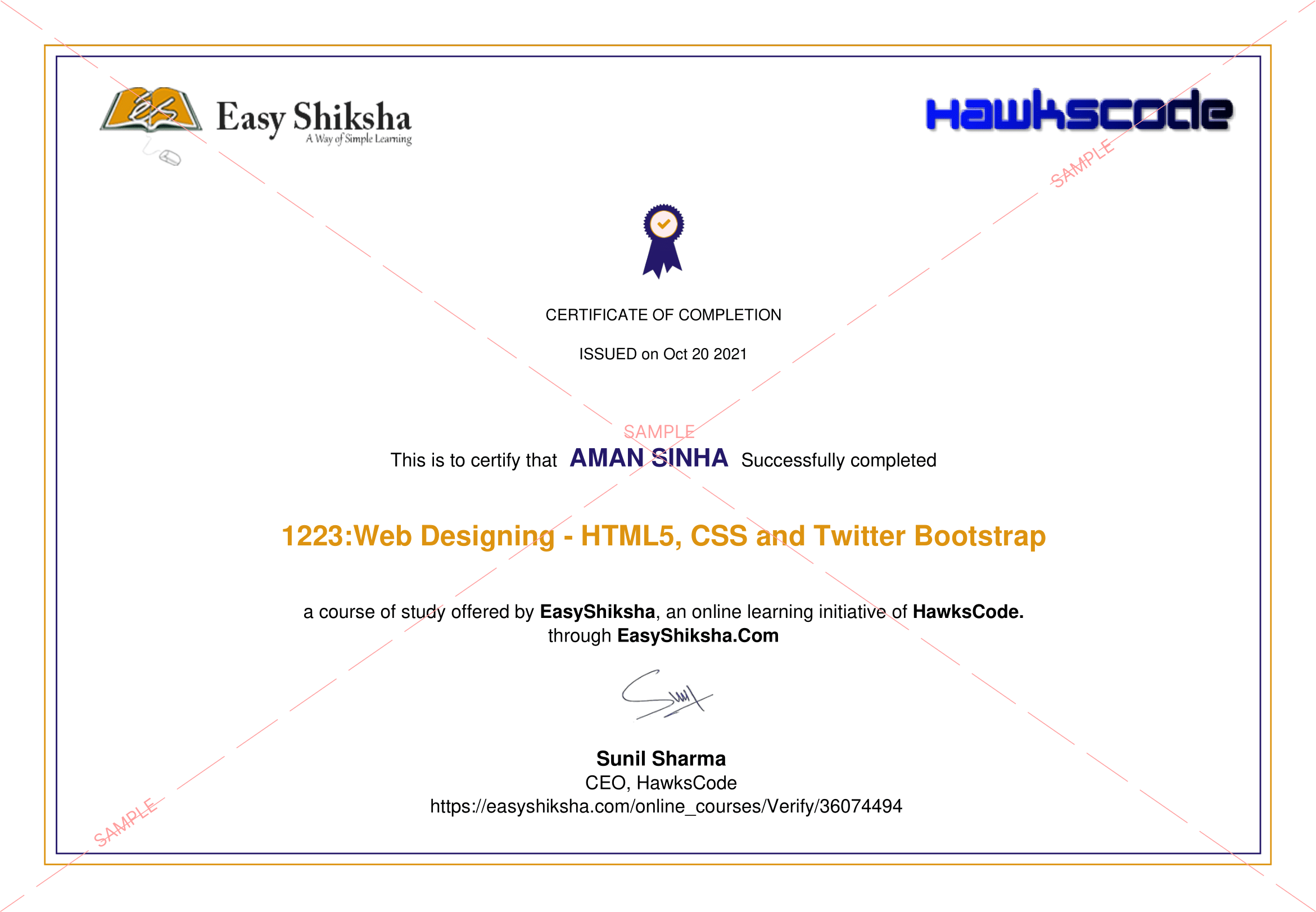
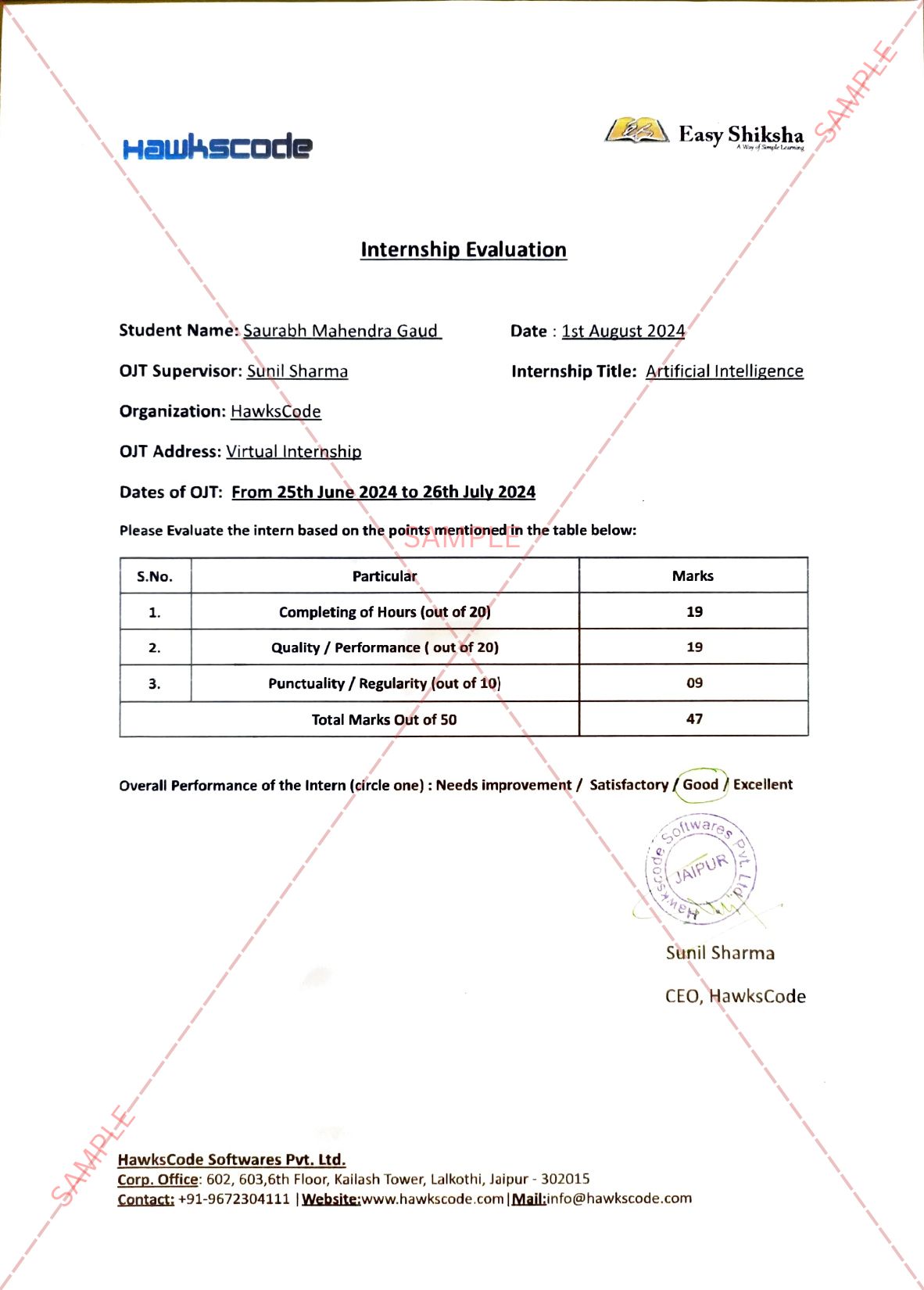
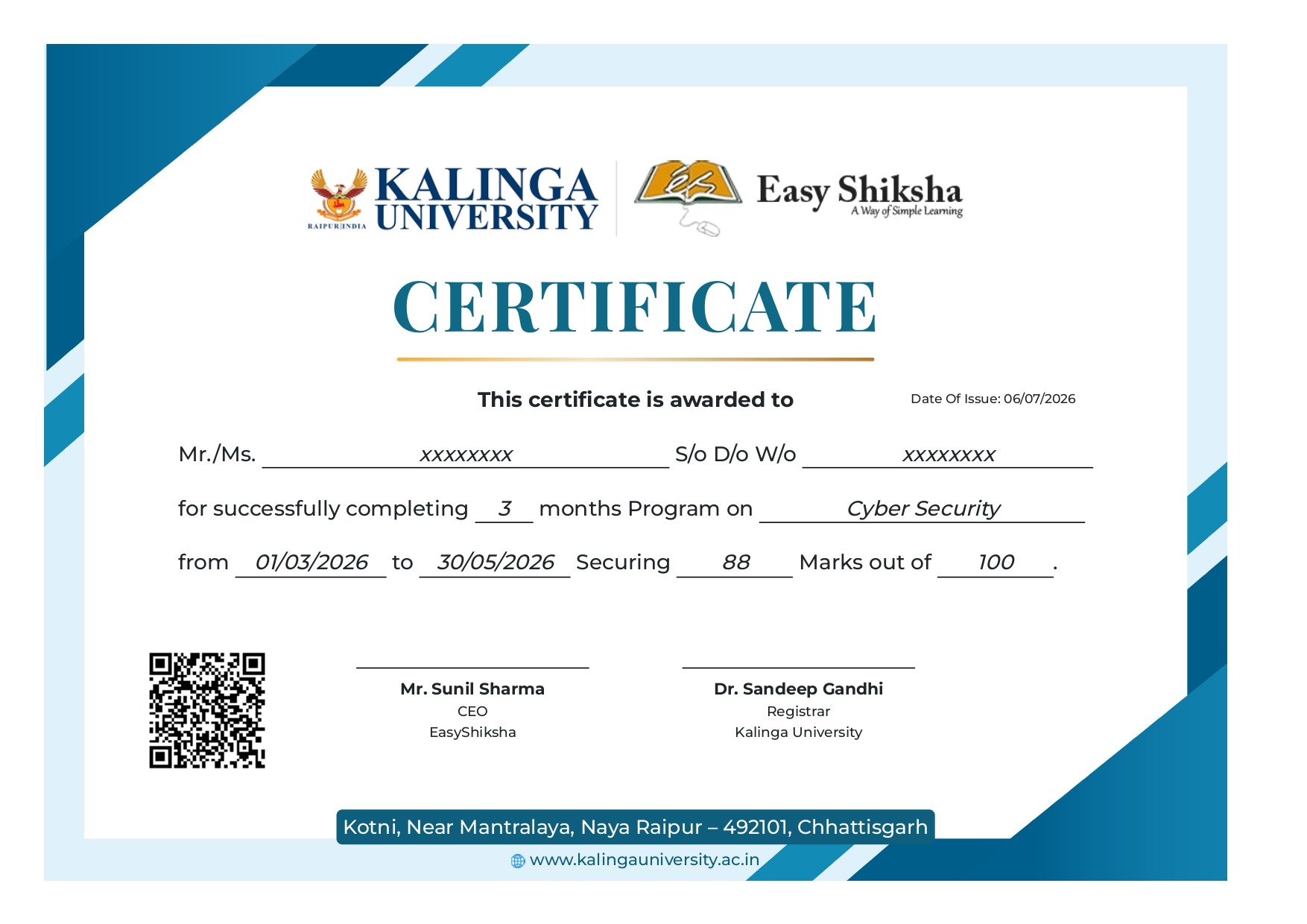
EasyShiksha fits into this changing environment by bringing different stages of the student journey into a broader digital ecosystem. A student can begin by exploring a subject and then move toward an online course. After learning, quizzes can provide opportunities for self-testing. Students can explore internships to gain practical exposure and use certificates as part of their educational record.
Career-oriented resources can help students think about what comes next. This creates a model in which learning does not exist in isolation. The student is encouraged to move through a cycle of discovery, learning, testing and experience. The concept is particularly relevant for students who want to build career readiness gradually rather than waiting until graduation.
Games Can Add Another Dimension to Digital Learning
Education does not always have to be presented through conventional lessons. Games can provide another way for students to interact with concepts, challenges and problem-solving activities. For younger learners especially, educational games can make learning more interactive. For older students, game-based experiences can introduce challenges and engagement alongside more structured learning.
When games are combined with courses and quizzes, they can create different modes of interaction within the same broader ecosystem. The objective should remain learning. Games can support engagement, but they work best when they contribute to meaningful educational outcomes.
Government Exam Preparation in a Digital Environment
The digital student is also preparing for competitive and government examinations in increasingly technology-supported ways. Online resources can make study materials and practice opportunities more accessible. Quizzes can help students test their knowledge, while structured learning resources can support revision. For students balancing college education with competitive-exam preparation, digital flexibility can be particularly useful.
They can use different learning resources according to their priorities without necessarily depending entirely on a single physical location. This is another example of how digital education can adapt to the varied paths students follow.
The Rise of the Self-Directed Learner
Perhaps the most significant characteristic of the new digital student is increased self-direction. Students now have more opportunities to decide what they want to learn beyond their formal curriculum.
A curious student can explore a new subject. A college student can develop an additional skill. A graduate can learn something relevant to a changing industry. This creates opportunities for lifelong learning.
However, self-directed learning also requires students to become more responsible for their choices. They need to distinguish reliable information from poor-quality content. They need to identify realistic learning goals. They need to practise consistently and evaluate their own progress. Digital education can provide the tools, but the student remains at the centre of the process.
AI Could Make Digital Learning More Personal
Artificial intelligence is likely to influence the next stage of digital education. AI can potentially help students find relevant resources, explain concepts in different ways, generate practice questions and support personalised learning experiences.
For example, a student struggling with a particular concept might benefit from another explanation or additional practice. A student who has mastered a topic could explore more advanced material. However, AI should support learning rather than replace it.
If students use AI only to generate answers, they may miss the deeper process of understanding and practising. The value of technology lies in helping students learn more effectively, not simply helping them avoid learning. The digital student of the future will therefore need both technological awareness and strong learning habits.
A Learning Profile Can Tell a Bigger Story
Traditional student records often focus on examination marks and formal qualifications. Digital learning creates the possibility of a broader learning profile.
A student’s courses, quiz activity, certificates, projects, interests and internship experiences can collectively represent a more detailed picture of their development. This does not mean that marks or degrees become irrelevant. Instead, the student’s educational identity can become broader.
A learner may be a commerce graduate who also developed digital marketing skills, completed relevant online courses and gained practical internship exposure. Another may be an engineering student who explored artificial intelligence and developed additional technical skills. Such experiences can help students understand what makes their own learning journey distinctive.
The Digital Student Needs Digital Responsibility
Greater access to online education also creates greater responsibility. Students need to protect their accounts and personal information. They need to evaluate online claims critically. They should understand that not every course, video or career promise found online is reliable. Digital literacy is therefore becoming part of educational literacy.
Students should learn how to search effectively, compare sources, understand privacy, recognise misleading information and make thoughtful decisions about online learning opportunities. Technology can expand educational possibilities, but responsible use determines whether those possibilities become meaningful.
Welcome to Career Helper
A Career Concern of EasyShiksha
Career Helper suggests occupations that correspond to your interests, values, aspirations, and personality.
Career Helper consists of:
IQ Test
Basic Test
Advance Test
Psychometric Test
Know your talents, skills, strengths, and weaknesses.
Choose the profession that suits you best.
Get best career guidance by Experts.
Explore various career options in India with EasyShiksha.
The Future: Search, Learn, Test, Apply and Discover
The emerging digital student journey can be understood as a continuous cycle. A question leads to a search. A search leads to discovery. Discovery leads to learning. Learning leads to testing. Testing reveals areas for improvement. Practice strengthens skills. Practical experience creates exposure. Experience contributes to career discovery.
Then the cycle begins again. A student may discover a new area of interest through an internship and return to online learning. A quiz may reveal a weakness that leads to another course. A course may inspire a student to explore a new career. Career exploration may lead to a university search. The journey is not a straight line. It is a network of connected experiences.
Why This Change Matters for Students
The new digital learning environment gives students something previous generations had in much smaller amounts: choice. Students can explore more subjects, access more educational resources and begin developing professional skills earlier.
But choice without direction can become overwhelming. The future of education therefore depends not simply on creating more content, but on creating better connections between different parts of the student journey.
Students need opportunities to search intelligently, learn systematically, test themselves honestly and gain practical experience. They also need the freedom to change direction. A student who discovers that one subject is not right for them should be able to explore another. Digital education makes this experimentation easier than ever before.
Conclusion: The Student Is Becoming the Centre of the Digital Education Journey
The new digital student is not simply someone who studies online. The digital student is searching for possibilities, learning new skills, testing knowledge, practising concepts, discovering careers, exploring educational institutions and gradually building experience through digital opportunities.
This represents a broader shift in education. Learning is moving from a fixed sequence toward a more flexible journey. Students are no longer limited to learning only what appears in a classroom timetable. They can supplement formal education with online courses, quizzes, internships, games and career exploration.
EasyShiksha fits into this changing environment by bringing several parts of the education journey together. Its ecosystem of courses, certificates, quizzes, internships, games, degree resources, government exam preparation and education discovery can give students different ways to learn and explore according to their individual needs.
Anshika Jain is an Engineer, Developer, and Educational Content Author known for her dedication to technology and knowledge sharing. With a strong analytical mindset and a passion for innovation, she has consistently contributed to creating meaningful digital solutions and insightful educational articles.
Her ability to simplify complex technical concepts into engaging and easy-to-understand content makes her work valuable for students and learners across various platforms. Along with her technical expertise, Anshika is admired for her creativity, professionalism, and commitment to continuous learning.
She represents a perfect blend of technical excellence and impactful communication, inspiring others through both her development work and educational contributions.