For decades, education has been organised around a familiar structure. Students enter schools, attend classes, complete assignments, take examinations, and move towards colleges or universities. The classroom has traditionally served as the central space where knowledge is delivered, teachers provide guidance, and students prepare for academic and professional life. Although this model continues to play an important role, changes in technology, employment, and learner expectations are encouraging society to reconsider how education should be experienced.
The future of education may be less about spending a fixed number of years inside a classroom and more about following a continuous learning journey. This journey can begin with curiosity, continue through structured courses and practical activities, and develop into internships, professional experiences, higher education, and lifelong skill development. Learning may take place through a combination of physical institutions, online platforms, digital communities, workplace experiences, and independent exploration.
This does not mean that classrooms will become irrelevant. Teachers, peers, laboratories, libraries, and campus environments remain valuable parts of education. However, digital learning is expanding the opportunities available beyond these traditional spaces. Students can now access online courses, complete quizzes, explore career options, participate in internships, discover universities, and receive career guidance without depending entirely on a single physical institution.
Platforms such as EasyShiksha reflect this changing approach by bringing online education, online degrees, courses, internships, quizzes, certificates, career counselling, games, and school, college, and university discovery into a connected digital environment. Such an ecosystem supports the idea that education is not a single event or location but a journey involving continuous exploration, learning, practice, and growth.
From Classroom-Based Education to Journey-Based Learning
Traditional education often follows a linear structure. A student completes school, chooses a degree, graduates, and begins searching for employment. Although this pathway remains relevant for many learners, it does not reflect every student’s interests, circumstances, or professional goals. Some students change their career direction after discovering new subjects. Others develop professional skills through online courses, internships, independent projects, or workplace training.
Journey-based learning recognises that education can be flexible and evolving. Instead of assuming that every student must follow the same sequence, it allows learners to explore different subjects and move through educational stages according to their needs. A student may begin with a short course, develop an interest in a particular field, complete a practical project, and later pursue a formal degree. Another learner may study for a degree while simultaneously completing professional certifications and internships.
This approach places greater emphasis on progress than on a fixed timeline. Students are encouraged to understand what they know, identify what they need to learn, and select the next step based on their goals. Education becomes a process of continuous development rather than a phase that ends after graduation.
Digital platforms can support this model by connecting different learning activities. A student may discover a subject through a quiz, learn its fundamentals through a course, practise through assignments, and explore an internship related to the acquired skills. When these activities are connected, learners can better understand how each stage contributes to their wider educational journey.
The First Step: Curiosity and Discovery
Every learning journey begins with a question, interest, or problem. A student may wonder how mobile applications are developed, why businesses use digital marketing, how financial systems operate, or what career opportunities exist in healthcare. However, many students do not know how to convert their curiosity into a structured learning plan.
Educational discovery can help learners identify possible directions. Instead of selecting a course only because it is popular or recommended by others, students can explore different subjects and understand what each field involves. Introductory content, career information, quizzes, and basic assessments can help them recognise their interests and evaluate their current knowledge.
For example, a student interested in technology may initially explore programming, artificial intelligence, cybersecurity, data science, and cloud computing. Through introductory courses and practical activities, the student may discover that they enjoy solving programming problems more than studying theoretical concepts. Another student may begin with an interest in business but discover a stronger preference for finance, entrepreneurship, or marketing.
EasyShiksha can contribute to this discovery stage by providing access to different learning resources and educational pathways. Its course and career-oriented ecosystem can help students explore options before making more significant academic or professional decisions.
The purpose of discovery is not to force an early and permanent career choice. It is to give learners the information and exposure required to make thoughtful decisions. Students should be allowed to change their interests as they gain experience because learning itself often reveals new possibilities.
Learning at Different Speeds and Through Different Formats
Students have different learning preferences, responsibilities, and levels of preparation. Some learners understand concepts quickly, while others need additional examples and repeated practice. Some prefer video lessons, while others benefit from reading, interactive assessments, demonstrations, or practical tasks.
A journey-based education system can accommodate these differences by offering flexible learning formats. Online courses allow students to study at convenient times and revisit difficult topics. Quizzes help learners check their understanding. Practical assignments encourage the application of knowledge, while games and interactive activities may support engagement and revision.
Flexibility does not mean that learning should be unstructured. Students still need clear objectives, reliable resources, appropriate assessments, and guidance. A well-designed digital platform should help learners understand what a course covers, what skills they may develop, how much time it requires, and what activities are included.
EasyShiksha’s combination of courses, quizzes, certificates, games, and internships can support different stages of learning. Students may use short lessons for introductory knowledge, quizzes for revision, and practical opportunities for skill development. The learning experience becomes more useful when each activity is connected to a clear purpose.
The future of education will likely involve a combination of self-paced and guided learning. Technology can provide flexibility, but teachers, mentors, and counsellors remain important for helping students overcome challenges and maintain direction.
The Importance of Skills Alongside Academic Knowledge
Academic knowledge provides an important foundation for personal and professional development. Students need to understand concepts, develop reasoning abilities, and build subject-specific knowledge. However, academic learning alone may not always prepare learners for the practical demands of employment or entrepreneurship.
Employers and professional environments often require communication, collaboration, problem-solving, digital literacy, adaptability, and the ability to apply knowledge. These abilities develop through practice and experience rather than memorisation alone.
A journey-based approach to education can connect theoretical learning with practical skill development. A student studying computer science may learn programming concepts and then build a small application. A marketing learner may study consumer behaviour and create a sample campaign. A finance student may practise preparing budgets or analysing basic financial data. These activities help learners understand how knowledge can be used outside an examination setting.
Online courses can introduce concepts, but projects and internships provide opportunities to apply them. Quizzes can help assess understanding, while practical tasks reveal whether students can use their knowledge independently. A complete learning journey should include all these elements rather than treating course completion as the final objective.
EasyShiksha’s focus on courses, certificates, quizzes, and internships can be aligned with this skill-oriented approach. Students can use online learning to build foundations and then look for opportunities to develop evidence of their abilities through projects and practical experiences.
Quizzes as Milestones in the Learning Journey
Assessment plays a central role in education because it helps students understand their progress. Traditional examinations often take place after a specific period of study, but digital learning allows assessment to become more frequent and integrated.
Quizzes can serve as learning milestones. After completing a lesson, students can attempt questions to check their understanding and identify topics that require revision. Short assessments can also reduce the pressure associated with a single high-stakes examination by encouraging regular practice.
For beginners, quizzes can make difficult subjects more approachable. A learner may start with basic questions, review mistakes, and gradually attempt more advanced topics. This process encourages students to view errors as part of learning rather than as evidence of failure.
EasyShiksha’s quiz-based learning opportunities can support revision, subject exploration, and competitive examination preparation. Quizzes may also help students decide whether they want to pursue a particular course in greater depth. For example, an introductory quiz on cybersecurity may encourage a student to explore networking, ethical security practices, or information protection.
However, quiz scores should not be treated as a complete measurement of ability. Objective questions can assess certain forms of knowledge, but practical assignments, discussions, projects, and demonstrations are also necessary. The strongest digital learning journeys use quizzes as one component of a broader assessment system.
From Course Completion to Practical Experience
One of the most important transitions in modern education is the movement from learning concepts to applying them. A student may complete several courses and earn certificates but still feel uncertain about performing professional tasks. Practical experience helps bridge this gap.
Projects offer an accessible starting point. Students can create portfolios, solve real-world problems, prepare case studies, or complete simulations related to their chosen fields. These activities provide opportunities to practise decision-making, manage time, identify errors, and communicate results.
Internships can extend this experience by introducing learners to professional expectations. Students may work on assigned tasks, collaborate with team members, receive feedback, and understand how organisations operate. Remote internships can provide additional flexibility for learners who cannot travel or access traditional office-based opportunities.
A connected learning platform can help students prepare for internships by combining foundational courses, quizzes, practical projects, career guidance, and professional resources. Learners can develop relevant skills before applying for opportunities and use their experiences to identify areas that need improvement.
EasyShiksha’s internship-focused learning model can help students understand that professional readiness involves more than obtaining a certificate. A certificate may document course completion, but projects and internships can provide additional evidence of practical abilities. Students should focus on what they can demonstrate, explain, and apply.
Career Counselling as a Continuous Process
Career decisions are often treated as one-time choices made after school or graduation. In reality, career planning can evolve throughout a student’s educational journey. New interests, technological changes, personal circumstances, and professional experiences may influence future decisions.
Career counselling can help students understand their options and develop realistic plans. Guidance may be useful when selecting a course, comparing degree programmes, preparing for an internship, exploring professional fields, or deciding whether additional education is required.
Digital career counselling can be integrated with learning activities, although it should not rely solely on automated recommendations or performance data. Students need opportunities to discuss their goals, concerns, strengths, and limitations with appropriate guidance providers.
For example, a student who is interested in technology may need help comparing software development, data analysis, artificial intelligence, and cybersecurity. Another learner may need guidance about choosing between a professional certificate, an online degree, or an internship. Counselling can help students understand the differences between these pathways and identify the skills or qualifications they may require.
EasyShiksha’s career counselling services can support this ongoing process by connecting educational exploration with career-related decision-making. Guidance becomes more valuable when it is available throughout the journey rather than only at the point of graduation.
Online Degrees and Lifelong Learning
The future of education is not limited to short-term courses or skill-based training. Online degrees can provide learners with structured academic programmes while offering flexibility in location and scheduling. They may be relevant for students who need to balance education with employment, family responsibilities, or other commitments.
A student’s learning journey may include several educational stages. They might complete school, pursue an online degree, develop professional skills through short-term courses, and participate in internships. Working professionals may return to education later to update their knowledge or change career direction.
Lifelong learning is becoming increasingly important because professional requirements can change over time. Digital tools, automation, emerging industries, and new work practices may require individuals to update their skills regularly. Education therefore becomes an ongoing activity rather than something completed only during childhood or early adulthood.
Platforms that offer information about online degrees, professional courses, certificates, and career development can help learners plan their next steps. EasyShiksha’s broader ecosystem can support the idea that education should remain accessible across different stages of life.
However, learners should evaluate online degree programmes carefully by reviewing institutional recognition, curriculum quality, assessment methods, support services, and eligibility requirements. Flexibility should be combined with academic credibility and meaningful learning outcomes.
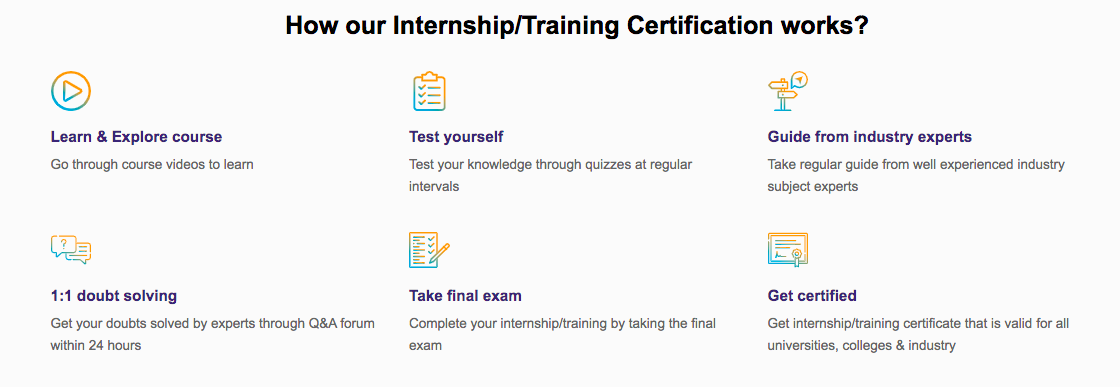
How EasyShiksha Internship/Training Program Works
The Role of Games and Interactive Learning
A learning journey must encourage consistency. Students may struggle to continue studying when content feels repetitive, difficult, or disconnected from their goals. Interactive learning and educational games can help make certain activities more engaging.
Games can introduce challenges, progress levels, immediate feedback, and opportunities for repeated practice. These features may encourage students to revisit concepts and develop learning habits. For younger learners, games can support exploration and curiosity. For older students, interactive activities can make revision and problem-solving more engaging.
The use of games should remain connected to educational objectives. Rewards and points should encourage meaningful effort rather than distract students from understanding. A learner’s progress should be measured through knowledge, practice, improvement, and application instead of digital rewards alone.
EasyShiksha’s inclusion of games alongside courses, quizzes, and other learning resources creates opportunities for a more varied digital learning experience. When interactive activities are integrated thoughtfully, students can move between exploration, practice, and assessment without experiencing learning as a completely passive process.
The goal is not to turn every subject into a game. Instead, educational design should use interactive methods where they improve engagement, understanding, or revision.
Creating a Personal Digital Learning Profile
As education becomes more continuous, students may need ways to organise and present their learning experiences. A digital learning profile can bring together information about courses, certificates, projects, quiz performance, internships, interests, and skills.
Such a profile can help students review their progress and identify gaps. It may also provide a way to present relevant achievements when applying for internships, jobs, scholarships, or further education. Rather than relying only on a marksheet or degree, learners can show a broader record of their development.
However, digital profiles should be designed responsibly. Completion data does not automatically prove mastery, and a high number of certificates does not necessarily indicate strong practical ability. Profiles should include meaningful evidence wherever possible, such as project descriptions, work samples, assessments, or internship responsibilities.
Privacy and security are also important. Students should understand which information is collected, how it is used, and who can access it. They should have control over the information they share and should be able to correct inaccurate details.
A platform such as EasyShiksha can support the development of a connected learning identity by bringing different educational and career activities into one environment. The purpose should be to help learners understand their journey and present their achievements honestly, not to reduce students to automated scores or rankings.
Education Beyond Geographic Boundaries
Traditional education can be limited by geography. Students may not have access to specialised courses, experienced instructors, or internship opportunities in their local areas. Digital education can expand access by connecting learners with resources beyond their immediate surroundings.
Students in smaller towns and rural regions may use online platforms to explore subjects and professional opportunities that are not available nearby. Working learners can study outside conventional classroom hours. Individuals who need flexible schedules may organise their education around personal responsibilities.
India’s diverse population makes accessibility particularly important. Students have different language preferences, financial circumstances, levels of digital literacy, and access to devices or reliable internet connections. A digital learning ecosystem should be designed with these differences in mind.
Mobile-friendly content, clear course descriptions, flexible learning schedules, accessible assessments, and transparent pricing can improve the learning experience. Platforms should also avoid presenting online education as a complete solution to every access problem. Connectivity, device availability, digital skills, and learner support remain important considerations.
EasyShiksha’s focus on online learning and educational discovery can contribute to broader access when learners are provided with understandable information and practical learning options. The objective should be to make education more reachable without compromising quality or inclusivity.
The Role of Teachers, Mentors, and Communities
Although technology is changing education, learning is still a human process. Teachers explain difficult concepts, mentors provide direction, peers offer support, and professional communities create opportunities for collaboration. A future education system should combine digital flexibility with meaningful human interaction.
Online platforms can support discussion forums, mentorship programmes, live sessions, feedback systems, and collaborative projects. These features can help students avoid feeling isolated during self-paced learning.
Teachers may also use digital tools to provide additional resources, assess student understanding, and personalise support. Instead of replacing educators, technology can reduce repetitive tasks and allow teachers to focus more on explanation, guidance, and encouragement.
Students also benefit from learning with others. Group projects, peer reviews, discussion sessions, and virtual communities can improve communication and collaboration skills. These experiences may be especially valuable for learners preparing for professional environments.
EasyShiksha’s learning ecosystem can be strengthened when digital resources are supported by guidance and opportunities for interaction. A successful journey should not only help students access content but also help them ask questions, receive feedback, and build confidence.
Challenges in Building Journey-Based Education
Although journey-based education offers flexibility, it also creates challenges. Students may find it difficult to choose from the large number of available courses and resources. Without a clear plan, they may enrol in multiple programmes without completing them or may move between subjects without developing sufficient depth.
Self-paced learning also requires time management and motivation. Learners must set realistic goals, follow schedules, and monitor their progress. Digital platforms can provide reminders and progress tracking, but students still need support in developing consistent habits.
Quality assurance is another concern. Online courses differ in curriculum, instructional quality, assessment standards, and practical relevance. Students should examine the details of a programme before enrolling and avoid assuming that every certificate has the same value.
Digital fatigue, distractions, privacy concerns, and unequal access can also affect learning outcomes. A complete ecosystem must address these issues through thoughtful design, reliable support, transparent communication, and responsible data practices.
Journey-based education should not mean that learners are left to manage everything independently. The most effective model combines flexibility with structure, discovery with guidance, and self-paced learning with opportunities for interaction and feedback.
Empower your team. Lead the industry
Get a subscription to a library of online courses and digital learning tools for your organization with
EasyShiksha
EasyShiksha can be understood as part of the movement towards a more connected education experience. Its range of online courses, online degrees, internships, quizzes, certificates, games, career counselling, and educational discovery resources reflects the different needs students may have during their learning journey.
A student may use a quiz to explore an interest, select a course to build foundational knowledge, complete assessments to review progress, and pursue an internship to gain practical exposure. Another learner may explore online degree options, prepare for government examinations, develop professional skills, or seek career guidance. These activities can become more useful when they are organised around a clear personal objective.
The value of a digital education platform should not be measured only by the number of services it provides. The quality of the learning experience depends on whether students can navigate those services easily, understand their purpose, and use them to make meaningful progress.
EasyShiksha’s ecosystem-oriented approach can help learners view education as a series of connected opportunities. Courses can support knowledge development, quizzes can encourage practice, internships can provide experience, certificates can document learning, and career counselling can help students consider future directions.
This model supports the idea that students should not have to wait until graduation to begin developing professional awareness. Learning, exploration, and practical preparation can take place together throughout the educational journey.
Conclusion: Education as a Continuous Journey
The future of education may be defined less by the classroom a student attends and more by the learning journey they build. Physical institutions will continue to provide valuable academic, social, and practical experiences, but digital platforms are expanding the ways in which learners can explore subjects, develop skills, access guidance, and gain professional exposure.
A journey-based approach allows students to move beyond a fixed educational sequence. They can begin with curiosity, explore different options, complete courses, test their understanding through quizzes, practise skills through projects, participate in internships, and continue learning through online degrees or professional development.
This approach also recognises that students have different interests, responsibilities, learning speeds, and career goals. Education should provide flexibility without sacrificing structure, accessibility without compromising quality, and innovation without ignoring the importance of teachers and human guidance.
Platforms such as EasyShiksha reflect the potential of a connected learning ecosystem by bringing courses, online degrees, internships, quizzes, certificates, games, career counselling, and educational discovery into one digital environment. When these resources are used purposefully, students can build a more organised and practical learning journey.
The classroom will remain an important part of education, but it may no longer be the only centre of learning. The future may belong to an education model in which learning continues across platforms, institutions, workplaces, and everyday experiences. Education will not simply be a place students go to. It will become a journey they actively build throughout their lives.
Anshika Jain is an Engineer, Developer, and Educational Content Author known for her dedication to technology and knowledge sharing. With a strong analytical mindset and a passion for innovation, she has consistently contributed to creating meaningful digital solutions and insightful educational articles.
Her ability to simplify complex technical concepts into engaging and easy-to-understand content makes her work valuable for students and learners across various platforms. Along with her technical expertise, Anshika is admired for her creativity, professionalism, and commitment to continuous learning.
She represents a perfect blend of technical excellence and impactful communication, inspiring others through both her development work and educational contributions.