Super 30 founder Anand Kumar has raised concerns over using AI to generate NEET question papers at the last minute, warning that computer-based exams could disadvantage poor and rural students.
Super 30 founder Anand Kumar has expressed disagreement with Infosys co-founder Nandan Nilekani’s proposal to use artificial intelligence (AI) and last-minute question paper generation to prevent leaks in competitive examinations including the National Eligibility cum Entrance Test Undergraduate (NEET UG).
Kumar said examination reforms must address security concerns without creating new barriers for students from economically weaker backgrounds.
In a post on X, Kumar acknowledged his deep respect for Nilekani, who praised his Super 30 initiative in his book Imagining India: The Idea of a Renewed Nation. However, he said he had reservations about the proposal to generate examination papers from a large question bank shortly before the test.
Kumar outlined three key concerns with the approach: limited access to computers among disadvantaged students, disparities in infrastructure and security at examination centres, and the possibility of errors in questions selected from a large question bank.
COMPUTER-BASED EXAMS MAY DISADVANTAGE RURAL STUDENTS
Kumar questioned whether making examinations entirely computer-based would be the right way to prevent paper leaks, given the digital divide that continues to affect students across the country.
He pointed out that many talented students from remote villages and poor families lack adequate access to computers. Introducing a technology-dependent examination system, he argued, could unintentionally put these candidates at a disadvantage.
Kumar also questioned whether examination centres in remote areas would be equipped with facilities and security arrangements comparable to those in metropolitan cities.
He stressed that preventing malpractice should not come at the cost of equal opportunities for students who have limited access to educational resources.
CONCERNS OVER AI-GENERATED QUESTIONS
The Super 30 founder also questioned the reliability of questions selected from a large question bank at the last minute.
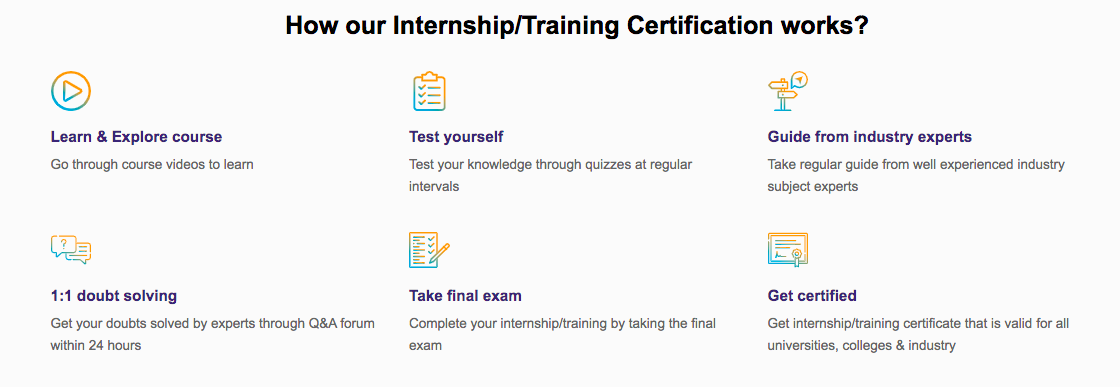
How EasyShiksha Internship/Training Program Works
He said that errors are reported in questions prepared for competitive examinations almost every year, despite the relatively limited number of questions in individual papers.
Against this backdrop, Kumar asked what guarantee there would be that all questions selected by AI from a pool of thousands would be accurate and free from errors.
For a high-stakes examination like NEET UG, even a single incorrect question could affect a student's score and potentially influence their chances of securing admission to a medical college.
‘AI CAN ASSIST EXPERTS, BUT FINAL DECISIONS NEED CARE’
Clarifying his position, Kumar said he was not opposed to AI or technological advancement. He believes AI has the potential to bring significant changes to education and can help experts prepare question papers.
However, he emphasised that using AI as an assistance tool is different from relying on it to make final decisions.
“I am not opposed to technology or AI. In fact, I believe that AI can bring revolutionary changes in the field of education. It can also assist experts in creating question papers. But there is a vast difference between providing assistance and making the final decision,” he said.
Drawing on his decades of experience working with students, Kumar argued that authorities should focus on fixing weaknesses in the existing examination system rather than introducing changes that could make opportunities more difficult to access for disadvantaged candidates.
He said: “..the real purpose of an exam is not to showcase the power of technology, but to identify the talent hidden in every corner of the country. And we must never forget that the loss from one mistake is not just a few marks – it can be an entire child's dream.”
WHAT IS NANDAN NILEKANI’S AI PROPOSAL FOR NEET?
Nilekani has questioned the need to rely on a single question paper for entrance examinations, arguing that a paper prepared in advance can become a target for those seeking to leak and sell it.
Earlier this week, he proposed creating a massive question bank and generating examination papers at the last minute. The approach is intended to reduce the incentive to obtain a fixed question paper before the examination.
Nilekani has also advocated expanding computer-based testing (CBT) infrastructure across the country as part of efforts to strengthen examination security. The broader proposal comes amid discussions on reforms to make India's competitive examination system more secure.
Kumar’s remarks highlight the challenge facing policymakers as they consider technology-driven reforms: strengthening examination security while ensuring that every deserving student has a fair chance to succeed.
Anshika Jain is an Engineer, Developer, and Educational Content Author known for her dedication to technology and knowledge sharing. With a strong analytical mindset and a passion for innovation, she has consistently contributed to creating meaningful digital solutions and insightful educational articles.
Her ability to simplify complex technical concepts into engaging and easy-to-understand content makes her work valuable for students and learners across various platforms. Along with her technical expertise, Anshika is admired for her creativity, professionalism, and commitment to continuous learning.
She represents a perfect blend of technical excellence and impactful communication, inspiring others through both her development work and educational contributions.