For generations, education was understood as a destination. A student went to school, completed higher secondary education, entered college or university, earned a degree, and then moved into professional life. The journey appeared relatively linear. Each stage had a defined beginning and an expected ending, and academic qualifications were often considered the primary evidence of educational progress.
The digital transformation of education is changing this structure. Students today can learn a new skill without waiting for a new academic year, explore careers before choosing a degree, take online courses alongside college, participate in internships from home, test their knowledge through quizzes, attend virtual learning programmes, discover universities online, and seek career guidance whenever they need it. Learning is becoming less about reaching one final destination and more about continuously moving between discovery, knowledge, practice, experience, and career development.
This change is especially relevant for students growing up in an environment where information and learning resources are available through smartphones and computers. Education can now continue beyond classrooms, campuses, semesters, and even formal graduation.
This is where the idea of a digital learning journey becomes important. Rather than viewing education as a single degree or qualification, students can build a connected journey consisting of multiple learning experiences. EasyShiksha reflects this broader approach by bringing together online courses, online degrees, internships, quizzes, certificates, career counselling, educational discovery, government exam preparation, games, and other digital learning opportunities.
The objective is not to replace traditional education. Instead, it is to create a more connected way for students to discover what they want to learn, develop relevant skills, practise those skills, gain experience, and continue learning throughout their careers.
From Educational Destination to Continuous Journey
The traditional education model often encouraged students to think in terms of destinations. Finish school. Get admission to college. Complete a degree. Find a job. While this structure continues to be important, it does not fully represent how modern careers and skills are developing.
Technology, industries, and workplace requirements continue to evolve. A skill that is highly relevant today may need to be updated tomorrow. New tools emerge, professional roles change, and entirely new career paths can appear. Students therefore need opportunities to continue learning after completing formal qualifications. A digital learning journey provides this flexibility.
Instead of considering education complete when a certificate or degree is received, students can view every educational experience as another stage of development. A course can introduce a new subject. A quiz can reveal areas that require more practice. A project can transform knowledge into application. An internship can provide workplace exposure. Career counselling can help students understand possible directions. Another course can then build on what the student has already learned. Education becomes a process of progression rather than a final destination.
Why Students Are Facing More Choices Than Ever
The digital era has expanded educational opportunities dramatically. Students can now find thousands of courses covering technology, business, finance, marketing, design, engineering, artificial intelligence, data science, communication, healthcare, and numerous other fields.
However, more choices do not automatically make decisions easier. A student may search for an online course and receive hundreds of results. Another student may be interested in technology but have no idea whether to start with programming, data science, cybersecurity, artificial intelligence, cloud computing, or another area. The challenge is no longer simply access to information. It is learning how to navigate that information.
A connected digital education ecosystem can help students move through discovery more systematically. Instead of immediately asking students to select a final career or course, digital tools can help them explore interests, understand subjects, test their knowledge, and gradually identify suitable learning directions. This makes the learning journey more exploratory and less intimidating.
Students do not always begin their education journey with a clear goal. A school student may know that they enjoy technology but may not know what career opportunities exist in the field. A graduate may want to improve employability but may not know which skill to develop first. A working professional may recognise the need to upskill but may be uncertain about which course is relevant.
Digital discovery can provide a starting point. Quizzes, career exploration tools, educational content, course recommendations, and information about colleges and universities can help students understand their options. Rather than forcing an immediate decision, these tools can encourage exploration.
EasyShiksha can play a role in this process by connecting discovery with learning. A student can explore a subject, test basic knowledge through a quiz, identify relevant courses, and continue toward more structured learning. The important change is that students are not expected to know everything before they begin. Discovery itself becomes part of education.
Online Courses Are Becoming Learning Building Blocks
Online courses have changed how students access knowledge. They allow learners to study from different locations, explore specialised subjects, and often learn at a pace that suits their individual circumstances. However, the most useful way to view an online course may not be as an isolated product. A course can be a building block within a larger learning journey.
A student interested in digital marketing might begin with fundamental concepts before exploring search engine optimisation, social media marketing, advertising, analytics, or content strategy. Another student interested in programming might begin with basic programming concepts before progressing toward web development, data structures, artificial intelligence, or other technical areas. This gradual progression can make learning more manageable.
For EasyShiksha, online courses form one important component of a larger ecosystem. Students can use courses to develop knowledge while connecting their learning with quizzes, certificates, internships, career guidance, and other opportunities.
Quizzes Can Turn Passive Learning Into Active Learning
Watching a lesson or reading educational material does not always mean that a student has understood or retained it. Quizzes provide a simple way to turn learning into active participation.
When students answer questions after studying a topic, they have to retrieve information rather than simply recognise it. This process can help them identify concepts they understand and areas where additional practice may be needed. Quizzes can also play a role before learning begins. A student may take a basic quiz about a subject and discover that they enjoy the topic or need to strengthen foundational knowledge.
Within a digital learning journey, quizzes therefore become more than examination tools. They can function as checkpoints between different stages of learning. EasyShiksha's quiz-based learning experience can complement courses and other educational resources, helping students repeatedly test and reinforce their knowledge.
From Learning to Practice
One of the major differences between knowing something and being able to use it is practice. A student may understand the theory of digital marketing but still need practical experience with campaigns, analytics, content, or search optimisation. A programming learner may understand coding concepts but need to build projects before feeling comfortable applying them.
A finance student may understand concepts from textbooks but benefit from practical exercises and real-world scenarios. This is why a digital learning journey should not end with content consumption. Students need opportunities to practise what they learn.
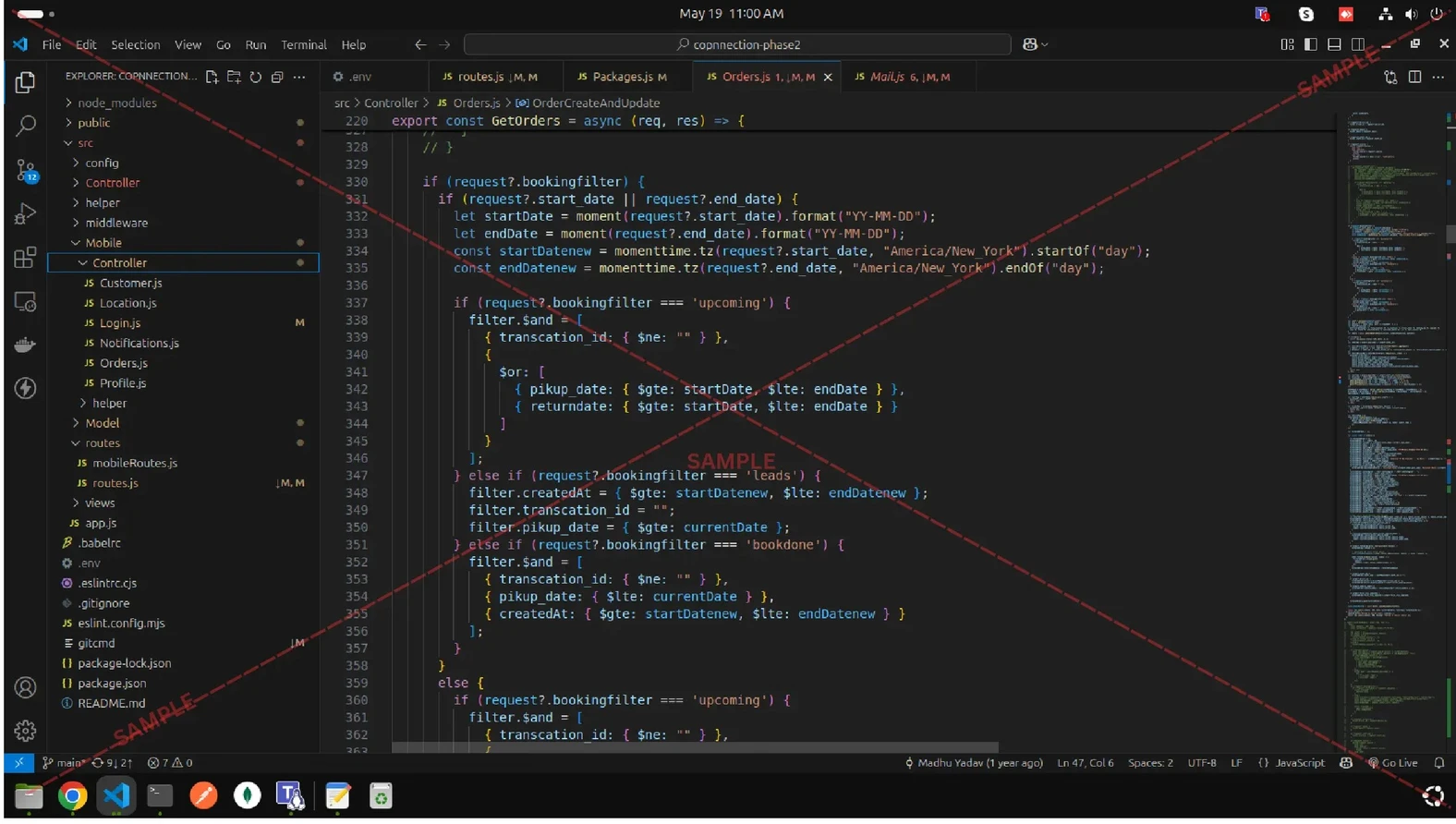
Projects, assignments, simulations, quizzes, practical exercises, and internships can help bridge this gap. They allow students to move from “I have studied this” to “I have applied this.” This transition is particularly valuable for students preparing for their first professional opportunities.
Internships Create a Bridge Between Education and Work
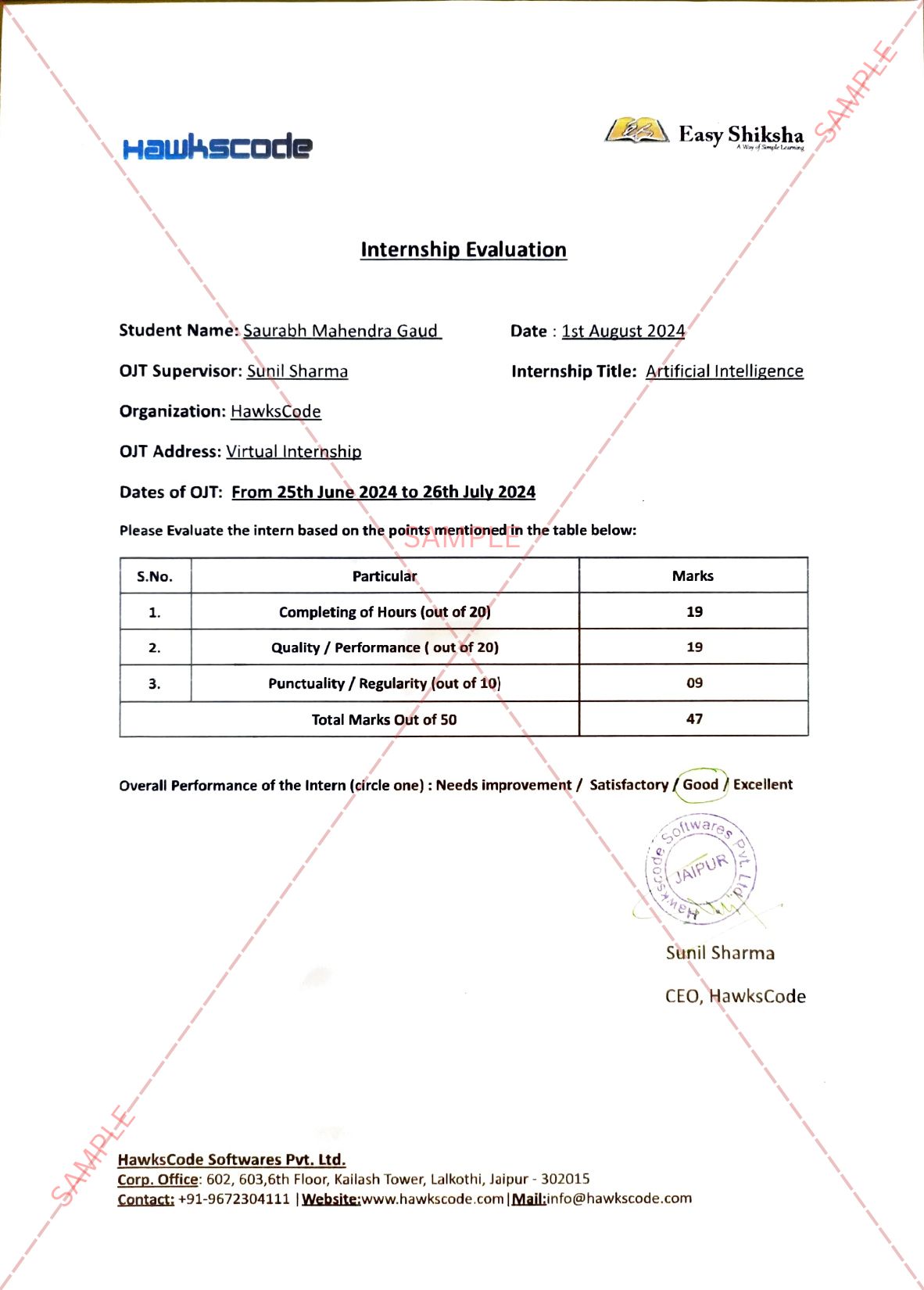
For many students, the first major challenge after education is understanding how academic knowledge translates into workplace expectations. Internships can provide an important bridge. An internship gives students the opportunity to experience professional tasks, deadlines, communication, teamwork, and practical responsibilities.
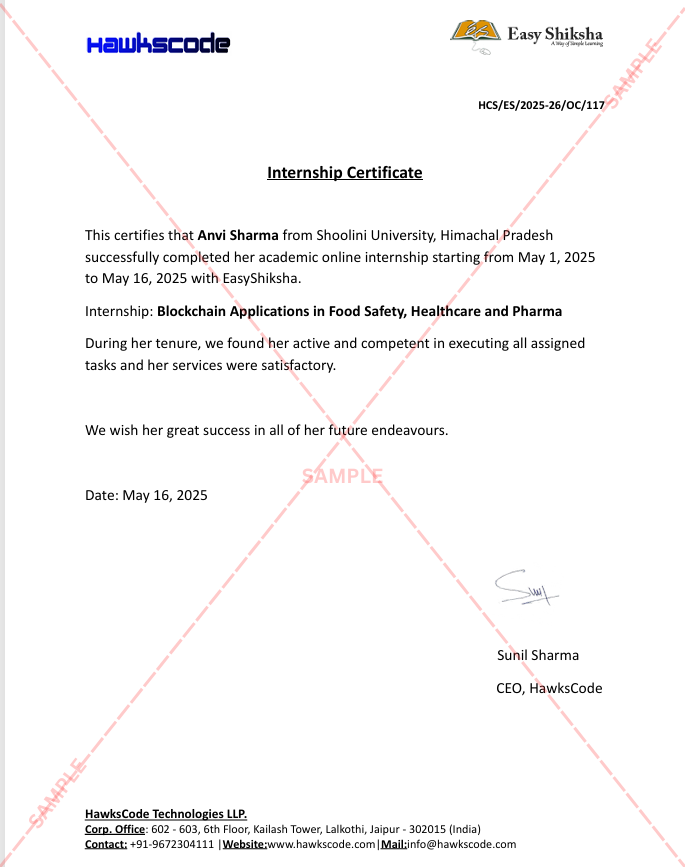
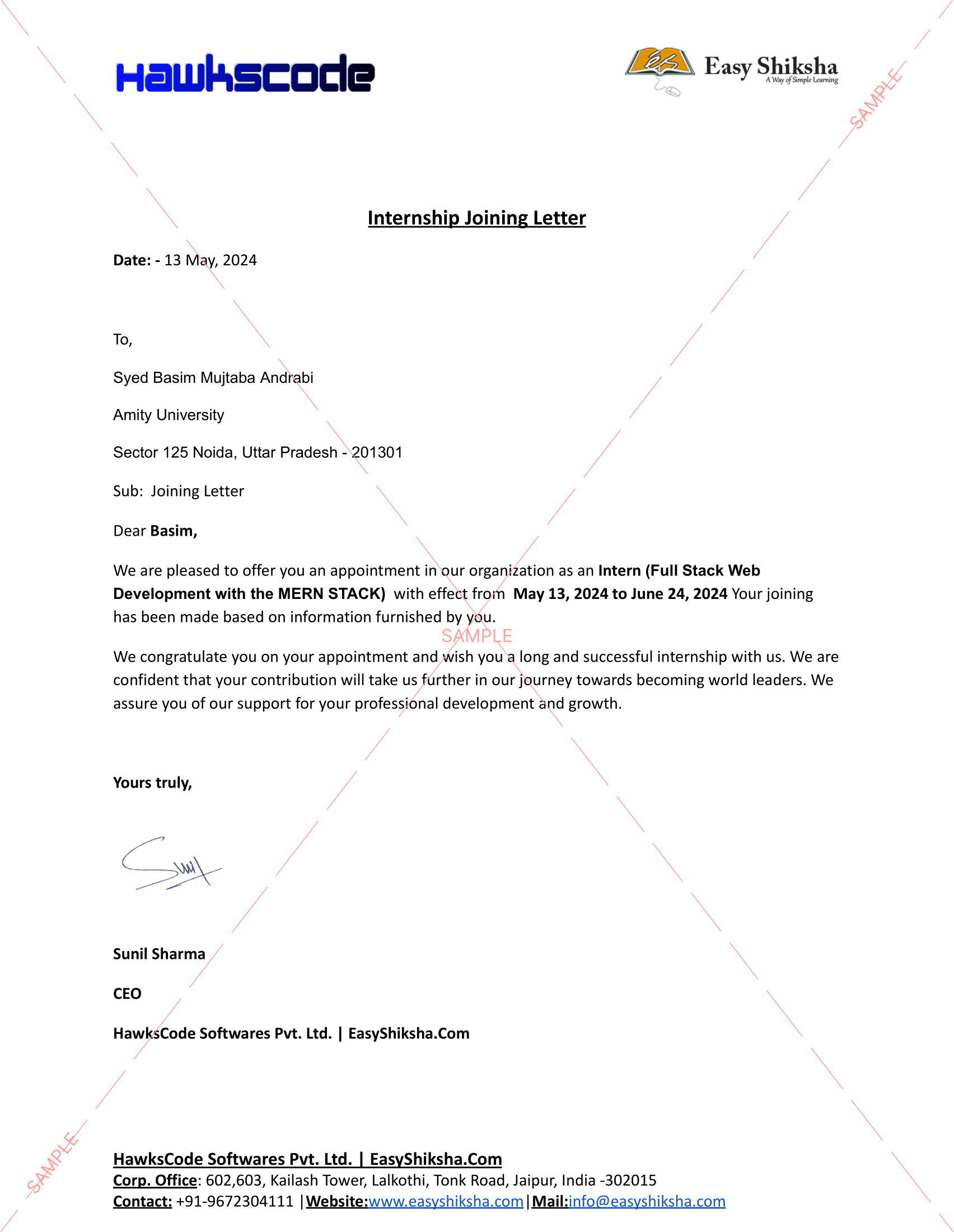
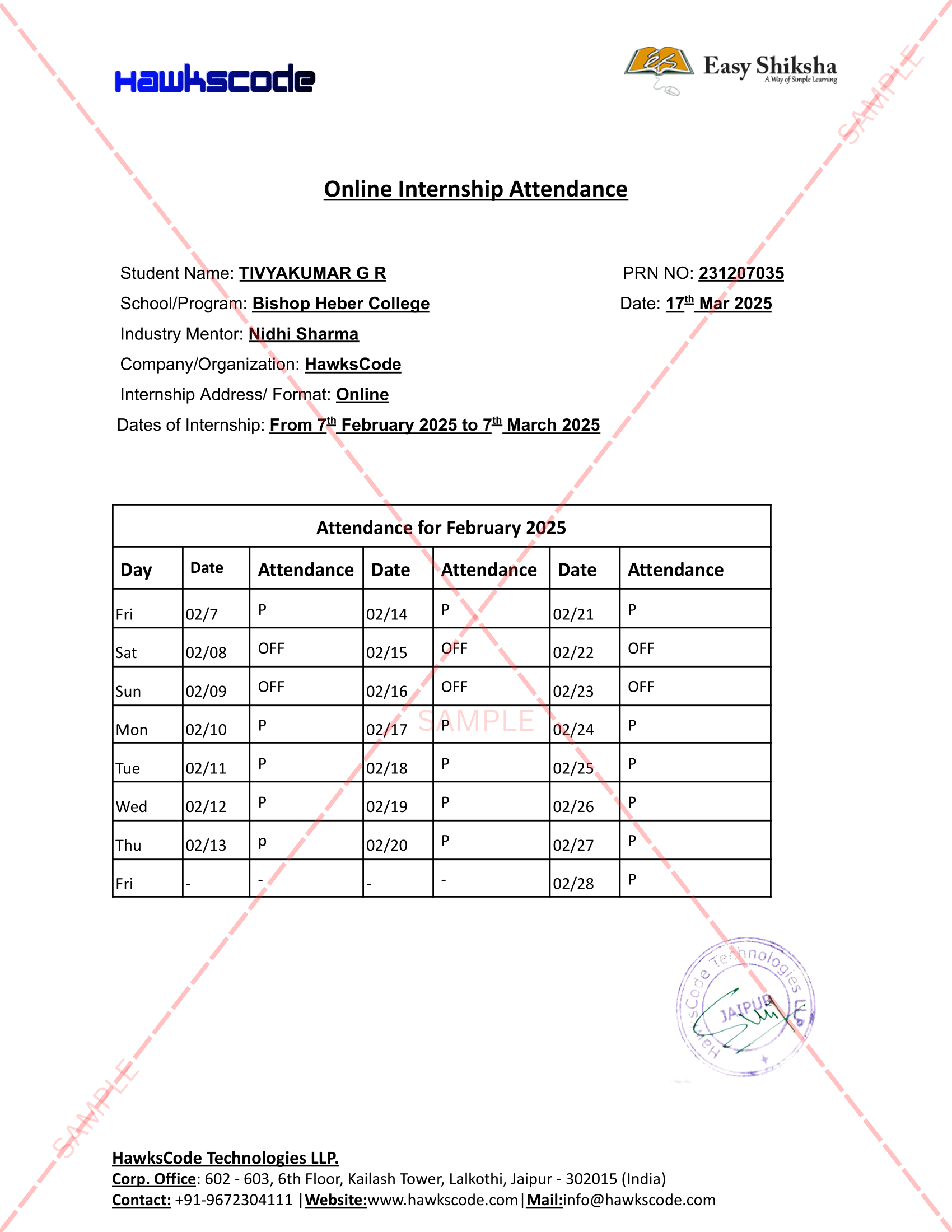
Even when an internship is conducted remotely, students can gain exposure to professional workflows and expectations. When internships are connected with digital learning, students can approach them with greater preparation. A student can complete a course, practise through quizzes and projects, and then explore an internship that provides an opportunity to apply related knowledge.
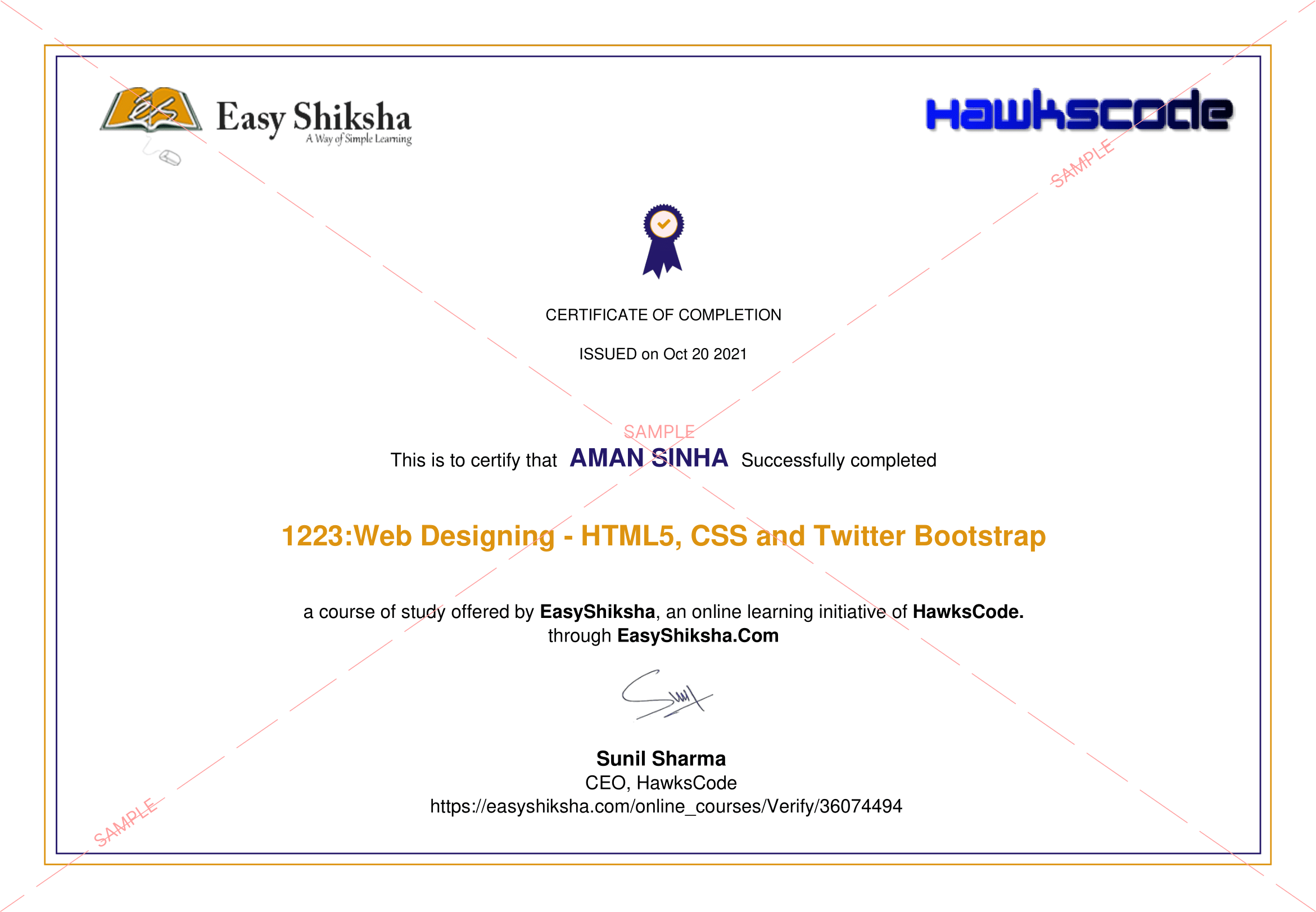
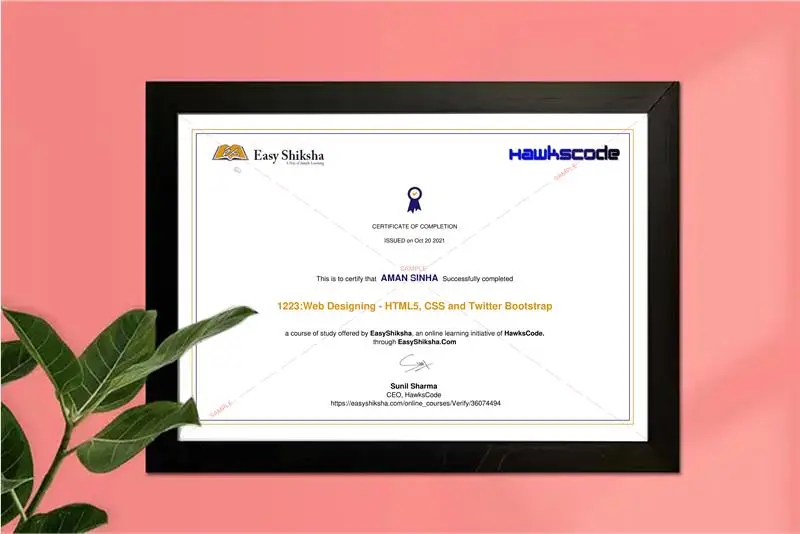
The experience can subsequently become part of the student's broader digital learning profile. EasyShiksha's combination of online courses and internships supports this connection between learning and practical exposure. The emphasis shifts from simply collecting certificates toward developing evidence of learning and experience.
Certificates Are One Part of the Journey
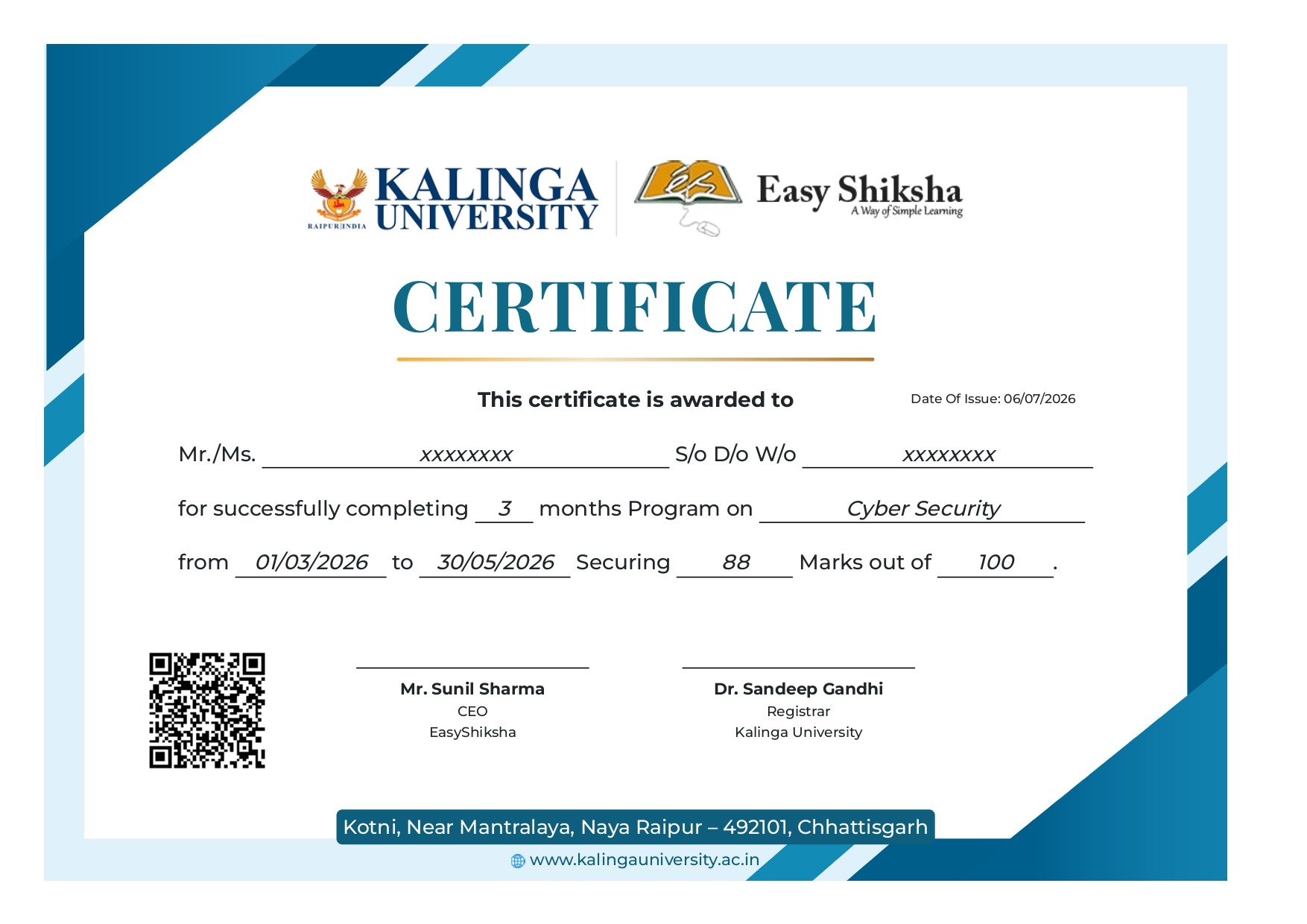
Certificates remain useful because they can document course completion or participation in a learning programme. They can give students a tangible record of their educational activities. However, modern learners increasingly need a broader representation of what they can do.
A certificate may show that a student completed a course, but it does not necessarily demonstrate how the student applied the knowledge. Practical projects, quizzes, internships, portfolios, and other forms of evidence can provide additional context.
This is why certificates should be viewed as one component of a digital learning journey rather than the entire journey. A student may complete a course and earn a certificate, but the next step can involve applying that knowledge, developing another skill, or gaining practical experience. The journey continues.
Career Counselling Can Help Connect the Stages
The availability of learning opportunities can sometimes create confusion. Students may ask themselves whether they should focus on a degree, professional certification, online course, internship, competitive examination, or another pathway. Different students have different circumstances, interests, academic backgrounds, and goals.
Career counselling can help students understand their options. Within a connected digital education ecosystem, career counselling can become more meaningful when it is linked with the student's broader learning activity. A student's interests, explored subjects, completed courses, and areas of development can provide useful context for conversations about possible career directions.
EasyShiksha's career counselling component can therefore complement courses, quizzes, internships, and educational discovery. The purpose of career guidance is not to make the decision on behalf of a student. It is to help students understand their options so that they can make more informed choices.
School, College and University Discovery Is Also Part of Learning
The digital learning journey does not only involve skill development. Students also need to make decisions about where and how they want to pursue formal education. Choosing a school, college, university, degree programme, or specialisation can be one of the most significant decisions in a student's life.
Digital discovery can make the research process more accessible by allowing students to investigate educational options before making decisions. An ecosystem that supports school, college, and university discovery can connect institutional research with other aspects of the learning journey.
A student exploring engineering, for example, may first learn about the field, identify relevant skills, investigate courses, explore universities, and understand potential career pathways. Each stage contributes to a more informed educational decision. Education discovery is therefore not separate from learning. It can be the foundation upon which the rest of the journey is built.
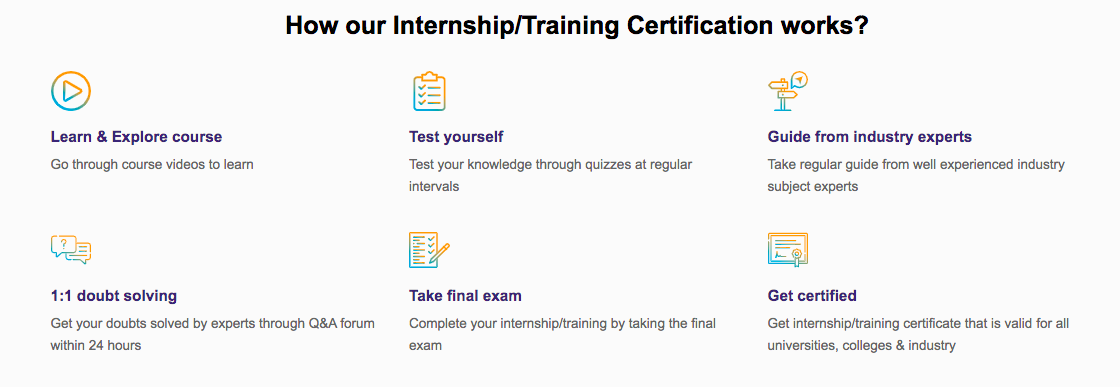
How EasyShiksha Internship/Training Program Works
Online Degrees Add Flexibility to the Journey
Formal degrees continue to play an important role in education and employment. At the same time, online degrees have expanded the ways students can access higher education. For some learners, online degree programmes can provide flexibility that traditional formats may not offer. Students can combine formal degree education with additional courses, internships, projects, or professional development.
This creates a blended educational journey. A student may pursue an online degree while taking shorter courses to develop specialised skills. Another learner may complete a degree and later return to online education to update their knowledge. This reinforces the idea that education does not have to end at graduation.
Games and Interactive Learning Can Make the Journey More Engaging
Digital learning also offers opportunities to make education more interactive. Games can introduce challenges, rewards, problem-solving activities, and interactive experiences. When designed around meaningful learning objectives, educational games can encourage students to engage with concepts differently from traditional study methods. For younger learners especially, interactive experiences can make learning feel less intimidating and more exploratory.
In a broader platform such as EasyShiksha, games can exist alongside serious educational activities rather than replacing them. Students can learn through courses, test themselves through quizzes, practise skills, explore careers, and engage with educational games as part of a wider digital experience. This creates a more varied learning environment.
A Digital Learning Profile Can Connect the Journey
One of the most important developments in connected digital education is the possibility of maintaining a broader learning profile.
Traditional academic records provide essential information about formal education. A digital learning profile can potentially provide additional context by bringing together courses, certificates, quizzes, projects, internships, skills, interests, and other learning experiences. This can help students see their own progression.
Instead of looking at education as a collection of unrelated certificates, students can understand how different activities connect. A course may lead to a project. A project may lead to an internship. An internship may influence career interests. Those interests may lead to another course or degree. The profile becomes a record of movement rather than simply a record of completion.
The Digital Learning Journey Can Continue After Graduation
One of the biggest advantages of thinking about education as a journey is that it does not end with graduation. The modern workplace can require continuous learning. Professionals may need to understand new technologies, tools, regulations, business models, or industry practices. A graduate can therefore return to digital education whenever new learning needs emerge.
A person who studied business may later learn data analytics. A software professional may explore artificial intelligence. A marketing professional may develop new digital advertising skills. Someone preparing for a career transition may take a completely different learning path.
Digital education makes this ongoing development more accessible. The concept of lifelong learning becomes practical when students and professionals have an environment where they can repeatedly discover, learn, practise, and progress.
Why One Connected Platform Can Be Useful
Students currently use many digital tools for different educational activities. This can provide flexibility, but it can also create fragmentation. A connected platform can reduce some of that fragmentation by bringing related experiences together.
The benefit is not simply convenience. A connected ecosystem can help students understand relationships between different activities. Courses can connect with quizzes. Quizzes can connect with practice. Practice can lead to internships. Career counselling can help interpret learning interests. Educational discovery can support decisions about degrees and institutions. This creates continuity.
For EasyShiksha, the combination of online education, online degrees, courses, internships, quizzes, certificates, career counselling, school and university discovery, games, and exam preparation represents this broader ecosystem approach.
The Student Becomes the Centre of the Journey
The future of education is not only about adding more technology. It is about making technology useful for the learner. A student should not have to organise their entire educational journey around the structure of individual platforms. Instead, digital platforms can increasingly be designed around the student's needs.
Students may begin at different points. Some may start with a quiz. Others may begin with a course. Some may search for a university. Others may be looking for an internship or career guidance.
A connected learning ecosystem can allow different entry points while still providing opportunities to move forward. This makes education more flexible because there is no single correct starting point for every learner.
Challenges of Building a True Digital Learning Journey
Creating a connected education ecosystem also presents challenges. More features do not automatically create a better learning experience. If an application becomes overloaded with courses, quizzes, games, recommendations, internships, and information, students may find it difficult to understand what they should do next.
Quality is another important consideration. Students need reliable educational information and meaningful learning experiences. They also need transparency around certificates, internships, courses, and educational opportunities.
Privacy and responsible use of student data are equally important. A digital learning profile may contain valuable information about a learner's educational history and interests. Students should understand how their information is used and have appropriate control over it. Finally, technology should complement human guidance rather than attempt to eliminate it. Teachers, mentors, counsellors, institutions, and professional communities continue to play important roles in education.
The Future: Education as a Personal Learning Timeline
The future student may increasingly experience education as a timeline rather than a series of disconnected destinations. The timeline could begin with curiosity. A student discovers an interest through a quiz or educational resource. That interest leads to a course. The course leads to practice. Practice leads to a project. The project creates confidence.
An internship provides experience. Career counselling helps the student understand possible directions. A degree provides formal education, while additional courses continue to build specialised skills. The timeline does not necessarily have a fixed endpoint. Every new skill can open another opportunity to learn.
This approach recognises that students develop at different speeds and follow different routes. One student may move quickly from school to university and employment. Another may explore several subjects before choosing a career. Someone else may change careers later in life and begin a completely new learning journey. Digital education can support all these paths.
Empower your team. Lead the industry
Get a subscription to a library of online courses and digital learning tools for your organization with
EasyShiksha
EasyShiksha and the Connected Future of Student Learning
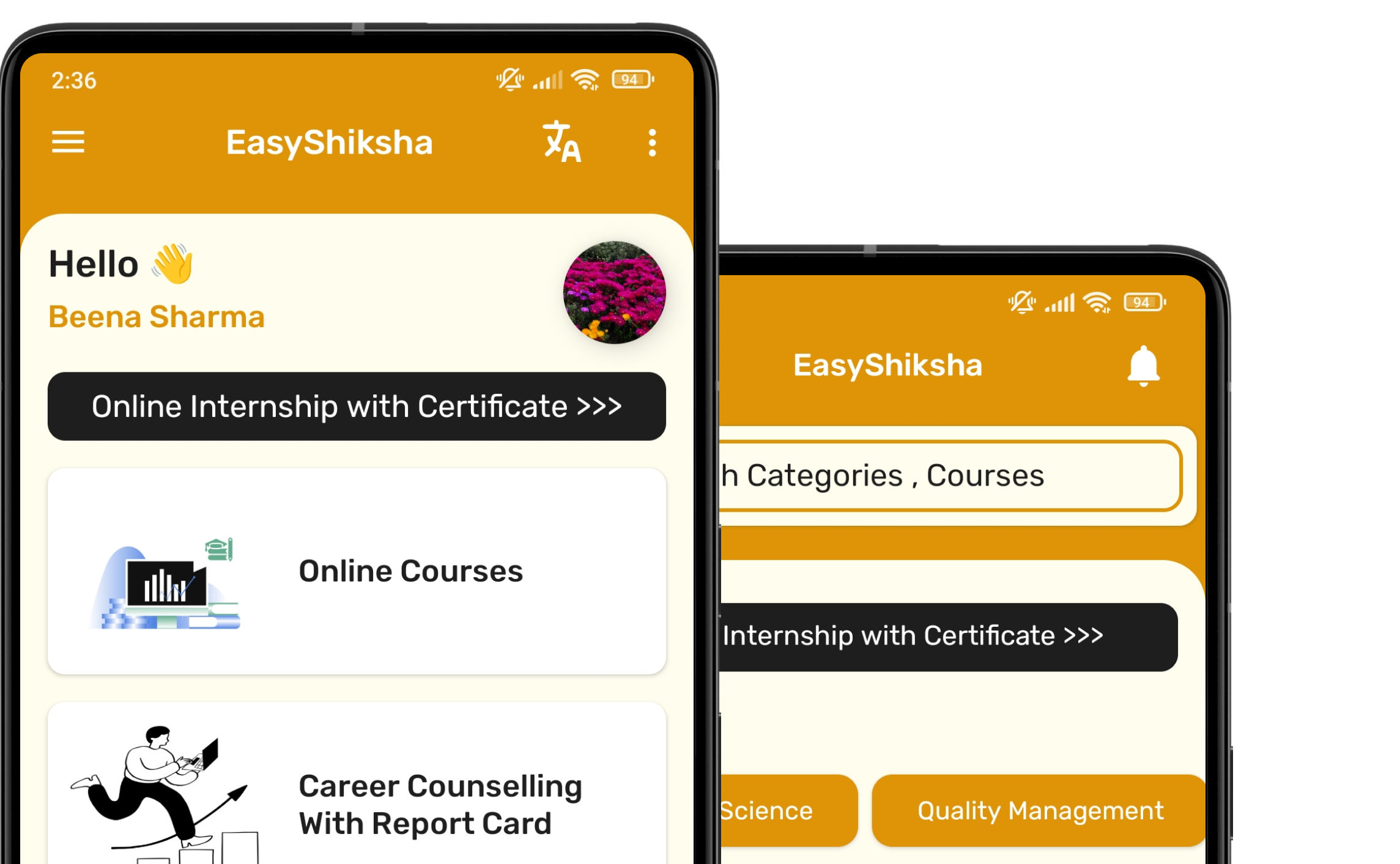
EasyShiksha fits naturally into this changing model because its educational ecosystem extends beyond a single type of learning activity. A student can explore courses, take quizzes, pursue online learning, earn certificates, search for internships, access career counselling, investigate schools, colleges and universities, prepare for government examinations, explore online degrees, and engage with educational games.
The larger value lies in how these opportunities can contribute to one continuous educational experience.
Instead of asking students to define their entire future before they begin learning, the digital ecosystem can allow them to explore and progress step by step. The student can start with a question, move toward discovery, develop knowledge, test understanding, gain experience, and continue building skills. That is the essence of a digital learning journey.
Conclusion: The Destination Is No Longer the Whole Story
Education will continue to have important destinations. Degrees will remain significant. Schools and universities will continue to educate millions of learners. Certificates will document achievements, and professional qualifications will remain valuable. But these destinations are becoming parts of a much larger journey.
Students today need opportunities to explore before deciding, learn beyond formal classrooms, practise what they study, gain practical experience, receive career guidance, discover educational institutions, and continue developing skills after graduation. A digital learning journey brings these stages closer together.
The future of education may therefore not belong to platforms that simply provide more content. It may belong to ecosystems that help students understand where they are, what they have learned, what they can practise next, and which opportunities are available to them.
EasyShiksha's broader combination of courses, online degrees, quizzes, internships, certificates, career counselling, educational discovery, games, and examination preparation reflects this shift toward connected digital learning.
Anshika Jain is an Engineer, Developer, and Educational Content Author known for her dedication to technology and knowledge sharing. With a strong analytical mindset and a passion for innovation, she has consistently contributed to creating meaningful digital solutions and insightful educational articles.
Her ability to simplify complex technical concepts into engaging and easy-to-understand content makes her work valuable for students and learners across various platforms. Along with her technical expertise, Anshika is admired for her creativity, professionalism, and commitment to continuous learning.
She represents a perfect blend of technical excellence and impactful communication, inspiring others through both her development work and educational contributions.