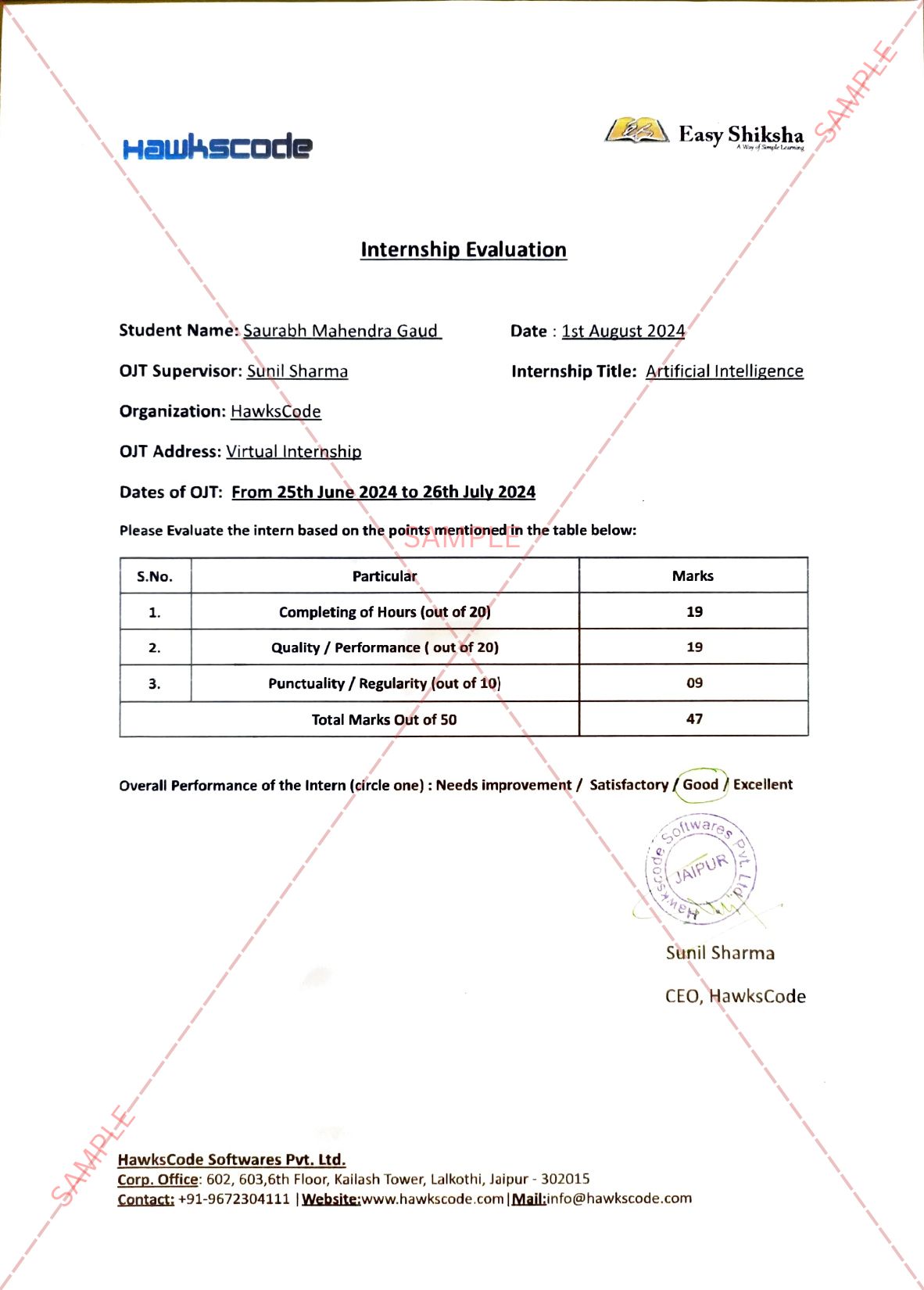
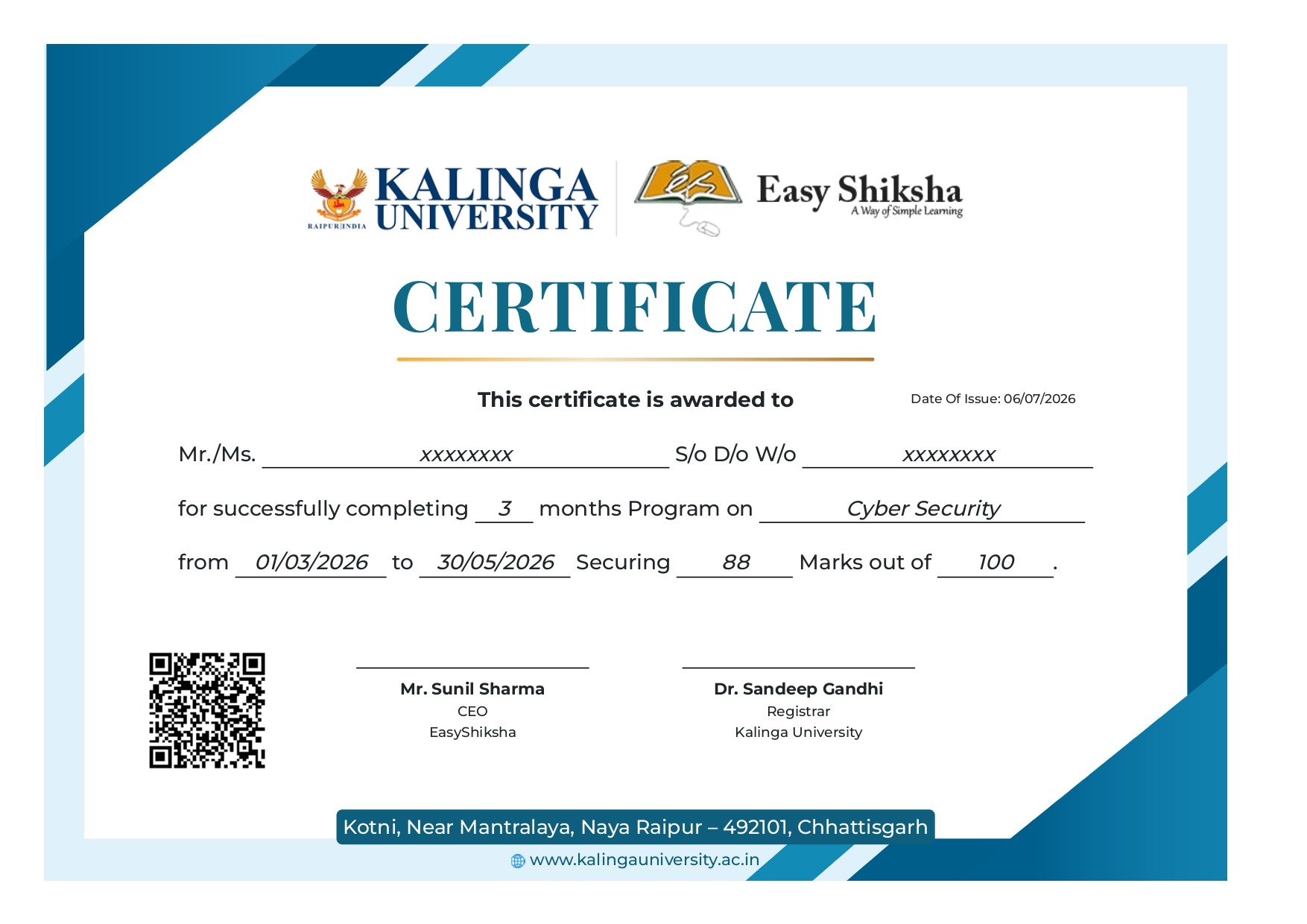
In today's highly competitive job market, internships have become one of the most effective pathways for students and recent graduates to secure full-time employment. Organizations across industries increasingly use internship programs not only as learning opportunities for students but also as talent pipelines for future employees. For many companies, internships serve as an extended evaluation process, allowing employers to assess a candidate’s skills, work ethic, adaptability, and cultural fit before making a long-term hiring decision.
For students, an internship offers far more than temporary work experience. It provides exposure to professional environments, practical application of academic knowledge, networking opportunities, and a chance to build valuable industry-specific skills. Most importantly, internships create a direct pathway to full-time employment when approached strategically.
However, securing an internship is only the first step. The real challenge lies in transforming that temporary opportunity into a permanent position. Many interns perform assigned tasks competently but fail to stand out in ways that convince employers to offer them a full-time role. Others underestimate the importance of professional relationships, communication, initiative, and continuous learning.
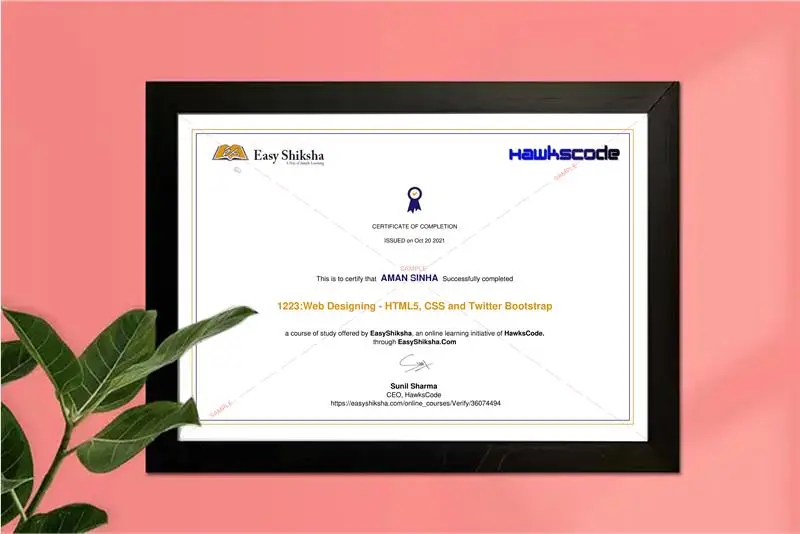
Educational platforms such as EasyShiksha play an important role in preparing students for this transition. By providing skill-based courses, certifications, and career-oriented learning opportunities, EasyShiksha helps learners strengthen their professional competencies and enhance their employability. Combined with practical internship experience, these skills can significantly improve the likelihood of receiving a full-time job offer.
This article explores effective strategies for converting internships into full-time jobs, highlights the qualities employers seek in potential employees, and explains how continuous learning through platforms like EasyShiksha can support long-term career success.
Understanding the Value of an Internship
An internship is often viewed as a short-term professional experience designed to help students gain practical exposure. While this definition is accurate, it does not fully capture the strategic importance of internships in career development.
Internships allow students to understand workplace expectations, observe industry practices, and develop professional skills that are difficult to acquire in traditional classroom environments. They also provide opportunities to test career interests and evaluate whether a particular industry or role aligns with long-term goals.
For employers, internships serve as an effective recruitment tool. Companies invest resources in training interns and often prefer hiring individuals who are already familiar with organizational processes and culture.
Recognizing the internship as a potential gateway to permanent employment can motivate students to approach the experience with greater commitment and professionalism.
Adopting a Professional Mindset from Day One
One of the most important factors in converting an internship into a full-time job is adopting a professional mindset from the very beginning. Interns should not view themselves as temporary visitors but as potential future employees.
Professionalism influences how supervisors and colleagues perceive an intern’s potential. Arriving on time, meeting deadlines, communicating effectively, and demonstrating accountability all contribute to a positive professional image.
Employers often evaluate interns continuously throughout their internship period. Every interaction, project, and responsibility contributes to the overall impression formed by managers and team members.
Students who consistently demonstrate professionalism position themselves as strong candidates for future employment opportunities.
Insights from Internship Students: Testimonials
×
Understanding Organizational Goals
Successful interns go beyond completing assigned tasks. They seek to understand the broader objectives of the organization and how their contributions support those goals.
By learning about company strategies, products, services, and industry challenges, interns can align their efforts with organizational priorities. This demonstrates initiative, business awareness, and a genuine interest in the company's success.
Employers value individuals who understand the larger context of their work and contribute meaningfully to organizational objectives.
Taking time to understand the company’s mission and vision can significantly enhance an intern’s impact and visibility.
Demonstrating a Strong Work Ethic
Work ethic is one of the most influential factors in internship evaluations. Employers look for individuals who are dependable, motivated, and willing to put forth consistent effort.
Interns who complete assignments thoroughly, pay attention to detail, and maintain high standards of quality are more likely to earn the trust of supervisors.
A strong work ethic also involves taking ownership of responsibilities and maintaining a positive attitude even when assigned routine tasks.
Organizations seek employees who can be relied upon to contribute consistently, making work ethic a critical factor in full-time hiring decisions.
Many interns focus solely on tasks that are explicitly assigned to them. While completing these tasks is essential, exceptional interns distinguish themselves by taking initiative.
Initiative may involve volunteering for additional projects, suggesting improvements, offering assistance to colleagues, or seeking opportunities to learn new skills.
Employers appreciate individuals who demonstrate curiosity, enthusiasm, and a willingness to contribute beyond minimum expectations.
Taking initiative signals leadership potential and shows that an intern is genuinely invested in organizational success.
Building Strong Professional Relationships
Relationships play a significant role in career development. Internships provide access to professionals who can offer guidance, mentorship, recommendations, and future opportunities.
Building strong relationships requires respectful communication, active listening, and genuine interest in learning from others. Interns should engage professionally with supervisors, team members, and colleagues across departments.
Positive workplace relationships create a supportive environment and increase the likelihood that decision-makers will advocate for an intern when hiring discussions occur.
Networking during an internship is not about self-promotion alone; it is about creating meaningful professional connections based on trust and mutual respect.
Seeking and Applying Feedback
Feedback is one of the most valuable resources available to interns. Constructive feedback helps identify strengths, address weaknesses, and improve performance.
Students who actively seek feedback demonstrate maturity and a commitment to professional growth. More importantly, applying feedback effectively shows adaptability and a willingness to learn.
Employers value individuals who can accept constructive criticism and use it to improve their work.
Regular feedback conversations also create opportunities to discuss career aspirations and express interest in future employment within the organization.
Developing Industry-Relevant Skills
Employers hire individuals who possess the skills necessary to contribute effectively in professional environments. Internships provide excellent opportunities to develop technical, analytical, communication, and problem-solving skills.
However, students should not rely solely on workplace experiences for skill development. Continuous learning outside the workplace is equally important.
Platforms such as EasyShiksha enable learners to enhance their expertise through online courses and certifications that align with industry requirements. Acquiring additional knowledge demonstrates initiative and a commitment to professional excellence.
Combining internship experience with ongoing education creates a strong foundation for long-term career success.
Becoming a Problem Solver
Organizations value employees who can identify challenges and contribute to solutions. Interns who develop problem-solving abilities often stand out among their peers.
Problem-solving involves critical thinking, creativity, analytical reasoning, and effective decision-making. Rather than focusing solely on obstacles, successful interns seek ways to improve processes and overcome challenges.
Demonstrating problem-solving skills increases an intern’s perceived value and highlights their potential for future leadership roles.
Employers are more likely to hire individuals who contribute positively to organizational effectiveness.
Mastering Workplace Communication
Communication is a fundamental professional skill. Interns interact with supervisors, colleagues, clients, and stakeholders, making effective communication essential for success.
Clear communication reduces misunderstandings, improves collaboration, and enhances workplace productivity. It also contributes to stronger professional relationships.
Students should focus on improving verbal communication, written correspondence, presentation skills, and active listening abilities.
EasyShiksha offers learning opportunities that help students strengthen communication competencies, preparing them for successful workplace interactions and career advancement.
Showing Adaptability and Flexibility
Modern workplaces are dynamic environments characterized by changing priorities, technologies, and business needs. Adaptability is therefore a highly valued professional attribute.
Interns who remain flexible and respond positively to changing circumstances demonstrate resilience and professionalism.
Whether adapting to new software, shifting project requirements, or unfamiliar responsibilities, flexibility reflects a growth-oriented mindset.
Employers often prefer candidates who can navigate change effectively and contribute positively in evolving work environments.
Demonstrating Leadership Potential
Leadership is not limited to managerial positions. Interns can demonstrate leadership by taking responsibility, supporting team members, and contributing ideas that improve outcomes.
Leadership qualities such as accountability, initiative, collaboration, and confidence are attractive to employers seeking future talent.
Even small demonstrations of leadership can influence how supervisors perceive an intern’s long-term potential.
Organizations often prioritize hiring individuals who exhibit qualities associated with future leadership success.
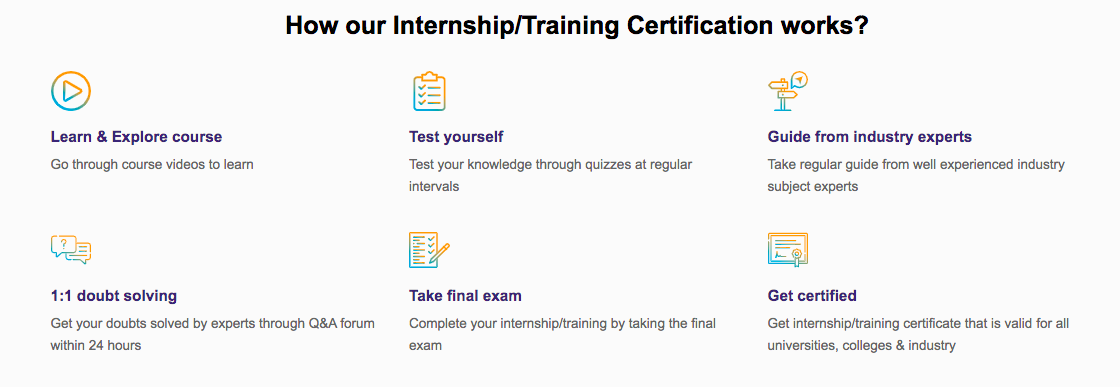
How EasyShiksha Internship/Training Program Works
Understanding Company Culture
Every organization has a unique culture that influences communication, decision-making, collaboration, and workplace expectations.
Interns who understand and adapt to company culture are more likely to integrate successfully into teams and build positive relationships.
Observing workplace behaviors, respecting organizational values, and participating in team activities contribute to cultural alignment.
Employers often consider cultural fit when making hiring decisions because employees who align with company values tend to perform more effectively and remain with the organization longer.
Expressing Interest in Full-Time Opportunities
One common mistake interns make is assuming that employers automatically know they are interested in full-time employment.
Students should communicate their career aspirations clearly and professionally. Expressing interest in future opportunities demonstrates enthusiasm and helps supervisors understand an intern’s long-term intentions.
Conversations about career goals can occur during performance reviews, mentorship discussions, or networking interactions.
Employers are more likely to consider interns for permanent roles when they understand the individual’s interest in remaining with the organization.
Maintaining Professionalism Until the End
Some interns reduce their effort levels as their internship approaches completion. This can create negative final impressions that outweigh earlier accomplishments.
Employers often evaluate interns based on their overall performance, including how they handle responsibilities during the final weeks of the internship.
Maintaining professionalism, enthusiasm, and commitment until the very end demonstrates consistency and reliability.
Strong final impressions can significantly influence hiring decisions and future recommendations.
Leveraging EasyShiksha for Career Readiness
Career readiness requires continuous learning and skill development. While internships provide valuable practical experience, additional education strengthens professional capabilities and enhances employability.
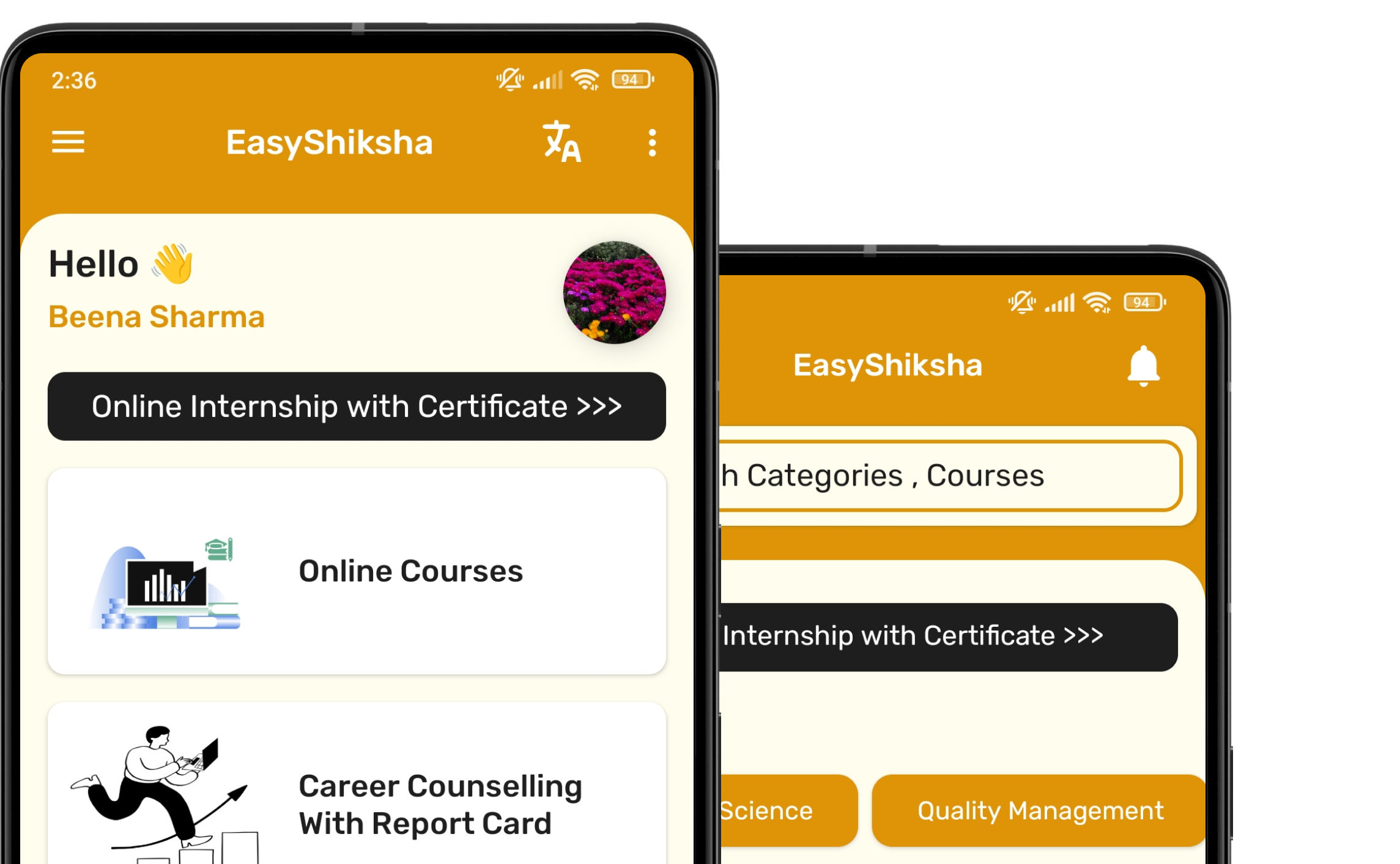
EasyShiksha supports students through flexible online learning opportunities, industry-relevant courses, and professional certifications. Learners can develop technical expertise, communication skills, leadership competencies, and other attributes valued by employers.
The platform's self-paced learning model enables students to acquire new knowledge while balancing academic commitments and internship responsibilities.
By combining internship experiences with EasyShiksha’s educational resources, students can position themselves as highly competitive candidates for full-time employment.
The Long-Term Benefits of Converting an Internship into a Full-Time Job
Securing a full-time position through an internship offers several advantages. Interns already possess familiarity with company culture, organizational processes, and workplace expectations, enabling smoother transitions into permanent roles.
Employers also benefit because they hire individuals whose capabilities and compatibility have already been assessed through practical experience.
For students, receiving a full-time offer reduces job-search uncertainty and provides a strong foundation for career development.
Furthermore, the relationships and experiences gained during internships often contribute to future advancement opportunities within the organization.
Conclusion
Internships represent far more than temporary learning experiences; they are powerful opportunities to launch successful careers. In an increasingly competitive job market, converting an internship into a full-time position requires strategic effort, professionalism, and a commitment to continuous improvement.
Students who demonstrate strong work ethics, take initiative, communicate effectively, build meaningful professional relationships, seek feedback, and align their contributions with organizational goals significantly increase their chances of receiving job offers.
At the same time, continuous learning remains essential for career readiness. Platforms such as EasyShiksha empower students to strengthen their skills, earn certifications, and develop competencies that complement practical workplace experience.
Ultimately, transforming an internship into a full-time job is not a matter of luck. It is the result of consistent effort, professional growth, and the ability to create value within an organization. By approaching internships with dedication and a long-term perspective, students can turn temporary opportunities into rewarding and successful careers.
Anshika Jain is an Engineer, Developer, and Educational Content Author known for her dedication to technology and knowledge sharing. With a strong analytical mindset and a passion for innovation, she has consistently contributed to creating meaningful digital solutions and insightful educational articles.
Her ability to simplify complex technical concepts into engaging and easy-to-understand content makes her work valuable for students and learners across various platforms. Along with her technical expertise, Anshika is admired for her creativity, professionalism, and commitment to continuous learning.
She represents a perfect blend of technical excellence and impactful communication, inspiring others through both her development work and educational contributions.