For decades, traditional education systems have relied heavily on strict timetables and rigid schedules. Schools, colleges, coaching centers, and academic institutions typically organize learning through fixed classroom hours, predetermined study routines, and standardized educational structures. This system was designed to maintain discipline, ensure consistency, and manage large groups of students efficiently.
However, modern learning environments are changing rapidly. Today’s students live in a world shaped by technology, digital accessibility, flexible work cultures, and personalized experiences. As a result, many learners are beginning to question whether strict educational timetables are always the most effective way to learn.
Not every student studies productively at the same time or in the same way. Some learners perform better early in the morning, while others concentrate more effectively at night. Some students prefer long study sessions, while others learn better through short and focused periods of study. Rigid schedules often fail to accommodate these differences.
The rise of online education platforms has introduced more flexible approaches to learning that prioritize individual comfort, self-paced study, and personalized educational experiences. This shift has led to an important question: can students actually learn better without strict timetables?
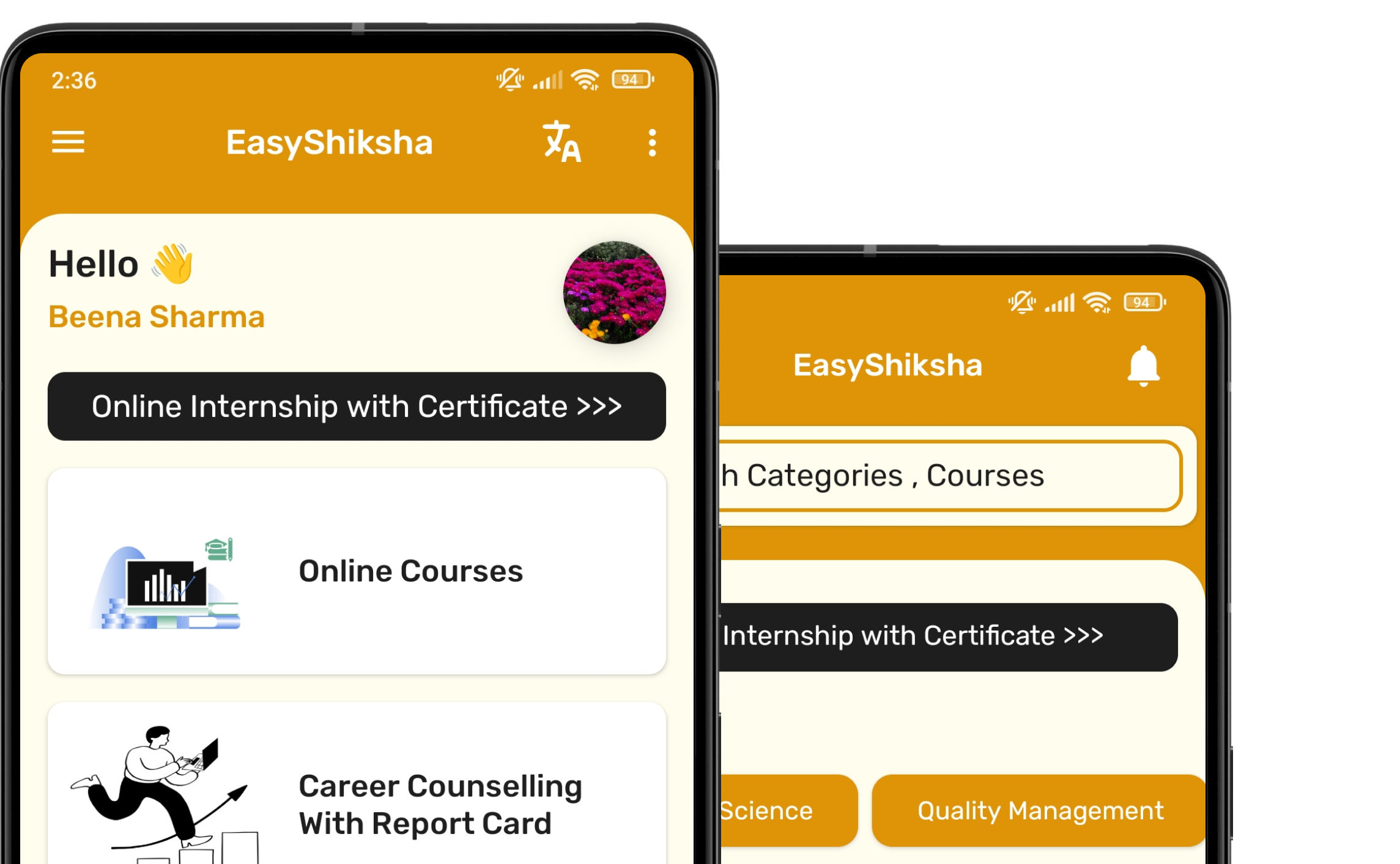
EasyShiksha supports flexible and self-paced education that allows learners to study according to their own routines, productivity levels, and learning preferences. Instead of forcing students into one fixed schedule, EasyShiksha encourages more adaptable learning habits designed around modern lifestyles.
This article explores whether students can truly learn better without rigid schedules, the advantages and challenges of flexible learning, and how platforms like EasyShiksha are helping students build more effective educational routines.
The Traditional Role of Strict Timetables
Strict timetables have historically been considered essential for educational discipline and organization.
Schools and colleges use fixed schedules to ensure that subjects are taught systematically and students maintain regular study habits. Timetables also help institutions manage classrooms, teachers, examinations, and large student populations efficiently. For many learners, structured routines provide stability and reduce confusion about what to study and when to study.
However, traditional timetables are often designed around institutional convenience rather than individual learning preferences. Students are expected to adapt to the system regardless of personal productivity patterns, energy levels, or learning styles. While structure can be helpful, excessive rigidity may create stress, reduce flexibility, and limit personalized learning opportunities.
This is why many modern learners are exploring alternatives that provide greater educational freedom.
Every Student Learns Differently
One of the biggest limitations of strict timetables is the assumption that all students learn effectively under the same schedule.
In reality, learning styles and productivity patterns vary greatly between individuals. Some students concentrate best during early morning hours, while others feel mentally active late at night. Some learners need frequent breaks, while others prefer extended study sessions. Rigid educational schedules often ignore these natural differences.
As a result, students may spend hours studying at times when they are mentally exhausted or unable to focus properly. Flexible learning systems allow students to study during periods when they feel most productive and attentive. EasyShiksha supports this personalized approach by enabling learners to access courses anytime according to their individual comfort and routines.
This flexibility helps students create study habits aligned with their natural learning preferences.
Strict academic timetables can sometimes create unnecessary stress and pressure for students.
Many learners struggle to balance school, college assignments, internships, family responsibilities, hobbies, and personal well-being within rigid study schedules. When students fail to keep up with demanding routines, they may experience anxiety, guilt, and reduced motivation. Educational pressure often becomes more intense when students are expected to follow identical schedules regardless of their personal circumstances.
EasyShiksha reduces this pressure through self-paced learning that allows students to progress gradually and comfortably. Learners can pause lessons, revisit difficult concepts, and organize study sessions according to their own availability. This flexibility creates a calmer educational experience that supports mental well-being alongside academic growth.
Flexible Learning Encourages Independence
One important advantage of learning without strict timetables is the development of independence and self-management skills.
In rigid educational systems, students often depend heavily on external schedules and supervision. Flexible learning encourages students to take responsibility for organizing their own educational journeys. EasyShiksha supports independent learning by allowing users to choose study times, course priorities, and learning goals according to their personal needs.
This independence helps learners develop discipline, accountability, and decision-making skills. Students gradually become more aware of how they learn best and how to manage their time effectively. These self-management abilities are valuable not only academically but also professionally and personally.
Self-Paced Learning Improves Understanding
Strict timetables often force students to move through subjects quickly regardless of whether they fully understand the material.
Some learners may need additional time to absorb concepts, practice skills, or revise difficult topics. EasyShiksha’s self-paced learning model allows students to study according to their own understanding speed. Learners can repeat lessons, revisit educational content, and spend more time on challenging areas without feeling rushed.
This flexibility improves comprehension and long-term retention. Students focus more on genuine understanding rather than simply completing topics within fixed deadlines.
As a result, learning becomes deeper, more meaningful, and less stressful.
The Connection Between Comfort and Learning
Comfort plays an important role in educational effectiveness.
Students who feel mentally relaxed and emotionally comfortable are often more focused and motivated.
Strict timetables can sometimes create constant pressure to perform according to external expectations rather than personal readiness. Flexible learning environments reduce this stress by allowing learners greater control over their educational experiences. EasyShiksha helps students study in comfortable environments and at convenient times that support concentration and productivity.
This comfort encourages consistency because learning feels less like an obligation and more like a manageable part of daily life. Emotionally supportive learning environments often lead to stronger engagement and improved confidence.
Flexible Learning Fits Modern Lifestyles
Modern students live increasingly dynamic and busy lives.
Many learners balance academics with internships, part-time work, extracurricular activities, family commitments, and personal development goals. Rigid timetables may not suit these complex lifestyles effectively. EasyShiksha supports flexibility by allowing students to learn anytime through smartphones, tablets, or computers.
This accessibility makes it easier for learners to integrate education into their existing routines. Students can study during free hours, weekends, commuting time, or whenever they feel mentally prepared. Flexible learning helps education become more adaptable to real-life situations rather than forcing students into unrealistic schedules.
Can Flexibility Lead to Better Motivation?
Motivation is one of the most important factors influencing educational success.
Students are generally more motivated when they feel a sense of control and personal ownership over their learning experiences. Strict timetables sometimes reduce motivation because learners feel forced into routines that may not align with their personal preferences.
EasyShiksha’s flexible structure allows students to create study habits that suit their lifestyles and goals. This autonomy often increases engagement and personal responsibility. When students choose their own learning pace and schedules, education feels more self-directed and meaningful. Greater freedom can improve motivation because learners participate willingly rather than purely out of obligation.
The Importance of Discipline in Flexible Learning
While flexible learning offers many advantages, it also requires responsibility and discipline.
Without proper time management, some students may procrastinate or become inconsistent with their studies. Learning without strict timetables does not mean learning without structure entirely. Successful flexible learning depends on creating balanced routines and realistic goals.
EasyShiksha helps students maintain consistency through organized courses, progress tracking, certifications, and manageable learning modules. Students learn how to balance freedom with accountability. This balance is important because excessive freedom without discipline can reduce productivity. Flexible education works best when learners develop strong self-management habits.
Reducing Burnout and Mental Fatigue
Strict academic schedules can sometimes contribute to burnout, especially when students experience continuous pressure without adequate flexibility or rest.
Long hours of forced study may reduce concentration and emotional well-being over time. Flexible learning environments help reduce burnout by allowing students to take breaks, adjust schedules, and learn according to their mental energy levels. EasyShiksha supports healthier educational habits by promoting manageable and self-paced study routines.
Students can avoid excessive exhaustion while still making steady academic progress. Balanced learning improves long-term consistency and helps maintain positive attitudes toward education. Mental well-being is essential for sustainable academic success.
Encouraging Lifelong Learning Habits
One major advantage of flexible learning systems is their ability to encourage lifelong learning habits.
Rigid educational systems sometimes teach students to study only for exams or deadlines. Flexible platforms like EasyShiksha promote continuous and self-motivated learning. Students begin viewing education as an ongoing process of growth rather than a temporary academic obligation.
This mindset is increasingly important in today’s rapidly changing professional world where continuous skill development is essential. Lifelong learners are more adaptable, curious, and prepared for future opportunities. Flexible education supports this long-term growth mindset effectively.
Personalized Learning Improves Engagement
Strict timetables usually provide standardized educational experiences designed for large groups of students.
However, personalized learning often produces stronger engagement and better educational outcomes. EasyShiksha allows learners to choose courses aligned with their interests, career goals, and learning preferences. This personalization increases focus because students feel genuinely connected to what they are learning.
Interest-driven education naturally improves attention and participation. Students are more likely to remain consistent when learning feels relevant and meaningful. Personalized learning also helps students discover strengths and career interests more effectively.
Balancing Freedom With Structure
The debate between strict timetables and flexible learning is not necessarily about choosing one extreme over the other.
Most students benefit from a balance between structure and flexibility. Completely rigid schedules may feel overwhelming, while total absence of routine can reduce consistency. EasyShiksha supports balanced learning by providing organized educational pathways while still allowing students to study according to their own schedules.
This combination helps learners maintain direction without excessive pressure. Students gain both freedom and accountability, creating more sustainable and productive educational habits. Balanced flexibility is often more effective than either extreme rigidity or complete lack of structure.
Why EasyShiksha Supports Modern Learning Needs
EasyShiksha stands out because it recognizes that modern learners require educational systems that adapt to individual lifestyles and preferences.
The platform combines self-paced learning, flexible schedules, practical skill development, mobile accessibility, certifications, and learner-friendly education in one environment. By reducing unnecessary academic pressure and supporting personalized learning routines, EasyShiksha helps students study more comfortably and effectively.
Its flexible approach encourages independence, confidence, and long-term learning habits suited to today’s digital world. This learner-centered model reflects the future direction of modern education.
Conclusion
Strict timetables have long been considered essential for education, but modern learning research and digital educational platforms are showing that flexibility can often improve educational effectiveness.
Every student learns differently, and rigid schedules may not always support individual productivity, comfort, or learning styles. EasyShiksha helps students learn more comfortably through self-paced courses, flexible learning routines, practical education, and personalized study experiences designed for modern lifestyles.
Flexible learning does not eliminate discipline. Instead, it encourages students to develop self-management skills, independence, and consistent learning habits based on personal responsibility. When balanced properly, learning without strict timetables can reduce stress, improve motivation, support mental well-being, and create deeper educational engagement.
The future of education is likely to focus less on rigid schedules and more on adaptable, learner-centered systems that help students grow according to their unique strengths and needs.
Anshika Jain is an Engineer, Developer, and Educational Content Author known for her dedication to technology and knowledge sharing. With a strong analytical mindset and a passion for innovation, she has consistently contributed to creating meaningful digital solutions and insightful educational articles.
Her ability to simplify complex technical concepts into engaging and easy-to-understand content makes her work valuable for students and learners across various platforms. Along with her technical expertise, Anshika is admired for her creativity, professionalism, and commitment to continuous learning.
She represents a perfect blend of technical excellence and impactful communication, inspiring others through both her development work and educational contributions.