


















MSW - Master Social Work
Explore MSW programmes, social work study areas, skills, career opportunities and higher-study options for students in India on EasyShiksha.
What Is MSW?
MSW generally refers to Master of Social Work, a postgraduate academic programme category focused on understanding social issues, human behaviour, communities, welfare systems, and professional approaches to social work. Programmes under this category may combine theoretical learning with practical, field-oriented, research, or community-based learning, depending on the institution and individual programme. Common areas may include social welfare, community development, human services, social policy, counselling-related practice, rural development, healthcare settings, child and family welfare, and other social work contexts. Students may develop skills in communication, community engagement, case understanding, research, documentation, problem-solving, and professional practice. MSW may be considered by learners interested in social development, community services, welfare organisations, public or social-sector work, research, or related professional fields. The exact curriculum, eligibility, duration, fieldwork, specializations, assessment methods, and qualification structure vary by institution and individual programme. Career relevance therefore depends on the specific programme, qualification, skills, experience, and chosen area of practice.
A program that pairs recognition with real skills
UGC-Recognised Degree
Same institutional recognition as a conventional Bachelor's degree.
Industry-Aligned Curriculum
Built with Sector Skill Councils, not just academic departments.
Direct Employability
Hands-on skill components designed for job-readiness, not just theory.
Universities offering these programs
Compare accreditation and programme count before choosing where to apply.
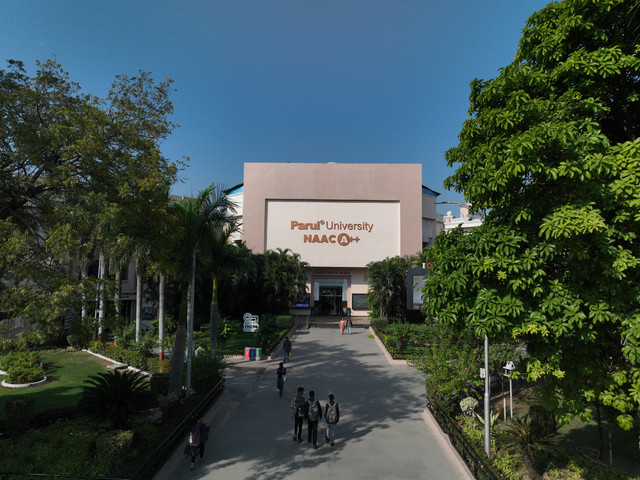
 Parul University
Parul University

 MK University Patan
MK University Patan

 Sikkim Global Technical University
Sikkim Global Technical University

 Atal Bihari Vajpayee Skill University
Atal Bihari Vajpayee Skill University

 Duke International University
Duke International University
What learners say
"A solid choice for anyone who wants to build a foundation in commerce before deciding on a more specific career direction."
"I wanted a program focused on skills I could actually use. The web development content gave me a much clearer understanding of how websites are built."
"The course helped me understand project planning, timelines and team coordination in a much more structured way. It has been useful alongside my work."
Frequently asked questions
What is MSW? +
MSW generally stands for Master of Social Work and refers to postgraduate study focused on social work, social welfare, communities, human services, and related social-development areas.
What programmes are available under MSW? +
Programmes under the MSW category may differ by institution and can focus on areas such as social welfare, community development, healthcare, rural development, social policy, or other social-work.
Who should consider MSW? +
MSW may suit learners interested in social development, human welfare, community engagement, social research, human services, and professional work in social-sector environments.
What career opportunities are associated with MSW? +
Career possibilities may include social work, community development, welfare services, social-sector programme roles, research, and related human-service positions.
Can students pursue higher studies after MSW? +
Can I compare Master programs on EasyShiksha? +
Yes, depending on their qualifications and the requirements of the next programme, students may consider advanced specialization, research, professional development, continuing education, or doctoral study.
What is the duration of an MSW programme? +
An MSW programme is generally a 2-year postgraduate course, although the duration and structure may vary by institution.
What subjects are taught in MSW? +
MSW programmes commonly cover areas such as social work practice, community development, social welfare policies, counselling, human rights, social research, and social work administration.
What skills can I develop through MSW? +
Students can develop skills in communication, counselling, community engagement, case management, research, problem-solving, and social-service planning.
Is practical training included in an MSW programme? +
Yes. Many MSW programmes include fieldwork, internships, community projects, case studies, and practical training to provide hands-on experience in social-work settings.
Can I compare MSW programmes on EasyShiksha? +
Yes, if EasyShiksha provides comparison tools for the relevant programmes, students can use the platform to compare courses, institutions, eligibility, duration, curriculum, and other available programme details.
What is MSW?
MSW stands for Master of Social Work. It generally represents postgraduate-level study focused on social work, human welfare, communities, social problems, and approaches used to support individuals, groups, and communities. Programmes under this category are designed around the academic and professional understanding of social issues and social service practices.
Depending on the institution and individual programme, MSW may serve learners seeking advanced knowledge after undergraduate study or professionals looking to develop further expertise in social work and related areas. The exact qualification structure and admission requirements should always be checked with the institution offering the programme.
Key Characteristics
MSW programmes generally have a combination of academic and professional learning. Depending on the programme, students may study concepts related to society, social welfare, human development, community systems, social policy, and social work practice.
A practical or field-oriented component may also be included in some programmes. This can provide exposure to community settings, organisations, institutions, or social-service environments. Research and project-based learning may also form part of certain programmes. However, the exact balance between theory, fieldwork, research, and practical learning varies by institution.
Areas of Study
Programmes under this category may cover areas such as social welfare, community development, family and child welfare, healthcare-related social work, rural development, social policy, human services, counselling-related areas, and social research. Some programmes may provide opportunities to explore particular sectors or specializations.
The specific subjects and study areas depend on the individual programme's curriculum. Students should review the official syllabus and programme structure before choosing a course.
Skills Developed
Students pursuing programmes under the MSW category may develop skills in communication, interpersonal interaction, community engagement, documentation, research, critical thinking, problem-solving, case understanding, teamwork, and professional practice. Depending on the curriculum, students may also gain experience with project work, field-based activities, social research, programme planning, or community-oriented initiatives.
These skills can be relevant across different social-sector and human-service environments, although career outcomes depend on the individual's qualification, specialization, experience, and role requirements.
Practical and Professional Relevance
MSW can have relevance across areas involving social development, welfare services, community initiatives, non-profit organisations, human services, healthcare-related settings, research, and social-sector programmes. The specific career pathway depends on the individual programme and the student's chosen area of study.
Possible professional directions may include social work practice, community development, social-sector programme coordination, research, welfare services, and related roles. Certain positions or regulated professional activities may have additional qualification, registration, certification, supervised-practice, or other requirements, depending on the role and applicable rules.
Who Should Consider MSW?
MSW may be considered by learners who have an academic or professional interest in social development, human welfare, community work, social issues, research, or service-oriented professional roles. It may also suit students interested in working with communities, organisations, welfare initiatives, or social-development projects.
The suitability of a particular MSW programme depends on its individual eligibility requirements, curriculum, delivery mode, fieldwork structure, and intended learning outcomes.
Further Study
After an MSW programme, possible academic or professional development routes may include advanced specialization, research-oriented study, professional certifications, continuing education, or doctoral-level study, where the learner meets the relevant requirements.
Ready to apply?
Browse all programmes above and start your application in minutes.
View MSW Programmes


















