


program icon
Explore

UI/UX Design

Explore UI/UX Design university courses and programs on EasyShiksha, including degree, diploma, UG, PG and professional options for enrollment.

1 Programmes
1 University Partners
4.8โ˜… Avg. Rating
UGC-Recognised Degree
Industry-Aligned Curriculum
UGC-DEB Approved Online/ODL
Flexible Learning Options
Understanding UI/UX Design

What Is UI/UX Design?

UI/UX Design is a digital design specialisation focused on creating clear, useful and engaging experiences for websites, mobile applications, software and other interactive products. UI, or User Interface design, focuses on the visual and interactive elements users see and interact with, while UX, or User Experience design, focuses more broadly on how users experience and navigate a product or service.

Common areas of study may include user research, information architecture, interaction design, wireframing, prototyping, usability testing, visual design and design systems. Depending on the university and programme, students may also explore responsive design, accessibility, user psychology, design thinking, mobile interface design and human-computer interaction.

The specialisation develops skills in user research, problem-solving, visual communication, prototyping and interaction design. Students may learn to use digital design and prototyping tools to translate user requirements into structured interfaces and test design concepts before development.

UI/UX Design may interest students who enjoy technology, creativity, psychology, problem-solving and understanding how people interact with digital products. Career opportunities can extend into UI design, UX design, product design, interaction design, UX research and related digital roles, depending on qualifications, practical skills and portfolio quality.

At EasyShiksha, students can explore university programmes related to UI/UX Design and compare universities, programme types, programme levels, learning modes, eligibility, duration, curriculum and specialisation options.

UGC Degree-Level Recognition
What You Get

A program that pairs recognition with real skills

UGC-Recognised Degree

Same institutional recognition as a conventional Bachelor's degree.

Industry-Aligned Curriculum

Built with Sector Skill Councils, not just academic departments.

Direct Employability

Hands-on skill components designed for job-readiness, not just theory.

Offered By

Universities offering these programs

Compare accreditation and programme count before choosing where to apply.

Student Voices

What learners say

โ˜…โ˜…โ˜…โ˜…

"I chose this program because I wanted to continue studying literature at a higher level. The variety of topics made the learning experience interesting."

M
Muskan Yadav English Literature
โ˜…โ˜…โ˜…โ˜…โ˜…

"The AI specialization was exactly what I was looking for. It gave me a clear path from programming fundamentals to machine learning concepts."

K
Kunal Sharma Artificial Intelligence
โ˜…โ˜…โ˜…โ˜…โ˜…

"The HR modules cover much more than recruitment. I found the sections on employee management and organisational behaviour particularly useful."

S
Shreya Gupta Human Resource Management
Career Opportunities

Explore career opportunities

UX Designer

UX Designers focus on improving how users interact with digital products and services. They may conduct user research, create user flows, develop wireframes and prototypes, evaluate usability and collaborate with developers and product teams.

UI Designer

UI Designers create the visual and interactive components of digital interfaces. Their work can include layouts, typography, colours, icons, buttons and design systems while ensuring visual consistency across screens and products.

Product Designer

Product Designers work across different stages of digital product design, from understanding user needs to developing and refining solutions. Depending on the organisation, their responsibilities may combine UX research, interaction design, UI design and collaboration with product and development teams.

UX Researcher

UX Researchers study users, their needs and their behaviour to inform product decisions. They may conduct interviews, surveys, usability tests and other research activities and communicate findings to design and product teams.

Interaction Designer

Interaction Designers focus on how users interact with interfaces and digital systems. They design interaction patterns, transitions, navigation structures and user flows with the goal of creating understandable and effective experiences.

Information Architect

Information Architects organise content and information so users can find and understand it efficiently. Their work may involve content structures, navigation systems, categorisation, user flows and website or application architecture.

Design Systems Designer

Design Systems Designers help create and maintain reusable visual and interaction components for digital products. They may work on component libraries, design guidelines, interaction standards and consistency across products or platforms.

UX Writer

UX Writers create concise and useful interface content such as labels, instructions, messages and navigation text. They work with designers and product teams to make digital interfaces easier to understand and navigate.

Accessibility Designer

Accessibility-focused Designers consider the needs of users with different abilities when designing digital products. Their work can involve accessible interaction patterns, readable interfaces, inclusive design practices and evaluation against relevant accessibility principles.

Digital Product Designer

Digital Product Designers contribute to the design of websites, mobile applications and software products. Depending on the role, they may work across research, user flows, wireframes, visual design, prototyping and usability evaluation.

Career opportunities in UI/UX Design depend on factors such as design skills, user-research ability, portfolio quality, practical experience, knowledge of design tools, communication and employer requirements. Students can also pursue further study or professional development in UX research, product design, interaction design, accessibility, design systems or related digital design fields.


Common Questions

Frequently asked questions

What is UI/UX Design? +

UI/UX Design is a digital design field focused on creating effective interfaces and user experiences. UI refers mainly to visual and interactive interface elements, while UX covers the broader user journey, including research, usability, information structure and interaction. Both areas contribute to designing digital products around user needs.

What does UI/UX Design cover? +

UI/UX Design can cover user research, information architecture, interaction design, wireframing, prototyping, usability testing and visual interface design. Depending on the programme, students may also study design thinking, accessibility, responsive design, user psychology, design systems and human-computer interaction.

What subjects are studied in UI/UX Design? +

Common subjects may include user research, UX principles, UI design, interaction design, wireframing, prototyping, information architecture and usability testing. Depending on the university and programme, students may also study design systems, responsive design, accessibility, design thinking and human-computer interaction.

Is UI/UX Design a good choice for a career in technology? +

UI/UX Design can be relevant for students interested in combining design, technology and user-centred problem-solving. Designers often collaborate with product managers, developers and researchers. Career opportunities depend on practical skills, portfolio quality, research ability, design-tool proficiency, experience and the requirements of individual employers.

What skills are required for UI/UX Design? +

Useful skills include user research, problem-solving, visual communication, interaction design, prototyping, critical thinking and attention to detail. Students should also learn relevant design and prototyping tools and understand usability and accessibility principles. Communication and the ability to explain design decisions are valuable in collaborative product teams.

What are the career options after studying UI/UX Design? +

Career options can include UX Designer, UI Designer, Product Designer, UX Researcher, Interaction Designer, Information Architect, Design Systems Designer, UX Writer, Accessibility Designer and Digital Product Designer. Specific roles vary between organisations and depend on qualification, practical experience, portfolio quality and specialised skills.

Can I specialise further after studying UI/UX Design? +

Yes. Students can develop specialised expertise in UX research, product design, interaction design, accessibility, information architecture, design systems, mobile experience design or other areas. Further study, specialised training and practical projects can help learners build expertise according to their career interests.

Can I pursue UI/UX Design online? +

Many UI/UX Design programmes and courses may be available online or through blended learning. Since the field is largely digital, online study can include design exercises, research projects and prototype development. Students should still check the curriculum, software requirements, practical projects, assessment structure and portfolio opportunities.

What is the eligibility for studying UI/UX Design? +

Eligibility varies by university, programme type and programme level. Some programmes may accept students from a range of academic backgrounds, while others may have specific requirements or portfolio expectations. Students should check the exact academic qualifications, admission criteria, portfolio conditions and other requirements of the selected programme.

How do I choose the right UI/UX Design programme? +

Compare programmes based on curriculum, university, programme level, learning mode, duration, eligibility, practical projects, design tools, portfolio development and available specialisations. Consider whether you prefer UI design, UX research, product design, interaction design or accessibility. EasyShiksha can help students explore and compare relevant university programmes before making an informed decision.

What is UI/UX Design?

UI/UX Design focuses on designing digital products around user needs, usability and effective interaction. UI design deals primarily with the visual interface, including layouts, typography, colours, components and interactive elements. UX design takes a broader view of the user's journey, including research, information structure, interaction patterns and usability.

The two areas often work together during product development. Designers may research user needs, define problems, create wireframes and prototypes, test concepts and refine interfaces before and during development.

What Do You Study in UI/UX Design?

Common areas of study may include user research, information architecture, interaction design, wireframing, prototyping, usability testing and visual interface design. Depending on the university and programme, students may also study design thinking, user psychology, accessibility, responsive design, design systems, mobile interfaces and human-computer interaction.

Students can develop skills in conducting user research, creating user flows, designing wireframes, developing prototypes, evaluating usability and communicating design decisions. Practical projects can be particularly useful for building a portfolio.

The curriculum and tools can vary by university and programme. Students should review the specific syllabus, software exposure, project work and learning outcomes before selecting a programme.

Why Choose UI/UX Design?

UI/UX Design can be valuable for students who want to combine creativity, technology and problem-solving. The specialisation encourages designers to understand user needs and translate them into interfaces and experiences that are structured, accessible and easier to use.

The field can provide opportunities to specialise further in UX research, UI design, interaction design, product design, design systems or accessibility. Practical projects and a well-developed portfolio can be important when demonstrating design abilities to employers or clients.

UI/UX Design and Emerging Technologies

Digital products are becoming increasingly interactive and personalised, creating new design considerations for designers. Depending on the programme, students may explore responsive interfaces, voice interfaces, conversational experiences, accessibility technologies, augmented or virtual reality interfaces and AI-supported product experiences.

AI-assisted design tools can also support tasks such as ideation, prototyping and content generation. Designers still need to evaluate usability, accessibility, accuracy and ethical considerations when using these technologies.

Who Should Choose UI/UX Design?

UI/UX Design may appeal to students who enjoy technology, visual design, psychology, research and solving user problems. Curiosity, empathy, analytical thinking, communication, attention to detail and willingness to test and refine ideas can be useful.

Students considering careers in product design, UI design, UX research, interaction design, digital product development or user-centred design may find this specialisation relevant. Professional opportunities depend on skills, portfolio quality, practical experience and employer requirements.

Explore UI/UX Design Programmes on EasyShiksha

At EasyShiksha, students can explore university programmes related to UI/UX Design and compare options according to their academic and career interests. Learners can review universities, programme types, programme levels, learning modes, eligibility, duration, curriculum, practical projects, design tools and available specialisation options.

Because curriculum, software exposure, project requirements and eligibility can vary between institutions, students should check the specific details of each UI/UX Design programme before applying.

Ready to apply?

Browse all programmes above and start your application in minutes.

View UI/UX Design Programmes
Whatsapp Email Support

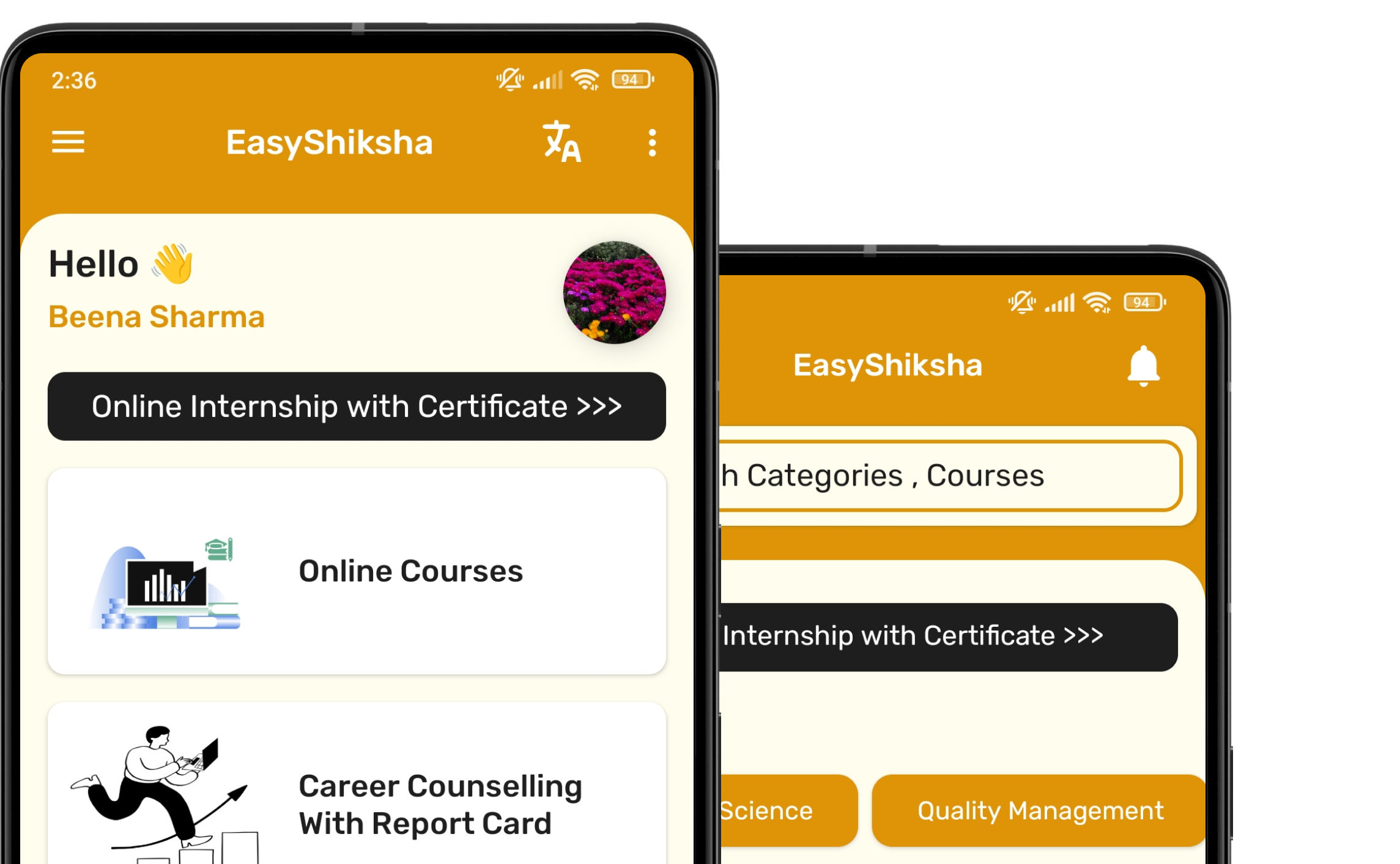
Experience the Speed: Now Available on Mobile!

Download EasyShiksha Mobile Apps from Android Play Store, Apple App Store, Amazon App Store, and Jio STB.

Curious to learn more about EasyShiksha's services or need assistance?

Our team is always here to collaborate and address all your doubts.

Message should be at least 50 characters long.