








program icon
Explore

Special Education

Explore Special Education university courses and programs on EasyShiksha, including degree, diploma, UG and PG options for student enrollment.

73 Programmes
9 University Partners
4.8โ˜… Avg. Rating
UGC-Recognised Degree
Industry-Aligned Curriculum
UGC-DEB Approved Online/ODL
Flexible Learning Options
Understanding Special Education

What Is Special Education?

Special Education is an education-focused specialisation concerned with supporting the learning, development and participation of students who may have diverse learning needs, disabilities or require additional educational support. It combines principles of teaching, learning, developmental psychology, assessment and inclusive education to help create learning environments that respond to individual strengths and needs.

Common areas of study may include inclusive education, learning disabilities, developmental differences, educational assessment, differentiated instruction, assistive technology, behaviour support and individualised learning strategies. Depending on the university and programme, students may also explore specific learning difficulties, intellectual and developmental disabilities, communication needs, sensory disabilities, early intervention and family or community support.

The specialisation develops skills in lesson planning, learner assessment, communication, differentiated teaching, educational resource development and collaborative support. Students may learn how to adapt teaching approaches and learning materials to accommodate different learning requirements.

Special Education may interest students who want to work in education, learner support and inclusive learning environments. Career pathways can include special education teaching, learning support, educational assistance, resource coordination, intervention services, research and related roles, subject to applicable professional qualifications and requirements.

At EasyShiksha, students can explore university programmes related to Special Education and compare universities, programme types, programme levels, learning modes, eligibility, duration, curriculum and specialisation options.

UGC Degree-Level Recognition
What You Get

A program that pairs recognition with real skills

UGC-Recognised Degree

Same institutional recognition as a conventional Bachelor's degree.

Industry-Aligned Curriculum

Built with Sector Skill Councils, not just academic departments.

Direct Employability

Hands-on skill components designed for job-readiness, not just theory.

Student Voices

What learners say

โ˜…โ˜…โ˜…โ˜…โ˜…

"I wanted a program focused on skills I could actually use. The web development content gave me a much clearer understanding of how websites are built."

D
Deepika Joshi Web Development
โ˜…โ˜…โ˜…โ˜…

"The course helped me understand project planning, timelines and team coordination in a much more structured way. It has been useful alongside my work."

A
Aman Bansal Project Management
โ˜…โ˜…โ˜…โ˜…โ˜…

"I enjoyed the creative side of the program, but I also liked that it introduced the practical thinking needed to design for real projects and audiences."

T
Tanvi Agarwal Graphic Design
Career Opportunities

Explore career opportunities

Special Education Teacher

Special Education Teachers develop and deliver learning activities adapted to the needs of students requiring additional educational support. Depending on their qualifications and setting, they may modify instructional methods, assess learner progress and collaborate with families and other professionals.

Learning Support Teacher

Learning Support Teachers assist students who need additional academic or classroom support. Their work may involve adapting learning materials, providing targeted instruction, monitoring progress and working with other educators to support participation in learning.

Special Education Coordinator

Special Education Coordinators help organise support services and educational strategies for learners with additional needs. Depending on the institution, they may coordinate teachers, support staff, families, assessments and individual learning plans.

Educational Assistant

Educational Assistants provide classroom or individual support to learners under the direction of qualified educators and according to the requirements of their role. Responsibilities can include helping with learning activities, classroom participation and educational resources.

Early Intervention Professional

Early Intervention Professionals support young children who may benefit from developmental or educational intervention. Their work can involve structured learning activities, family collaboration and coordination with other professionals, depending on their qualifications and work setting.

Inclusive Education Professional

Inclusive Education Professionals contribute to creating learning environments that accommodate diverse learners. Their responsibilities may include developing inclusive teaching approaches, supporting educators and helping institutions improve accessibility and participation.

Educational Assessment Professional

Professionals working in educational assessment contribute to evaluating learners' educational needs, strengths and progress within the scope of their qualifications. Their work can support decisions about instructional strategies and educational interventions.

Special Education Resource Professional

Special Education Resource Professionals help develop, organise or provide specialised educational resources for learners and educators. They may contribute to learning-material adaptation, accessibility initiatives, teacher support and educational planning.

Special Education Researcher

Special Education Researchers study teaching approaches, inclusion, learning needs and educational outcomes. They may conduct research, analyse evidence, prepare academic work and contribute to the development of educational practices or policies.

Education Counsellor

Education Counsellors can support learners and families with education-related planning within the scope of their qualifications. In special education settings, their work may involve discussing educational pathways, support options and available resources.

Career opportunities in Special Education depend on factors such as qualification, professional certification where required, practical experience, communication skills, knowledge of inclusive practices and employer requirements. Students can also pursue postgraduate study or professional development in special education, inclusive education, educational psychology, learning support, assistive technology or education research.


Common Questions

Frequently asked questions

What is Special Education? +

Special Education is an education specialisation focused on supporting learners who have diverse educational needs, disabilities or require additional learning support. It explores teaching strategies, assessment, accessibility and learning-resource adaptation to help create appropriate educational experiences for individual learners.

What does Special Education cover? +

Special Education can cover inclusive education, learning disabilities, educational assessment, differentiated instruction, behaviour support and assistive technology. Depending on the programme, students may also study developmental disabilities, communication needs, sensory disabilities, early intervention and individualised learning approaches.

What subjects are studied in Special Education? +

Common areas may include educational psychology, inclusive education, learning disabilities, assessment, differentiated teaching and behaviour support. Depending on the university and programme, students may also study assistive technology, developmental disabilities, communication needs, early intervention and individualised education planning.

Is Special Education a good choice for a career in teaching? +

Special Education can be relevant for students interested in teaching and supporting learners with diverse educational needs. It develops knowledge of differentiated instruction and inclusive learning practices. However, professional teaching requirements vary by jurisdiction and educational level, and additional certification or licensing may be required.

What skills are required for Special Education? +

Useful skills include communication, patience, observation, adaptability, empathy, lesson planning and problem-solving. Students can also benefit from learning assessment methods, differentiated instruction, accessibility practices and assistive technologies. Collaboration with educators, families and other professionals is also important in many special education settings.

What are the career options after studying Special Education? +

Career pathways can include Special Education Teacher, Learning Support Teacher, Special Education Coordinator, Educational Assistant, Early Intervention Professional, Inclusive Education Professional, Special Education Researcher and other learner-support roles. Specific opportunities depend on qualifications, professional requirements, experience and the setting in which the individual works.

Can I specialise further after studying Special Education? +

Yes. Students can pursue further study or professional development in areas such as inclusive education, learning disabilities, educational psychology, developmental studies, assistive technology, early intervention or education research. The available specialisations and admission requirements vary by university and programme.

Can I pursue Special Education online? +

Some Special Education programmes may be available online or through blended learning. However, programmes preparing students for professional teaching or support roles may include practical training or field experiences. Students should check the learning mode, practical requirements, assessment structure, professional recognition and eligibility before enrolling.

What is the eligibility for studying Special Education? +

Eligibility varies by university, programme type and programme level. Some programmes may be available after secondary education, while specialised postgraduate programmes can require prior qualifications. Teaching-oriented programmes may also have additional requirements for professional preparation. Students should check the exact eligibility and admission criteria of the selected programme.

How do I choose the right Special Education programme? +

Compare programmes based on university, programme level, curriculum, learning mode, duration, eligibility, practical training, specialisation areas and professional recognition. If your goal is teaching, check the certification or licensing requirements applicable to your intended role and location. EasyShiksha can help students explore and compare relevant university programmes before making an informed decision.

What is Special Education?

Special Education focuses on educational approaches designed to support learners with diverse educational needs. It considers how teaching, assessment, classroom environments and learning resources can be adapted to help students participate meaningfully in education.

The field is closely connected with inclusive education, developmental psychology and learner support. Depending on the programme and professional setting, students may learn about different disabilities, learning difficulties, communication needs and approaches to individualised educational support.

What Do You Study in Special Education?

Common areas of study may include inclusive education, learning disabilities, educational psychology, assessment, differentiated instruction, behaviour support and assistive technology. Depending on the university and programme, students may also study intellectual and developmental disabilities, sensory disabilities, communication needs, early intervention, individualised education planning and family support.

Students can develop skills in observing learner needs, planning differentiated instruction, adapting learning materials, assessing progress and communicating with learners, families and other professionals. Practical or field-based training may form part of some programmes, although requirements vary.

The terminology, curriculum, practical training and professional preparation can differ between universities and jurisdictions. Students should review the specific programme syllabus and professional requirements before applying.

Why Choose Special Education?

Special Education can be valuable for students interested in inclusive learning and supporting learners with different educational requirements. It develops an understanding of how teaching strategies, learning environments and resources can be adapted to accommodate individual needs.

The specialisation can also provide a foundation for further study in areas such as inclusive education, learning support, educational psychology, developmental studies, assistive technology or education research. Professional roles may require specific training, certification or licensing depending on the jurisdiction and role.

Special Education and Assistive Learning Technologies

Technology can support accessibility and personalised learning in many educational environments. Depending on the programme, students may explore assistive technologies, digital learning resources, communication tools and educational software designed to support different learning needs.

Digital tools can complement teaching strategies but should be selected according to individual learner requirements, accessibility considerations and educational objectives. Understanding responsible and inclusive technology use is increasingly relevant to modern education.

Who Should Choose Special Education?

Special Education may appeal to students who are interested in teaching, learner development, inclusion and educational support. Patience, empathy, communication, observation, adaptability and problem-solving can be useful qualities in this field.

Students considering careers in special education teaching, learning support, educational intervention, inclusive education, education research or related areas may find this specialisation relevant. Specific professional roles can have additional qualification, certification or licensing requirements.

Explore Special Education Programmes on EasyShiksha

At EasyShiksha, students can explore university programmes related to Special Education and compare options according to their academic and career interests. Learners can review universities, programme types, programme levels, learning modes, eligibility, duration, curriculum, practical training and available specialisation options.

Because eligibility, teacher-training requirements, professional recognition, practical placements and curriculum can vary between institutions and jurisdictions, students should check the specific details of each Special Education programme before applying.

Ready to apply?

Browse all programmes above and start your application in minutes.

View Special Education Programmes
Whatsapp Email Support

Experience the Speed: Now Available on Mobile!

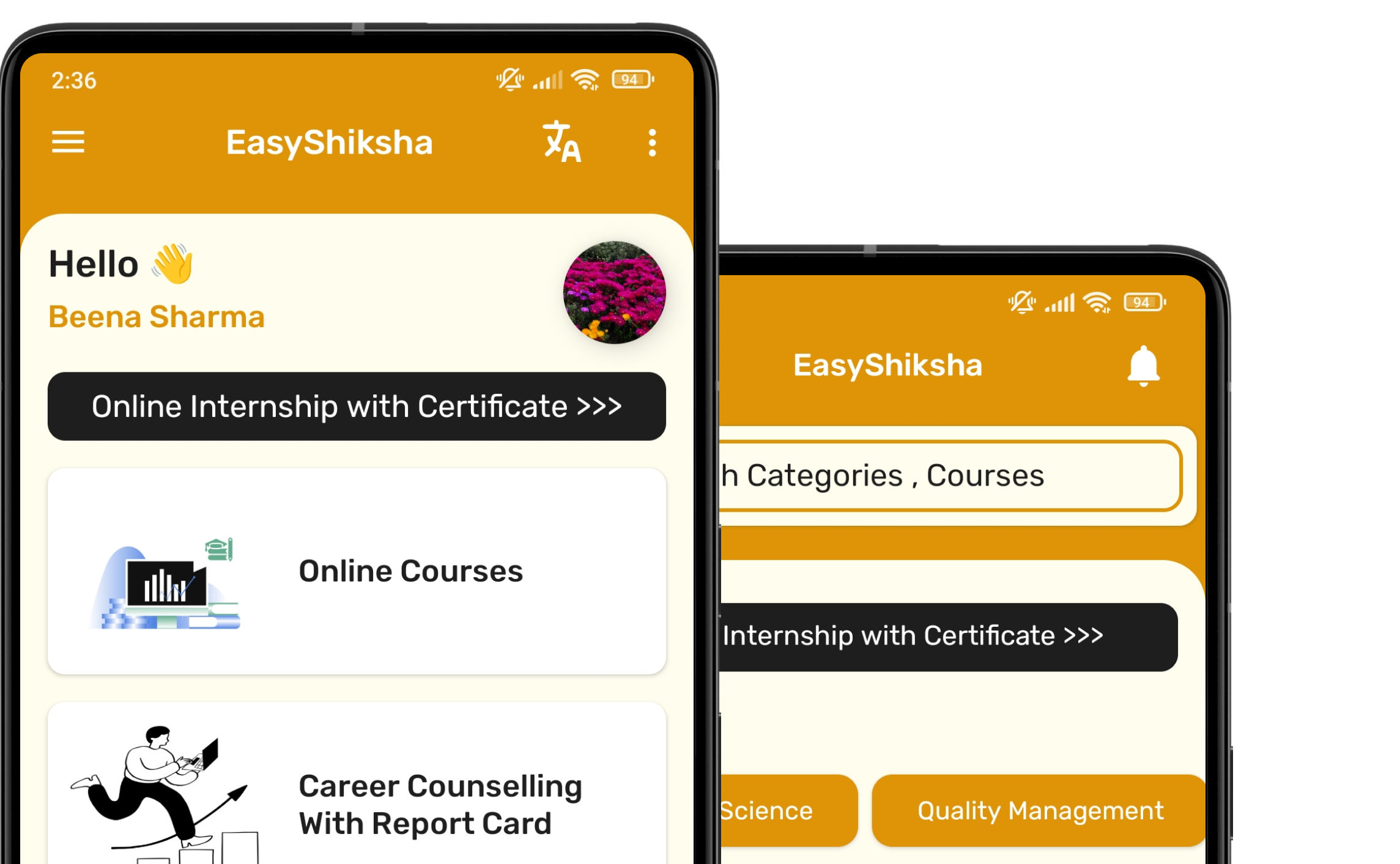
Download EasyShiksha Mobile Apps from Android Play Store, Apple App Store, Amazon App Store, and Jio STB.

Curious to learn more about EasyShiksha's services or need assistance?

Our team is always here to collaborate and address all your doubts.

Message should be at least 50 characters long.