













program icon
Explore

Pharmacy Practice

Explore Pharmacy Practice university courses and programs on EasyShiksha, including relevant degree, diploma, UG and PG options for enrollment.

20 Programmes
5 University Partners
4.8โ˜… Avg. Rating
UGC-Recognised Degree
Industry-Aligned Curriculum
UGC-DEB Approved Online/ODL
Flexible Learning Options
Understanding Pharmacy Practice

What Is Pharmacy Practice?

Pharmacy Practice is a healthcare-focused specialisation concerned with the safe, effective and appropriate use of medicines and the role of pharmacists in patient care. It connects pharmaceutical knowledge with practical healthcare settings, focusing on medication-related services, patient counselling, medicine management, therapeutic support and collaboration with other healthcare professionals.

Common areas of study may include pharmacotherapy, clinical pharmacy, medication safety, patient counselling, pharmaceutical care, drug information, pharmacovigilance and healthcare communication. Depending on the university and programme, students may also explore clinical decision-making, medication review, hospital pharmacy, community pharmacy, patient education and evidence-based approaches to medicine use.

The field emphasises applying knowledge about medicines to real-world patient and healthcare situations. Students can develop skills in medication assessment, communication, documentation, patient education and professional practice. Pharmacy Practice may also connect with areas such as digital health, medication safety systems, clinical data and technology-supported pharmaceutical care.

The specialisation may interest students who want to apply pharmaceutical knowledge in patient-oriented or healthcare environments. It can be relevant to professional pathways in hospitals, community pharmacy settings, clinical services, medication management, pharmaceutical care and related healthcare functions, subject to applicable professional requirements.

At EasyShiksha, students can explore university programmes related to Pharmacy Practice and compare universities, programme types, programme levels, learning modes, eligibility, duration, curriculum and specialisation options.

UGC Degree-Level Recognition
What You Get

A program that pairs recognition with real skills

UGC-Recognised Degree

Same institutional recognition as a conventional Bachelor's degree.

Industry-Aligned Curriculum

Built with Sector Skill Councils, not just academic departments.

Direct Employability

Hands-on skill components designed for job-readiness, not just theory.

Student Voices

What learners say

โ˜…โ˜…โ˜…โ˜…โ˜…

"The HR modules cover much more than recruitment. I found the sections on employee management and organisational behaviour particularly useful."

S
Shreya Gupta Human Resource Management
โ˜…โ˜…โ˜…โ˜…

"A solid choice for anyone who wants to build a foundation in commerce before deciding on a more specific career direction."

R
Rahul Chauhan Commerce
โ˜…โ˜…โ˜…โ˜…โ˜…

"I wanted a program focused on skills I could actually use. The web development content gave me a much clearer understanding of how websites are built."

D
Deepika Joshi Web Development
Career Opportunities

Explore career opportunities

Clinical Pharmacy Professional

Clinical Pharmacy Professionals apply pharmaceutical knowledge in healthcare settings to support appropriate medicine use and patient care. Depending on their qualifications and professional scope, they may contribute to medication review, therapeutic support, patient counselling and collaboration with healthcare teams.

Hospital Pharmacy Professional

Hospital Pharmacy Professionals support medicine-related services within hospital environments. Their responsibilities may include medication management, dispensing processes, inventory coordination, drug information and other pharmacy services, depending on their professional role and applicable regulations.

Community Pharmacy Professional

Community Pharmacy Professionals provide pharmacy services in community settings. Their work can include dispensing medicines where authorised, providing medicine-related information, supporting appropriate medicine use and communicating with patients, subject to applicable professional requirements.

Medication Safety Professional

Medication Safety Professionals work to identify and reduce risks associated with medicine use. Their activities may involve reviewing medication processes, analysing medication-related incidents, supporting safety procedures and contributing to systems designed to improve safe medicine practices.

Pharmacovigilance Professional

Pharmacovigilance Professionals contribute to the monitoring and assessment of medicine safety. Their work can involve collecting, reviewing and documenting information about suspected adverse drug reactions and supporting medicine-safety activities, depending on their qualifications and role.

Drug Information Professional

Drug Information Professionals provide evidence-based information about medicines to healthcare professionals or other appropriate audiences. Their work may involve researching pharmaceutical information, evaluating sources and communicating relevant findings clearly.

Pharmaceutical Care Professional

Pharmaceutical Care Professionals focus on medication-related services designed around patient needs. Depending on their professional scope, they may support medication review, counselling, adherence-related education and identification of medicine-use concerns.

Pharmacy Research Professional

Pharmacy Research Professionals contribute to research involving medicines, pharmaceutical care, medication use or healthcare outcomes. Their work may involve literature review, data collection, analysis, documentation and scientific communication.

Pharmacy Education Professional

Pharmacy Education Professionals contribute to teaching and training in pharmacy-related subjects. Academic or teaching positions generally require appropriate postgraduate qualifications and may have additional institutional or regulatory requirements.

Career opportunities in Pharmacy Practice depend on factors such as professional qualification, registration or licensing requirements, practical experience, communication skills, clinical knowledge, specialisation and employer requirements. Students can also consider postgraduate study or professional development in areas such as clinical pharmacy, pharmacovigilance, medication safety, hospital pharmacy, pharmaceutical care or pharmacy research.


Common Questions

Frequently asked questions

What is Pharmacy Practice? +

Pharmacy Practice is an area of pharmacy focused on applying pharmaceutical and medication-related knowledge in practical healthcare settings. It may involve patient counselling, medication management, pharmaceutical care, drug information, medication safety and collaboration with healthcare professionals. The specific scope of practice depends on qualifications, professional regulations and the healthcare setting.

What does Pharmacy Practice cover? +

Pharmacy Practice covers the practical application of knowledge about medicines and their appropriate use. Common areas include clinical pharmacy, pharmacotherapy, pharmaceutical care, medication safety, patient counselling, drug information and pharmacovigilance. Depending on the programme, students may also study hospital pharmacy, community pharmacy and medication review.

What subjects are studied in Pharmacy Practice? +

Common areas may include clinical pharmacy, pharmacotherapy, pharmaceutical care, medication safety, patient counselling, pharmacovigilance and drug information. Depending on the university and programme, students may also study hospital pharmacy, community pharmacy, medication review, patient education and evidence-based pharmaceutical practice.

Is Pharmacy Practice a good choice for a career in patient care? +

Pharmacy Practice can be relevant for students interested in applying pharmaceutical knowledge to patient-oriented healthcare services. It develops understanding of medication use, counselling and pharmaceutical care. However, specific patient-care responsibilities and professional roles depend on the qualification, registration or licensing requirements and regulations applicable in the relevant jurisdiction.

What skills are required for Pharmacy Practice? +

Useful skills include pharmaceutical knowledge, attention to detail, communication, scientific reasoning, patient counselling and problem-solving. Students can also benefit from developing evidence-based decision-making, documentation and teamwork skills. Digital literacy and familiarity with healthcare information systems may be useful in modern pharmacy practice environments.

What are the career options after studying Pharmacy Practice? +

Depending on qualifications and professional requirements, career pathways may include Clinical Pharmacy Professional, Hospital Pharmacy Professional, Community Pharmacy Professional, Medication Safety Professional, Pharmacovigilance Professional, Drug Information Professional, Pharmaceutical Care Professional, Pharmacy Research Professional and Pharmacy Education Professional.

Can I specialise further after studying Pharmacy Practice? +

Yes. Students may pursue further education or professional development in areas such as clinical pharmacy, pharmacovigilance, medication safety, hospital pharmacy, pharmaceutical care, pharmacy research or related healthcare disciplines. The available pathways depend on the university, programme, previous qualification and applicable professional or regulatory requirements.

Can I pursue Pharmacy Practice online? +

Some Pharmacy Practice-related programmes or courses may be available through online learning, depending on the university and programme. However, pharmacy education can include practical or clinical components that require physical facilities or supervised experience. Students should check the learning mode, practical requirements, professional recognition and eligibility conditions before enrolling.

What is the eligibility for studying Pharmacy Practice? +

Eligibility varies by university, programme type and programme level, and professional requirements may also apply. Some programmes may require a prior pharmacy qualification or relevant healthcare education. Students should check the specific academic prerequisites, registration or licensing requirements, practical components and admission criteria of the programme before applying.

How do I choose the right Pharmacy Practice programme? +

Compare programmes based on curriculum, university, programme level, learning mode, duration, eligibility, practical or clinical exposure and professional recognition where applicable. Consider areas such as clinical pharmacy, hospital pharmacy, medication safety or pharmacovigilance according to your interests. EasyShiksha can help students explore and compare relevant university programmes before making an informed decision.

What is Pharmacy Practice?

Pharmacy Practice is an area of pharmacy focused on applying knowledge of medicines and pharmaceutical care in practical healthcare settings. It considers how medicines are selected, used, monitored and communicated to support appropriate patient care.

The field can involve interaction with patients and other healthcare professionals and may cover medication counselling, drug information, medication safety, therapeutic monitoring and medicine-management processes. The specific scope of professional practice depends on local regulations, professional standards, qualifications and the role.

What Do You Study in Pharmacy Practice?

Common areas of study may include clinical pharmacy, pharmacotherapy, pharmaceutical care, medication safety, patient counselling, drug information and pharmacovigilance. Depending on the university and programme, students may also explore hospital pharmacy, community pharmacy, medication review, patient education, clinical decision-making and evidence-based practice.

Students can develop skills in reviewing medication-related information, communicating with patients and healthcare teams, documenting pharmaceutical care activities and evaluating medicine-use issues. Some programmes may include clinical or practical exposure.

The exact curriculum can vary by university, programme type and programme level, so students should review the specific syllabus, practical requirements and professional eligibility conditions before selecting a programme.

Why Choose Pharmacy Practice?

Pharmacy Practice can be valuable for students interested in the patient-care and healthcare application of pharmaceutical knowledge. It provides an opportunity to understand how medicines are used in practical settings while developing communication, clinical reasoning and medication-management skills.

The specialisation can also provide a foundation for further development in areas such as clinical pharmacy, medication safety, pharmacovigilance, hospital pharmacy, community pharmacy or specialised pharmaceutical care. Professional opportunities depend on applicable qualifications and regulatory requirements.

Pharmacy Practice and Emerging Healthcare Technologies

Technology is increasingly used to support medication management and healthcare communication. Depending on the programme, students may encounter electronic medication records, digital health systems, clinical information systems, medication-management technologies and data-supported approaches to pharmaceutical care.

Digital tools can assist with documentation, medication information and communication between healthcare professionals. Students interested in modern pharmacy practice can benefit from combining pharmaceutical knowledge with digital literacy, information management and evidence-based decision-making.

Who Should Choose Pharmacy Practice?

Pharmacy Practice may appeal to students interested in medicines, patient care, healthcare communication and the practical application of pharmaceutical knowledge. Attention to detail, scientific reasoning, communication and a commitment to safe medication practices can be useful.

Students considering patient-oriented pharmacy roles, hospital pharmacy, community pharmacy, medication management, pharmacovigilance or related healthcare pathways may find the specialisation relevant. The specific professional scope depends on the qualification, programme and applicable regulations.

Explore Pharmacy Practice Programmes on EasyShiksha

At EasyShiksha, students can explore university programmes related to Pharmacy Practice and compare options according to their academic and career interests. Learners can review universities, programme types, programme levels, learning modes, eligibility, duration, curriculum and available specialisation options.

Because pharmacy education, professional eligibility, practical requirements and scope of practice can vary by jurisdiction and programme, students should carefully review the details and regulatory requirements of each individual programme before applying.

Ready to apply?

Browse all programmes above and start your application in minutes.

View Pharmacy Practice Programmes
Whatsapp Email Support

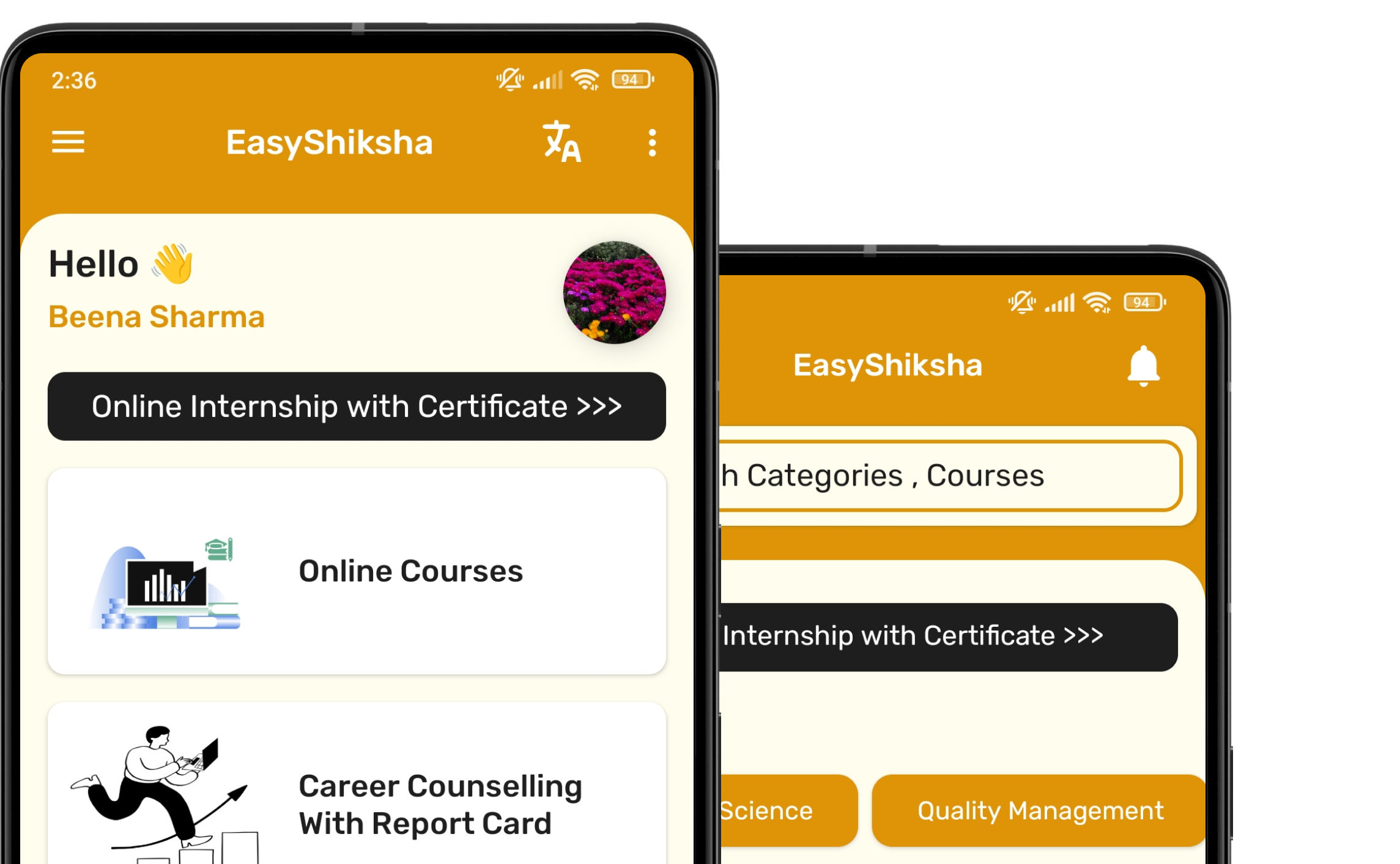
Experience the Speed: Now Available on Mobile!

Download EasyShiksha Mobile Apps from Android Play Store, Apple App Store, Amazon App Store, and Jio STB.

Curious to learn more about EasyShiksha's services or need assistance?

Our team is always here to collaborate and address all your doubts.

Message should be at least 50 characters long.