

















program icon
Explore

Information Technology (IT)

Explore Information Technology (IT) specialization courses on EasyShiksha. Learn about IT subjects, software, networking, cybersecurity, careers and further study.

1 Programmes
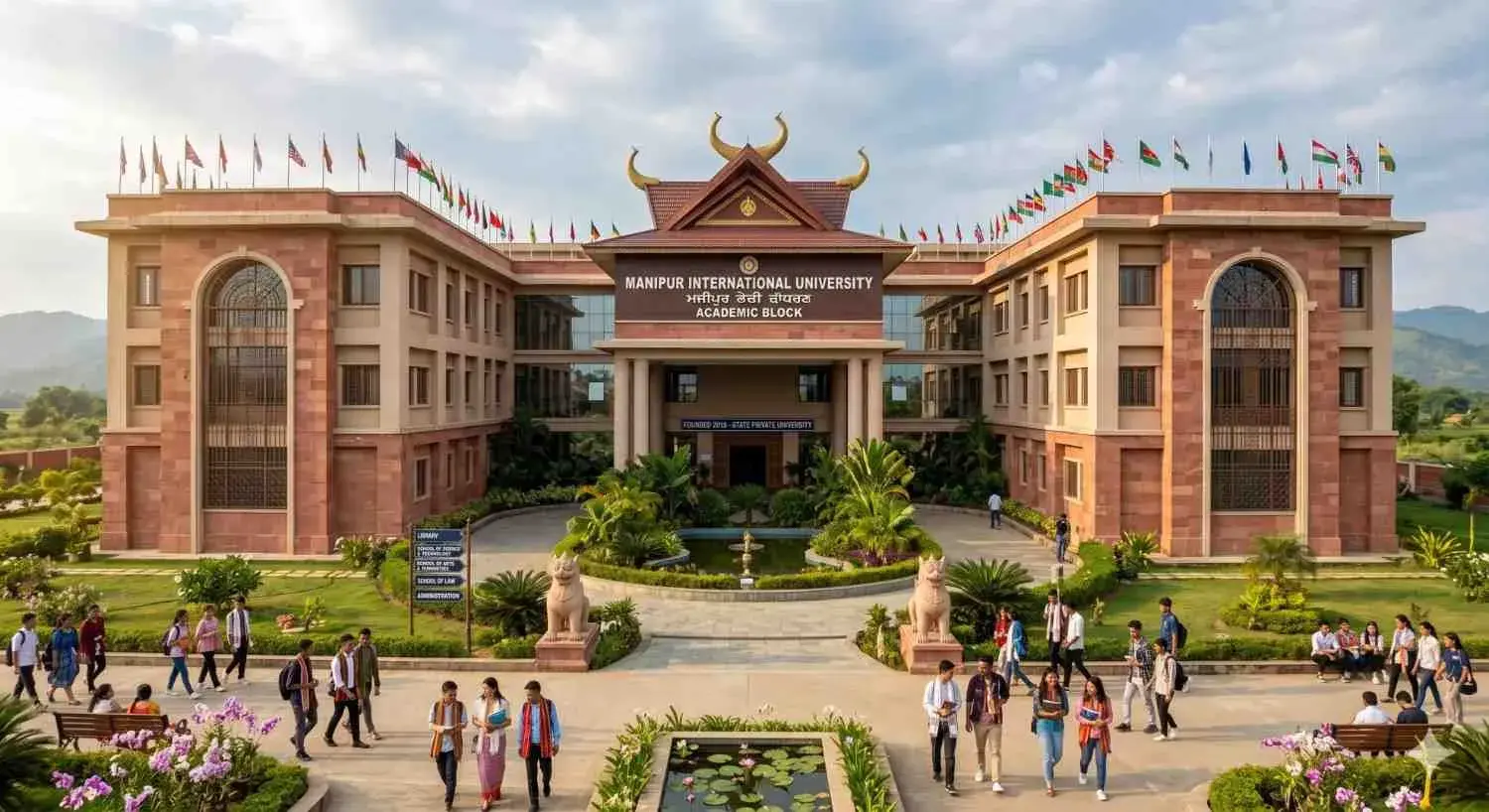
1 University Partners
4.8โ˜… Avg. Rating
UGC-Recognised Degree
Industry-Aligned Curriculum
UGC-DEB Approved Online/ODL
Flexible Learning Options
Understanding Information Technology (IT)

What Is Information Technology (IT)?

Information Technology (IT) is a technology-focused specialization concerned with the use, development and management of computer systems, software, networks and digital information. It provides learners with knowledge of technologies used to process, store, manage, secure and communicate information in modern organisations.

The specialization may cover areas such as programming, database management, operating systems, computer networks, web technologies, software development, information security and systems administration. Depending on the programme, learners may also study cloud computing, data management, artificial intelligence, machine learning and other emerging technologies.

Information Technology can be relevant for students interested in software, computers, digital systems, IT services and technology-driven business operations. It can help develop technical, analytical, logical thinking, problem-solving and project-based skills.

The specialization can provide a foundation for careers across software development, IT infrastructure, networking, databases, cybersecurity, cloud technologies and related technology domains. The exact curriculum, subjects and practical components vary depending on the university and programme.

UGC Degree-Level Recognition
What You Get

A program that pairs recognition with real skills

UGC-Recognised Degree

Same institutional recognition as a conventional Bachelor's degree.

Industry-Aligned Curriculum

Built with Sector Skill Councils, not just academic departments.

Direct Employability

Hands-on skill components designed for job-readiness, not just theory.

Offered By

Universities offering these programs

Compare accreditation and programme count before choosing where to apply.

Student Voices

What learners say

โ˜…โ˜…โ˜…โ˜…

"The course helped me understand project planning, timelines and team coordination in a much more structured way. It has been useful alongside my work."

A
Aman Bansal Project Management
โ˜…โ˜…โ˜…โ˜…โ˜…

"I enjoyed the creative side of the program, but I also liked that it introduced the practical thinking needed to design for real projects and audiences."

T
Tanvi Agarwal Graphic Design
โ˜…โ˜…โ˜…โ˜…โ˜…

"The program gave me a broad understanding of IT while still allowing me to explore areas I may want to specialise in later."

Y
Yash Malhotra Information Technology
Career Opportunities

Explore career opportunities

An Information Technology (IT) specialization can provide career opportunities across software development, IT services, databases, networking, systems administration, cybersecurity, cloud computing and other technology-driven areas. Career options depend on the candidate's qualification, technical skills, experience and employer requirements.

Software Development

Graduates may explore software development roles involving the design, development, testing and maintenance of software applications and digital solutions.

Web and Application Development

Knowledge of web technologies can support opportunities in website and web application development. Professionals may work on digital platforms and applications used by businesses and other organisations.

Database Management

Graduates with database knowledge may explore roles related to database administration and data management. Responsibilities can include maintaining databases, managing information and supporting organisational data systems.

Networking and Systems Administration

IT professionals can pursue roles involving computer networks, system administration and IT infrastructure. These positions may involve maintaining systems, supporting users and managing organisational technology environments.

Cybersecurity

Learners with relevant security knowledge may explore cybersecurity-related opportunities involving information protection, security monitoring, risk management and system security.

Cloud and Emerging Technologies

IT graduates who develop relevant technical skills can explore areas such as cloud computing, artificial intelligence, machine learning and data-related technologies.

IT Support and Services

Graduates may also work in IT support and technology services, helping organisations maintain systems, troubleshoot technical issues and support day-to-day technology operations.

Further Education

Students can pursue higher education in Information Technology, software engineering, cybersecurity, data science, artificial intelligence, cloud computing, networking and related disciplines.


Common Questions

Frequently asked questions

What is Information Technology (IT) specialization? + Information Technology is a specialization focused on computer systems, software, networks, databases, digital information and technologies used to develop and manage IT solutions.
What subjects can be studied under Information Technology? +

Depending on the programme, subjects may include programming, database management, operating systems, computer networks, web technologies, software development and information security. Advanced programmes may also cover cloud computing, artificial intelligence and data technologies.

Who should choose Information Technology specialization? +

IT can be suitable for students interested in computers, programming, software, networking, digital systems and technology-based problem-solving.

What career opportunities are available after studying Information Technology? +

Career opportunities may include software development, web development, database management, networking, systems administration, cybersecurity, IT support, cloud computing and other technology-related roles.

Can Information Technology students pursue higher education? +

Yes. Depending on their academic background and eligibility, students can pursue further study in IT, software engineering, cybersecurity, artificial intelligence, data science, cloud computing, networking and related technology disciplines.

What is Information Technology (IT) Specialization?

Information Technology (IT) is an academic and professional specialization focused on the use and management of computing technologies to create, process, store, retrieve and communicate information. It covers the technical systems and applications that support digital operations across businesses, institutions and other organisations.

The specialization combines fundamental computing concepts with practical applications. Learners can develop an understanding of how software, hardware, networks, databases and information systems work together to support technology-based services and business processes.

Depending on the programme, students may study programming, software development, databases, networking, operating systems, web technologies, information security and systems administration.

Key Areas of Information Technology

An IT specialization can include several interconnected areas of computing.

Programming and Software Development focuses on creating and maintaining software applications and digital solutions. Database Management deals with the organisation, storage, retrieval and management of digital information.

Computer Networks covers communication between computers and other connected systems, while Operating Systems focuses on the software that manages computer hardware and system resources.

Web Technologies can introduce learners to technologies used for developing and maintaining websites and web applications. Information Security focuses on protecting systems, networks and information from security risks.

Depending on the programme, learners may also encounter cloud computing, artificial intelligence, machine learning, data management and other emerging technology areas.

The exact curriculum and subjects depend on the selected university and programme.

Skills Developed Through IT

Studying Information Technology can help learners develop technical and analytical abilities relevant to computing and digital systems. Students may strengthen programming, database, networking, software development and system-management skills.

The specialization can also develop logical thinking, problem-solving, research, communication and project-management abilities. Practical laboratory sessions, projects, internships or other industry-oriented activities may be included depending on the university and programme structure.

Importance of Information Technology

Information Technology plays an important role in modern organisations. Businesses and institutions rely on IT systems for communication, data management, software applications, digital services, information processing and operational activities.

The continued development of cloud computing, artificial intelligence, cybersecurity, data technologies and other digital solutions is also expanding the range of technology applications. IT professionals can therefore contribute to different areas of an organisation's technology environment.

Who Should Choose Information Technology?

Information Technology can be suitable for learners interested in computers, software, programming, networking and digital technologies. It may appeal to students who enjoy logical reasoning, technical problem-solving and learning how digital systems operate.

Before selecting an IT programme, students should review the university's eligibility requirements, curriculum, duration, learning mode, practical training and other programme-specific details.

Academic and Professional Scope

Information Technology provides a foundation for further education and professional development across several technology domains. Learners may pursue advanced study or specialization in areas such as software engineering, cybersecurity, cloud computing, data science, artificial intelligence, networking and information systems.

Career progression depends on the candidate's qualification, technical skills, specialization, practical experience and the requirements of individual employers.

Ready to apply?

Browse all programmes above and start your application in minutes.

View Information Technology (IT) Programmes
Whatsapp Email Support

Experience the Speed: Now Available on Mobile!

Download EasyShiksha Mobile Apps from Android Play Store, Apple App Store, Amazon App Store, and Jio STB.

Curious to learn more about EasyShiksha's services or need assistance?

Our team is always here to collaborate and address all your doubts.

Message should be at least 50 characters long.










