


program icon
Explore

Gujarati

Explore Gujarati university courses and programs in India, including degree, undergraduate, postgraduate and diploma options, and find programs to enroll in.

2 Programmes
1 University Partners
4.8โ˜… Avg. Rating
UGC-Recognised Degree
Industry-Aligned Curriculum
UGC-DEB Approved Online/ODL
Flexible Learning Options
Understanding Gujarati

What Is Gujarati?

Gujarati is a language and literary specialization focused on the study of the Gujarati language, its literature, linguistic development, cultural traditions, and forms of written and oral expression. The field may include Gujarati grammar, language structure, poetry, prose, drama, literary criticism, folklore, history of Gujarati literature, and major literary movements and traditions. Depending on the programme, students may also study modern Gujarati writing, regional literature, translation, comparative literature, and language-related research.

Students studying Gujarati may develop language proficiency, reading and writing skills, literary analysis, research abilities, critical thinking, communication, interpretation, and creative expression. The specialization can be relevant to education, publishing, journalism, translation, content development, cultural organisations, media, research, and language-related activities. Students interested in academic careers may also explore higher studies in Gujarati, literature, linguistics, translation, or related humanities disciplines. The exact subjects, literary periods, practical components, curriculum, and programme structure may vary by university and programme.

UGC Degree-Level Recognition
What You Get

A program that pairs recognition with real skills

UGC-Recognised Degree

Same institutional recognition as a conventional Bachelor's degree.

Industry-Aligned Curriculum

Built with Sector Skill Councils, not just academic departments.

Direct Employability

Hands-on skill components designed for job-readiness, not just theory.

Offered By

Universities offering these programs

Compare accreditation and programme count before choosing where to apply.

Student Voices

What learners say

โ˜…โ˜…โ˜…โ˜…

"I chose this program because I wanted to continue studying literature at a higher level. The variety of topics made the learning experience interesting."

M
Muskan Yadav English Literature
โ˜…โ˜…โ˜…โ˜…โ˜…

"The AI specialization was exactly what I was looking for. It gave me a clear path from programming fundamentals to machine learning concepts."

K
Kunal Sharma Artificial Intelligence
โ˜…โ˜…โ˜…โ˜…โ˜…

"The HR modules cover much more than recruitment. I found the sections on employee management and organisational behaviour particularly useful."

S
Shreya Gupta Human Resource Management
Career Opportunities

Explore career opportunities

A Gujarati specialization can provide opportunities in language, literature, education, publishing, media, translation, research, and cultural activities. Career possibilities depend on the student's qualification level, language proficiency, additional skills, experience, and the requirements of individual employers or institutions.

Gujarati Teacher or Educator: Students may explore teaching-related opportunities in schools, educational organisations, coaching environments, or other learning settings. Formal teaching positions may require additional teacher education qualifications and applicable eligibility requirements.

Writer or Content Professional: Strong Gujarati writing skills can be useful for creating articles, educational material, digital content, scripts, editorial material, and other regional-language content. Opportunities may exist across publishing, media, digital platforms, and content-focused organisations.

Translator: Students with strong Gujarati and another relevant language may explore translation work involving written or digital content. Professional requirements can vary according to the employer, subject area, and nature of the assignment.

Editor or Publishing Professional: Knowledge of Gujarati language and literature can support work related to editing, proofreading, manuscript preparation, publishing, and regional-language content.

Journalism and Media: Gujarati language skills can be relevant to regional newspapers, magazines, digital media, broadcasting, and other communication platforms. Additional journalism or media skills may be beneficial for specific roles.

Research and Academic Work: Students interested in Gujarati literature, language, history, or cultural studies may pursue research-oriented opportunities and continue into advanced academic study.

Cultural Sector: Knowledge of Gujarati literature and traditions can contribute to cultural organisations, literary initiatives, documentation projects, and activities focused on regional language and heritage.

Students may also develop independent writing, translation, publishing, or content projects. Career outcomes are not guaranteed and depend on qualification, skills, experience, specialisation, university, portfolio, and applicable professional requirements.

Common Questions

Frequently asked questions

What is Gujarati specialization? + Gujarati specialization focuses on the study of the Gujarati language, literature, grammar, literary traditions, cultural context, and forms of written and oral expression.
What do students study in Gujarati? + Depending on the programme, students may study Gujarati language and grammar, poetry, prose, drama, literary history, criticism, folklore, cultural studies, translation, and research.
What skills can students develop through Gujarati? + Students may develop Gujarati language proficiency, reading and writing, literary analysis, research, critical thinking, communication, interpretation, creative writing, and presentation skills.
What career opportunities are available after studying Gujarati? + Career areas may include teaching, writing, editing, publishing, translation, journalism, regional-language content, research, and cultural activities, depending on qualifications and skills.
Can students pursue higher studies after Gujarati? + Yes. Students may pursue higher studies in Gujarati, literature, linguistics, translation, comparative literature, cultural studies, or related research areas, subject to programme-specific requiremen

What is Gujarati?

Gujarati as a specialization involves the systematic study of the Gujarati language and its literary and cultural traditions. It can combine language development with the study of literary works, authors, genres, historical periods, and changing forms of Gujarati expression.

The field can be studied from linguistic, literary, cultural, historical, and creative perspectives. Students may examine how Gujarati has developed over time and how literature reflects social, cultural, and historical contexts.

Key Areas of Study

Depending on the university and programme, Gujarati may cover Gujarati language and grammar, including language structure, vocabulary, usage, writing, and communication. Students may develop their understanding of Gujarati through reading, writing, interpretation, and textual analysis.

Gujarati literature is another major area. Programmes may introduce students to poetry, prose, novels, short stories, drama, essays, biographies, and other literary forms. The selection of authors, texts, literary periods, and movements varies according to the programme.

Literary criticism and analysis can help students examine themes, language, literary techniques, historical contexts, and different approaches to interpreting literary works.

Students may also encounter Gujarati literary history, folklore, cultural studies, and regional traditions. Some programmes can include modern Gujarati literature, contemporary writing, comparative literature, or translation studies.

Where relevant, students may undertake research projects involving Gujarati texts, authors, language, literature, or cultural subjects. Translation and content-related skills may also be developed depending on the programme.

The exact subjects, texts, literary traditions, research components, and curriculum can vary by university and programme structure.

Skills Developed

Students may develop strong Gujarati reading, writing, comprehension, and communication abilities. Literary study can strengthen critical thinking, interpretation, textual analysis, research, and academic writing.

Students may also develop presentation and communication skills through discussions, assignments, seminars, and other academic activities. Creative writing and translation-oriented components, where included, can support creativity and language adaptation skills.

Research-based study may help students learn how to examine literary sources, organise information, interpret texts, and present findings systematically.

Practical and Industry Relevance

Knowledge of Gujarati can be applied in education, publishing, journalism, translation, content writing, media, cultural activities, research, and communication-related work. Gujarati language skills can also be relevant to organisations that create or manage regional-language content.

The specialization may contribute to the preservation and promotion of Gujarati literary and cultural traditions through teaching, documentation, writing, research, and cultural activities.

Who Should Consider This Specialization?

Gujarati may interest students who enjoy the Gujarati language, literature, poetry, storytelling, writing, reading, cultural studies, or regional literary traditions. It can be suitable for learners interested in developing advanced language and analytical skills.

Students considering careers involving education, writing, publishing, translation, media, research, or cultural activities may explore this specialization based on their academic and professional interests.

Higher Education and Further Study

Students may pursue further study in Gujarati, literature, linguistics, translation, comparative literature, cultural studies, or related humanities disciplines. Those interested in academic research may progress to advanced research programmes and doctoral study, subject to the eligibility requirements of the selected university and programme.

Ready to apply?

Browse all programmes above and start your application in minutes.

View Gujarati Programmes
Whatsapp Email Support

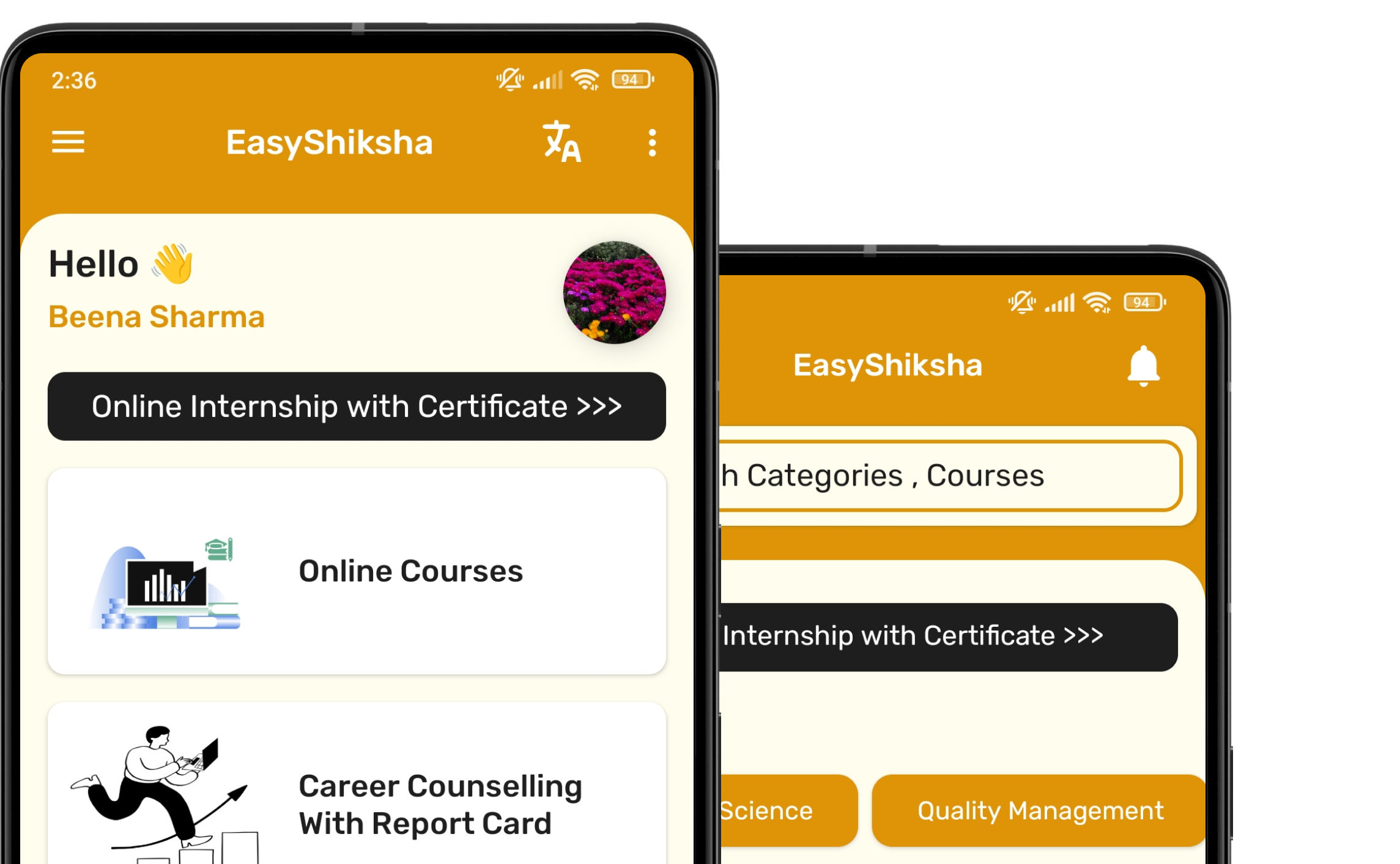
Experience the Speed: Now Available on Mobile!

Download EasyShiksha Mobile Apps from Android Play Store, Apple App Store, Amazon App Store, and Jio STB.

Curious to learn more about EasyShiksha's services or need assistance?

Our team is always here to collaborate and address all your doubts.

Message should be at least 50 characters long.