



























program icon
Explore

English Literature

Explore English Literature university courses and programs on EasyShiksha, including degree, diploma, UG and PG options for student enrollment.

34 Programmes
17 University Partners
4.8โ˜… Avg. Rating
UGC-Recognised Degree
Industry-Aligned Curriculum
UGC-DEB Approved Online/ODL
Flexible Learning Options
Understanding English Literature

What Is English Literature?

English Literature is a humanities specialisation focused on the study, interpretation and critical analysis of literary works written in English. It explores how writers use language, narrative, character, imagery, symbolism and literary forms to express ideas and examine human experiences, cultures, societies and historical contexts.

Common areas of study may include poetry, fiction, drama, prose, literary criticism and literary theory. Depending on the university and programme, students may also explore British literature, American literature, postcolonial literature, Indian writing in English, contemporary literature, world literature, gender and literature, cultural studies and comparative approaches to literary texts.

The specialisation develops skills in critical reading, interpretation, research, academic writing, argumentation and communication. Students learn to analyse texts from different perspectives, understand literary movements and connect literature with historical, social and cultural contexts.

English Literature may interest students who enjoy reading, writing, language, storytelling, culture and critical discussion. Career pathways can extend into education, publishing, editing, content development, writing, journalism, research, communications and cultural organisations, depending on qualifications and professional requirements.

At EasyShiksha, students can explore university programmes related to English Literature and compare universities, programme types, programme levels, learning modes, eligibility, duration, curriculum and specialisation options.

UGC Degree-Level Recognition
What You Get

A program that pairs recognition with real skills

UGC-Recognised Degree

Same institutional recognition as a conventional Bachelor's degree.

Industry-Aligned Curriculum

Built with Sector Skill Councils, not just academic departments.

Direct Employability

Hands-on skill components designed for job-readiness, not just theory.

Offered By

Universities offering these programs

Compare accreditation and programme count before choosing where to apply.

Kalinga University campus
Kalinga University

Kalinga University

Raipur, Chhattisgarh ยท Est. 2013
UGCSec. 12B
NAAC B+Accredited
AICTEApproved
View University
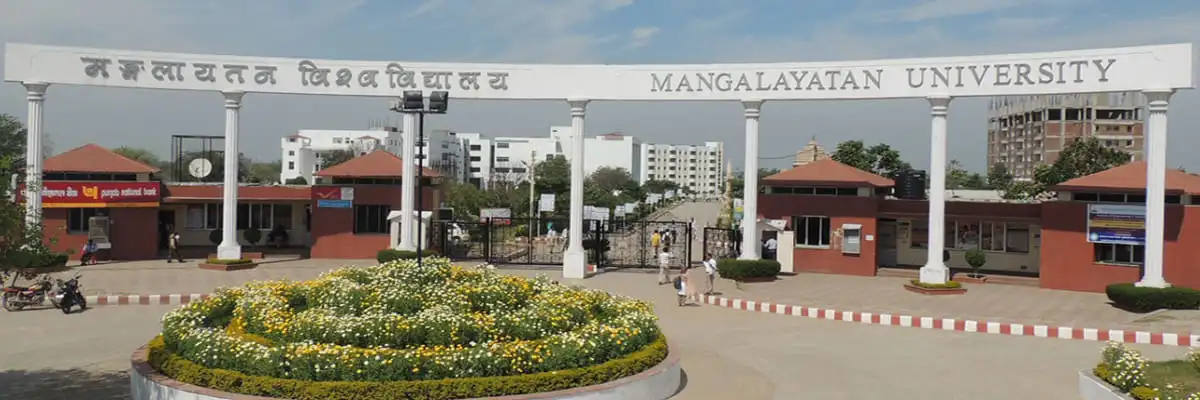
Mangalayatan University campus
Mangalayatan University

Mangalayatan University

Aligarh, Uttar Pradesh ยท Est. 2006
UGCSec. 12B
NAAC A+Accredited
AICTEApproved
View University
Mata Tripura Sundari Open University campus
Mata Tripura Sundari Open University

Mata Tripura Sundari Open University

Udaipur, Tripura ยท Est. 2024
UGCSec. 12B
AICTEApproved
View University
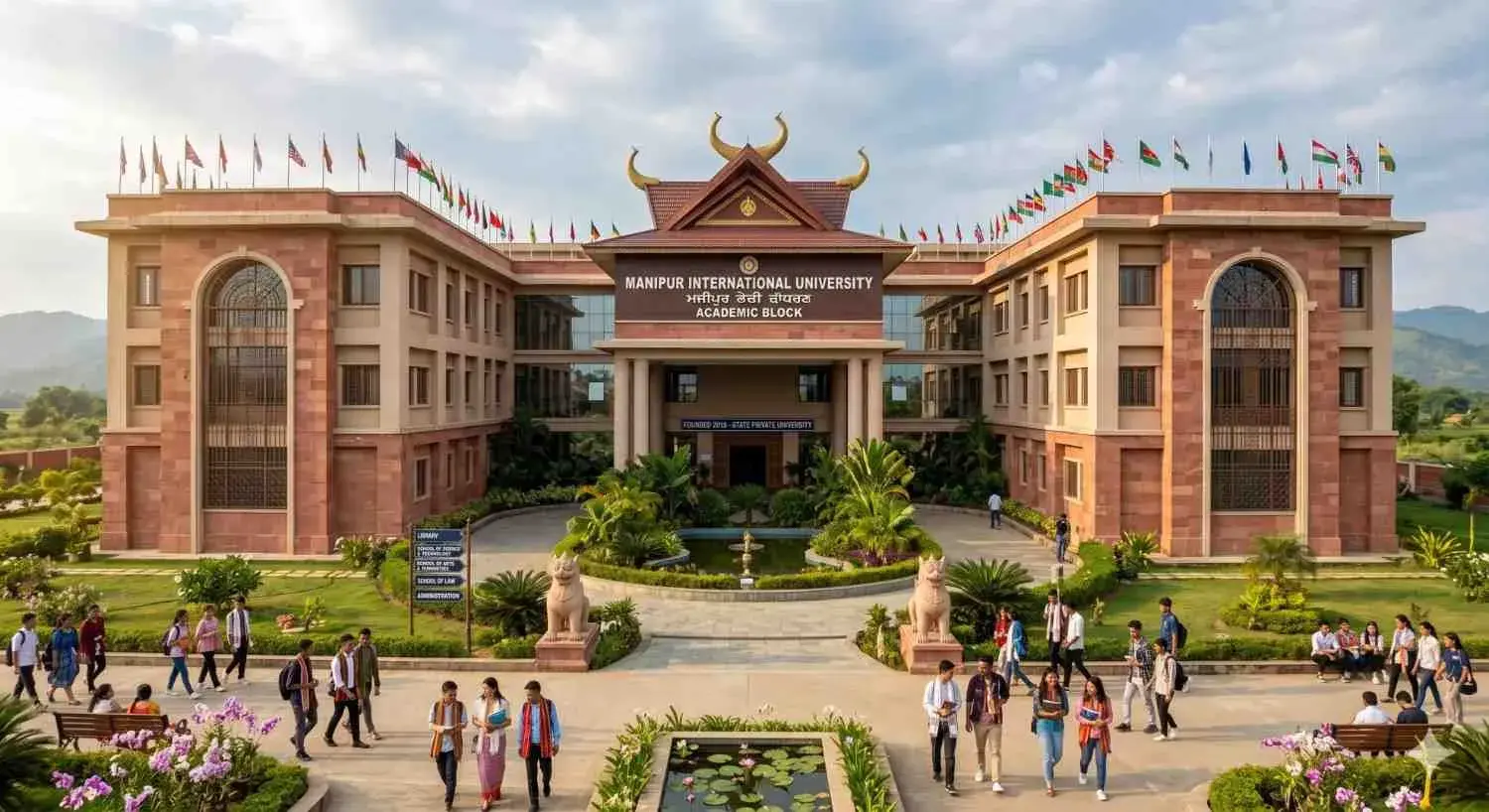
Manipur International University campus
Manipur International University

Manipur International University

Imphal, Manipur ยท Est. 2019
UGCSec. 12B
AICTEApproved
View University
Lovely Professional University campus
Lovely Professional University

Lovely Professional University

Phagwara, Punjab ยท Est. 2005
UGCSec. 12B
NAAC A++Accredited
AICTEApproved
View University
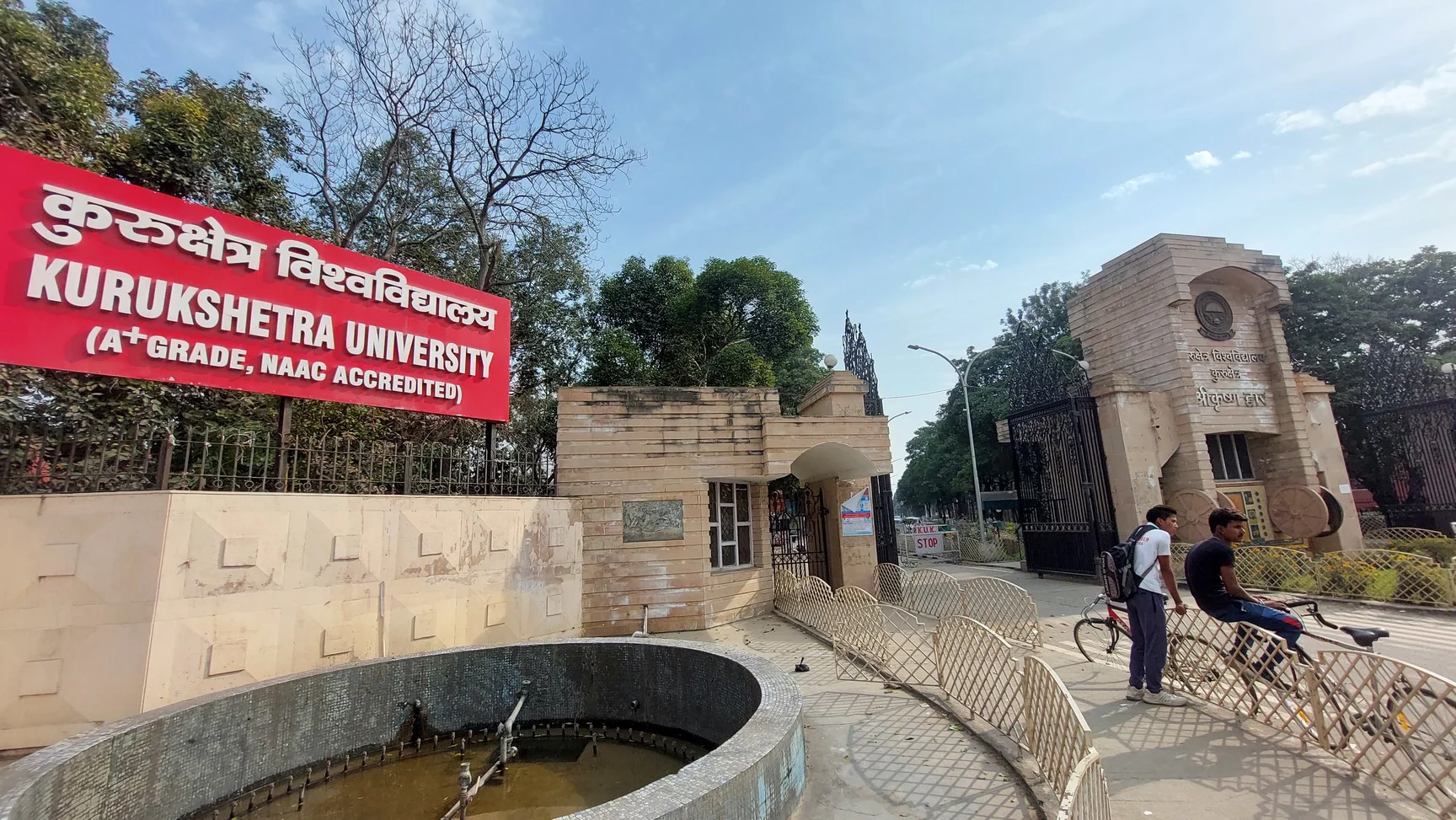
Kurukshetra University campus
Kurukshetra University

Kurukshetra University

Kurukshetra, Haryana ยท Est. 1956
UGCSec. 12B
NAAC A++Accredited
AICTEApproved
View University
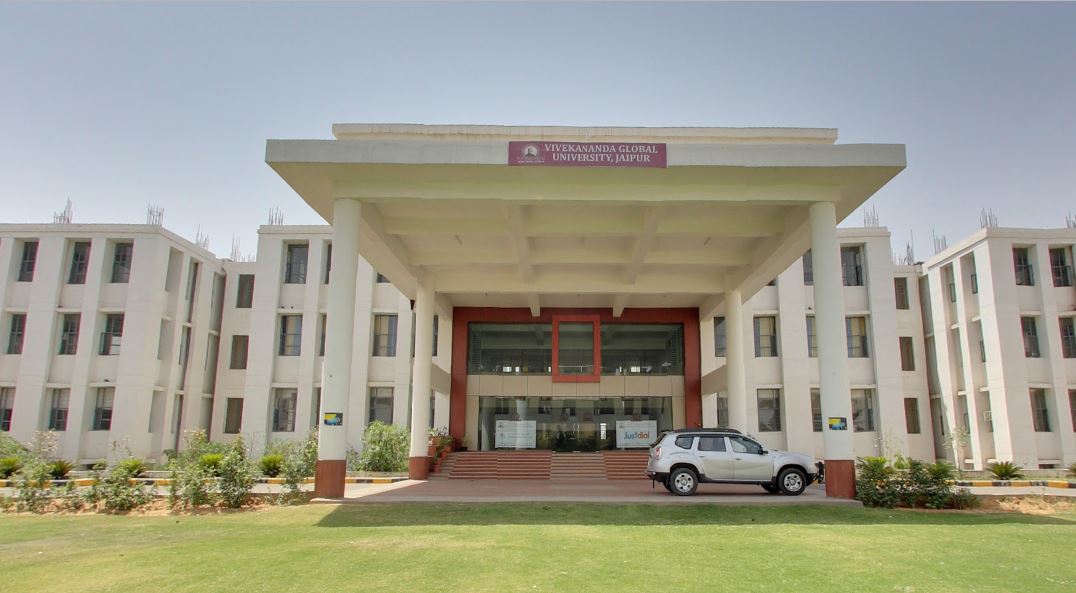
Vivekananda Global University campus
Vivekananda Global University

Vivekananda Global University

Jaipur, Rajasthan ยท Est. 2012
UGCSec. 12B
NAAC A+Accredited
AICTEApproved
View University
Sikkim Manipal University campus
Sikkim Manipal University

Sikkim Manipal University

Gangtok, Sikkim ยท Est. 1995
UGCSec. 12B
NAAC A+Accredited
AICTEApproved
View University
Shoolini University campus
Shoolini University

Shoolini University

Solan, Himachal Pradesh ยท Est. 2009
UGCSec. 12B
NAAC A+Accredited
AICTEApproved
View University
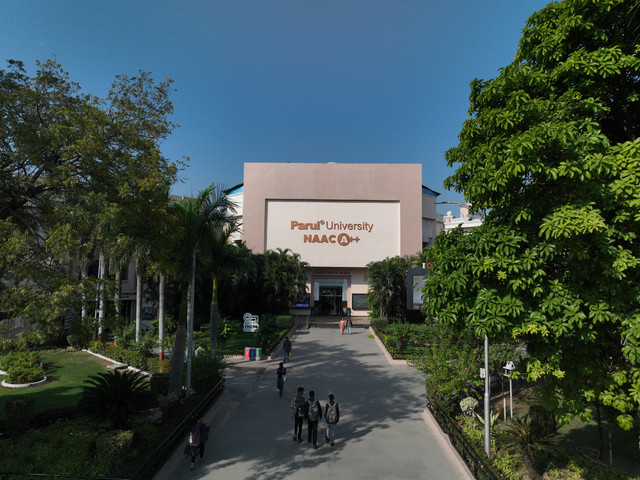
Parul University campus
Parul University

Parul University

Vadodara, Gujarat ยท Est. 2015
UGCSec. 12B
NAAC A++Accredited
AICTEApproved
View University
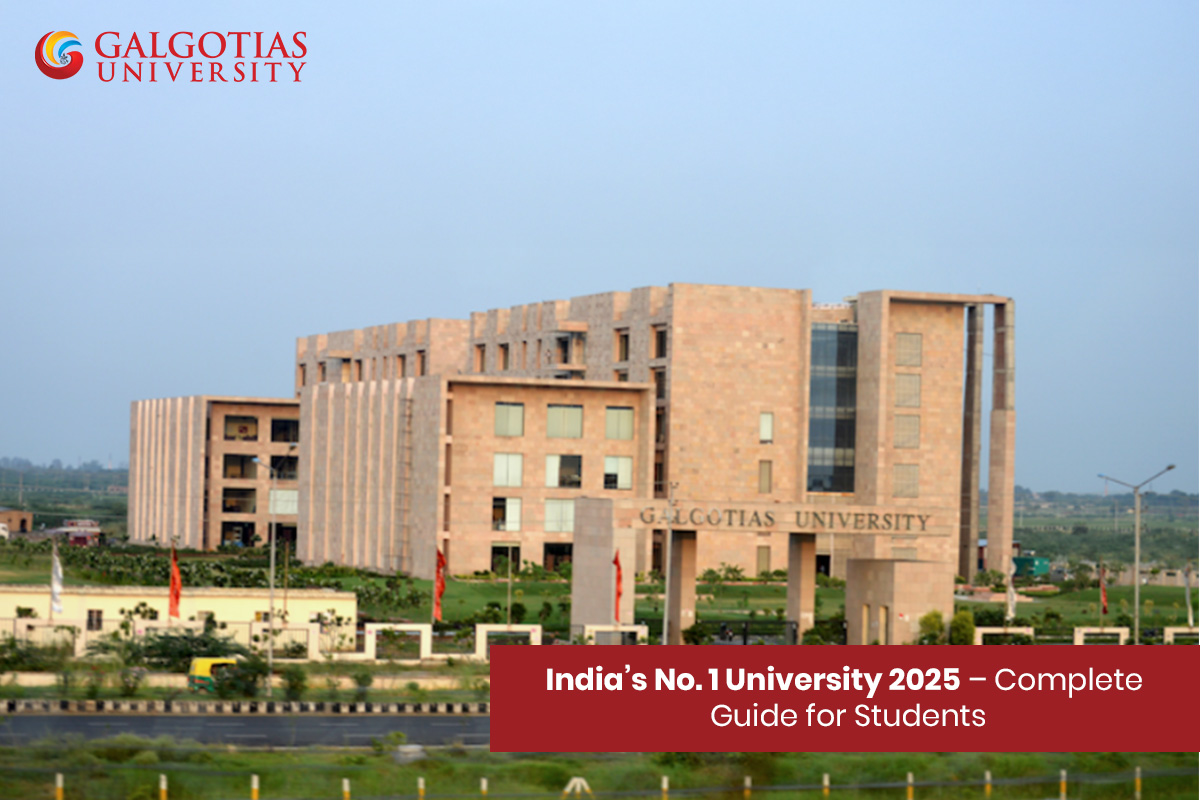
Galgotias University campus
Galgotias University

Galgotias University

Noida, Uttar Pradesh ยท Est. 2011
UGCSec. 12B
NAAC A+Accredited
AICTEApproved
View University
Christ University campus
Christ University

Christ University

Bengaluru, Karnataka ยท Est. 1969
UGCSec. 12B
NAAC A+Accredited
AICTEApproved
View University
MK University Patan campus
MK University Patan

MK University Patan

Patan, Gujarat ยท Est. 2022
UGCSec. 12B
AICTEApproved
View University
Sikkim Global Technical University campus
Sikkim Global Technical University

Sikkim Global Technical University

Namchi, Sikkim ยท Est. 2023
UGCSec. 12B
AICTEApproved
View University
Atal Bihari Vajpayee Skill University campus
Atal Bihari Vajpayee Skill University

Atal Bihari Vajpayee Skill University

Gangtok, Sikkim ยท Est. 2025
UGCSec. 12B
AICTEApproved
View University
Duke International University campus
Duke International University

Duke International University

Namchi, Sikkim ยท Est. 2024
UGCSec. 12B
AICTEApproved
View University
Swami Vivekanand Subharti University campus
Swami Vivekanand Subharti University

Swami Vivekanand Subharti University

Meerut, Uttar Pradesh ยท Est. 2008
UGCSec. 12B
NAAC AAccredited
AICTEApproved
View University
Student Voices

What learners say

โ˜…โ˜…โ˜…โ˜…โ˜…

"The curriculum starts with the fundamentals and gradually moves into more advanced topics, which worked really well for me as a beginner."

A
Aditya Singh Computer Applications
โ˜…โ˜…โ˜…โ˜…

"What I appreciated most was the depth of the subject matter. It helped me understand psychological concepts rather than simply memorising them."

N
Neha Kapoor Psychology
โ˜…โ˜…โ˜…โ˜…โ˜…

"The finance modules were practical and relevant to the kind of work I want to do. I especially liked the focus on applying concepts to real situations."

S
Saurabh Jain Finance
Career Opportunities

Explore career opportunities

English Teacher

English Literature graduates can pursue teaching roles after obtaining the qualifications required for the relevant educational level and jurisdiction. English Teachers develop lessons, explain literary and language concepts, assess learning and help students develop reading and communication skills.

Writer

Writers create original written content for books, articles, websites, publications and other formats. A background in English Literature can support skills in language, narrative, interpretation and structured writing, while professional writing also requires practice and knowledge of the intended audience.

Content Writer

Content Writers create informative, educational or promotional material for digital and traditional platforms. Their work can involve researching subjects, organising information, writing clearly and adapting content for specific audiences.

Editor

Editors review written content for clarity, structure, language, consistency and accuracy. They may work with authors, writers, publishers, organisations or digital teams to prepare material for publication.

Copywriter

Copywriters create concise written content for advertising, marketing, branding and promotional communication. English Literature can provide a strong foundation in language and audience-oriented writing, while professional copywriting also requires understanding communication objectives.

Publishing Professional

Publishing Professionals contribute to the development and production of books, magazines, digital publications and other editorial products. Depending on the role, responsibilities may include editing, manuscript coordination, content review, production support or author communication.

Journalist

Journalists research and communicate information for newspapers, websites, magazines, broadcast organisations and other media. Literature graduates can apply their research, writing and critical-reading skills to reporting and editorial work.

Literary Researcher

Literary Researchers study literary texts, authors, movements, genres and related cultural or historical contexts. Their work may involve archival research, textual analysis, academic writing and preparation of research papers or other scholarly outputs.

Communications Professional

Communications Professionals develop and manage written or digital communication for organisations. Their work may include content development, internal communications, editorial work, public information and digital communication.

Academic or Research Professional

Students interested in higher education can pursue academic and research pathways with appropriate postgraduate qualifications. Academic work may involve teaching literature, conducting research, publishing scholarly work and participating in academic discussions.

Career opportunities in English Literature depend on factors such as qualification, writing and communication skills, research ability, practical experience, specialisation and employer requirements. Students can also consider postgraduate study or professional development in literature, education, publishing, journalism, communications, cultural studies or related fields.


Common Questions

Frequently asked questions

What is English Literature? +

English Literature is the study and interpretation of literary works written in English. It covers genres such as poetry, fiction, drama and prose and examines their language, themes, structures and cultural contexts. Students also learn to use critical approaches and evidence to develop interpretations of literary texts.

What does English Literature cover? +

English Literature can cover poetry, novels, short stories, drama, prose, literary criticism and literary theory. Depending on the university and programme, students may also study British, American, Indian and postcolonial literature, contemporary writing, world literature and relationships between literature and culture.

What subjects are studied in English Literature? +

Common subjects may include poetry, fiction, drama, prose, literary criticism and literary theory. Depending on the programme, students may also study literary movements, British literature, American literature, Indian writing in English, postcolonial literature, contemporary literature, cultural studies and comparative literature.

Is English Literature a good choice for a career in writing? +

English Literature can help develop reading, writing, interpretation, research and communication skills that are useful in writing-related careers. However, professional writing also requires practical experience, an understanding of audiences and the ability to write for specific formats. Career opportunities depend on skills, portfolio, qualification and employer requirements.

What skills are required for English Literature? +

Useful skills include critical reading, textual analysis, academic writing, research, communication, interpretation and argument development. Students can also benefit from developing editing, digital communication and presentation skills. The ability to understand different perspectives and support interpretations with evidence is particularly useful in literary studies.

What are the career options after studying English Literature? +

Career pathways can include English Teacher, Writer, Content Writer, Editor, Copywriter, Publishing Professional, Journalist, Literary Researcher and Communications Professional. Academic and research careers are also possible with appropriate advanced qualifications. Specific opportunities depend on qualification, skills, experience and employer requirements.

Can I specialise further after studying English Literature? +

Yes. Students can pursue further study in areas such as literary studies, cultural studies, comparative literature, postcolonial studies, creative writing, publishing, education or related humanities disciplines. The available specialisations and admission requirements vary by university and programme.

Can I pursue English Literature online? +

Some English Literature programmes may be available through online or blended learning. Online study can include digital reading materials, lectures, discussions, research and written assignments. Students should compare the learning mode, curriculum, assessment structure, duration, eligibility and available academic resources before selecting an online programme.

What is the eligibility for studying English Literature? +

Eligibility varies by university, programme type and programme level. Some programmes may accept students from different academic backgrounds, while others can have specific qualification or subject requirements. Students should check the exact academic eligibility, admission criteria and other requirements of the English Literature programme they are considering.

How do I choose the right English Literature programme? +

Compare programmes based on curriculum, university, programme level, learning mode, duration, eligibility, reading areas, research opportunities and available specialisations. Consider whether you are more interested in literary criticism, specific historical periods, world literature, cultural studies or related areas. EasyShiksha can help students explore and compare relevant university programmes before making an informed decision.

What is English Literature?

English Literature is the academic study of literary texts written in English and the ideas, cultures and historical contexts surrounding them. It includes different forms and genres such as poetry, novels, short stories, drama and essays.

The discipline involves more than reading literary works. Students learn to interpret texts, examine language and structure, evaluate different critical perspectives and develop evidence-based arguments about literature and its wider social and cultural significance.

What Do You Study in English Literature?

Common areas of study may include poetry, fiction, drama, prose, literary criticism and literary theory. Depending on the university and programme, students may also study British literature, American literature, Indian writing in English, postcolonial literature, contemporary literature, world literature, cultural studies and literature through perspectives such as gender or identity.

Students can develop skills in close reading, textual analysis, research, academic writing, argument development and interpretation. Some programmes may include comparative literary studies, research projects, presentations or creative writing activities.

The exact reading lists, periods, authors, theories and curriculum can vary considerably by university and programme, so students should review the specific syllabus before selecting a course.

Why Choose English Literature?

English Literature can be valuable for students who want to develop strong reading, writing, analytical and communication abilities while exploring literature and culture. It encourages students to examine complex ideas, consider multiple interpretations and construct reasoned arguments based on textual evidence.

The specialisation can also provide a foundation for further study in literature, cultural studies, linguistics, education, publishing, journalism, communications or related humanities fields. Students can build additional professional skills according to their career interests.

English Literature and Digital Media

Digital technology has expanded how literature is created, studied and shared. Students may encounter digital archives, online literary publications, electronic texts, digital humanities projects and new forms of storytelling.

Depending on their interests, learners can also combine literary skills with digital content creation, editing, publishing, communications and media. Strong writing and interpretation skills can be applied across both traditional and digital communication environments.

Who Should Choose English Literature?

English Literature may appeal to students who enjoy reading, writing, storytelling, language, culture and critical analysis. Curiosity, attention to language, research ability, open-mindedness and the ability to develop structured arguments can be useful.

Students considering careers in education, writing, publishing, editing, journalism, research, communications or cultural organisations may find the specialisation relevant. Specific professional roles can require additional qualifications, experience or specialised skills.

Explore English Literature Programmes on EasyShiksha

At EasyShiksha, students can explore university programmes related to English Literature and compare options according to their academic and career interests. Learners can review universities, programme types, programme levels, learning modes, eligibility, duration, curriculum, research opportunities and available specialisation options.

Because eligibility, curriculum, reading lists and programme structures can vary between institutions, students should check the specific details of each English Literature programme before applying.

Ready to apply?

Browse all programmes above and start your application in minutes.

View English Literature Programmes
Whatsapp Email Support

Experience the Speed: Now Available on Mobile!

Download EasyShiksha Mobile Apps from Android Play Store, Apple App Store, Amazon App Store, and Jio STB.

Curious to learn more about EasyShiksha's services or need assistance?

Our team is always here to collaborate and address all your doubts.

Message should be at least 50 characters long.










