




program icon
Explore

Education

Explore Education university courses and programs on EasyShiksha, including degree, diploma, UG and PG options for student enrollment.

6 Programmes
3 University Partners
4.8โ˜… Avg. Rating
UGC-Recognised Degree
Industry-Aligned Curriculum
UGC-DEB Approved Online/ODL
Flexible Learning Options
Understanding Education

What Is Education?

Education is an academic and professional specialisation focused on the study of teaching, learning, curriculum, assessment and the development of individuals and educational systems. It explores how people learn, how teaching strategies can support different learners, and how educational institutions can create effective and inclusive learning environments.

Common areas of study may include educational psychology, pedagogy, curriculum development, teaching methods, assessment and evaluation, educational technology and classroom management. Depending on the university and programme, students may also explore inclusive education, special education, educational leadership, guidance and counselling, comparative education, teacher education and education policy.

The specialisation develops skills in communication, lesson planning, critical thinking, learner assessment, educational research and instructional design. Students may also learn how digital tools and learning technologies can support teaching and learning.

Education may interest students who enjoy working with learners, explaining concepts, developing learning resources or understanding how educational systems function. Career pathways can extend into teaching, academic support, educational administration, curriculum development, instructional design, education research and training, depending on qualifications and applicable professional requirements.

At EasyShiksha, students can explore university programmes related to Education and compare universities, programme types, programme levels, learning modes, eligibility, duration, curriculum and specialisation options.

UGC Degree-Level Recognition
What You Get

A program that pairs recognition with real skills

UGC-Recognised Degree

Same institutional recognition as a conventional Bachelor's degree.

Industry-Aligned Curriculum

Built with Sector Skill Councils, not just academic departments.

Direct Employability

Hands-on skill components designed for job-readiness, not just theory.

Student Voices

What learners say

โ˜…โ˜…โ˜…โ˜…โ˜…

"I liked how the course connects statistics and programming with actual data problems. It made the concepts much easier to understand."

A
Ananya Sharma Data Science
โ˜…โ˜…โ˜…โ˜…

"The program gave me a good balance of management concepts and practical business knowledge. The structure was easy to follow."

V
Vivek Mehta Business Administration
โ˜…โ˜…โ˜…โ˜…โ˜…

"I was looking for something that would help me understand digital marketing beyond just social media. The specialization covered a lot of useful areas."

P
Priya Verma Digital Marketing
Career Opportunities

Explore career opportunities

Teacher

Teachers plan lessons, deliver instruction, assess learner progress and create supportive learning environments. The subjects and age groups they teach depend on their qualifications and the requirements of the educational institution or jurisdiction.

Education Coordinator

Education Coordinators help organise educational programmes, learning activities and academic initiatives. Depending on the organisation, their responsibilities can include coordinating instructors, resources, schedules and learner-support activities.

Curriculum Developer

Curriculum Developers contribute to the planning and development of educational programmes and learning materials. They consider learning objectives, content structure, teaching approaches and assessment methods when developing curriculum resources.

Instructional Designer

Instructional Designers create structured learning experiences and educational materials for schools, universities, training organisations and digital learning platforms. They may combine educational principles with technology, multimedia and assessment strategies.

Education Counsellor

Education Counsellors support learners with academic planning and education-related decisions within the scope of their qualifications and role. Their work can involve discussing educational pathways, programmes, learning goals and available opportunities.

Educational Researcher

Educational Researchers study teaching, learning, educational policies and institutional practices. They may collect and analyse information, conduct studies, prepare research reports and contribute to evidence-based approaches to education.

Academic Coordinator

Academic Coordinators support the planning and administration of academic activities within educational institutions. Their responsibilities may include coordinating courses, schedules, faculty activities, assessments and academic processes.

Education Administrator

Education Administrators contribute to the management of educational institutions and programmes. Depending on the position, they may work with staff, students, academic processes, resources, policies and institutional planning.

Learning and Development Professional

Learning and Development Professionals design or coordinate training and learning initiatives within organisations. They may assess learning needs, develop training materials and evaluate learning programmes for employees or other groups.

Special Education Professional

Professionals working in special education support learners who require specialised educational approaches or accommodations. Specific roles and professional requirements vary by educational setting, qualification and jurisdiction.

Career opportunities in Education depend on factors such as qualification, teaching or professional certification where required, communication skills, practical experience, specialisation and employer requirements. Students can also pursue postgraduate study or professional development in educational leadership, curriculum, educational technology, special education, counselling, research or related fields.

Common Questions

Frequently asked questions

What is Education? +

Education is the academic study of teaching, learning, learner development and educational systems. It explores subjects such as pedagogy, educational psychology, curriculum, assessment and teaching methods. Depending on the programme, students may also study educational technology, leadership, inclusive education, policy and education research.

What does Education cover? +

Education can cover teaching methods, learning theories, educational psychology, curriculum development, assessment and classroom management. Depending on the university and programme, students may also explore educational technology, special or inclusive education, guidance and counselling, education policy, leadership and research.

What subjects are studied in Education? +

Common areas include educational psychology, pedagogy, curriculum development, teaching methods, assessment and evaluation, classroom management and educational research. Depending on the programme, students may also study educational technology, inclusive education, special education, guidance and counselling, education policy and leadership.

Is Education a good choice for a career in teaching? +

Education can provide relevant knowledge and skills for students interested in teaching and learning. However, professional teaching requirements vary by educational level, institution and jurisdiction. Some teaching positions may require specific degrees, teacher training, certification or licensing in addition to an academic qualification in Education.

What skills are required for Education? +

Useful skills include communication, organisation, critical thinking, patience, lesson planning, learner assessment and problem-solving. Students can also benefit from developing digital literacy, research abilities and instructional design skills. The specific skills required can vary according to the educational role and programme selected.

What are the career options after studying Education? +

Career pathways can include Teacher, Education Coordinator, Curriculum Developer, Instructional Designer, Education Counsellor, Educational Researcher, Academic Coordinator, Education Administrator and Learning and Development Professional. Specialised education roles may also be possible with relevant qualifications. Career requirements vary according to the role and jurisdiction.

Can I specialise further after studying Education? +

Yes. Students can pursue further study in areas such as educational leadership, curriculum and instruction, educational psychology, special education, educational technology, counselling, education policy or research. Available specialisations and admission requirements depend on the university, programme level and previous qualifications.

Can I pursue Education online? +

Some Education programmes may be available online or through blended learning. Online programmes can include lectures, digital resources, assignments, discussions and research activities. However, programmes preparing students for professional teaching may have practical or teaching-placement requirements, so students should carefully review the learning mode and professional requirements.

What is the eligibility for studying Education? +

Eligibility varies by university, programme type and programme level. Some programmes may be available after secondary education, while postgraduate Education programmes can require a prior degree or other qualifications. Teaching-related programmes may also have additional requirements. Students should check the exact eligibility and admission criteria of the selected programme.

How do I choose the right Education programme? +

Compare programmes based on university, programme level, curriculum, learning mode, duration, eligibility, practical teaching opportunities and available specialisations. If your goal is professional teaching, also check applicable certification, licensing and recognition requirements. EasyShiksha can help students explore and compare relevant university programmes before making an informed decision.

What is Education?

Education is the systematic study of teaching, learning and the processes through which individuals develop knowledge, skills, attitudes and understanding. As a specialisation, it examines both classroom-level practices and broader educational systems.

The field draws on areas such as psychology, sociology, philosophy and technology to understand learners and improve educational practices. Depending on the programme, students may prepare for teaching-related careers or explore areas such as educational administration, curriculum development, research and learning design.

What Do You Study in Education?

Common areas of study may include educational psychology, pedagogy, teaching methods, curriculum development, assessment and evaluation, classroom management and educational research. Depending on the university and programme, students may also study inclusive education, special education, educational technology, guidance and counselling, education policy, teacher education and educational leadership.

Students can develop skills in lesson planning, communication, learner assessment, instructional design, research and educational resource development. Practical teaching or field-based activities may be included in some programmes, although requirements vary by university and programme.

The curriculum, teaching practice requirements and professional preparation can differ significantly between programmes, so students should review the specific syllabus and eligibility requirements before selecting a course.

Why Choose Education?

Education can be valuable for students interested in teaching, learning, learner development and the improvement of educational practices. It combines theoretical understanding with practical approaches to instruction, assessment and learning support.

The specialisation can also provide a foundation for further study in educational psychology, curriculum and instruction, educational leadership, special education, education technology, counselling or education research. Professional teaching roles may require additional qualifications or certification depending on the jurisdiction and educational level.

Education and Emerging Learning Technologies

Technology has become an important part of contemporary education. Digital classrooms, learning management systems, online resources, educational applications, multimedia content and AI-supported learning tools are changing how teaching and learning can be designed and delivered.

Students studying Education may explore instructional technology, digital pedagogy and online learning environments. Understanding how technology can be used responsibly, accessibly and effectively can complement traditional teaching and learning methods.

Who Should Choose Education?

Education may appeal to students who enjoy teaching, communication, learning, mentoring and understanding how people develop knowledge and skills. Patience, empathy, organisation, critical thinking and clear communication can be useful in educational settings.

Students considering careers in teaching, academic support, educational administration, curriculum development, instructional design, training or education research may find this specialisation relevant. Specific professional roles can have additional qualification, certification or licensing requirements.

Explore Education Programmes on EasyShiksha

At EasyShiksha, students can explore university programmes related to Education and compare options according to their academic and career interests. Learners can review universities, programme types, programme levels, learning modes, eligibility, duration, curriculum, practical components and available specialisation options.

Because eligibility, teacher-training requirements, professional recognition and curriculum can vary between institutions and jurisdictions, students should check the specific details of each Education programme before applying.

Ready to apply?

Browse all programmes above and start your application in minutes.

View Education Programmes
Whatsapp Email Support

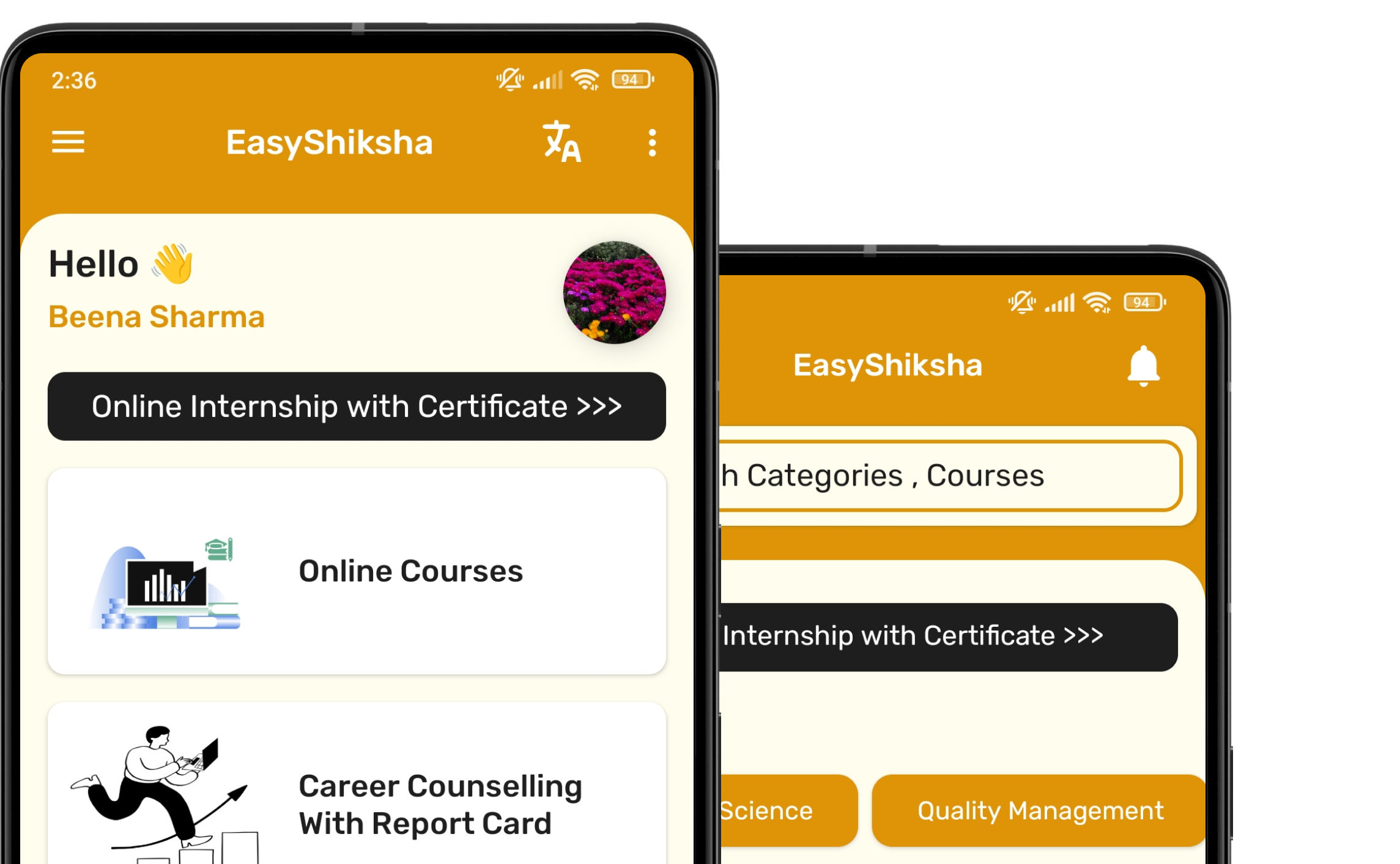
Experience the Speed: Now Available on Mobile!

Download EasyShiksha Mobile Apps from Android Play Store, Apple App Store, Amazon App Store, and Jio STB.

Curious to learn more about EasyShiksha's services or need assistance?

Our team is always here to collaborate and address all your doubts.

Message should be at least 50 characters long.