








program icon
Explore

Cloud Computing

Explore Cloud Computing university courses and programs on EasyShiksha, including degree, diploma, UG and PG options for student enrollment.

3 Programmes
3 University Partners
4.8โ˜… Avg. Rating
UGC-Recognised Degree
Industry-Aligned Curriculum
UGC-DEB Approved Online/ODL
Flexible Learning Options
Understanding Cloud Computing

What Is Cloud Computing?

Cloud Computing is a technology-focused specialization concerned with the delivery, management, and use of computing resources and digital services through network-based environments. It covers how organisations and users can work with computing infrastructure, storage, databases, applications, platforms, and other technology resources without relying solely on locally maintained systems.

Common areas associated with Cloud Computing include cloud infrastructure, virtualisation, cloud storage, networking, databases, cloud security, distributed computing, and cloud service management. Depending on the programme and university, students may also explore areas such as cloud architecture, containerisation, serverless computing, DevOps, automation, data processing, and cloud-based application development.

Cloud Computing can be relevant for students who are interested in computers, networking, software, infrastructure, digital services, and emerging technologies. The specialization can help learners develop technical and analytical skills related to designing, deploying, managing, and securing cloud-based environments.

Cloud Computing may be offered through different programme types and academic structures, so curriculum, eligibility, duration, and learning mode can vary by university and programme. At EasyShiksha, students can explore relevant university programmes and compare options based on their academic interests, career goals, programme structure, eligibility, and specialisation choices.

UGC Degree-Level Recognition
What You Get

A program that pairs recognition with real skills

UGC-Recognised Degree

Same institutional recognition as a conventional Bachelor's degree.

Industry-Aligned Curriculum

Built with Sector Skill Councils, not just academic departments.

Direct Employability

Hands-on skill components designed for job-readiness, not just theory.

Student Voices

What learners say

โ˜…โ˜…โ˜…โ˜…โ˜…

"I liked how the course connects statistics and programming with actual data problems. It made the concepts much easier to understand."

A
Ananya Sharma Data Science
โ˜…โ˜…โ˜…โ˜…

"The program gave me a good balance of management concepts and practical business knowledge. The structure was easy to follow."

V
Vivek Mehta Business Administration
โ˜…โ˜…โ˜…โ˜…โ˜…

"I was looking for something that would help me understand digital marketing beyond just social media. The specialization covered a lot of useful areas."

P
Priya Verma Digital Marketing
Career Opportunities

Explore career opportunities

Cloud Engineer

Cloud engineers work with cloud-based computing environments and help design, deploy, maintain, and manage cloud infrastructure and services. Their work can involve computing resources, storage, networking, security, automation, and application deployment.

Cloud Architect

Cloud architects design the structure of cloud environments according to technical and organisational requirements. They may work on architecture decisions involving infrastructure, applications, networking, scalability, security, and integration.

Cloud Administrator

Cloud administrators help manage cloud resources, configurations, access controls, and operational environments. Their responsibilities may include monitoring systems, managing resources, troubleshooting issues, and supporting the ongoing operation of cloud infrastructure.

DevOps Professional

DevOps professionals work to improve collaboration and automation across software development and IT operations. Cloud knowledge can support work involving automated deployment, infrastructure management, continuous integration, continuous delivery, and cloud-based application environments.

Cloud Security Professional

Cloud security professionals focus on protecting cloud-based systems, services, applications, and data. Their work may involve access management, security configuration, monitoring, risk assessment, and implementing appropriate security controls.

Cloud Developer

Cloud developers build or adapt applications to operate within cloud environments. They may work with cloud services, APIs, databases, application deployment technologies, and software development practices designed for cloud platforms.

Site Reliability Professional

Site reliability professionals work on the reliability, availability, performance, and operational management of software systems. Cloud computing knowledge can support responsibilities involving infrastructure, monitoring, automation, deployment, and system performance.

Cloud Data Professional

Cloud data professionals work with data storage, processing, and analytics environments hosted or supported through cloud infrastructure. Their work may involve databases, data pipelines, distributed processing, and cloud-based data platforms.

Career opportunities depend on qualification, technical and professional skills, practical experience, projects, certifications, specialisation, and employer requirements. Learners may also pursue postgraduate education, professional certifications, or further specialisation in areas such as cloud architecture, DevOps, cloud security, cloud development, data engineering, or infrastructure automation.


Common Questions

Frequently asked questions

What is Cloud Computing? +

Cloud Computing is a technology field focused on using computing resources and digital services through network-based environments. It can involve infrastructure, storage, databases, applications, platforms, networking, and other computing services. The specific subjects and emphasis can vary depending on the university and programme.

What does Cloud Computing cover? +

Cloud Computing covers areas such as cloud infrastructure, virtualisation, networking, storage, databases, distributed computing, and cloud security. Depending on the programme, students may also study cloud architecture, containerisation, DevOps, serverless computing, automation, and cloud-based application development.

What subjects are studied in Cloud Computing? +

Common subjects or areas may include cloud infrastructure, computer networks, virtualisation, cloud storage, databases, distributed systems, and cloud security. Depending on the university and programme, additional areas may include cloud architecture, DevOps, containerisation, serverless computing, automation, and cloud application development.

Is Cloud Computing a good choice for a technology career? +

Cloud Computing can be relevant for students interested in IT infrastructure, networking, software, systems, and digital services. It provides knowledge that can support several cloud-related career paths. However, career opportunities depend on qualification, technical skills, practical experience, projects, certifications, specialisation, and employer requirements.

What skills are required for Cloud Computing? +

Useful skills include computer fundamentals, networking, operating systems, problem-solving, analytical thinking, and an interest in IT infrastructure. Familiarity with programming, databases, virtualisation, and system administration can also be valuable. Depending on the chosen career path, learners may develop additional skills in cloud architecture, DevOps, automation, or cloud security.

What are the career options after studying Cloud Computing? +

Career options can include cloud engineer, cloud architect, cloud administrator, DevOps professional, cloud security professional, cloud developer, site reliability professional, and cloud data professional. The specific roles available depend on the learner's qualification, technical abilities, practical experience, certifications, specialisation, and employer requirements.

Can I specialise further after studying Cloud Computing? +

Yes. Learners can pursue further education, certifications, projects, or specialised training in areas such as cloud architecture, DevOps, cloud security, cloud development, data engineering, infrastructure automation, or site reliability. The most suitable pathway depends on the learner's academic background, career interests, and the requirements of the chosen professional pathway.

Can I pursue Cloud Computing through different programme types? +

Cloud Computing may be available through different programme structures and academic offerings, depending on the university. Programme level, duration, learning mode, eligibility, curriculum, and specialisation options can vary. Students should review the specific programme information provided by each university before selecting or applying to a programme.

What is the eligibility for studying Cloud Computing? +

Eligibility requirements vary by university and programme type. Depending on the programme, institutions may specify particular academic qualifications, subjects, entrance requirements, or other admission conditions. Students should check the eligibility criteria of the specific Cloud Computing programme they are considering rather than assuming that one universal requirement applies to all programmes.

How do I choose the right Cloud Computing programme? +

Students can compare Cloud Computing programmes based on university, programme type and level, curriculum, learning mode, duration, eligibility, practical learning opportunities, specialisation options, and career interests. At EasyShiksha, learners can explore relevant university programmes and compare available information to identify options that align with their academic background and professional goals.

What is Cloud Computing?

Cloud Computing is a specialization focused on computing resources and services delivered through network-based environments. It involves concepts related to infrastructure, platforms, applications, storage, networking, virtualisation, and service management. Students learn how cloud environments can be designed, deployed, managed, and secured. The exact curriculum and emphasis can vary depending on the university and programme.

What Do You Study in Cloud Computing?

Common areas of study may include cloud infrastructure, virtualisation, computer networks, cloud storage, databases, distributed computing, and cloud security. Depending on the programme, students may also study cloud architecture, containerisation, DevOps, serverless computing, automation, cloud-based application development, and data processing. The curriculum can vary by university and programme.

Why Choose Cloud Computing?

Cloud Computing can help learners develop knowledge of modern computing infrastructure and digital service delivery. It can strengthen skills in networking, systems administration, virtualisation, infrastructure management, application deployment, and security. Learners may also use this foundation to explore specialised areas such as cloud architecture, DevOps, cloud security, automation, or cloud-based software development.

Cloud Computing and Emerging Technologies

Cloud Computing is closely connected with technologies and practices such as containerisation, serverless computing, DevOps, automation, distributed systems, artificial intelligence, and data-intensive applications. Depending on the programme, students may gain exposure to these areas through coursework, practical projects, electives, or specialised modules. Cloud environments continue to evolve alongside changes in software development and digital infrastructure.

Who Should Choose Cloud Computing?

Cloud Computing may suit learners who are interested in computers, networking, software, IT infrastructure, systems, and technology management. An interest in problem-solving and understanding how digital services are deployed and managed can also be useful. Students interested in cloud infrastructure, application deployment, DevOps, cloud security, or systems administration may find this specialization relevant.

Explore Cloud Computing Programmes on EasyShiksha

At EasyShiksha, students can explore Cloud Computing programmes offered through different universities and programme types. Learners can compare available options based on university, programme type, programme level, learning mode, eligibility, duration, curriculum, and specialisation options. This can help students identify programmes that align with their academic interests and career objectives.

Ready to apply?

Browse all programmes above and start your application in minutes.

View Cloud Computing Programmes
Whatsapp Email Support

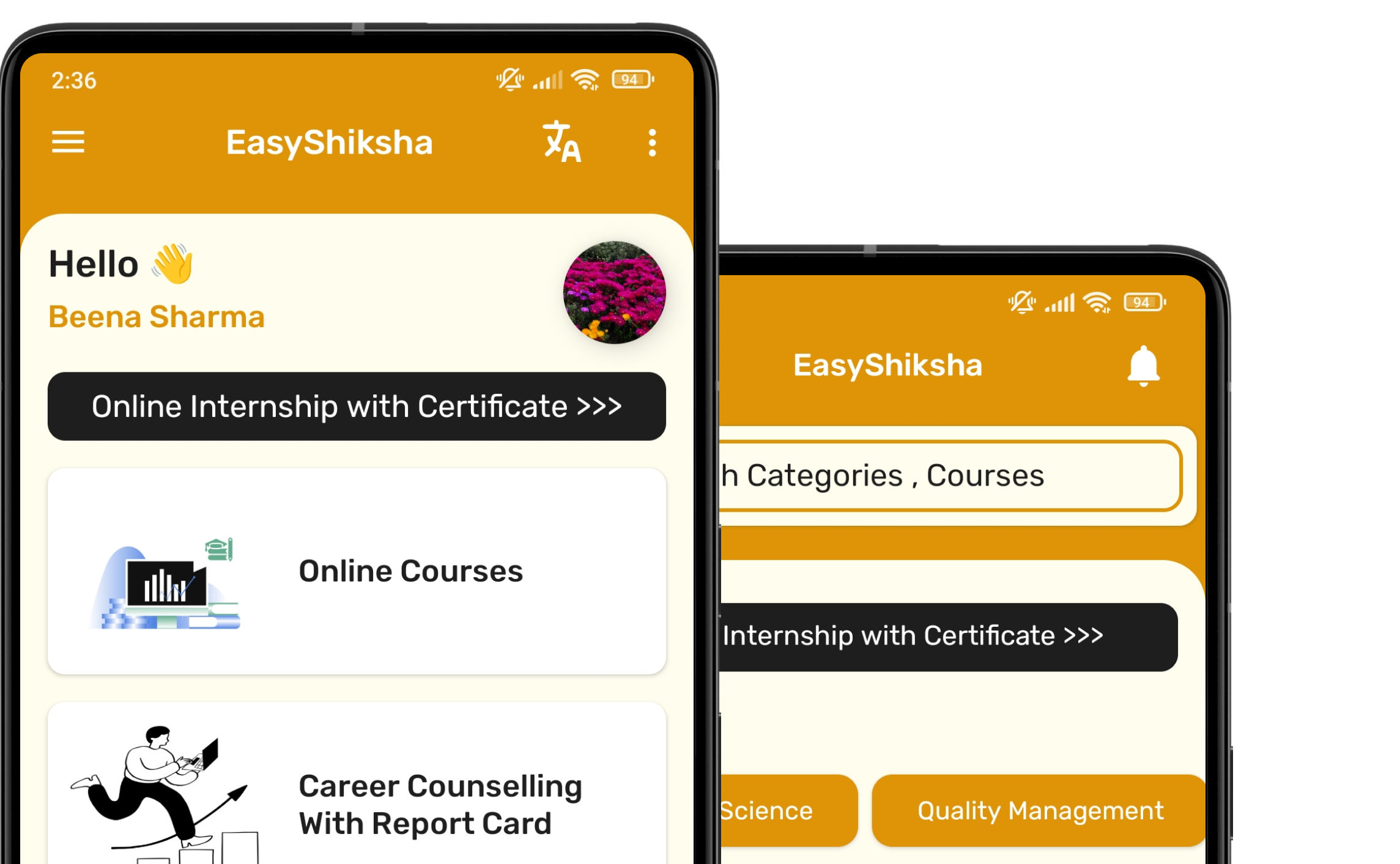
Experience the Speed: Now Available on Mobile!

Download EasyShiksha Mobile Apps from Android Play Store, Apple App Store, Amazon App Store, and Jio STB.

Curious to learn more about EasyShiksha's services or need assistance?

Our team is always here to collaborate and address all your doubts.

Message should be at least 50 characters long.