
















B.Voc in Health & Nutrition
Program Overview
The B.Voc in Health & Nutrition at Mangalayatan University is a three-year vocational undergraduate program designed around food management, nutrition, health, diet support, community nutrition, therapeutic nutrition and practical skill development. The curriculum combines general academic components with skill-development courses and practical laboratory work. Across six semesters, students progress from foundational concepts of food and nutrition to applied nutrition, community health, therapeutic diets, entrepreneurship, occupational safety and workplace training.
The first year establishes the academic and vocational foundation of the program. Students study Functional English, Development of Foundation Skills, Computer Fundamentals, Fundamentals of Food Management, Introduction to Health and Nutrition, Human Values and Ethics, Basic Food and Nutrition, Advanced Nutrition, Diabetes Education -I, Role of Diet assistant-I and Anatomy and Physiology -I. Practical learning includes food preparation, regional cuisines, nutrient-rich food sources, basic and advanced nutrition and diet-assistant laboratory work.
The second year expands the curriculum into community and therapeutic nutrition while developing personal and professional skills. Students learn Environmental Studies, Concept of Community Nutrition, Therapeutic Nutrition, Personal Hygiene, Personality Development, Fundamentals of Business, Professional Ethics, Entrepreneurship Development, Anatomy & Physiology-2 and Alternate Therapies. Practical courses include dietary assessment, therapeutic diets, budget cooking, personal grooming and body therapies.
The final year focuses strongly on workplace readiness and industry-oriented learning. Occupational Health And Safety is followed by an Internship Project, Training Report and Viva Voce, On Job Training and Project Report. The curriculum therefore combines theoretical knowledge, practical laboratory work, internship/project experience and on-the-job training within the six-semester structure.
Eligibility Criteria
The minimum eligibility for admission in B.Voc is 10+2 (in any stream) or equivalent or a two-year ITI Diploma after Class 10th or a three-year Polytechnic Diploma after Class 10th.
Approval Details
MHRD, Government of India and UGC
Curriculum
Semester I introduces students to the fundamental academic, digital, food-management and nutrition concepts required for the program. It includes six academic/skill-development subjects and three practical laboratory components for a total of 30 credits. The curriculum also specifies an Exit Option – Certificate in Health & Nutrition at this stage.
1. Functional English
This course develops English language proficiency for academic, workplace and professional communication.
Key Topics:
- Grammar and sentence structure
- Tenses, modals, active and passive voice
- Vocabulary, synonyms, antonyms and idioms
- Reading comprehension and listening skills
- Formal letters, emails, reports and resumes
- Presentations, interviews and conversational English
Credits: 4
2. Development of Foundation Skills
This subject develops self-awareness, communication, problem-solving, digital literacy and employability skills.
Key Topics:
- Self-development and personality building
- Goal setting, motivation and time management
- Verbal and non-verbal communication
- Logical thinking and problem solving
- Digital and information skills
- Resume writing, interviews and workplace skills
Credits: 4
3. Computer Fundamentals
This course introduces students to computer systems and their applications in health and nutrition.
Key Topics:
- Computer systems, hardware and software
- Input/output devices and storage
- Operating systems and file management
- MS Word, MS Excel and MS PowerPoint
- Internet and email
- Cyber safety and ethical computer use
Credits: 4
4. Fundamentals of Food Management
This subject introduces food management and its relationship with health and nutrition.
Key Topics:
- Food management concepts
- Meal planning and balanced diets
- Food purchasing and ingredient selection
- Food storage and spoilage prevention
- Food preparation and cooking methods
- Food hygiene, safety and cost control
Credits: 4
5. Introduction to Health and Nutrition
This course provides foundational knowledge of health, nutrition, nutrients and healthy living.
Key Topics:
- Dimensions and indicators of health
- Basics and classification of nutrients
- Macronutrients and micronutrients
- Balanced diet and food groups
- Malnutrition and nutrition-related health problems
- Public health nutrition and nutrition education
Credits: 4
6. Human Values and Ethics
This subject introduces human values, ethical principles and professional responsibility in health and nutrition.
Key Topics:
- Human values and personal responsibility
- Ethics and moral philosophy
- Rights, duties and ethical decision-making
- Professional ethics in health and nutrition
- Patient/client rights and confidentiality
- Social responsibility and environmental ethics
Credits: 4
7. Food Preparation Laboratory
This practical course provides hands-on exposure to food preparation activities associated with the curriculum.
Key Topics:
- Food preparation practices
- Cooking methods
- Kitchen tools and equipment
- Food hygiene and sanitation
- Recipe preparation
- Safe food-handling practices
Credits: 2
8. Regional Cuisines Laboratory
This laboratory introduces practical work related to regional cuisines.
Key Topics:
- Regional food preparation
- Ingredients and food selection
- Cooking methods
- Recipe preparation
- Hygiene and sanitation
- Practical kitchen practices
Credits: 2
9. Nutrients and their Rich Sources Laboratory
This practical course provides hands-on learning related to nutrients and their food sources.
Key Topics:
- Identification of nutrient-rich foods
- Food groups and nutrient sources
- Macronutrient-rich foods
- Micronutrient-rich foods
- Food selection
- Practical observation and documentation
Download Syllabus
Semester II develops a stronger understanding of nutrition science, diabetes education, diet-assistant responsibilities and human anatomy. It combines six theory/skill-development courses with three practical laboratories for 30 credits.
1. Basic Food and Nutrition
This subject develops detailed knowledge of foods, nutrients, balanced diets and nutrition across the life cycle.
Key Topics:
- Food and nutrition fundamentals
- Carbohydrates, proteins and fats
- Vitamins and minerals
- Balanced diet and meal planning
- Dietary guidelines
- Nutrition during infancy, childhood, adolescence, adulthood, pregnancy and ageing
Credits: 4
2. Advanced Nutrition
This course extends basic nutrition knowledge into advanced nutrient metabolism, assessment and diet planning.
Key Topics:
- Digestion, absorption and nutrient metabolism
- Advanced macronutrient nutrition
- Vitamins, minerals and antioxidants
- Nutrition in obesity, diabetes and other conditions
- Nutritional assessment
- Therapeutic diet modifications and clinical case studies
Credits: 4
3. Communication Skills in English
This course develops communication skills relevant to academic, professional and health-and-nutrition settings.
Key Topics:
- Verbal and non-verbal communication
- Listening and speaking skills
- Reading comprehension and vocabulary
- Letter, email and report writing
- Resume and cover-letter writing
- Presentation, group discussion and healthcare communication
Credits: 4
4. Diabetes Education -I
This subject introduces diabetes, glucose regulation, monitoring, nutrition and lifestyle management.
Key Topics:
- Classification and types of diabetes
- Prediabetes and risk factors
- Glucose metabolism and insulin
- Diabetes diagnosis and monitoring
- Glycemic index and glycemic load
- Meal planning, physical activity and diabetes prevention
Credits: 4
5. Role of Diet assistant-I
This course introduces the responsibilities and professional role of a diet assistant.
Key Topics:
- Introduction to dietetics
- Responsibilities of a diet assistant
- Work settings such as hospitals, clinics and community centres
- Therapeutic diets and diet modification
- Meal planning and diet support
- Food service, patient interaction and documentation
Credits: 4
6. Anatomy and Physiology -I
This subject introduces the basic organization and functioning of the human body.
Key Topics:
- Human anatomy and physiology
- Cells, tissues and body organization
- Skeletal system and joints
- Muscular system
- Circulatory system
- Heart, blood circulation and blood pressure
Credits: 4
7. Basic Food and Nutrition Laboratory
This practical course applies foundational food and nutrition concepts through laboratory activities.
Key Topics:
- Food and nutrient identification
- Basic nutrition-related practical work
- Food groups
- Nutrient sources
- Balanced-diet applications
- Practical documentation
Credits: 2
8. Advanced Nutrition Laboratory
This practical component provides applied learning related to advanced nutrition concepts.
Key Topics:
- Practical nutrition assessment
- Nutrient-related observations
- Food and nutrient analysis
- Diet-planning applications
- Practical case-based learning
- Documentation of laboratory work
Credits: 2
9. Role of Diet Assistant-I Laboratory
This practical course provides hands-on exposure to activities associated with the diet-assistant role.
Key Topics:
- Diet-support activities
- Meal and diet documentation
- Patient interaction
- Food service and kitchen practices
- Diet charts and records
- Professional hygiene and communication
Semester III moves into community nutrition, therapeutic nutrition, hygiene and professional development. It includes five academic/skill-development subjects and three practical laboratories for 30 credits. The curriculum specifies an Exit Option – Advance Diploma in Health & Nutrition after this semester.
1. Environmental Studies
This subject introduces environmental concepts, conservation, pollution and sustainable development.
Key Topics:
- Environment and human health
- Natural resources and conservation
- Ecosystems and biodiversity
- Environmental pollution
- Waste management
- Environmental protection and sustainable development
Credits: 4
2. Concept of Community Nutrition
This course introduces nutrition at the community and public-health level.
Key Topics:
- Scope of community nutrition
- Community nutrition and public health
- Community nutritional problems
- Nutritional-status assessment
- National nutrition and health programs
- Nutrition education and community intervention
Credits: 4
3. Therapeutic Nutrition
This subject introduces diet therapy and nutritional approaches related to diseases and special conditions.
Key Topics:
- Principles and scope of therapeutic nutrition
- Hospital diets and meal planning
- Diet therapy for gastrointestinal disorders
- Diet therapy for diabetes and obesity
- Diets for hypertension and cardiovascular diseases
- Diet considerations for anaemia, kidney disease, cancer and recovery
Credits: 4
4. Personal Hygiene
This course focuses on hygiene practices related to personal health, food handling, workplaces and special groups.
Key Topics:
- Personal hygiene and disease prevention
- Skin, hair, oral, eye, ear and nose care
- Clothing and environmental hygiene
- Food, water and workplace hygiene
- Prevention of food- and water-borne diseases
- Hygiene for special groups and health workers
Credits: 4
5. Personality Development
This subject develops interpersonal, communication, leadership and career-development skills.
Key Topics:
- Personality and self-awareness
- Communication and interpersonal skills
- Personal grooming and professional etiquette
- Leadership and teamwork
- Conflict management and decision-making
- Career planning, resumes and interviews
Credits: 2
6. Dietary Assessment (Lab)
This practical course provides hands-on exposure to dietary assessment methods.
Key Topics:
- Dietary assessment
- Food-intake information
- Nutrition-related data collection
- Assessment methods
- Interpretation of dietary information
- Practical documentation
Credits: 4
7. Therapeutic Diets (Lab)
This practical course applies therapeutic nutrition concepts to diet-related practical work.
Key Topics:
- Therapeutic diet preparation
- Diet modification
- Hospital diet applications
- Disease-specific diet planning
- Food selection and preparation
- Practical diet documentation
Credits: 4
8. Budget cooking (Lab)
This laboratory develops practical food-preparation skills with attention to budgeting and economical meal preparation.
Key Topics:
- Budget-oriented meal preparation
- Food selection
- Cost-conscious cooking
- Menu planning
- Food preparation techniques
- Hygiene and safe food handling
Semester IV broadens the program beyond nutrition into business, professional ethics, entrepreneurship, anatomy, alternate therapies and practical personal/body-care skills. It carries 30 credits.
1. Fundamentals of Business
This course introduces business concepts, business organizations, management and entrepreneurship.
Key Topics:
- Nature and objectives of business
- Types of business activities
- Forms of business organization
- Business environment
- Management functions
- Entrepreneurship and small-business concepts
Credits: 4
2. Professional Ethics
This subject focuses on ethical conduct and professional responsibilities in health and nutrition.
Key Topics:
- Ethics and morality
- Professional ethics
- Responsibilities toward patients and clients
- Confidentiality and privacy
- Legal and regulatory aspects
- Ethical decision-making and social responsibility
Credits: 4
3. Entrepreneurship Development
This course develops an understanding of entrepreneurship and enterprise opportunities within health and nutrition.
Key Topics:
- Entrepreneurship concepts
- Entrepreneurial opportunities in health and nutrition
- Nutrition clinics and diet consultancy
- Health food products and food-service enterprises
- Business planning and start-up processes
- Finance, marketing, government support and enterprise management
Credits: 4
4. Anatomy & Physiology-2
This subject continues anatomy and physiology with systems particularly relevant to nutrition and health.
Key Topics:
- Digestive system and nutrient absorption
- Circulatory system
- Respiratory system
- Excretory system
- Water and electrolyte balance
- Endocrine system and hormones
Credits: 6
5. Alternate Therapies
This course introduces alternate and complementary approaches to health and lifestyle management.
Key Topics:
- Concepts and scope of alternate therapies
- Yoga and naturopathy
- Ayurveda and homeopathy
- Meditation and stress-management therapies
- Acupressure and acupuncture
- Aromatherapy, music/art therapy and lifestyle modification
Credits: 4
6. Personal Grooming (Lab)
This practical course provides hands-on learning related to personal grooming.
Key Topics:
- Personal grooming practices
- Professional appearance
- Hygiene and self-care
- Grooming procedures
- Professional presentation
- Practical service practices
Credits: 4
7. Body Therapies (Lab)
This practical course provides hands-on exposure to body-therapy practices included in the curriculum.
Key Topics:
- Practical body-therapy procedures
- Preparation for body therapies
- Professional hygiene
- Safety practices
- Use of relevant tools and products
- Practical client-care procedures
Semester V focuses on workplace safety and structured industry-oriented learning. It includes Occupational Health And Safety, Internship Project and Training Report and Viva Voce, totaling 30 credits.
1. Occupational Health And Safety
This subject develops awareness of workplace hazards, safety procedures, emergency management and occupational welfare.
Key Topics:
- Occupational health and safety fundamentals
- Physical, chemical and biological hazards
- Ergonomics and workplace safety
- Personal protective equipment
- Fire, electrical and emergency safety
- First aid and accident prevention
- Occupational health laws and employee welfare
Credits: 6
2. Internship Project
This practical component provides structured exposure to workplace-oriented learning in the health and nutrition field.
Key Topics:
- Practical industry exposure
- Application of health and nutrition knowledge
- Workplace practices
- Practical project activities
- Observation and participation in relevant work
- Project documentation
- Internship report preparation
Credits: 12
The course structure identifies BVOCHN-502 Internship Project (Practical) as the Semester V internship component.
3. Training Report and Viva Voce
This practical component focuses on documenting training experience and presenting the completed work.
Key Topics:
- Training documentation
- Report preparation
- Organization of practical experience
- Presentation of work
- Viva voce
- Evaluation of training outcomes
Semester VI is the final semester and emphasizes direct workplace-oriented training and project documentation. It includes On Job Training and Project Report for a total of 30 credits.
1. On Job Training
This practical component provides structured workplace exposure and opportunities to apply vocational knowledge and skills.
Key Topics:
- Workplace-oriented practical learning
- Application of health and nutrition knowledge
- Professional work practices
- Workplace communication
- Safety and professional conduct
- Practical skill application
- Training documentation
Credits: 20
The official curriculum identifies BVOCHN-601 On Job Training (Practical) as the Semester VI training component.
2. Project Report
This final practical component focuses on documenting and presenting project work completed during the program.
Key Topics:
- Project planning and documentation
- Recording practical work
- Organization of project findings
- Report preparation
- Presentation of project work
- Final project documentation and evaluation
Fee Structure
Admission Process
Students can apply for the B.Voc Health & Nutrition programme through EasyShiksha. The complete application process is designed to make admission simple and convenient for eligible students.
Step 1: Click on Apply Now
Click the Apply Now button on the B.Voc Health & Nutrition programme page and begin your application through EasyShiksha.
Step 2: Complete Personal Information
Fill in the required personal, contact and academic details accurately in the application form.
Step 3: Upload Required Documents
Upload the required documents for eligibility and admission verification as specified during the application process.
Step 4: Pay Application Fee
Pay the applicable application fee through the available online payment options to submit your application and initiate the admission process.
Step 5: Application Review
The EasyShiksha team reviews your application and submitted documents to verify your eligibility and ensure that the required information and documents have been provided.
Step 6: University Enrollment
Once the application is successfully reviewed and the student is found eligible, EasyShiksha facilitates the enrollment process with Mangalyatan University.
Step 7: LMS Access
After successful enrollment, the student is provided access to the Learning Management System (LMS) to begin their academic journey and access the available learning resources.
Start Your Application
Ready to begin your journey in Software Development? Click Apply Now to submit your application through EasyShiksha.
Career & Placements
The B.Voc in Health & Nutrition combines nutrition science, food management, diet-assistant skills, community nutrition, therapeutic nutrition, health education, business, entrepreneurship and practical training. Based on these curriculum areas, graduates can explore opportunities in relevant health, nutrition, food-service, wellness, community and entrepreneurial settings.
Nutrition and Diet Support
- Diet Assistant – Support diet-related activities under appropriate professional supervision, including meal planning support, diet documentation and patient meal coordination.
- Nutrition Support Professional – Apply foundational nutrition knowledge in relevant health and nutrition service environments.
- Nutrition Education Assistant – Support nutrition education and health-promotion activities covered in the curriculum.
- Diet-Service Assistant – Work with food-service and diet-support activities in relevant institutional settings.
Community Nutrition and Health Promotion
- Community Nutrition Worker – Explore community-level nutrition activities involving assessment, nutrition education and intervention support.
- Nutrition Education Assistant – Assist with nutrition-awareness and healthy-lifestyle education activities.
- Community Health Program Support Professional – Explore support roles associated with nutrition and public-health programs.
- Nutrition Assessment Support Professional – Apply learning related to dietary and nutritional assessment.
The curriculum specifically covers community nutritional assessment, national nutrition and health programs, nutrition education and community intervention.
Food and Nutrition Services
- Food Service Professional – Apply knowledge of food management, meal planning, food preparation and hygiene.
- Food Management Assistant – Support food planning, purchasing, storage and preparation activities.
- Food Preparation Professional – Apply practical learning from food preparation and regional-cuisine laboratories.
- Budget Cooking Professional – Use practical knowledge of economical meal planning and budget-oriented food preparation.
Therapeutic Nutrition Support
- Therapeutic Diet Assistant – Support therapeutic diet-related activities within the scope of the diet-assistant curriculum.
- Hospital Diet-Service Assistant – Explore diet-service activities involving hospital diets, meal distribution and patient meal support.
- Clinical Nutrition Support Assistant – Apply relevant academic and practical knowledge in appropriate supervised environments.
The curriculum covers therapeutic diets for gastrointestinal, metabolic, lifestyle and other special conditions.
Wellness and Lifestyle Services
- Wellness Service Professional – Explore wellness-oriented opportunities supported by the Alternate Therapies and Body Therapies components.
- Lifestyle Management Support Professional – Apply learning related to healthy lifestyle practices, nutrition and complementary approaches.
- Body Therapy Professional – Explore relevant practical roles based on the Body Therapies (Lab) curriculum.
Food and Nutrition Entrepreneurship
- Health & Nutrition Entrepreneur – Explore entrepreneurial opportunities related to nutrition and health services.
- Nutrition Clinic Support/Enterprise Professional – The entrepreneurship curriculum specifically identifies nutrition clinics and diet consultancy as potential entrepreneurial areas.
- Health Food Business Professional – Explore business opportunities related to health food products and supplements.
- Food-Service Entrepreneur – Apply business, food management and entrepreneurship knowledge to relevant food-service enterprises.
Business and Management
- Health & Nutrition Business Executive – Apply knowledge of business organization, management and entrepreneurship.
- Food-Service Management Assistant – Explore operational roles involving food planning, service and management.
- Nutrition Enterprise Coordinator – Apply business planning, marketing and operational knowledge in relevant nutrition enterprises.
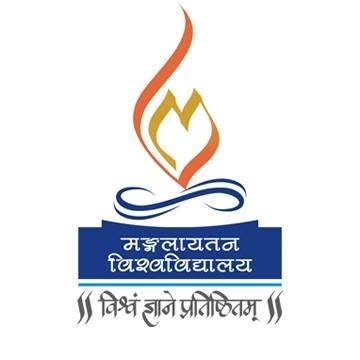
Mangalayatan University, Aligarh
Mangalayatan University is a UGC-recognized private university located in Aligarh, Uttar Pradesh, India. Known for its strong industry connections, cutting-edge curriculum, and commitment to technology-driven education, Mangalayatan University has established itself as one of central India's premier higher education institutions.
The university's vision is to foster academic excellence, industry readiness, and global competitiveness among its graduates — making it an ideal partner for EasyShiksha's mission of accessible, quality online education.
EasyShiksha has signed an MoU with Mangalayatan University to facilitate applications for various university programs and jointly offer B.Voc programs. All degrees and certifications under these programs will be awarded by Mangalayatan University. The EasyShiksha team will provide complete assistance and support throughout the admission and program process.
Mangalayatan University, Uttar Pradesh
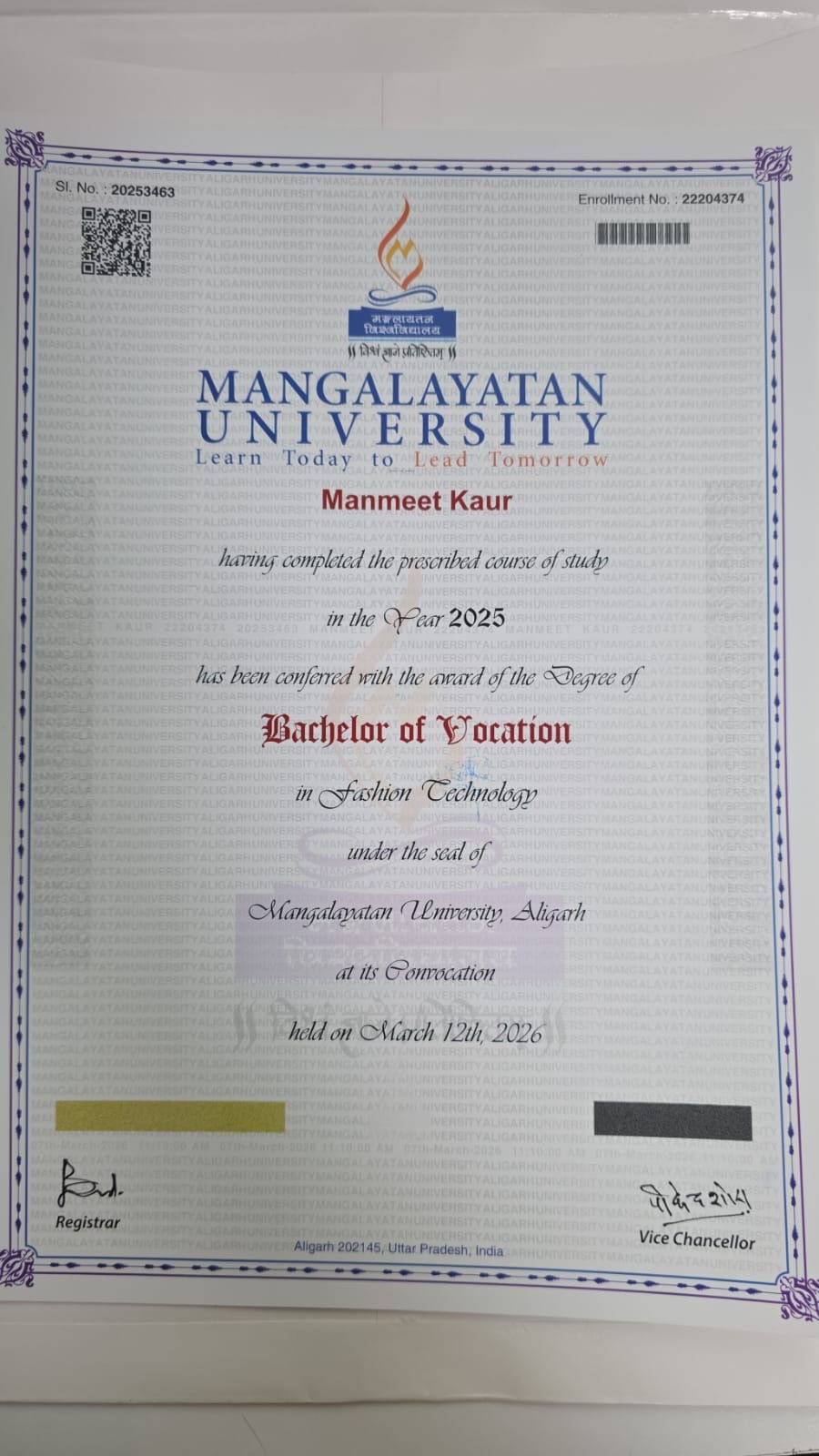
Sample Degree
Documents
Media Gallery
Frequently Asked Questions
Mangalayatan University is located at 33rd Milestone, Aligarh-Mathura Highway, Beswan, Aligarh, Uttar Pradesh, India. The campus is situated in close proximity to the Yamuna Expressway and the cities of Aligarh and Mathura.
Mangalayatan University was established in 2006 under the Mangalayatan University, Uttar Pradesh Act, 2006. The University states that it has the right to confer degrees under Sections 2(f) and 22(1) of the UGC Act.
Yes. Mangalayatan University states that it is recognized by the University Grants Commission (UGC) and was established through an Act of the Uttar Pradesh State Legislature. The University also lists NAAC A+ accreditation among its recognitions.
Yes. The University states that it is recognized by UGC-DEB for Open and Distance Learning (ODL) and is entitled by the UGC to offer online degree programmes. It also states that its online programmes are approved by AICTE.
Mangalayatan University offers programmes across multiple academic levels, including UG, PG, Diploma, PG Diploma and PhD. Its programme portfolio covers areas such as Engineering & Technology, Computer Applications, Management, Agriculture, Biotechnology, Pharmacy, Physiotherapy, Nursing, Journalism & Mass Communication and other disciplines.
Depending on the programme, applicants may be required to provide Class 10 and Class 12 certificates and marksheets, graduation/post-graduation marksheets where applicable, competitive examination rank card where applicable, migration/transfer certificate and recent passport-size photographs. Original documents may be required for verification.
Yes. The University states that students can apply for an education loan through banks, subject to the bank's eligibility criteria.
Mangalayatan University has a 70+ acre campus in Aligarh, Uttar Pradesh.
Mangalayatan University holds an A+ accreditation grade from the National Assessment and Accreditation Council (NAAC).
Yes. Mangalayatan University carries AICTE approval for its technical programmes.
The degree certificate is issued and signed directly by Mangalayatan University, rather than by EasyShiksha or another third-party platform.
The degree certificate is personalised with the student's name, programme, and completion date and carries the university's official signature and seal.
Yes. The university's campus hosts optional immersion sessions associated with select Executive and Hybrid-mode programmes.
Students can select a Mangalayatan University programme, submit their personal details and required documents, pay the application fee, and proceed through the university's application review process.
Yes. Applications submitted through EasyShiksha can be monitored through the dashboard, where applicants can view status updates such as Under Review and Accepted along with their reference ID.
The B.Voc in Health & Nutrition is a three-year vocational undergraduate program at Mangalayatan University. It consists of six semesters and 180 credits, covering food management, nutrition, health, diet assistance, community nutrition, therapeutic nutrition, practical laboratories, internship and on-the-job training.
The curriculum covers subjects such as Functional English, Computer Fundamentals, Fundamentals of Food Management, Introduction to Health and Nutrition, Basic Food and Nutrition, Advanced Nutrition, Diabetes Education -I, Role of Diet assistant-I, Anatomy and Physiology -I, Concept of Community Nutrition, Therapeutic Nutrition, Fundamentals of Business, Professional Ethics, Entrepreneurship Development, Anatomy & Physiology-2 and Alternate Therapies, along with several practical laboratories.
Yes. The program includes multiple practical laboratories, including Food Preparation Laboratory, Regional Cuisines Laboratory, Nutrients and their Rich Sources Laboratory, Basic Food and Nutrition Laboratory, Advanced Nutrition Laboratory, Dietary Assessment (Lab), Therapeutic Diets (Lab), Budget cooking (Lab), Personal Grooming (Lab) and Body Therapies (Lab). It also includes Internship Project, Training Report and Viva Voce, On Job Training and Project Report.
Students can develop skills related to food management, nutrition, meal planning, dietary assessment, therapeutic diets, diet-assistant support, food preparation, community nutrition, health education, professional communication, computer applications, entrepreneurship and workplace safety. Practical courses and training components also provide opportunities to apply these skills in vocational settings.
Graduates can explore career areas related to diet-assistant support, nutrition services, community nutrition, food management, food services, therapeutic diet support, wellness services and health-and-nutrition entrepreneurship. The specific role available to a graduate may depend on the employer, work setting and applicable professional requirements.