


















Central Govt.
Explore university courses and programs associated with Central Govt. recognition on EasyShiksha. Discover relevant degree, diploma and higher-education options across fields.
What Is Central Govt.?
The Central Government, also known as the Government of India (Union Government), is the national government responsible for matters assigned to the Union under the Constitution of India. In higher education, the Central Government plays an important role in developing national education policies, establishing and supporting central institutions, administering Union-level education bodies and creating legislation and frameworks applicable to higher education.
Central Government involvement should not be understood as a single form of approval or accreditation. Different ministries, statutory bodies and regulatory authorities may have distinct responsibilities depending on the institution, programme and academic field. For example, the Ministry of Education oversees education at the Union level, while bodies such as the UGC and other statutory or professional authorities operate within their respective legal mandates.
For students, Central Government status can be relevant when researching Central Universities and other centrally established institutions. However, government establishment, UGC recognition, programme approval and accreditation are separate concepts. Students should verify the exact status applicable to their programme and institution. At EasyShiksha, students can explore university programmes and review relevant academic information before applying.
A program that pairs recognition with real skills
UGC-Recognised Degree
Same institutional recognition as a conventional Bachelor's degree.
Industry-Aligned Curriculum
Built with Sector Skill Councils, not just academic departments.
Direct Employability
Hands-on skill components designed for job-readiness, not just theory.
Universities offering these programs
Compare accreditation and programme count before choosing where to apply.

 Kalinga University
Kalinga University
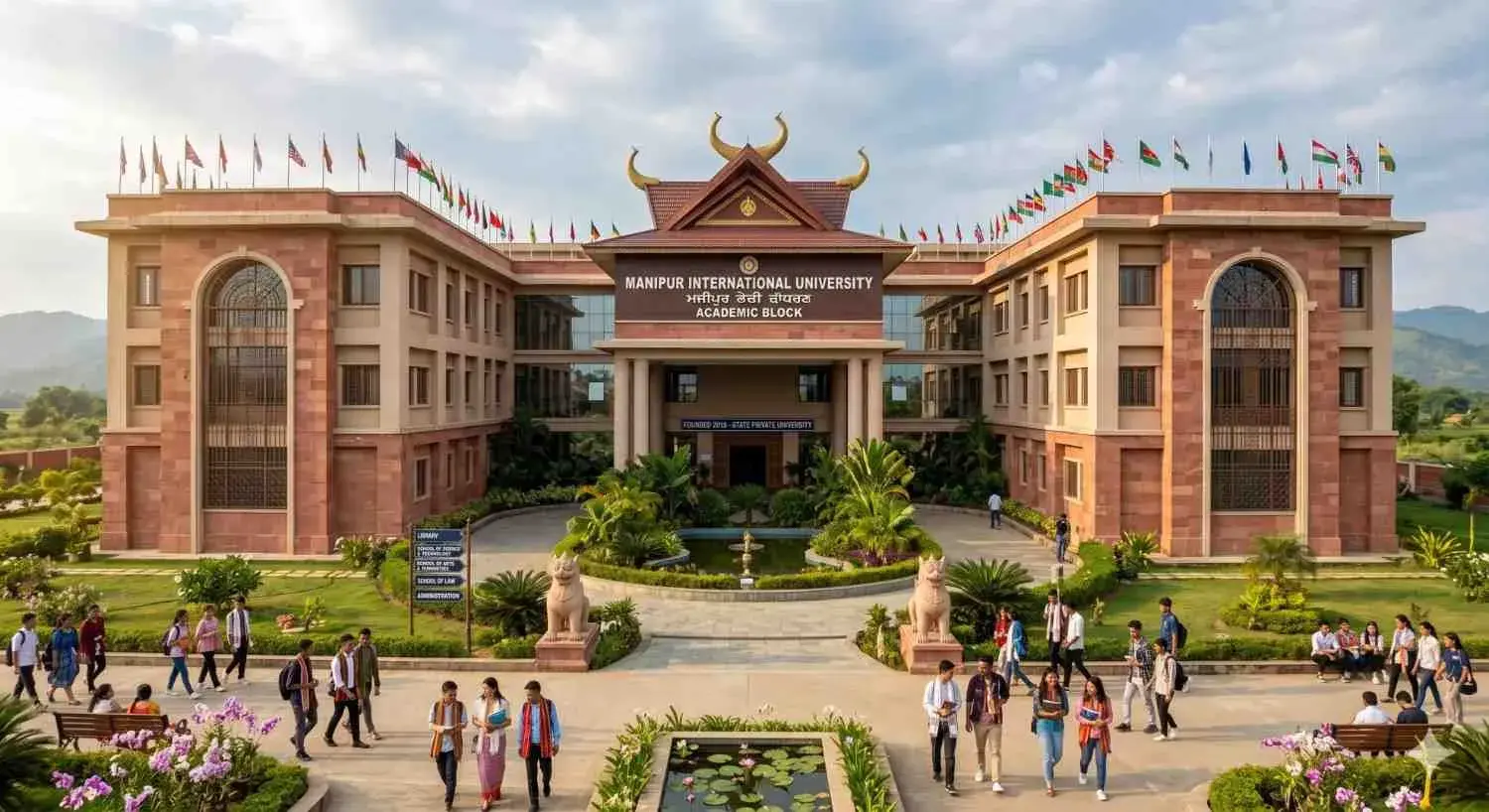
 Manipur International University
Manipur International University

 Mangalayatan University
Mangalayatan University

 GLA University
GLA University

 Vivekananda Global University
Vivekananda Global University
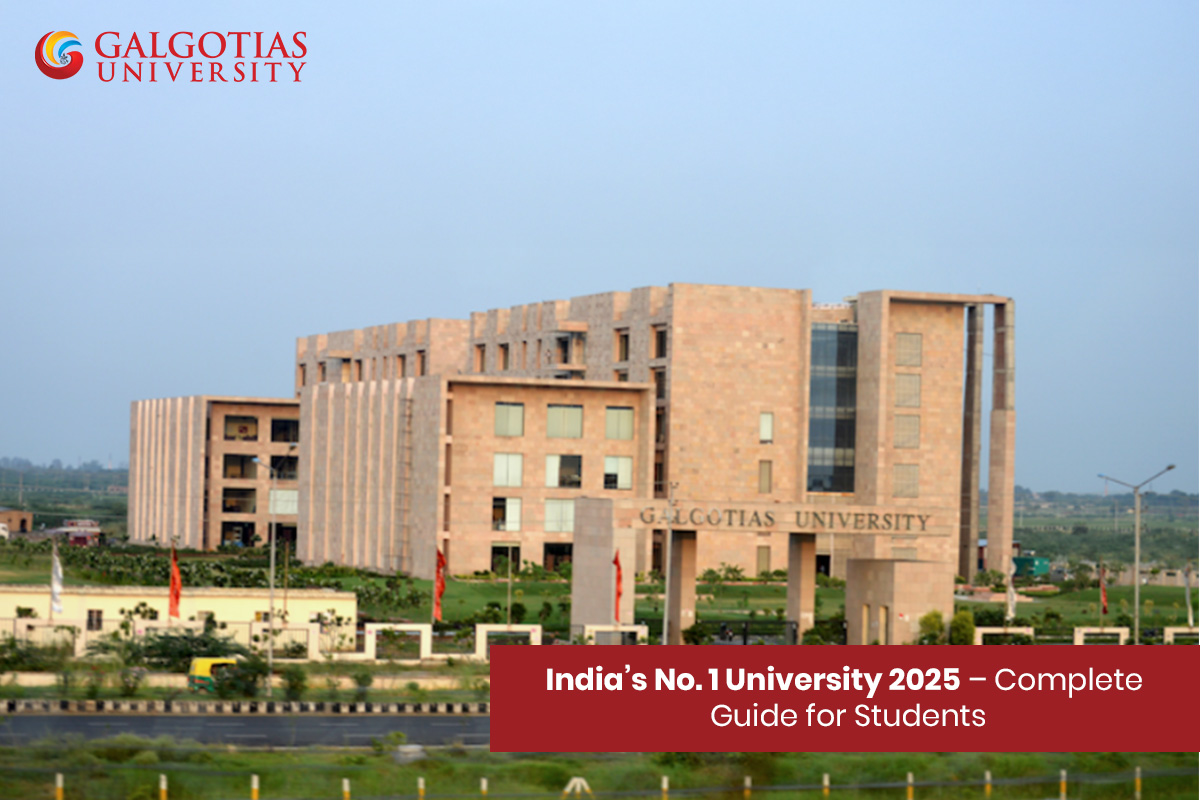
 Galgotias University
Galgotias University

 Alliance University
Alliance University

 Lovely Professional University
Lovely Professional University

 Dr. D. Y. Patil Vidyapeeth Pune
Dr. D. Y. Patil Vidyapeeth Pune

 Uttaranchal University
Uttaranchal University

 Shoolini University
Shoolini University

 Sharda University
Sharda University

 Parul University
Parul University

 Amity University
Amity University

 Chandigarh University
Chandigarh University

 Sikkim Manipal University
Sikkim Manipal University

 Manipal University Jaipur
Manipal University Jaipur

 University of Petroleum and Energy Studies
University of Petroleum and Energy Studies

 Assam down town University
Assam down town University

 Christ University
Christ University

 Mata Tripura Sundari Open University
Mata Tripura Sundari Open University

 Amrita Vishwa Vidyapeetham
Amrita Vishwa Vidyapeetham
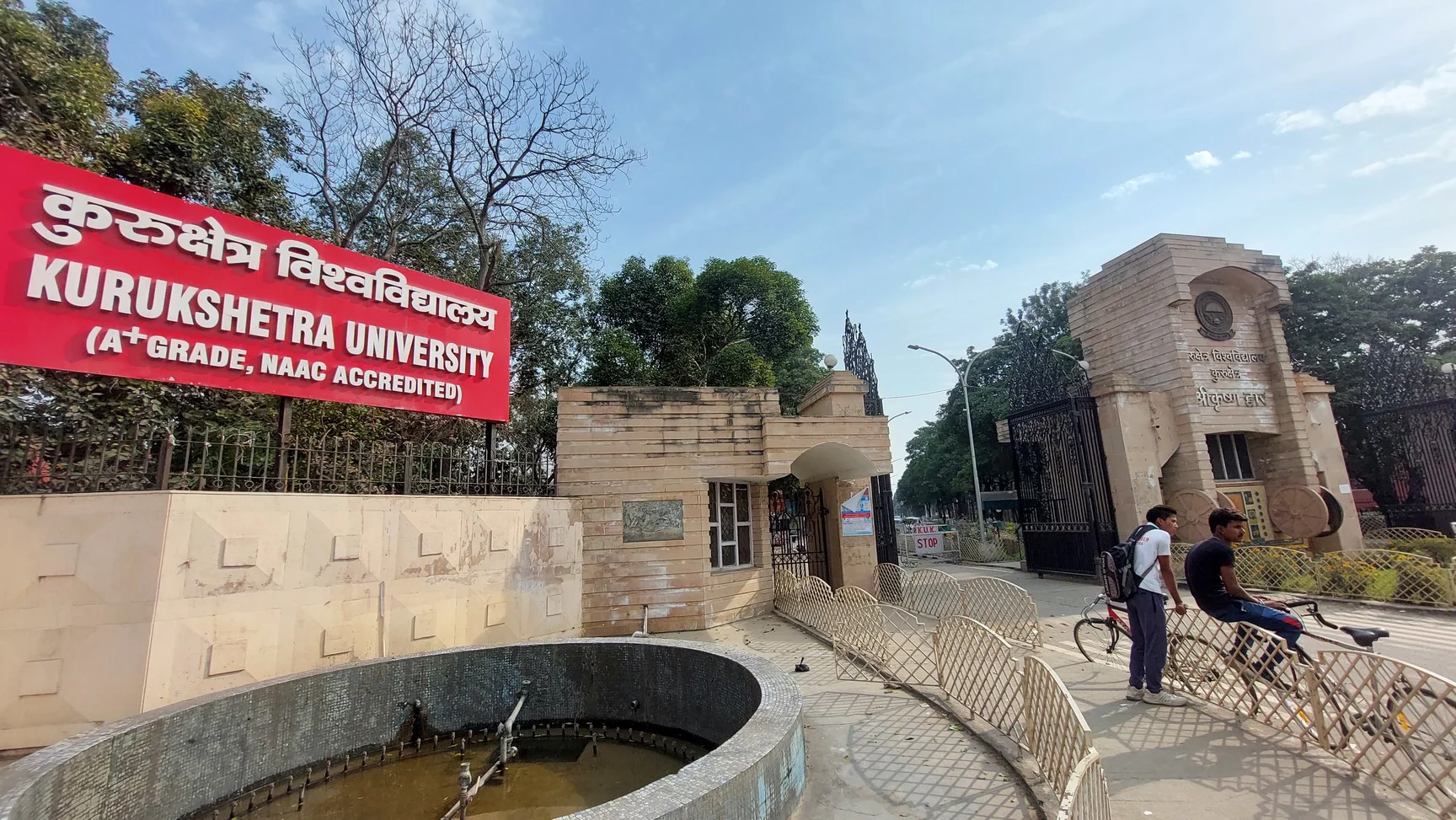
 Kurukshetra University
Kurukshetra University

 Andhra University
Andhra University

 Dr. D. Y. Patil Vidyapeeth Mumbai
Dr. D. Y. Patil Vidyapeeth Mumbai
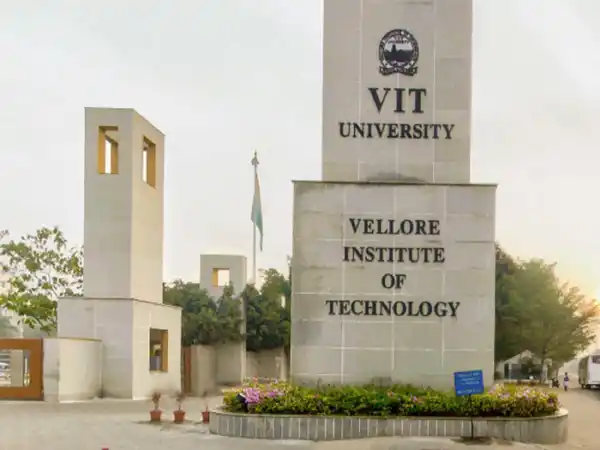
 Vellore Institute of Technology
Vellore Institute of Technology

 Bennett University
Bennett University

 SVKM's Narsee Monjee Institute of Management Studies (NMIMS)
SVKM's Narsee Monjee Institute of Management Studies (NMIMS)

 MK University Patan
MK University Patan

 Duke International University
Duke International University

 Atal Bihari Vajpayee Skill University
Atal Bihari Vajpayee Skill University

 Sikkim Global Technical University
Sikkim Global Technical University

 Swami Vivekanand Subharti University
Swami Vivekanand Subharti University
What learners say
"I liked how the course connects statistics and programming with actual data problems. It made the concepts much easier to understand."
"The program gave me a good balance of management concepts and practical business knowledge. The structure was easy to follow."
"I was looking for something that would help me understand digital marketing beyond just social media. The specialization covered a lot of useful areas."
Frequently asked questions
What does Central Government mean in higher education? +
Central Government refers to the Government of India, also known as the Union Government. In higher education, it has responsibilities relating to national education policy, legislation, administration and centrally established institutions. Its role should be distinguished from the specific regulatory or accreditation functions performed by statutory and professional bodies.
Is Central Government an accreditation body? +
No. The Central Government is not a single accreditation body. It performs governmental functions such as policy-making, legislation, administration and establishment of institutions. Accreditation may be undertaken by specialised bodies such as NAAC or NBA, depending on whether institutional or programme-level accreditation is involved.
How are Central Universities established? +
Central Universities are established through Acts of Parliament. They form a distinct category of universities in India's higher-education system. Students can verify the relevant university information through the UGC's official resources.
Does Central Government approval mean a university is UGC recognised? +
Not automatically. Government establishment and UGC recognition are distinct concepts. Students should verify the university's legal status and relevant UGC information separately. A statement referring to Central Government involvement should not by itself be treated as proof of every applicable recognition or approval.
Does Central Government status apply to every programme offered by a university? +
No. A university's establishment by Parliament or its association with the Central Government does not automatically mean every programme has all applicable approvals or accreditations. Certain programmes can be subject to additional requirements from specialised statutory or professional regulatory bodies.
What is the difference between a Central University and a State University? +
A Central University is established by an Act of Parliament, while a State University is established by an Act of the concerned State Legislature. Both are categories of universities recognised within India's higher-education framework, but their legal establishment comes from different legislative authorities.
Does Central Government status guarantee degree validity? +
Students should not treat Central Government involvement alone as a blanket guarantee of degree validity. They should verify the university's legal establishment, applicable UGC status, degree-awarding authority and any programme-specific regulatory or professional requirements.
Does Central Government approval guarantee employment or government jobs? +
No. Central Government establishment or involvement does not guarantee employment, salary, placement or a government job. Career eligibility depends on the applicable recruitment rules, qualification requirements, competitive examinations, professional regulations and other conditions established by the relevant employer or authority.
How can students verify a Central University? +
Students should check the university's establishing Act of Parliament and verify its category and relevant status through the UGC's official university information. They should also check programme-specific approvals, accreditation and professional regulatory requirements wherever applicable.
Should students check Central Government status before choosing a university? +
Yes, particularly when considering a Central University or another institution established under central legislation. Students should examine the institution's legal status and then separately verify UGC recognition, programme-specific approval or accreditation, learning mode, eligibility and other applicable requirements before enrolling.
What is Central Government?
The Central Government of India, also called the Union Government, is the national government of India. Its powers and responsibilities are defined by the Constitution of India, including matters placed within the Union's legislative and administrative domain.
In higher education, the Central Government has responsibilities relating to national education policy, Union-level legislation, centrally established institutions and the administration of education-related ministries and statutory frameworks.
A key example is the establishment of Central Universities. These universities are established by an Act of Parliament rather than by a State Legislature. The University Grants Commission (UGC) identifies Central Universities as a distinct category within India's higher-education system. (ugc.gov.in)
Therefore, "Central Government" should not be treated as a single accreditation or approval authority. Its role can involve policy, legislation, administration, funding and establishment of institutions, while specific regulatory, recognition or accreditation responsibilities may belong to separate statutory bodies.
Role of Central Government in Higher Education
The Central Government has an important role in shaping India's national higher-education framework. Through the Ministry of Education and other relevant ministries and departments, it contributes to policy development, legislation, administration and support for institutions under the Union's jurisdiction.
Central Universities are established through Acts of Parliament, and the Central Government has an important role in their administration and institutional framework. The UGC separately maintains information on Central Universities and other recognised categories of higher-education institutions. (ugc.gov.in)
The Central Government also establishes or administers institutions and organisations dealing with particular academic, technical, professional or research areas. Depending on the field, separate statutory or regulatory bodies may prescribe standards, recognition requirements or programme-specific conditions.
This distinction is important because Central Government establishment does not mean that every programme automatically carries every applicable approval or accreditation. Institutional status, UGC recognition, programme approval and professional accreditation should be checked separately.
Why is Central Government Important for Students?
Central Government involvement can be significant when students are researching institutions established through Acts of Parliament, particularly Central Universities and other centrally established higher-education institutions.
Understanding the institution's legal basis can help students distinguish between different categories of universities. However, students should not rely solely on a statement such as "Central Government approved."
Students should verify the institution's legal establishment, applicable UGC status and the regulatory requirements associated with their particular programme. Professional programmes may have additional requirements from the relevant professional or statutory authority.
Central Government status also does not guarantee admission, employment, placement or any particular career outcome. Students should evaluate programmes according to their own eligibility, academic objectives and applicable regulations.
Central Government and University/Programme Selection
When evaluating a centrally established institution or a programme associated with Central Government, students should check:
- Whether the institution is established under an Act of Parliament
- Its relevant UGC status
- University recognition and degree-awarding authority
- Specific programme approvals, where applicable
- Programme-level accreditation, where relevant
- Professional council or regulator requirements
- Learning mode and applicable regulations
- Academic session covered by the relevant approval or recognition
- Eligibility and admission requirements
- Any programme-specific statutory conditions
Students can use the UGC's official university information to understand the category and status of universities, including Central Universities. (ugc.gov.in)
Explore Programmes on EasyShiksha
At EasyShiksha, students can explore university programmes and compare relevant academic information before applying. Learners can review universities, programmes, specialisations, learning modes, duration and other academic details according to their educational goals.
For students considering a Central University or another centrally established institution, Central Government status can be an important part of institutional research. Students should nevertheless verify UGC status, programme-specific approvals or accreditation, eligibility and other applicable regulatory requirements before making an academic decision.
Ready to apply?
Browse all programmes above and start your application in minutes.
View Central Govt. Programmes


















