








Robotic Process Automation: Logic, Governance & Enterprise Strategy
Master RPA to design scalable workflows, enforce governance, and lead enterprise automation that boosts efficiency, compliance, and ROI.
#1 Most Popular Online Course & Internship in Artificial Intelligence You can enroll today & get certified from EasyShiksha & HawksCode.
 Build real-world projects
Internship with certificate
Resume-ready experience
Beginner to advanced
Lifetime access
Interview prep included
Build real-world projects
Internship with certificate
Resume-ready experience
Beginner to advanced
Lifetime access
Interview prep included
 Updated October 19, 2026
Join 5,00,000+ students already enrolled worldwide
No risk — 30-day full refund guarantee
Start instantly after payment — access in seconds
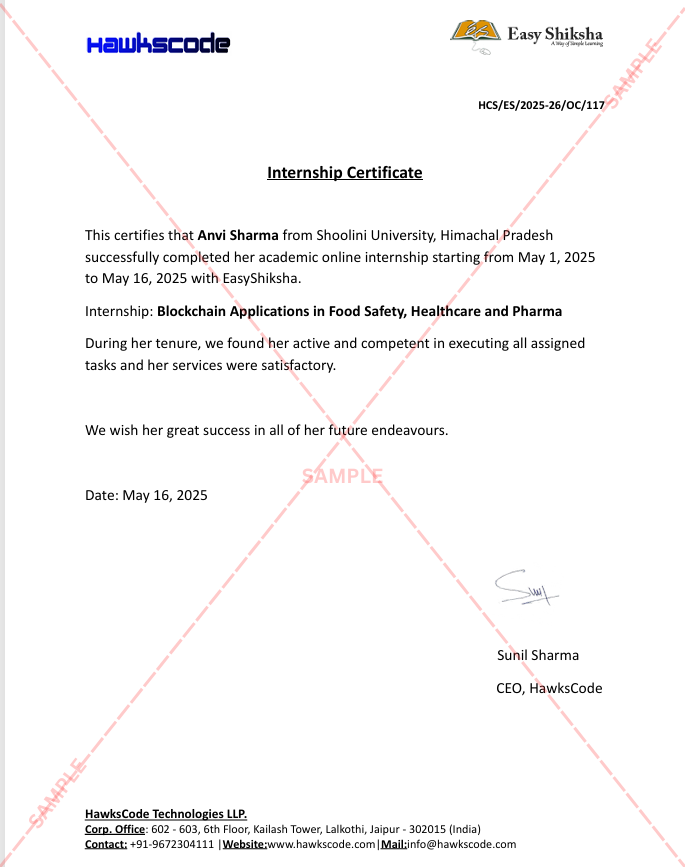
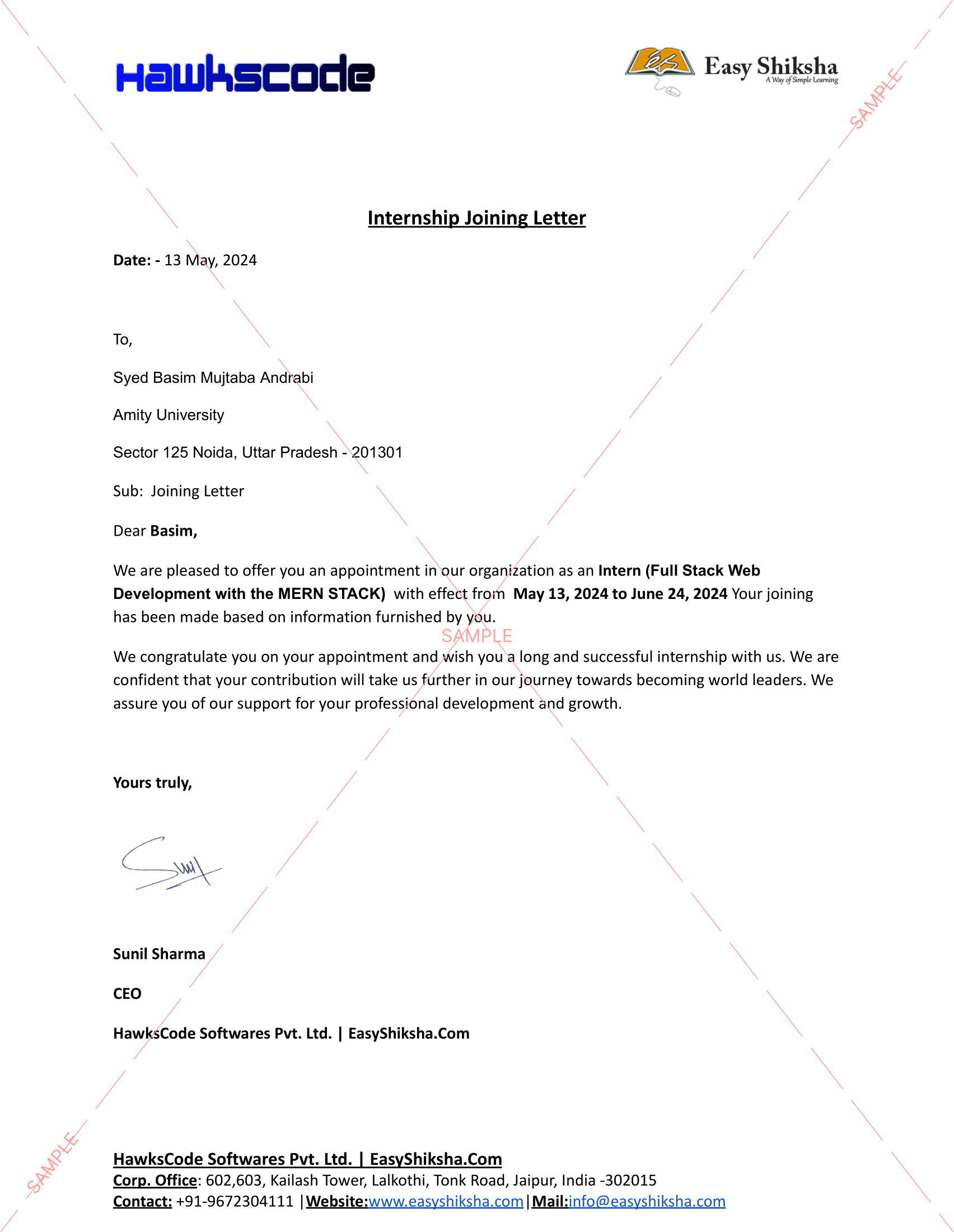
Certificate + Internship Joining Letter included
Updated October 19, 2026
Join 5,00,000+ students already enrolled worldwide
No risk — 30-day full refund guarantee
Start instantly after payment — access in seconds
Certificate + Internship Joining Letter included

 Free Preview
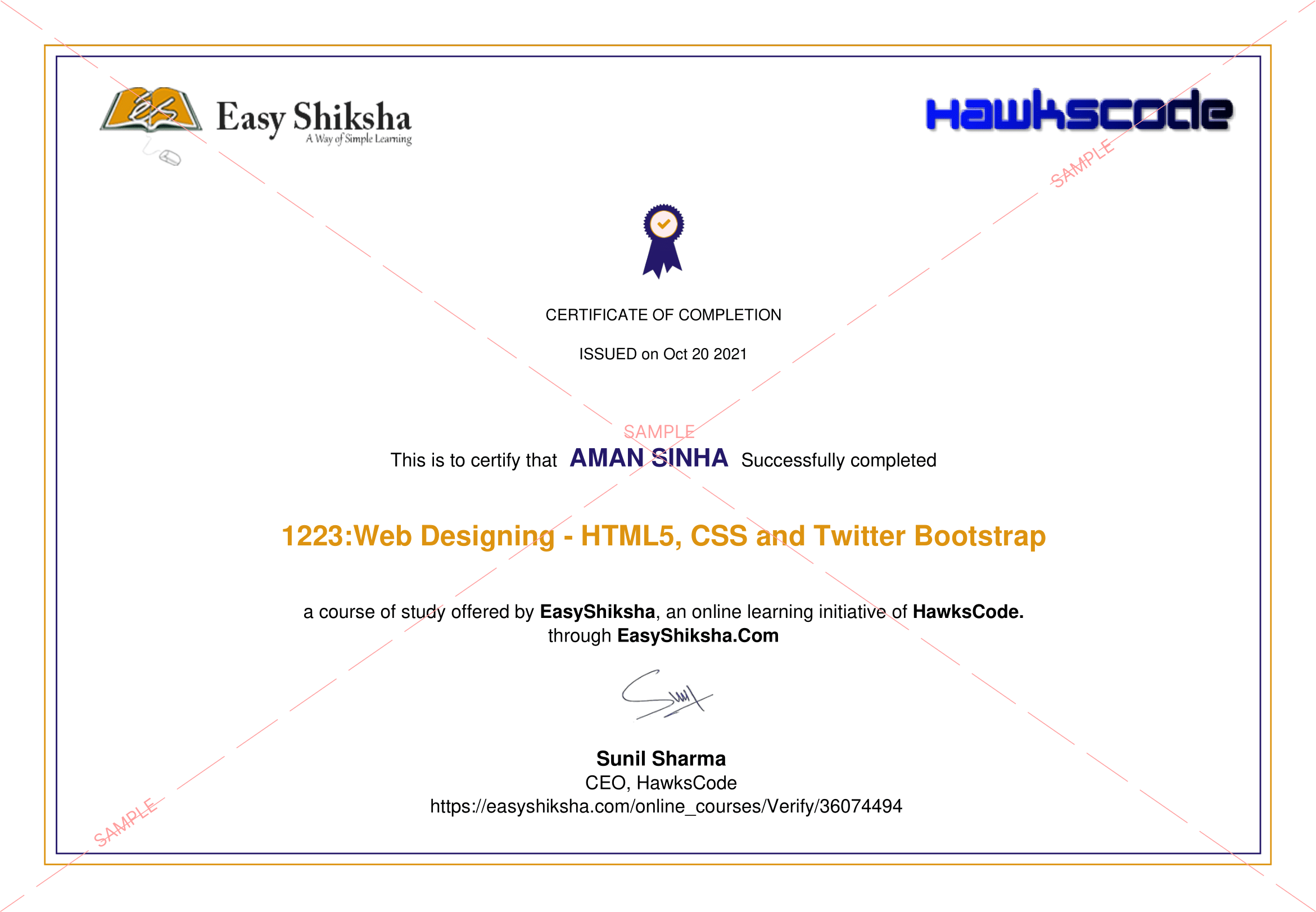 101 On-demand Videos
 Internship Joining Letter
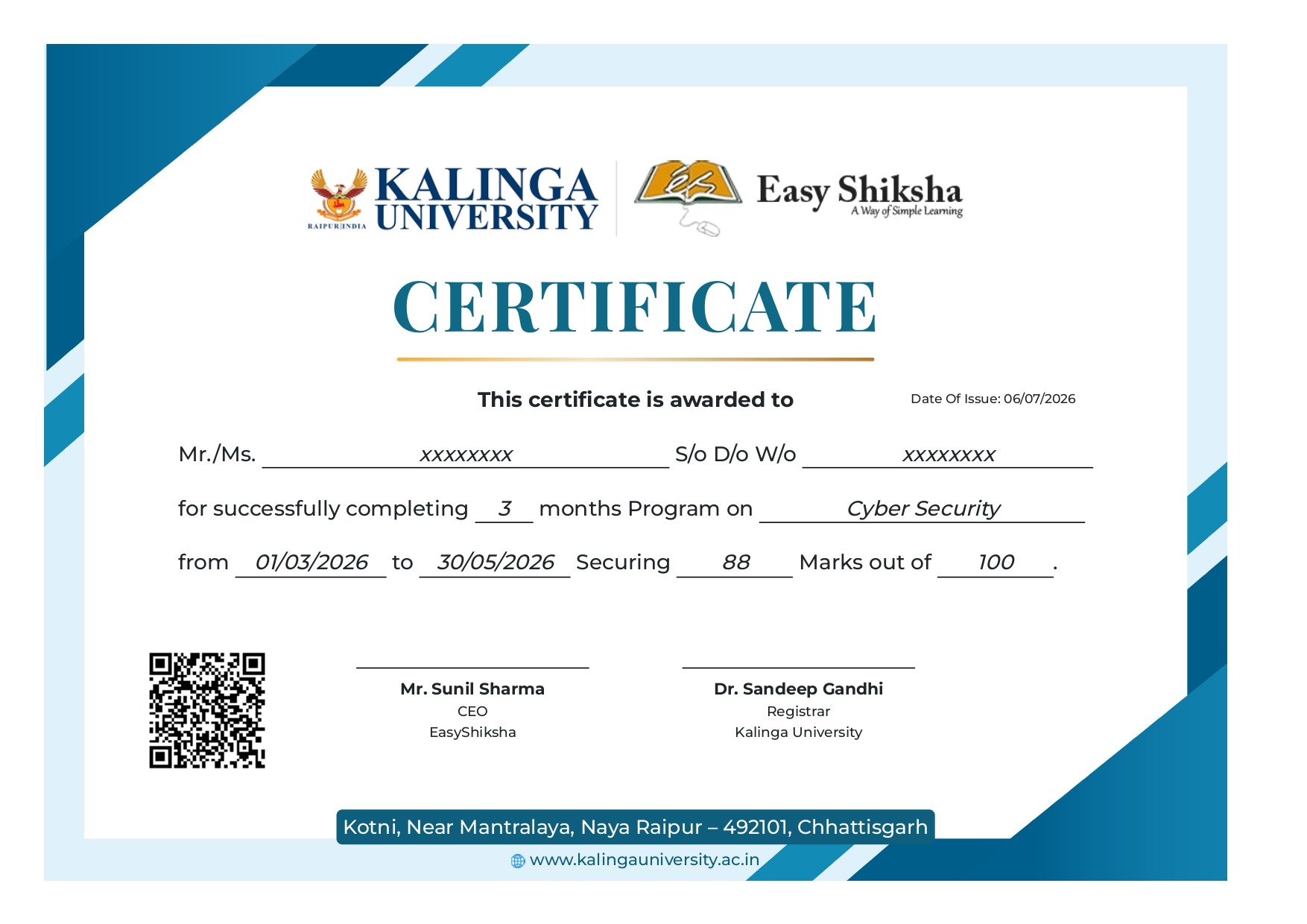
 2 Certificates (Course + Internship)
 Lifetime Access
 1 Quiz + Assignments
 Mobile & Desktop Access




Why This Course and Internship Stands Out
See exactly what separates EasyShiksha students from everyone else
 Watching scattered YouTube
videos with no structure
No certificate — nothing to show
employers
No internship experience on
resume
Wasting months without clear
direction
Struggling to stand out in job
applications
No proof of practical skills
Structured, beginner-to-advanced
learning path
Verified certificate — shareable
on LinkedIn
Real internship offer letter for
your resume
Go from zero to job-ready in one
programme
Resume-ready experience before
graduation
Practical projects you can show
any recruiter
Watching scattered YouTube
videos with no structure
No certificate — nothing to show
employers
No internship experience on
resume
Wasting months without clear
direction
Struggling to stand out in job
applications
No proof of practical skills
Structured, beginner-to-advanced
learning path
Verified certificate — shareable
on LinkedIn
Real internship offer letter for
your resume
Go from zero to job-ready in one
programme
Resume-ready experience before
graduation
Practical projects you can show
any recruiter
Internship Opportunity Included With This Course
"This is not just a course — it's real career experience. Walk away with documents that prove your skills to any employer."




This Course is Perfect For
Whether you're starting from scratch or switching careers — this course is designed with your success in mind.








This course uses elements of Artificial IntelligenceHave you ever wondered why some organizations outpace their competitors not just by adopting new technologies, but by fundamentally transforming the way their processes operate? The key lies in the evolving world of Robotic Process Automation (RPA) and its powerful combination of business logic, governance, and enterprise-scale agility. In an era when global disruption and relentless digital acceleration are the norm, mastering RPA is more than just a technical advantage—it’s the cornerstone of organizational resilience, operational excellence, and future-ready leadership.
Welcome to the premier course on Robotic Process Automation Logic, Governance, and Enterprise Transformation—a comprehensive journey designed to empower you to become a catalyst for change in the landscape of modern business. Guiding you with the expertise gained from architecting large-scale automation initiatives across multiple industries, our team brings you actionable insights, hands-on skill-building, and inside access to best practices that drive sustainable transformation.
Why choose to upskill in RPA now? Automation is redefining every facet of business strategy as organizations race to unlock efficiency, eliminate human error, and scale operations with precision. As digital-first operations become the standard across industries—finance, healthcare, logistics, retail, and government—the demand for professionals fluent in automation logic and strategic oversight is soaring. But success takes more than the ability to “drag and drop” software robots; it demands a holistic understanding of process design, change management, compliance, and the human dimensions of digital transformation.
Your Learning Journey: More than “How”—Discover the “Why,” “What,” and “What’s Next” of Automation
From the very first module, you’ll be immersed in the evolution of business automation, tracing its path from manual labor to digital intelligence. You’ll see through real-world case studies how early adopters translated repetitive processes into scalable workflows, and why RPA emerged not merely as a tool, but as a vital strategic lever for modern enterprises.
You’ll explore the anatomy of automatable tasks within organizations—gaining fluency in distinguishing between rules-based and unstructured processes, and appreciating the logic-driven workflows that outperform improvisation and reduce errors. As you analyze tangible examples like automated invoice processing and reconciliation, our practical approach ensures that theoretical concepts become intuitive and actionable.
One of the distinguishing features of our course is our deep dive into the logic and decision models that underpin all effective automation. We break down triggers, sequential and parallel flows, conditional logic, and branch management, empowering you to confidently translate even the most nuanced manual decisions into robust, digital workflows. Through hands-on exercises and case studies—such as automation logic for customer onboarding—you’ll develop a toolkit of decision-making models you can apply in any organizational context.
As process abstraction and modularization take center stage, you will learn to architect scalable, reusable components. Moving far beyond basic task automation, you’ll master modular design patterns—building workflows that are adaptable, maintainable, and extensible across departments and geographies. Our guided examples draw on complex domains like insurance claims and underwriting, giving you the breadth needed to generalize skills for any industry.
What truly sets this course apart is our unwavering emphasis on enterprise-grade governance, compliance, and the human side of automation. You’ll gain step-by-step experience in workflow mapping, process documentation, identifying process exceptions, and collaborating with subject matter experts—a sure way to build credibility and effectiveness in cross-functional teams. Explore real-world applications like HR onboarding automation, and practice mapping complex processes to ensure your foundational logic supports robust RPA deployment.
Recognizing that success at scale introduces new challenges, we guide you through designing automation logic that’s both centralized and decentralized, with practical insights on orchestration, exception management, and optimization. You’ll study the architecture of retail order fulfillment automation and see how layered workflows can turbocharge throughput without sacrificing manageability or transparency.
The course goes beyond surface-level mechanics to address the make-or-break elements of data handling, exception management, and regulatory governance. You’ll learn techniques for validating inputs, handling data anomalies, and enforcing data integrity—skills that are compulsory in today’s risk-averse business climate. Delve into sector-specific issues, with case studies from financial services, healthcare, and banking to contextualize legal, ethical, and privacy constraints inherent to automation.
Our governance modules are your blueprint for building secure, compliant, and auditable automation programs. You’ll discover how to establish policy frameworks, monitor compliance, and define clear roles among governance leaders, process owners, and centers of excellence. This is not just about following regulations—it’s about futureproofing automation initiatives and ensuring they become integral to organizational DNA.
Prepare for Organizational Transformation
We bring the human dimension of automation to life by focusing on change management, workforce adaptation, and communication strategies that secure enterprise buy-in. Through case studies in global communications and frontline automation, you’ll practice implementing phased rollouts, supporting upskilling, and managing organizational resistance with empathy and strategy. Learn how RPA shifts process ownership, reshapes reporting lines, and establishes new roles with clear accountability—from automation champions to domain-specific governance bodies.
A unique highlight of the course is the use of practical, project-based assessments that mirror real consulting scenarios. You’ll build a portfolio of work including end-to-end process maps, modular workflow designs, exception-handling frameworks, and comprehensive RPA strategy documents—portfolio-ready outcomes you can showcase to future employers or cross-functional teams. Each assignment is crafted to reinforce your ability to identify, articulate, and solve real automation challenges, making you an indispensable asset in automation initiatives.
Measure, Optimize, and Scale for Maximum Enterprise Value
Data-driven value realization is at the heart of elite RPA programs. We equip you with the skills to define, measure, and communicate return on investment for automation—expanding beyond simple cost savings to include metrics on compliance, error reduction, cycle time, and customer satisfaction. Our continuous improvement frameworks ensure you can instrument, monitor, and adjust automated processes for ongoing operational excellence.
You’ll be challenged to tackle complexity—managing dependencies with legacy systems, designing for adaptability, and establishing strong version control and continuous improvement loops. By the course conclusion, you’ll have mastered scaling methodologies for global automation portfolios, ready to balance ambition with robustness and mitigate interaction effects and unintended consequences.
Ethics, Legalities, and the Social Impact of Automation
As organizations grapple with workforce displacement and ethical dilemmas, your expertise in balancing transparency, fairness, privacy, and legal compliance will set you apart. We delve into cross-jurisdictional data protection, industry-specific legal frameworks, and real-world scenarios from the public sector, empowering you to understand and shape the discourse around responsible automation.
Strategic Alignment and Next-Generation Automation—The AI Inflection Point
Go beyond conventional RPA to master automation planning that is strategically linked to digital transformation roadmaps. Learn to gauge organizational readiness, prioritize high-impact processes, and balance quick wins with systemic change for sustained value—solid skills for leaders in logistics, supply chain, and beyond.
As automation intersects with artificial intelligence and advanced analytics, our forward-looking modules help you differentiate rule-based logic from intelligent process automation. You’ll explore how AI and analytics are revolutionizing customer experience, fraud detection, and process mining, plus the risks and governance issues that follow. By examining thought leadership and breakthrough case studies from industry pioneers, you’ll emerge not just as a practitioner, but as a visionary.
Resilience, Collaboration, and Real-Time Optimization
To ensure the sustainability of transformation, we dedicate entire modules to business continuity, disaster recovery, and building resilient, failover-enabled automated workflows—a critical edge in today’s unpredictable landscape. Our team draws on practical lessons in cross-functional collaboration between business and IT, giving you proven strategies for requirement gathering, agile feedback, and rapid delivery pipelines. With continuous improvement lifecycles and proactive monitoring, you’ll discover how to keep your automation ecosystem tuned for evolving business demands.
Why This Course Is Your Competitive Edge
This is not just another RPA “how-to.” Our course blends time-tested principles with the latest trends across automation logic, enterprise governance, ethical frameworks, and organizational transformation. By combining foundational theory with hands-on portfolio development, real-world case analyses, interactive assessments, and capstone projects, we guarantee that you will leave with both strategic vision and operational mastery.
Whether you are an aspiring automation architect, a business analyst, an operations manager, or a technology leader, you will find in these lessons an integrated, end-to-end path from conceptual understanding to implementation excellence. Our curated journey touches on every skillset needed—from process mapping and modularization to governance, compliance, AI integration, and continuous optimization.
Our team’s commitment is to deliver the most up-to-date, relevant, and actionable content, empowering you to anticipate trends, overcome obstacles, and deliver enterprise-wide impact. With SEO-rich modules covering Robotic Process Automation, workflow logic, enterprise governance, automation strategy, process mining, digital transformation, regulatory compliance, AI integration, and ethical automation, this course stands as the definitive resource for those seeking mastery in the new era of business automation.
Join us and secure your place at the vanguard of enterprise evolution. Start your journey today—where automation logic meets governance, and transformation becomes your professional signature.
 Unlock 99 More Lessons + Internship Access

 Missing this = losing the internship credential Missing this = losing your early-access advantage Missing this = falling behind candidates who did enroll



.svg?v1)
 Chat with us first →
 UPI
UPI
 Wallets
 Debit/ Credit card
 NetBanking
 EMIs
101 On-demand Videos Course Completion Certificate
Internship Certificate
Internship Joining/Offer Letter
Letter of Appreciation (LOA)
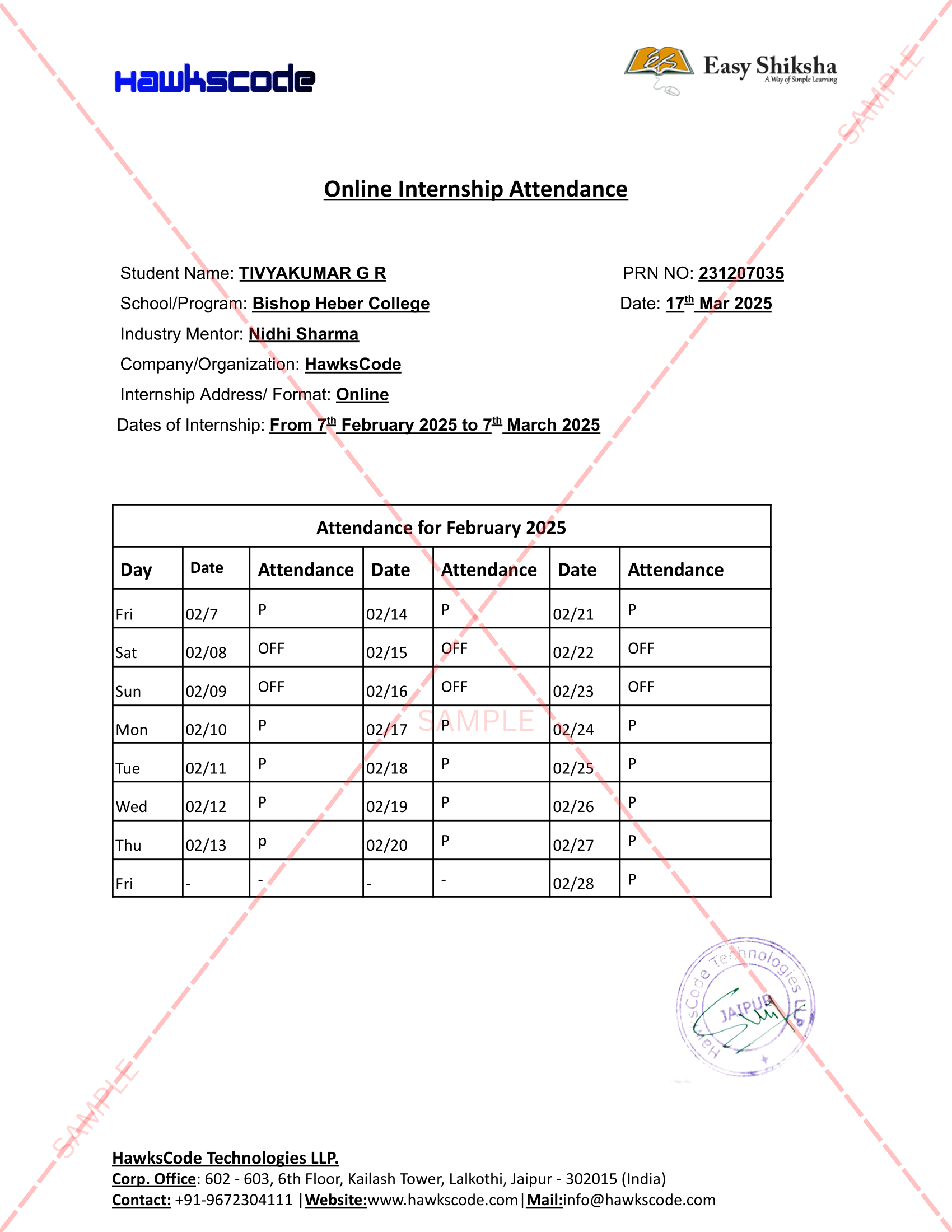
Internship Attendance Report
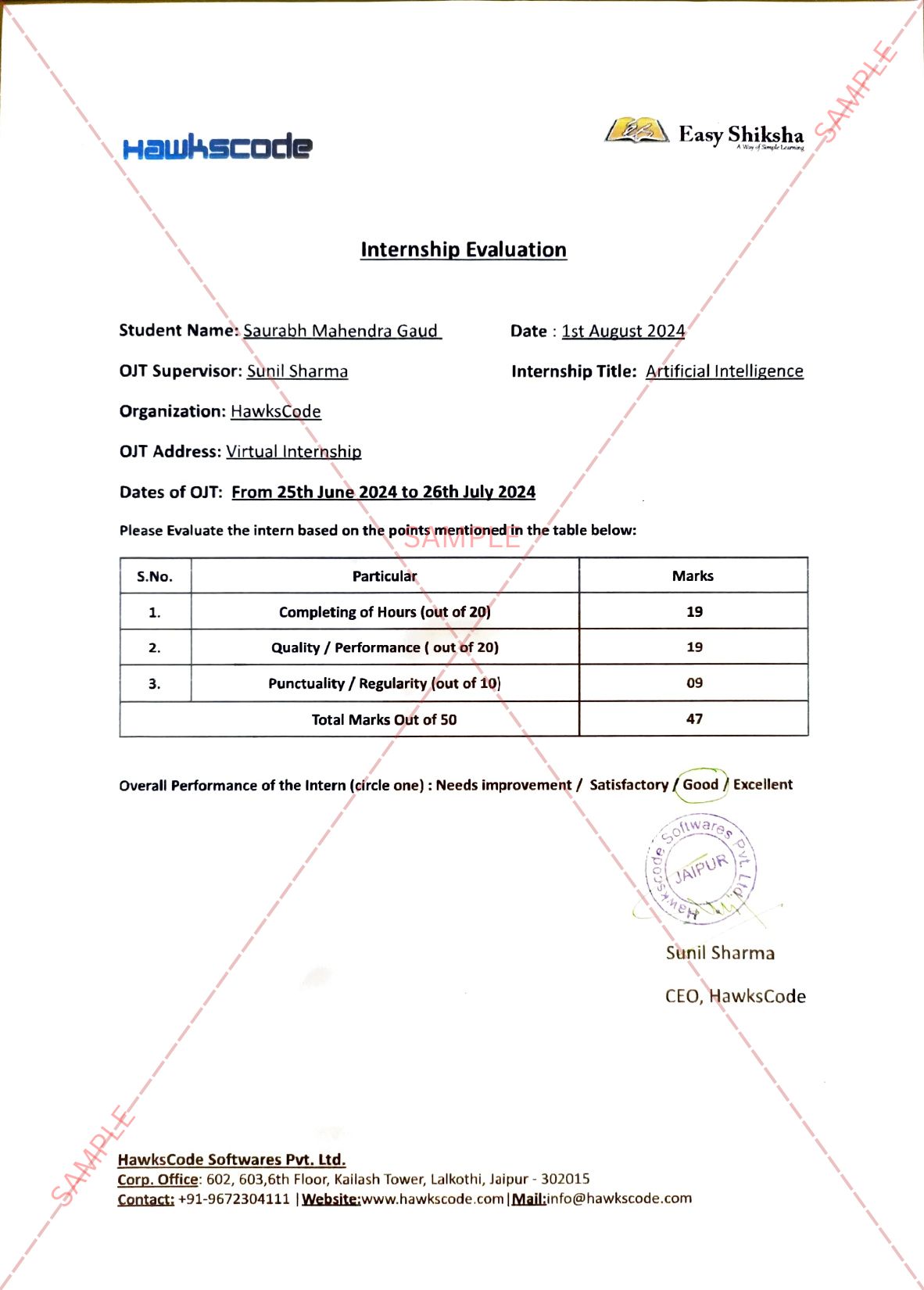
Internship Evaluation Report
Internship Certificate Hard Copy
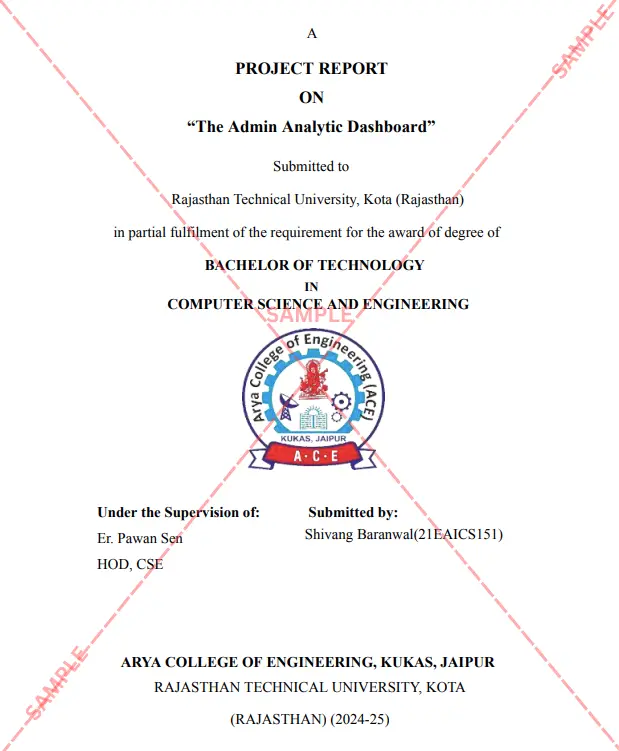
Project Report Assitance
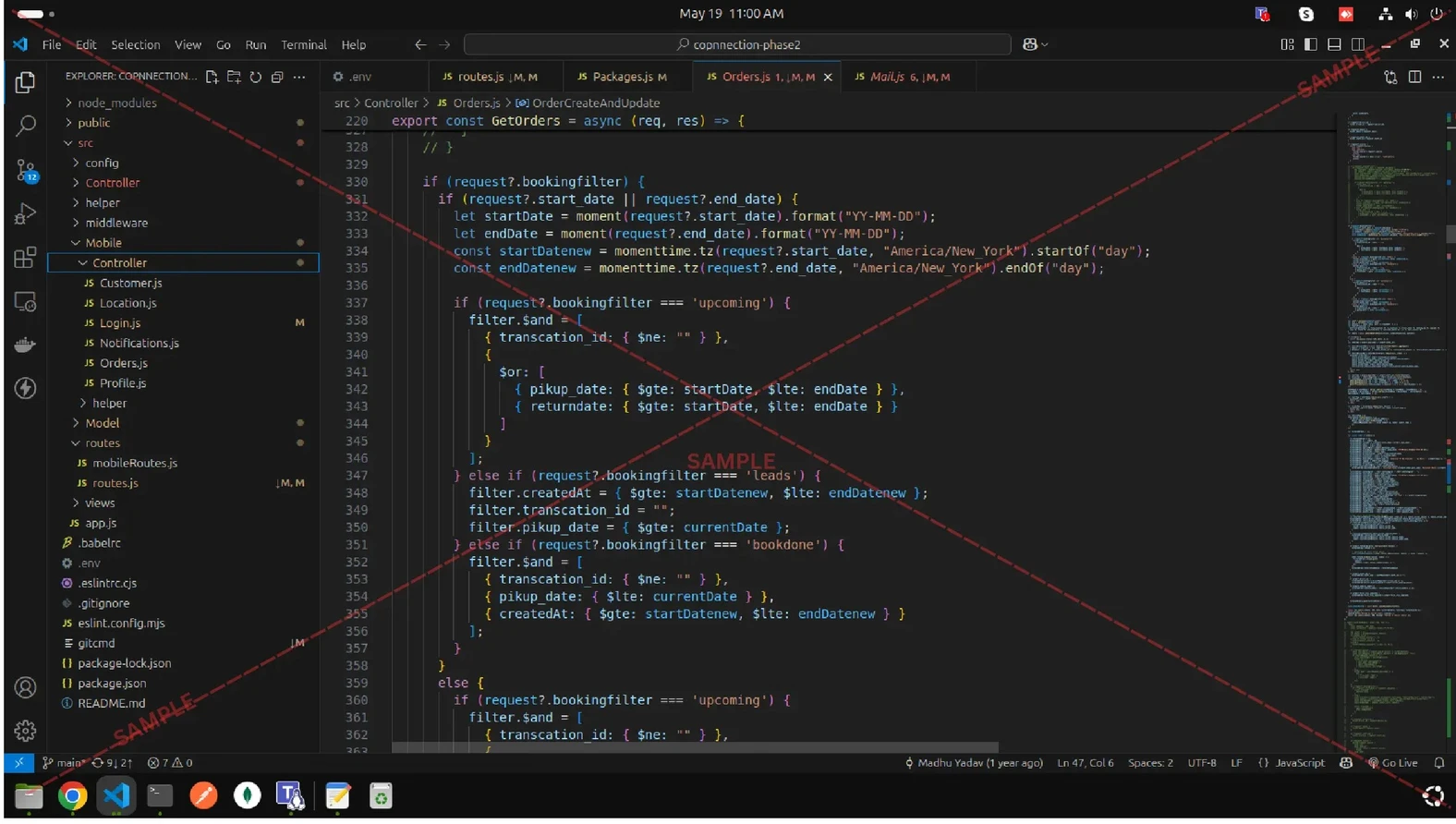
Internship Project Assitance
1:1 Live Mentor Call
Course Certificate in Elegant Wooden Frame
2 Certificates (Course + Internship) Lifetime Access Projects & Assignments 1 Quiz + Assignments
EMIs
101 On-demand Videos Course Completion Certificate
Internship Certificate
Internship Joining/Offer Letter
Letter of Appreciation (LOA)
Internship Attendance Report
Internship Evaluation Report
Internship Certificate Hard Copy
Project Report Assitance
Internship Project Assitance
1:1 Live Mentor Call
Course Certificate in Elegant Wooden Frame
2 Certificates (Course + Internship) Lifetime Access Projects & Assignments 1 Quiz + Assignments
Why Start Now?
The Opportunity Won’t Wait.
Every day you delay is a missed opportunity to grow your skills. Learners who start today gain the advantage — whether it's building skills, improving careers, or unlocking new opportunities.
Still Thinking?
Here's everything that makes this a no-brainer:
No prior experience needed — start from absolute zero Beginner friendly — explained step by step Risk-free — 30-day full refund guarantee One-time payment — access forever Student-friendly pricing — see details at checkout Real internship certificate includedWhat Happens After You Enroll?
From payment to certificate — here's exactly what to expect
 Secure Payment
 Instant Access
30-Day Refund
2 Certificates
Instant Access
30-Day Refund
2 Certificates
Imagine After Completing This Course
Picture yourself 30 days from now — with skills, experience, and credentials that open real doors.




 Includes Internship