






Mastering Virtualization: Modern Infrastructure, Strategy & Cloud
Master virtualization and modern IT infrastructure to design agile, secure, cost-efficient, and scalable enterprise environments that drive digital transformation.
#1 Most Popular Online Course & Internship in Computer Science You can enroll today & get certified from EasyShiksha & HawksCode.
 Build real-world projects
Internship with certificate
Resume-ready experience
Beginner to advanced
Lifetime access
Interview prep included
Build real-world projects
Internship with certificate
Resume-ready experience
Beginner to advanced
Lifetime access
Interview prep included
 Updated October 19, 2026
Join 5,00,000+ students already enrolled worldwide
No risk — 30-day full refund guarantee
Start instantly after payment — access in seconds
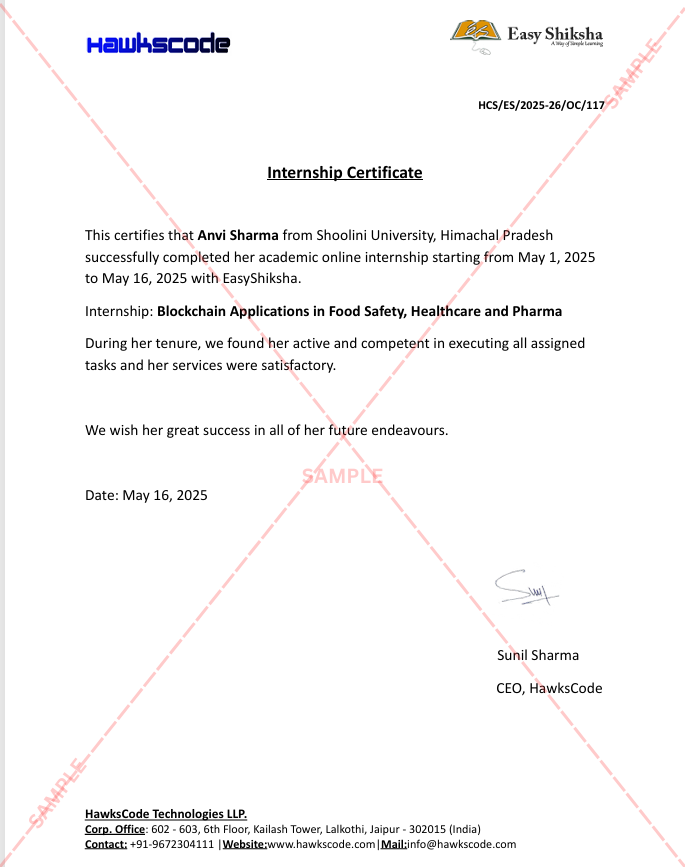
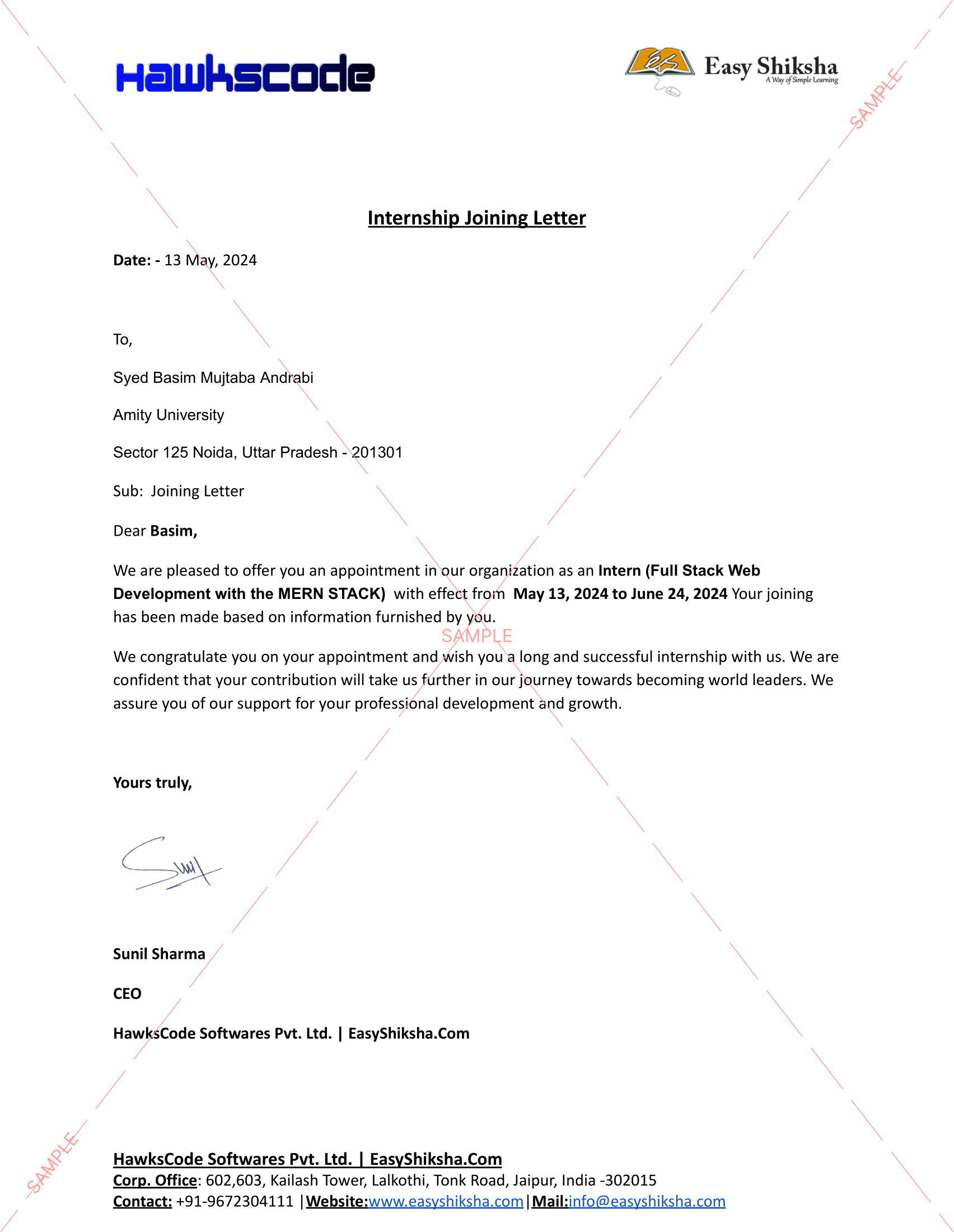
Certificate + Internship Joining Letter included
Updated October 19, 2026
Join 5,00,000+ students already enrolled worldwide
No risk — 30-day full refund guarantee
Start instantly after payment — access in seconds
Certificate + Internship Joining Letter included

 Free Preview
 101 On-demand Videos
 Internship Joining Letter
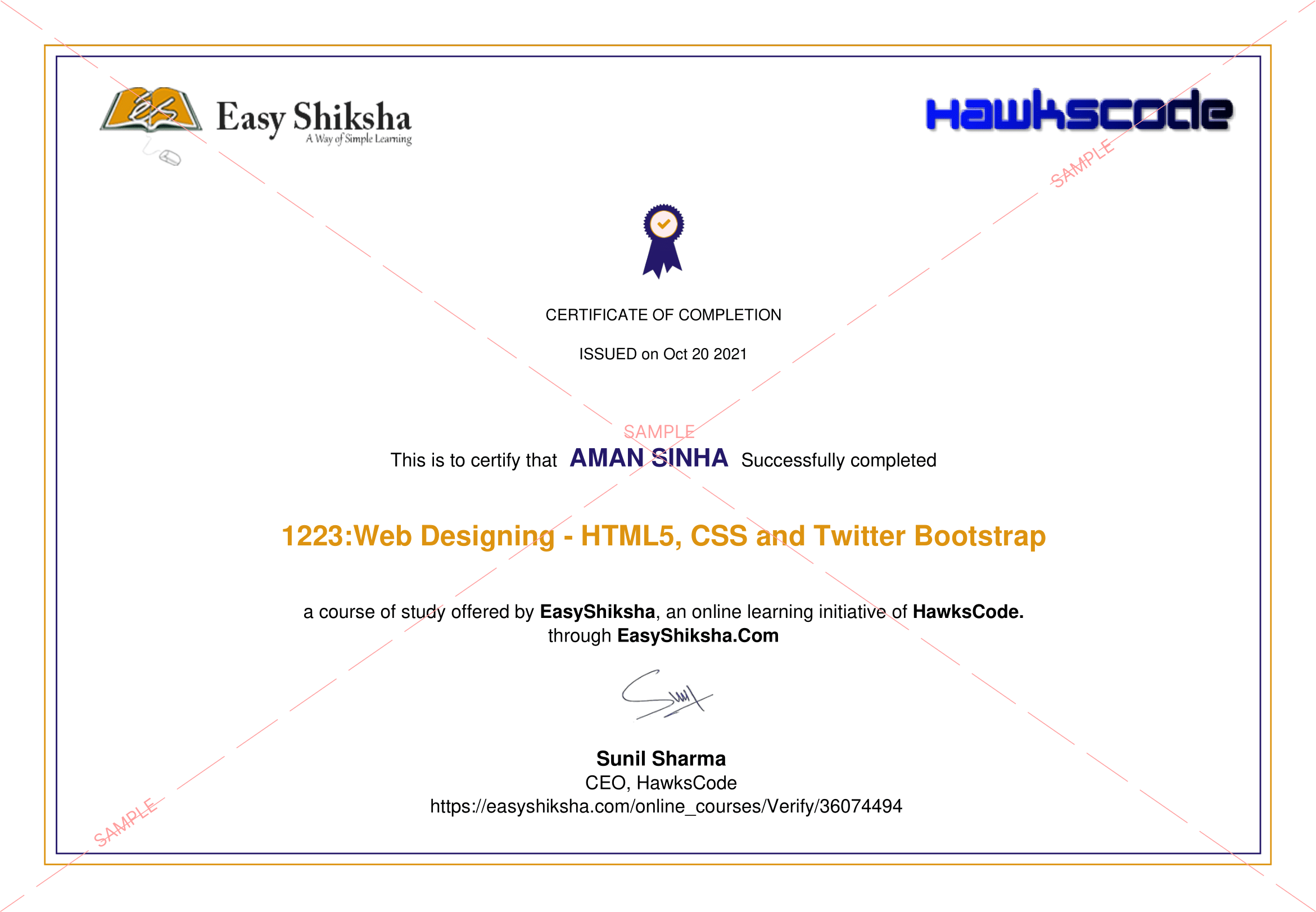
 2 Certificates (Course + Internship)
 Lifetime Access
 1 Quiz + Assignments
 Mobile & Desktop Access




Why This Course and Internship Stands Out
See exactly what separates EasyShiksha students from everyone else
 Watching scattered YouTube
videos with no structure
No certificate — nothing to show
employers
No internship experience on
resume
Wasting months without clear
direction
Struggling to stand out in job
applications
No proof of practical skills
Structured, beginner-to-advanced
learning path
Verified certificate — shareable
on LinkedIn
Real internship offer letter for
your resume
Go from zero to job-ready in one
programme
Resume-ready experience before
graduation
Practical projects you can show
any recruiter
Watching scattered YouTube
videos with no structure
No certificate — nothing to show
employers
No internship experience on
resume
Wasting months without clear
direction
Struggling to stand out in job
applications
No proof of practical skills
Structured, beginner-to-advanced
learning path
Verified certificate — shareable
on LinkedIn
Real internship offer letter for
your resume
Go from zero to job-ready in one
programme
Resume-ready experience before
graduation
Practical projects you can show
any recruiter
Internship Opportunity Included With This Course
"This is not just a course — it's real career experience. Walk away with documents that prove your skills to any employer."




This Course is Perfect For
Whether you're starting from scratch or switching careers — this course is designed with your success in mind.








This course uses elements of Artificial IntelligenceWhat if you could design IT infrastructure that flexes with every business demand, secures your most valued data, and empowers rapid innovation—all while driving cost efficiencies? Imagine transforming outdated, inflexible data centers into agile environments ready for the unpredictable future of digital business. The modern IT landscape is shaped by rapid advances in virtualization, software-defined architecture, and cloud integration—and the professionals who can master these evolve into indispensable technology leaders. Our team has designed this course for the bold technologists and future-focused IT professionals looking to architect the next generation of enterprise solutions.
In today’s global, hybrid, and digital-first world, virtualization is no longer just a buzzword. It is the silent engine behind massive cost savings, high-availability systems, workforce mobility, and ultra-scalable business operations. Organizations across every sector—healthcare, finance, education, government, and beyond—leverage virtualization to adapt quickly and compete effectively. Yet, many IT pros find the concepts confusing, the platforms overwhelming, and the strategic impact unclear. That’s why our course offers a comprehensive and immersive journey, unraveling the mysteries behind abstracted infrastructure while delivering concrete skills and insights you can apply from day one.
Guided by our team’s extensive experience in enterprise IT, cloud transformation, data center management, and virtualization consulting, this course fuses technical depth with real-world business imperatives. You’ll benefit not only from our hands-on knowledge of VMware vSphere, hypervisors, software-defined networking, and automation, but also from proven strategies in security, governance, economics, and digital transformation. Each module goes beyond surface-level definitions, combining innovative theory with live case studies, step-by-step demonstrations, practical assessments, and scenario-based projects for a truly interactive educational experience.
A Strategic Journey: From Fundamentals to Enterprise Leadership
Your learning adventure starts with the essential foundations of virtualization—how it came to dominate IT strategy, the pivotal role of software-defined infrastructure, and why abstraction is the cornerstone of modern data center design. We take you on an engaging exploration from the historic shift to virtualization through to the disruptive rise of cloud-era infrastructures. You’ll master the language of IT abstraction, uncover the advantages of platforms like VMware vSphere, and witness how virtualization-equipped organizations break free from physical hardware constraints to achieve business agility.
Next, we move deep into the core principles of hypervisor-based architecture. Gain insider knowledge on how hypervisors fundamentally change the way compute, storage, and networking resources are allocated and protected. By dissecting both Type 1 and Type 2 hypervisors, and their interactions with physical hardware, you’ll build robust mental models to analyze any virtualized environment. Through compelling examples from sectors like finance and healthcare, you’ll appreciate the security, isolation, and operational flexibility architected into modern virtual datacenters.
With the structural knowledge in place, we guide you through the mechanics of compute resource abstraction and pooling. Dynamic allocation of CPU and memory, resource pooling strategies, and workload consolidation all come alive through interactive step-by-step breakdowns and real-world case studies—such as optimizing university IT labs for performance under varying loads. You’ll develop the analytical skills needed to troubleshoot, tune, and justify virtualization strategies in both shared and dedicated environments.
Virtualized storage architecture often marks the difference between scalable innovation and bottlenecked operations. Our course brings this to the forefront, demystifying abstracted storage pools, virtual disks, snapshots, and backup strategies. Discover how leading organizations in fast-growth industries, like e-commerce and online retail, design for scalability, redundancy, and disaster recovery—all while balancing direct-attached and network-based storage paradigms.
The journey continues into the intricacies of software-defined networking (SDN), a critical enabler for cloud-ready and secure infrastructures. Through a combination of theory and hands-on examples, you’ll learn how virtual switches, network segmentation, and advanced traffic management deliver isolated, redundant, and highly flexible environments. Case studies reveal practical approaches for supporting global, remote, and hybrid workforces—ensuring you are ready to meet the networking needs of today’s distributed organizations.
When it comes to governance, isolation, and security, our team leaves no stone unturned. Connect the dots between workload segmentation, attack surface minimization, access control models, and policy-driven management. Assess real-world examples of healthcare organizations enhancing their security posture, and walk away with actionable frameworks for governing complex multi-tenant and multi-tiered datacenter environments.
Performance, Operations, and Business Value
Capacity planning and operational efficiency look radically different in virtualized settings. You’ll confront the challenges of rightsizing, over-provisioning, demand prediction, and performance tuning using both quantitative models and qualitative insights from high-stakes public sector environments. By the end of this segment, you’ll know how to balance cost efficiency against performance targets—a critical skill when presenting solutions to executives or managing diverse, mission-critical workloads.
Business continuity and high availability are the lifeblood of digital commerce. This course dives deep into failover strategies, redundancy design, cluster management, and automation for service continuity. Analyze business continuity planning in banking environments, and quantify recovery objectives (RTO/RPO) to meet regulatory and operational standards. Our assessments and scenario-based projects ensure you can design, evaluate, and document high-availability solutions with confidence.
But cost management isn’t just about cutting servers. Through rich explorations of capital and operational expense savings, workload placement, mixed workload handling, and cost-justification storytelling, you’ll be equipped with the financial and strategic language needed to garner organizational buy-in. We provide practical frameworks, example board presentations, and exercises to strengthen your ability to justify and advocate for virtualization projects.
Cloud is not a competitor to virtualization—it is its natural evolution. We guide you step-by-step through modern hybrid cloud designs, integration scenarios, and workload mobility in multi-cloud environments using both on-premises and public cloud resources. Real-world global migration case studies illustrate the nuanced challenges of policy management, security, and compliance in the cross-cloud era, preparing you for cutting-edge enterprise IT roles.
Operational Resilience, Automation, and Management
No digital infrastructure is immune to risk, human error, or unexpected crises. Our comprehensive risk management module examines single points of failure, performance troubleshooting, resource contention, and the human factors of change management. By dissecting the aftermath of impactful outages, you’ll gain the know-how to avoid and recover from operational pitfalls—skills that set virtualized environment specialists apart.
Modern virtual data centers demand streamlined oversight. You’ll learn how centralized management interfaces, configuration policies, and analytics tools support efficiency and governance. We showcase automation workflows for provisioning and decommissioning, backed by a portfolio-ready project simulating automation initiatives in distributed educational environments. These essential skills prepare you to lead in organizations prioritizing agility, transparency, and data-driven decision-making.
Virtualization and Modern Application Delivery
With the rise of DevOps, agile methodologies, and cloud-native business models, virtualization plays a powerful supporting role in automating, modularizing, and accelerating software delivery. Compare traditional VMs and containers, discover how virtualization underpins CI/CD workflows, and use orchestration tools for rapid application deployment. Our scenario-based exercises on application modernization will add tangible value to your project portfolio—essential proof of expertise for technical interviews and consulting roles.
Scalability isn’t just for hyperscalers. We empower you with design patterns for horizontal and vertical scaling, dynamic cluster expansion, and flexible workload placement in response to organizational growth. You’ll tackle case studies from tech startups, practicing infrastructure adaptation in hypergrowth settings—a vital experience for IT architects in both large enterprises and disruptive new ventures.
Digital Transformation, Influence, and Future Trends
Virtualization is a catalyst for digital transformation across industries. Our capstone modules connect IT modernization goals to broader business strategy, showing how virtualization accelerates time-to-market, transforms workflows, and supports remote and hybrid workforces. By analyzing digital transformation journeys in healthcare and beyond, you’ll learn to align technical initiatives with strategic business outcomes—a key differentiator in senior roles.
We know decision makers often face skepticism about virtualization: Is it really secure? Are there hidden costs? Will performance suffer? We tackle these concerns head-on with clear evidence, practical rebuttals, and frameworks for stakeholder engagement. Through scenario planning, you’ll gain the skills and confidence to manage expectations and drive consensus in complex organizational environments.
Preparing for successful adoption and rollout is crucial. We guide you through readiness assessment, migration phasing, post-migration adaptation, and the creation of success metrics. A detailed, university-scale rollout portfolio project will help validate your mastery of end-to-end transformation—from people and process to technology and business alignment.
Even as public clouds advance, virtualization remains vital—enabling hybrid workloads, supporting regulatory requirements, and bridging the worlds of legacy and modern applications. We close with explorations of emerging technologies (like AI-driven ops and edge computing), security trends, and long-term strategy. These insights ensure you’re prepared not just for today’s infrastructure demands, but for the challenges and opportunities of tomorrow’s tech landscape.
What Makes Our Course Unique?
This isn’t another surface-level overview or vendor-specific bootcamp. We blend theory and practice, offering a holistic perspective rarely found in similar content. Each module weaves together technical rigor, real business context, and hands-on learning:
- Dozens of live case studies and scenario walkthroughs from actual enterprise deployments in finance, healthcare, retail, education, government, and tech ventures.
- Interactive assessments, real-world challenges, and portfolio-ready projects to build both confidence and concrete artifacts for your next career step.
- Continuous engagement with the most relevant SEO-friendly topics: virtualization, hypervisor architecture, VMware vSphere, storage architecture, software-defined networking (SDN), capacity planning, high availability, cloud migration, automation, DevOps, scalability, digital transformation, governance, security, and operational efficiency.
- Actionable strategic frameworks for cost justification, stakeholder management, business alignment, and successful rollout of virtualization projects.
- Exposure to the future of IT infrastructure: AI, edge computing, and hybrid cloud integration that bridges traditional and modern approaches.
- Practical checklists, design templates, and best-practice guides you can immediately deploy in your organization.
By joining our course, you’re not only building sought-after technical skills—you’re unlocking strategic vision and the ability to lead transformative change. Whether you’re a systems engineer, architect, IT manager, cloud consultant, or enterprise leader, this is your opportunity to master virtualization and modern infrastructure strategy for a world where digital advantage is the new currency.
Take your place at the forefront of IT innovation. Enroll now, and let us guide you toward building the agile, resilient, and future-proof infrastructure the digital era demands.
 Unlock 99 More Lessons + Internship Access

 Missing this = losing the internship credential Missing this = losing your early-access advantage Missing this = falling behind candidates who did enroll



.svg?v1)
 Chat with us first →
 UPI
UPI
 Wallets
 Debit/ Credit card
 NetBanking
 EMIs
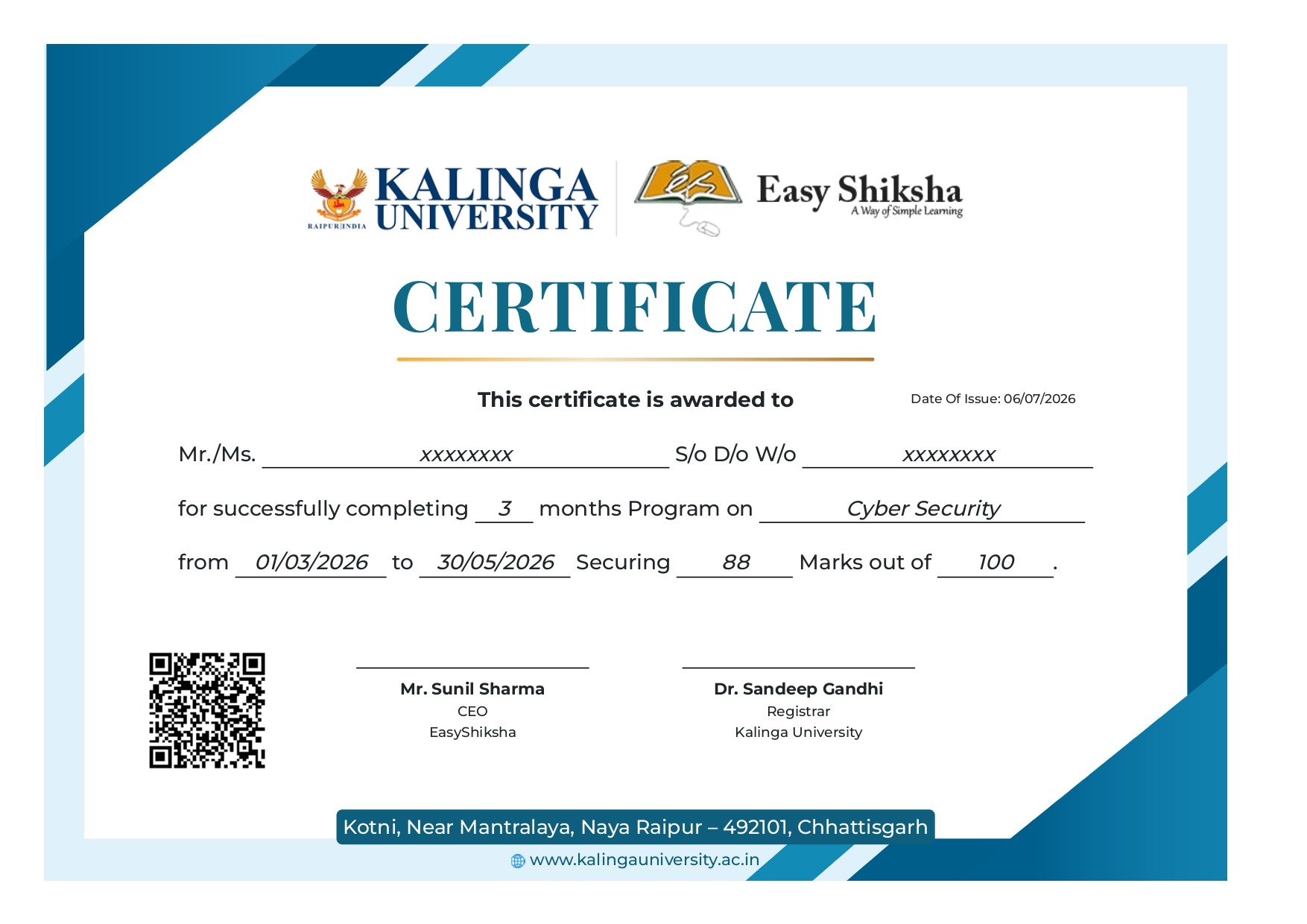
101 On-demand Videos Course Completion Certificate
Internship Certificate
Internship Joining/Offer Letter
Letter of Appreciation (LOA)
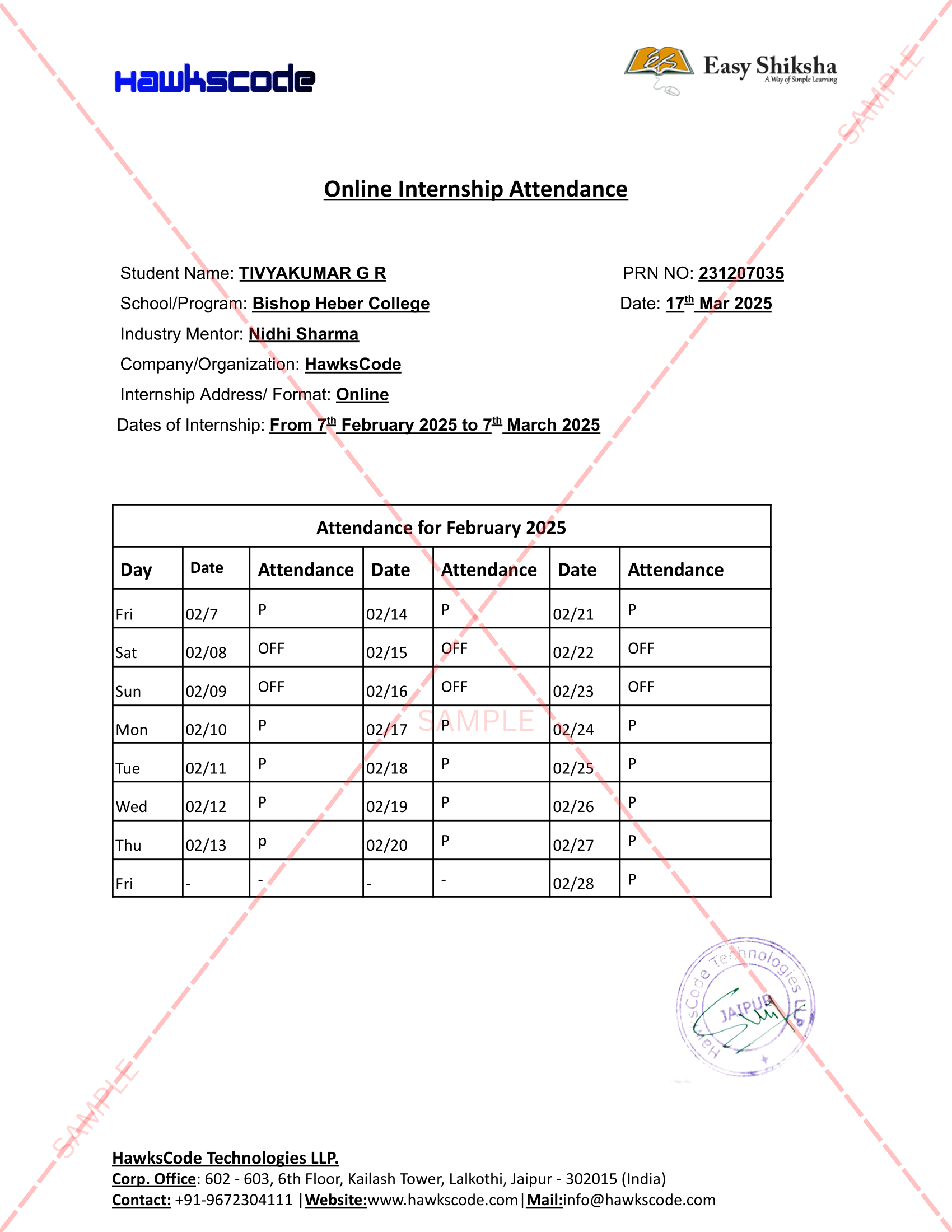
Internship Attendance Report
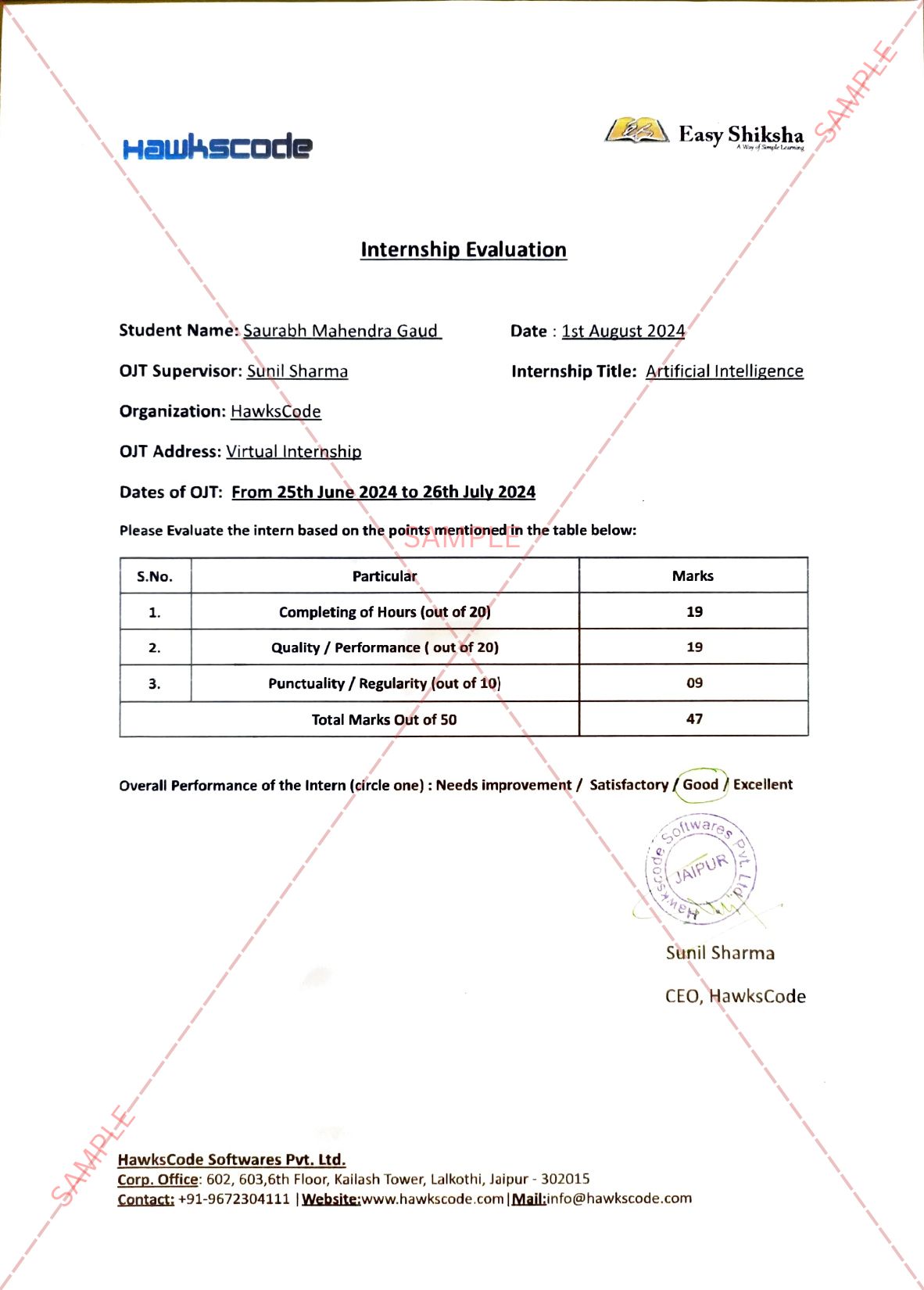
Internship Evaluation Report
Internship Certificate Hard Copy
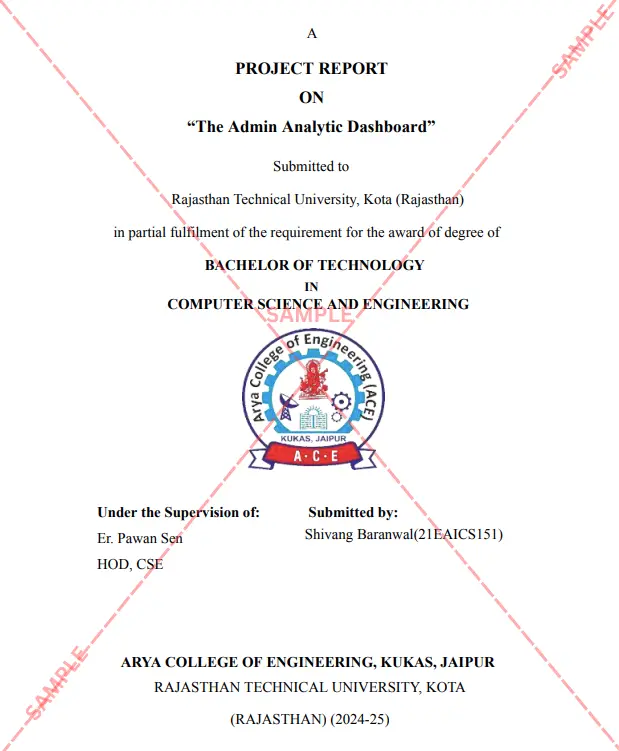
Project Report Assitance
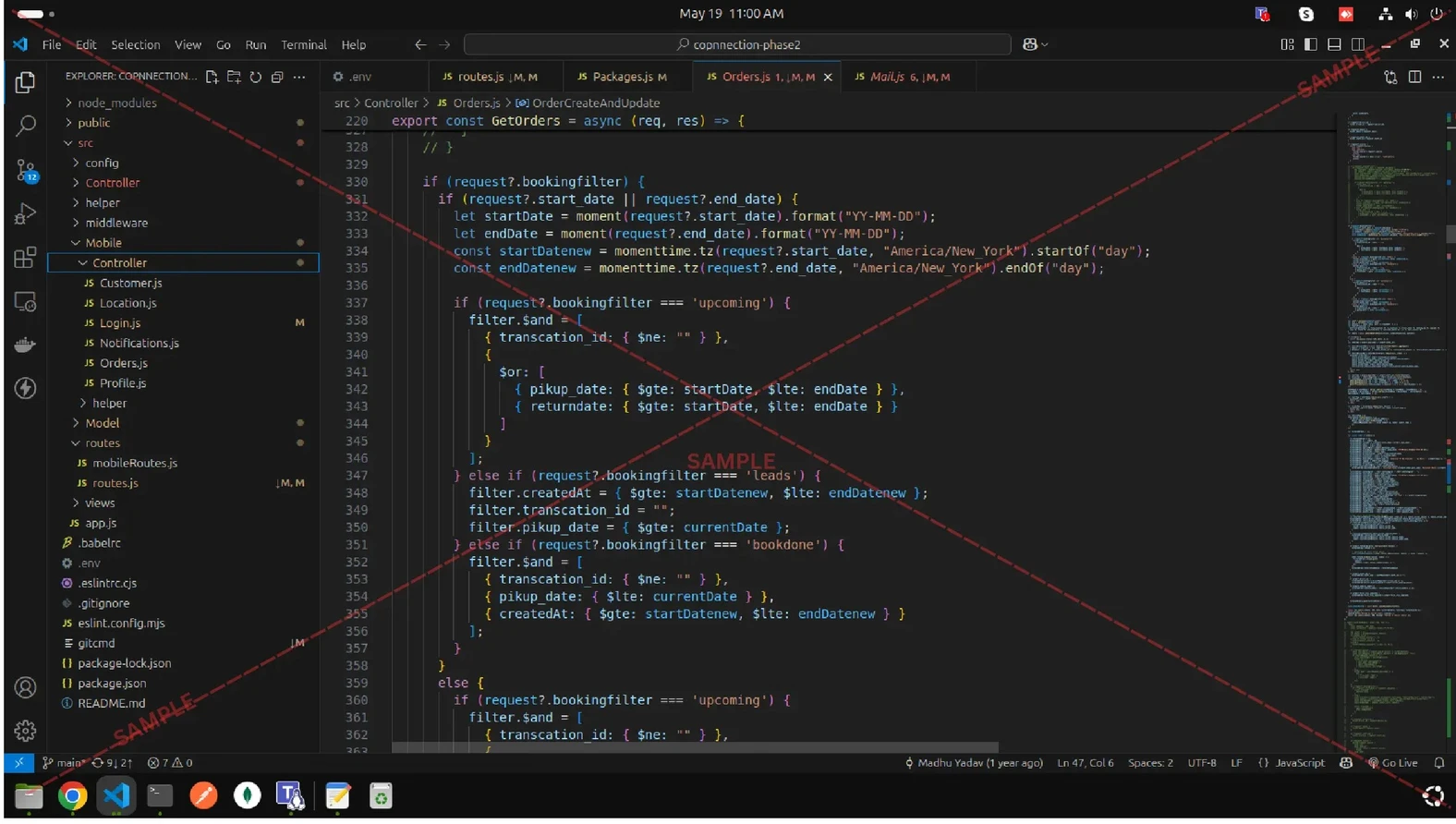
Internship Project Assitance
1:1 Live Mentor Call
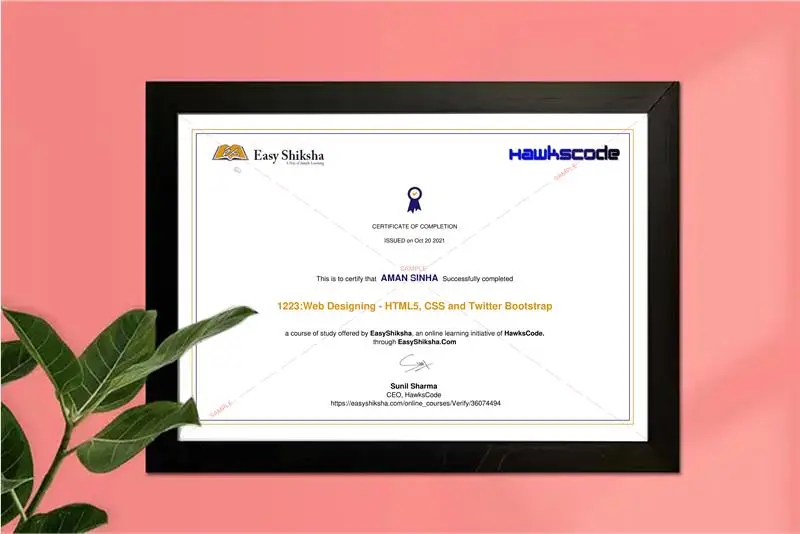
Course Certificate in Elegant Wooden Frame
2 Certificates (Course + Internship) Lifetime Access Projects & Assignments 1 Quiz + Assignments
EMIs
101 On-demand Videos Course Completion Certificate
Internship Certificate
Internship Joining/Offer Letter
Letter of Appreciation (LOA)
Internship Attendance Report
Internship Evaluation Report
Internship Certificate Hard Copy
Project Report Assitance
Internship Project Assitance
1:1 Live Mentor Call
Course Certificate in Elegant Wooden Frame
2 Certificates (Course + Internship) Lifetime Access Projects & Assignments 1 Quiz + Assignments
Why Start Now?
The Opportunity Won’t Wait.
Every day you delay is a missed opportunity to grow your skills. Learners who start today gain the advantage — whether it's building skills, improving careers, or unlocking new opportunities.
Still Thinking?
Here's everything that makes this a no-brainer:
No prior experience needed — start from absolute zero Beginner friendly — explained step by step Risk-free — 30-day full refund guarantee One-time payment — access forever Student-friendly pricing — see details at checkout Real internship certificate includedWhat Happens After You Enroll?
From payment to certificate — here's exactly what to expect
 Secure Payment
 Instant Access
30-Day Refund
2 Certificates
Instant Access
30-Day Refund
2 Certificates
Imagine After Completing This Course
Picture yourself 30 days from now — with skills, experience, and credentials that open real doors.




 Includes Internship