For many students, the first internship represents an important transition from academic learning to professional experience. It is the moment when concepts studied in classrooms, online courses, and educational programmes begin to encounter the expectations of a workplace. Students often approach this milestone with enthusiasm, believing that an internship will help them understand their chosen industry, develop practical skills, and prepare for future employment. However, the transition is not always as straightforward as it appears. A student may have completed a degree, earned several certificates, and studied relevant subjects but still feel uncertain about how to perform even the simplest professional task.
Consider the experience of a student named Rohan, who has spent two years studying computer science. He has completed online courses in programming, attended webinars about software development, and earned certificates in web technologies. When he receives an internship opportunity, he is excited to begin. However, during his first week, he encounters unfamiliar tools, unclear instructions, collaborative tasks, deadlines, and expectations that were never explicitly covered in his courses. He understands the technical concepts but struggles to apply them in a professional environment. His difficulty is not necessarily a lack of intelligence or commitment. Instead, he has moved from learning directly into workplace participation without experiencing the intermediate stage that could have prepared him for the transition.
This intermediate stage can be described as the pre-internship layer. It represents the educational and practical experiences students can complete before entering their first internship. Its purpose is to help learners understand workplace expectations, apply foundational knowledge, develop professional habits, and gain confidence through guided practice. Rather than treating an internship as the first opportunity to experience practical work, the pre-internship layer introduces students to smaller, structured versions of professional tasks.
In the evolving digital education ecosystem, this stage is becoming increasingly important. Students can access online courses, quizzes, career guidance, educational resources, and internship opportunities through digital platforms. However, the availability of these resources does not automatically guarantee that learners are prepared to use them effectively. The real opportunity lies in connecting these resources into a structured progression that helps students move from curiosity to knowledge, from knowledge to practice, and from practice to workplace experience.
EasyShiksha's broader educational ecosystem, which includes online courses, certificates, quizzes, internships, online degrees, career counselling, and educational discovery, can support this approach by helping students explore learning opportunities and prepare for the next stage of their educational and professional journeys. The pre-internship layer provides a useful framework for understanding how these experiences can work together to make the transition into an internship more structured, purposeful, and meaningful.
Understanding the Pre-Internship Layer in Digital Education
The pre-internship layer is the stage between acquiring foundational knowledge and entering a formal internship. It is not intended to replace academic education, professional internships, or industry experience. Instead, it prepares students to participate more confidently in those experiences by introducing practical application, workplace awareness, and structured skill development before the first professional assignment begins.
Traditional education often treats internships as opportunities that students pursue after completing a certain amount of academic study. A student may learn programming, finance, marketing, engineering, or management for several semesters before encountering a practical environment that resembles the work they hope to perform. Although some institutions incorporate projects, laboratory sessions, industrial visits, and practical assignments into their curricula, the depth and relevance of these experiences can vary considerably.
Digital education creates an opportunity to make this intermediate stage more accessible. Students can complete introductory courses, test their understanding through quizzes, practise professional tasks through guided projects, and explore career expectations before applying for internships. These experiences can help them recognise the relationship between academic knowledge and practical responsibilities.
The pre-internship layer should therefore be understood as a structured preparation environment rather than another certificate programme. Its value comes from the connection between learning and application. A student who completes a course should have an opportunity to practise the concepts. A student who completes a project should have an opportunity to reflect on the process. A student who demonstrates foundational readiness should be able to explore internship opportunities that align with their interests and developing abilities.
When this progression is thoughtfully designed, the internship becomes less of a sudden introduction to professional life and more of a natural next step in the student's learning journey.
Why Students Need an Experience Before Their First Internship
The first internship often introduces students to expectations that differ significantly from those of academic examinations. In educational settings, assignments usually include clearly defined instructions, familiar evaluation criteria, and established deadlines. In a workplace, tasks may be incomplete, requirements may change, and students may need to ask questions before deciding how to proceed.
A student might understand the theory behind a marketing campaign but have little experience interpreting a brief, identifying an audience, selecting communication channels, and evaluating campaign performance. A programming student might know how to write individual functions but struggle to understand an existing codebase, identify a bug, or communicate a technical problem to a team. A finance student might understand accounting principles but have limited experience organising financial information in a spreadsheet and presenting findings in a professional format.
These situations reveal a gap between knowing a concept and using it in a practical environment. The gap cannot always be closed through additional theoretical instruction alone. Students need opportunities to practise applying knowledge under realistic conditions, receive feedback, and improve their approach before entering a professional setting.
The pre-internship layer addresses this challenge by introducing manageable professional experiences at an earlier stage. Students can learn how to interpret instructions, organise tasks, communicate progress, solve problems, and respond to feedback through guided exercises and projects. They can also discover which skills require further development before applying for internships.
This preparation does not guarantee that every student will perform confidently from the first day of an internship. Real workplaces introduce situations that cannot be fully replicated in a learning environment. However, students who have already practised foundational professional behaviours may find it easier to understand expectations, seek clarification, and adapt to unfamiliar responsibilities.
From Course Completion to Practical Readiness
Online courses have become an accessible way for students to acquire knowledge beyond their formal academic programmes. A learner can study programming, digital marketing, business analytics, graphic design, finance, artificial intelligence, or other subjects according to personal interests and career goals. This flexibility allows students to explore different fields and develop specialised knowledge without necessarily committing to a full-time educational programme.
However, completing a course does not automatically indicate that a student is ready to perform a workplace task. Course completion typically reflects progress through a learning programme, while practical readiness involves the ability to apply the knowledge in a relevant context.
The pre-internship layer creates a connection between these two stages. After completing a course, a student can move into a practical exercise that requires the application of the concepts studied. A learner who completes a web development course might create a simple responsive webpage. A student who studies data analytics could analyse a sample dataset and prepare a short report. A marketing learner could develop a sample campaign plan based on a hypothetical business objective.
These activities transform course completion into an opportunity for practical application. They also help students identify whether they genuinely understand the material or need to revisit particular concepts.
For EasyShiksha, this connection between online learning and practical readiness is particularly relevant. Courses can introduce foundational knowledge, quizzes can help assess understanding, and projects or guided exercises can help students apply what they have learned. When students approach internships after experiencing these stages, they may have a clearer understanding of their capabilities and the areas in which they still need support.
The objective is not to make every learner an expert before an internship. It is to help students develop enough foundational understanding and practical familiarity to participate meaningfully in an entry-level learning environment.
Career Awareness Before Choosing an Internship
One of the most overlooked aspects of internship preparation is career awareness. Students often begin searching for internships because they believe that practical experience is necessary for future employment. However, they may not fully understand the responsibilities associated with different roles or how those responsibilities connect to their interests and qualifications.
A student studying computer science might assume that software development is the only relevant career path. In reality, the field includes a wide range of opportunities involving testing, data analysis, cybersecurity, technical support, product development, cloud technologies, and other specialisations. Similarly, a commerce student may explore accounting, finance, business operations, marketing analytics, or entrepreneurship.
Without sufficient career awareness, students may apply for internships based primarily on job titles rather than the skills and responsibilities involved. This can lead to confusion when the actual work differs from their expectations.
The pre-internship layer can introduce students to different career paths before they commit to a particular internship. Career exploration activities, introductory courses, role descriptions, practical demonstrations, and counselling sessions can help learners understand what different professions involve.
EasyShiksha's educational discovery and career counselling resources can contribute to this process by helping students explore educational opportunities and consider how their interests relate to potential career directions. Students can use this stage to identify the types of work they want to experience, the skills they need to develop, and the kinds of internships that may align with their goals.
Career awareness also helps students make more informed decisions about additional learning. Instead of enrolling in courses simply because they are popular, learners can choose educational experiences that relate to the roles they want to explore.
The First Practical Project: Experiencing Work Before Employment
A practical project is one of the most valuable experiences a student can complete before entering an internship. It introduces the learner to the process of turning an idea or requirement into a tangible outcome.
Projects provide a different experience from watching demonstrations or completing theoretical assessments. Students must make decisions, organise their work, solve problems, and evaluate whether the final result meets the intended objective. These activities help learners understand that practical work often involves uncertainty and revision.
A pre-internship project does not need to be large or technically complex. Its purpose is to provide a meaningful opportunity to apply foundational knowledge. A beginner in web development might create a simple website for a fictional business. A student interested in finance could prepare a basic budget analysis using sample data. A marketing learner might design a social media content plan for a hypothetical product. A graphic design student could develop a small visual identity project.
The educational value comes from the process as much as the final result. Students learn to interpret a requirement, break a task into manageable stages, identify missing information, and improve their work after reviewing the outcome.
Projects also provide material that students can discuss during internship interviews. Rather than relying entirely on academic qualifications and certificates, learners can explain what they created, which decisions they made, what challenges they encountered, and how they addressed them.
Within a connected digital learning environment, projects can serve as checkpoints between courses and internships. They help students move from theoretical learning toward practical participation while creating a record of their developing capabilities.
Learning How to Work With Instructions and Deadlines
Professional environments require students to manage tasks within defined expectations. Even entry-level assignments can involve deadlines, specific deliverables, communication requirements, and quality standards.
For students who have primarily experienced academic assignments, these expectations may feel unfamiliar. Academic tasks often focus on demonstrating subject knowledge, while workplace tasks may require a particular output that serves a practical purpose.
The pre-internship layer can introduce students to these expectations through structured assignments that resemble simplified professional tasks. A student might receive a short project brief, a deadline, a description of the expected outcome, and a set of evaluation criteria. The learner must then interpret the instructions, organise the work, and submit the result within the available time.
Such exercises help students understand the importance of planning and task management. They also reveal why asking questions is sometimes more useful than making assumptions.
A student who receives an unclear instruction should learn to identify what is missing and seek clarification. A learner who realises that a deadline may be difficult to meet should understand the importance of communicating early rather than waiting until the task is overdue.
These habits can be introduced before the first internship through guided projects, simulations, and collaborative exercises. By practising them in a learning environment, students can develop greater familiarity with the basic expectations of professional work.
Communication Skills: The Foundation of Workplace Participation
Technical knowledge is important, but workplace participation also depends on communication. Students need to explain their ideas, ask questions, share progress, respond to feedback, and communicate difficulties clearly.
A technically capable learner may still struggle in an internship if they cannot explain what they are working on or identify the assistance they need. Similarly, a student may complete a task successfully but find it difficult to present the outcome in a concise and understandable way.
Communication skills should therefore form an important part of pre-internship preparation. Students can practise writing professional emails, preparing short progress updates, explaining project decisions, and participating in structured discussions.
For example, a student working on a sample project could prepare a short written summary explaining the objective, the approach taken, the outcome, and the challenges encountered. Another exercise might require the learner to ask for clarification about an incomplete project brief.
These activities help students understand that communication is not separate from professional work. It is part of the process through which work is planned, completed, reviewed, and improved.
EasyShiksha's broader learning ecosystem can support this approach by connecting subject-based learning with career preparation and practical development. Students who practise communication alongside technical skills can enter internships with a clearer understanding of how to participate in collaborative environments.
Digital Workplace Readiness and Professional Tools
Modern internships frequently involve digital tools for communication, collaboration, project management, documentation, and task delivery. The specific tools vary by industry and organisation, but students increasingly need to feel comfortable working within digital environments.
A student may know how to use a computer for academic purposes but have limited experience organising shared documents, maintaining project files, collaborating on a digital assignment, or preparing a professional presentation. These gaps can create unnecessary difficulty during the early stages of an internship.
The pre-internship layer can introduce students to the digital practices commonly associated with professional work. Learners can practise organising files, naming documents consistently, preparing presentations, maintaining simple task records, and collaborating on shared projects.
Students can also explore tools relevant to their chosen fields. A design learner may become familiar with basic design software. A programming student may practise using a code editor and version control concepts. A data analytics learner may work with spreadsheets and visualisation tools. A marketing student may explore content planning and analytics interfaces through guided activities.
The objective is not to teach every student every workplace tool. Instead, it is to help learners understand the digital working habits and basic technical environments relevant to their intended internship roles.
When students have practised these skills beforehand, they may be better prepared to focus on the actual responsibilities of the internship rather than spending all their attention learning basic digital workflows.
Quizzes and Assessments as Readiness Checkpoints
Quizzes can play an important role in preparing students for internships when they are used as learning checkpoints rather than simply as final assessments.
Before entering a practical experience, students need to understand whether they have grasped the foundational concepts required for the task. Quizzes can help identify knowledge gaps and encourage learners to revisit topics they have not fully understood.
For example, a student preparing for a digital marketing internship might complete a quiz covering basic marketing terminology, audience segmentation, campaign objectives, and performance indicators. A programming student could assess their understanding of variables, functions, conditional statements, and debugging concepts before beginning a practical coding assignment.
The results can help students identify areas that need additional attention.
However, a quiz alone cannot establish complete internship readiness. A student may answer theoretical questions correctly but struggle to apply the concepts in a real task. This is why assessments should be connected to practical activities.
A readiness process can combine conceptual assessments with practical assignments, project reviews, and self-reflection. The resulting picture is more informative than any single score.
EasyShiksha's quiz-based learning resources can support this stage by helping students test their understanding and identify subjects that may require further study before moving into practical experiences.
Insights from Internship Students: Testimonials
×
Understanding Feedback Before Entering the Workplace
Feedback is an essential part of professional development, but receiving and responding to feedback can be unfamiliar for students who have primarily experienced examinations and grades.
In a workplace, feedback may focus on the quality of a deliverable, the clarity of communication, the accuracy of a result, or the effectiveness of a process. It may also require the student to revise work that they initially considered complete.
The pre-internship layer can introduce feedback as a normal part of learning rather than as a judgment of personal ability.
Students can submit projects for review, receive comments, identify areas for improvement, and revise their work. This process helps them understand that the first version of a task is not always the final version.
For example, a learner who creates a presentation might receive feedback about the organisation of information, visual clarity, or the strength of the supporting evidence. The student can then improve the presentation and compare the revised version with the original.
Such experiences help students develop a more constructive relationship with criticism and revision. They also encourage learners to ask questions when feedback is unclear and to focus on the specific changes required.
By practising these behaviours before an internship, students can become more familiar with the continuous improvement process that is common in professional environments.
The Role of Career Counselling in Internship Preparation
Career counselling can help students understand whether they are moving toward an internship that aligns with their interests, educational background, and developing skills.
Students often face several questions before applying for their first internship. They may wonder which field to choose, whether their current skills are sufficient, which courses would be useful, or how to explain their academic experiences to a potential employer.
Without guidance, these questions can become overwhelming. Some students may apply for every available opportunity without considering whether the roles match their interests. Others may delay applying because they believe they must complete numerous additional courses before becoming ready.
Career counselling can help learners approach these decisions more systematically. A student can discuss interests, review existing skills, identify areas for improvement, and explore suitable internship pathways.
The objective is not to guarantee a particular career outcome or to prescribe one fixed route. It is to help students understand their options and make informed decisions about the next stage of their development.
Within EasyShiksha's broader ecosystem, career counselling can connect educational exploration with practical preparation. Students can use guidance to identify relevant courses, consider degree pathways, assess their readiness, and explore internship opportunities that support their developing goals.
This makes career guidance an integral part of the pre-internship layer rather than a service used only after graduation.
Building a Professional Profile Before Applying
A student's first internship application can be challenging because the learner may have little formal work experience to include in a resume.
However, the absence of previous employment does not mean the student has nothing meaningful to present. Academic projects, practical assignments, relevant coursework, certificates, volunteer activities, and other learning experiences can help communicate the student's preparation.
The pre-internship layer can help students organise these experiences into a clear professional profile.
A student can begin by identifying the skills they have developed through coursework and practical activities. They can then connect those skills to specific projects and explain what they contributed to each outcome.
For example, a student interested in data analytics might describe a project involving data cleaning, spreadsheet analysis, and visualisation. A design learner might present a portfolio of selected projects. A programming student could share a small application and explain the technologies used.
The emphasis should be on accuracy and evidence. Students should avoid presenting practice projects as professional employment or claiming expertise they have not developed.
A well-organised profile can help students communicate their current abilities honestly while demonstrating a willingness to learn.
EasyShiksha's educational resources can support the development of this profile by helping learners discover courses, earn relevant credentials, practise skills, and explore opportunities that align with their interests.
Simulating the First Internship Experience
One way to strengthen pre-internship preparation is to introduce simulated workplace experiences.
A simulation presents students with a simplified professional situation and asks them to respond as they would in a work environment. The activity may involve a project brief, a fictional client request, a sample dataset, a technical problem, or a communication scenario.
For example, a student interested in digital marketing could receive a fictional business brief and be asked to prepare a basic campaign plan. A programming learner might receive a small application with an error and attempt to identify the problem. A business student could analyse a sample operational challenge and recommend a practical solution.
These simulations help students experience the structure of professional tasks without requiring them to enter a formal workplace immediately.
They also create opportunities for assessment and feedback. Instructors or mentors can review the student's approach, identify areas of strength, and suggest improvements.
Simulations should remain realistic but appropriately scaled for beginners. Their purpose is to introduce students to professional thinking, not to reproduce the full complexity of an experienced employee's responsibilities.
When connected with online courses, quizzes, and guided projects, simulated experiences can form a practical bridge between learning and internships.
Making the Pre-Internship Layer Accessible to More Students
Access to internships is not equally distributed. Some students have access to professional networks, institutional placement support, experienced mentors, or family connections that help them understand how to enter the workplace. Others may have limited exposure to professional environments and may not know where to begin.
The pre-internship layer can help reduce some of these differences by making foundational preparation available through accessible learning experiences.
Online courses can introduce relevant knowledge. Quizzes can help students assess their understanding. Guided projects can create opportunities for practical application. Career counselling can support decision-making. Internship discovery resources can help learners explore available opportunities.
For students who cannot immediately participate in an in-person internship, remote projects and structured digital learning activities may provide an initial opportunity to practise relevant skills.
However, accessibility requires more than making content available online. Students also need clear instructions, manageable learning pathways, affordable opportunities, and support when they encounter difficulties.
A connected digital education ecosystem can contribute to this goal by helping students find relevant resources and understand how those resources relate to their next steps.
EasyShiksha's combination of online education, certificates, internships, quizzes, career guidance, and educational discovery can serve as a foundation for such a connected approach, helping students explore learning opportunities regardless of whether they have already established professional networks.
How the Pre-Internship Layer Can Become a Structured Learning Journey
The pre-internship experience becomes more useful when students can understand how each stage connects to the next.
A learner might begin by exploring career interests and identifying a field they want to investigate. The student can then complete a foundational course and use quizzes to assess understanding. After developing basic knowledge, the learner can complete a guided project that requires practical application.
The project can be reviewed, allowing the student to identify strengths and areas for improvement. The learner can then update a professional profile, prepare an internship application, and explore opportunities that match the developing skill set.
This process does not need to follow exactly the same sequence for every student. Some learners may already possess foundational knowledge and need more practical experience. Others may require additional instruction before attempting a project.
The important principle is that students should be able to move between learning, assessment, practice, and guidance according to their needs.
This is where connected education platforms can create value. Rather than presenting courses, quizzes, internships, and career guidance as unrelated features, they can help students understand how these resources support different stages of preparation.
The pre-internship layer becomes a navigable pathway rather than a collection of disconnected activities.
Measuring Readiness Without Creating Another Certificate Race
As pre-internship programmes become more structured, there is a risk that readiness itself could turn into another credential-collection exercise.
Students might be encouraged to complete a fixed number of courses, collect preparation certificates, and finish standardised activities without necessarily developing meaningful capabilities.
That would reproduce the same problem the pre-internship layer is intended to address.
Readiness should instead be understood through evidence of learning and practical engagement.
A student may demonstrate readiness by completing a relevant project, explaining the decisions behind the work, communicating clearly, responding constructively to feedback, and showing an understanding of the responsibilities associated with the internship.
These indicators should be interpreted according to the student's level and the requirements of the opportunity. A beginner should not be expected to demonstrate the same capabilities as an experienced professional.
The goal is to establish a reasonable foundation for learning within the internship, not to eliminate every uncertainty before the student begins.
A well-designed preparation process should also recognise that students develop at different rates. Some may need additional practice, while others may be ready to move forward after completing a smaller set of activities.
This flexible approach helps keep the focus on capability rather than the number of credentials accumulated.
Document
#AbIndiaSikhegaGharSe
Online Internships for Students
EasyShiksha offers comprehensive online virtual internship programs tailored for students, graduates, freshers, and working professionals seeking academic advancement and upskilling certifications.
Get Job-Ready with Our Online Summer Internship 2025 Opportunities
Explore our wide selection of online job-ready internships featuring globally recognized certificates accepted by universities, colleges, and companies worldwide.
Obtain two authorized certificates recognized by universities & corporates.
Access our 100% online internships at genuine price.
Choose from flexible internship durations ranging from 2 weeks to 6 months.
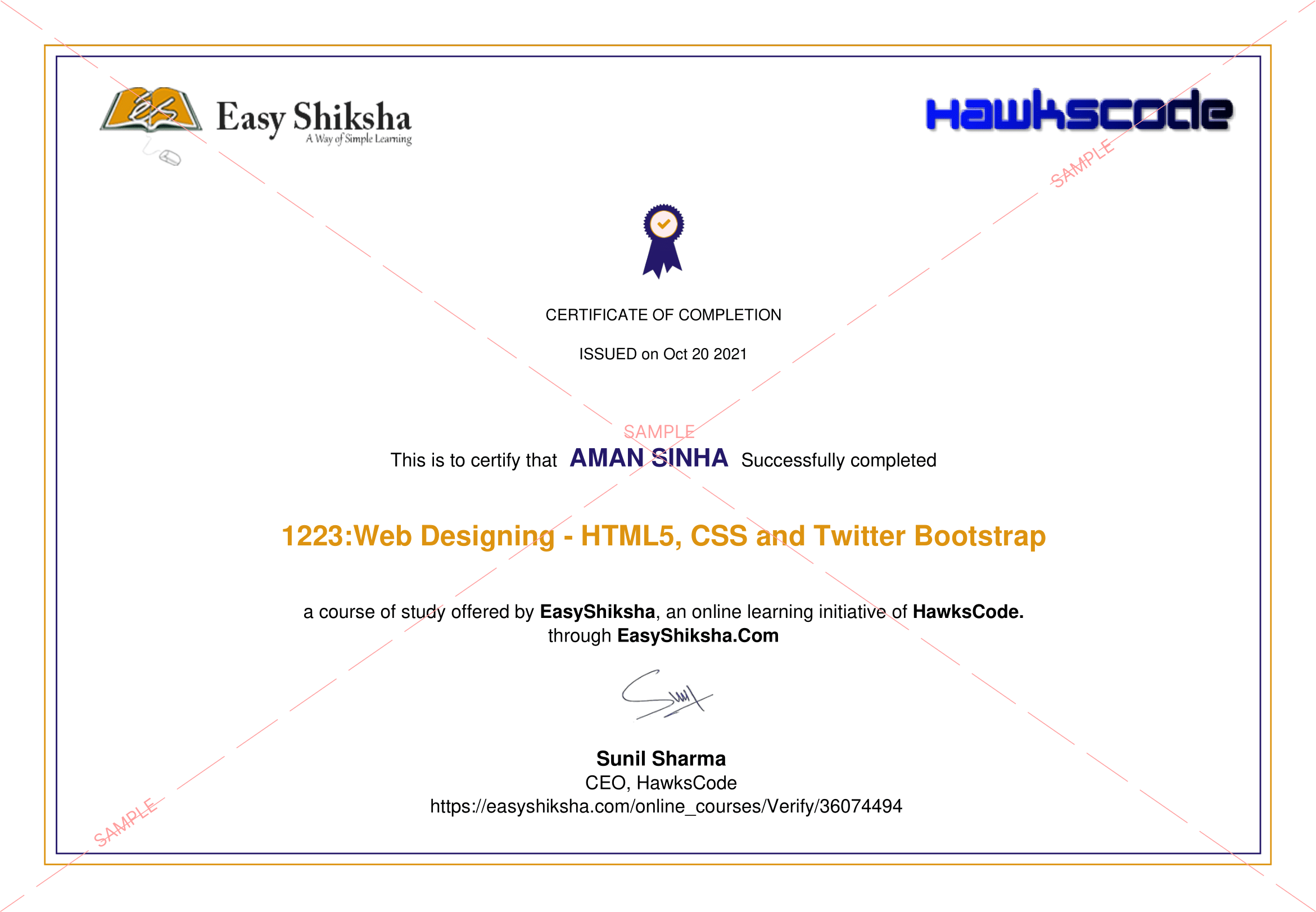
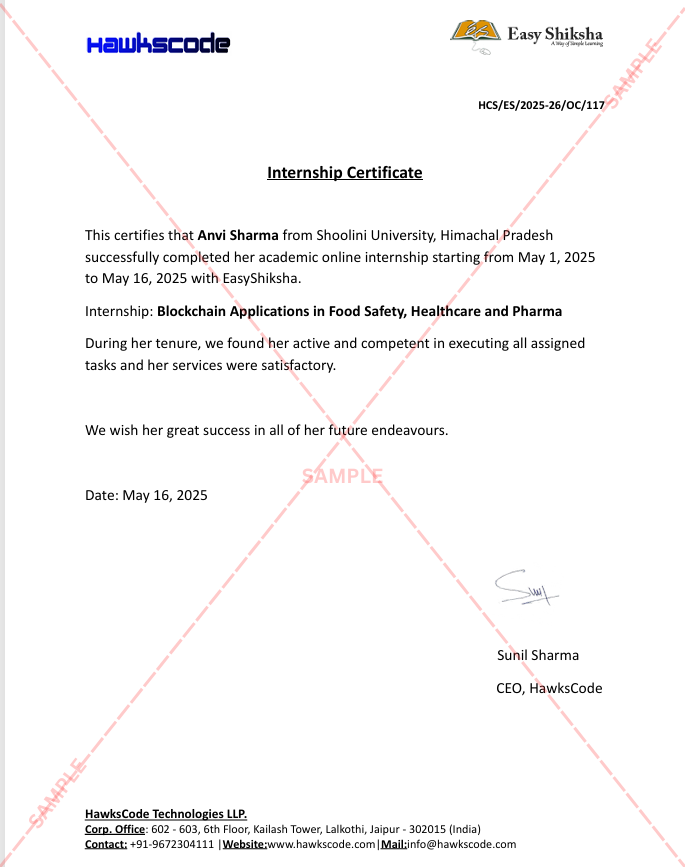
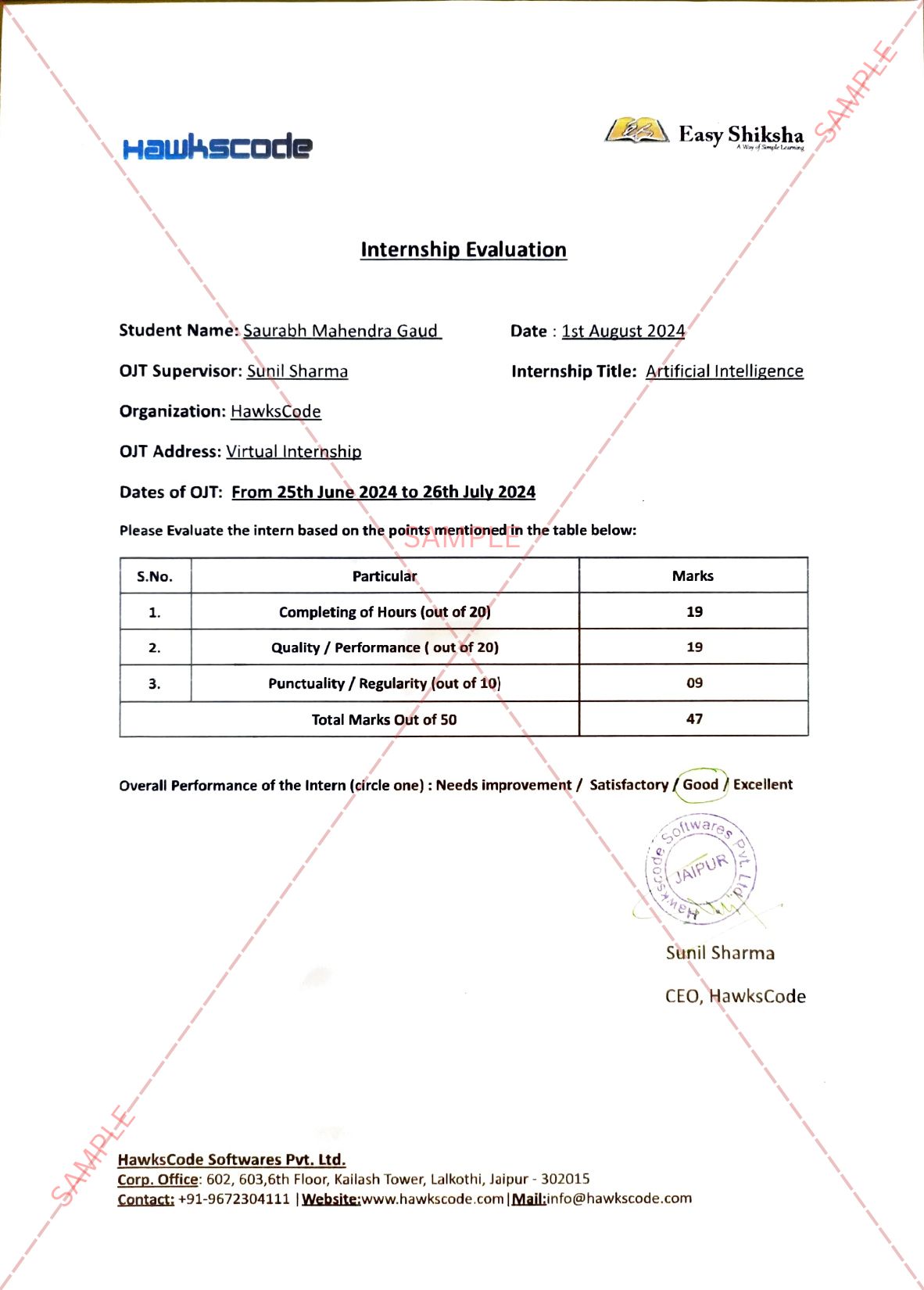
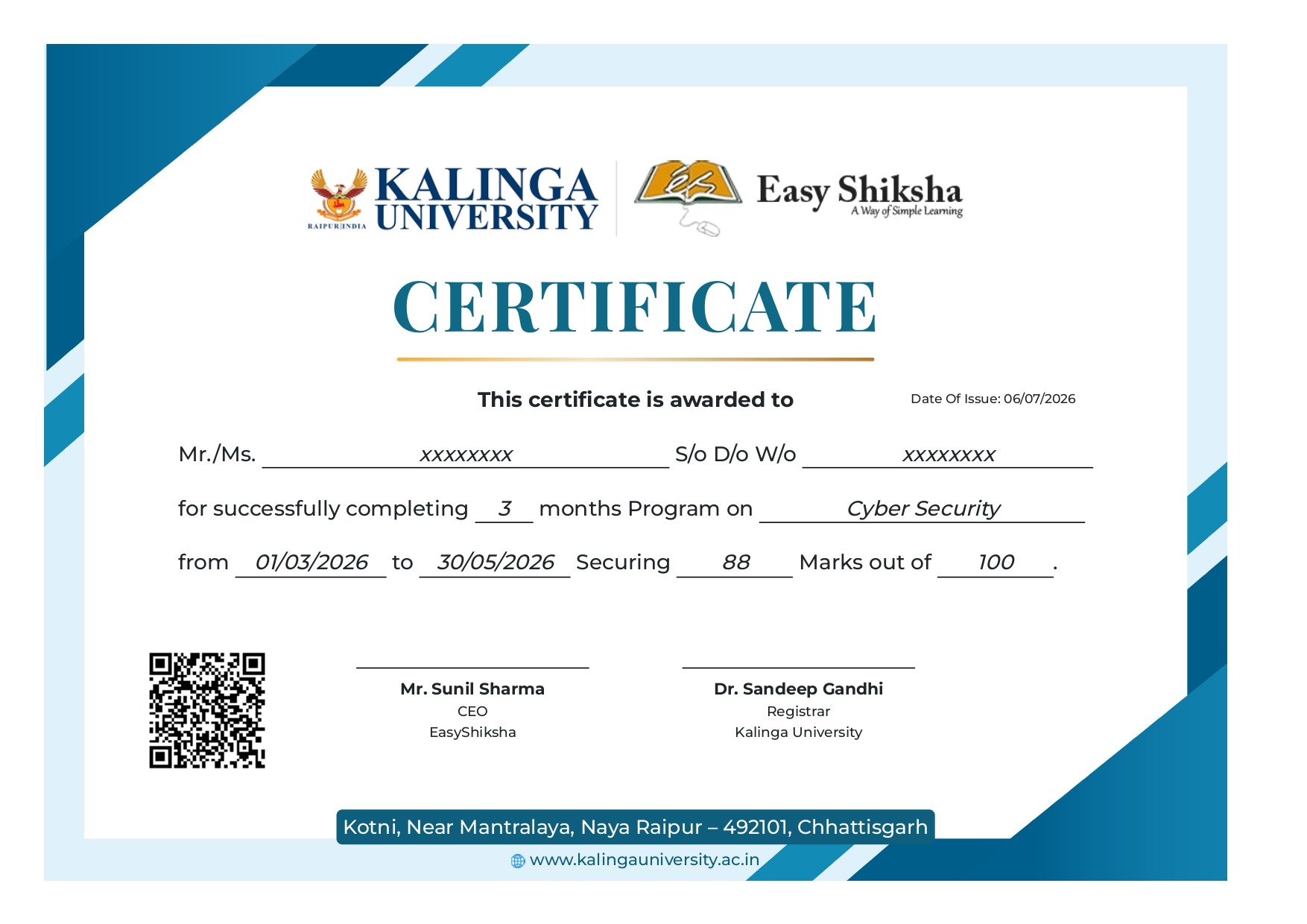
Upon completion, you will receive two certificates: an Internship Certificate and a Course Completion Certificate
Learn conveniently anytime, anywhere.
Access learning materials seamlessly via web or mobile. (Download App)
The Future of Internship Preparation in Digital Education
The relationship between digital education and internships is likely to become increasingly interconnected as students seek flexible ways to develop practical skills.
Online learning platforms can help students acquire knowledge, but their broader value may depend on how effectively they support the transition from knowledge to application.
The pre-internship layer offers one way to understand this transition. It recognises that students benefit from experiencing practical tasks, professional communication, feedback, and career exploration before entering a formal internship.
In the future, digital learning environments may become more capable of recommending appropriate next steps based on a student's learning history, assessment results, interests, and completed projects. Such systems could help learners identify whether they need additional instruction, practical experience, or career guidance before applying for an internship.
These possibilities should be approached carefully. Digital recommendations need to remain transparent, protect student information, and avoid treating automated assessments as definitive judgments of a person's abilities.
Students should retain control over their learning choices and career decisions. Technology should support their exploration rather than narrow their options unnecessarily.
For EasyShiksha, the broader opportunity lies in connecting education, skill development, practical learning, internships, and career guidance within a coherent student journey.
The objective is to make it easier for learners to understand where they are, what they have already developed, and which educational experiences could help them move forward.
Conclusion: The First Internship Should Not Be the First Practical Experience
A student's first internship is an important milestone, but it should not necessarily be the first time the learner encounters practical work, professional communication, structured tasks, or constructive feedback.
The pre-internship layer provides an opportunity to introduce these experiences earlier, when students still have the flexibility to experiment, make mistakes, and strengthen their foundational skills.
Through online courses, quizzes, practical projects, career counselling, and structured learning activities, students can develop a clearer understanding of their interests and capabilities before entering a workplace.
This preparation does not eliminate the challenges of a real internship. Instead, it helps students approach those challenges with greater familiarity and a stronger foundation.
EasyShiksha's broader educational ecosystem reflects the potential of connected digital learning by bringing together courses, online degrees, certificates, quizzes, internships, career guidance, and educational discovery. When these resources are viewed as parts of a continuous journey, students can move beyond collecting credentials toward developing practical capabilities.
The future of internship preparation should not be measured simply by how many courses a student completes before applying.
Anshika Jain is an Engineer, Developer, and Educational Content Author known for her dedication to technology and knowledge sharing. With a strong analytical mindset and a passion for innovation, she has consistently contributed to creating meaningful digital solutions and insightful educational articles.
Her ability to simplify complex technical concepts into engaging and easy-to-understand content makes her work valuable for students and learners across various platforms. Along with her technical expertise, Anshika is admired for her creativity, professionalism, and commitment to continuous learning.
She represents a perfect blend of technical excellence and impactful communication, inspiring others through both her development work and educational contributions.