The representation of Scheduled Caste (SC), Scheduled Tribe (ST) and Other Backward Classes (OBC) communities among the faculty at IIT Bombay remains limited, according to data obtained through Right to Information (RTI) applications. The institute has 1,225 sanctioned teaching posts, of which 775 are filled, while an RTI response cited in a Times of India report put the number of faculty members from reserved categories at 84.
The latest RTI figures, meanwhile, show that representation varies sharply across faculty ranks. As of September 2026, IIT Bombay had 412 professors, of whom five belonged to the SC community and six to the OBC category. There was no ST professor, according to the data.
SC FACULTY NUMBERS RISE MARGINALLY
At the associate professor and assistant professor levels as reported by Lallantop, the institute had 363 faculty members. Of these, 29 were from the SC community, eight from the ST community and 35 from the OBC category.
The RTI application was filed by Gowd Kiran Kumar, chairperson of the All India OBC Students Association as highlighted in the Lallantop report.
The September figures were compared with information supplied by IIT Bombay in response to an earlier RTI application filed in February.
The February response recorded 33 SC faculty members across the professor, associate professor and assistant professor ranks. It also showed one ST associate professor and seven ST assistant professors, while 41 faculty members belonged to the OBC category.
The September figures therefore show an increase of one in the total number of SC faculty members across the three ranks, according to Kumar. The figures also show that representation is higher among assistant and associate professors than among professors.
LOW REPRESENTATION RAISES QUESTIONS ON DIVERSITY
The issue has gained attention at a time when IIT Bombay is under scrutiny following the death of 22-year-old student Sahil Wakode earlier this month. Wakode allegedly died by suicide after being caught cheating in a mid-semester examination.
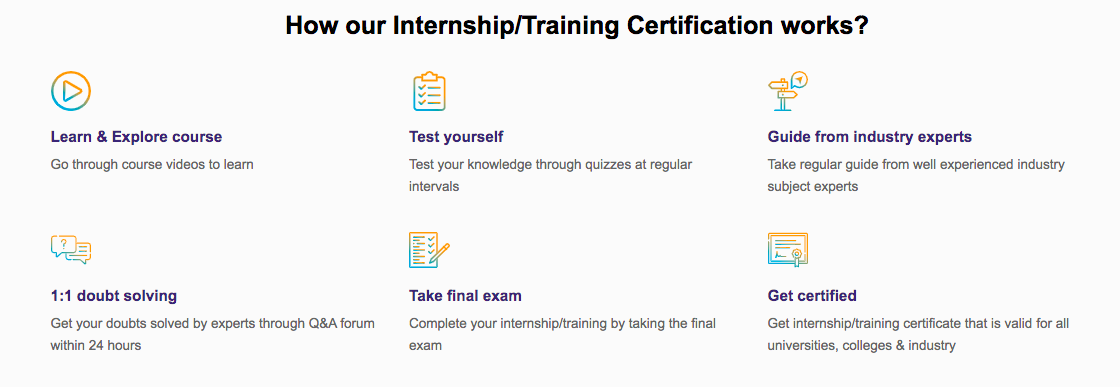
How EasyShiksha Internship/Training Program Works
The institute has stated that he was counselled by faculty members, while his parents have alleged that he was subjected to caste-based slurs. An inquiry into the matter is under way.
Kumar has questioned the representation of SC, ST and OBC faculty members in premier educational institutions. He has also raised the question of whether limited representation may affect the manner in which caste-related concerns among students and researchers are understood and addressed.
He has further pointed to the representation of marginalised communities in institutional decision-making bodies.
According to Kumar, institutions have bodies such as SC-ST Cells and Equal Opportunity Cells, while universities and IITs have various academic and administrative councils.
He has argued that greater representation of members from these communities would give them a greater presence in such decision-making processes.
Kumar has also questioned the employment opportunities available to scholars from marginalised communities, pointing to the number of PhD graduates emerging from IITs, NITs and other institutions.
The RTI figures provide a snapshot of faculty representation at IIT Bombay and show a marked difference between representation at the professor level and that at the associate and assistant professor levels. The data also comes against the backdrop of 450 vacant teaching positions at the institute.
Anshika Jain is an Engineer, Developer, and Educational Content Author known for her dedication to technology and knowledge sharing. With a strong analytical mindset and a passion for innovation, she has consistently contributed to creating meaningful digital solutions and insightful educational articles.
Her ability to simplify complex technical concepts into engaging and easy-to-understand content makes her work valuable for students and learners across various platforms. Along with her technical expertise, Anshika is admired for her creativity, professionalism, and commitment to continuous learning.
She represents a perfect blend of technical excellence and impactful communication, inspiring others through both her development work and educational contributions.