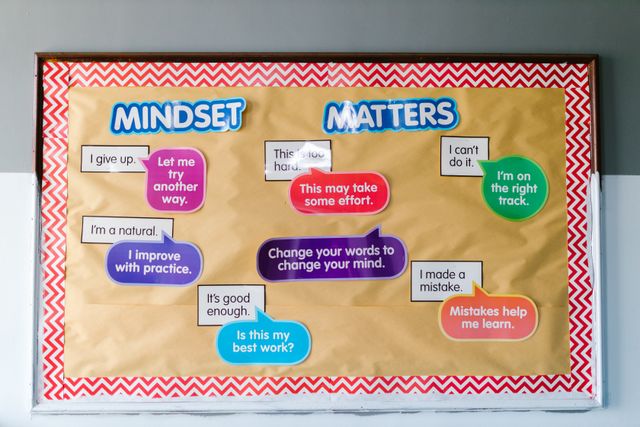
Success in education, career development, and personal growth is influenced by many factors, including knowledge, skills, opportunities, and determination. However, one of the most powerful yet often overlooked factors is mindset. The way individuals perceive their abilities, approach challenges, and respond to failures significantly impacts their potential for achievement. Psychologists and educators have long recognized that beliefs about intelligence and capability shape behavior, motivation, and long-term success.
The concepts of growth mindset and fixed mindset have gained widespread attention in the field of education and personal development. These ideas, popularized by psychologist Carol Dweck, explain how people view their abilities and how those beliefs influence learning and achievement. Individuals with a growth mindset believe that intelligence, talents, and skills can be developed through effort, learning, and persistence. In contrast, those with a fixed mindset believe that abilities are largely innate and cannot be significantly changed.
Understanding the difference between these two mindsets is essential for students, educators, parents, and professionals. The mindset individuals adopt can influence academic performance, career progression, emotional resilience, and overall life satisfaction. In today's rapidly changing world, where continuous learning and adaptability are increasingly important, cultivating a growth mindset has become a valuable asset.
Online learning platforms such as EasyShiksha play a significant role in encouraging a growth mindset by providing flexible learning opportunities, skill development programs, and self-paced educational experiences. These platforms empower learners to embrace challenges, acquire new competencies, and realize their potential through consistent effort and lifelong learning.
This article explores the differences between growth and fixed mindsets, their impact on learning and development, and how students can cultivate a growth-oriented approach to achieve success in education and beyond.
Understanding the Concept of Mindset
Mindset refers to the collection of beliefs and attitudes individuals hold about their abilities, intelligence, talents, and potential. These beliefs influence how people approach challenges, respond to setbacks, and pursue goals.
Mindsets often develop through experiences, upbringing, education, social influences, and personal interpretations of success and failure. Over time, these beliefs become deeply embedded and shape behavior in various situations.
A student's mindset can affect motivation, confidence, learning strategies, and willingness to take risks. Understanding the nature of mindset is the first step toward recognizing how it influences personal and academic growth.
The distinction between growth and fixed mindsets provides valuable insights into why some individuals thrive in challenging situations while others avoid them.
What Is a Growth Mindset?
A growth mindset is the belief that abilities, intelligence, and talents can be developed through dedication, practice, learning, and perseverance. Individuals with a growth mindset understand that success is not solely determined by natural ability but also by effort and continuous improvement.
People with this mindset view challenges as opportunities to learn and grow. They recognize that mistakes and failures are natural parts of the learning process and use them as sources of feedback and development.
A growth mindset encourages curiosity, resilience, adaptability, and a willingness to step outside comfort zones.
Students who embrace this perspective tend to focus on progress rather than perfection, making them more likely to achieve long-term success.
Insights from Internship Students: Testimonials
×
What Is a Fixed Mindset?
A fixed mindset is the belief that intelligence, talent, and abilities are largely predetermined and cannot be significantly changed. Individuals with a fixed mindset often view success as a reflection of innate ability rather than effort or learning.
Because they believe their capabilities are fixed, they may avoid challenges that could expose weaknesses or result in failure. Mistakes are often interpreted as evidence of limited ability rather than opportunities for growth.
People with fixed mindsets frequently seek validation and may become discouraged when facing difficulties.
This perspective can limit personal development because it discourages experimentation, persistence, and continuous learning.
The Origins of Mindset Development
Mindsets are not inherited traits but learned patterns of thinking that develop over time. Family influences, educational experiences, cultural expectations, and social interactions all contribute to shaping beliefs about intelligence and ability.
Children who are consistently praised for being naturally talented may begin to associate success solely with inherent ability. Conversely, those who are encouraged for their effort, persistence, and improvement are more likely to develop growth-oriented beliefs.
Educational environments also play a significant role in mindset formation. Teachers and parents who emphasize learning, progress, and resilience help foster a growth mindset.
Understanding the origins of mindset can help individuals recognize and modify limiting beliefs.
How Growth Mindset Influences Learning
Learning thrives when students believe they can improve through effort and practice. A growth mindset encourages learners to engage actively with educational challenges and view setbacks as part of the learning process.
Students with growth mindsets are more likely to seek help when needed, explore new learning strategies, and persist despite difficulties.
They understand that mastering complex subjects requires time and effort, which reduces frustration when immediate success is not achieved.
This approach creates a positive cycle of improvement, confidence, and continued learning.
As a result, growth-minded students often achieve higher levels of academic success and personal satisfaction.
How Fixed Mindset Affects Academic Performance
A fixed mindset can create barriers to learning and achievement. Students who believe their abilities are unchangeable may become discouraged when faced with challenging tasks.
Fear of failure often leads them to avoid difficult subjects, limit participation, or give up when encountering obstacles.
Because they associate mistakes with inadequacy, they may focus more on protecting their self-image than on learning and growth.
This avoidance can restrict educational opportunities and prevent the development of important skills.
Over time, a fixed mindset may contribute to lower confidence, reduced motivation, and limited academic progress.
The Role of Effort in Growth and Fixed Mindsets
One of the most significant differences between growth and fixed mindsets involves perceptions of effort.
Individuals with a growth mindset view effort as a pathway to improvement. They recognize that consistent practice and dedication contribute to mastery and achievement.
In contrast, those with a fixed mindset may interpret effort as evidence of insufficient talent. They may believe that truly capable individuals should succeed easily without significant struggle.
This difference influences how people respond to challenges and determine whether they continue pursuing goals when difficulties arise.
Understanding the value of effort is essential for developing resilience and long-term success.
Responses to Challenges
Challenges are inevitable in education and life. The way individuals respond to them often reflects their underlying mindset.
People with a growth mindset welcome challenges because they see them as opportunities to expand their capabilities. They are willing to take risks and learn from new experiences.
Those with a fixed mindset often avoid challenges due to fear of failure or embarrassment. They prefer situations where success feels guaranteed.
While avoidance may provide short-term comfort, it limits opportunities for growth and achievement.
Embracing challenges allows learners to develop confidence, adaptability, and problem-solving skills.
Attitudes Toward Failure
Failure is one of the most revealing indicators of mindset.
Individuals with a growth mindset understand that failure is a temporary setback rather than a permanent reflection of ability. They analyze mistakes, identify lessons, and continue working toward improvement.
People with a fixed mindset often view failure as proof of inadequacy. As a result, they may become discouraged, lose motivation, or avoid future challenges.
Learning to view failure as a valuable educational experience is essential for personal development and long-term success.
Every successful individual has encountered setbacks, but growth-minded people use those experiences as stepping stones rather than obstacles.
The Connection Between Mindset and Confidence
Confidence is not simply a result of success; it is also influenced by mindset.
A growth mindset fosters confidence by emphasizing improvement and progress. Learners gain assurance from knowing that abilities can develop over time through effort and learning.
This perspective reduces fear of making mistakes because errors are viewed as part of the growth process.
In contrast, fixed mindsets often create fragile confidence that depends heavily on external validation and immediate success.
True confidence emerges when individuals trust their capacity to learn, adapt, and overcome challenges.
Document
#AbIndiaSikhegaGharSe
Online Internships for Students
EasyShiksha offers comprehensive online virtual internship programs tailored for students, graduates, freshers, and working professionals seeking academic advancement and upskilling certifications.
Get Job-Ready with Our Online Summer Internship 2025 Opportunities
Explore our wide selection of online job-ready internships featuring globally recognized certificates accepted by universities, colleges, and companies worldwide.
Obtain two authorized certificates recognized by universities & corporates.
Access our 100% online internships at genuine price.
Choose from flexible internship durations ranging from 2 weeks to 6 months.
Upon completion, you will receive two certificates: an Internship Certificate and a Course Completion Certificate
Learn conveniently anytime, anywhere.
Access learning materials seamlessly via web or mobile. (Download App)
Emotional resilience refers to the ability to recover from setbacks and adapt to difficult situations. Growth mindset contributes significantly to resilience by encouraging constructive responses to adversity.
Students with growth mindsets are more likely to remain motivated after disappointing results because they focus on improvement rather than limitations.
They view challenges as temporary and believe they have the power to influence outcomes through effort and learning.
This resilience supports mental well-being and helps learners navigate academic and personal obstacles more effectively.
Developing emotional resilience is particularly important in today's fast-changing and competitive environment.
The Importance of Continuous Learning
Continuous learning is a natural extension of the growth mindset. Individuals who believe they can improve are more likely to seek educational opportunities throughout their lives.
They remain curious, open to new experiences, and committed to personal development.
In contrast, fixed mindsets may discourage learning because individuals believe their abilities have already reached predetermined limits.
Lifelong learning has become increasingly important as industries evolve and new skills emerge.
A growth mindset ensures that individuals remain adaptable and prepared for future opportunities.
The Role of EasyShiksha in Promoting a Growth Mindset
EasyShiksha plays a valuable role in encouraging growth-oriented learning by providing students with access to flexible and accessible educational opportunities. Through its wide range of online courses, certifications, and skill development programs, the platform empowers learners to explore new subjects and acquire valuable competencies.
The self-paced nature of EasyShiksha supports the idea that learning is a continuous journey rather than a fixed destination. Students can progress according to their individual needs, practice skills repeatedly, and build confidence through consistent improvement.
EasyShiksha also encourages learners to embrace challenges by offering opportunities to develop expertise in diverse fields, from technology and business to communication and personal development.
By promoting lifelong learning and skill acquisition, the platform reinforces the principles of a growth mindset.
Strategies for Developing a Growth Mindset
Developing a growth mindset requires intentional effort and self-awareness. Individuals can begin by recognizing limiting beliefs and replacing them with more constructive perspectives.
Focusing on progress rather than perfection helps learners appreciate improvement over time. Embracing challenges, seeking feedback, and learning from mistakes also contribute to mindset development.
Celebrating effort and persistence encourages continued growth and reinforces positive learning behaviors.
Students should remind themselves that intelligence and abilities are not fixed traits but qualities that can be strengthened through consistent practice and dedication.
Over time, these habits can transform attitudes toward learning and achievement.
Growth Mindset in Future Careers
The modern workforce increasingly values adaptability, creativity, and continuous learning. Professionals who possess growth mindsets are better equipped to navigate changing industries, acquire new skills, and respond to evolving workplace demands.
Growth-minded employees are more likely to pursue professional development opportunities and contribute innovative ideas.
As automation and technological advancements reshape careers, the ability to learn continuously becomes a critical advantage.
Students who cultivate growth mindsets today will be better prepared for future career success and lifelong professional development.
Conclusion
The distinction between growth mindset and fixed mindset has profound implications for education, personal development, and long-term success. While a fixed mindset limits potential by emphasizing innate ability and avoiding challenges, a growth mindset empowers individuals to embrace learning, overcome obstacles, and pursue continuous improvement.
Students with growth mindsets approach education with curiosity, resilience, and determination. They understand that intelligence and skills can be developed through effort, practice, and persistence. This belief not only enhances academic performance but also strengthens confidence, adaptability, and emotional resilience.
Platforms such as EasyShiksha support the development of growth-oriented learners by providing flexible educational opportunities, skill-building resources, and pathways for continuous learning. Through accessible online education, students can discover new interests, acquire valuable competencies, and build confidence in their ability to grow.
Ultimately, success is not determined solely by talent or intelligence but by the willingness to learn, adapt, and persevere. By cultivating a growth mindset, students can unlock their full potential, embrace lifelong learning, and achieve meaningful success in every aspect of life.
Anshika Jain is an Engineer, Developer, and Educational Content Author known for her dedication to technology and knowledge sharing. With a strong analytical mindset and a passion for innovation, she has consistently contributed to creating meaningful digital solutions and insightful educational articles.
Her ability to simplify complex technical concepts into engaging and easy-to-understand content makes her work valuable for students and learners across various platforms. Along with her technical expertise, Anshika is admired for her creativity, professionalism, and commitment to continuous learning.
She represents a perfect blend of technical excellence and impactful communication, inspiring others through both her development work and educational contributions.