


















M.Voc (Degree) in Health and Nutrition
Program Overview
The M.Voc in Health and Nutrition is a postgraduate vocational programme offered by the Institute of Vocational Studies, Mangalayatan University. The programme focuses on health, diet, nutrition, food science, public health, clinical nutrition, fitness and professional skills. Its curriculum combines academic learning with skill-development components to develop a strong understanding of nutrition and lifestyle management.
The programme is structured into four semesters with 104 total credits. Semester I carries 28 credits and covers Human Physiology, Applied Nutrition and Food Science, Public Health Problem and Management, Advance Foundation Skills, Gourmet Cooking with Nutritional Evaluation, Methods of Nutritional Assessment and Public Health Awareness. Semester II also carries 28 credits and advances into Food Toxicology, Advance Computer Skills, Clinical Nutrition and Diet Management, Sports Nutrition and Fitness, clinical diet planning, fitness planning and life skills.
Semester III carries 24 credits and focuses on advanced professional skills, institutional food service management, industrial exposure through an industrial visit, and Dissertation/Project Report. The curriculum therefore includes both professional skill development and project-oriented academic work.
Semester IV carries 24 credits and consists of Internship/ Internship Report and Viva Voce. The programme's preamble specifically describes it as a four-semester programme with 6 months of Internship, while the stated programme outcomes highlight theoretical preparation, skill development and industrial interface.
Eligibility Criteria
The minimum eligibility for admission to the M.Voc program is a relevant undergraduate degree or equivalent qualification from a recognized institution, subject to the university's admission requirements.
Approval Details
MHRD, Government of India and UGC
Curriculum
Semester I carries 28 credits and establishes the academic and practical foundation of the M.Voc in Health and Nutrition. Students study human physiology, nutrition and food science, public health, professional foundation skills and practical nutritional assessment.
1. Human Physiology
Human Physiology introduces students to major physiological systems and processes relevant to health and nutrition.
Key Topics:
- Blood composition and functions
- Erythrocytes, plasma proteins, WBCs and platelets
- Blood groups and coagulation
- Lymphatic system
- Cerebrospinal fluid, aqueous humor and amniotic fluid
- Endocrine system and hormone regulation
- Thyroid, parathyroid, pituitary, pancreas and adrenal glands
- Respiratory system and respiration
- Oxygen and carbon dioxide transport and exchange
- Kidney structure and function
- Nephron and glomerular filtration rate
- Urine formation and micturition
- Digestion, absorption and assimilation
- Digestive juices and accessory organs
- Male and female reproductive systems
- Menstrual cycle and contraception
2. Applied Nutrition and Food Science
This subject develops an understanding of nutrients, body composition, food groups and balanced diet planning.
Key Topics:
- Carbohydrates
- Proteins
- Lipids
- Vitamins and minerals
- Water
- Body composition
- Tissue composition
- Methods of determining body composition
- Body water
- Total Energy Expenditure (TEE)
- Food Exchange List System
- Balanced diet
- Diet planning
- Cereals and cereal products
- Pulses
- Fruits and vegetables
- Milk and milk products
- Meat, fish, poultry and egg
- Fats and oils
3. Public Health Problem & Management
This subject examines public health and nutritional problems, national nutrition programmes and public hygiene.
Key Topics:
- Concept of health
- Nutritional aid
- Nutrition and healthcare programmes
- Nutritional disorders
- Protein Energy Malnutrition
- Obesity and underweight
- Anaemia
- Iodine deficiency
- Pellagra and goitre
- National and international nutrition programmes
- WHO, FAO, UNICEF, NIN, NFI, FNB, NNMB and CFTRI
- Maternal and child health
- Maternal and child mortality and morbidity
- ICDS, Anganwadi and related programmes
- Iron and Folic Acid initiatives
- PMSMA and Poshan Abhiyan
- Sanitization and public hygiene
4. Advance Foundation Skills
Advance Foundation Skills focuses on abilities that support academic and professional development.
Key Topics:
- Advance Language and Art
- Advance Communication Skills
- Advance Leadership
- Collaboration Skills
- Professional discipline and development
5. Gourmet Cooking with Nutritional Evaluation (Lab)
This practical subject connects gourmet food preparation with nutritional evaluation.
Key Topics:
- Meaning of gourmet
- Gourmet recipes
- Nutritional values of recipes
- Practical preparation and evaluation
6. Methods of Nutritional Assessment
This subject introduces major methods used for nutritional assessment.
Key Topics:
- Anthropometry measurements
- Clinical assessment
- Biochemical measurement
- Dietary assessment
7. Public Health Awareness Lab
This practical component develops public health awareness and health-education skills.
Key Topics:
- Body hygiene
- Steps of handwashing
- Environmental hygiene
- Public health education
- Posters
- PowerPoint presentations
- Short films
- Skits
- Puppet shows
- Health education
- Check-up camps
Download Syllabus
Semester II carries 28 credits and builds on the first-semester foundation through food toxicology, computer applications, clinical nutrition, diet management, sports nutrition, fitness planning and adaptability skills.
1. Food Toxicology
This subject introduces the concepts of toxicology and examines natural, intentional and synthetic food toxicants.
Key Topics:
- Definition of toxicology and toxicity
- Different types of toxicants
- Natural toxicants
- Plant, animal and microorganism-based toxicants
- Intentional and synthetic toxicants
- Preservatives
- Food additives
- Insecticides
- Colourants
- Pesticides
- Genetically Modified Food (GMF)
- Safety factors of genetically modified foods
2. Advance Computer Skills
Advance Computer Skills develops fundamental computer literacy and introduces applications relevant to diet counselling.
Key Topics:
- Data and information
- Computer architecture
- Number systems and computer generations
- Operating systems
- DOS and Windows
- MS Word
- MS Excel
- MS PowerPoint
- Internet fundamentals
- Browsing
- Creating an email account
- Sending email
- Computer applications in diet counselling
- Digital designing
3. Clinical Nutrition and Diet Management
This subject provides extensive coverage of therapeutic diets and nutritional management across different health conditions.
Key Topics:
- Role of dietitian in hospital and community
- Therapeutic diets
- Clear liquid, full fluid, soft and bland diets
- Normal clinical diet
- Enteral and parenteral feeding
- Tube feeding and TPN
- Nutrition in febrile conditions
- Viral fever, typhoid, tuberculosis, dengue and malaria
- Diet in gastrointestinal disorders
- Acidity, gastritis, peptic ulcer and diarrhoea
- Constipation and colon cancer
- Gall bladder, liver and pancreatic disorders
- Cholecystitis and gall bladder removal
- Pancreatitis, cirrhosis and jaundice
- Hepatic cancer
- Cardiovascular disorders
- Hypertension and hyperlipidemia
- Atherosclerosis and arteriosclerosis
- Stroke
- Renal disorders
- Nephritis, renal calculi and urinary tract infection
- Renal transplant and renal cancer
- Polycystic renal diseases
- Dietary management of lifestyle diseases
- Diabetes mellitus
- Thyroid disorders
- Obesity and underweight
- Food allergy and intolerances
- Diet in cancer and cancer progression
4. Sports Nutrition & Fitness
This subject examines nutrition and fitness requirements in the context of exercise and sports.
Key Topics:
- Components of fitness
- Nutrition and fitness
- Basic anatomy
- Tissues and organs
- Nutrition needs for exercise
- Sports supplements
5. Clinical Diet Plan (Lab)
This practical component focuses on preparing therapeutic diet charts for different health conditions.
Key Topics:
- Therapeutic diet charts
- Diet plans for febrile conditions
- Diet plans for gastrointestinal disorders
- Diet plans for gall bladder, liver and pancreatic disorders
- Diet plans for cardiovascular disorders
- Diet plans for renal disorders
- Diet plans for lifestyle diseases
6. Fitness Plan by FITT Factors (Lab)
This practical component develops the ability to formulate fitness plans using the FITT framework.
Key Topics:
- Fitness-plan formulation
- Frequency
- Intensity
- Time/duration
- Type
- Calculations related to FITT factors
7. Life Skills & Adaptability Skills
This subject develops interpersonal and adaptability abilities relevant to effective personal and professional life.
Key Topics:
- Interpersonal skills
- Emotional intelligence
- Decision making
- Conflict resolution
- Life skills
- Adaptability skills
Semester III carries 24 credits and focuses on professional development, institutional food service management, industrial exposure and dissertation/project work.
1. Advance Professional Skills
This subject develops advanced professional capabilities for contemporary work environments.
Key Topics:
- Advance professional development
- Networking
- Relationship building
- Negotiation skills
- Critical thinking
- Problem solving
- Professional effectiveness
2. Institutional Food Service Management
This subject introduces the planning and management of institutional food-service operations.
Key Topics:
- Food service planning
- Food service management
- Catering management
- Catering equipment
- Principles and functions of catering management
- Management tools
- Resource management
- Organisation of space and equipment
- Kitchen space
- Storage space
- Service area
- Classification and selection of equipment
3. Industrial Visit
Industrial Visit is an 8-credit skill-development component. The syllabus specifies a visit to two commercial kitchen canteens, providing exposure to food-service environments.
4. Dissertation/Project Report
Dissertation/Project Report carries 8 credits and forms the project-oriented component of Semester III. The syllabus identifies it specifically as a skill-development component.
Semester IV carries 24 credits and is dedicated to internship-related learning and final viva assessment. The syllabus allocates 16 credits to Internship/ Internship Report and 8 credits to Viva Voce.
1. Internship/ Internship Report
Internship/ Internship Report is a 16-credit skill-development component in Semester IV. The programme preamble states that the four-semester programme includes 6 months of Internship.
2. Viva Voce
Viva Voce carries 8 credits in Semester IV and forms part of the final academic assessment of the programme.
Fee Structure
Admission Process
Students can apply for the M.Voc Health and Nutrition programme through EasyShiksha. The complete application process is designed to make admission simple and convenient for eligible students.
Step 1: Click on Apply Now
Click the Apply Now button on the M.Voc Health and Nutrition programme page and begin your application through EasyShiksha.
Step 2: Complete Personal Information
Fill in the required personal, contact and academic details accurately in the application form.
Step 3: Upload Required Documents
Upload the required documents for eligibility and admission verification as specified during the application process.
Step 4: Pay Application Fee
Pay the applicable application fee through the available online payment options to submit your application and initiate the admission process.
Step 5: Application Review
The EasyShiksha team reviews your application and submitted documents to verify your eligibility and ensure that the required information and documents have been provided.
Step 6: University Enrollment
Once the application is successfully reviewed and the student is found eligible, EasyShiksha facilitates the enrollment process with Mangalyatan University.
Step 7: LMS Access
After successful enrollment, the student is provided access to the Learning Management System (LMS) to begin their academic journey and access the available learning resources.
Start Your Application
Ready to begin your journey in Software Development? Click Apply Now to submit your application through EasyShiksha.
Career & Placements
The M.Voc in Health and Nutrition provides curriculum coverage across nutrition science, human physiology, public health, clinical diet management, fitness, food service management, professional skills and practical training. Depending on their qualifications, skills and professional interests, graduates can explore opportunities in nutrition-related, health-support, food-service, wellness and public-health-oriented areas.
Nutrition & Diet-Related Roles
- Nutrition Professional – Apply knowledge of nutrients, balanced diets, nutritional assessment and diet planning.
- Diet Planning Professional – Work with diet planning and therapeutic diet-chart preparation based on the programme's curriculum.
- Clinical Nutrition Support Roles – Explore nutrition-related roles involving knowledge of therapeutic diets and dietary management.
Clinical Nutrition & Health Support
- Clinical Nutrition Professional – Apply curriculum knowledge related to clinical nutrition and dietary management.
- Diet Management Professional – Work with dietary planning concepts covering gastrointestinal, renal, cardiovascular, liver, pancreatic and lifestyle-related conditions.
- Health & Nutrition Counselling Support Roles – Use knowledge of nutrition, lifestyle management and diet counselling applications.
Public Health & Nutrition Awareness
- Public Health Nutrition Professional – Explore nutrition-focused public health activities based on the programme's public health curriculum.
- Health Education Professional – Apply skills in health education, hygiene awareness, presentations and public health campaigns.
- Nutrition Awareness Programme Roles – Participate in activities related to public health awareness and nutrition education.
Fitness & Sports Nutrition
- Sports Nutrition Professional – Apply knowledge of nutrition needs for exercise, fitness components and sports supplements.
- Fitness Planning Professional – Use the FITT framework to formulate fitness plans.
- Nutrition & Wellness Support Roles – Explore opportunities combining nutrition, fitness and lifestyle-oriented knowledge.
Food Service Management
- Institutional Food Service Professional – Apply knowledge of food-service planning, catering management and resource management.
- Catering Management Professional – Work with food-service operations, kitchen space, storage areas and catering equipment.
- Food Service Operations Roles – Explore roles related to institutional kitchen and service-area management.
Nutrition Education & Professional Development
- Nutrition Educator – Use nutrition and public health knowledge in educational and awareness-oriented settings.
- Health & Nutrition Trainer – Apply communication, leadership, collaboration and professional-development skills.
- Nutrition Programme Support Roles – Contribute to nutrition and health awareness activities depending on the organisation and role requirements.
Entrepreneurship & Independent Practice
- Nutrition and Wellness Entrepreneur – Explore independent opportunities in nutrition, wellness and related services based on individual skills and applicable professional requirements.
- Diet Planning Service Professional – Develop service-oriented work around diet planning and nutrition education where appropriate.
- Health & Wellness Content Professional – Use communication, computer and digital-design skills for nutrition and wellness-related content.
Mangalayatan University, Aligarh
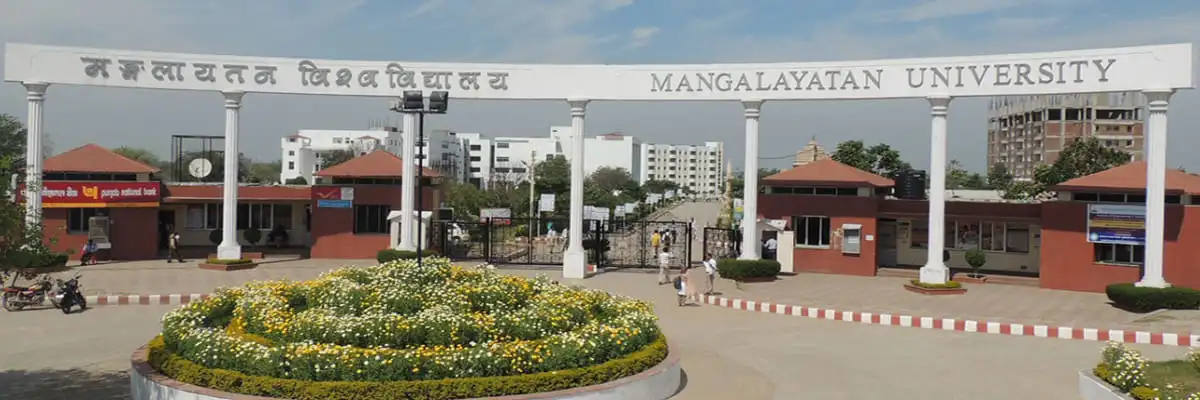
Mangalayatan University is a UGC-recognized private university located in Aligarh, Uttar Pradesh, India. Known for its strong industry connections, cutting-edge curriculum, and commitment to technology-driven education, Mangalayatan University has established itself as one of central India's premier higher education institutions.
The university's vision is to foster academic excellence, industry readiness, and global competitiveness among its graduates — making it an ideal partner for EasyShiksha's mission of accessible, quality online education.
EasyShiksha has signed an MoU with Mangalayatan University to facilitate applications for various university programs and jointly offer B.Voc programs. All degrees and certifications under these programs will be awarded by Mangalayatan University. The EasyShiksha team will provide complete assistance and support throughout the admission and program process.
Mangalayatan University, Uttar Pradesh
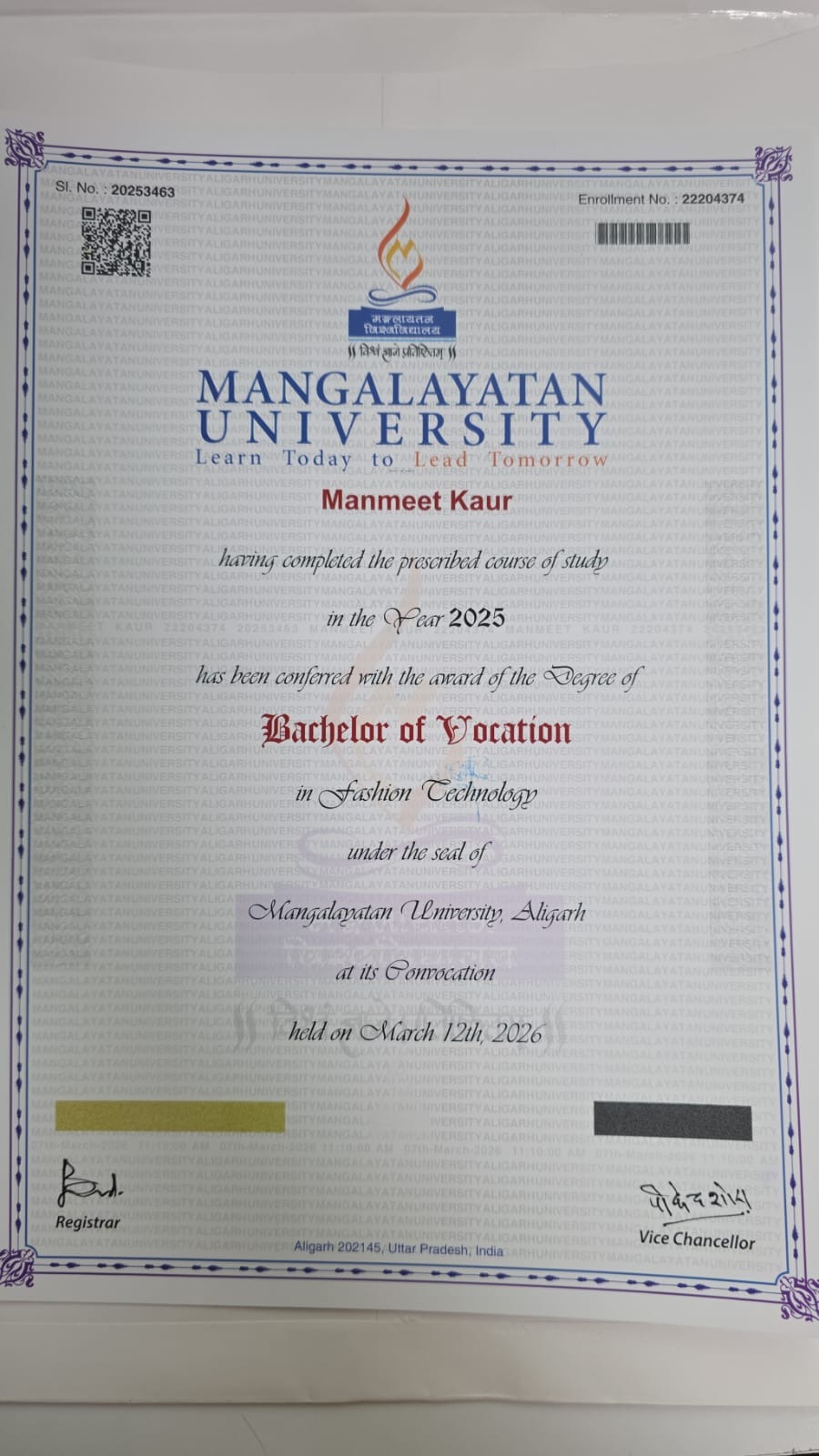
Sample Degree
Documents
Media Gallery
Frequently Asked Questions
Mangalayatan University is located at 33rd Milestone, Aligarh-Mathura Highway, Beswan, Aligarh, Uttar Pradesh, India. The campus is situated in close proximity to the Yamuna Expressway and the cities of Aligarh and Mathura.
Mangalayatan University was established in 2006 under the Mangalayatan University, Uttar Pradesh Act, 2006. The University states that it has the right to confer degrees under Sections 2(f) and 22(1) of the UGC Act.
Yes. Mangalayatan University states that it is recognized by the University Grants Commission (UGC) and was established through an Act of the Uttar Pradesh State Legislature. The University also lists NAAC A+ accreditation among its recognitions.
Yes. The University states that it is recognized by UGC-DEB for Open and Distance Learning (ODL) and is entitled by the UGC to offer online degree programmes. It also states that its online programmes are approved by AICTE.
Mangalayatan University offers programmes across multiple academic levels, including UG, PG, Diploma, PG Diploma and PhD. Its programme portfolio covers areas such as Engineering & Technology, Computer Applications, Management, Agriculture, Biotechnology, Pharmacy, Physiotherapy, Nursing, Journalism & Mass Communication and other disciplines.
Depending on the programme, applicants may be required to provide Class 10 and Class 12 certificates and marksheets, graduation/post-graduation marksheets where applicable, competitive examination rank card where applicable, migration/transfer certificate and recent passport-size photographs. Original documents may be required for verification.
Yes. The University states that students can apply for an education loan through banks, subject to the bank's eligibility criteria.
The M.Voc in Health and Nutrition is a postgraduate vocational programme at Mangalayatan University covering human physiology, nutrition and food science, public health, clinical nutrition, fitness, food service management and professional skills. The programme consists of four semesters and has 104 total credits.
The programme covers subjects including Human Physiology, Applied Nutrition and Food Science, Public Health Problem & Management, Advance Foundation Skills, Gourmet Cooking with Nutritional Evaluation (Lab), Methods of Nutritional Assessment, Public Health Awareness Lab, Food Toxicology, Advance Computer Skills, Clinical Nutrition and Diet Management, Sports Nutrition & Fitness, Clinical Diet Plan (Lab), Fitness Plan by FITT Factors (Lab), Life Skills & Adaptability Skills, Advance Professional Skills, Institutional Food Service Management, Industrial Visit, Dissertation/Project Report, Internship/ Internship Report and Viva Voce.
Yes. The curriculum includes several practical and applied components. These include Gourmet Cooking with Nutritional Evaluation (Lab), Methods of Nutritional Assessment, Public Health Awareness Lab, Clinical Diet Plan (Lab), Fitness Plan by FITT Factors (Lab), Industrial Visit, Dissertation/Project Report, Internship/ Internship Report and Viva Voce. The programme's preamble specifically states that it includes 6 months of Internship.
Students can develop skills related to nutritional assessment, diet planning, clinical nutrition, public health awareness, food and nutrition knowledge, fitness planning, communication, leadership, collaboration, computer applications in diet counselling, professional networking, negotiation, critical thinking and problem solving.
Depending on their skills, qualifications and professional interests, graduates can explore career areas related to nutrition, diet planning, clinical nutrition support, public health awareness, fitness and sports nutrition, institutional food service management, nutrition education and health-and-wellness services. The curriculum also includes industrial exposure, dissertation/project work and internship experience.