









D.Voc in Fashion Technology
Program Overview
The Diploma in Fashion Technology is a vocational diploma program offered by the Institute of Vocational Studies, Mangalayatan University. The curriculum combines foundational fashion knowledge with practical and skill-oriented learning in fashion design, fashion drawing, design development, fashion illustration, computer-aided design and garment technology. The program is structured as a 1-year program with two semesters and carries a total of 44 credits.
The first semester introduces students to the language and fundamentals of fashion through Basics of Fashion, Introduction to Fashion Industry, Design Thinking & Idea Generation, Fashion Drawing, and Design Essentials, supported by Functional English and Development of Foundation Skills. Students learn fashion terminology, fashion movements and cycles, design processes, idea-generation techniques, elements and principles of design, colour, texture, basic drawing and fashion-figure representation.
The second semester advances into Indian Historical Costumes, Professional Communication, Environmental Studies, Computer Aided Fashion Design, Design Idea, Fashion Illustration, and Basic Principles of Garment Technology. The curriculum covers fashion marketing and branding, retailing and merchandising, fashion entrepreneurship, sustainability and innovation, CorelDRAW and Photoshop-based design work, apparel design elements, accessories, fashion figures, prints, costumes, pattern making, garment construction and sewing techniques.
Overall, the program develops a combination of creative, visual, technical, communication and garment-production skills. Learners are introduced to design conceptualization, fashion illustration, digital fashion design, pattern making, drafting, sewing, garment construction and fashion-business concepts. The syllabus also includes an induction program conducted according to UGC/Regulatory Body guidelines.
Eligibility Criteria
The minimum eligibility for admission is 10+2 (in any stream) or equivalent or a two-year ITI Diploma after Class 10th or a three-year Polytechnic Diploma after Class 10th.
Approval Details
MHRD, Government of India and UGC
Curriculum
Semester I establishes the fundamental concepts required for fashion studies. It covers fashion terminology and development, the fashion industry, design thinking, fashion drawing and the elements and principles of visual design. The semester carries 22 credits.
1. Functional English
Course Code: DVOFAD-101
Course Type: General Academic Component
Credits: 2
Functional English develops communication and language skills relevant to academic and professional situations. The subject covers communication processes, verbal and non-verbal communication, listening, vocabulary and common grammatical errors.
Key Topics:
- Nature, scope and importance of communication
- Purpose and process of communication
- Encoder, decoder and message
- Verbal and non-verbal communication
- Personal appearance and body language
- Gestures, posture, facial expressions and eye contact
- Kinesics and time language
- Interpersonal and intrapersonal communication
- Receptive and productive language skills
- Listening concepts and barriers
- Everyday vocabulary
- Synonyms, antonyms, homonyms, homographs and homophones
- Prepositions and tenses
- Modifiers and commonly confused words
- Subject-verb agreement
- Articles and correct word order
- Negatives, questions and common grammatical errors
2. Basics of Fashion
Course Code: DVOFAD-102
Course Type: General Academic Component
Credits: 4
Basics of Fashion introduces students to the language, terminology, development and movement of fashion. It examines fashion in relation to culture, art, commerce, society and changing consumer preferences.
Key Topics:
- Fashion today
- Fashion and traditional costume
- Prescribed and modern clothing
- Women's fashion and men's fashion
- Fashion as art and commerce
- Fashion and the human body
- Fashion as a cultural paradigm
- Fashion terminology
- Style, design and taste
- Classics and fads
- Fashion look and accessories
- Fashion trends and seasons
- Acceptance and change in fashion
- Components and motivations of fashion change
- Historical development of fashion
- Fashion development during the 19th and 20th centuries
- Effects of leisure, communication and industry
- Influence of World Wars on fashion
- Youth-directed fashion
- Anti-fashion movements
- Fashion in the 1980s, 1990s and 21st century
- Principles of fashion movement
- Stages of the fashion cycle
- Fashion leaders, innovators, victims and followers
3. Development of Foundation Skills
Course Code: DVOFAD-103
Course Type: General Academic Component
Credits: 4
Development of Foundation Skills focuses on business communication, e-communication, presentations, professional image and teamwork. It supports the development of communication and employability skills relevant to professional environments.
Key Topics:
- Business communication
- Organizational communication networks
- Communication media
- Email trends
- Information richness and media types
- Technological advances
- Internal management communication
- Basics of computers
- Shortcut keys and printing
- Page setup
- Presentation preparation
- Conversations and interviews
- Speeches and presentations
- Answering questions
- Communicating key messages
- Professional image management
- Etiquette and first impressions
- Employability and success skills
- Career alignment
- Goal setting
- Teamwork
4. Introduction to Fashion Industry
Course Code: DVOFAD-104
Course Type: Skill Development Component
Credits: 3
Introduction to Fashion Industry provides an overview of the fashion business, fashion movement, industry structure, market segmentation, fashion categories and the work of leading designers and brands.
Key Topics:
- Importance and economic significance of fashion
- Four levels of the fashion business:
- Primary level
- Secondary level
- Retail level
- Auxiliary level
- Definition and evolution of fashion
- Fashion terminology
- Principles of fashion movement
- Theories of clothing origin
- Fashion cycles
- Theories of fashion adoption
- International fashion centres
- Fashion market segmentation
- Demographic, geographic, psychographic and behavioural segmentation
- Economic and social environment of fashion
- Men's wear, women's wear and kids' wear
- Political, social, environmental, geographical and cultural influences
- Study of national and international fashion designers and brands
- Designer education, specialty and brand/label
- Designer contribution, product range, outlets and collection showcase
5. Design Thinking & Idea Generation
Course Code: DVOFAD-105
Course Type: Skill Development Component
Credits: 3
Design Thinking & Idea Generation develops creative problem-solving and fashion-design conceptualization skills. Students learn techniques for generating, developing, presenting, testing and refining design ideas.
Key Topics:
- Introduction to design thinking
- Mind mapping
- Design case studies
- SCAMPER technique
- Brainstorming
- Understanding human needs
- Design brief or Parti
- Analysis and research
- Design specifications
- Problem solving
- Conceptualization and documentation
- Presentation development
- Testing and implementation
- Evaluation and conclusion
- Constructive criticism
- Redesign
- Approaches to design
- Principles of fashion design
- Exploring and redefining design
- Managing design
- Trend spotting
- Final presentation of projects
6. Fashion Drawing
Course Code: DVOFAD-106
Course Type: Skill Development Component
Credits: 3
Fashion Drawing develops fundamental drawing and visual-representation skills for fashion design. The subject progresses from lines and shading to nature studies, perspective, object drawing and fashion-figure studies.
Key Topics:
- Basic line exercises
- Shading exercises
- Pencil and colour mediums
- Colour pencils
- Poster colour and watercolour
- Nature studies
- Natural forms such as flowers, leaves, branches and plants
- Converting natural forms into design forms
- Representation of natural textures
- Introduction to perspective
- Point perspective
- Three-dimensional object drawing
- Geometric shapes such as cubes, pyramids and cuboids
- Cylindrical forms
- Drawing everyday man-made objects
- Male and female figure proportions
- Female fashion figure block
- Flesh female figure
- Front, back, three-quarter and side views
- Stick figures
- Balance and movement
7. Design Essentials
Course Code: DVOFAD-107
Course Type: Skill Development Component
Credits: 3
Design Essentials introduces the core elements, aesthetic qualities and principles of design. It develops understanding of lines, shapes, colours, textures, balance, proportion, rhythm, emphasis and unity.
Key Topics:
- Definition and types of design
- Design basics and terminology
- Elements of design
- Types and roles of lines
- Psychological and visual associations of lines
- Types and roles of shapes
- Psychological and visual associations of shapes
- Colour dimensions and properties
- Colour psychology
- Colour wheel and colour schemes
- Visual effects of colour
- Application of colour in design
- Colour key charts
- Types and categories of texture
- Psychological and visual associations of texture
- Formal, expressive and symbolic aesthetic qualities
- Principles of design
- Balance
- Proportion
- Rhythm
- Emphasis
- Unity
Download Syllabus
Semester II builds on the first-semester foundation and introduces fashion marketing, branding, retailing, sustainability, computer-aided fashion design, apparel design, fashion illustration and garment construction. The semester carries 22 credits.
1. Indian Historical Costumes
Course Code: DVOFAD-201
Course Type: General Academic Component
Credits: 4
Indian Historical Costumes covers fashion-business concepts alongside the development of Indian and global fashion markets. The syllabus includes marketing, branding, retailing, merchandising, entrepreneurship, sustainability and career opportunities in fashion business.
Key Topics:
- Introduction to the fashion industry
- Definition and scope of fashion business
- History and evolution of fashion
- Global and Indian fashion markets
- Fashion-industry stakeholders
- Designers, brands, retailers and manufacturers
- Fashion cycles and trends
- Fashion consumer behaviour
- Fashion marketing principles
- Market research and target-market identification
- Fashion-brand development and positioning
- Branding strategies
- Digital marketing and social media
- Fashion advertising and promotion
- Fashion retail formats
- Offline and online retailing
- Store layout and visual merchandising
- Buying and merchandising processes
- Inventory and supply-chain management
- Role of fashion buyers
- Fashion entrepreneurship and business planning
- Funding options and fashion-business models
- Trademarks, copyright and licensing
- E-commerce and sustainable business models
- Environmental and social impact of fashion
- Circular fashion and ethical practices
- Sustainable supply chains
- Certifications and global standards
- Global fashion economy
- International fashion markets, trade fairs and fashion weeks
- Career paths such as merchandiser, brand manager and buyer
- Networking, portfolio and resume building
2. Professional Communication
Course Code: BVOFAD-202
Course Type: General Academic Component
Credits: 2
Professional Communication focuses on communication styles, listening, business writing, soft skills and group communication. It prepares learners to communicate effectively in academic and workplace situations.
Key Topics:
- Passive, aggressive, passive-aggressive and assertive communication
- Verbal and non-verbal communication
- Barriers and gateways to communication
- Types of listening
- Effective listening techniques
- Academic listening
- Listening to talks and presentations
- Telephone communication
- Standard business letters
- Report writing
- Email drafting and etiquette
- Preparing meeting agendas
- Writing minutes of meetings
- Notes on business conversations
- SMS communication
- Case writing and documentation
- Empathy
- Intrapersonal and interpersonal skills
- Negotiation skills
- Cultural aspects of communication
- Group dynamics
- Group interaction
- Handling miscommunication
- Handling disagreements and conflicts
- Constructive criticism
3. Environmental Studies
Course Code: BVOFAD-203
Course Type: General Academic Component
Credits: 2
Environmental Studies introduces the multidisciplinary nature of environmental issues, natural resources, ecosystems, biodiversity, sustainable development, environmental legislation and the relationship between population, human health and the environment.
Key Topics:
- Scope and importance of environmental studies
- Public awareness
- Renewable and non-renewable resources
- Forest resources and associated problems
- Deforestation and timber extraction
- Mining and dams
- Effects on forests and tribal communities
- Conservation of natural resources
- Sustainable lifestyles
- Ecosystems and their structure
- Producers, consumers and decomposers
- Energy flow
- Ecological succession
- Food chains and food webs
- Ecological pyramids
- Biodiversity and its conservation
- Genetic, species and ecosystem diversity
- Bio-geographical classification of India
- Values of biodiversity
- India as a mega-diversity nation
- Biodiversity hotspots
- Threats to biodiversity
- Endangered and endemic species
- In-situ and ex-situ conservation
- Sustainable development
- Urban energy problems
- Resettlement and rehabilitation
- Environmental ethics
- Climate change and global warming
- Acid rain and ozone-layer depletion
- Consumerism and waste products
- Environment Protection Act
- Environmental legislation and public awareness
- Population growth and population explosion
- Environment and human health
- Human rights and value education
- Role of information technology in environmental and human health
4. Computer Aided Fashion Design
Course Code: DVOFAD-204
Course Type: Skill Development Component
Credits: 4
Computer Aided Fashion Design introduces digital tools used for fashion-related drawing, image editing, colour application, textile effects, composition and presentation. The syllabus specifically covers CorelDRAW and Photoshop.
Key Topics:
- CorelDRAW terminology and concepts
- Vector graphics and bitmap graphics
- Drawing objects and shapes
- Artistic and paragraph text
- CorelDRAW interface and tools
- Pen, outline, editing, mirror and rotate tools
- Rectangles, squares, ellipses, circles and arcs
- Polygons, stars, spirals and grids
- Predefined shapes
- Digitization of necklines and sleeves
- Object shaping
- Uniform, fountain, pattern and texture fills
- Symbols, libraries and colour palettes
- Three-dimensional effects
- Transparency
- Text formatting and text on paths
- Theme-based croquis and jewellery sets
- Jewellery representation including gold shading, Kundan, stones and diamonds
- Photoshop terminology and concepts
- Creating and editing documents
- Cropping and image editing
- Brushes, pencils and gradients
- Selection tools
- Layers and layer management
- Layer styles, blending modes and opacity
- Image sizing and transformation
- Healing, patch, clone, eraser, dodge, burn and sponge tools
- Textile-pattern creation such as Khadi, Silk, Denim, Jute and Cotton
- Collage and poster making
- Composition and calendar creation
- Makeup application on a face
- Project database and object-data functions
5. Design Idea
Course Code: DVOFAD-205
Course Type: Skill Development Component
Credits: 4
Design Idea focuses on developing apparel and accessory design concepts. Students work with design elements, colour schemes, apparel components and accessories and create a visual diary.
Key Topics:
- Concept and definition of design
- Types and role of design
- Three facets of successful designs
- Design, colour and terminology
- Application of different colour schemes
- Apparel design elements
- Necklines and collars
- Sleeves and silhouettes
- Trousers and skirts
- Embellishments
- Pleats, frills and flounces
- Laces, buttons and fasteners
- Prints and patterns
- Flat sketches and coloured derivatives
- Accessory design
- Hats
- Shoes
- Handbags
- Boots
- Flat sketches and coloured accessory derivatives
- Meanings conveyed through colours
- Colour schemes
- Applications of colour meanings in different fields
- Creation of a visual diary of apparel design elements and accessories
6. Fashion Illustration
Course Code: DVOFAD-206
Course Type: Skill Development Component
Credits: 3
Fashion Illustration develops the ability to represent fashion figures, facial features, hairstyles, prints, accessories and costumes. The subject also introduces composition of multiple fashion figures and different regional and world costumes.
Key Topics:
- Facial features
- Eyes, nose, ears and lips
- Fashion faces
- Basic figure forms
- Drawing legs, arms, hands and feet
- Fashion heads
- Full-front, three-quarter and profile heads
- Hair outlines and hairstyle sketching
- Enlargement and reduction of prints
- Arrangement of prints
- Fashion accessories
- Hairstyles and makeup
- Composition of multiple fashion figures
- Presentation of urban and rural costumes
- Traditional costumes of different Indian states
- World costumes
7. Basic Principles of Garment Technology
Course Code: DVOFAD-207
Course Type: Skill Development Component
Credits: 3
Basic Principles of Garment Technology introduces garment manufacturing, measurement, drafting, pattern making, sewing, garment blocks and basic product operations. It provides foundational knowledge of garment construction processes.
Key Topics:
- Overview of garment manufacturing
- Design study and sample garments
- Product costing
- Garment-manufacturing terminology
- Measuring and drafting tools
- Bodylines and system charts
- Eight-head theory
- Measuring and marking devices
- Cutting tools
- Drafting and pattern-making techniques
- Paper patterns and pattern terminology
- Grain lines
- Marker planning and layout
- Sewing machines and components
- Types and uses of sewing machines
- Stitches and seams
- Machine and hand stitches
- Child and adult bodice blocks
- Sleeve blocks
- Skirt blocks
- Trouser blocks
- A-line kurta
- Churidar and salwar
- Loose and fitted sleeves
- Fitted sleeves with dart
- Basic hand stitches
- Basting, hemming and overcasting
- Blanket stitch and open herringbone
- Smocking
- Basic machine seams
- Flat, bound, lapped and French seams
- Quilting, darts, tucks, pleats, gathers and shirring
- Ruffles, facing, plackets, interlacing and piping
- Pockets, belts, bands and cuffs
- Zippers, buttons and buttonholes
- Hooks and eyes, snaps and other fasteners
Fee Structure
Admission Process
Students can apply for the DIPLOMA Fashion Technology programme through EasyShiksha. The complete application process is designed to make admission simple and convenient for eligible students.
Step 1: Click on Apply Now
Click the Apply Now button on the DIPLOMA Fashion Technology programme page and begin your application through EasyShiksha.
Step 2: Complete Personal Information
Fill in the required personal, contact and academic details accurately in the application form.
Step 3: Upload Required Documents
Upload the required documents for eligibility and admission verification as specified during the application process.
Step 4: Pay Application Fee
Pay the applicable application fee through the available online payment options to submit your application and initiate the admission process.
Step 5: Application Review
The EasyShiksha team reviews your application and submitted documents to verify your eligibility and ensure that the required information and documents have been provided.
Step 6: University Enrollment
Once the application is successfully reviewed and the student is found eligible, EasyShiksha facilitates the enrollment process with Mangalyatan University.
Step 7: LMS Access
After successful enrollment, the student is provided access to the Learning Management System (LMS) to begin their academic journey and access the available learning resources.
Start Your Application
Ready to begin your journey in Software Development? Click Apply Now to submit your application through EasyShiksha.
Career & Placements
The Diploma in Fashion Technology combines fashion fundamentals, creative design, digital design tools, illustration, apparel development and garment technology with fashion-business and communication skills. Based on the curriculum, students can explore opportunities across design, garment development, digital fashion work, merchandising and fashion-business support. Specific roles and responsibilities may vary according to an individual's skills, portfolio, experience and employer requirements.
Fashion Design & Creative Roles
- Fashion Design Assistant – Support design development, apparel concepts, colour selection and fashion presentations.
- Apparel Design Assistant – Work with apparel elements such as necklines, collars, sleeves, silhouettes, skirts and trousers.
- Fashion Illustration Assistant – Apply fashion-figure, costume and illustration skills to visual fashion presentations.
- Design Development Assistant – Support research, conceptualization, trend spotting and development of fashion ideas.
Digital Fashion Design Roles
- Computer Aided Fashion Design Assistant – Apply CorelDRAW and Photoshop skills to fashion-related digital artwork.
- Fashion Graphic Design Assistant – Create digital compositions, posters, collages, patterns and visual presentations.
- Digital Fashion Illustration Assistant – Support digital representation of apparel, accessories, colours and textile effects.
Garment Technology & Production Support
- Garment Production Assistant – Support garment-manufacturing activities and basic production processes.
- Pattern Making Assistant – Work with paper patterns, drafting, blocks, grain lines and marker planning.
- Garment Construction Assistant – Apply knowledge of stitches, seams, sewing machines and garment-construction techniques.
- Sampling Assistant – Support sample-garment development using basic drafting and garment technology knowledge.
Fashion Merchandising & Business Roles
- Fashion Merchandising Assistant – Support buying, merchandising, inventory and fashion-retail activities.
- Fashion Retail Assistant – Apply knowledge of fashion retail formats, store layouts and visual merchandising.
- Fashion Brand Support Assistant – Assist with fashion branding, promotion and basic market-oriented activities.
- Fashion Business Support Role – Apply knowledge of fashion markets, consumer behaviour and business models.
Fashion Marketing & Digital Promotion
- Fashion Marketing Assistant – Support market research, target-market identification and fashion promotion activities.
- Fashion Social Media Support – Assist with digital marketing and social-media activities for fashion businesses.
- Fashion Promotion Assistant – Support advertising and promotional activities related to fashion products and brands.
Fashion Entrepreneurship
- Fashion Business Entrepreneur – Explore independent fashion-business opportunities using the program's foundation in business models, branding, e-commerce and product development.
- Fashion Design Freelancer – Provide fashion illustration, digital design or apparel-design services depending on individual skills and portfolio.
- Custom Design Support – Explore independent apparel and accessory design activities.
The curriculum specifically introduces career paths in fashion business such as merchandiser, brand manager and buyer, while also covering professional networking, portfolio and resume building.
Mangalayatan University, Aligarh
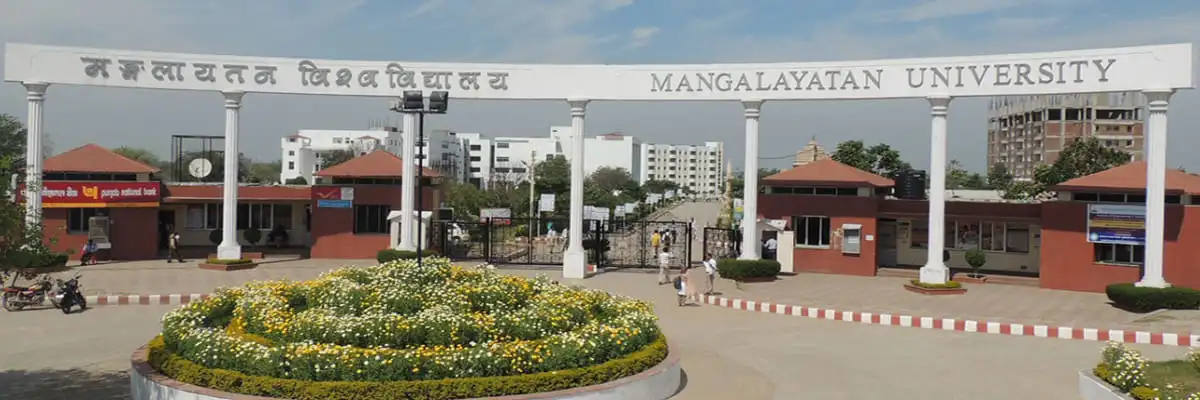
Mangalayatan University is a UGC-recognized private university located in Aligarh, Uttar Pradesh, India. Known for its strong industry connections, cutting-edge curriculum, and commitment to technology-driven education, Mangalayatan University has established itself as one of central India's premier higher education institutions.
The university's vision is to foster academic excellence, industry readiness, and global competitiveness among its graduates — making it an ideal partner for EasyShiksha's mission of accessible, quality online education.
EasyShiksha has signed an MoU with Mangalayatan University to facilitate applications for various university programs and jointly offer B.Voc programs. All degrees and certifications under these programs will be awarded by Mangalayatan University. The EasyShiksha team will provide complete assistance and support throughout the admission and program process.
Mangalayatan University, Uttar Pradesh
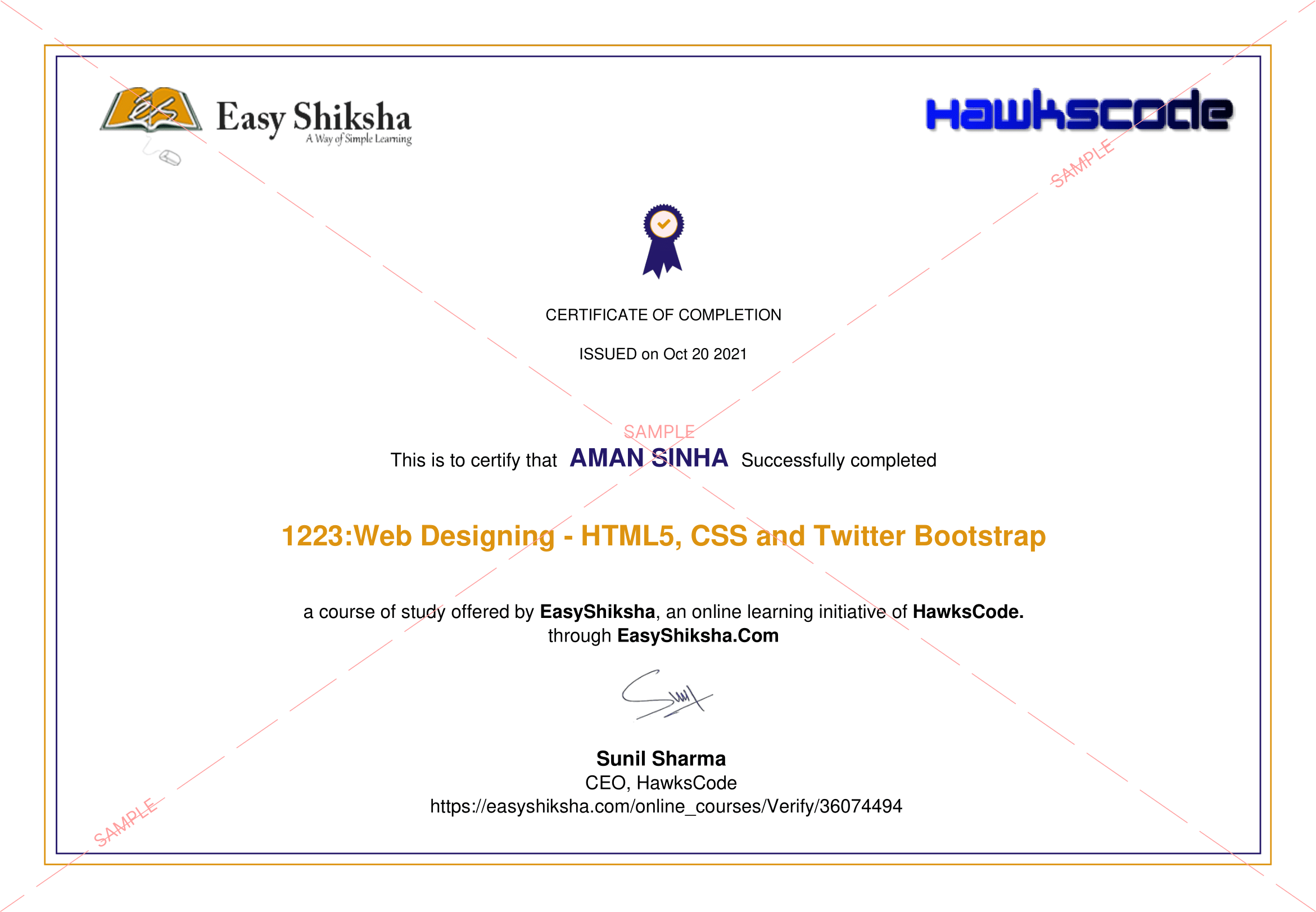
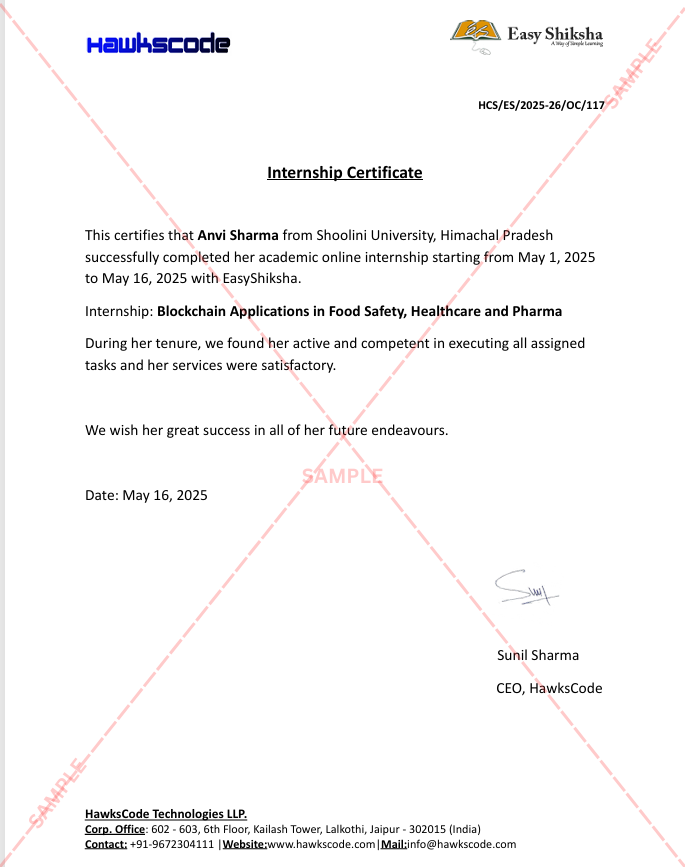
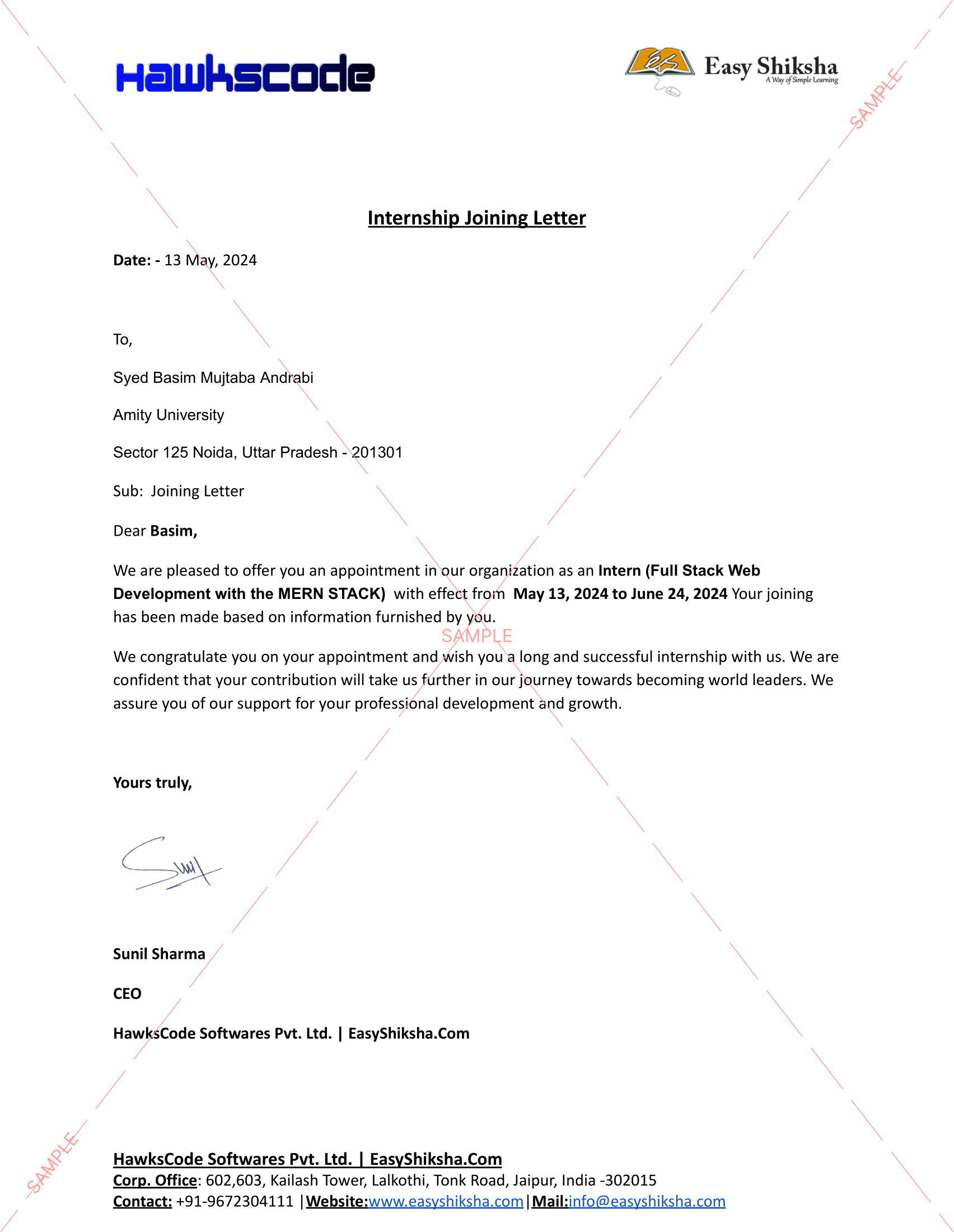
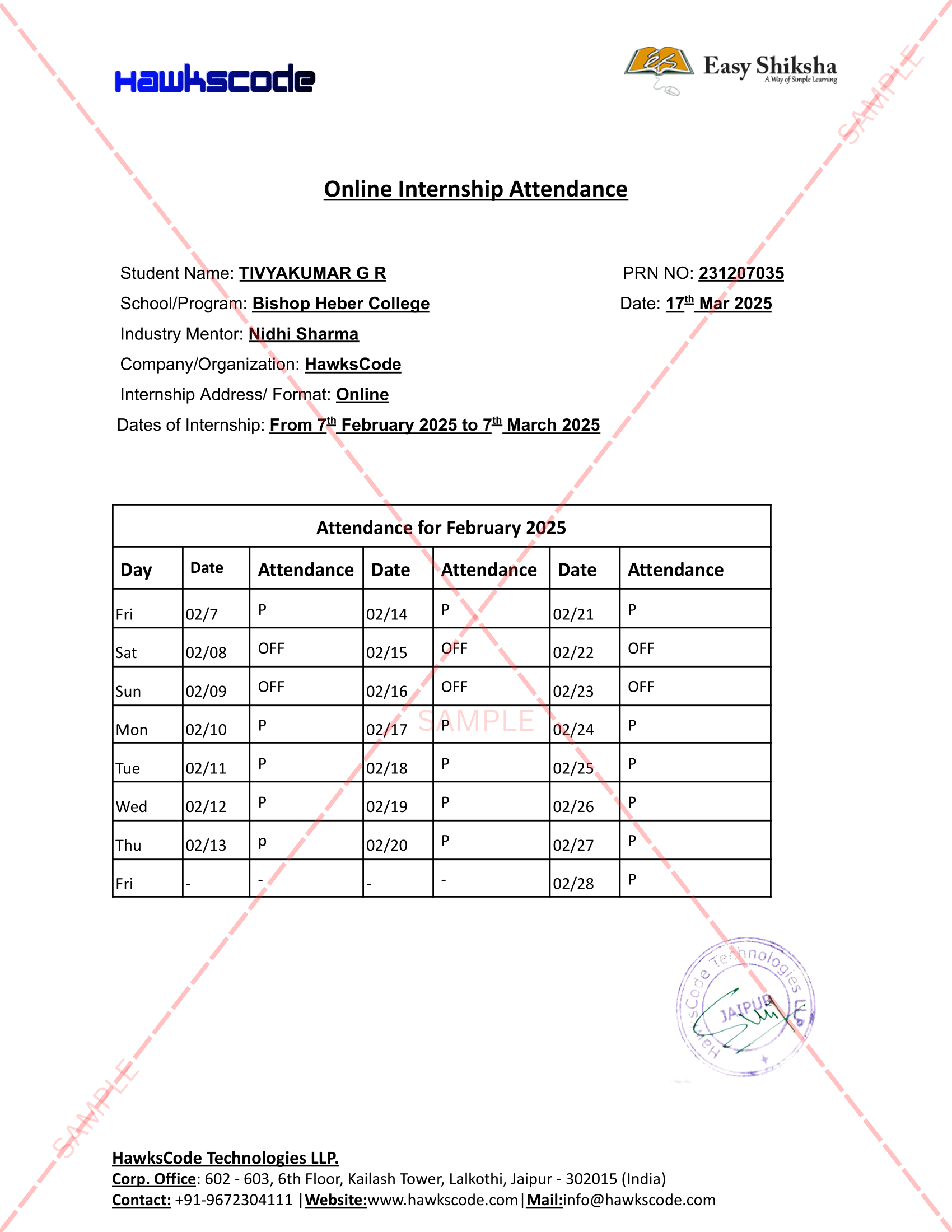
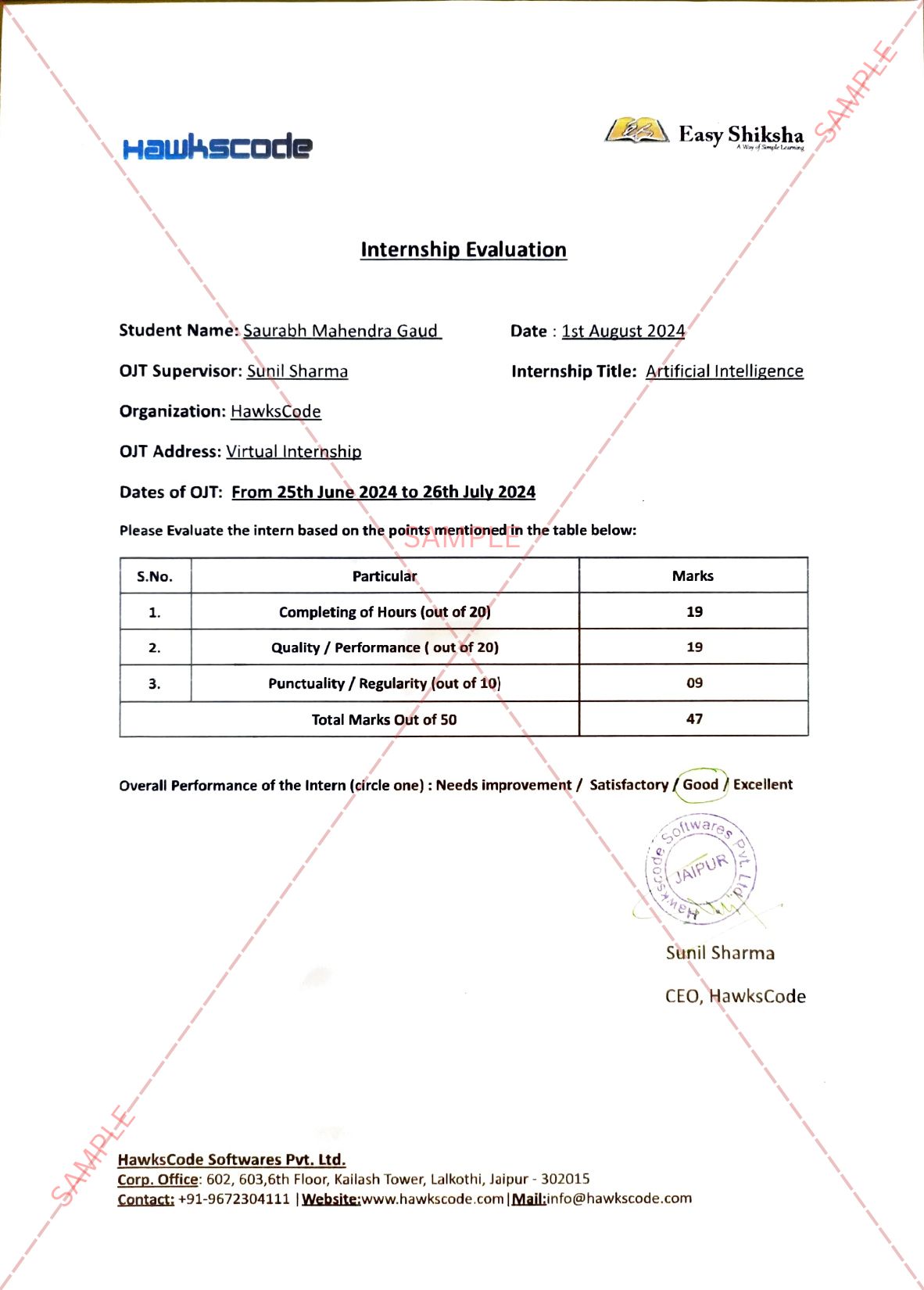
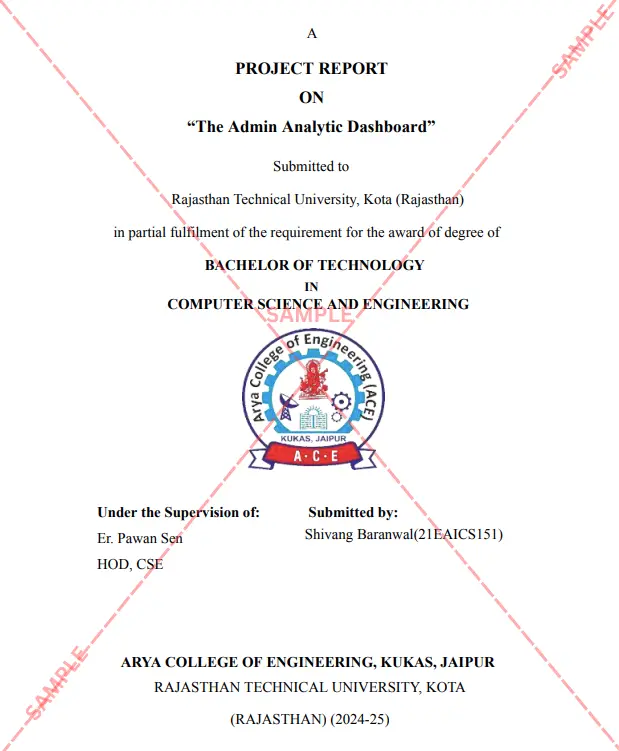
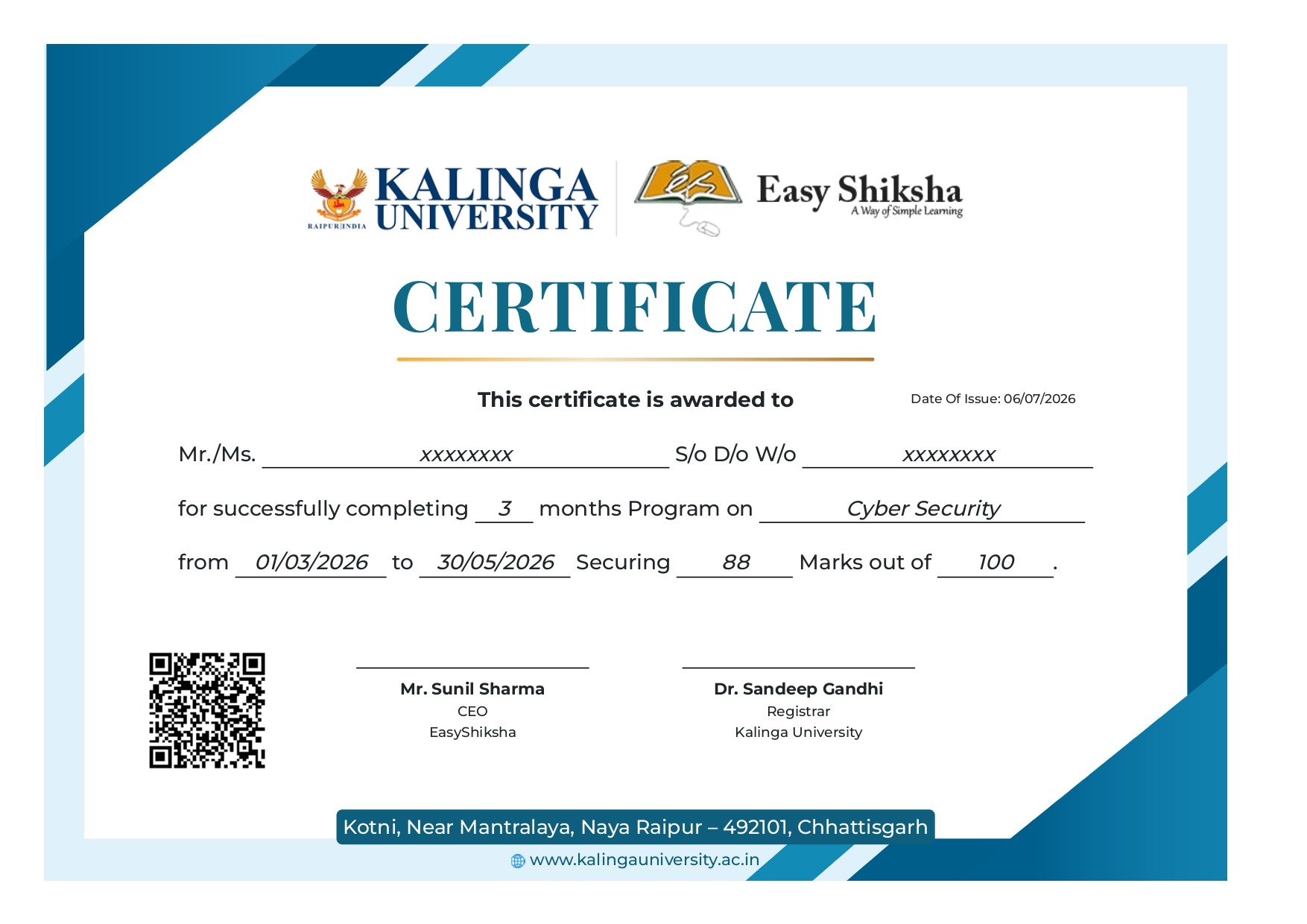
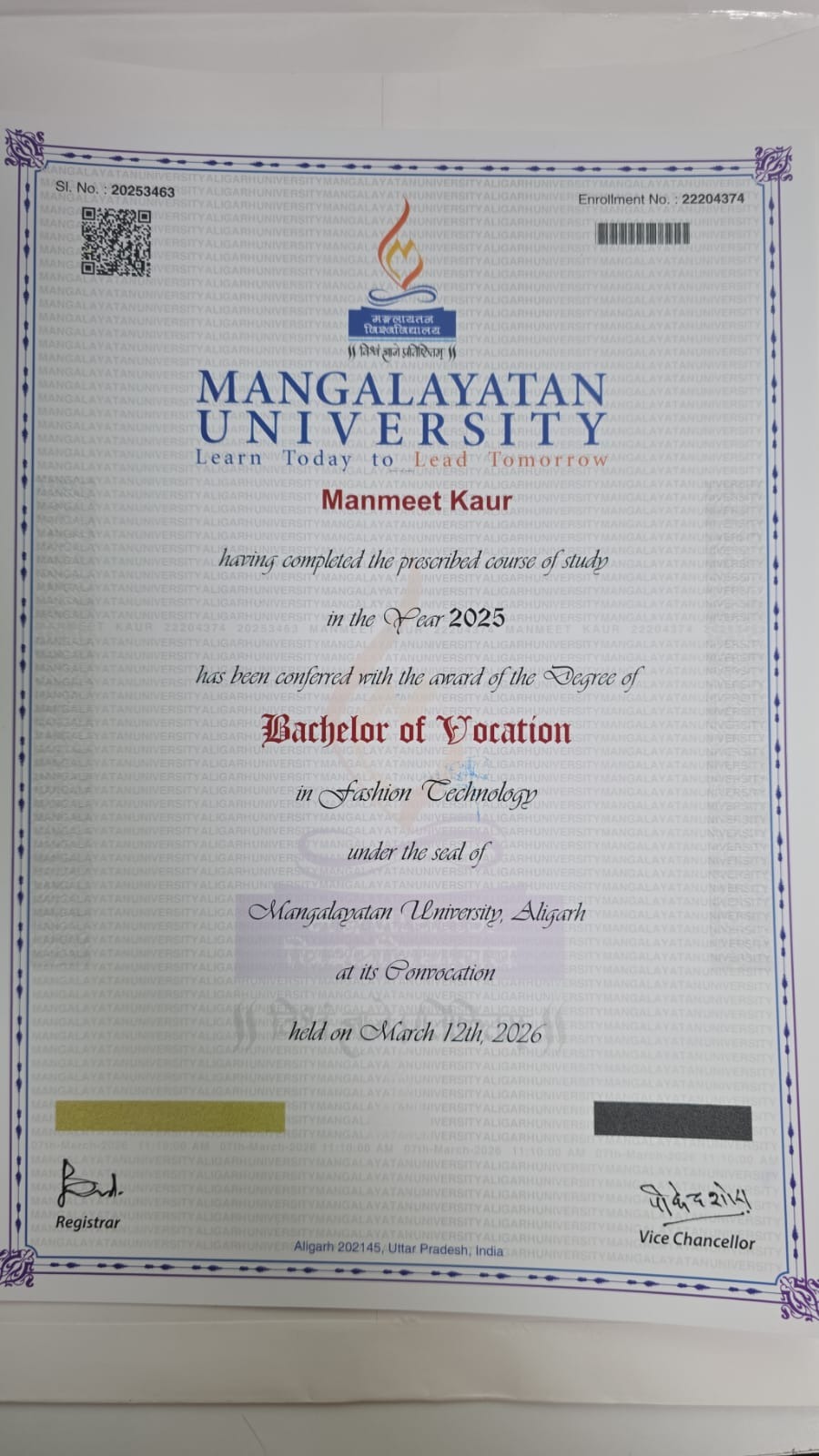
Sample Certificate
Documents
Media Gallery
Frequently Asked Questions
Mangalayatan University is located at 33rd Milestone, Aligarh-Mathura Highway, Beswan, Aligarh, Uttar Pradesh, India. The campus is situated in close proximity to the Yamuna Expressway and the cities of Aligarh and Mathura.
Mangalayatan University was established in 2006 under the Mangalayatan University, Uttar Pradesh Act, 2006. The University states that it has the right to confer degrees under Sections 2(f) and 22(1) of the UGC Act.
Yes. Mangalayatan University states that it is recognized by the University Grants Commission (UGC) and was established through an Act of the Uttar Pradesh State Legislature. The University also lists NAAC A+ accreditation among its recognitions.
Yes. The University states that it is recognized by UGC-DEB for Open and Distance Learning (ODL) and is entitled by the UGC to offer online degree programmes. It also states that its online programmes are approved by AICTE.
Mangalayatan University offers programmes across multiple academic levels, including UG, PG, Diploma, PG Diploma and PhD. Its programme portfolio covers areas such as Engineering & Technology, Computer Applications, Management, Agriculture, Biotechnology, Pharmacy, Physiotherapy, Nursing, Journalism & Mass Communication and other disciplines.
Depending on the programme, applicants may be required to provide Class 10 and Class 12 certificates and marksheets, graduation/post-graduation marksheets where applicable, competitive examination rank card where applicable, migration/transfer certificate and recent passport-size photographs. Original documents may be required for verification.
Yes. The University states that students can apply for an education loan through banks, subject to the bank's eligibility criteria.
Mangalayatan University has a 70+ acre campus in Aligarh, Uttar Pradesh.
Mangalayatan University holds an A+ accreditation grade from the National Assessment and Accreditation Council (NAAC).
Yes. Mangalayatan University carries AICTE approval for its technical programmes.
The degree certificate is issued and signed directly by Mangalayatan University, rather than by EasyShiksha or another third-party platform.
The degree certificate is personalised with the student's name, programme, and completion date and carries the university's official signature and seal.
Yes. The university's campus hosts optional immersion sessions associated with select Executive and Hybrid-mode programmes.
Students can select a Mangalayatan University programme, submit their personal details and required documents, pay the application fee, and proceed through the university's application review process.
Yes. Applications submitted through EasyShiksha can be monitored through the dashboard, where applicants can view status updates such as Under Review and Accepted along with their reference ID.
The Diploma in Fashion Technology is a 1-year diploma program at Mangalayatan University covering fashion fundamentals, fashion-industry concepts, design thinking, fashion drawing, digital fashion design, illustration and garment technology. The program is divided into two semesters and carries 44 credits.
The program covers subjects such as Basics of Fashion, Introduction to Fashion Industry, Design Thinking & Idea Generation, Fashion Drawing, Design Essentials, Indian Historical Costumes, Computer Aided Fashion Design, Design Idea, Fashion Illustration, and Basic Principles of Garment Technology, along with communication, foundation and environmental studies subjects.
The syllabus includes practical and project-oriented learning within subjects. For example, Design Thinking & Idea Generation includes final project presentations, while Computer Aided Fashion Design, Fashion Drawing, Fashion Illustration and Basic Principles of Garment Technology contain hands-on design and garment-development activities.
Students can develop skills in fashion design, design thinking, fashion drawing, illustration, colour and design principles, digital fashion design, CorelDRAW and Photoshop, apparel design, pattern making, garment construction, sewing techniques, fashion communication, merchandising and fashion-business fundamentals.
Depending on their skills, portfolio and experience, learners can explore opportunities as fashion design assistants, apparel design assistants, fashion illustration assistants, computer-aided fashion design assistants, pattern-making assistants, garment-production assistants, merchandising assistants and fashion-business support professionals. The curriculum also introduces fashion-business career paths such as merchandiser, brand manager and buyer.