

















B.Voc in Digital Film Making
Program Overview
The B.Voc in Digital Film Making at Mangalayatan University is a three-year undergraduate vocational programme designed to develop practical and professional skills in film production, direction, cinematography, digital editing, sound design, digital intermediate, documentary filmmaking, advertising and television production.
The programme combines classroom learning, practical laboratory work, photography, filmmaking exercises, short-film production, industrial training and major projects. Students progressively learn the complete film-production workflow, from developing a concept and screenplay to shooting, editing, sound, colour grading, distribution and final production.
The curriculum begins with Film Appreciation, Script & Screenplay, Fundamentals of Filmmaking and Digital Photography, before progressing to Film Direction, Cinematography and Digital Film Editing. In the advanced semesters, students work on Digital Intermediate, Sound Designing, Advanced Film Direction, Advanced Cinematography, Documentary Filmmaking, Motion Graphics, Photojournalism, Advertising and Film Production Management.
The programme comprises 132 total credits across six semesters, with 18 credits in Semester I, 20 in Semester II, 24 in Semester III, 22 in Semester IV, and 24 credits each in Semesters V and VI. The curriculum also provides an exit option of Advanced Diploma in Digital Film Making after the fourth semester.
Eligibility Criteria
The minimum eligibility for admission in B.Voc is 10+2 (in any stream) or equivalent or a two-year ITI Diploma after Class 10th or a three-year Polytechnic Diploma after Class 10th.
Approval Details
MHRD, Government of India and UGC
Curriculum
Semester I – Foundations of Film Making
Semester I establishes the creative and technical foundation of filmmaking. Students are introduced to film language, storytelling, screenplay development, production stages and digital photography. The semester carries 18 credits.
1. Functional English
Develops communication and language skills required for academic and professional environments, including verbal and non-verbal communication, listening, vocabulary, grammar and effective expression.
2. Film Appreciation & Genres
Introduces film analysis, film vocabulary, thematic elements, symbolism, storytelling, cinematography, editing, acting and aesthetics. Students study major film genres including Westerns, gangster films, mysteries, film noir, horror, fantasy, science fiction, romantic comedy, musicals and documentaries.
3. Script and Screenplay
Covers story development, plot, characterisation, screenplay structure, dialogue writing, visual storytelling and screenplay preparation.
4. Fundamentals of Film Making
Introduces the history of Indian cinema, pre-production, production and post-production. Topics include story development, screenplay, storyboard, camera shots, framing, composition, cinematography, lighting, editing, sound recording, background music, sound effects and Foley.
5. Script and Screenplay Lab
Provides practical training in short-video scripting, character development, multi-protagonist stories, television writing and storyboard preparation.
6. Digital Photography Lab
Covers photography fundamentals, composition, lighting, DSLR operation, aperture, shutter speed, ISO, depth of field, lenses, filters and practical photography assignments.
Download Syllabus
Semester II develops practical filmmaking capabilities through direction, cinematography and digital editing. The semester carries 20 credits.
1. Basics of Film Direction
Covers the role and responsibilities of a film director, leadership, collaboration, artistic vision, story development, script analysis, screen grammar, directing actors, rehearsals and production-stage management.
2. Basics of Cinematography
Introduces film and digital formats, picture composition, framing, camera movements, shot types, continuity, lighting, colour and the fundamental principles of cinematography.
3. Digital Film Editing-I
Covers the history and principles of film editing, editing software, continuity editing, shot construction, rough cuts, final cuts, colour grading, titling, sound, montage and storytelling through editing.
4. Photo Story Lab
Students research a visual topic, develop a photo-story concept, create captions and produce a professional photographic body of work. Practical activities include DSLR photography, composition, lighting and Photoshop editing.
5. Digital Film Editing Lab
Practical exercises include audio synchronisation, continuity editing, cutting on action, dialogue editing, sound mixing, music-video editing, lip-syncing, transitions, titles, documentary editing and multicamera editing.
6. Cinematography Lab
Students practise screen direction, rule of thirds, shot composition, three-point lighting, day/night lighting, natural and artificial lighting, colour grading, colour-balanced shots, aerial shots and continuity shots.
Semester III moves into advanced post-production and production techniques. It carries 24 credits.
1. Energy & Environment
Introduces conventional and non-conventional energy resources, energy conservation, renewable energy, pollution, climate change, waste management, environmental ethics and sustainable development.
2. Digital Intermediate
Introduces professional digital colour workflows using DaVinci Resolve, including project setup, colour management, editing, nodes, shot matching, exposure correction, skin-tone correction, LUTs, monitor calibration and DI workflows.
3. Basics of Sound Designing
Covers sound production, acoustics, psychoacoustics, microphones, location recording, boom and Lavalier microphones, room tone, audio synchronisation, Foley, ADR, Pro Tools and sound mixing.
4. Advanced Film Direction Lab
Students develop their artistic identity and explore screen craft, point of view, genre, conflict, structure, plot, time, space, visual style and performance. Students produce a 7–15 minute fiction short film based on an original idea.
5. Digital Intermediate Lab
Practical training includes colour management, colour spaces, conforming timelines, node trees, RAW/Log footage, colour correction, colour grading, skin-tone correction, creating looks, effects and output for theatre, broadcast and social media.
6. Advanced Cinematography Lab
Covers tracking, crane and rolling shots, aerial photography, camera data management, studio lighting, focus pulling, green/blue-screen lighting, special effects, colour correction, DCP, anamorphic lenses, filters and creative camera techniques.
Semester IV combines professional development with documentary filmmaking, sound, motion graphics and photojournalism. The semester carries 22 credits and marks the completion of the Advanced Diploma exit stage.
1. Personality Development
Develops goal setting, self-management, interpersonal skills, conflict resolution, stress management, communication, body language, presentation and professional behaviour.
2. Gender and Media
Explores gender representation in media, women's issues, media practices, representation of women in newspapers, magazines, television, radio and cinema, and the relationship between media and empowerment.
3. Introduction to Documentary Film Making
Introduces non-fiction filmmaking and documentary genres such as actuality, compilation, educational, propaganda, sponsored and creative documentaries. Students study documentary history, television documentaries, ethics, research, documentary scripting, narration, visuals, music, subtitles and editing. The practical component involves producing a 15-minute non-fiction programme.
4. Sound Designing Lab
Provides practical experience in location sound, sound recording, Foley, ADR, dubbing, sound effects, audio editing and mixing.
5. Motion Graphic Design Lab
Students create practical motion-graphics projects including product-promotion videos, movie motion posters, movie trailers, advertisement videos and news interfaces.
6. Photojournalism Lab
Develops practical skills in journalistic photography, visual storytelling, photographic composition, field assignments and presentation of photographic work.
Semester V focuses on the business and professional aspects of film production, marketing and advertising. It carries 24 credits.
1. Film Production Management
Covers production processes, production managers, line producers, scheduling, budgeting, location management, studio shoots, cash-flow management, post-production routes, copyright, contracts, child licensing and production safety.
2. Marketing & Distribution
Introduces film business, production management, film marketing, audience targeting, publicity, media planning, trailers, posters, domestic and international release strategies, theatrical distribution, VOD, DTV, music and licensing.
3. Introduction to Ad Filmmaking
Covers advertising concepts, audience analysis, campaign planning, creative strategy, advertising messages, audiovisual scriptwriting and production across television, digital and online media.
4. Ad Filmmaking Lab
Students work on practical projects such as product shoots, production design, advertisement videos, social-media advertisements and public-awareness advertisements.
5. Industrial Training
Students undergo practical industry exposure in a TV studio, television channel or film-production company. The curriculum specifies a 30-day internship during Semester V, followed by submission of an internship report.
6. Major Project-I & Seminar
Students begin a substantial film/media project and present their research, concept, production approach and outcomes through a seminar.
Semester VI completes the programme with entrepreneurship, regional cinema, film disciplines, television news production, industry exposure and the final major project. It carries 24 credits.
1. Entrepreneurship Development
Introduces entrepreneurship, entrepreneurial traits, business opportunities, project identification, venture promotion, project financing, venture capital, small-business development and institutions supporting entrepreneurs.
2. Regional Cinema
Explores the origin and development of Indian cinema and regional film industries, including Assamese, Bengali, Bhojpuri, Gujarati, Hindi, Tamil, Telugu, Malayalam, Marathi and Kannada cinema, along with film festivals, professional bodies, government support and cinema business.
3. Disciplines of Film Making
Provides broader understanding of the different professional disciplines involved in film production and the responsibilities, workflows and collaboration required across the filmmaking process.
4. TV News Production Lab
Introduces television journalism, newsroom structure, news values, editorial meetings, television reporting, PTC delivery, live reporting, interviews, bulletin production, running orders, broadcast scripts, news presentation, anchoring and studio techniques.
5. Industrial Training / Institutional Survey
Provides further exposure to professional production environments, helping students understand industry workflows, tools, collaboration and professional practices.
6. Major Project-II, Report & Seminar
Students complete their final major project, prepare the project report and present the work through a seminar. This provides an opportunity to demonstrate the production, creative and technical skills developed throughout the programme.
Fee Structure
Admission Process
Students can apply for the B.Voc Digital Film Making programme through EasyShiksha. The complete application process is designed to make admission simple and convenient for eligible students.
Step 1: Click on Apply Now
Click the Apply Now button on the B.Voc Digital Film Making programme page and begin your application through EasyShiksha.
Step 2: Complete Personal Information
Fill in the required personal, contact and academic details accurately in the application form.
Step 3: Upload Required Documents
Upload the required documents for eligibility and admission verification as specified during the application process.
Step 4: Pay Application Fee
Pay the applicable application fee through the available online payment options to submit your application and initiate the admission process.
Step 5: Application Review
The EasyShiksha team reviews your application and submitted documents to verify your eligibility and ensure that the required information and documents have been provided.
Step 6: University Enrollment
Once the application is successfully reviewed and the student is found eligible, EasyShiksha facilitates the enrollment process with Mangalyatan University.
Step 7: LMS Access
After successful enrollment, the student is provided access to the Learning Management System (LMS) to begin their academic journey and access the available learning resources.
Start Your Application
Ready to begin your journey in Software Development? Click Apply Now to submit your application through EasyShiksha.
Career & Placements
The B.Voc in Digital Film Making develops skills across film production, direction, cinematography, editing, sound, colour grading, documentary filmmaking, advertising, television and media production. Graduates can explore opportunities such as:
Film & Production Roles
- Film Director
- Assistant Director
- Film Producer
- Production Coordinator
- Production Manager
- Line Producer
- Production Assistant
- Creative Producer
Cinematography & Camera
- Cinematographer
- Director of Photography Assistant
- Camera Operator
- Camera Assistant
- Lighting Assistant
- Digital Cinematography Professional
Editing & Post-Production
- Film Editor
- Video Editor
- Post-Production Assistant
- Digital Intermediate Artist
- Colourist / Colour Grading Artist
- Online Editor
- Offline Editor
Sound & Audio
- Sound Designer
- Sound Editor
- Location Sound Recordist
- Foley Artist
- ADR / Dubbing Professional
- Audio Mixing Assistant
Digital Media & Creative Content
- Motion Graphics Designer
- Digital Content Creator
- Video Content Producer
- Documentary Filmmaker
- Photojournalist
- Digital Photographer
Advertising & Media
- Ad Film Director
- Advertising Video Producer
- Creative Production Executive
- Media Production Executive
- Film Marketing Executive
- Film Distribution Executive
Television & News
- TV News Producer
- TV Reporter
- Video Journalist
- News Production Assistant
- News Video Editor
- TV Studio Production Executive
Entrepreneurship & Freelancing
Students can also pursue independent careers by establishing film-production companies, video-production studios, advertising production services, photography businesses, post-production services or digital-content ventures. The final semesters specifically include entrepreneurship development and industry-oriented project work.
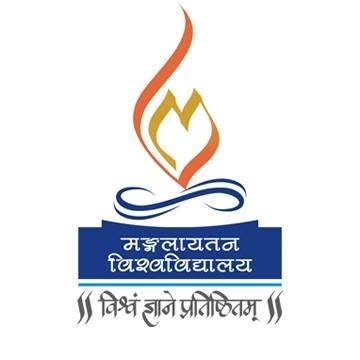
Mangalayatan University, Aligarh
Mangalayatan University is a UGC-recognized private university located in Aligarh, Uttar Pradesh, India. Known for its strong industry connections, cutting-edge curriculum, and commitment to technology-driven education, Mangalayatan University has established itself as one of central India's premier higher education institutions.
The university's vision is to foster academic excellence, industry readiness, and global competitiveness among its graduates — making it an ideal partner for EasyShiksha's mission of accessible, quality online education.
EasyShiksha has signed an MoU with Mangalayatan University to facilitate applications for various university programs and jointly offer B.Voc programs. All degrees and certifications under these programs will be awarded by Mangalayatan University. The EasyShiksha team will provide complete assistance and support throughout the admission and program process.
Mangalayatan University, Uttar Pradesh
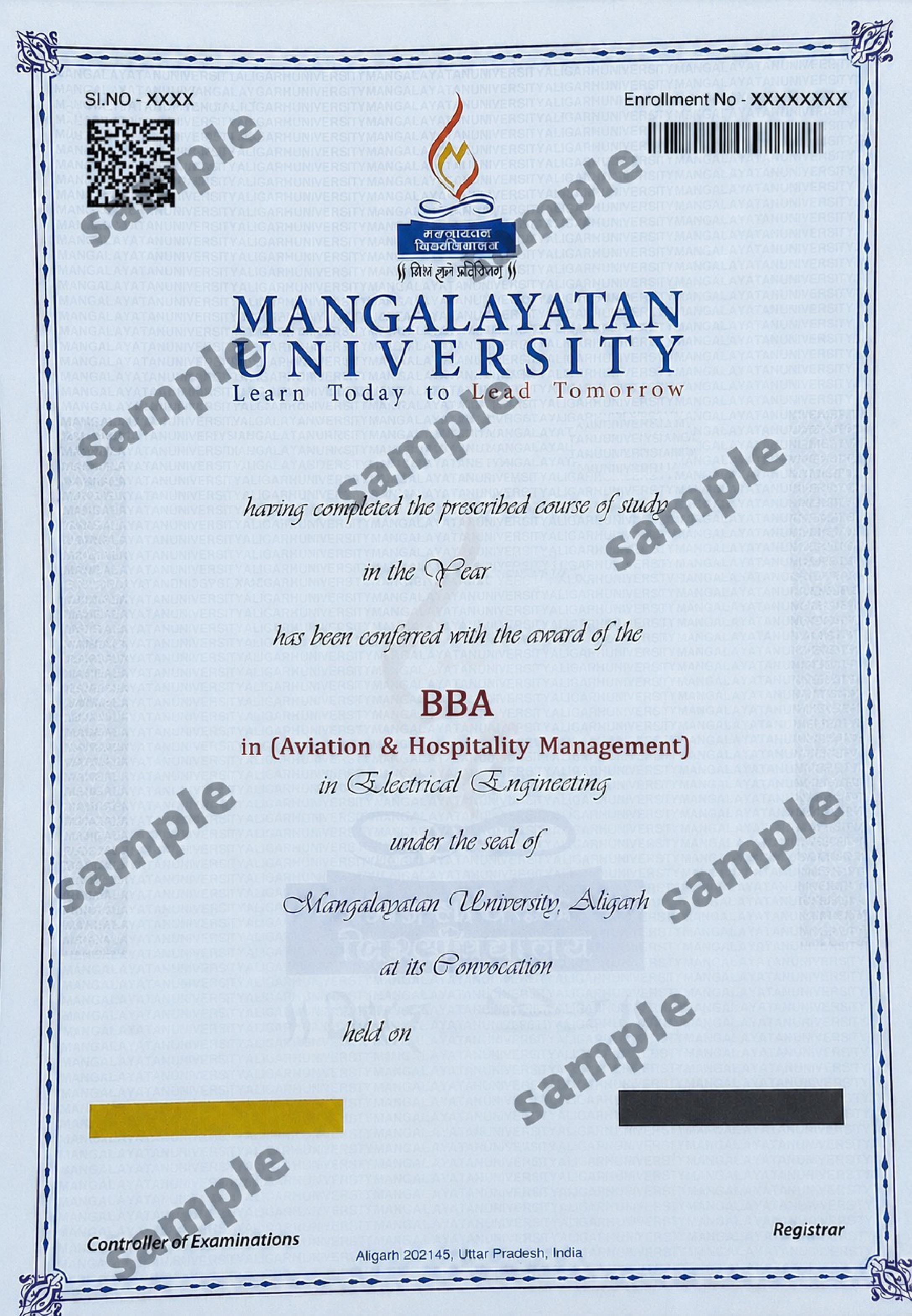
Sample Degree
Documents
Media Gallery
Frequently Asked Questions
Mangalayatan University is located at 33rd Milestone, Aligarh-Mathura Highway, Beswan, Aligarh, Uttar Pradesh, India. The campus is situated in close proximity to the Yamuna Expressway and the cities of Aligarh and Mathura.
Mangalayatan University was established in 2006 under the Mangalayatan University, Uttar Pradesh Act, 2006. The University states that it has the right to confer degrees under Sections 2(f) and 22(1) of the UGC Act.
Yes. Mangalayatan University states that it is recognized by the University Grants Commission (UGC) and was established through an Act of the Uttar Pradesh State Legislature. The University also lists NAAC A+ accreditation among its recognitions.
Yes. The University states that it is recognized by UGC-DEB for Open and Distance Learning (ODL) and is entitled by the UGC to offer online degree programmes. It also states that its online programmes are approved by AICTE.
Mangalayatan University offers programmes across multiple academic levels, including UG, PG, Diploma, PG Diploma and PhD. Its programme portfolio covers areas such as Engineering & Technology, Computer Applications, Management, Agriculture, Biotechnology, Pharmacy, Physiotherapy, Nursing, Journalism & Mass Communication and other disciplines.
Depending on the programme, applicants may be required to provide Class 10 and Class 12 certificates and marksheets, graduation/post-graduation marksheets where applicable, competitive examination rank card where applicable, migration/transfer certificate and recent passport-size photographs. Original documents may be required for verification.
Yes. The University states that students can apply for an education loan through banks, subject to the bank's eligibility criteria.
Mangalayatan University has a 70+ acre campus in Aligarh, Uttar Pradesh.
Mangalayatan University holds an A+ accreditation grade from the National Assessment and Accreditation Council (NAAC).
Yes. Mangalayatan University carries AICTE approval for its technical programmes.
The degree certificate is issued and signed directly by Mangalayatan University, rather than by EasyShiksha or another third-party platform.
The degree certificate is personalised with the student's name, programme, and completion date and carries the university's official signature and seal.
Yes. The university's campus hosts optional immersion sessions associated with select Executive and Hybrid-mode programmes.
Students can select a Mangalayatan University programme, submit their personal details and required documents, pay the application fee, and proceed through the university's application review process.
Yes. Applications submitted through EasyShiksha can be monitored through the dashboard, where applicants can view status updates such as Under Review and Accepted along with their reference ID.
The B.Voc in Digital Film Making is a 3-year undergraduate programme divided into 6 semesters. The curriculum carries a total of 132 credits.
Students learn different stages of professional filmmaking, including scriptwriting, screenplay development, film direction, cinematography, photography, digital editing, sound designing, colour grading, documentary filmmaking, motion graphics, advertising, production management and television news production.
Yes. The curriculum contains multiple practical laboratories and production projects. Students work on short films, photography, cinematography, editing, sound, digital intermediate, advertising and documentary projects. Semester V also includes a 30-day industry internship at a TV studio, channel or film-production company.
Yes. The curriculum provides an exit option of Advanced Diploma in Digital Film Making after Semester IV. Students who continue can complete the full three-year B.Voc programme.
Graduates can explore roles in film direction, cinematography, video editing, sound designing, digital intermediate and colour grading, documentary filmmaking, advertising, motion graphics, photography, television production, journalism, film marketing and production management. Students can also pursue freelance or entrepreneurial opportunities in film and digital media.