







B.Voc in Mass Communication
Program Overview
The B.Voc in Mass Communication at Mangalayatan University is a three-year undergraduate vocational program designed to develop knowledge and practical skills in mass media, journalism, broadcasting, digital communication and related communication practices. The curriculum begins with foundational subjects such as Basics of Mass Communication, History of Mass Media, Introduction to Radio Jockeying, Political Science, English Communication, and Computer Fundamentals and Office Automation.
As students progress, the program introduces specialized areas including Print Media, Advertising and Public Relations, Media Writing Skills, Radio Production, Creative Writing, Specialized Reporting, Media Law and Ethics, Corporate Communication, Basics of Still Photography, Community Radio, New Media, Media and Society, and E-Marketing. These subjects cover both conventional media practices and contemporary digital communication, including digital content, social media, SEO, podcasting and emerging media technologies.
The final year moves towards electronic media, production, development communication, statistics and professional preparation. Students study Introduction to Electronic Media, Radio and Television Production, Development Communication, Basic Statistics, and Health and Hygiene in Semester V. The final semester includes a Comprehensive Viva-Voce, Media and International Scenario, Dissertation, Internship, and Web Designing, providing opportunities to apply communication knowledge through practical and project-oriented work.
Overall, the curriculum supports the development of skills in media writing, reporting, radio and television production, digital content creation, public relations, advertising, photography, communication strategy, media research and professional communication. The syllabus also addresses media ethics, law, social responsibility, digital technologies and international media developments, giving students a broad academic and vocational foundation for exploring different areas of the mass communication field.
Eligibility Criteria
The minimum eligibility for admission in B.Voc is 10+2 (in any stream) or equivalent or a two-year ITI Diploma after Class 10th or a three-year Polytechnic Diploma after Class 10th.
Approval Details
MHRD, Government of India and UGC
Curriculum
Semester I introduces students to the fundamentals of communication and media, along with supporting knowledge in political science, English communication and computer applications. The semester carries 22 credits.
1. Basics of Mass Communication
This subject introduces the principles, processes and theories of communication and examines the role of mass media in society.
Key Topics:
- Introduction to communication
- Process and types of communication
- Concept and functions of mass communication
- Theories of mass communication
- Mass media and society
- Print, electronic, new and folk media
2. History of Mass Media
Students study the historical development of communication and major media forms, including print, radio, television and new media.
Key Topics:
- Ancient and medieval communication
- Development of print media
- Printing press and journalism
- History of radio and All India Radio
- Development of television in India
- Internet and digital media evolution
3. Introduction to Radio Jockeying
This subject develops an understanding of radio presentation and the role of a Radio Jockey, including voice, presentation and studio skills.
Key Topics:
- Radio and Radio Jockeying
- Voice culture and modulation
- Radio programme formats
- Radio studio equipment
- Script writing and live presentation
- Listener engagement and RJ professionalism
4. Political Science
Students develop foundational knowledge of political systems and institutions relevant to understanding media and society.
Key Topics:
- State, nation and government
- Political ideologies
- Constitution of India
- Indian political system
- Parliament and judiciary
- Contemporary political issues and media
5. English Communication
The subject strengthens English language, communication, reading and writing skills for academic and professional contexts.
Key Topics:
- Communication fundamentals
- Grammar and usage
- Oral communication
- Reading comprehension
- Writing skills
- Professional communication
6. Computer Fundamental and Office Automation
Students learn essential computer concepts and office productivity tools used in academic and professional environments.
Key Topics:
- Computer fundamentals
- Operating systems and file management
- Word processing
- Spreadsheets
- Presentation tools
- Email, cloud tools, internet and cybersecurity basics
The Semester I subject structure and credits are specified in the official curriculum.
Download Syllabus
Semester II builds practical and creative communication abilities through print media, advertising, public relations, media writing and radio production. It carries 22 credits.
1. Print Media
Students learn how newspapers and magazines operate and explore reporting, editing and print production.
Key Topics:
- Introduction to print media
- Newspaper organization
- News reporting
- News writing and editing
- Magazines and periodicals
- Print production and technology
2. Advertising and Public Relations
This subject introduces advertising and PR practices, campaign development, media planning and contemporary digital communication.
Key Topics:
- Advertising and public relations fundamentals
- Advertising agency structure
- Campaign planning and copywriting
- PR tools and communication
- Media research and planning
- Digital advertising and online reputation management
3. Media Writing Skills
Students develop writing skills for journalism, broadcast media, digital platforms and professional communication.
Key Topics:
- Principles of media writing
- News writing
- Feature and opinion writing
- Radio and television writing
- Digital media writing
- Press releases and specialized writing
4. Radio Production
The subject covers radio programming, scripting, sound production and broadcasting practices.
Key Topics:
- Radio formats and programming
- Programme planning
- Sound and microphone fundamentals
- Radio recording and editing
- News and current affairs
- Community and educational radio
5. Creative Writing
Students explore creative expression across poetry, fiction, drama, creative non-fiction and professional writing.
Key Topics:
- Fundamentals of creative writing
- Poetry writing
- Fiction writing
- Drama and script writing
- Creative non-fiction
- Publishing and professional aspects
6. Logical Reasoning
The subject develops analytical and critical thinking skills through structured reasoning and problem-solving exercises.
Key Topics:
- Logical and analytical reasoning
- Coding and decoding
- Series, rankings and relationships
- Syllogisms and logical deduction
- Quantitative reasoning
- Critical thinking and applied reasoning
The official Semester II curriculum lists all six subjects and their respective credits.
Semester III focuses on specialized reporting, media law, corporate communication, personality development, photography and environmental awareness. The semester carries 22 credits.
1. Specialized Reporting
Students learn reporting techniques for political, crime, business, science, sports, culture and other specialized beats.
Key Topics:
- Specialized reporting principles
- Political and crime reporting
- Business and economic reporting
- Science, technology and environmental reporting
- Sports, culture and lifestyle reporting
- Digital and specialized reporting
2. Media Law and Ethics
This subject introduces the legal and ethical framework surrounding journalism, broadcasting and digital media.
Key Topics:
- Freedom of speech and expression
- Press laws in India
- Broadcasting and cyber laws
- Intellectual property rights
- Media ethics
- Contemporary legal and ethical issues
3. Corporate Communication
Students examine communication practices within organizations and their relationships with media, stakeholders and the public.
Key Topics:
- Corporate communication fundamentals
- Communication theories and models
- Internal communication
- External communication
- Corporate writing
- Digital corporate communication and reputation management
4. Personality Development
The subject focuses on communication, interpersonal abilities and professional behavior.
Key Topics:
- Personality and self-awareness
- Communication skills
- Interpersonal skills
- Professional etiquette and grooming
- Goal setting and motivation
- Leadership and decision-making
5. Basics of Still Photography
Students learn the fundamentals of photography and its application in media and communication.
Key Topics:
- Photography concepts and terminology
- Cameras and equipment
- Exposure and lighting
- Composition and framing
- Photo editing and presentation
- Ethical considerations in photography
6. Environmental Education
This subject develops awareness of environmental systems, resources, pollution, biodiversity and sustainability.
Key Topics:
- Environment and ecosystems
- Natural resources
- Environmental pollution
- Biodiversity and conservation
- Sustainable development
- Environmental policies and awareness
The Semester III subjects and 22-credit structure are specified in the curriculum.
Semester IV develops knowledge of community broadcasting, new media, media-society relationships, English grammar, e-marketing and Indian society. It carries 22 credits.
1. Community Radio
Students learn about community broadcasting, programming, technical operations and community engagement.
Key Topics:
- Concept and role of community radio
- Community radio policies and regulations
- Programme planning and content creation
- Radio transmission and equipment
- Community mobilization
- Audience engagement and sustainability
2. New Media
This subject examines digital media platforms, content creation, social media strategies and emerging technologies.
Key Topics:
- Introduction to new media
- Digital content creation
- Social media platforms
- Content planning and analytics
- CMS, SEO and digital tools
- Podcasting, mobile journalism and emerging media
3. Media and Society
Students examine the relationship between media, culture, audiences and society.
Key Topics:
- Media and society
- Social role of different media
- Media effects and audience analysis
- Media literacy
- Ethics and social responsibility
- Contemporary media issues
4. Basic Knowledge of English Grammar
The subject strengthens grammatical accuracy and practical writing skills.
Key Topics:
- Parts of speech and sentence structure
- Verb forms and usage
- Subject-verb agreement
- Vocabulary and word usage
- Paragraph and letter writing
- Editing and proofreading
5. E-Marketing
Students learn digital marketing channels, content strategies, campaign management and analytics.
Key Topics:
- E-marketing fundamentals
- SEO and SEM
- Social media and email marketing
- Content and campaign management
- Web analytics and KPIs
- Digital marketing ethics and emerging trends
6. Understanding India
This subject provides a broad understanding of India's geography, history, society, governance and economy.
Key Topics:
- Physical and political geography
- Indian history and cultural heritage
- Indian society
- Governance and political system
- Indian economy
- Development and nation-building
The Semester IV curriculum officially lists these six subjects for a total of 22 credits.
Semester V moves into electronic media, production and development-oriented communication while also introducing statistics and health awareness. The semester carries 20 credits.
1. Introduction to Electronic Media
Students study radio, television, online streaming and mobile media and their role in contemporary communication.
Key Topics:
- Electronic media fundamentals
- Television media
- Radio media
- Digital and online media
- Multimedia and audience engagement
- Media ethics, regulation and career areas
2. Radio and Television Production
This subject introduces production workflows and practical concepts related to radio and television.
Key Topics:
- Radio and television production
- Pre-production, production and post-production
- Radio scripting and sound production
- Television scripting and storyboarding
- Cameras, lighting and studio equipment
- Production projects and industry practices
3. Development Communication
Students explore how communication and media can be used in social and economic development contexts.
Key Topics:
- Development communication concepts
- Development communication theories
- Media for development
- Communication for health, education and environment
- ICT and communication strategies
- Ethics and contemporary development communication
4. Basic Statistics
The subject introduces statistical concepts useful for research, data interpretation and media studies.
Key Topics:
- Types and levels of data
- Data collection and organization
- Mean, median and mode
- Measures of dispersion
- Probability
- Correlation
5. Health and Hygiene
Students develop awareness of personal, environmental and occupational health and hygiene.
Key Topics:
- Health and hygiene
- Nutrition and balanced diet
- Disease prevention
- Environmental hygiene
- Healthy lifestyle
- Mental well-being
The official curriculum specifies these five Semester V subjects and a total of 20 credits.
The final semester brings together professional, research and practical components. It carries 20 credits and includes a viva-voce, dissertation, internship and Web Designing practical.
1. Comprehensive Viva-Voce
Practical: This component provides an opportunity for students to demonstrate their understanding of the subjects and concepts covered throughout the program.
Key Areas:
- Comprehensive subject knowledge
- Communication and presentation
- Professional understanding
- Applied media concepts
- Viva-voce assessment
The syllabus identifies Comprehensive Viva-Voce specifically as a practical component.
2. Media and International Scenario
Students examine international media systems, global communication, emerging technologies and contemporary international media challenges.
Key Topics:
- Global media
- Media and international relations
- International media organizations
- Global media trends and technologies
- International media ethics and regulations
- Comparative media research
3. Dissertation
Practical: The dissertation provides a research-oriented component through which students can work on a focused topic related to mass communication and media studies.
Key Areas:
- Media research
- Topic-based investigation
- Data and information analysis
- Academic documentation
- Research presentation
The official curriculum identifies JMR-3201 Dissertation as a practical component.
4. Internship
Practical: The internship provides an opportunity for students to gain practical exposure in a professional environment relevant to the program.
Key Areas:
- Professional media exposure
- Application of classroom learning
- Workplace communication
- Practical media activities
- Professional experience
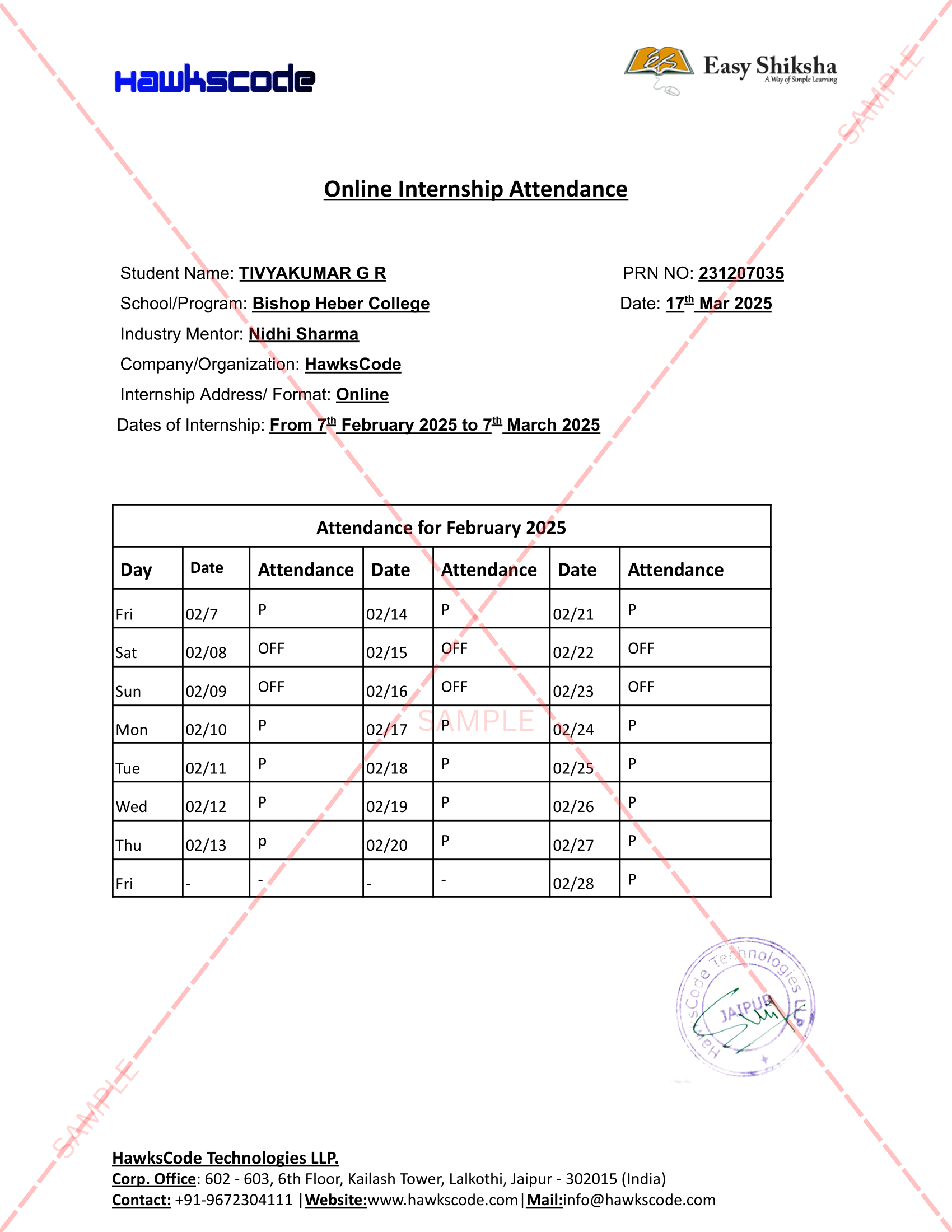
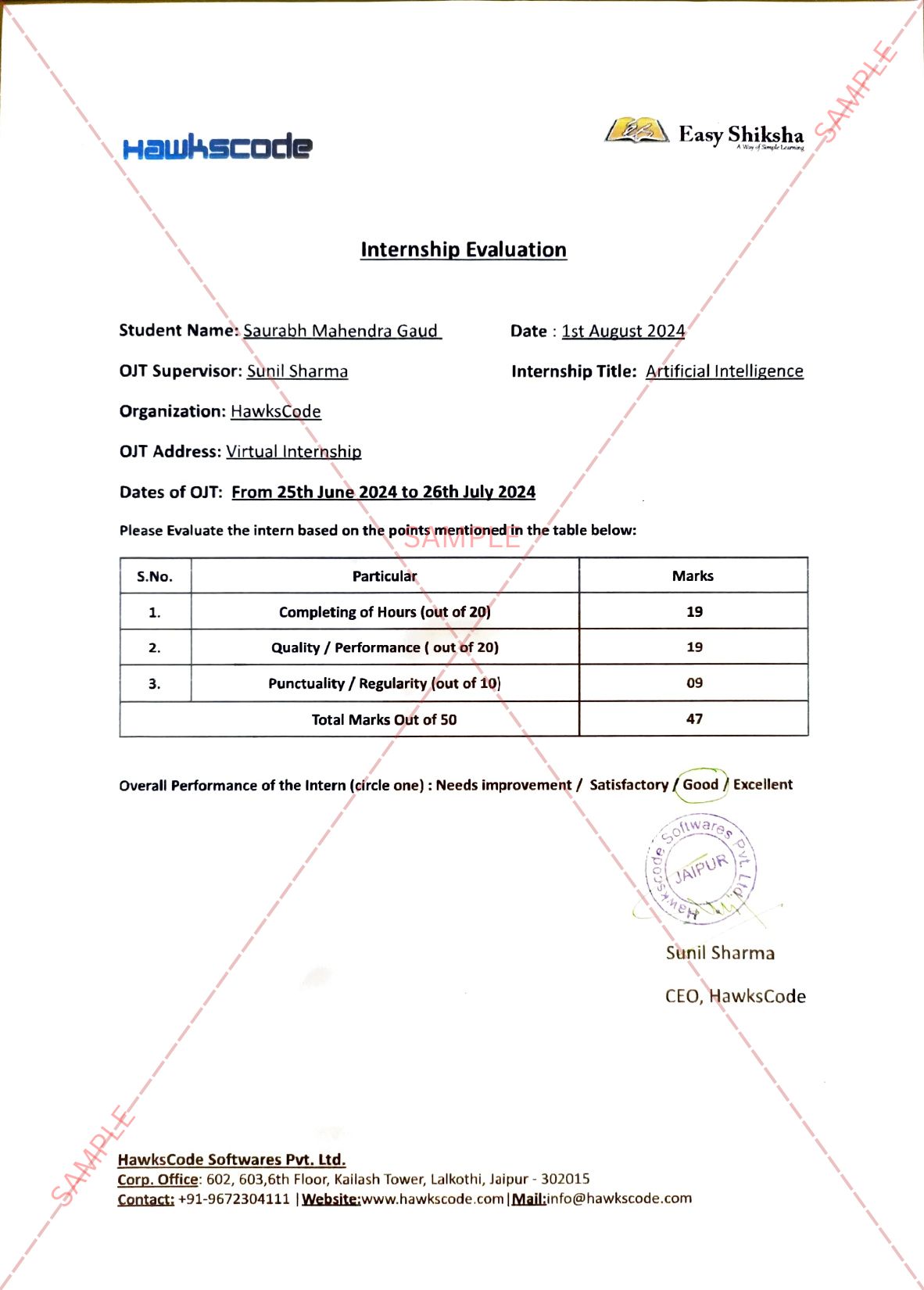
The syllabus explicitly includes JMT-3201 Internship (Practical) in Semester VI.
5. Web Designing
Practical: Students are introduced to web designing as a digital media skill relevant to contemporary online communication.
Key Areas:
- Web designing fundamentals
- Digital presentation
- Web-based communication
- Online media applications
- Practical web development concepts
The official syllabus lists B070404T Web Designing (Practical) as the fifth Semester VI subject.
Fee Structure
Admission Process
Students can apply for the B.Voc Mass Communication programme through EasyShiksha. The complete application process is designed to make admission simple and convenient for eligible students.
Step 1: Click on Apply Now
Click the Apply Now button on the B.Voc Mass Communication programme page and begin your application through EasyShiksha.
Step 2: Complete Personal Information
Fill in the required personal, contact and academic details accurately in the application form.
Step 3: Upload Required Documents
Upload the required documents for eligibility and admission verification as specified during the application process.
Step 4: Pay Application Fee
Pay the applicable application fee through the available online payment options to submit your application and initiate the admission process.
Step 5: Application Review
The EasyShiksha team reviews your application and submitted documents to verify your eligibility and ensure that the required information and documents have been provided.
Step 6: University Enrollment
Once the application is successfully reviewed and the student is found eligible, EasyShiksha facilitates the enrollment process with Mangalyatan University.
Step 7: LMS Access
After successful enrollment, the student is provided access to the Learning Management System (LMS) to begin their academic journey and access the available learning resources.
Start Your Application
Ready to begin your journey in Software Development? Click Apply Now to submit your application through EasyShiksha.
Career & Placements
The B.Voc in Mass Communication covers journalism, print and electronic media, radio, television, advertising, public relations, corporate communication, digital media, photography, e-marketing and development communication. Based on these curriculum areas, graduates can explore opportunities across several media and communication domains. The syllabus itself introduces career areas in radio, electronic media and creative writing, among others.
Journalism and Reporting
- Reporter – Work on news gathering, interviews, research and reporting across general or specialized beats.
- Specialized Reporter – Explore reporting areas such as politics, business, crime, sports, culture, science or environment.
- News Writer – Prepare news content for print, broadcast or digital platforms.
- Editorial/Content Assistant – Support editing, proofreading and content development.
Radio and Audio Media
- Radio Jockey (RJ) – Present radio programmes and engage with listeners through voice-based communication.
- Radio Producer – Assist with programme planning, production and coordination.
- Radio Scriptwriter – Develop scripts for news, interviews, features, advertisements and other radio formats.
- Audio Content Creator – Explore podcasting and digital audio content.
Television and Electronic Media
- Television Production Assistant – Support production activities across pre-production, production and post-production.
- Content/Script Writer – Create scripts for television programmes and other video formats.
- Production Coordinator – Assist with scheduling, team coordination and production workflows.
- Video Content Creator – Develop content for digital and online video platforms.
Advertising and Public Relations
- Advertising Executive/Assistant – Support campaign planning, content development and media activities.
- Copywriter – Create advertising copy, slogans, taglines and related promotional content.
- Public Relations Executive – Assist with press releases, media communication and organizational PR activities.
- Corporate Communication Executive – Support internal and external communication for organizations.
Digital Media and Content
- Digital Content Creator – Develop text, visual, audio or video content for digital platforms.
- Social Media Executive – Support social media content planning, publishing and audience engagement.
- Digital Marketing Executive – Work with areas such as SEO, SEM, email marketing and social media marketing.
- Web Content Specialist – Develop and organize content for websites and online platforms.
Photography and Visual Communication
- Media Photographer – Apply photography techniques to journalism and communication projects.
- Photo Content Creator – Produce visual content for digital and media platforms.
- Photography/Editing Assistant – Support image processing and presentation using editing tools.
Creative and Corporate Communication
- Creative Writer – Explore poetry, fiction, scripts, creative non-fiction and other forms of writing.
- Content Writer – Produce content for media, websites, blogs and organizational communication.
- Corporate Content Assistant – Prepare reports, newsletters, press materials and digital communication.
- Communication Assistant – Support communication activities within organizations and media-related projects.
These are potential career areas based on the subjects and skills represented in the curriculum; the program does not guarantee employment or a particular job role.
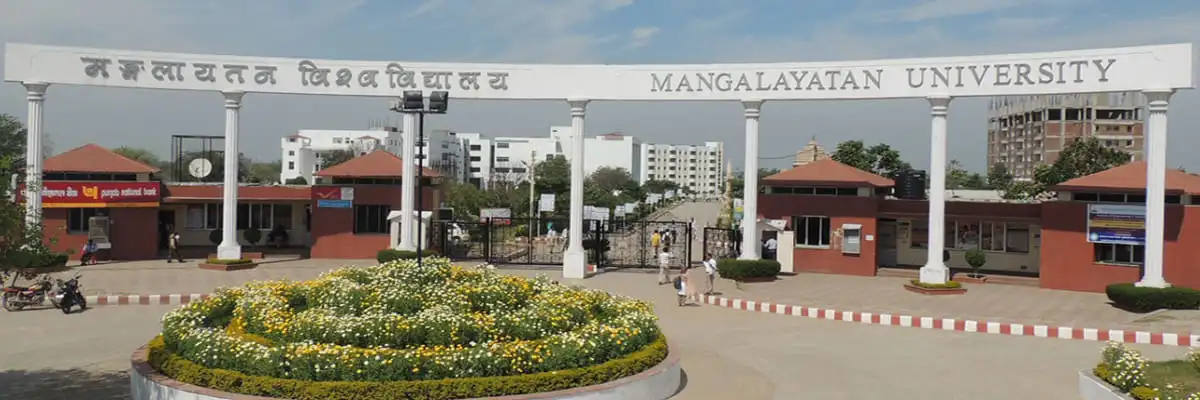
Mangalayatan University, Aligarh
Mangalayatan University is a UGC-recognized private university located in Aligarh, Uttar Pradesh, India. Known for its strong industry connections, cutting-edge curriculum, and commitment to technology-driven education, Mangalayatan University has established itself as one of central India's premier higher education institutions.
The university's vision is to foster academic excellence, industry readiness, and global competitiveness among its graduates — making it an ideal partner for EasyShiksha's mission of accessible, quality online education.
EasyShiksha has signed an MoU with Mangalayatan University to facilitate applications for various university programs and jointly offer B.Voc programs. All degrees and certifications under these programs will be awarded by Mangalayatan University. The EasyShiksha team will provide complete assistance and support throughout the admission and program process.
Mangalayatan University, Uttar Pradesh
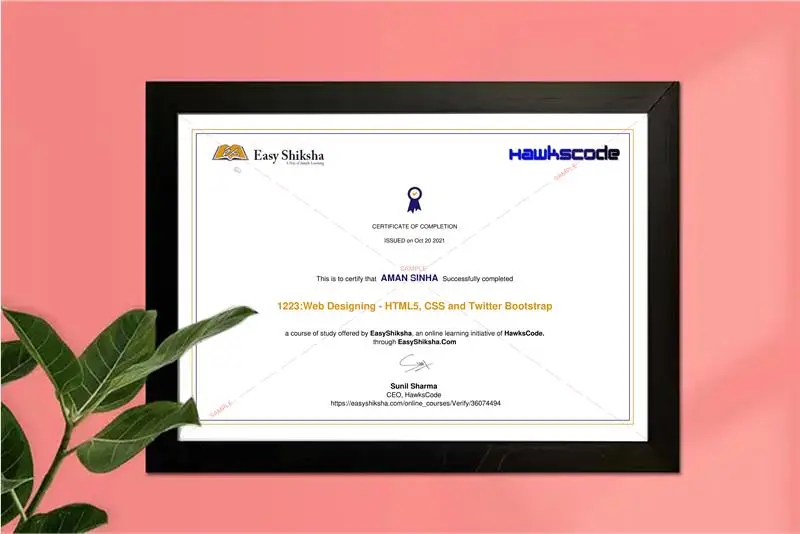
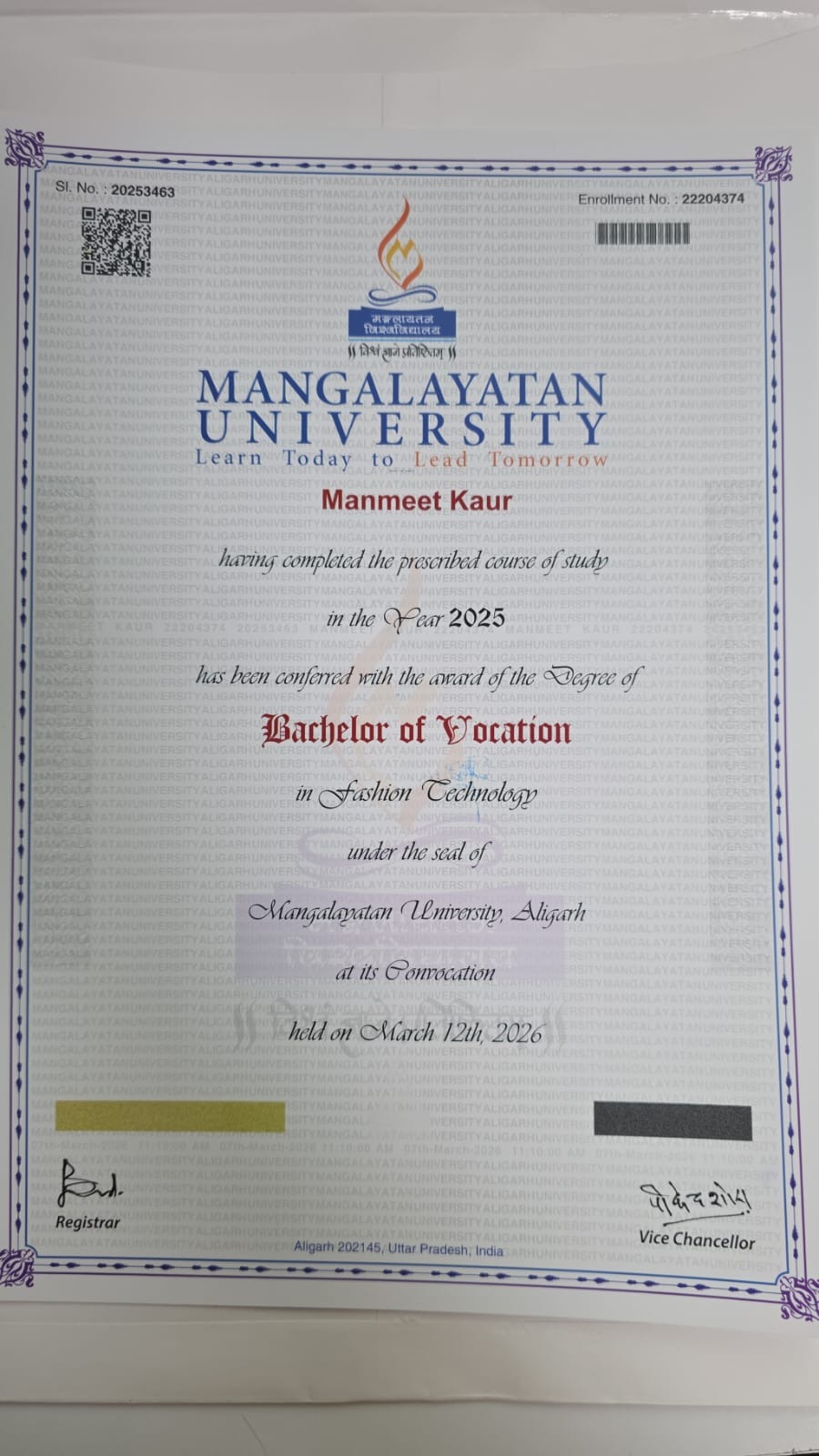
Sample Degree
Documents
Media Gallery
Frequently Asked Questions
Mangalayatan University is located at 33rd Milestone, Aligarh-Mathura Highway, Beswan, Aligarh, Uttar Pradesh, India. The campus is situated in close proximity to the Yamuna Expressway and the cities of Aligarh and Mathura.
Mangalayatan University was established in 2006 under the Mangalayatan University, Uttar Pradesh Act, 2006. The University states that it has the right to confer degrees under Sections 2(f) and 22(1) of the UGC Act.
Yes. Mangalayatan University states that it is recognized by the University Grants Commission (UGC) and was established through an Act of the Uttar Pradesh State Legislature. The University also lists NAAC A+ accreditation among its recognitions.
Yes. The University states that it is recognized by UGC-DEB for Open and Distance Learning (ODL) and is entitled by the UGC to offer online degree programmes. It also states that its online programmes are approved by AICTE.
Mangalayatan University offers programmes across multiple academic levels, including UG, PG, Diploma, PG Diploma and PhD. Its programme portfolio covers areas such as Engineering & Technology, Computer Applications, Management, Agriculture, Biotechnology, Pharmacy, Physiotherapy, Nursing, Journalism & Mass Communication and other disciplines.
Depending on the programme, applicants may be required to provide Class 10 and Class 12 certificates and marksheets, graduation/post-graduation marksheets where applicable, competitive examination rank card where applicable, migration/transfer certificate and recent passport-size photographs. Original documents may be required for verification.
Yes. The University states that students can apply for an education loan through banks, subject to the bank's eligibility criteria.
Mangalayatan University has a 70+ acre campus in Aligarh, Uttar Pradesh.
Mangalayatan University holds an A+ accreditation grade from the National Assessment and Accreditation Council (NAAC).
Yes. Mangalayatan University carries AICTE approval for its technical programmes.
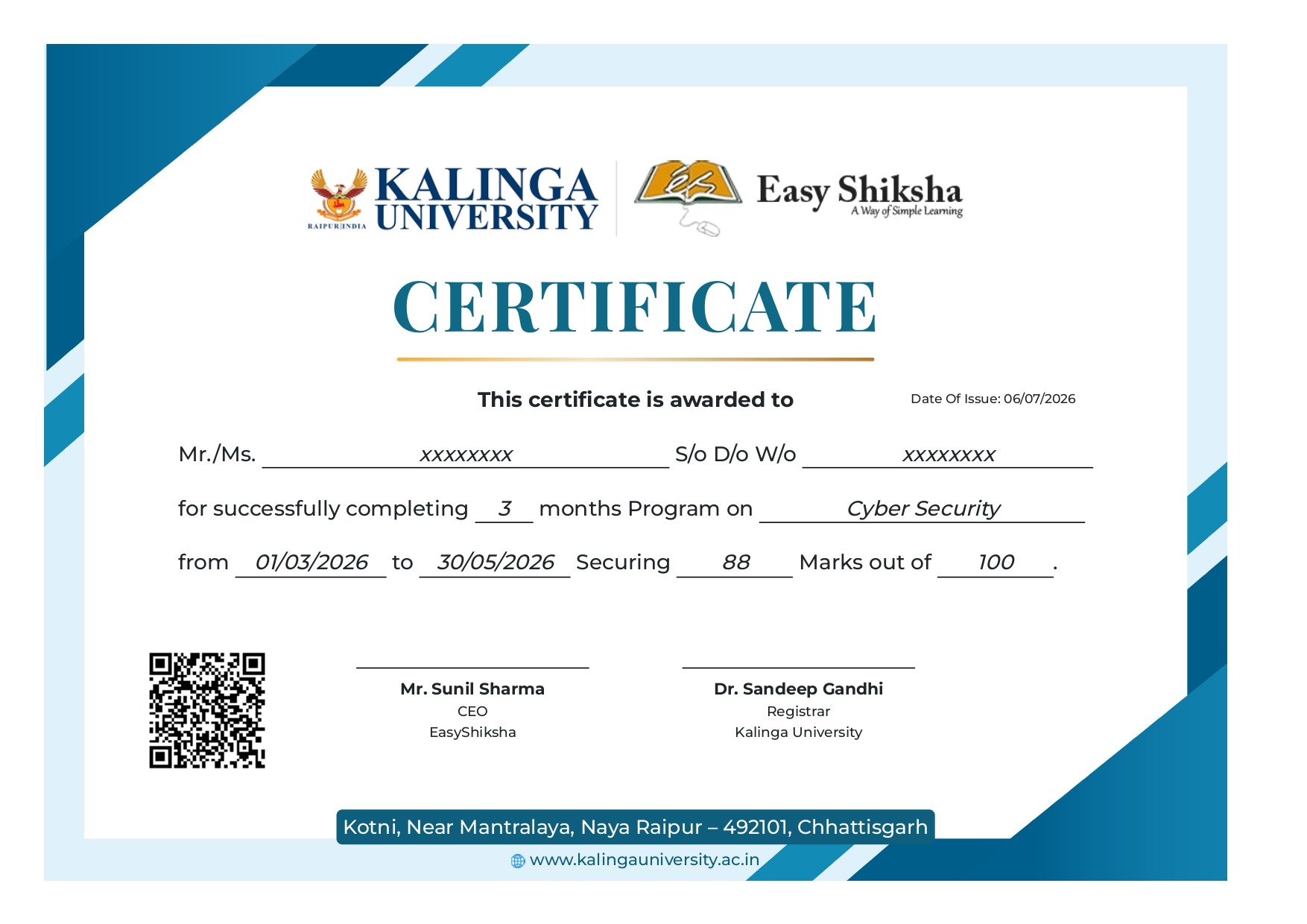
The degree certificate is issued and signed directly by Mangalayatan University, rather than by EasyShiksha or another third-party platform.
The degree certificate is personalised with the student's name, programme, and completion date and carries the university's official signature and seal.
Yes. The university's campus hosts optional immersion sessions associated with select Executive and Hybrid-mode programmes.
Students can select a Mangalayatan University programme, submit their personal details and required documents, pay the application fee, and proceed through the university's application review process.
Yes. Applications submitted through EasyShiksha can be monitored through the dashboard, where applicants can view status updates such as Under Review and Accepted along with their reference ID.
The B.Voc in Mass Communication is a three-year, six-semester vocational undergraduate program at Mangalayatan University. It covers mass communication, journalism, radio, television, print media, advertising, public relations, digital media, corporate communication, photography and development communication. The program carries 128 total credits.
The curriculum includes subjects such as Basics of Mass Communication, History of Mass Media, Introduction to Radio Jockeying, Print Media, Advertising and Public Relations, Media Writing Skills, Radio Production, Specialized Reporting, Media Law and Ethics, Corporate Communication, New Media, E-Marketing, Electronic Media, Radio and Television Production, Development Communication, Media and International Scenario, Dissertation and Web Designing.
Yes. Semester VI includes Comprehensive Viva-Voce (Practical), Dissertation (Practical), Internship (Practical), and Web Designing (Practical). The Radio and Television Production syllabus also includes project work and industry practices.
The curriculum supports skills in media writing, reporting, radio presentation, radio and television production, public relations, advertising, corporate communication, photography, digital content creation, e-marketing, web designing, research and professional communication. It also covers media ethics, law, social responsibility and digital media practices.
Graduates can explore areas such as journalism and reporting, radio and television production, radio jockeying, advertising, public relations, corporate communication, digital content creation, social media, digital marketing, photography, creative writing and web-based media. The actual opportunities available to an individual may vary according to their skills, experience and professional interests.