For decades, education has been organised around institutions. Students attend schools and universities, follow academic calendars, complete courses, sit for examinations, receive grades, and eventually graduate with a degree or certificate. Technology has changed many parts of this process, but most digital education platforms have traditionally remained extensions of the existing system. They provide video lectures, online courses, quizzes, assignments, certificates, or examination support, but the student's wider educational and professional journey often remains fragmented across multiple applications, institutions, websites, documents, and disconnected records.
The next major transformation in digital education could move beyond the idea of an online learning platform altogether. Instead of simply providing courses, a new generation of education platforms could become an Education Operating System, a digital infrastructure capable of connecting the major components of student life into one continuous environment. Such a system could potentially bring together learning, assessment, skills, projects, internships, certificates, career exploration, university discovery, job preparation, professional development, and lifelong learning.
The concept is similar to how an operating system coordinates different functions within a digital device. An education operating system would not necessarily replace schools, colleges, universities, teachers, employers, or existing educational institutions. Instead, it could provide the digital layer that connects them. Students could use one continuously evolving learning identity to understand what they know, what they need to learn, what skills they have demonstrated, what opportunities are available to them, and what steps could move them closer to their career goals.
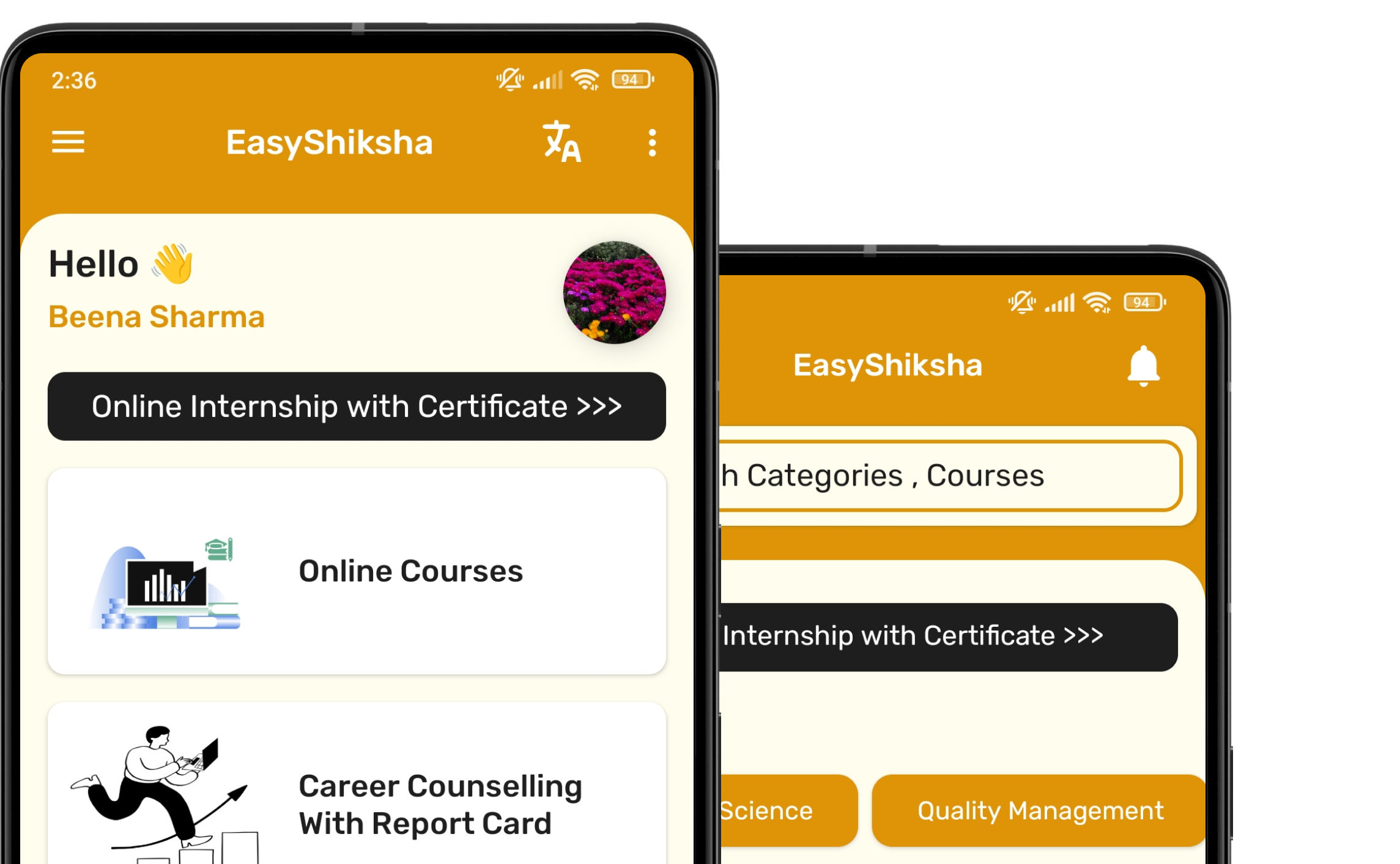
This concept has particular relevance for platforms such as EasyShiksha, where online courses, quizzes, internships, certificates, career guidance, university programs, games, and other learning experiences can become parts of a connected educational journey. The future of digital learning may therefore depend less on how many courses a platform offers and more on whether it can intelligently connect learning with everything that happens before, during, and after a course.
What Is an Education Operating System?
An Education Operating System can be understood as a digital infrastructure that coordinates a student's complete learning and career journey. Rather than treating every course, examination, certificate, internship, or career decision as an isolated activity, the system connects these experiences through a persistent student profile and a continuously evolving learning pathway.
In a traditional education model, information about a student is distributed across different systems. A university may maintain academic records, an internship provider may maintain experience records, a course platform may store certificates, an employer may receive a resume, and the student may keep project files somewhere else. These records rarely communicate with one another. The result is a fragmented representation of the learner.
An Education Operating System could create a more integrated structure. A student's completed course could influence recommended quizzes. Quiz performance could reveal skill gaps. Skill gaps could influence recommended projects. Project performance could determine internship readiness. Internship experience could strengthen a student's career profile. Career interests could then influence future course recommendations.
This creates a continuous learning infrastructure rather than a collection of disconnected educational products. The student does not simply move from one course to another. The system learns from the student's progress and helps connect each experience with the next stage of development.
Why Student Life Needs a Digital Operating Layer
Modern students already interact with dozens of digital systems. They search for courses on one platform, attend classes through another, practise questions somewhere else, maintain resumes separately, search for internships on different websites, and use professional networks when they begin searching for employment. Even basic educational information can become difficult to manage when it is scattered across multiple accounts and applications.
The fragmentation becomes more serious when students attempt to make career decisions. A student may know that they are interested in technology but may not understand whether they should learn programming, data analytics, artificial intelligence, cybersecurity, cloud computing, or another field. Another student may complete several online courses but remain uncertain about whether those courses have translated into practical ability.
An Education Operating System could address this fragmentation by creating a central layer between the student and the wider education ecosystem. Instead of asking students to independently assemble their learning journey, the platform could help organise the journey around their goals, interests, performance, and demonstrated capabilities.
This does not mean that technology should make every decision for students. The purpose would be to make information more connected and actionable. A student should still have control over their choices, but the digital environment could provide better visibility into available pathways.

The Student Profile as the Foundation
At the centre of an Education Operating System would be a continuously evolving student profile. Traditional academic profiles often focus heavily on marks, degrees, and completed qualifications. A modern learning profile could represent a much broader picture of capability.
Such a profile could contain learning history, completed courses, quiz performance, project experience, internship exposure, certificates, interests, career preferences, demonstrated skills, areas requiring improvement, and professional goals. Over time, this profile could become more meaningful than a static resume because it would represent the development process behind the student's qualifications.
For example, completing an artificial intelligence course would establish knowledge exposure. Performing well in assessments could provide evidence of conceptual understanding. Completing a practical project could demonstrate application. An internship could provide evidence of workplace exposure. Together, these experiences would create a more complete picture of the learner.
EasyShiksha can fit naturally into this model by connecting its learning experiences rather than treating courses, quizzes, internships, certificates, and career guidance as isolated features. The value of each component increases when it contributes to a larger student learning profile.
From Course Marketplace to Learning Infrastructure
Many online education platforms operate primarily as course marketplaces. Students search for a topic, enrol in a course, complete lessons, and receive a certificate. This model has created greater access to education, but it still leaves an important question unanswered: what happens after the course?
An Education Operating System would treat the course as one component of a larger journey. Instead of ending with a certificate, the course could become the starting point for further learning and practical development.
A student completing a digital marketing course, for instance, could move into quizzes designed to test foundational knowledge, followed by a practical campaign project. The platform could then introduce internship opportunities or simulated workplace activities. Based on performance, the student could receive recommendations for advanced topics such as analytics, search engine optimisation, advertising, content strategy, or marketing automation.
The difference is fundamental. A course marketplace helps students acquire content. An education operating system helps students navigate capability development.
Connecting Learning With Assessment
Assessment is one of the most important components of an Education Operating System because learning recommendations become more useful when they are informed by actual performance.
Traditional education often uses assessment primarily for grading. A student receives marks, and the academic process moves forward. A digital learning infrastructure can potentially use assessment as a diagnostic mechanism. Instead of simply asking whether a student passed, the system could examine which concepts were understood, where mistakes occurred, and which competencies require additional practice.
Quizzes can therefore become more than examination tools. They can function as checkpoints within a larger learning journey. If a student's performance indicates difficulty with a particular concept, the platform could recommend additional explanations, practice material, or introductory lessons before moving to more advanced content.
For EasyShiksha, this creates an opportunity to connect its quiz ecosystem directly with course progression and career preparation. Learning becomes more adaptive when assessment informs what happens next.
Projects as the Bridge Between Knowledge and Capability
One of the biggest limitations of purely content-based learning is the gap between knowing something and being able to use it. Students can complete lessons and remember theoretical concepts while still lacking confidence in practical situations.
An Education Operating System can reduce this gap by making project-based learning a central component of the student journey. Projects provide an environment where students must apply knowledge, solve problems, make decisions, and produce something tangible.
A programming student could build an application. A marketing learner could develop a campaign strategy. A finance student could analyse a business case. A cybersecurity learner could practise identifying vulnerabilities in a controlled environment. A design student could develop a portfolio project.
The important development is that these projects can become part of the student's learning identity. Instead of saying only that a course was completed, the student can demonstrate what they produced as a result of learning.
This approach strengthens the connection between education and employability, particularly when combined with internships and career preparation.
Internships as a Practical Layer of the Operating System
Internships represent another important component of an Education Operating System because they connect educational preparation with workplace exposure. However, students often approach internships without sufficient preparation. They may possess theoretical knowledge but lack practical confidence, professional communication skills, or familiarity with real work environments.
A connected learning platform could prepare students before they enter an internship. Course completion could establish foundational knowledge, quizzes could assess understanding, projects could demonstrate application, and career guidance could help students identify suitable opportunities.
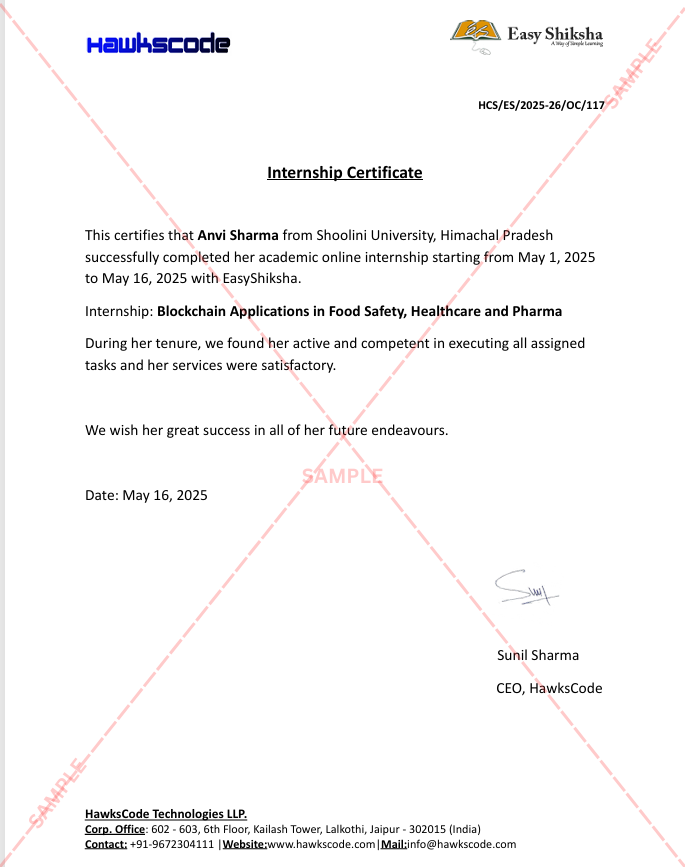
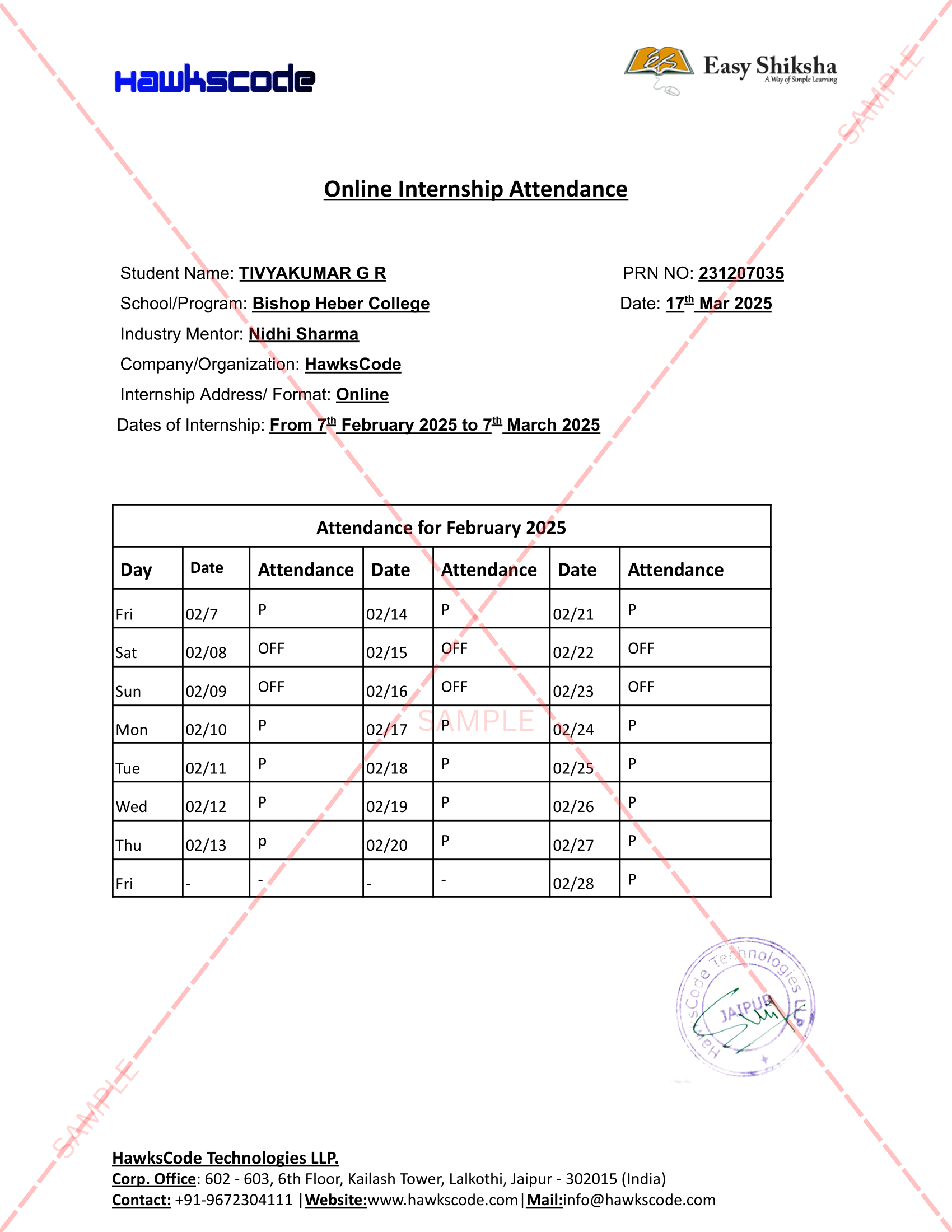
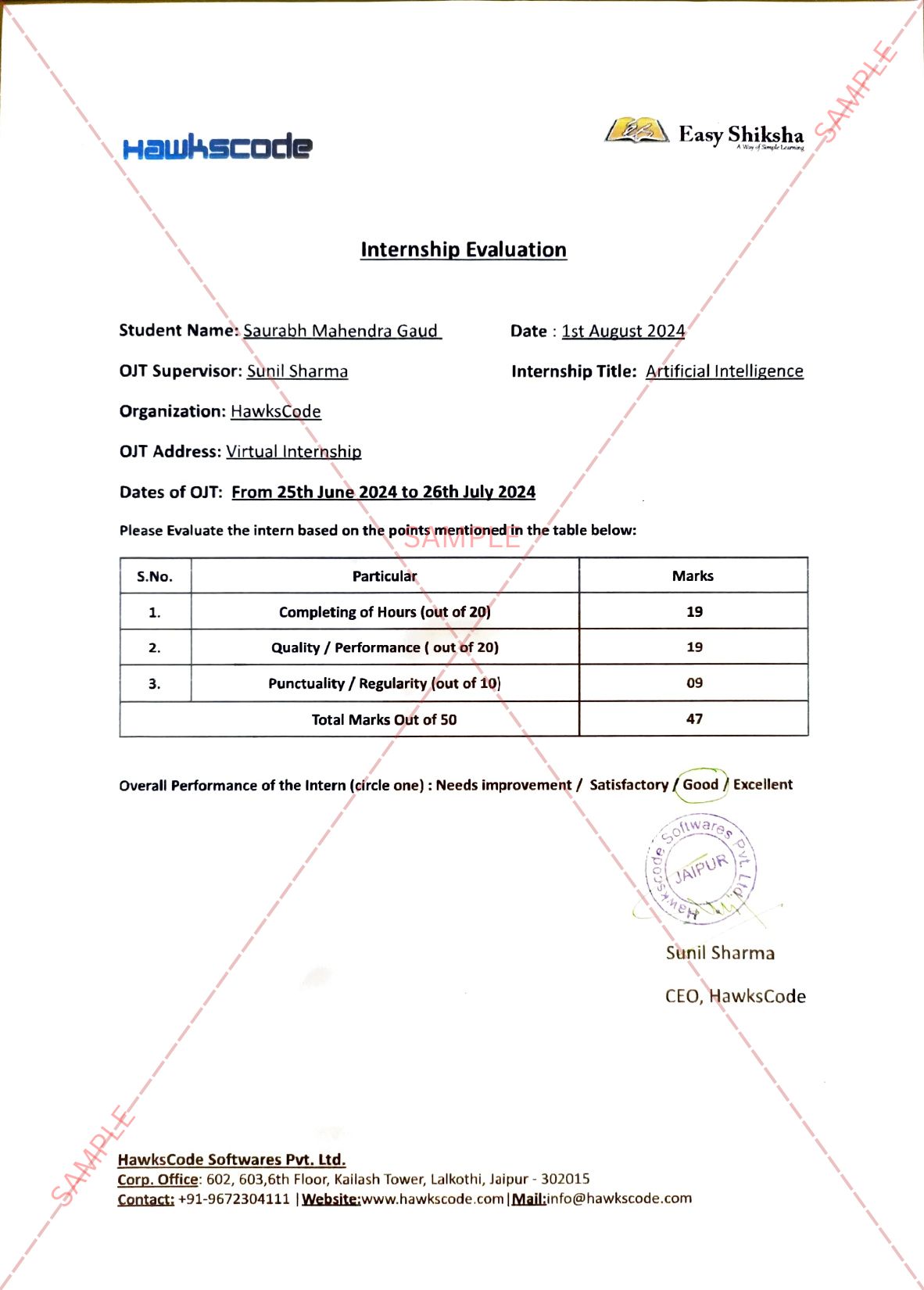
Internships could then become part of the same learning record rather than an experience that exists outside the education platform. Students could document the skills they used, the responsibilities they handled, and the projects they contributed to.
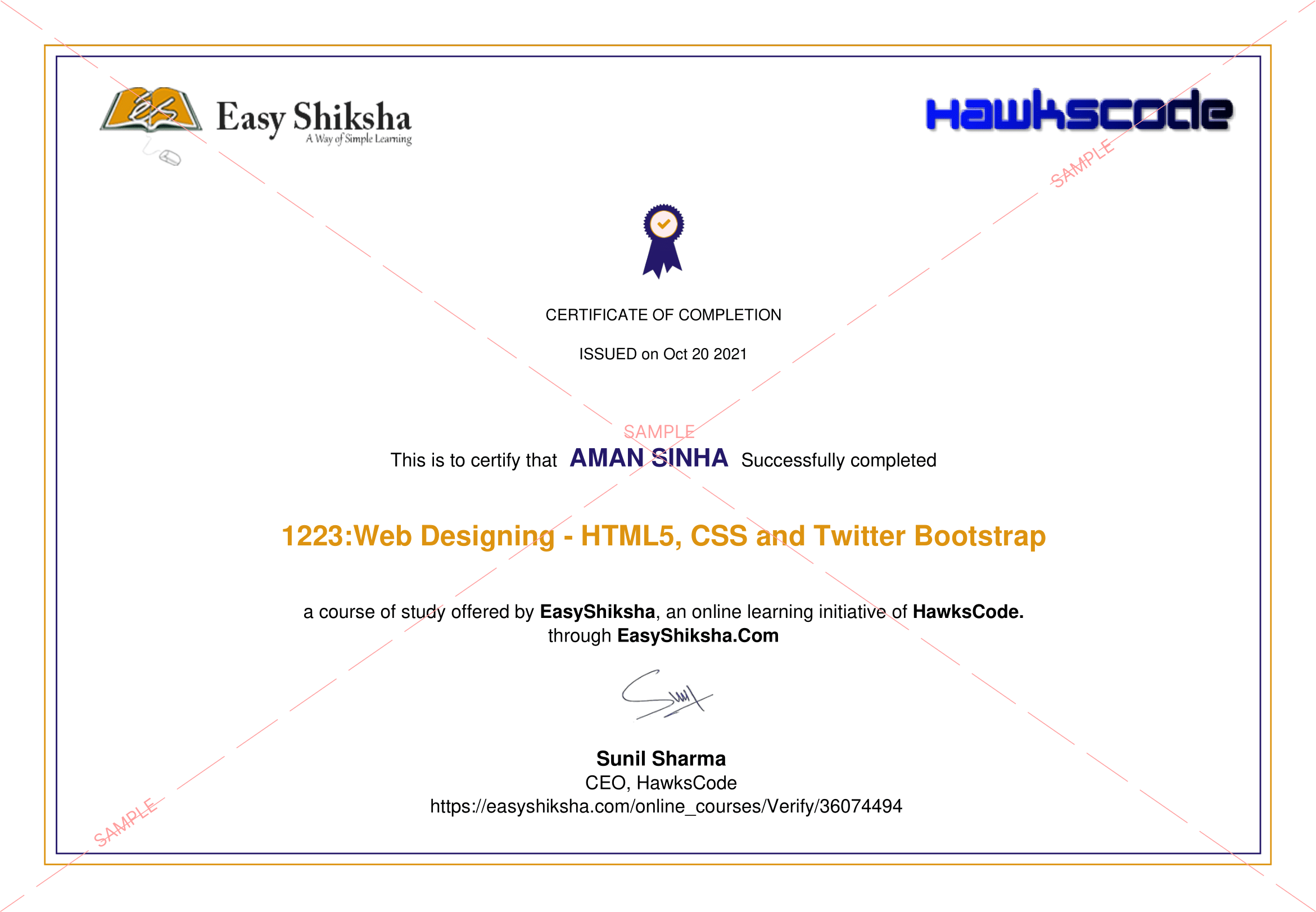
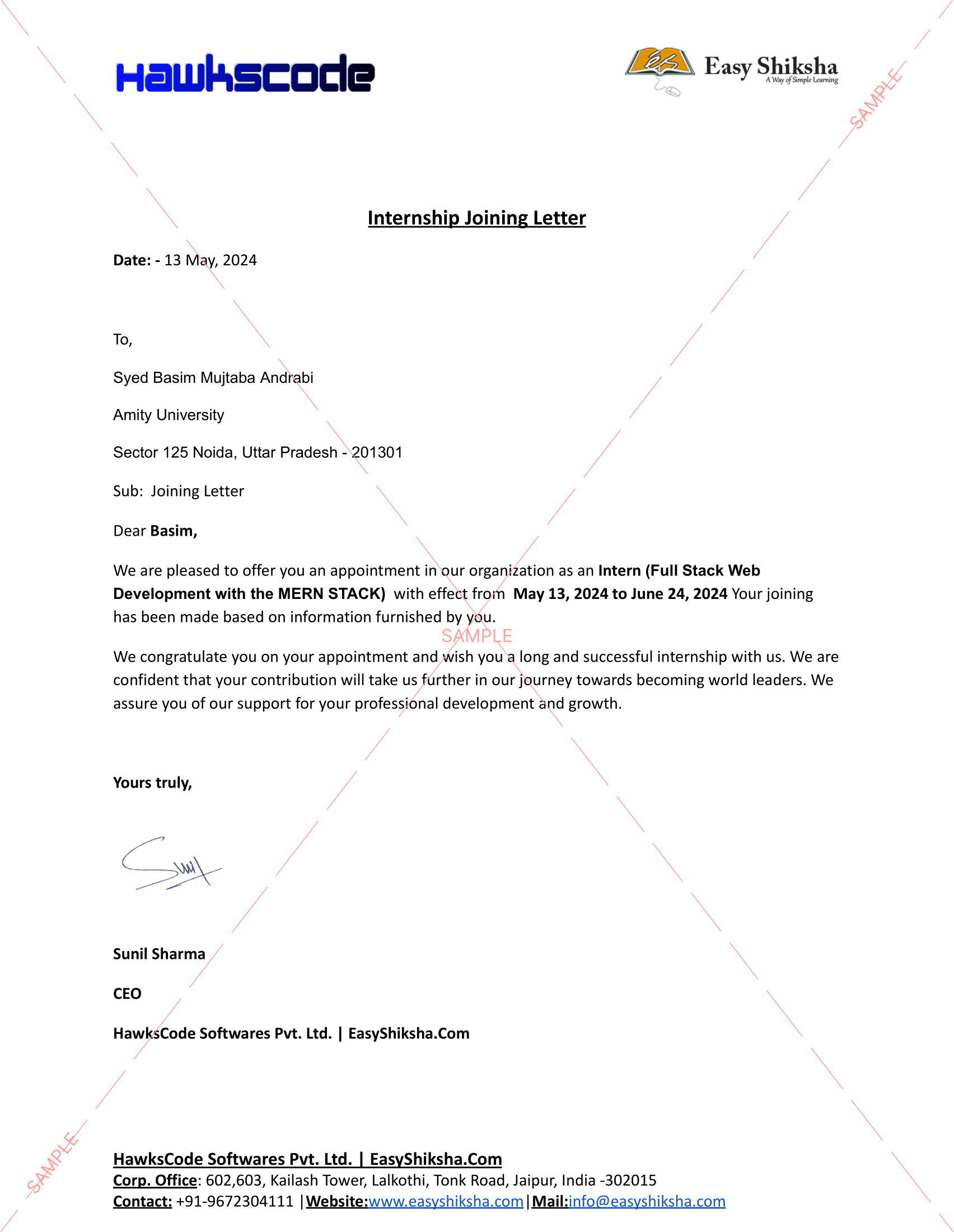
EasyShiksha's combination of online learning and internship-oriented experiences makes this model particularly relevant. The larger objective is not simply to help students collect certificates or internship letters, but to create a progression from learning to practice to experience.
Career Guidance as a Continuous Process
Career guidance is frequently treated as a one-time activity. Students may speak with a counsellor while choosing a course or degree and then make a decision that remains unchanged for several years. Yet career interests can evolve significantly as students gain exposure to new fields.
An Education Operating System could transform career guidance into a continuous process. As students complete courses, perform in quizzes, develop projects, and experience internships, their understanding of their own strengths and interests can become clearer.
A student who initially chooses general computer science may discover through practical projects that they enjoy data analysis more than software development. Another student interested in business may discover a strong interest in digital marketing after completing related projects. Instead of forcing students to follow a fixed path, the system could support informed career pivots.
This approach is especially valuable in a rapidly changing employment environment where new technologies and job roles continue to emerge.
AI as the Intelligence Layer
Artificial intelligence could become one of the most important technologies supporting an Education Operating System. However, the most useful role of AI would not necessarily be replacing teachers or making decisions for students. Its greater potential could lie in interpreting large amounts of learning data and helping students understand what to do next.
An AI-powered education infrastructure could analyse learning history, assessment performance, project activity, interests, career goals, and internship experiences to identify patterns. It could recommend courses, suggest practice activities, identify possible skill gaps, and help students explore alternative career pathways.
For example, if a learner repeatedly performs strongly in analytical subjects and demonstrates interest in business, the system could suggest pathways involving business analytics, financial technology, data-driven marketing, or related fields. These recommendations should remain transparent and adjustable rather than becoming rigid instructions.
EasyShiksha could use AI as a supporting intelligence layer around its courses, quizzes, internships, career guidance, and other educational experiences. The objective would be to help students navigate complexity while maintaining human control over important educational decisions.
The Education Operating System and Personalisation
Personalisation is often associated with recommending content based on previous clicks. A true Education Operating System would require a much deeper form of personalisation.
Two students may enrol in the same course but require different learning experiences. One may already understand the fundamentals and need advanced projects. Another may require additional introductory explanations and practice. A third may be primarily interested in applying the knowledge through an internship.
A connected education system could recognise these differences and adapt the journey accordingly. Personalisation would therefore involve not only recommending the next video but potentially redesigning the sequence of learning, assessment, practice, projects, and career experiences.
This would move online education away from the one-size-fits-all model toward a more responsive learning environment.
Building a Digital Skill Graph
A student's educational journey can also be represented as a network of interconnected skills. Instead of seeing learning as a linear list of courses, an Education Operating System could build a digital skill graph showing how different competencies relate to one another.
For example, a student learning artificial intelligence may require mathematics, programming, statistics, machine learning concepts, data handling, model evaluation, and practical project experience. Each capability can connect to others, creating a structured representation of development.
This approach can make career pathways easier to understand. Students could see which skills they already possess and which additional capabilities are commonly associated with a particular career direction.
For EasyShiksha, this concept could connect courses, quizzes, projects, internships, and certificates around skill development rather than simply course completion. The result would be a more meaningful representation of progress.
Insights from Internship Students: Testimonials
Certificates in an Education Operating System
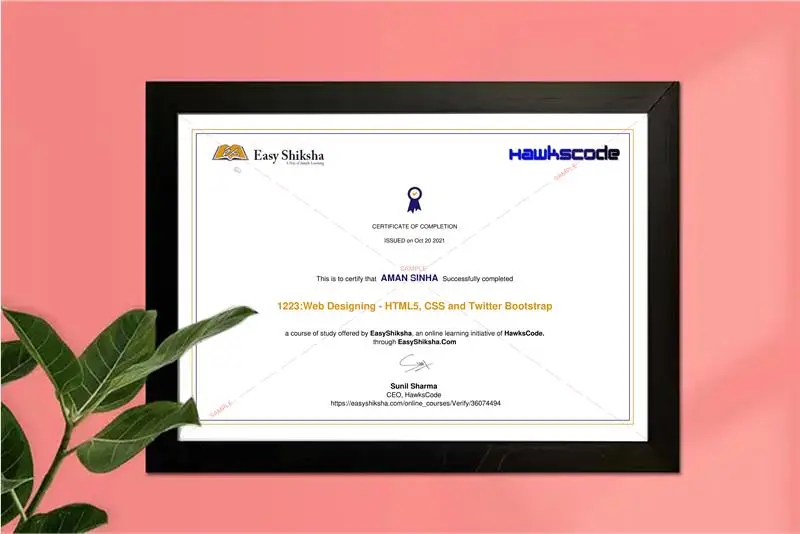
Certificates will continue to have value, but their role could evolve. A certificate traditionally confirms that a student completed a learning experience. In a connected education infrastructure, the certificate could become one component of a larger evidence system.
Instead of standing alone, a certificate could be associated with assessment performance, project evidence, practical experience, and verified skills. This creates a stronger relationship between credential and capability.
The future student profile could therefore communicate not only what the learner studied but what the learner demonstrated. This distinction matters because employers increasingly need signals that help them understand practical capability.
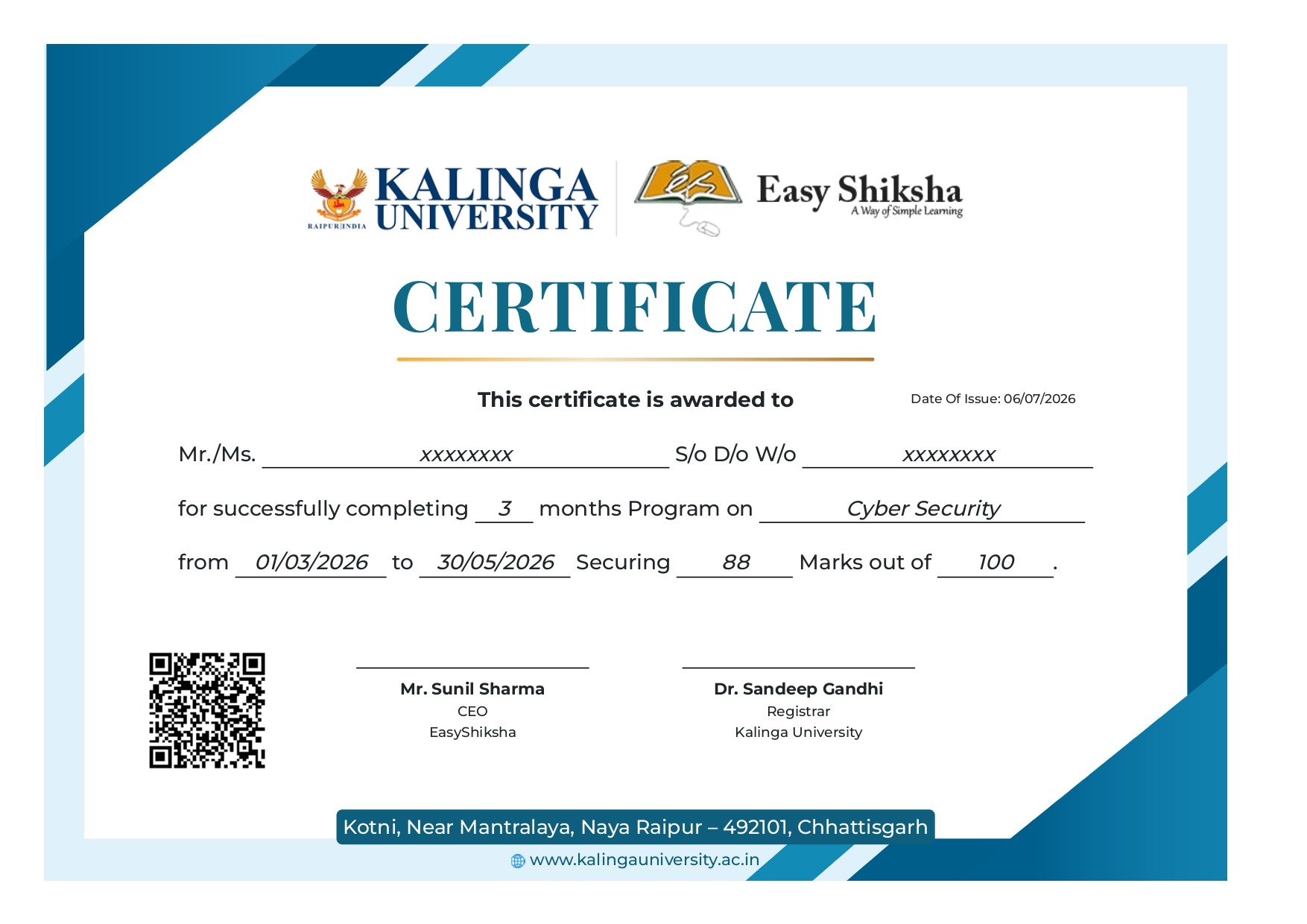
EasyShiksha can strengthen this model by connecting certificates with learning activities, quizzes, projects, and internship experiences, creating a more complete picture of achievement.
From Resume to Living Career Profile
The traditional resume is static. Students update it occasionally, add new qualifications, and send the same document to multiple employers. An Education Operating System could introduce a more dynamic alternative: a living career profile.
A living profile could continuously evolve as students acquire skills and experiences. New projects could be added, internship experience could be recorded, completed courses could update the learning history, and demonstrated competencies could become visible.
Such a profile could help students better understand their own development as well. Instead of preparing a resume only when applying for a job, they would maintain a continuously updated record of professional growth.
This could make career preparation less stressful because students would not need to reconstruct their entire educational history whenever a new opportunity appears.
Education, Employment and the End of Fragmentation
The larger promise of an Education Operating System is its ability to reduce the distance between education and employment. Today, students often move through separate stages: school, university, online learning, internships, job applications, employment, and professional development.
A connected infrastructure could make these stages part of a continuous ecosystem. Learning could inform career exploration. Career exploration could influence course selection. Courses could lead to projects. Projects could lead to internships. Internships could strengthen professional profiles. Employment could reveal new skill requirements, which could then generate new learning goals.
This creates a lifelong learning loop rather than a one-time education journey.
The significance of this model extends beyond students. Universities could gain better visibility into learner development, educators could understand learning gaps, employers could access stronger evidence of capability, and students could gain greater ownership over their educational identity.
The Role of Games and Engagement
An Education Operating System does not have to feel like an administrative dashboard. Student engagement remains critical, especially in online education.
Games, challenges, quizzes, progress indicators, achievement systems, and interactive experiences can make learning more engaging while providing useful signals about student behaviour and progress. Gamification can be particularly effective when it supports meaningful learning rather than simply encouraging students to accumulate points.
For example, completing a course could unlock a practical challenge. Successfully completing the challenge could lead to a higher-level project. A series of projects could contribute toward internship readiness. The experience becomes a structured journey where progress is visible and motivating.
EasyShiksha's combination of learning, quizzes, games, internships, and career-oriented experiences provides a foundation for this kind of integrated engagement model.
Privacy, Student Ownership and Responsible Technology
An Education Operating System would necessarily involve significant amounts of student information. Learning history, assessment results, interests, projects, career goals, and professional experiences are valuable data, but they are also personal.
For this reason, privacy and student ownership must become central principles. Students should understand what information is collected, how it is used, who can access it, and how it contributes to recommendations. AI-driven decisions should not become invisible mechanisms that determine a student's future.
A responsible education platform should provide transparency, meaningful control, and appropriate safeguards. Students should be able to correct inaccurate information and understand why particular learning or career recommendations are being presented.
Technology can make education more personalised, but personalisation should never come at the cost of student autonomy.
Can an Education Operating System Replace Universities?
The idea of an Education Operating System should not be interpreted as a replacement for universities. Institutions provide experiences that digital platforms cannot fully reproduce, including faculty interaction, research environments, social development, campus communities, laboratories, institutional credentials, and structured academic programs.
Instead, an Education Operating System could become a digital layer that complements these institutions.
A student could attend university while using a connected education platform for additional courses, quizzes, projects, internships, career exploration, and professional development. Someone pursuing an online degree could use the same infrastructure to supplement formal study with practical experiences. A working professional could return to the platform to develop new skills without beginning an entirely new academic journey.
The operating system therefore sits between fragmented educational experiences, helping them become more connected.
EasyShiksha and the Vision of Connected Education
EasyShiksha can be positioned naturally within this emerging model because its educational ecosystem already extends beyond traditional online courses. Courses can provide structured knowledge, quizzes can support assessment, games can increase engagement, internships can create practical exposure, certificates can document learning, and career guidance can help students connect education with professional goals.
The larger opportunity is to connect these experiences into one coherent student journey. Instead of viewing each feature as a separate product, EasyShiksha can become part of an integrated environment where students discover opportunities, learn new concepts, test their understanding, practise skills, gain experience, document achievements, and prepare for employment.
This approach aligns with a broader philosophy of education in which learning does not stop when a course ends. The student's journey continues through practice, experience, reflection, career development, and lifelong reskilling.
An Education Operating System can provide the infrastructure required to support that continuous journey.
- Career Helper suggests occupations that correspond to your interests, values, aspirations, and personality.
-
Career Helper consists of:
- IQ Test
- Basic Test
- Advance Test
- Psychometric Test
- Know your talents, skills, strengths, and weaknesses.
- Choose the profession that suits you best.
- Get best career guidance by Experts.
- Explore various career options in India with EasyShiksha.
The Future: Education as an Always-On Infrastructure
The most important change may be conceptual. Education has traditionally been organised around places and periods: school years, semesters, courses, examinations, degrees, and graduation. Digital infrastructure makes it possible to imagine education as something that remains continuously available.
A student could begin exploring careers before choosing a degree, acquire skills during university, gain practical experience through internships, build projects alongside coursework, prepare for employment, and continue learning after entering the workforce. The same digital identity could remain useful throughout these stages.
In this model, education becomes less like a destination and more like an always-on infrastructure. The platform does not simply provide content when a student logs in. It becomes a persistent environment for discovering opportunities, understanding progress, developing capabilities, and navigating change.
This is where the concept of the Education Operating System becomes powerful. Its purpose is not to turn every aspect of student life into an algorithm. Its purpose is to connect the parts of education that have historically remained disconnected.
Conclusion: From Learning Platform to Student Infrastructure
The Education Operating System represents a broader vision for the future of digital education. It moves beyond the conventional online course platform and imagines a connected infrastructure capable of supporting the student's entire journey from exploration and learning to assessment, practice, internships, credentials, career preparation, employment, and lifelong development.
Such a system could transform the way students understand their own education. Instead of collecting disconnected certificates, they could build a continuously evolving learning identity. Instead of treating quizzes as isolated tests, they could use assessment as feedback for improvement. Instead of viewing internships as separate experiences, they could connect them directly with skills and learning. Instead of preparing a resume only when searching for work, they could maintain a living record of capability.
For platforms such as EasyShiksha, this vision creates an opportunity to move from being simply an online education provider toward becoming part of the infrastructure through which students manage their learning and career journeys. Courses, quizzes, games, certificates, internships, degrees, university programs, and career guidance become more valuable when they operate as interconnected components.
The future of education may therefore not be defined by the platform with the largest number of courses. It may be defined by the platform that can make the entire student journey more connected, intelligent, practical, transparent, and adaptable.