For generations, education has followed a relatively structured path in which degrees, skills, and professional experience are closely connected. Students enroll in schools, colleges, or universities, complete academic programs, acquire knowledge, and eventually enter the workforce. A degree serves as evidence of educational achievement, while practical skills and professional experience are often expected to develop during or after formal education. This traditional structure has shaped how students prepare for careers, how employers evaluate candidates, and how society understands academic success. However, the rapid expansion of digital education, online courses, remote internships, professional certifications, and skills-based learning is changing the relationship between these elements.
The unbundling of education refers to the gradual separation of learning components that were historically delivered together through a single institution or academic pathway. Degrees, practical skills, professional experience, career guidance, and educational discovery are increasingly available through different platforms, organizations, and learning environments. Students can now pursue a formal degree at a university, develop technical skills through online courses, gain practical experience through internships, and explore career opportunities through digital platforms. These experiences may complement one another, but they do not necessarily occur within a single institution or follow a fixed sequence.
This transformation raises an important question: What happens when degrees, skills, and experience become separate parts of a student's educational journey? The answer involves both new opportunities and new challenges. Students gain greater flexibility to customize their learning, explore different career paths, and acquire skills according to their individual needs. At the same time, they must navigate a fragmented educational environment in which qualifications, capabilities, and experience may be recorded separately. For a connected education platform such as EasyShiksha, this shift creates an opportunity to help students discover educational options, access learning resources, develop practical capabilities, and connect their learning experiences with long-term career goals.
What Does the Unbundling of Education Mean?
Moving Beyond the Traditional Education Package
Traditional education has generally combined several functions within a single institution. A university provides structured academic instruction, organizes examinations, awards degrees, and often offers access to internships, career services, and professional networks. Students follow a curriculum designed to connect foundational knowledge with specialized subjects, while the institution provides a recognizable qualification at the end of the program.
Although this model continues to play an important role, digital learning has made it possible to access many educational functions independently. A student can study programming through an online course, develop practical experience through a project, earn a professional certificate, and pursue a degree through a separate institution. Career counselling, educational discovery, and internship opportunities may also come from different providers.
The result is an educational environment in which learning is no longer necessarily organized around a single institution. Students can assemble a learning journey from different resources according to their goals, interests, financial circumstances, and available opportunities. This flexibility can make education more accessible and adaptable, but it also requires learners to make informed decisions about the quality, relevance, and recognition of each learning experience.
Separating Credentials, Capabilities, and Experience
The unbundling of education becomes clearer when degrees, skills, and experience are understood as distinct forms of value. A degree demonstrates that a student has completed an academic program according to an institution's requirements. Skills represent the learner's ability to perform specific tasks, apply knowledge, and solve problems. Experience reflects the practical situations in which those abilities have been developed or used.
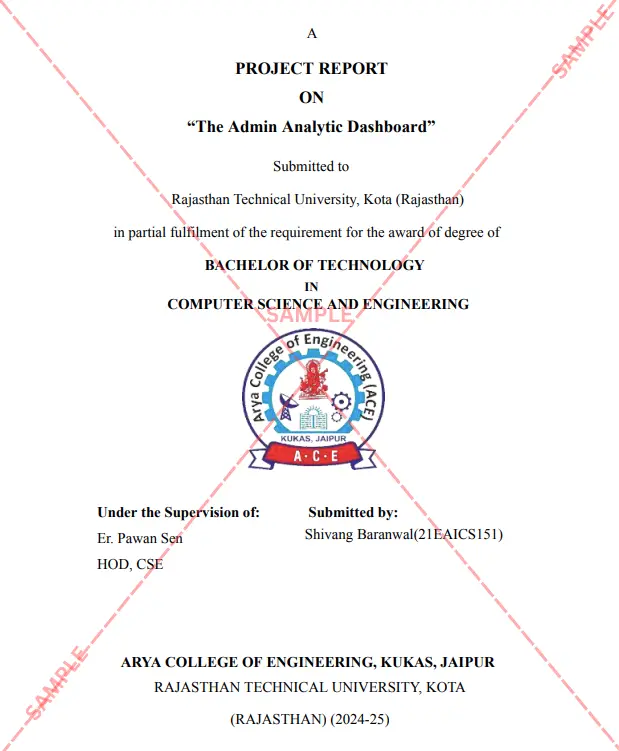
These elements are connected, but they are not interchangeable. A student may possess a degree without having extensive practical experience in a particular field. Another learner may develop strong technical skills through independent projects and professional training without holding a formal qualification in that subject. A third student may gain valuable workplace experience through an internship while still pursuing a degree.
Recognizing these distinctions can help students understand the different purposes of education. Degrees provide structured academic foundations and formal recognition, skills support practical performance, and experience introduces real-world context. A well-designed educational journey can bring these elements together while allowing each to develop through different learning opportunities.
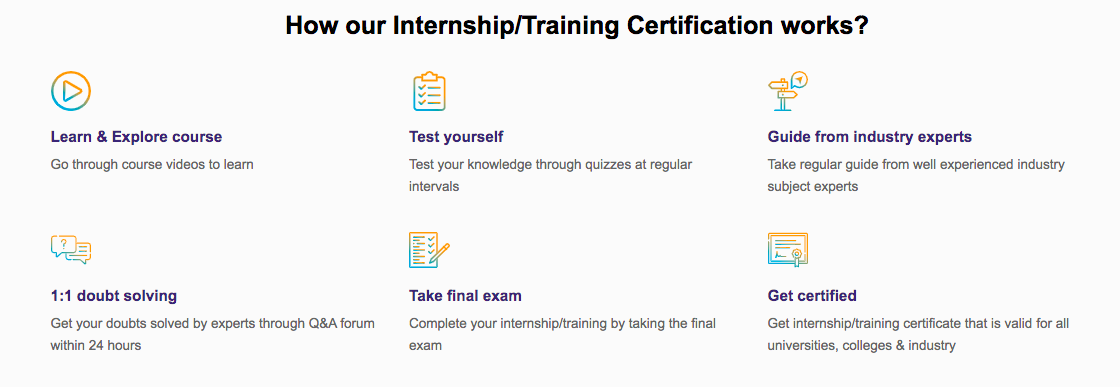
How EasyShiksha Internship/Training Program Works
Why Is Education Becoming Unbundled?
The Expansion of Digital Learning
The growth of online education has made learning resources available beyond traditional classrooms and campuses. Students can access recorded lectures, interactive courses, digital assessments, virtual learning environments, and specialized training programs from different locations. This has expanded the range of educational choices available to learners who may not be able to attend a conventional institution or follow a fixed schedule.
Digital learning also allows students to explore subjects before committing to longer academic programs. A learner interested in artificial intelligence can begin with an introductory course, assess personal interest through practical exercises, and then decide whether to pursue more advanced study. Similarly, someone exploring digital marketing can acquire foundational knowledge through online learning before seeking a specialized qualification or internship.
As learning becomes more accessible through multiple channels, students are less dependent on a single institution for every stage of their development. This creates opportunities for flexible learning pathways in which formal education, independent study, and practical experience can complement one another.
Changing Professional Skill Requirements
Professional roles are continually influenced by technological development, changing business practices, and evolving industry expectations. Skills associated with data analysis, digital communication, artificial intelligence, cybersecurity, cloud computing, and automation have become relevant across many sectors. Students may need to develop capabilities that are not fully covered by their formal academic curriculum or that require additional practical training.
This does not mean that degrees have become irrelevant. Academic programs can provide foundational knowledge, critical thinking, subject expertise, and structured learning. However, students may increasingly supplement their qualifications with specialized courses, projects, professional certifications, and internships to address specific skill requirements.
The separation of academic education from some forms of professional preparation reflects the growing diversity of learning needs. A student may complete a degree in commerce while independently developing data analysis skills. Another may study engineering while pursuing additional training in software development or project management. These combinations allow learners to connect formal education with specialized capabilities relevant to their interests.
The Demand for Flexible Learning Pathways
Students have different educational goals, financial resources, personal responsibilities, and career aspirations. A single standardized pathway may not fully address these differences. Some learners prioritize formal academic qualifications, while others need short-term skill development, practical experience, or opportunities to explore multiple career options before making a long-term commitment.
The unbundling of education creates room for more flexible learning arrangements. Students can combine academic study with online courses, pursue additional skills during holidays, participate in remote internships, or return to education when professional responsibilities change. These pathways allow learning to take place at different stages of life rather than being restricted to a fixed period before employment.
However, flexibility also introduces the responsibility of making informed choices. Students need to understand which learning experiences support their goals, how qualifications are recognized, and how different educational activities can be combined into a meaningful progression.
Degrees: The Academic Foundation of a Fragmented Learning Journey
The Continuing Importance of Formal Qualifications
Degrees remain significant because they provide structured academic learning and formal recognition of educational achievement. Universities organize curricula, establish academic standards, conduct assessments, and award qualifications that may be required for specific professions or further study. A degree can also provide students with opportunities to develop subject knowledge, research skills, analytical thinking, and broader intellectual capabilities.
Even as education becomes more distributed, formal qualifications continue to serve as important foundations for many career paths. Fields such as medicine, law, teaching, and several engineering specializations may require recognized academic credentials or professional licensing. In other sectors, employers may use degrees as one of several indicators when evaluating candidates.
The unbundling of education therefore does not eliminate the role of universities. Instead, it changes how formal education interacts with other learning opportunities. Students may increasingly supplement their degrees with practical projects, specialized courses, and professional experience to develop a more complete profile of their capabilities.
Degrees as One Component of a Broader Educational Profile
A degree provides valuable information about a student's academic background, but it may not communicate every practical ability the learner has developed. Two graduates from the same program can have different experiences, interests, and levels of proficiency in specific tasks. One may have completed several projects, while another may have focused on research, academic examinations, or theoretical learning.
A broader educational profile can help make these differences visible. It can connect academic qualifications with relevant courses, practical assignments, internships, and demonstrated capabilities. This allows students to present their educational development as a combination of formal achievement and applied learning.
For students using EasyShiksha, discovering degrees alongside online courses and internship opportunities can help them understand how different educational options may complement one another. A connected approach can support more informed decisions about what to study, which skills to develop, and what kind of experience may be useful for future goals.
Skills: Learning Beyond the Degree Curriculum
The Growing Role of Skill-Based Education
Skill-based education focuses on developing the practical abilities required to perform specific tasks or solve particular problems. It can include technical capabilities, professional communication, analytical thinking, creative problem-solving, and the effective use of tools or technologies.
Students can acquire these skills through a variety of learning experiences. Online courses may introduce concepts and methods, practical exercises can help learners apply them, and projects can provide opportunities to produce tangible outcomes. Workshops, guided assignments, and specialized training programs can further support skill development.
The availability of these learning opportunities allows students to build capabilities beyond the boundaries of their degree programs. A student studying business administration might learn spreadsheet automation, data visualization, or digital marketing. A student pursuing computer science might explore cloud computing, cybersecurity, or user experience design.
These additional skills can complement formal education by helping learners connect academic knowledge with practical applications. Their value depends on the relevance of the skills, the quality of instruction, and the learner's ability to demonstrate proficiency.
The Difference Between Learning a Skill and Demonstrating It
Completing a skill-based course does not automatically establish that a student can perform the associated task independently. A learner may understand the principles of data analysis but still need practice cleaning datasets, selecting appropriate methods, and interpreting results. Similarly, a student may study graphic design concepts without yet developing the ability to produce consistent, professional-quality work.
Practical assessment helps bridge this gap. Projects, simulations, assignments, and applied exercises can provide evidence of how learners use their knowledge. Feedback can identify areas that require further development and help students improve their performance.
For an education platform such as EasyShiksha, connecting courses with quizzes, practical learning, and internship opportunities can help students move from understanding concepts toward applying them. This approach gives skill development a clearer purpose and encourages learners to consider what they can demonstrate after completing a learning activity.
Experience: The Practical Dimension of Education
Why Experience Matters in Career Development
Professional experience introduces students to the expectations, responsibilities, and working conditions associated with real-world environments. It can help learners understand how theoretical knowledge is applied, how teams collaborate, how deadlines influence decisions, and how professional communication supports effective work.
Internships are one way students can gain this experience while continuing their education. Depending on the role and its structure, an internship may provide opportunities to observe professional practices, assist with tasks, complete supervised assignments, or contribute to projects. These experiences can help learners understand their interests and identify the capabilities they need to develop further.
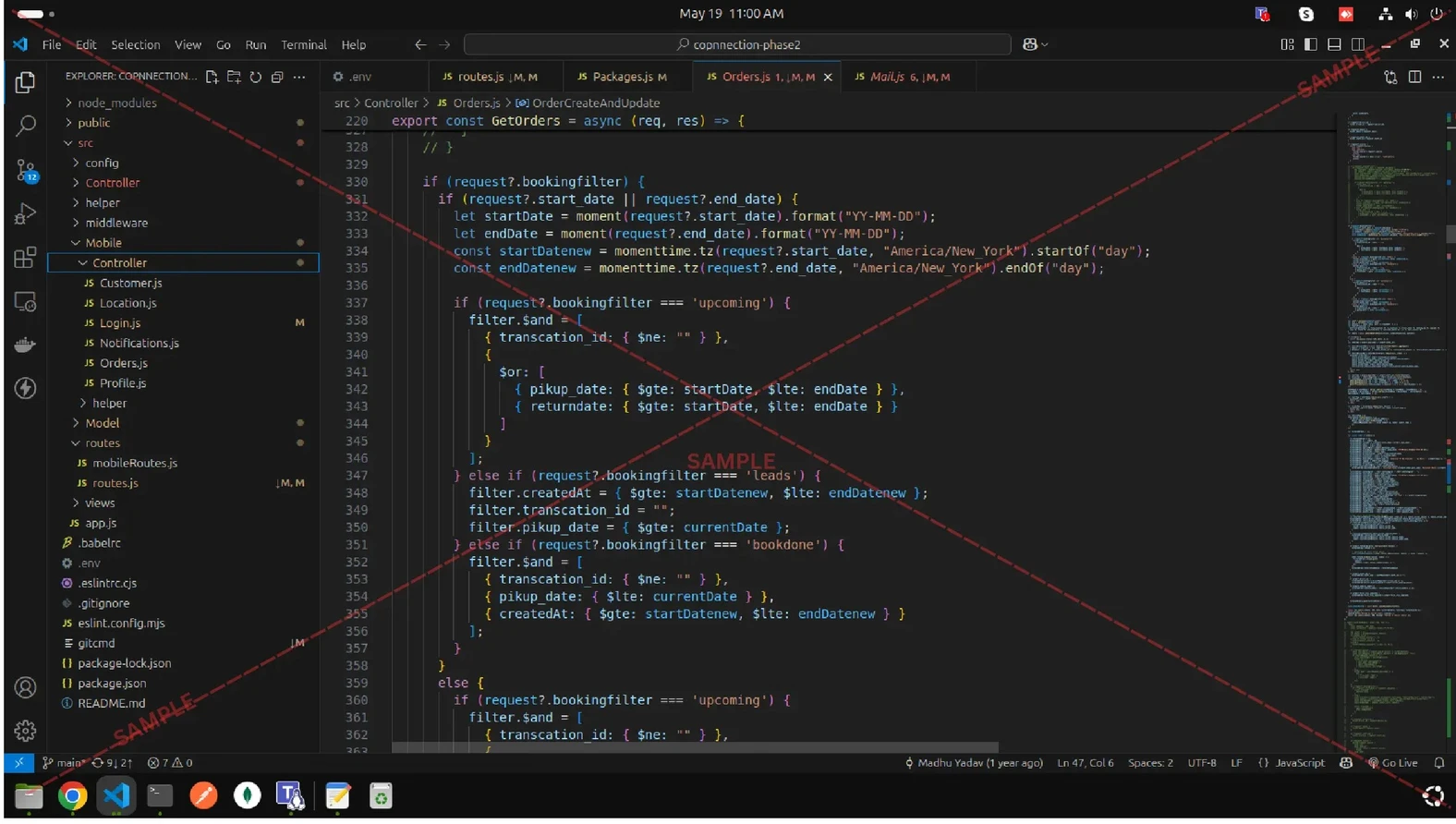
Experience can also emerge through academic projects, volunteering, freelance assignments, research activities, and personal initiatives. Although these experiences differ in structure and recognition, they can provide valuable opportunities to practise skills and learn from practical challenges.
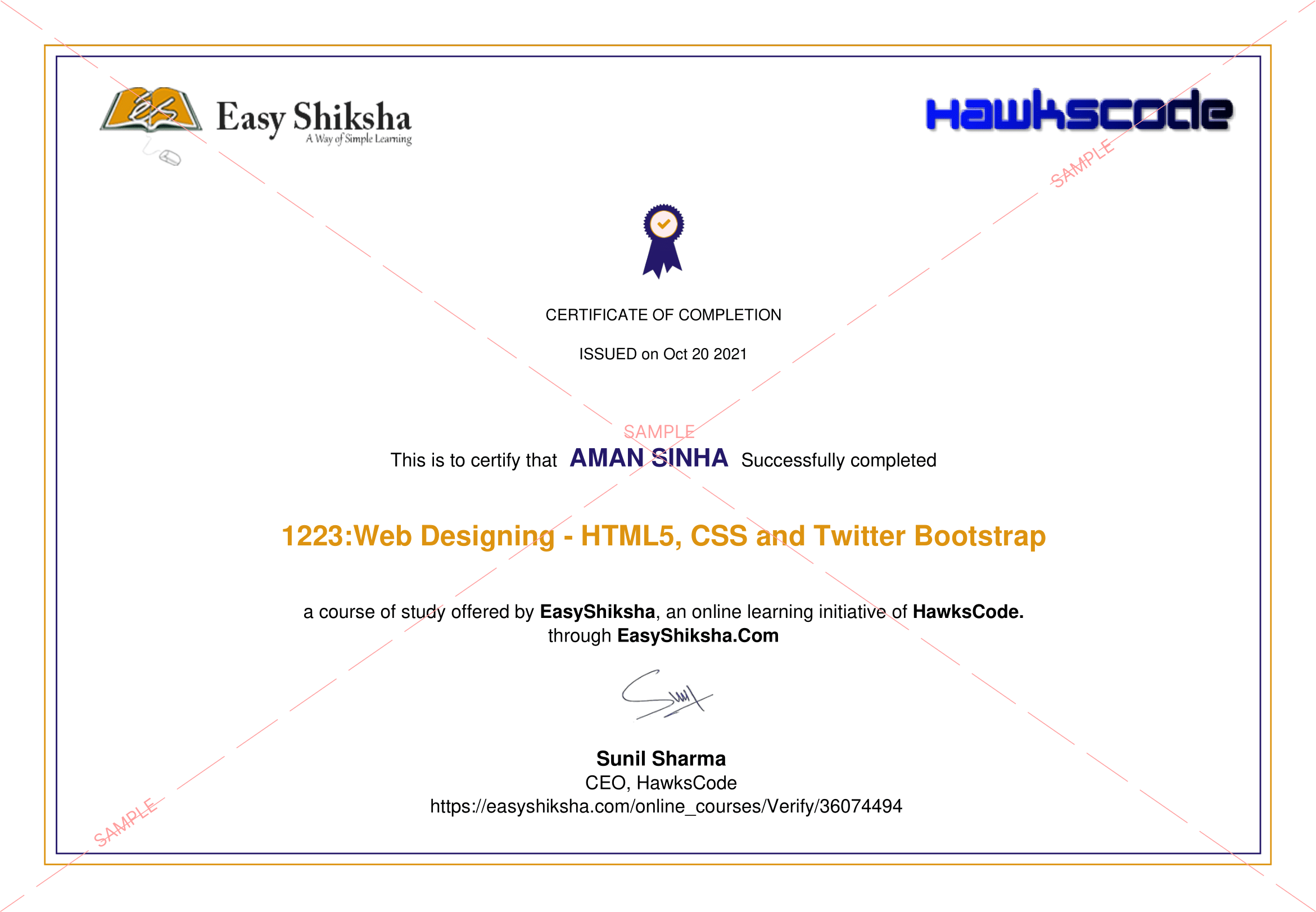
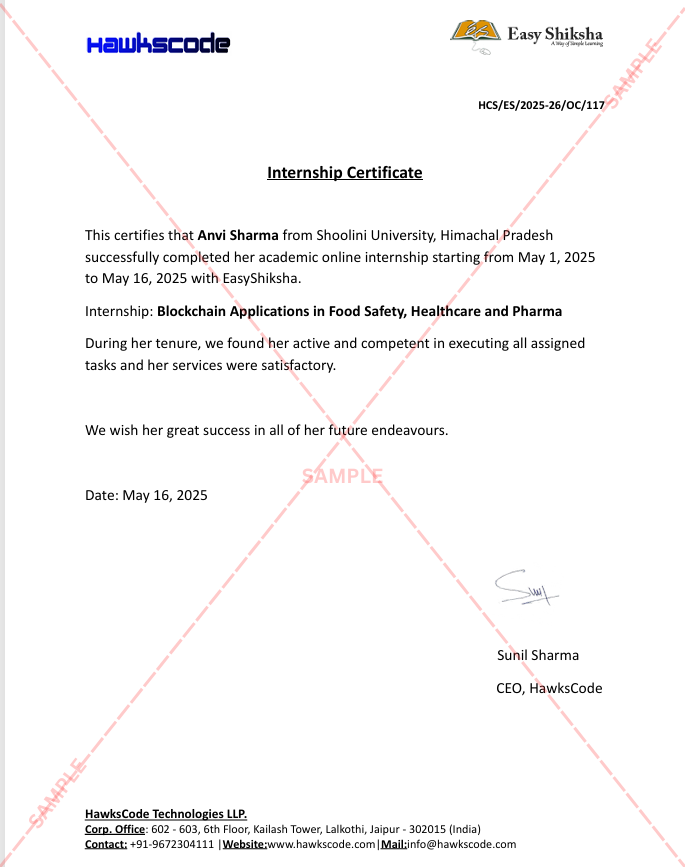
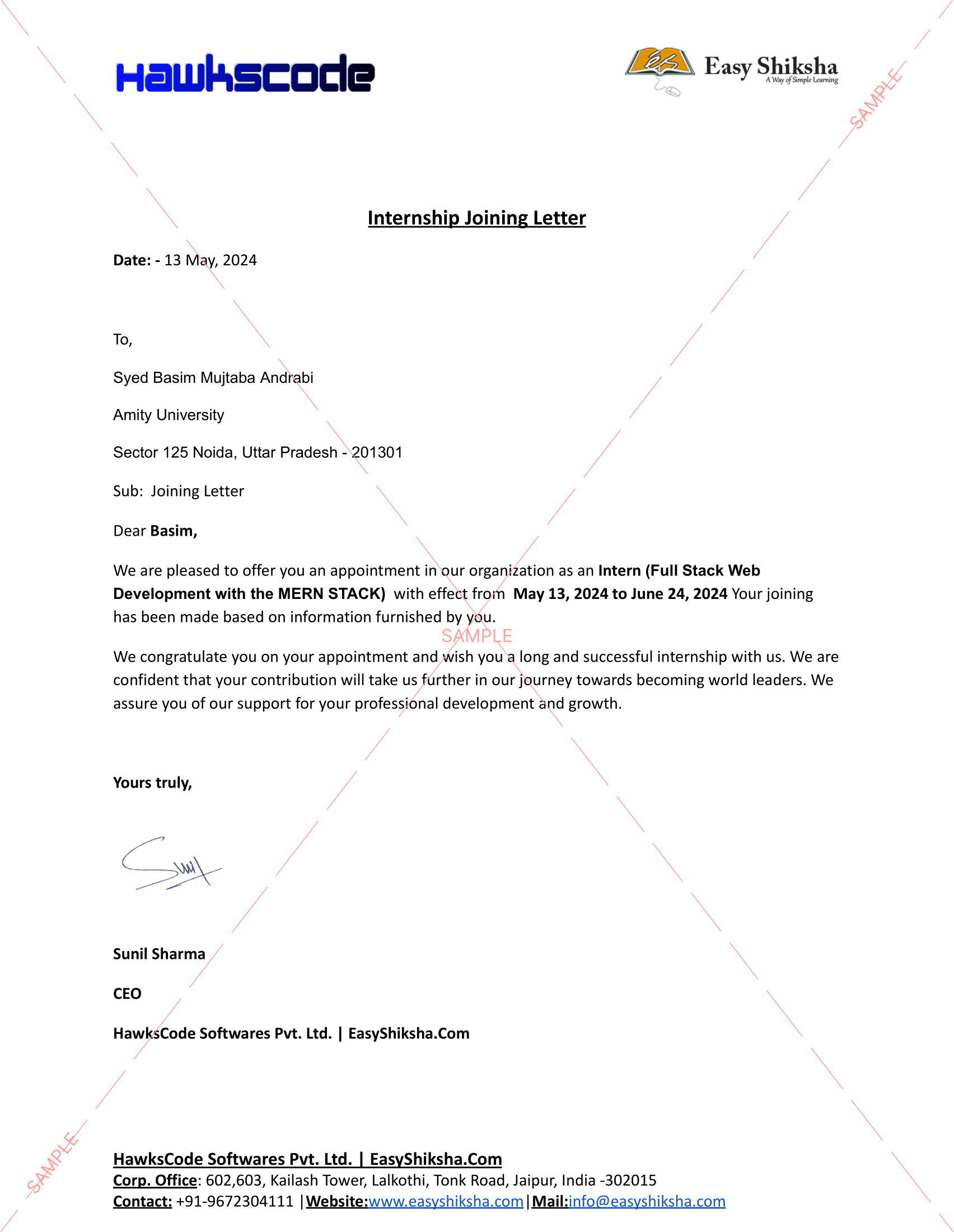
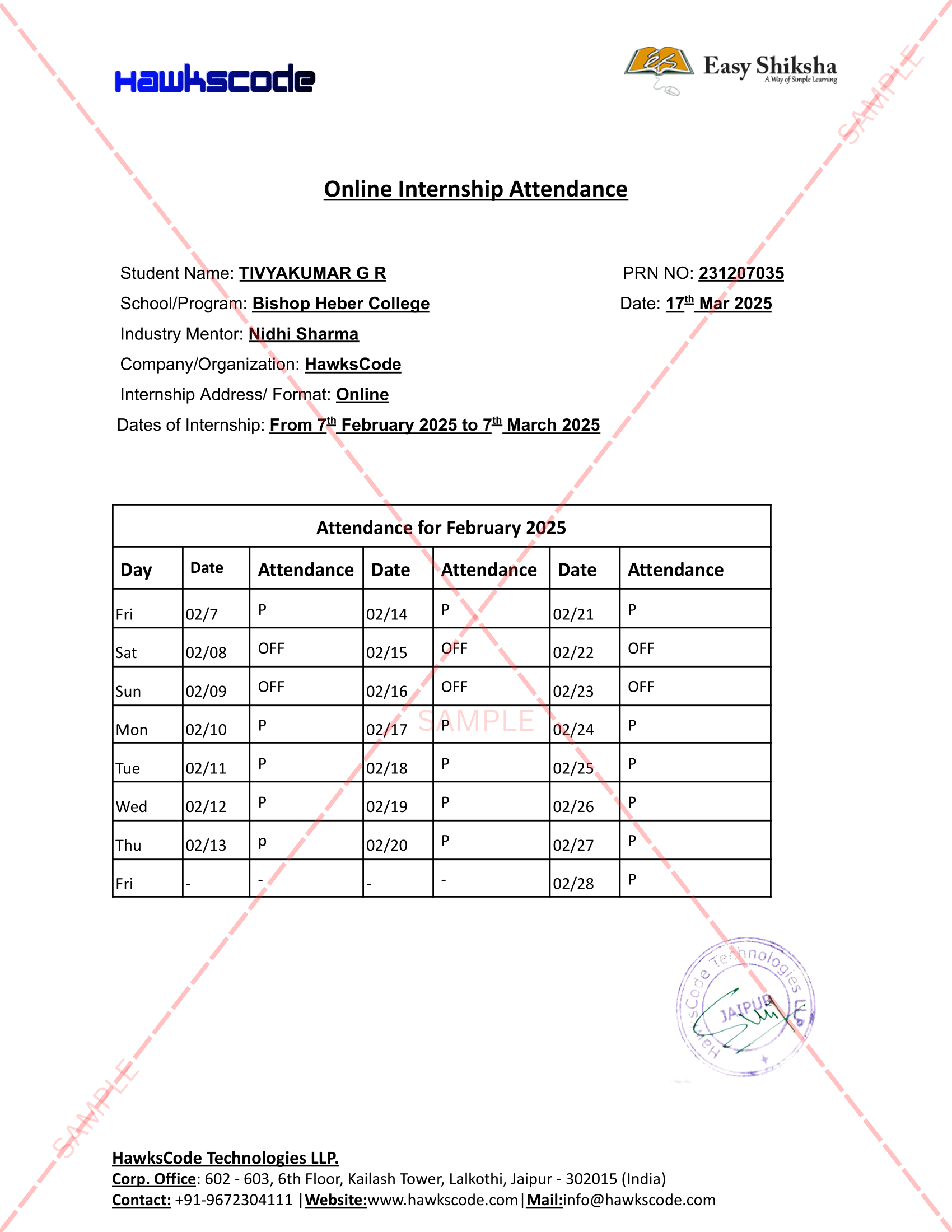
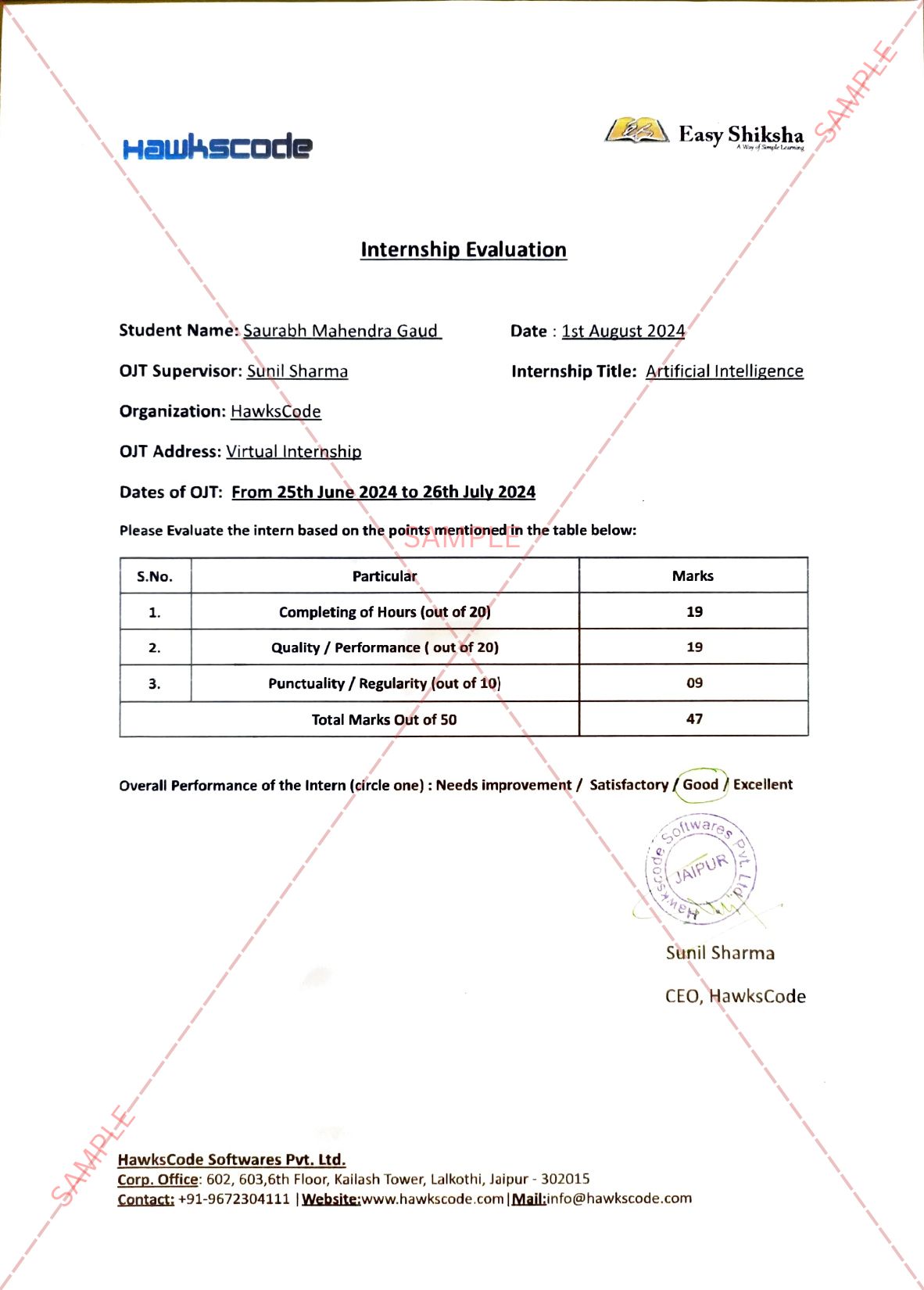
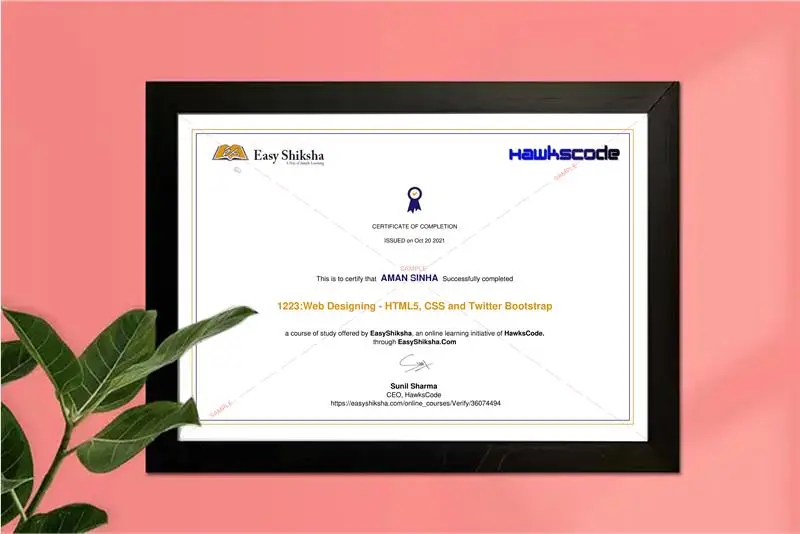
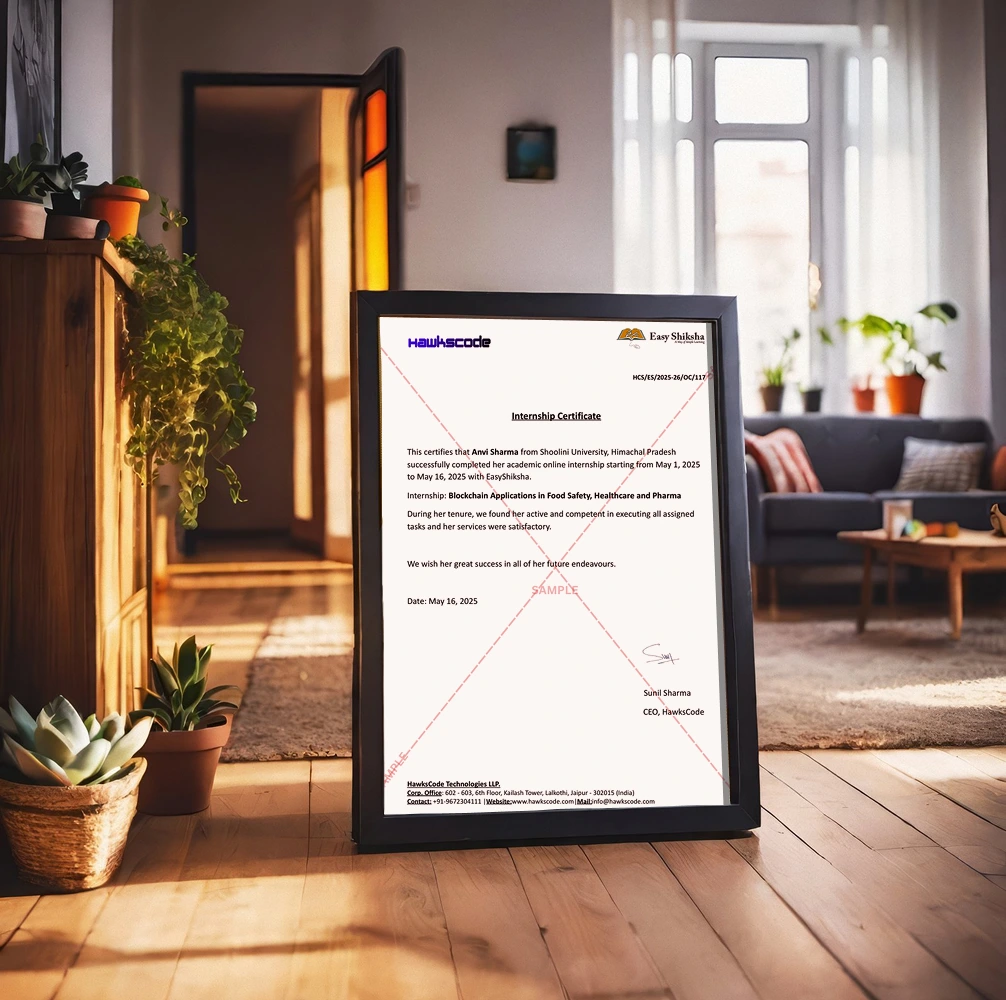
An internship certificate may confirm that a student participated in a program, but it does not necessarily describe the responsibilities handled or the capabilities demonstrated. Two students completing internships of similar duration may have very different experiences depending on their assignments, supervision, and level of involvement.
A more informative record of experience would describe the work performed, the skills practised, and the outcomes achieved. A student might explain that they helped organize data, contributed to a research report, developed a website feature, or assisted with a marketing campaign. Such descriptions provide a clearer picture of the learning involved.
This distinction is important when education platforms connect students with internship opportunities. The goal should not simply be to accumulate certificates but to help learners gain meaningful experience, reflect on what they have learned, and understand how practical activities contribute to their professional development.
What Happens When Degrees, Skills, and Experience Separate?
Greater Freedom to Build Individual Learning Journeys
When degrees, skills, and experience are no longer tied to a single institution or sequence, students gain greater freedom to design learning journeys that reflect their interests and circumstances. A student may pursue a formal degree while acquiring specialized technical skills through online courses. Another may begin with a short course, complete practical projects, and later decide to enroll in a degree program.
This flexibility can help students explore career options before making major educational commitments. A learner interested in data science might begin with basic statistics and spreadsheet analysis, then explore programming and data visualization before deciding whether to pursue a specialized academic program.
The ability to combine different learning experiences can also support career transitions. Professionals may build on existing knowledge while acquiring new capabilities through short courses, certifications, and practical assignments. Education becomes a more continuous process that can adapt to changing goals.
A More Complex Educational Decision-Making Process
Greater choice also creates greater complexity. Students must evaluate the quality of different learning providers, understand the recognition associated with qualifications, and determine which skills are relevant to their goals. They may need to compare course content, assessment methods, fees, schedules, and opportunities for practical experience.
Without clear guidance, learners can spend time and money on educational activities that do not contribute meaningfully to their intended outcomes. A student may collect certificates from unrelated courses without developing a coherent set of capabilities. Another may pursue a qualification without understanding the additional experience expected in a particular field.
This makes educational discovery and career guidance increasingly important. Students need reliable information that helps them connect their interests with relevant courses, degrees, and practical opportunities. A connected platform can support this process by helping learners organize their options and understand how different experiences fit into a broader plan.
The Fragmentation Problem: When Learning Experiences Do Not Connect
Multiple Platforms, Separate Records
As education becomes distributed across institutions and digital services, students may find themselves managing several disconnected learning records. Their degree information may remain with a university, course certificates may be stored on separate platforms, and internship records may exist in emails or individual documents.
This fragmentation can make it difficult for learners to understand their overall progress. Students may remember completing several courses but struggle to explain how those courses relate to their academic background or career goals. They may also find it challenging to organize evidence of practical work when applying for internships or employment.
A connected educational profile could help bring these experiences into a more coherent view. By organizing qualifications, courses, projects, and relevant experience, students could better understand their learning history and identify the areas in which they need further development.
The Need for a Connected Education Ecosystem
A connected education ecosystem does not require every learning activity to take place within a single institution. Instead, it focuses on making different educational experiences easier to discover, organize, and understand.
For example, a student exploring a career in digital marketing could identify relevant academic programs, learn foundational concepts through online courses, assess understanding through quizzes, and gain practical experience through projects or internships. Career guidance could help the student understand how these activities relate to different professional roles.
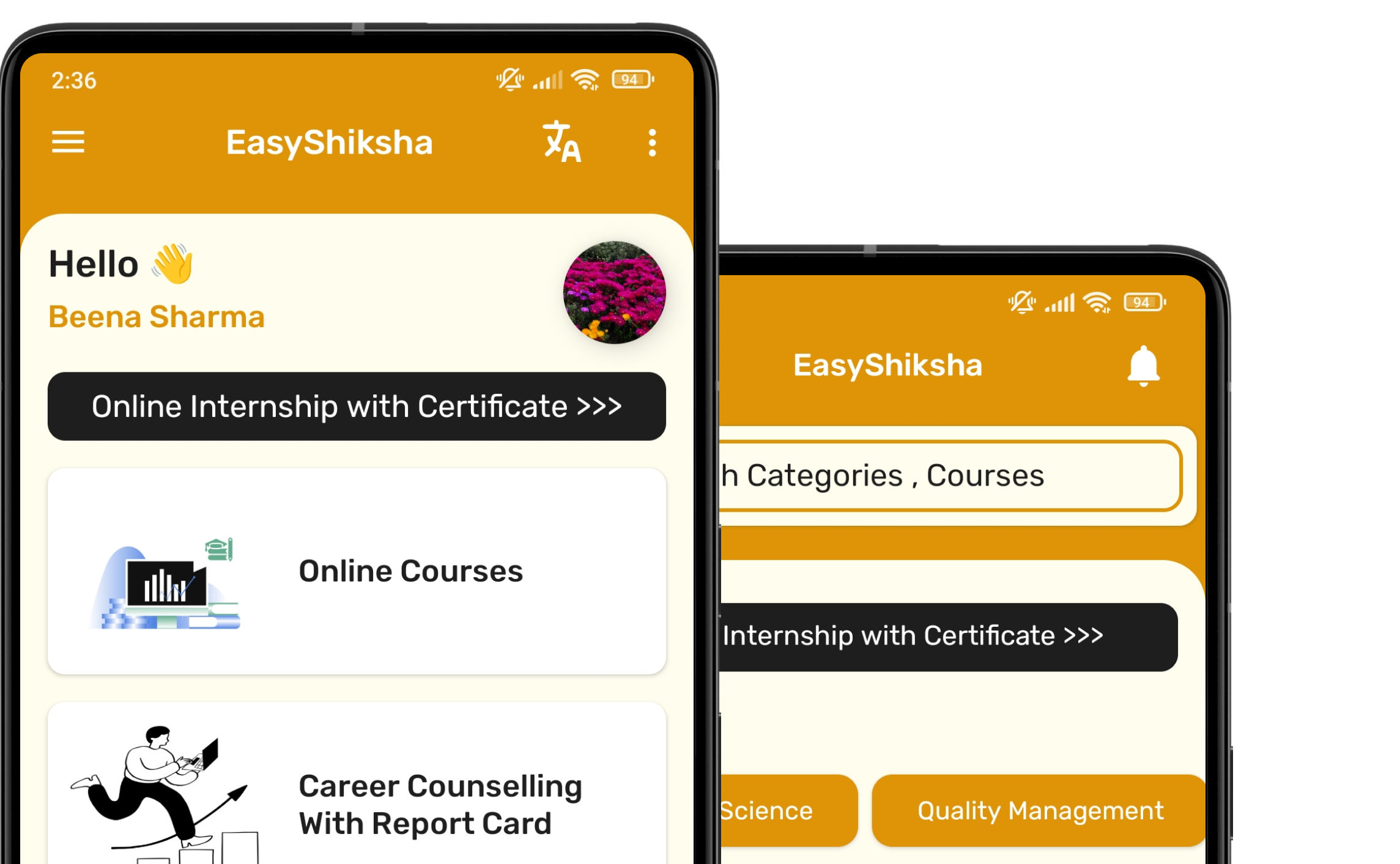
EasyShiksha's combination of educational discovery, online learning, internships, quizzes, certificates, and career-related resources aligns with this broader concept of connected learning. The platform can help students explore multiple educational pathways and understand how different opportunities may contribute to their development.
EasyShiksha and the Unbundled Education Journey
Connecting Educational Discovery with Learning Opportunities
The first challenge in an unbundled education environment is knowing where to begin. Students may have broad interests but limited knowledge of the courses, institutions, and career pathways available to them. They may also struggle to determine whether they should pursue a degree, develop a specific skill, or gain practical experience first.
Educational discovery can help students explore these choices more systematically. By examining available schools, colleges, universities, online courses, and career-related opportunities, learners can build a clearer understanding of the options available to them.
EasyShiksha can support this discovery process by bringing educational information and learning opportunities into a connected environment. Students can explore different possibilities, compare pathways, and consider how academic programs and skill-based learning may complement their goals. The purpose is to help learners make informed decisions rather than assume that every student must follow the same educational sequence.
Connecting Courses, Quizzes, and Practical Learning
Once students identify a learning goal, they need opportunities to develop and assess relevant knowledge. Online courses can provide structured instruction, while quizzes can help learners assess comprehension and identify areas requiring further practice.
Practical learning can extend this process by allowing students to apply concepts through assignments and projects. For example, a learner studying digital marketing could move from understanding marketing principles to researching keywords, planning content, and evaluating campaign performance.
When these activities are connected, students can better understand how each stage contributes to their development. EasyShiksha's learning resources can form part of this broader journey, helping students combine structured study with assessment and practical exploration.
Connecting Learning with Internship Opportunities
Internships can help students understand how their learning relates to professional environments. A student who has developed foundational knowledge through courses and practical exercises may be better prepared to explore relevant internship opportunities and understand the responsibilities associated with them.
A connected learning journey can help students identify the skills they want to practise before applying for an internship. It can also encourage them to reflect on the experience afterward and consider which capabilities they developed.
For EasyShiksha, connecting online learning with internship opportunities creates a pathway through which students can move from educational discovery toward practical exposure. The relationship between these activities can help learners understand that professional preparation involves more than completing academic requirements.
Moving from a Fixed Sequence to a Flexible Pathway
Traditional career preparation often assumes that students complete a degree, enter the workforce, and develop specialized skills through employment. Although this pathway remains relevant, many learners now combine academic study with additional courses, practical projects, internships, and professional development.
A flexible pathway allows students to develop skills at different stages of their education. A learner might acquire basic digital skills during the first year of a degree, complete a project in the second year, and pursue an internship before graduation. Another student might focus on foundational academic learning before exploring specialized training.
This approach can help students connect their education with evolving career interests. It also encourages them to review their goals periodically and identify opportunities to strengthen their preparation.
Building Evidence of Career Readiness
Career readiness is easier to communicate when students can provide evidence of their abilities. Degrees and certificates establish educational background, while projects and practical experiences can demonstrate how learners apply knowledge.
A student applying for a software development internship might present a relevant academic qualification alongside programming projects and evidence of practical problem-solving. A candidate interested in marketing might combine a business degree with campaign plans, content samples, and analytics exercises.
This combination allows students to communicate a more detailed picture of their preparation. It also helps them identify gaps before applying for opportunities. A connected education platform can support this process by helping learners organize their educational activities and understand how their achievements relate to career goals.
The Role of Technology in Unbundled Education
Digital Platforms as Learning Connectors
Digital platforms can help students navigate an educational environment in which learning resources are distributed across different providers. They can make it easier to discover courses, explore qualifications, assess learning needs, and identify practical opportunities.
A connected platform can also help students organize their learning activities around specific goals. Rather than treating every course or internship as an isolated experience, learners can consider how each opportunity contributes to a broader pathway.
Technology can support this process through searchable educational information, personalized recommendations, digital learning profiles, and progress tracking. However, the usefulness of these tools depends on the accuracy of the information, the quality of the learning resources, and the clarity of the guidance provided.
The Potential of Artificial Intelligence in Personalized Learning
Artificial intelligence could help learners navigate complex educational choices by organizing information and identifying connections between interests, learning activities, and career goals. An AI-supported system might recommend introductory courses to a student exploring a new subject or suggest additional practice when assessment results indicate a learning gap.
For example, a learner interested in data analysis could receive suggestions for foundational mathematics, spreadsheet skills, and introductory statistics before progressing toward more advanced subjects. A student interested in cybersecurity could explore foundational computing, networking, and security concepts before considering specialized training.
Such recommendations should be treated as guidance rather than definitive instructions. Students have different circumstances, and educational choices may depend on factors that automated systems cannot fully understand. Transparent recommendations, privacy protection, and human guidance remain important when technology is used to support educational decisions.
Challenges and Risks of Unbundled Education
Unequal Access to Learning Opportunities
Although digital education can expand access, not all students have the same resources or opportunities. Reliable internet connectivity, suitable devices, financial support, language accessibility, and time for learning can influence a student's ability to participate in online education and practical training.
Students in different regions may also have unequal access to internships, professional networks, and specialized learning resources. A flexible educational system could therefore create new opportunities for some learners while leaving others dependent on limited local options.
Addressing these differences requires attention to affordability, accessibility, and the availability of meaningful learning opportunities. Educational platforms can contribute by presenting accessible options, helping students understand costs, and supporting pathways that do not depend entirely on expensive resources.
Quality and Recognition of Learning Experiences
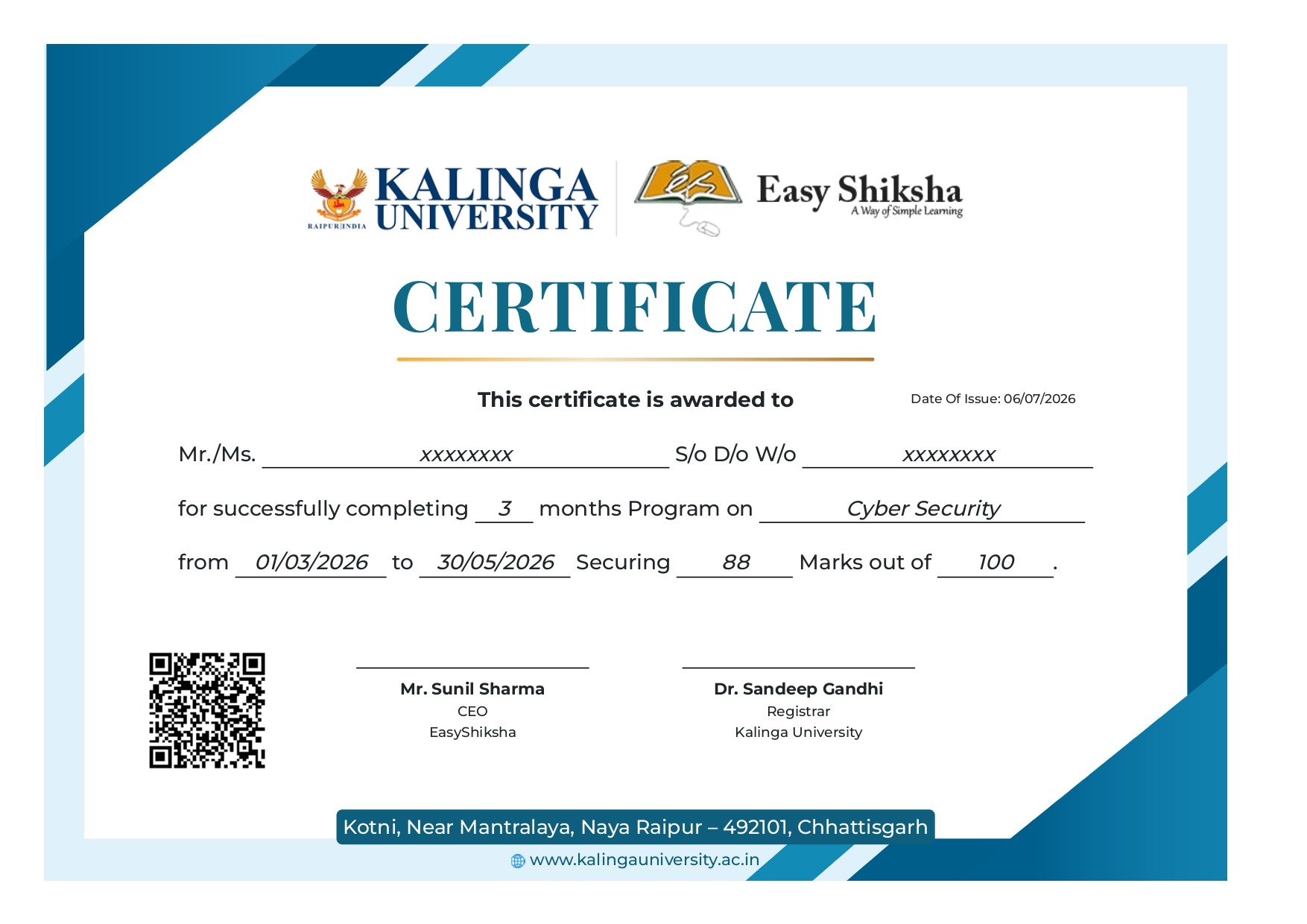
When students combine courses, credentials, and experience from multiple providers, it can become difficult to determine the quality and recognition of each component. A certificate may represent a rigorous assessment, a short introductory course, or simply participation in a learning activity. Without clear information, students may struggle to evaluate its significance.
Quality assurance is therefore essential. Learners should understand the content covered, the assessment requirements, the identity of the provider, and any formal recognition associated with a qualification. They should also distinguish between completing a course and demonstrating a specific capability.
Clear descriptions and transparent assessment standards can help students make informed decisions. They can also support more accurate communication of educational achievements to employers and other institutions.
The Risk of Fragmented Learning and Credential Accumulation
Unbundled education can encourage students to explore a wide range of subjects, but it can also lead to disconnected learning experiences. A student may complete many short courses without developing depth in any particular area. Another may collect certificates without understanding how they relate to a long-term academic or professional goal.
This problem can be addressed by helping learners organize education around meaningful objectives. Students can identify the knowledge and capabilities required for a particular goal, choose relevant learning opportunities, and evaluate their progress through practical outcomes.
The purpose is not to discourage exploration but to make exploration more intentional. A coherent learning pathway allows students to combine different educational experiences without losing sight of the abilities they want to develop.
The Future of Education: A Connected System Built from Flexible Components
From Institutional Pathways to Learner-Centered Journeys
The future of education may involve a closer relationship between structured academic programs and flexible learning opportunities. Universities will continue to provide degrees and formal instruction, while online platforms, professional training providers, and workplace learning environments may contribute additional skills and experience.
Students will increasingly need ways to understand how these components fit together. A learner-centered education system would recognize that individuals have different goals and starting points while providing clear information about relevant pathways.
Such a system would not require every student to assemble an entirely independent education. Structured programs would remain valuable, but students could supplement them with courses, projects, internships, and additional qualifications according to their needs.
A comprehensive learning profile could connect academic qualifications, course completion, demonstrated skills, projects, and professional experience. It could help students understand their educational development and communicate their preparation more clearly.
The profile would need to distinguish between different types of evidence. A degree would represent formal academic achievement, a course certificate would document a particular learning activity, and a project could demonstrate the application of knowledge. Internship records could provide additional information about practical exposure and professional responsibilities.
For EasyShiksha, this broader concept reinforces the value of connecting educational discovery, online learning, quizzes, certificates, internships, and career guidance. By helping students understand the relationships between these experiences, a connected learning ecosystem could support more informed educational decisions and a clearer view of long-term development.
Conclusion: Reconnecting What Unbundled Education Separates
The unbundling of education is changing how students acquire knowledge, develop skills, gain experience, and demonstrate their qualifications. Degrees, practical capabilities, and professional experience are increasingly available through different institutions and learning environments. This creates opportunities for greater flexibility, personalized learning, and career exploration, while also introducing challenges related to fragmentation, quality, recognition, and unequal access.
The central challenge is not simply that education has become unbundled. It is that students need meaningful ways to connect its different components. A degree can provide an academic foundation, courses can develop specialized knowledge, projects can demonstrate practical application, and internships can introduce professional experience. When these elements are understood as parts of a connected learning journey, students can make more informed decisions about their development.
EasyShiksha can contribute to this broader educational approach by helping learners discover academic programs, explore online courses, assess their understanding through quizzes, identify internship opportunities, and connect learning with career goals. The platform's role in a changing education environment is to make educational choices easier to explore and help students understand how different opportunities may complement one another.
Ultimately, the unbundling of education does not have to mean the fragmentation of learning. Degrees, skills, and experience can remain distinct while contributing to a shared purpose: helping students build knowledge, develop capabilities, gain practical exposure, and prepare for changing opportunities throughout their lives. The future of education may depend on how effectively these separate components are connected into meaningful, flexible, and learner-centered journeys.
Anshika Jain is an Engineer, Developer, and Educational Content Author known for her dedication to technology and knowledge sharing. With a strong analytical mindset and a passion for innovation, she has consistently contributed to creating meaningful digital solutions and insightful educational articles.
Her ability to simplify complex technical concepts into engaging and easy-to-understand content makes her work valuable for students and learners across various platforms. Along with her technical expertise, Anshika is admired for her creativity, professionalism, and commitment to continuous learning.
She represents a perfect blend of technical excellence and impactful communication, inspiring others through both her development work and educational contributions.