







B.Voc in Hotel Management
Program Overview
The Advance Diploma in Hotel Management at Mangalayatan University is a two-year program structured across four semesters, covering core areas of hotel and hospitality operations along with tourism, event management, resort management, financial management, marketing and aviation-related operations. The curriculum progresses from foundational hospitality functions to broader management-oriented areas within tourism and hospitality.
The initial curriculum covers areas such as Food and Beverage Service, Front Office Operations, Housekeeping Operations, Computer Fundamentals, Communication Skills, Accounting, Food Production, Travel and Tourism Management, and Event Management. The syllabus also includes laboratory components in several operational areas, giving the curriculum a practical orientation where such laboratory subjects are explicitly included.
The later semesters expand into subjects such as Event Management in Tourism and Hospitality, Human Resource Management, Consumer Behavior, Resort Management, Food and Beverage Management, Tour Operations and Travel Agency Management, International Hospitality Management, Tourism Product Development, Tourism and Hospitality Law, Financial Management for Tourism and Hospitality, Tourism Marketing, and Airport and Airline Operations.
The program therefore develops knowledge across hotel operations, guest services, food and beverage management, tourism, events, resort operations, marketing, finance, legal aspects and aviation operations. The official syllabus does not specify a separate internship, industrial training, dissertation or exit option for the four-semester structure. The source also does not specify eligibility requirements for this Advance Diploma.
Eligibility Criteria
The minimum eligibility for admission is 10+2 (in any stream) or equivalent or a two-year ITI Diploma after Class 10th or a three-year Polytechnic Diploma after Class 10th.
Approval Details
MHRD, Government of India and UGC
Curriculum
Semester I introduces foundational areas of hotel management, including food and beverage service, front office operations, housekeeping, computer fundamentals and communication skills. The course table lists laboratory components alongside several operational subjects.
1. Foundation in Food and Beverage Service-I Laboratory
This laboratory subject is listed in Semester I as a practical component of foundational food and beverage service education. The supplied course structure identifies the subject and assigns 2 credits, but the detailed unit-wise content for this particular laboratory is not provided in the uploaded syllabus.
Credit: 2
2. Foundation in Front Office Operations-I
This subject introduces foundational front office operations. The detailed syllabus covers handling and maintenance of front office equipment, role-play simulations involving reservations, check-ins, luggage handling, messaging and paging, along with customer-centric communication, grooming, manners and etiquette.
Key Areas:
- Front office tools and equipment
- Front desk setup and maintenance
- Reservations and check-in simulations
- Luggage handling, messaging and paging
- Customer-centric communication
- Grooming, manners and professional etiquette
Credit: 3
3. Foundation in Front Office Operations-I Laboratory
This laboratory component accompanies the foundational front office curriculum. The course table lists it as a 2-credit subject. The detailed practical syllabus is not separately provided in the uploaded document, so no additional activities have been assumed.
Credit: 2
4. Foundation in House Keeping Operations-I
This subject covers foundational housekeeping operations. Its detailed content includes cleaning equipment, room-cleaning routines, linen handling, bathroom upkeep, public-area maintenance, control-desk activities, scheduling, hygiene, safety and pest-control basics.
Key Areas:
- Identification and care of housekeeping equipment
- Manual and mechanical cleaning tools
- Guest-room cleaning routines
- Morning and evening turndown service
- Linen handling and bathroom upkeep
- Public-area maintenance
- Duty rosters and work scheduling
- Hygiene, safety and pest-control basics
Credit: 3
5. Foundation in House Keeping Operations-I Laboratory
This laboratory subject is listed in Semester I as a 2-credit practical component. The uploaded course structure does not provide a separate detailed unit breakdown for this laboratory, so additional practical activities are not assumed.
Credit: 2
6. Computer Fundamentals
Computer Fundamentals introduces basic computer systems, hardware and software, digital concepts, internet and email usage, and office productivity tools. The syllabus covers computer types, binary systems, ASCII, browsers, search engines, email and applications such as word processing, spreadsheets and presentations.
Key Topics:
- Basics and evolution of computer systems
- Hardware and software
- Types of computers
- Binary systems and ASCII
- Internet and web browsers
- Search engines and email
- MS Word
- MS Excel
- MS PowerPoint
Credit: 2
7. Computer Fundamentals Laboratory
The Semester I structure lists Computer Fundamentals Laboratory as a 2-credit subject. The uploaded syllabus provides the theoretical Computer Fundamentals content but does not provide a separate detailed laboratory unit breakdown.
Credit: 2
8. Communication Skills
Communication Skills develops understanding of verbal, written and non-verbal communication, business communication formats, oral communication and professional communication practices relevant to hospitality contexts.
Key Topics:
- Foundations of communication
- Verbal, written and non-verbal communication
- Communication channels and barriers
- Business communication
- Formal letters, emails and memos
- Notices, agendas and meeting minutes
- Speeches and presentations
- Telephone etiquette
- Pronunciation
- Professional body language and etiquette
Credit: 2
Download Syllabus
Semester II builds on the foundational hospitality subjects through accounting, food production, food and beverage services, front office operations, housekeeping, travel and tourism management, and event management. Several subjects have corresponding laboratory components.
1. Fundamentals of Accounting
Fundamentals of Accounting introduces accounting procedures relevant to hospitality and tourism contexts. The syllabus includes journal and ledger exercises, subsidiary books, cash books, bank reconciliation, final accounts, trial balance adjustments and Tally-based accounting activities.
Key Topics:
- Journal and ledger
- Double-entry recording
- Subsidiary books
- Cash books
- Bank reconciliation
- Trial balance
- Final accounts
- Tally-based accounting
- Balance sheets
- Profit and loss statements
Credit: 4
2. Food Production-II
Food Production-II covers cold kitchen and larder operations, bakery and confectionery basics, regional and international cuisine, menu planning and volume food production.
Key Topics:
- Larder layout and organization
- Pâtés, mousses, mousseline, quenelles, parfaits and roulades
- Hot and cold hors d'oeuvre
- Garnishes and decorative presentation
- Bakery and confectionery techniques
- Icings and toppings
- Frozen desserts and meringues
- Chocolate-based creations
- Indian regional cuisine
- International culinary influences
- Menu planning
- Quantity cooking and large-scale catering
Credit: 3
3. Food Production-II Laboratory
This laboratory subject accompanies Food Production-II and is listed for 2 credits in Semester II. The uploaded structure identifies the laboratory but does not provide a separate laboratory-specific unit outline.
Credit: 2
4. Food and Beverage Services-II
Food and Beverage Services-II focuses on service procedures, table setup, mise-en-place, service flow, billing and guest-handling practices. The syllabus also includes tobacco-service etiquette and dining-service role-play.
Key Topics:
- Table setup
- High tea and buffet service
- Room service
- Mise-en-place
- Sequence of service
- KOT handling
- Billing and cash transactions
- Tobacco-service etiquette
- Dining etiquette
- Guest handling
Credit: 3
5. Food and Beverage Services-II Laboratory
The course structure lists Food and Beverage Services-II Laboratory as a 2-credit practical subject. Its separate practical-unit details are not provided in the uploaded document.
Credit: 2
6. Front Office Operations-II
Front Office Operations-II covers tariff structures, room selling, guest-cycle management, reservations, check-in, profile maintenance, guest-stay services and coordination with other hotel departments.
Key Topics:
- Tariff structures
- Room selling
- Pricing models and rates
- Guest cycle
- Reservations
- FITs and GITs
- Travel-agent and airline channels
- Cancellations and amendments
- Overbooking
- Check-in and guest profiles
- Guest-stay services
- Complaint handling
- Front office coordination
Credit: 3
7. Front Office Operations-II Laboratory
This laboratory subject supports the Semester II front office curriculum and is listed for 2 credits. No separate laboratory syllabus is provided in the uploaded source.
Credit: 2
8. Housekeeping Operations-II
Housekeeping Operations-II covers guest-room cleaning, public-area cleaning, periodic cleaning, laundry and linen operations, control-desk record management, safety, hygiene and pest control.
Key Topics:
- Guest-room cleaning procedures
- Room-status-based servicing
- Room inspection
- Public-area cleaning
- Periodic cleaning schedules
- Linen-room management
- Laundry operations
- Control-desk records
- Scheduling and logbooks
- Safety and hygiene
- Pest management
Credit: 3
9. Housekeeping Operations-II Laboratory
The course structure lists Housekeeping Operations-II Laboratory as a 2-credit practical subject. A separate laboratory-specific unit outline is not supplied.
Credit: 2
10. Travel and Tourism Management
Travel and Tourism Management introduces tourism concepts, tourism resources, travel agencies, tour operations, tourism marketing, emerging tourism trends and tourism organizations and policies.
Key Topics:
- Concepts and scope of tourism
- Types and forms of tourism
- Tourism attractions and resources
- Natural and man-made tourism resources
- Cultural heritage and UNESCO World Heritage Sites
- Travel agencies
- Tour operators
- Travel documentation
- Tourism marketing
- Digital marketing and social media
- Sustainable and rural tourism
- MICE
- CRS, GDS and online booking portals
- Tourism organizations and policies
Credit: 3
11. Basics of Event Management
Basics of Event Management introduces event concepts, planning, marketing, operations, legal and ethical considerations. It covers social, corporate, cultural and MICE events along with budgeting, venue selection, promotion, sponsorship, logistics and risk management.
Key Topics:
- Nature and scope of event management
- Social, corporate and cultural events
- Exhibitions and MICE
- Event planning
- Feasibility and SWOT analysis
- Budgeting and cost control
- Venue selection
- Event marketing
- Sponsorship
- Public relations
- Event operations
- Staffing and logistics
- Technical considerations
- Health, safety and risk management
- Contracts, permits and intellectual property
Credit: 3
Semester III expands the curriculum toward event management, hospitality management, human resources, consumer behavior, resort management, food and beverage management, and tour operations. The official four-semester table lists nine subjects for this semester.
1. Event Management in Tourism and Hospitality
This subject examines the relationship between event management and tourism and hospitality. It covers hospitality-related events, event planning, MICE and destination events, event marketing, operations, safety and legal considerations.
Key Topics:
- Events in tourism and hospitality
- Conferences, festivals, weddings and exhibitions
- Destination events
- Destination branding and tourism promotion
- Event planning
- Venue and destination suitability
- Itinerary and program scheduling
- Budget preparation
- MICE tourism
- Destination event planning
- Event marketing and promotion
- Sponsorship and partnerships
- Public relations and media management
- Crowd management
- Safety and legal compliance
Credit: 3
2. Public Relations and Communication Laboratory
Public Relations and Communication Laboratory is listed as a 2-credit Semester III laboratory subject. The uploaded source provides the subject name and credit allocation but does not provide a separate detailed unit-wise laboratory outline.
Credit: 2
3. Food and Beverage Management Laboratory
Food and Beverage Management Laboratory is listed as a 2-credit Semester III practical subject. The detailed laboratory-specific content is not separately provided in the uploaded course structure.
Credit: 2
4. Hotel and Resort Management Laboratory
Hotel and Resort Management Laboratory is included as a 2-credit Semester III laboratory component. The uploaded source does not provide a separate unit breakdown for this laboratory.
Credit: 2
5. Human Resource Management
Human Resource Management introduces HR-related concepts and includes areas such as HR planning, recruitment, job analysis, training, performance appraisal, industrial relations and grievance-related situations. The source text also contains recommended hands-on sessions, but it explicitly notes that the source does not provide an explicit practical section.
Key Topics:
- HR planning
- Job design and role mapping
- Recruitment
- Job analysis
- Job descriptions
- Training
- Performance appraisal
- Career development
- Industrial relations
- Grievance handling
Credit: 3
6. Consumer Behavior
Consumer Behavior covers the nature and scope of consumer behavior, decision-making processes, psychological influences, sociocultural influences and contemporary consumer behavior trends.
Key Topics:
- Consumer behavior concepts
- Psychology and sociology in consumer behavior
- Consumer decision-making
- Information search and evaluation
- Purchase and post-purchase behavior
- Consumer motivation
- Personality and self-concept
- Perception and learning
- Attitudes and beliefs
- Family and reference groups
- Social class and culture
- Social media influence
- E-buying and green products
- Diffusion of innovation
Credit: 3
7. Resort Management
Resort Management examines resort development, resort planning, infrastructure, specialized resort types, financial challenges, marketing, branding and recreation management.
Key Topics:
- Resort development
- Resort planning and development phases
- Types of resorts
- Lodging and dining facilities
- Landscaping and entertainment amenities
- Mountain-based resorts
- Golf and tennis resorts
- Health and Ayurvedic resorts
- Market segmentation
- Financial planning
- Feasibility analysis
- Resort marketing and branding
- Recreation management
Credit: 3
8. Food and Beverage Management
Food and Beverage Management covers alcoholic beverages, bar operations, wines, beverage management, costing, stock control, staff training and emerging sustainability and technology trends in food and beverage operations.
Key Topics:
- Alcoholic beverage classifications
- Fermentation and distillation
- Bar types and layouts
- Bar stock management
- Bar equipment
- Wine types and production
- Old World and New World wine regions
- Beverage menu planning
- Beverage costing
- Stock control
- Staff training
- Beverage innovation
- Sustainable sourcing
- Technology in F&B operations
Credit: 3
9. Tour Operations and Travel Agency Management
Tour Operations and Travel Agency Management covers travel-agency functions, agency organization, establishment and management, tour planning, itinerary design, package marketing, GDS and legal and ethical considerations.
Key Topics:
- Tour operators and travel agencies
- Travel agency classification
- Agency organizational structure
- Travel-agency setup and management
- Staffing and training
- Tour packages
- Itinerary preparation
- Tour costing
- Marketing and sales
- Global Distribution Systems
- Partnerships with hospitality and transport providers
- Consumer protection
- Insurance and liability
- Legal and ethical aspects
Credit: 3
Semester IV focuses on international hospitality, sustainable tourism, tourism product development, airport and airline operations, tourism law, finance and tourism marketing. The course table lists nine subjects, including four laboratory subjects.
1. International Hospitality Management
International Hospitality Management examines the global hospitality industry, cultural diversity, international operations, global marketing and branding, legal and ethical issues, sustainability and crisis management.
Key Topics:
- International hospitality industry
- Global hospitality development
- International hotel chains and brands
- Cultural diversity
- Cross-cultural management
- Multicultural teams and guests
- International hotel and resort operations
- International service standards
- PMS, CRM and online booking platforms
- Global branding
- Digital marketing
- Guest loyalty programs
- International legal and ethical issues
- Sustainable tourism
- Green hotel practices
- Crisis management
Credit: 3
2. Sustainable Tourism Laboratory
Sustainable Tourism Laboratory is included in Semester IV as a 2-credit laboratory subject. The course table identifies the laboratory component, but no separate detailed laboratory unit outline is provided.
Credit: 2
3. Tourism Product Development Laboratory
Tourism Product Development Laboratory is listed as a 2-credit Semester IV laboratory subject. The detailed laboratory-specific syllabus is not separately provided in the uploaded source.
Credit: 2
4. Airport and Airline Operations Laboratory
Airport and Airline Operations Laboratory is listed as a 2-credit Semester IV practical subject. The uploaded course table provides the subject name and credit value, while the detailed theoretical content is provided separately under Airport and Airline Operations.
Credit: 2
5. Tourism Product Development
Tourism Product Development covers tourism products and resources, product-development processes, market research, destination planning, marketing, promotion and sustainability.
Key Topics:
- Tourism product concepts and classifications
- Core and augmented tourism products
- Tourism stakeholders
- Natural and cultural resources
- Man-made attractions
- Niche tourism
- Product-development process
- Market research
- Feasibility studies
- Destination planning
- Branding and positioning
- Tourism pricing
- Technology in tourism marketing
- Sustainable tourism development
- Community involvement
- Environmental and socio-cultural impacts
Credit: 3
6. Tourism and Hospitality Law
Tourism and Hospitality Law introduces legal principles relevant to tourism and hospitality operations, including contracts, licensing, food safety, labour laws, tourism-specific legislation, international travel laws, intellectual property, privacy and dispute resolution.
Key Topics:
- Tourism and hospitality law
- Legal compliance
- Rights and responsibilities
- Contract law
- Hotel, restaurant and bar licensing
- Food safety and hygiene regulations
- Labour laws
- Tourism legislation
- Consumer protection
- Environmental and heritage protection
- IATA-related regulations
- Air-travel conventions
- Visa, immigration and customs laws
- Intellectual property
- Data protection and privacy
- Dispute resolution
Credit: 3
7. Financial Management for Tourism and Hospitality
Financial Management for Tourism and Hospitality covers financial decision-making, sources of finance, budgeting, financial analysis, cost control, investment decisions and working capital management within tourism and hospitality contexts.
Key Topics:
- Nature and scope of financial management
- Role of financial management
- Investment and financing decisions
- Sources of finance
- Equity and debt financing
- Working capital management
- Budget preparation
- Variance analysis
- Financial statements
- Ratio analysis
- Cost control
- Break-even analysis
- Capital budgeting
- Payback Period
- Net Present Value
- Internal Rate of Return
- Investment-risk analysis
Credit: 3
8. Tourism Marketing
Tourism Marketing focuses on tourism marketing concepts, consumer behavior, segmentation, tourism-product development, marketing mix, promotion and digital marketing.
Key Topics:
- Tourism marketing concepts
- Tourism marketing environment
- Tourist behavior
- Consumer decision-making
- Segmentation, targeting and positioning
- Tourism products and services
- Tourism packages and experiences
- Tourism branding
- Product life cycle
- 8Ps of tourism marketing
- Pricing and distribution
- Travel agencies and tour operators
- Advertising and public relations
- Social media
- SEO
- Content marketing
- Email campaigns
- Destination promotion
Credit: 3
9. Airport and Airline Operations
Airport and Airline Operations introduces the aviation industry, airport infrastructure, passenger and cargo operations, airline operations, aviation regulations, safety, customer service and technology.
Key Topics:
- Aviation-industry development
- Airline classifications
- Airport infrastructure
- ICAO and IATA
- Airside and landside operations
- Passenger handling
- Check-in, security and boarding
- Baggage and cargo operations
- Airline organizational structure
- Fleet planning and scheduling
- Crew management
- In-flight services
- Aviation regulations
- Airport security
- Emergency procedures
- Safety management systems
- Passenger experience
- Automated check-in and e-boarding
- Biometric systems
- Airline loyalty programs
Credit: 3
Fee Structure
Admission Process
Students can apply for the DIPLOMA Hotel Management programme through EasyShiksha. The complete application process is designed to make admission simple and convenient for eligible students.
Step 1: Click on Apply Now
Click the Apply Now button on the DIPLOMA Hotel Management programme page and begin your application through EasyShiksha.
Step 2: Complete Personal Information
Fill in the required personal, contact and academic details accurately in the application form.
Step 3: Upload Required Documents
Upload the required documents for eligibility and admission verification as specified during the application process.
Step 4: Pay Application Fee
Pay the applicable application fee through the available online payment options to submit your application and initiate the admission process.
Step 5: Application Review
The EasyShiksha team reviews your application and submitted documents to verify your eligibility and ensure that the required information and documents have been provided.
Step 6: University Enrollment
Once the application is successfully reviewed and the student is found eligible, EasyShiksha facilitates the enrollment process with Mangalyatan University.
Step 7: LMS Access
After successful enrollment, the student is provided access to the Learning Management System (LMS) to begin their academic journey and access the available learning resources.
Start Your Application
Ready to begin your journey in Software Development? Click Apply Now to submit your application through EasyShiksha.
Career & Placements
The curriculum covers hotel operations, food and beverage services, front office, housekeeping, tourism, events, resorts, travel agencies, hospitality marketing, finance and airport and airline operations. Based on these curriculum areas, students can explore career opportunities in hospitality, tourism, events and related service sectors. Career progression will depend on individual skills, experience and applicable employer requirements.
Hotel Operations
- Front Office Executive – Potential role involving guest-service and front-office operations.
- Housekeeping Executive/Associate – Potential work involving housekeeping operations, room servicing and hygiene procedures.
- Guest Service Executive – Potential role focused on guest interaction and hospitality service.
- Hotel Operations Associate – Potential opportunity across operational areas of hotel management.
Food & Beverage
- Food and Beverage Service Associate – Work related to food and beverage service operations.
- Food Production Associate – Potential role involving food-production activities and culinary operations.
- Food and Beverage Supervisor – May involve coordination of service, stock, costing and operational activities, depending on employer requirements.
- Bar/Beverage Operations Associate – Potential work involving beverage service and bar operations.
Tourism & Travel
- Travel Consultant – Potential role supporting travel planning, reservations and travel-related services.
- Tour Operations Executive – Work related to tour packages, itinerary preparation and tour operations.
- Travel Agency Executive – Potential role involving travel-agency workflows, bookings and customer services.
- Tourism Operations Associate – Potential opportunities in tourism-service operations.
Event Management
- Event Coordinator – Potential role supporting planning, scheduling and coordination of events.
- Event Operations Executive – Work related to on-site event operations and logistics.
- Event Marketing Executive – Potential role involving event promotion and communication.
- MICE Events Associate – Potential work connected with Meetings, Incentives, Conferences and Exhibitions.
Resort & Hospitality Management
- Resort Operations Associate – Potential role supporting resort-related operational activities.
- Guest Experience Associate – Potential role involving guest interaction and service management.
- Resort Marketing Associate – Potential opportunity involving resort promotion and branding.
Tourism Marketing & Digital Roles
- Tourism Marketing Executive – Potential role involving tourism promotion and marketing activities.
- Digital Marketing Executive – Tourism – Potential work involving social media, SEO, content and digital promotion.
- Tourism Product Development Associate – Potential role supporting the development and promotion of tourism products.
Aviation & Airport Services
- Airport Operations Associate – Potential role related to airport operational processes.
- Passenger Service Associate – Potential role involving passenger handling and service processes.
- Airline Operations Associate – Potential opportunities related to airline operations and coordination.
These are potential career areas derived from the subjects included in the curriculum and should not be interpreted as employment or placement guarantees.
Mangalayatan University, Aligarh
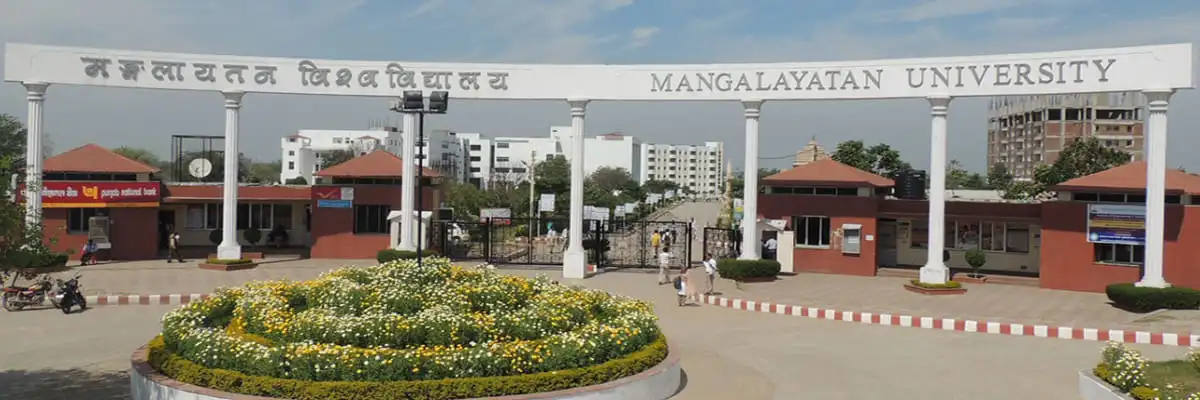
Mangalayatan University is a UGC-recognized private university located in Aligarh, Uttar Pradesh, India. Known for its strong industry connections, cutting-edge curriculum, and commitment to technology-driven education, Mangalayatan University has established itself as one of central India's premier higher education institutions.
The university's vision is to foster academic excellence, industry readiness, and global competitiveness among its graduates — making it an ideal partner for EasyShiksha's mission of accessible, quality online education.
EasyShiksha has signed an MoU with Mangalayatan University to facilitate applications for various university programs and jointly offer B.Voc programs. All degrees and certifications under these programs will be awarded by Mangalayatan University. The EasyShiksha team will provide complete assistance and support throughout the admission and program process.
Mangalayatan University, Uttar Pradesh
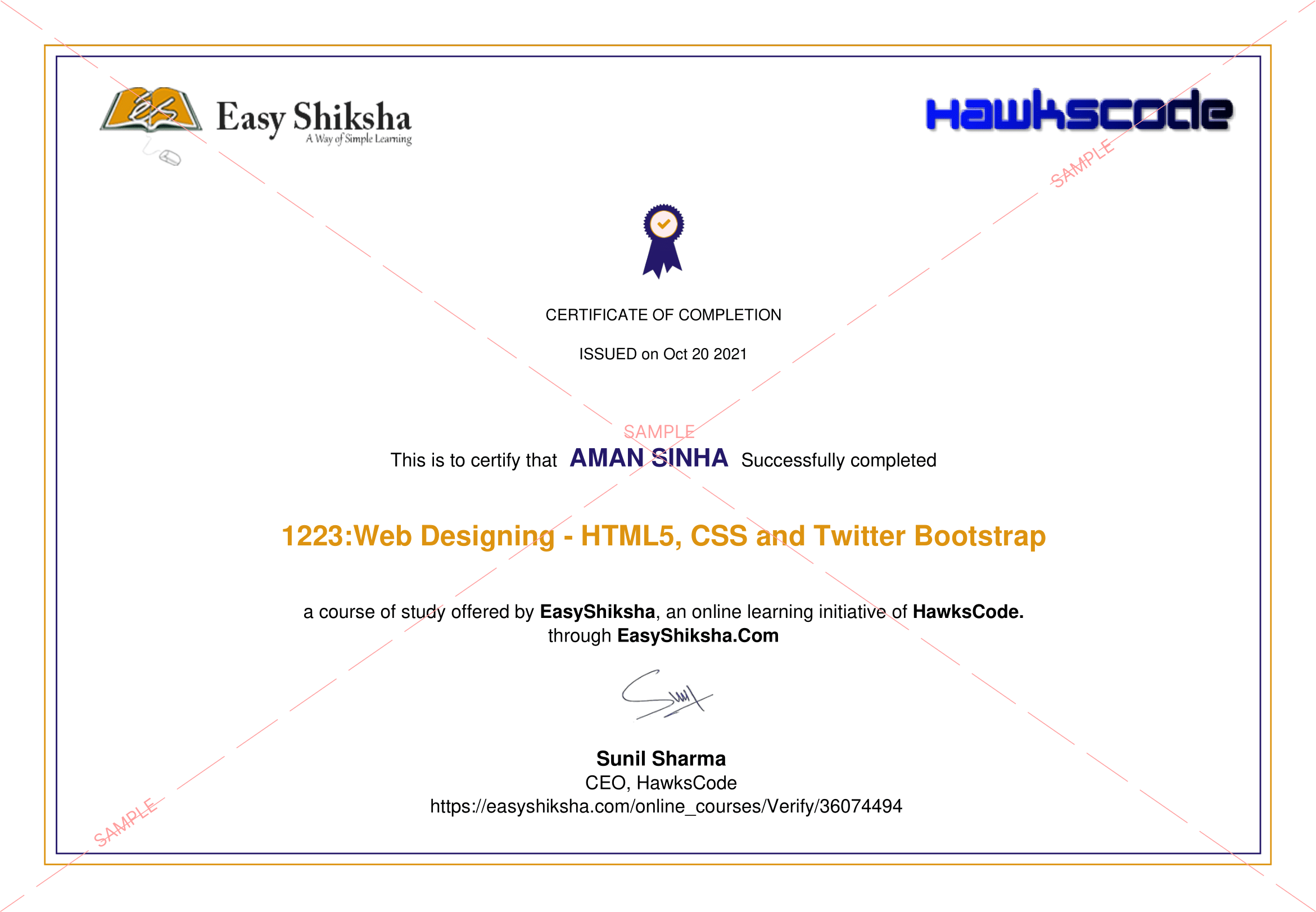
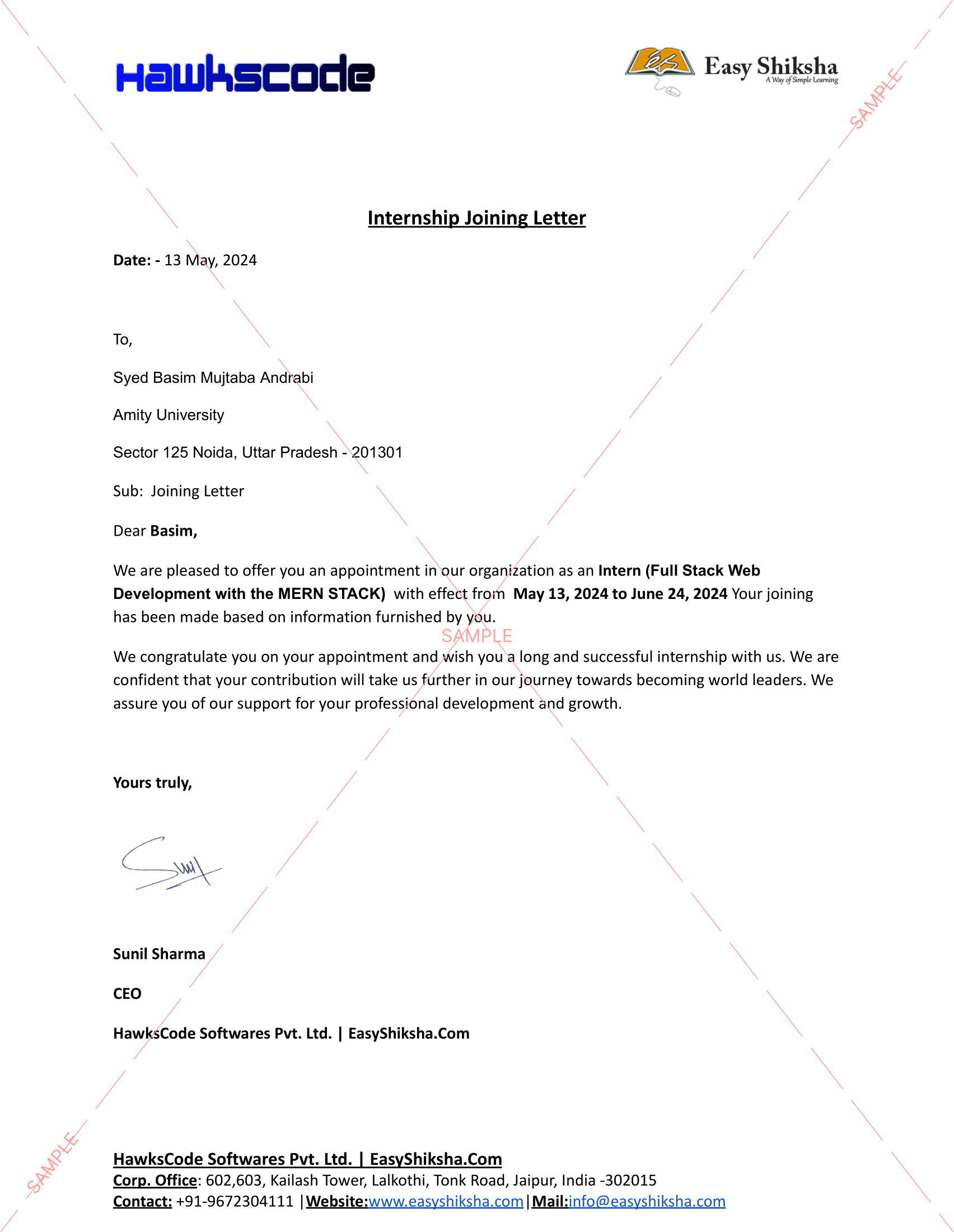
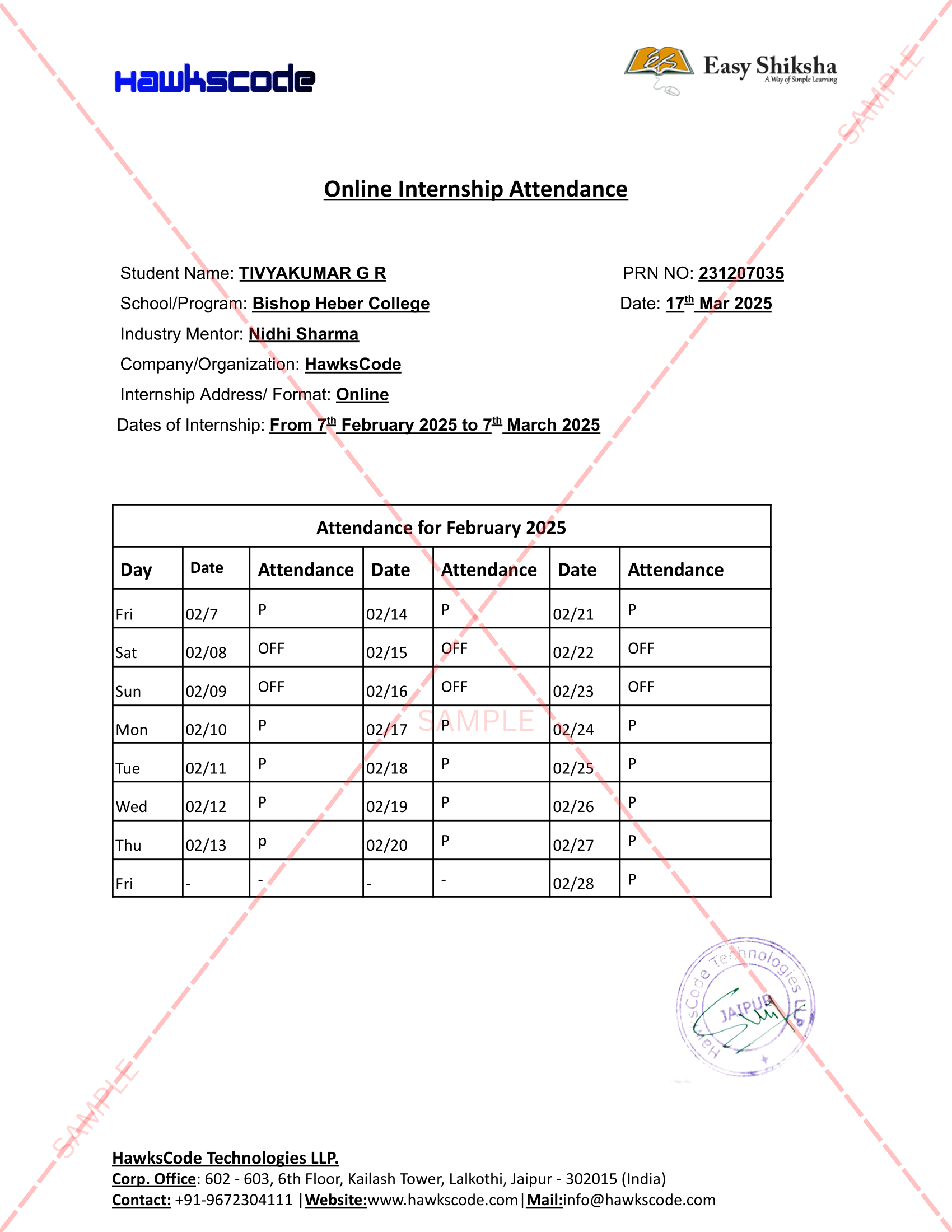
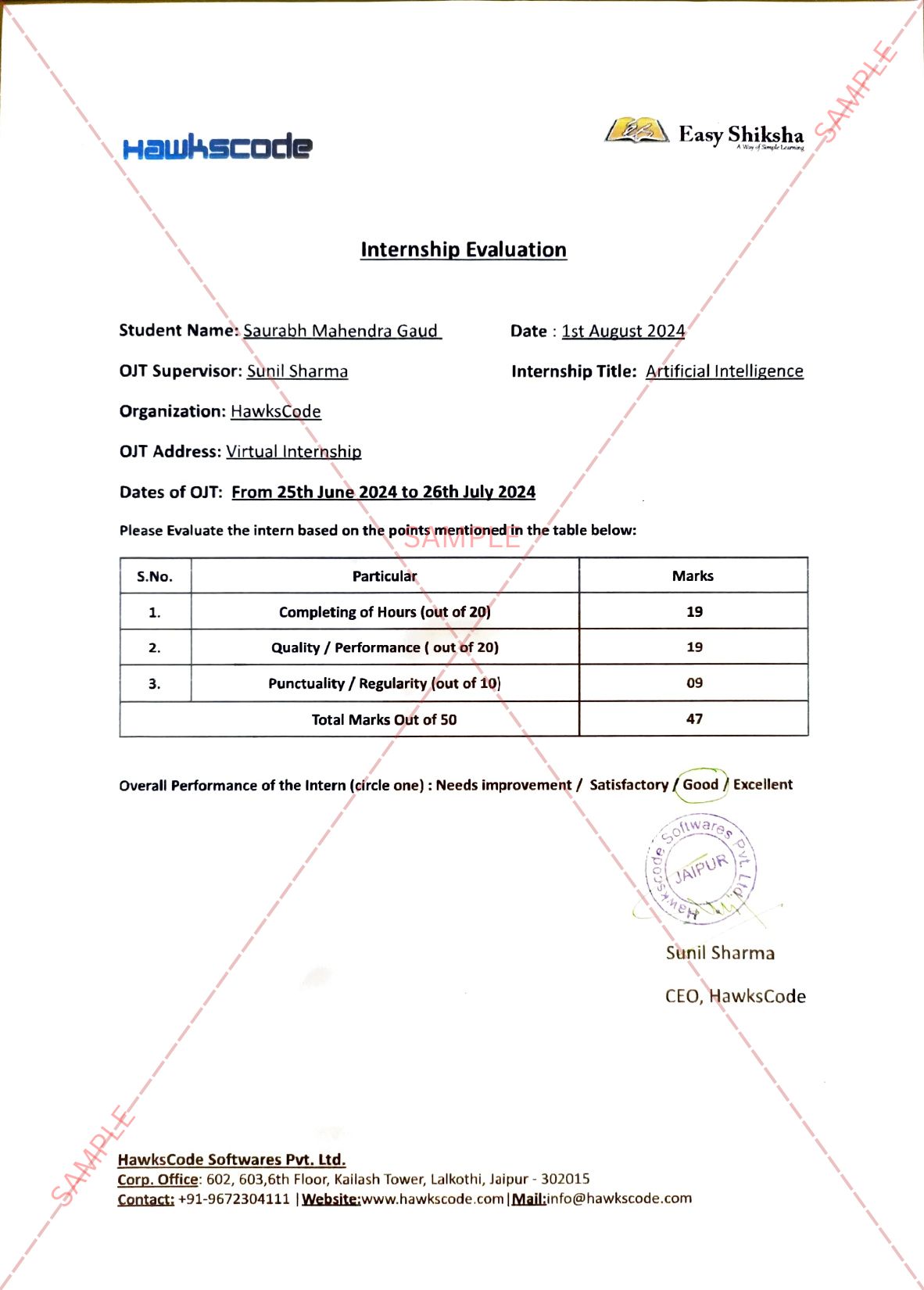
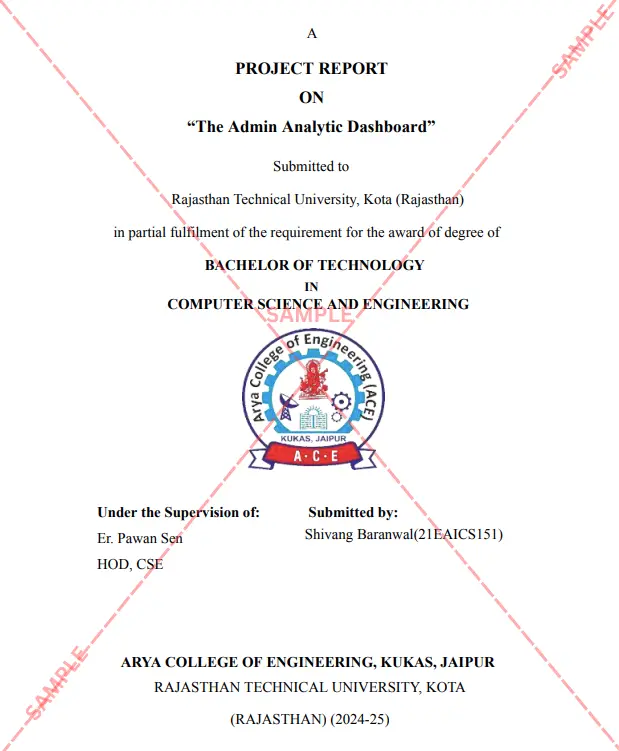
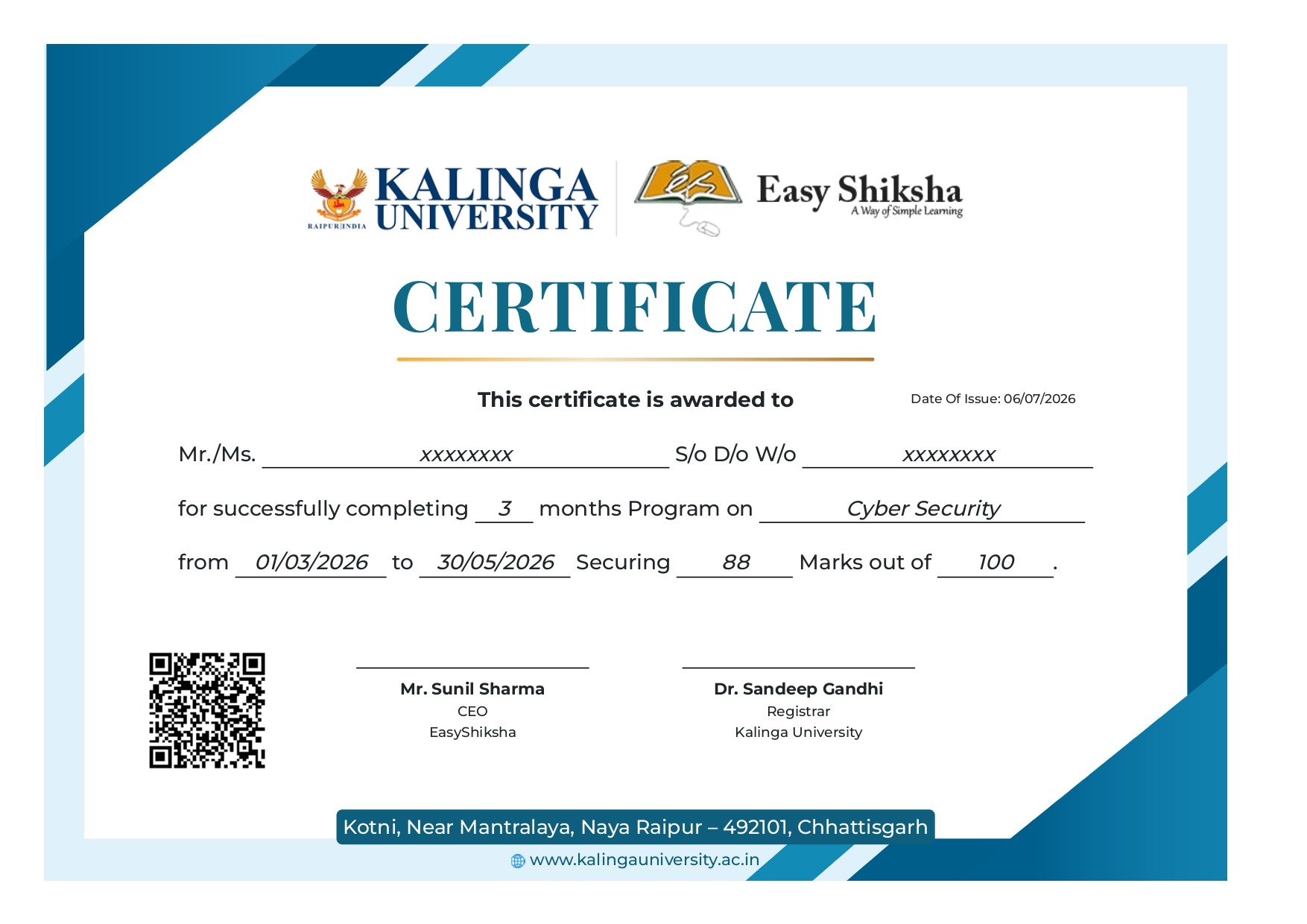
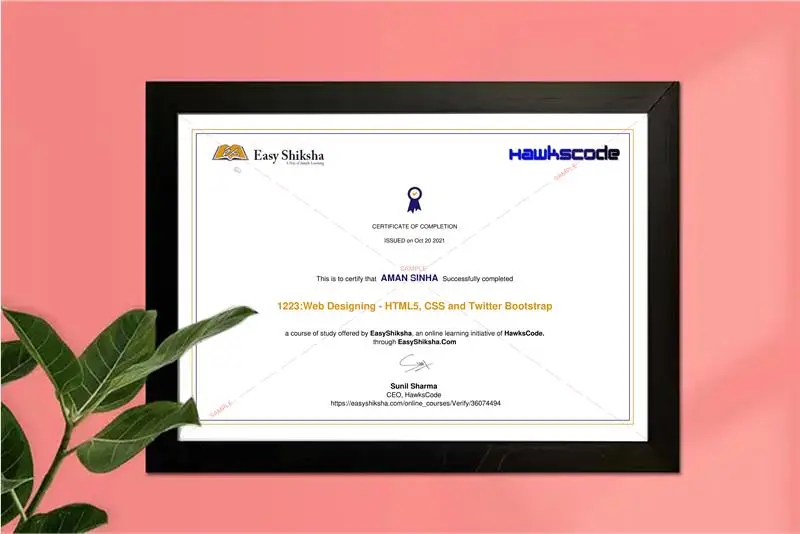
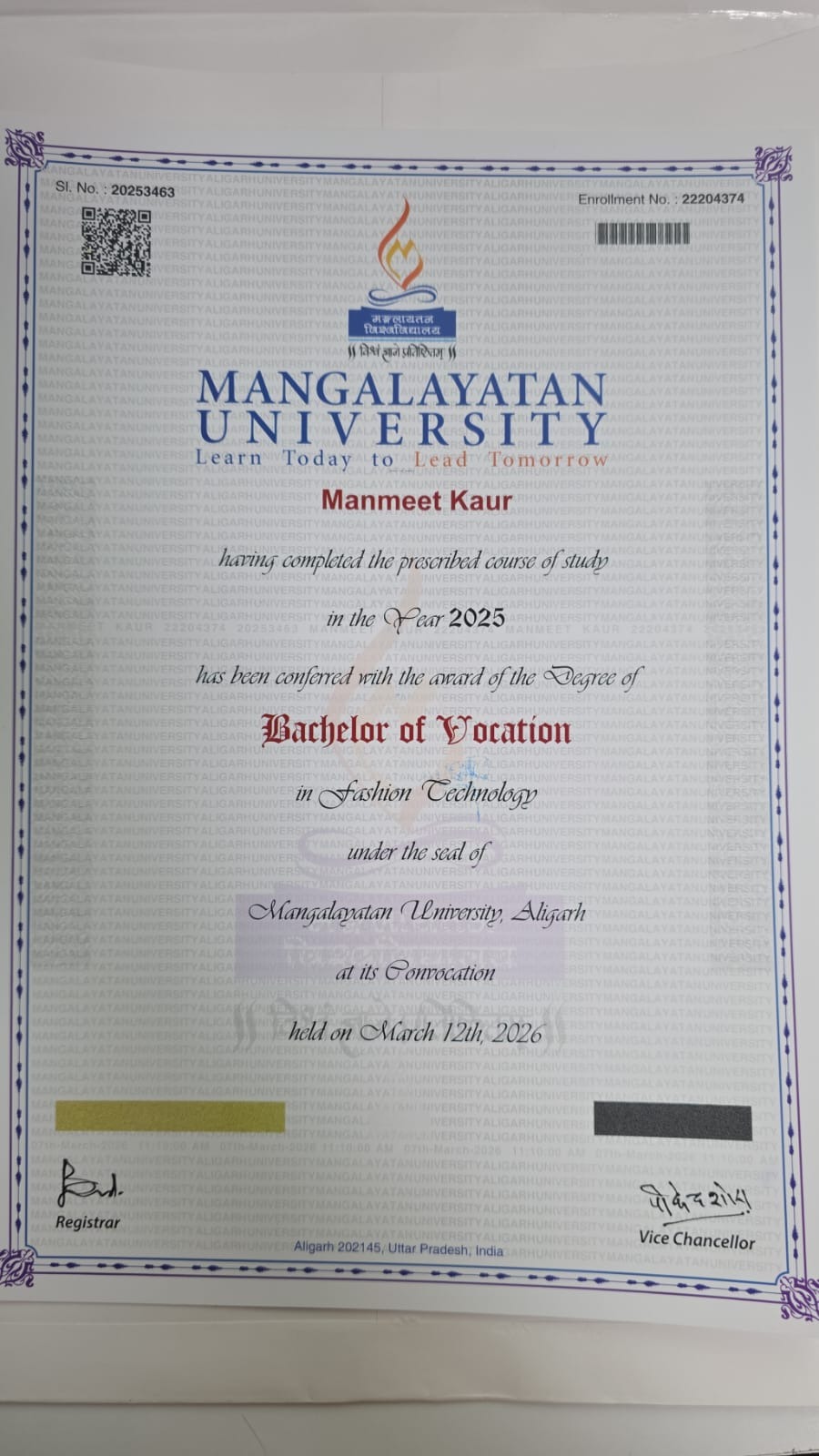
Sample Certificate
Documents
Media Gallery
Frequently Asked Questions
Mangalayatan University is located at 33rd Milestone, Aligarh-Mathura Highway, Beswan, Aligarh, Uttar Pradesh, India. The campus is situated in close proximity to the Yamuna Expressway and the cities of Aligarh and Mathura.
Mangalayatan University was established in 2006 under the Mangalayatan University, Uttar Pradesh Act, 2006. The University states that it has the right to confer degrees under Sections 2(f) and 22(1) of the UGC Act.
Yes. Mangalayatan University states that it is recognized by the University Grants Commission (UGC) and was established through an Act of the Uttar Pradesh State Legislature. The University also lists NAAC A+ accreditation among its recognitions.
Yes. The University states that it is recognized by UGC-DEB for Open and Distance Learning (ODL) and is entitled by the UGC to offer online degree programmes. It also states that its online programmes are approved by AICTE.
Mangalayatan University offers programmes across multiple academic levels, including UG, PG, Diploma, PG Diploma and PhD. Its programme portfolio covers areas such as Engineering & Technology, Computer Applications, Management, Agriculture, Biotechnology, Pharmacy, Physiotherapy, Nursing, Journalism & Mass Communication and other disciplines.
Depending on the programme, applicants may be required to provide Class 10 and Class 12 certificates and marksheets, graduation/post-graduation marksheets where applicable, competitive examination rank card where applicable, migration/transfer certificate and recent passport-size photographs. Original documents may be required for verification.
Yes. The University states that students can apply for an education loan through banks, subject to the bank's eligibility criteria.
Mangalayatan University has a 70+ acre campus in Aligarh, Uttar Pradesh.
Mangalayatan University holds an A+ accreditation grade from the National Assessment and Accreditation Council (NAAC).
Yes. Mangalayatan University carries AICTE approval for its technical programmes.
The degree certificate is issued and signed directly by Mangalayatan University, rather than by EasyShiksha or another third-party platform.
The degree certificate is personalised with the student's name, programme, and completion date and carries the university's official signature and seal.
Yes. The university's campus hosts optional immersion sessions associated with select Executive and Hybrid-mode programmes.
Students can select a Mangalayatan University programme, submit their personal details and required documents, pay the application fee, and proceed through the university's application review process.
Yes. Applications submitted through EasyShiksha can be monitored through the dashboard, where applicants can view status updates such as Under Review and Accepted along with their reference ID.
The Advance Diploma in Hotel Management is a one-year Diploma program covering core areas of hospitality operations, including food production, food and beverage service, front office operations, housekeeping, accounting, travel and tourism, event management, computer fundamentals, and communication skills. The official one-year structure consists of two semesters.
The two-semester curriculum covers foundational front-office and housekeeping operations, food and beverage service, computer fundamentals, communication skills, accounting, Food Production-II, advanced food and beverage services, Front Office Operations-II, Housekeeping Operations-II, Travel and Tourism Management, and Basics of Event Management.
Yes, the syllabus includes several laboratory components, including Food and Beverage Service, Front Office Operations, Housekeeping Operations, Computer Fundamentals, Food Production-II, Food and Beverage Services-II, Front Office Operations-II, and Housekeeping Operations-II. No separate internship, industrial training, or project is listed in the one-year Semester I and Semester II structure.
The curriculum supports skills related to hospitality service, front-office procedures, housekeeping operations, food production, food and beverage service, accounting, computer applications, professional communication, tourism operations, and event management. Specific areas include guest handling, reservations, room servicing, menu planning, tourism resources, travel documentation, event planning, and service coordination.
Depending on their skills and experience, learners may explore opportunities in hotel operations, front office, housekeeping, food and beverage services, food production, travel agencies, tour operations, tourism services, and event operations. The curriculum provides academic preparation in these areas, but the uploaded syllabus does not make employment or placement guarantees.