





Transfer of Heat-Conduction,Convection and Radiation
Master heat concepts, including conduction, convection, radiation, and temperature measurement, to analyze real-world thermal phenomena effectively.
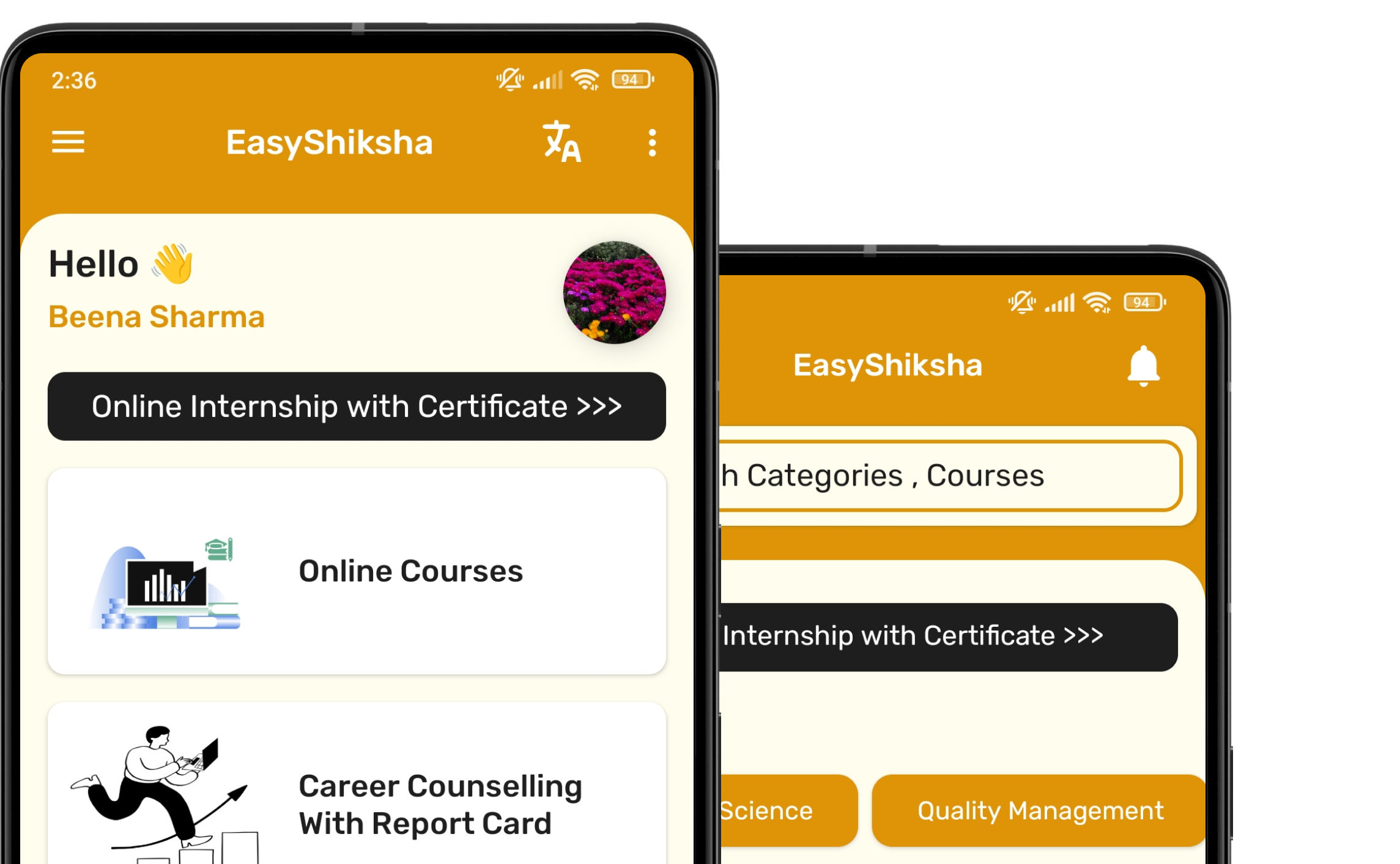
#1 Most Popular Online Course & Internship in Energy and Earth Sciences You can enroll today & get certified from EasyShiksha & HawksCode.
 Build real-world projects
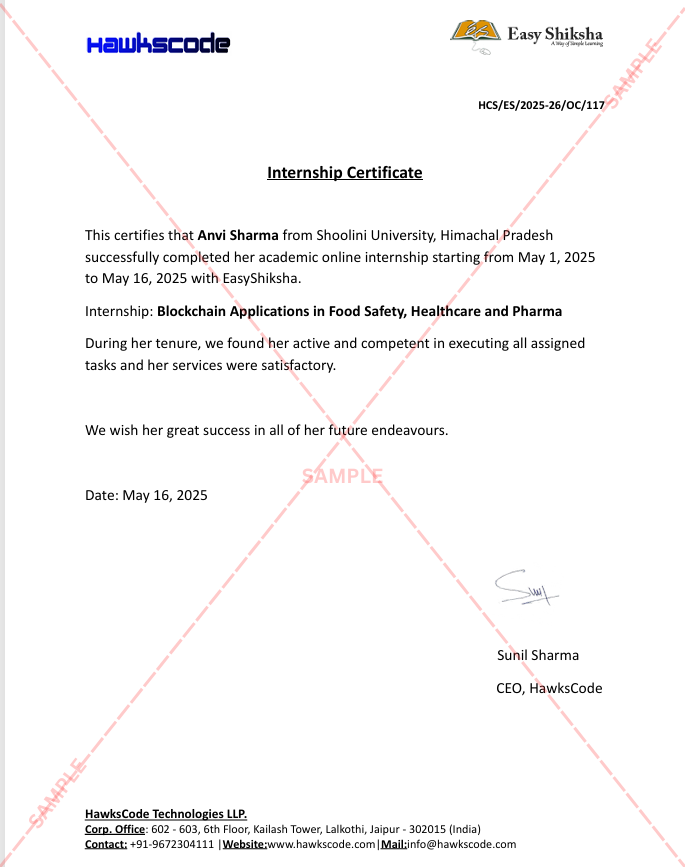
Internship with certificate
Resume-ready experience
Beginner to advanced
Lifetime access
Interview prep included
Build real-world projects
Internship with certificate
Resume-ready experience
Beginner to advanced
Lifetime access
Interview prep included
 Updated September 28, 2026
Join 5,00,000+ students already enrolled worldwide
No risk — 30-day full refund guarantee
Start instantly after payment — access in seconds
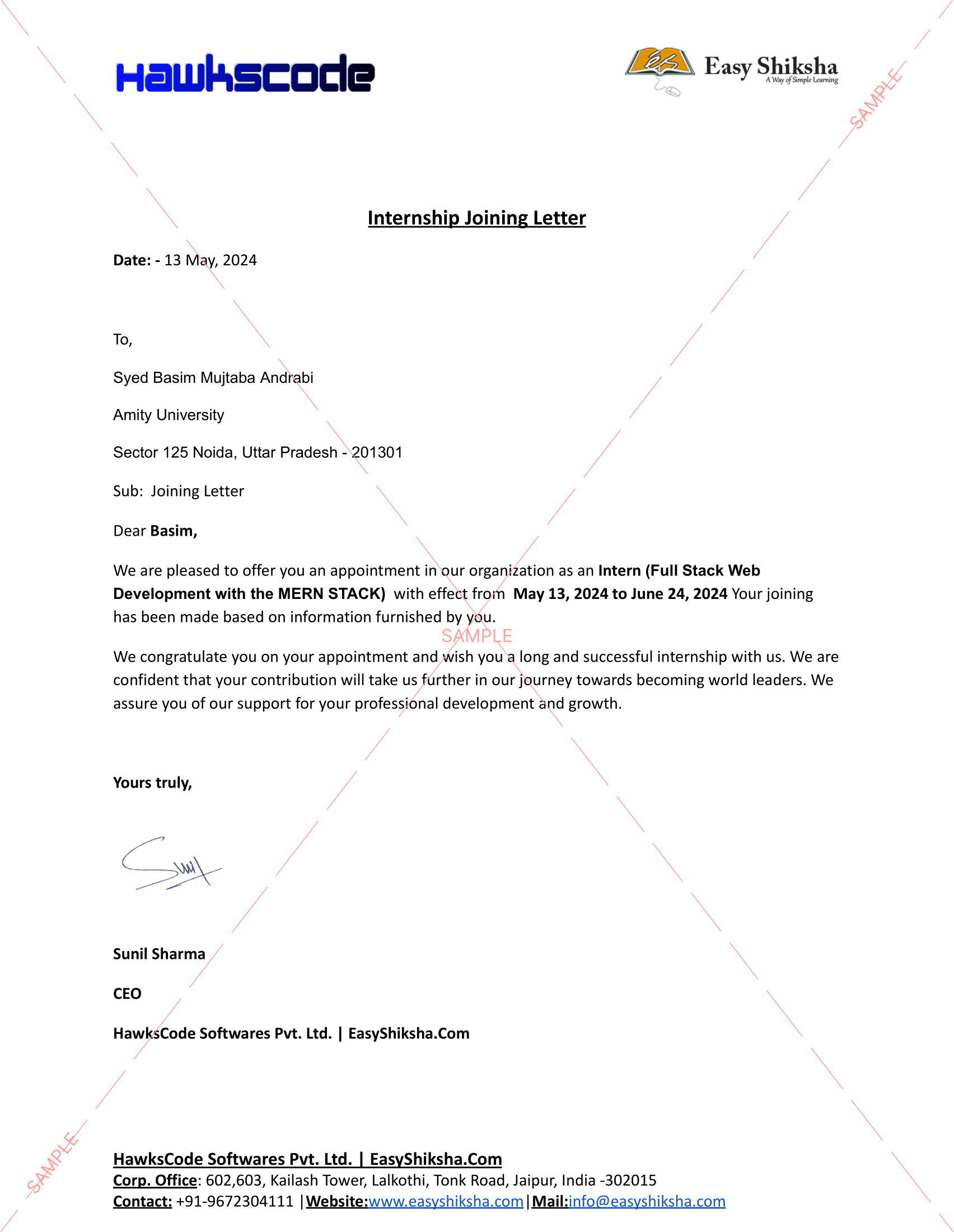
Certificate + Internship Joining Letter included
Updated September 28, 2026
Join 5,00,000+ students already enrolled worldwide
No risk — 30-day full refund guarantee
Start instantly after payment — access in seconds
Certificate + Internship Joining Letter included

 Free Preview
 7 On-demand Videos
 Internship Joining Letter
 2 Certificates (Course + Internship)
 Lifetime Access
 1 Quiz + Assignments
 Mobile & Desktop Access




Why This Course and Internship Stands Out
See exactly what separates EasyShiksha students from everyone else
 Watching scattered YouTube
videos with no structure
No certificate — nothing to show
employers
No internship experience on
resume
Wasting months without clear
direction
Struggling to stand out in job
applications
No proof of practical skills
Structured, beginner-to-advanced
learning path
Verified certificate — shareable
on LinkedIn
Real internship offer letter for
your resume
Go from zero to job-ready in one
programme
Resume-ready experience before
graduation
Practical projects you can show
any recruiter
Watching scattered YouTube
videos with no structure
No certificate — nothing to show
employers
No internship experience on
resume
Wasting months without clear
direction
Struggling to stand out in job
applications
No proof of practical skills
Structured, beginner-to-advanced
learning path
Verified certificate — shareable
on LinkedIn
Real internship offer letter for
your resume
Go from zero to job-ready in one
programme
Resume-ready experience before
graduation
Practical projects you can show
any recruiter
Internship Opportunity Included With This Course
"This is not just a course — it's real career experience. Walk away with documents that prove your skills to any employer."




This Course is Perfect For
Whether you're starting from scratch or switching careers — this course is designed with your success in mind.








Q.1. State similarities and differences between the laboratory thermometer and the clinical thermometer.
Q.2. Give two examples each of conductors and insulators of heat.
Q.3. Fill in the blanks :
(a) The hotness of an object is determined by its __________.
(b) Temperature of boiling water cannot be measured by a _____________ thermometer.
(c) Temperature is measured in degree ______________.
(d) No medium is required for transfer of heat by the process of __________.
(e) A cold steel spoon is dipped in a cup of hot milk. Heat is transferred to its other end by the process of ______________.
(f ) Clothes of ______________ colours absorb more heat better than clothes of light colours.
Q. 4. Match the following :
(i) Land breeze blows during (a) summer
(ii) Sea breeze blows during (b) winter
(iii) Dark coloured clothes are preferred during (c) day
(iv) Light coloured clothes are preferred during (d) night
Q.5. Discuss why wearing more layers of clothing during winter keeps us warmer than wearing just one thick piece of clothing.
Q.6. Look at Fig.4.13 Mark where the heat is being transferred by conduction, convection, and radiation.
Q.7. In places of hot climate, it is advised that the outer walls of houses be painted white. Explain.
Q.8. One liter of water at 30°C is mixed with one liter of water at 50°C. The temperature of the mixture will be
Q.9. An iron ball at 40°C is dropped in a mug containing water at 40°C. The heat will
(a) flow from the iron ball to water.
(b) not flow from iron ball to water or from water to iron ball.
(c) flow from water to iron ball.
(d) increase the temperature of both.
Q.10. A wooden spoon is dipped in a cup of ice cream. Its other end
(a) becomes cold by the process of conduction.
(b) becomes cold by the process of convection.
(c) becomes cold by the process of radiation.
(d) does not become cold.
Q.11. Stainless steel pans are usually provided with copper bottoms. The reason for this could be that
(a) copper bottom makes the pan more durable.
(b) such pans appear colorful.
(c) copper is a better conductor of heat than stainless steel.
(d) copper is easier to clean than stainless steel.

 Missing this = losing the internship credential Missing this = losing your early-access advantage Missing this = falling behind candidates who did enroll



.svg?v1)
 Chat with us first →
 UPI
UPI
 Wallets
 Debit/ Credit card
 NetBanking
 EMIs
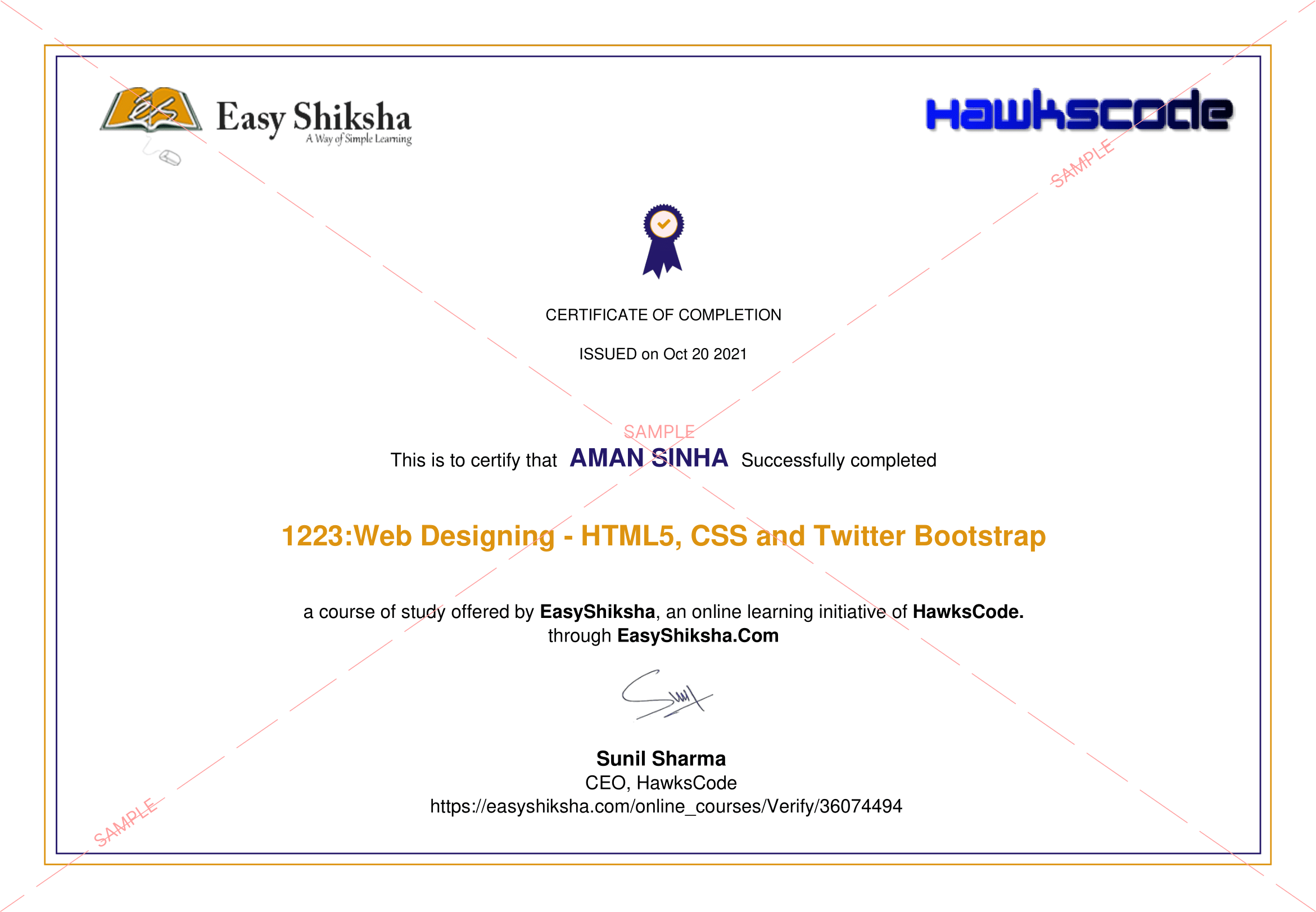
7 On-demand Videos Course Completion Certificate
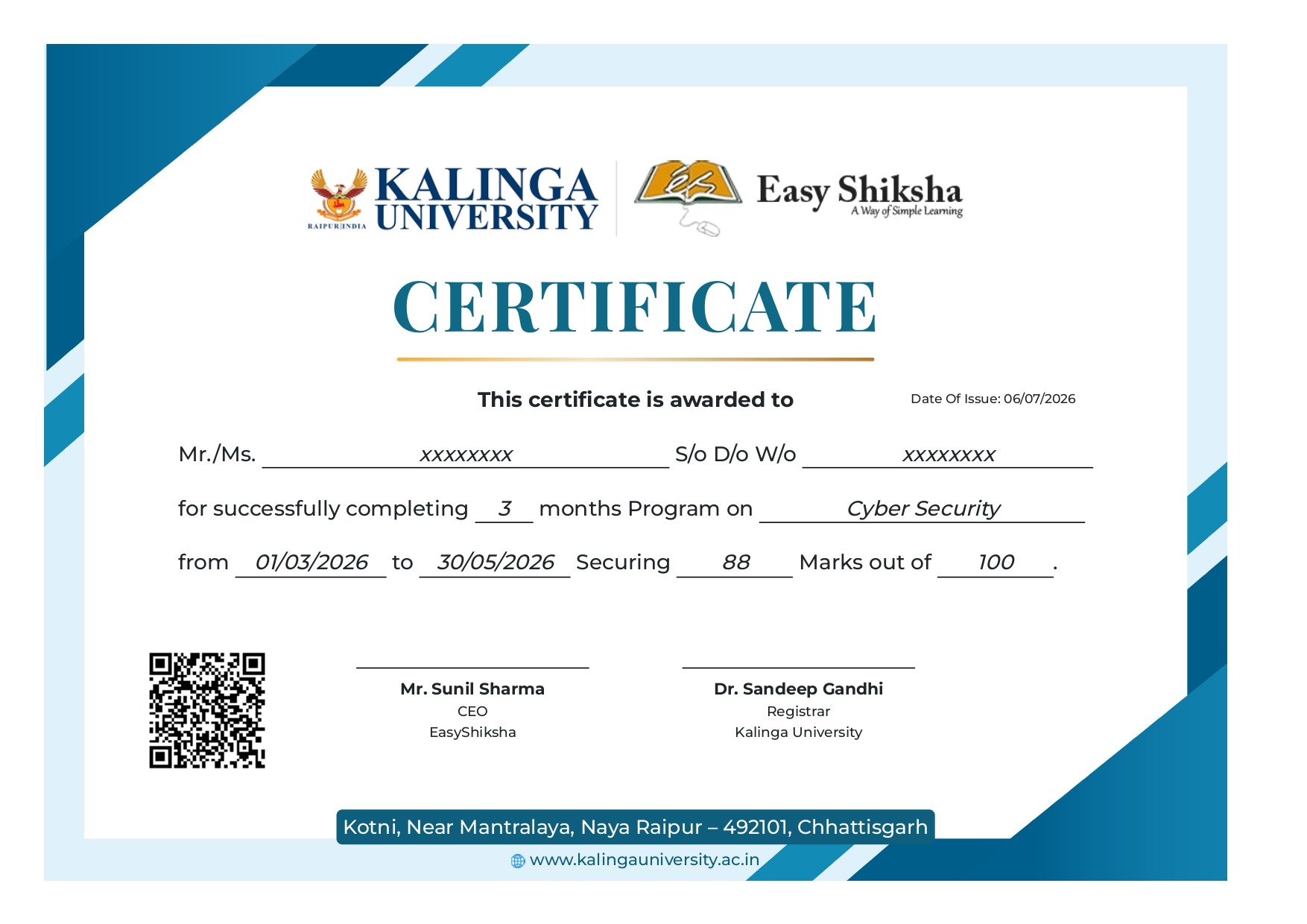
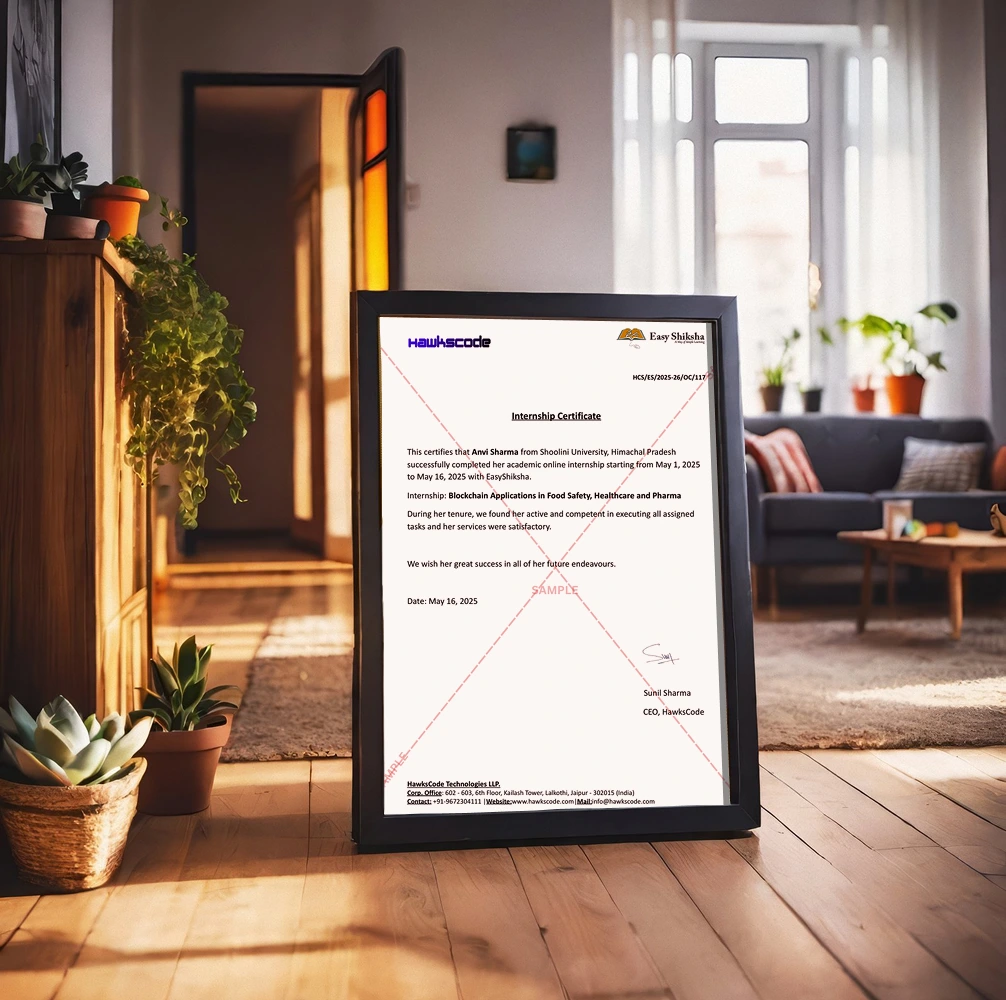
Internship Certificate
Internship Joining/Offer Letter
Letter of Appreciation (LOA)
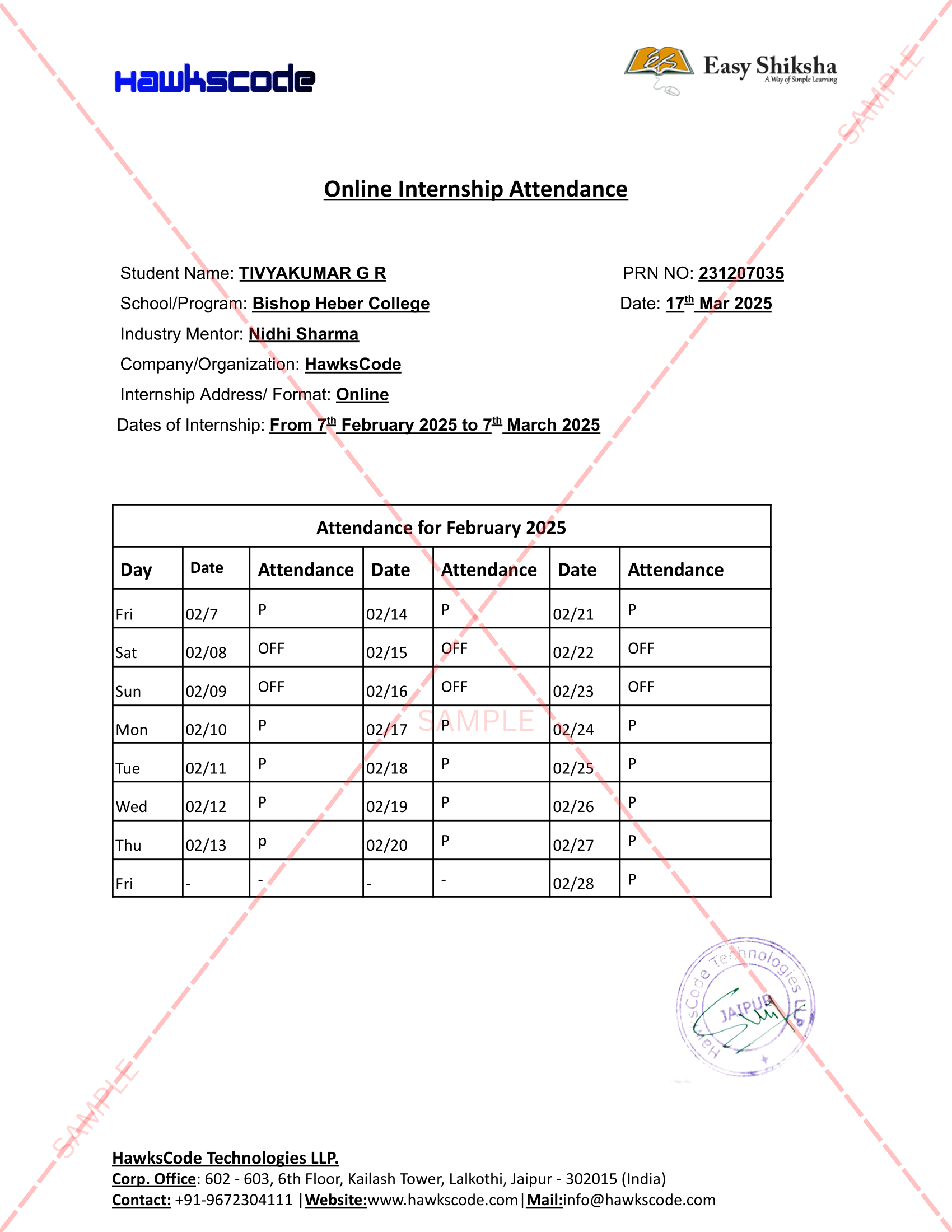
Internship Attendance Report
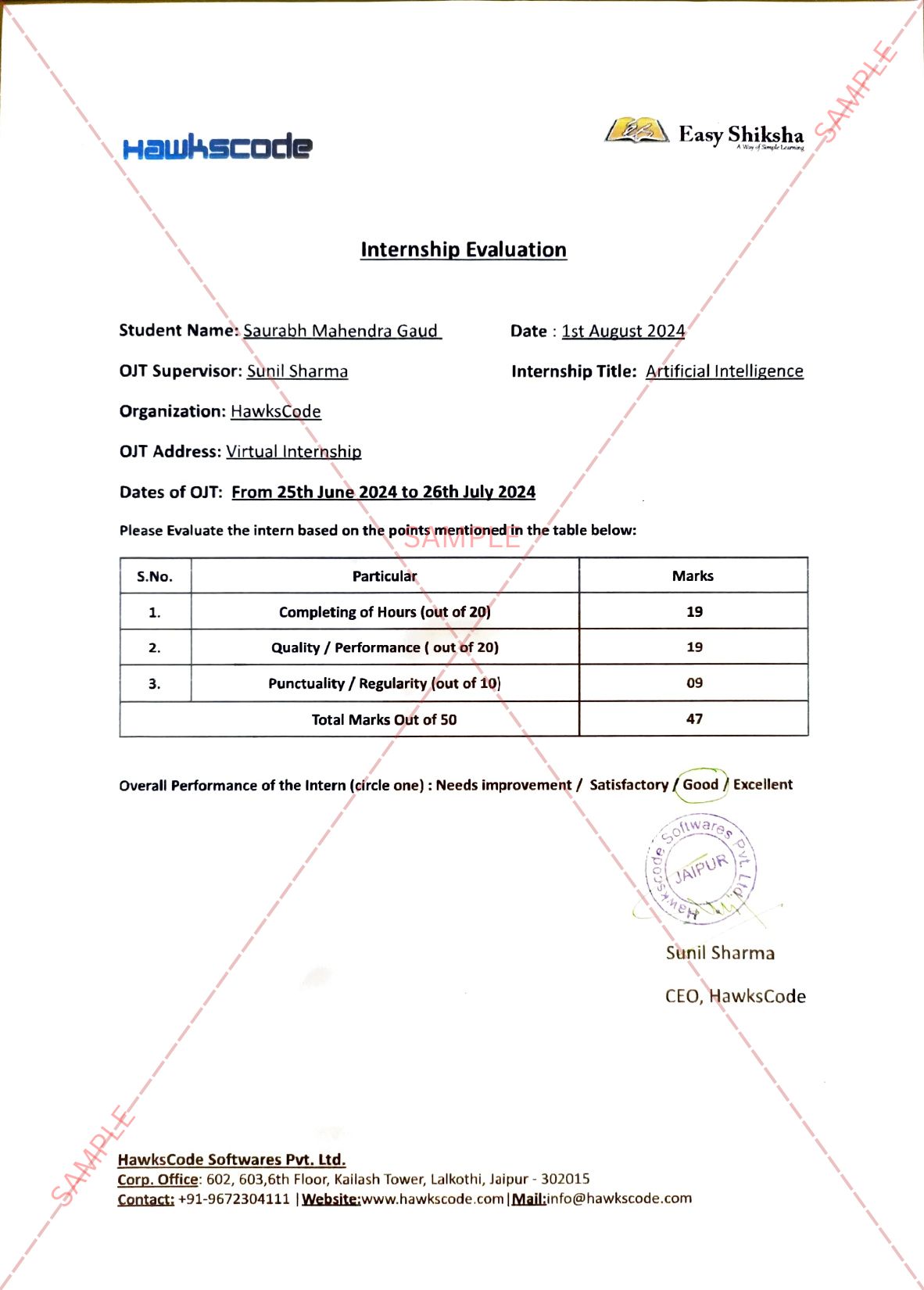
Internship Evaluation Report
Internship Certificate Hard Copy
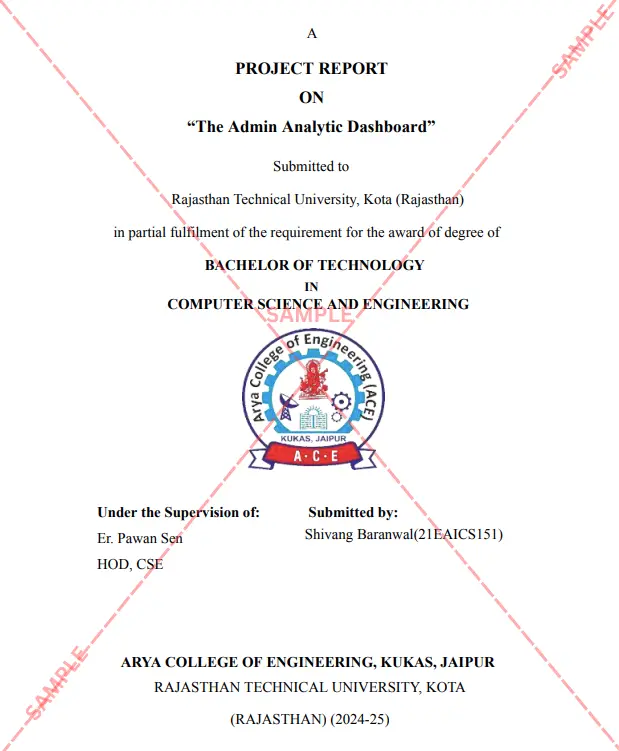
Project Report Assitance
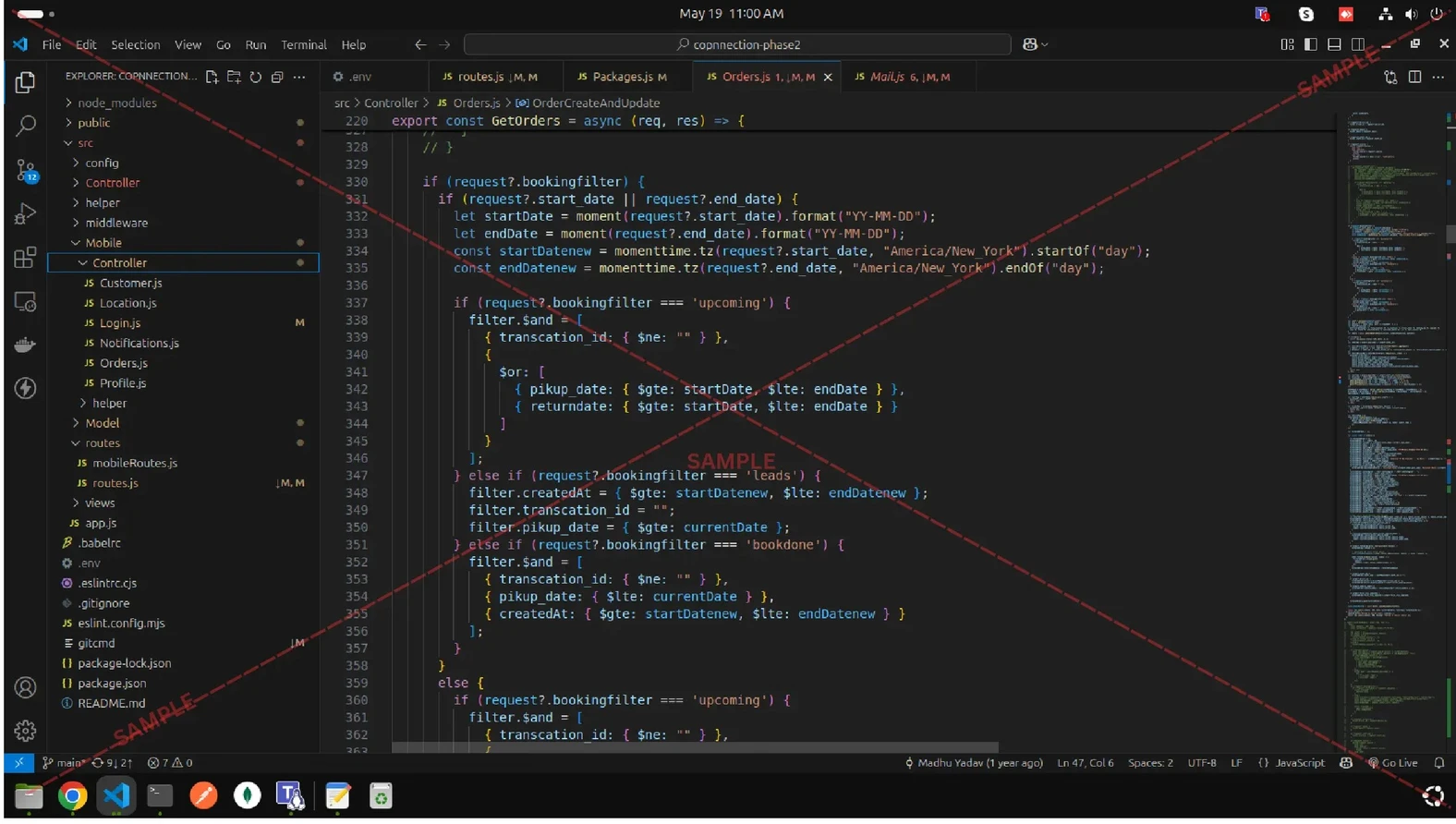
Internship Project Assitance
1:1 Live Mentor Call
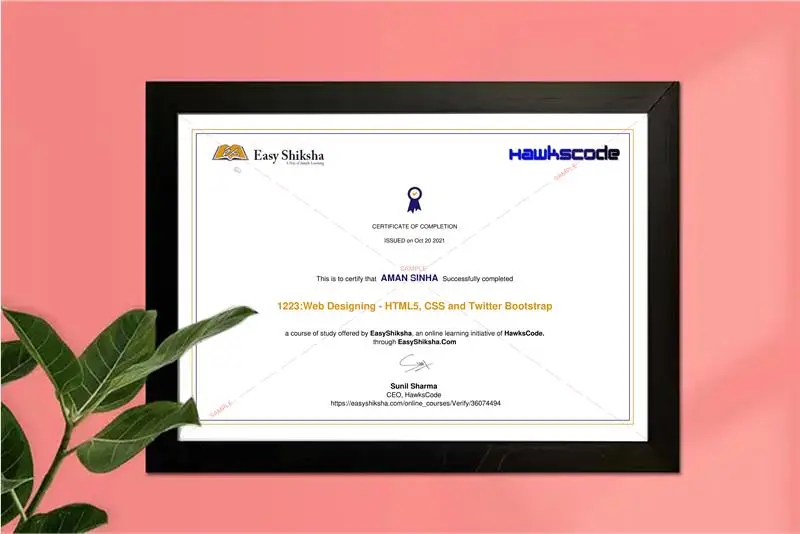
Course Certificate in Elegant Wooden Frame
2 Certificates (Course + Internship) Lifetime Access Projects & Assignments 1 Quiz + Assignments
EMIs
7 On-demand Videos Course Completion Certificate
Internship Certificate
Internship Joining/Offer Letter
Letter of Appreciation (LOA)
Internship Attendance Report
Internship Evaluation Report
Internship Certificate Hard Copy
Project Report Assitance
Internship Project Assitance
1:1 Live Mentor Call
Course Certificate in Elegant Wooden Frame
2 Certificates (Course + Internship) Lifetime Access Projects & Assignments 1 Quiz + Assignments
Why Start Now?
The Opportunity Won’t Wait.
Every day you delay is a missed opportunity to grow your skills. Learners who start today gain the advantage — whether it's building skills, improving careers, or unlocking new opportunities.
Still Thinking?
Here's everything that makes this a no-brainer:
No prior experience needed — start from absolute zero Beginner friendly — explained step by step Risk-free — 30-day full refund guarantee One-time payment — access forever Student-friendly pricing — see details at checkout Real internship certificate includedWhat Happens After You Enroll?
From payment to certificate — here's exactly what to expect
 Secure Payment
 Instant Access
30-Day Refund
2 Certificates
Instant Access
30-Day Refund
2 Certificates
Imagine After Completing This Course
Picture yourself 30 days from now — with skills, experience, and credentials that open real doors.




 Includes Internship