





Learn PIC Microcontroller with this 30 Days Challenge
Master PIC microcontrollers in 30 days—program in C, handle peripherals, and build real projects like electronic locks with practical circuit design.
#1 Most Popular Online Course & Internship in Hardware You can enroll today & get certified from EasyShiksha & HawksCode.
 Build real-world projects
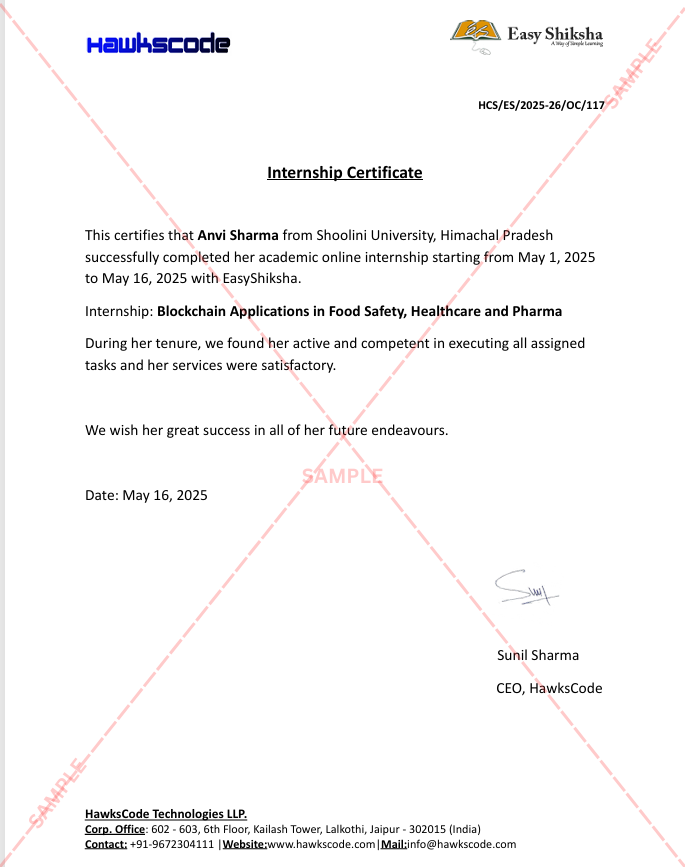
Internship with certificate
Resume-ready experience
Beginner to advanced
Lifetime access
Interview prep included
Build real-world projects
Internship with certificate
Resume-ready experience
Beginner to advanced
Lifetime access
Interview prep included
 Updated September 28, 2026
Join 5,00,000+ students already enrolled worldwide
No risk — 30-day full refund guarantee
Start instantly after payment — access in seconds
Certificate + Internship Joining Letter included
Updated September 28, 2026
Join 5,00,000+ students already enrolled worldwide
No risk — 30-day full refund guarantee
Start instantly after payment — access in seconds
Certificate + Internship Joining Letter included
 Free Preview
 115 On-demand Videos
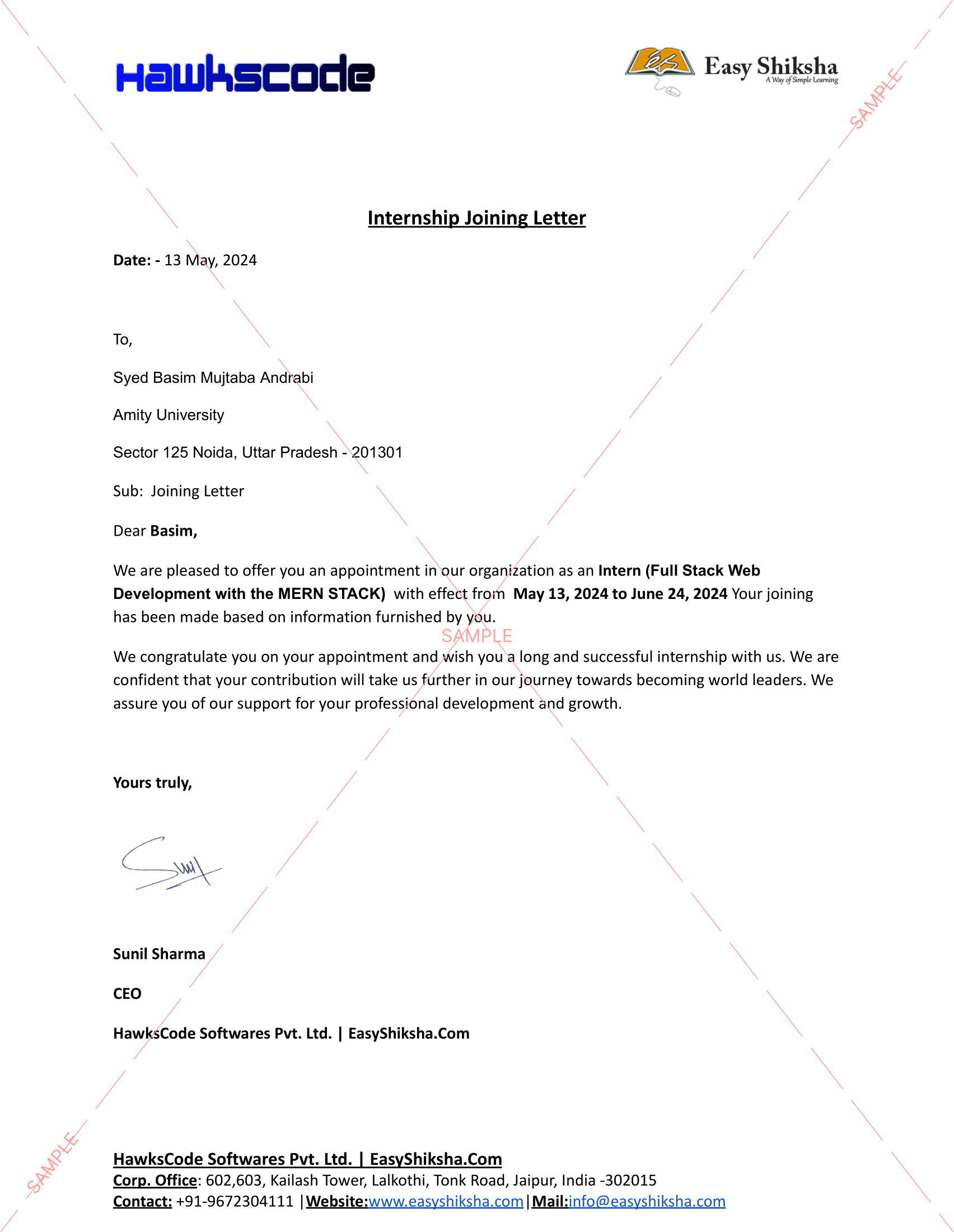
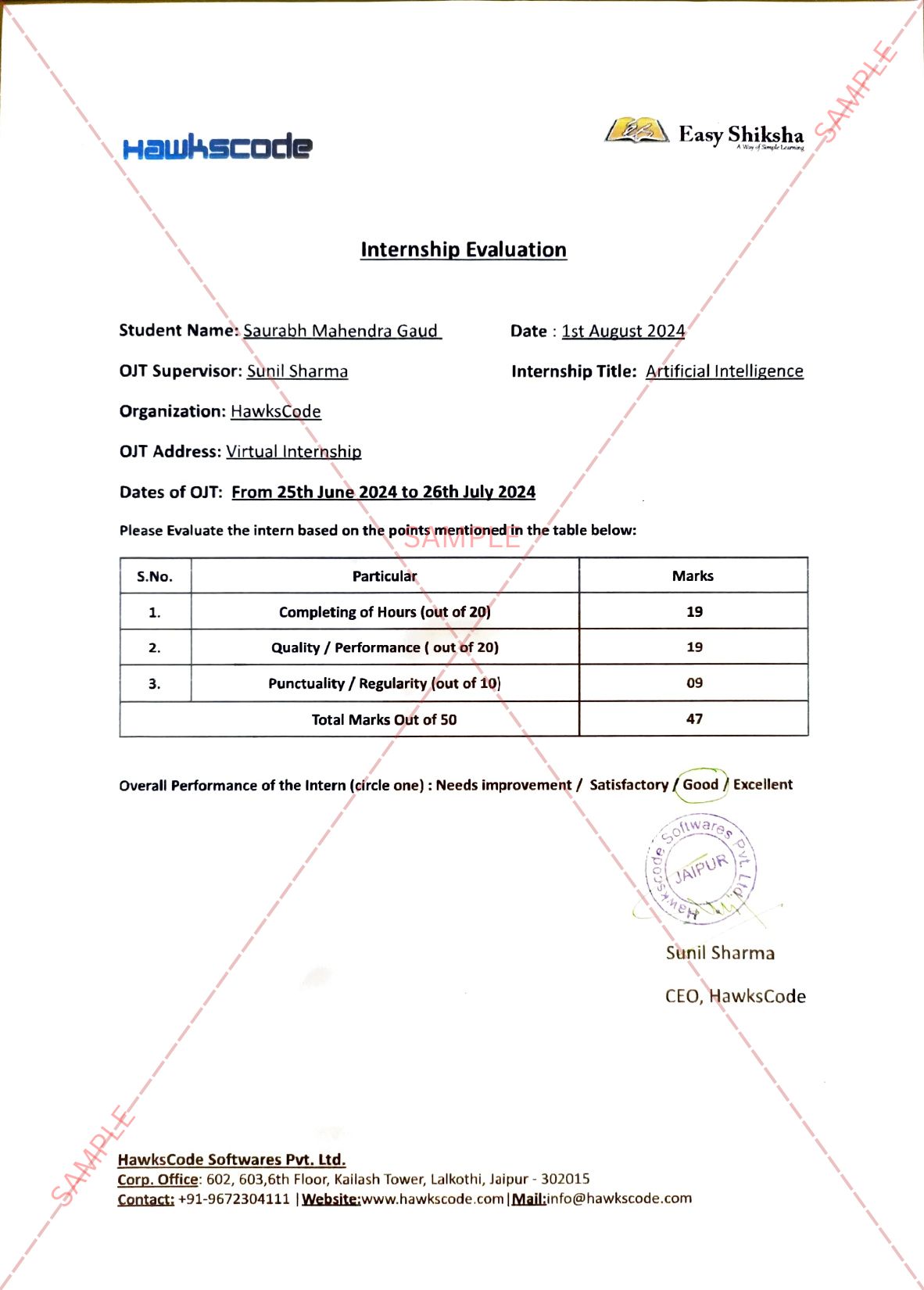
 Internship Joining Letter
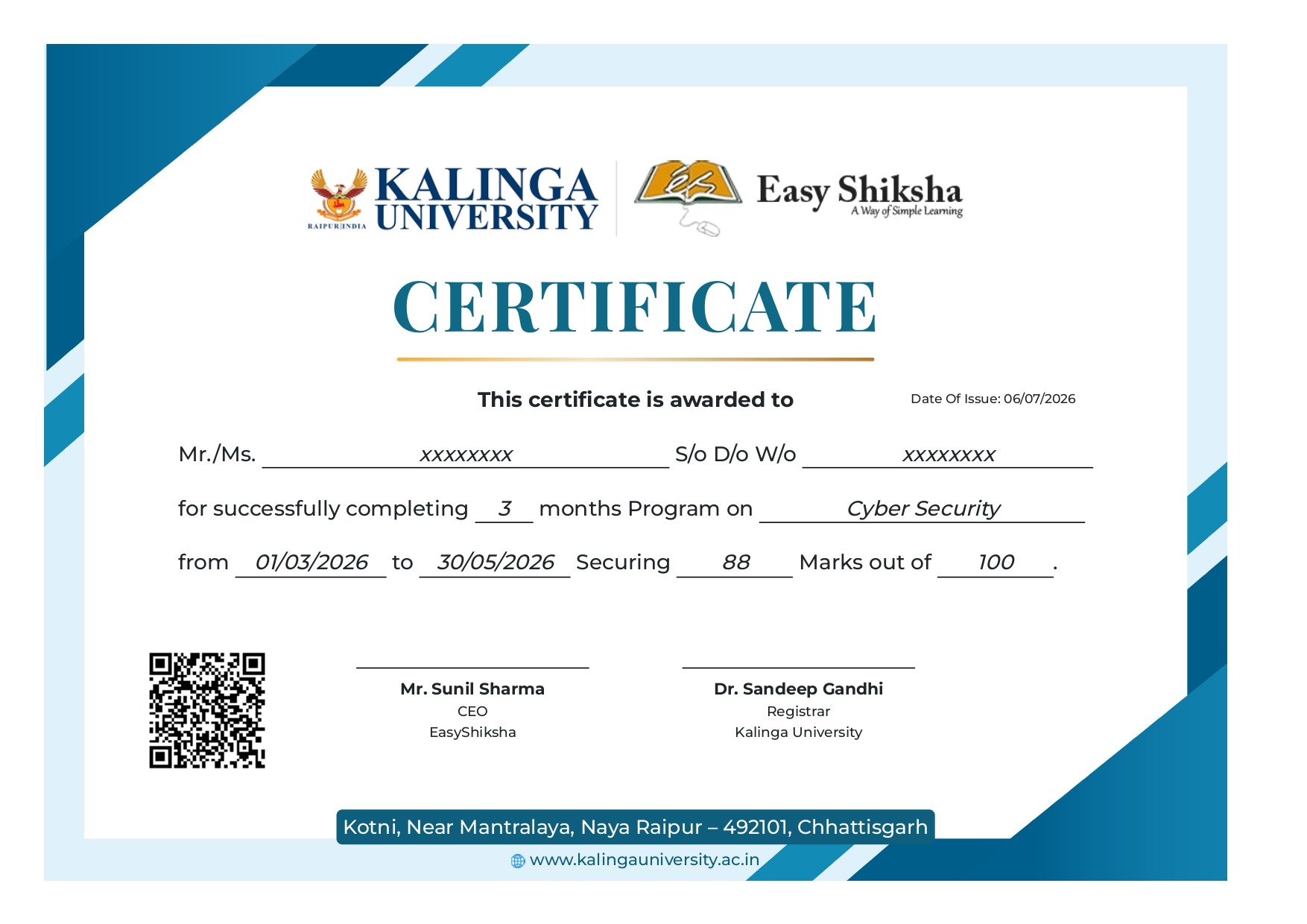
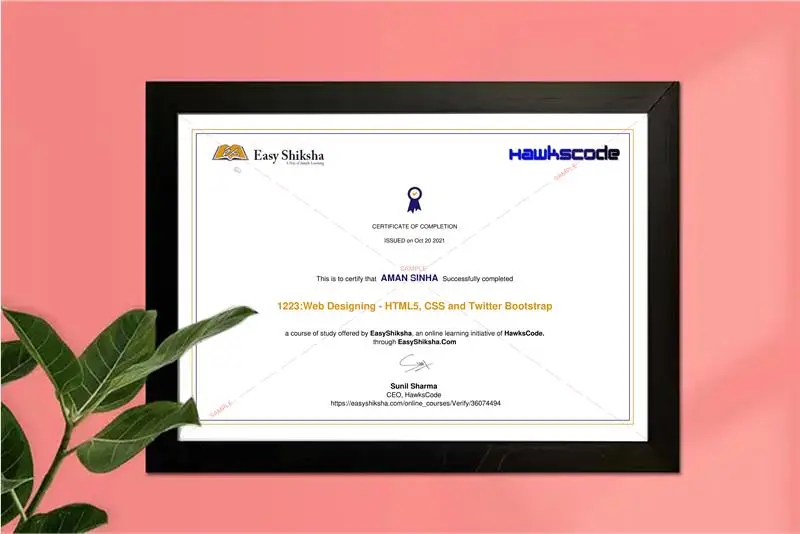
 2 Certificates (Course + Internship)
 Lifetime Access
 1 Quiz + Assignments
 Mobile & Desktop Access




Why This Course and Internship Stands Out
See exactly what separates EasyShiksha students from everyone else
 Watching scattered YouTube
videos with no structure
No certificate — nothing to show
employers
No internship experience on
resume
Wasting months without clear
direction
Struggling to stand out in job
applications
No proof of practical skills
Structured, beginner-to-advanced
learning path
Verified certificate — shareable
on LinkedIn
Real internship offer letter for
your resume
Go from zero to job-ready in one
programme
Resume-ready experience before
graduation
Practical projects you can show
any recruiter
Watching scattered YouTube
videos with no structure
No certificate — nothing to show
employers
No internship experience on
resume
Wasting months without clear
direction
Struggling to stand out in job
applications
No proof of practical skills
Structured, beginner-to-advanced
learning path
Verified certificate — shareable
on LinkedIn
Real internship offer letter for
your resume
Go from zero to job-ready in one
programme
Resume-ready experience before
graduation
Practical projects you can show
any recruiter
Internship Opportunity Included With This Course
"This is not just a course — it's real career experience. Walk away with documents that prove your skills to any employer."




This Course is Perfect For
Whether you're starting from scratch or switching careers — this course is designed with your success in mind.








Introduction:
Are you frustrated with all the videos on YouTube that are either too short or simply too complex?
This 30-day online course is designed to help students learn the basics of programming the PIC microcontroller. The course uses a combination of text and video lessons, along with challenges and quizzes to help students retain the information. The course is ideal for anyone who wants to learn PIC Microcontrollers, or for those who are looking to expand their knowledge in this area.
PIC microcontroller courses are challenging, but the challenge is easily followed with each day containing a task that will help you understand the microcontroller. By following these tasks, you will be able to complete the course successfully.
In this course, you will learn the basics of how a microcontroller works, how to use it, how it is different from other types of computers, and what data it can store.
The challenge: tackles the challenges and how it works in different sections with different Topics.
Section I : this section Covers Educational Engineering and Introduction
Section II : in this section, we will discuss C Programming For Microcontrollers
Section III : Code, Run and Have more Fun
Section IV: PIC Microcontroller: The story from the beginning
Section V : PIC Architecture II
Section VI: Analog To Digital Conversion
Section VII: Interrupts
Section VII: Serial Communication Introduction and Basics
Section IX: Timers and Counters
Section X: Practical Experiments
Section XI: Basics of Electronic Components
WHAT YOU WILL GET WHEN JOINING THIS COURSE
- High-Quality Video Tutorials on PIC Microcontroller Wiring
- Step By Step Guide on How to Make an Electronic Door Lock using PIC Microcontroller.
- PIC Microcontroller Circuit Diagrams
- Codes and Application example files
This course is designed to help students learn how to use the PIC microcontroller. Students will be challenged with a variety of activities and tasks throughout the month, which will help them to become proficient in using this microcontroller. You'll start with the basics, and then move on to more advanced topics.
What you will learn in this course:
- You will learn how to read and write to the PIC memory, how to work with variables, make decisions, loops and more.
- You will learn how to program a PIC microcontroller in just 30 days.
- Learn how to program a PIC microcontroller in C language and create your own projects!
- Learn about the basics of electronics and microcontrollers.
- Learn the most popular programming language for PIC microcontrollers, Assembly language.
- Learn how to code and have fun
- Learn about Interrupts
- learn Electronic components
- Circuit Diagrams For interfacing Electronic Lock with PIC Microcontroller.
 Unlock 113 More Lessons + Internship Access

 Missing this = losing the internship credential Missing this = losing your early-access advantage Missing this = falling behind candidates who did enroll



.svg?v1)
 Chat with us first →
 UPI
UPI
 Wallets
 Debit/ Credit card
 NetBanking
 EMIs
115 On-demand Videos Course Completion Certificate
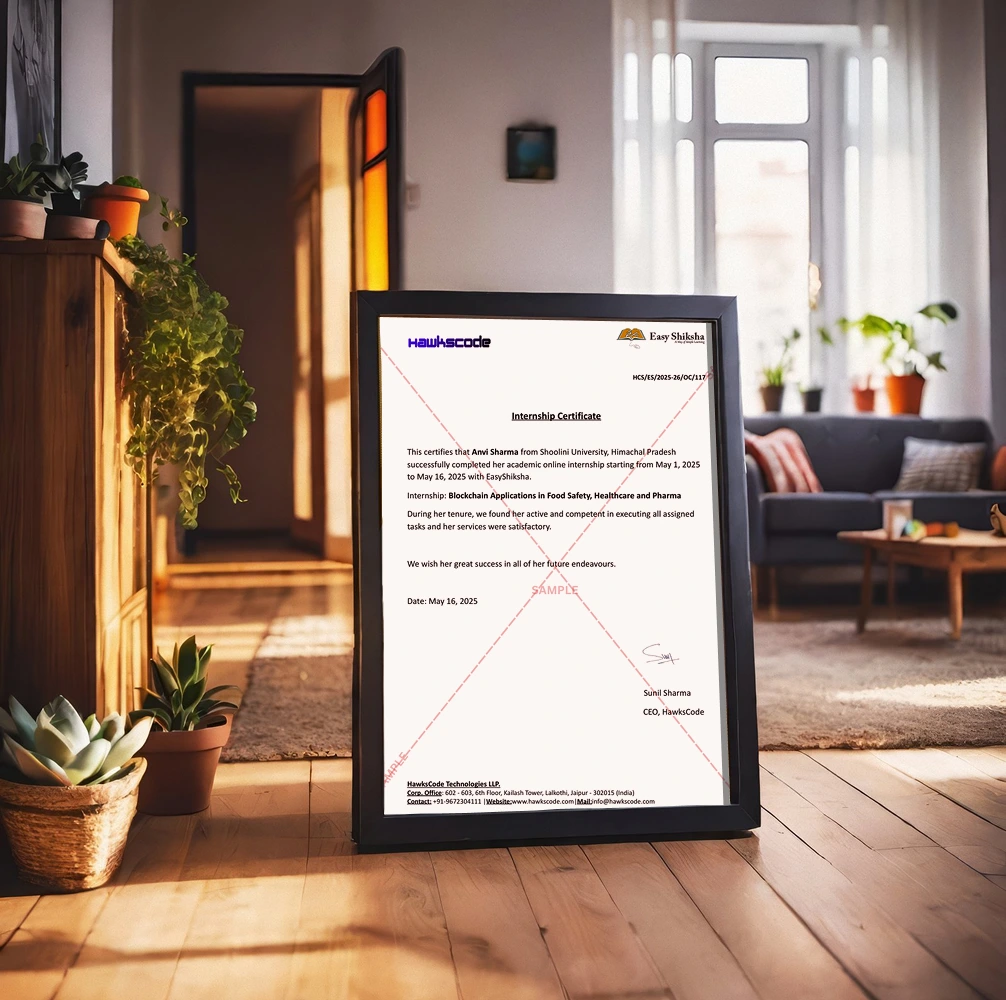
Internship Certificate
Internship Joining/Offer Letter
Letter of Appreciation (LOA)
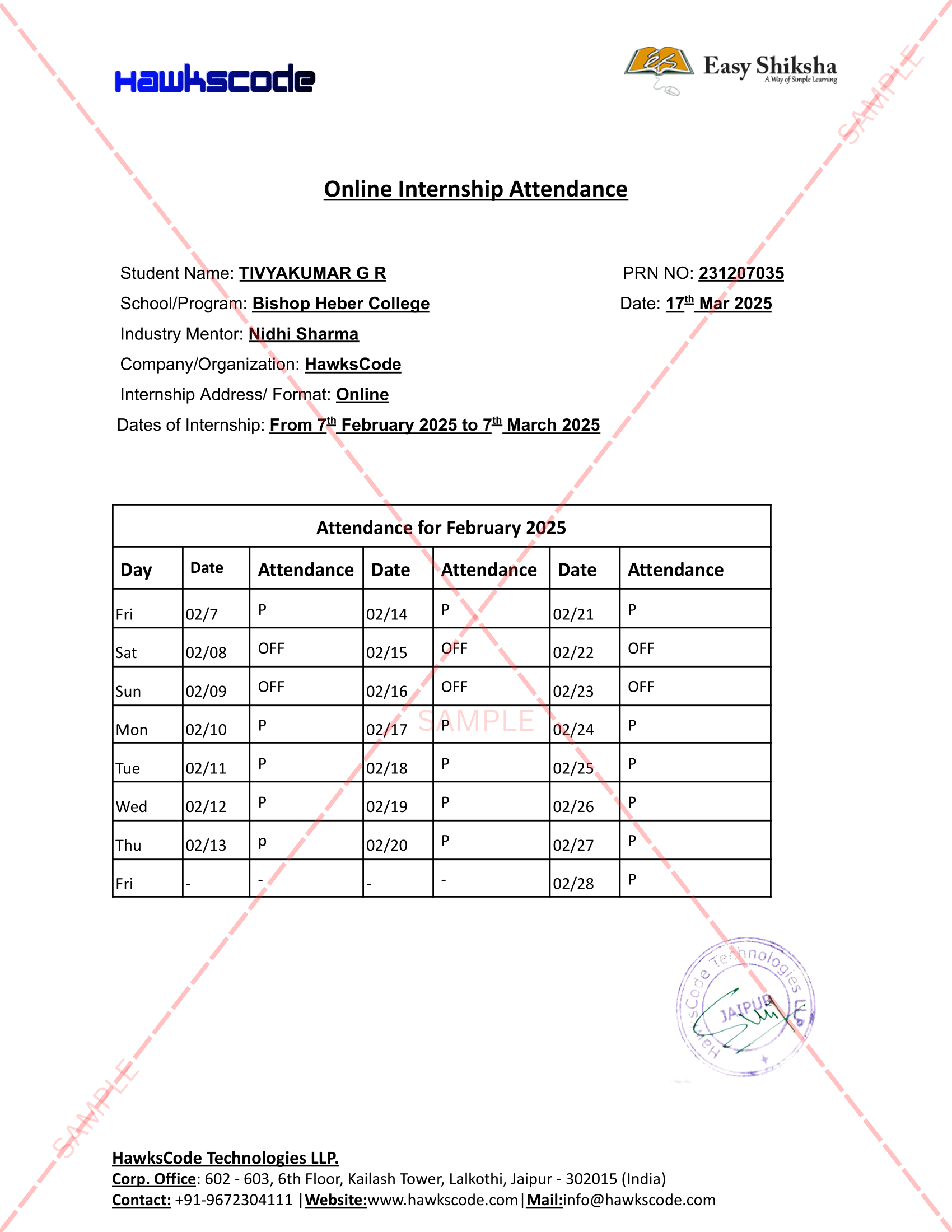
Internship Attendance Report
Internship Evaluation Report
Internship Certificate Hard Copy
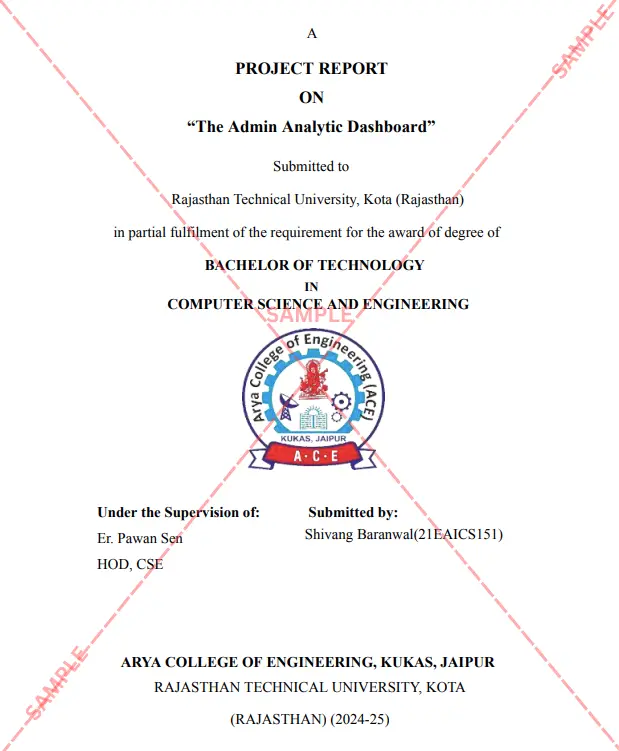
Project Report Assitance
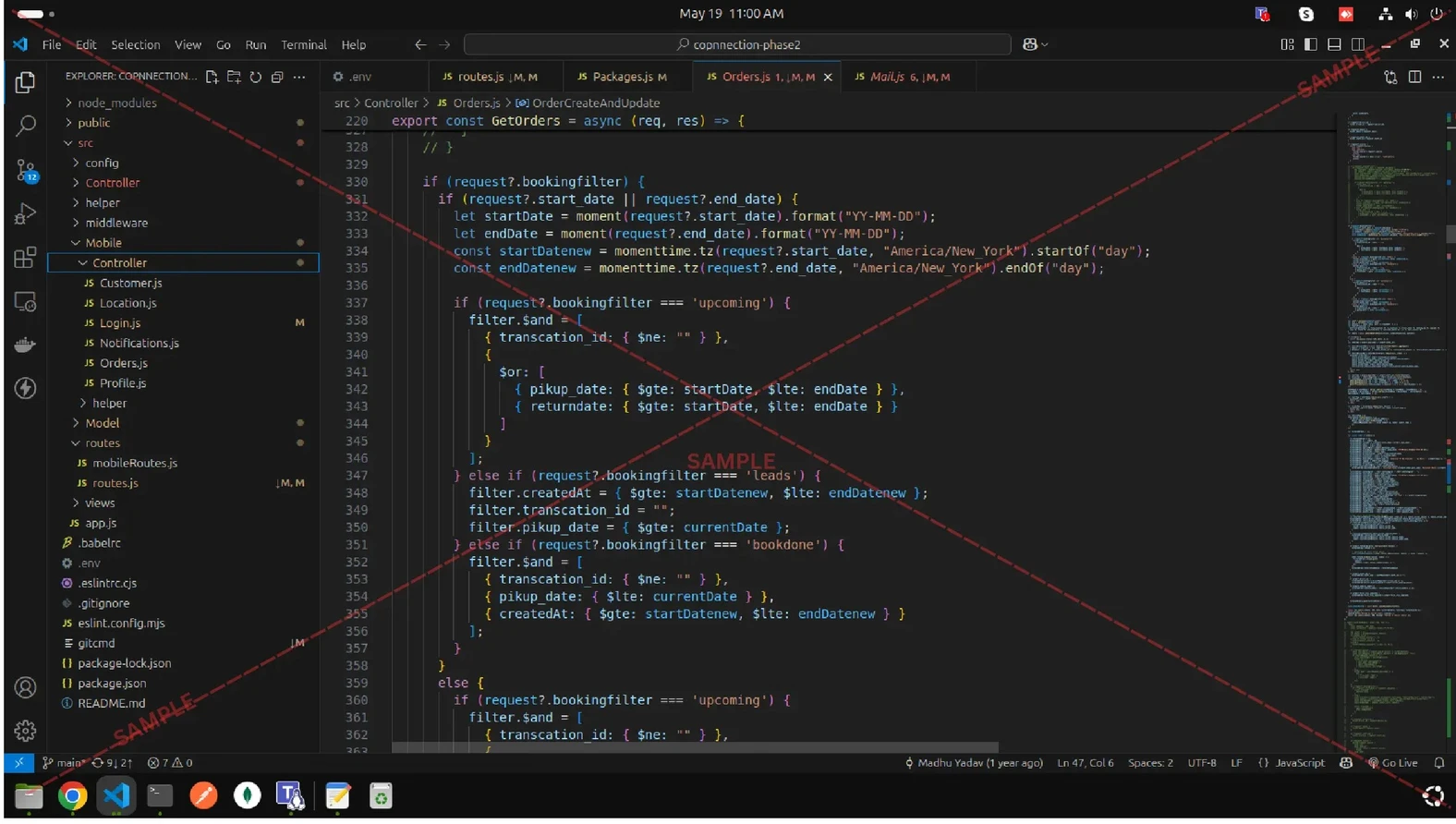
Internship Project Assitance
1:1 Live Mentor Call
Course Certificate in Elegant Wooden Frame
2 Certificates (Course + Internship) Lifetime Access Projects & Assignments 1 Quiz + Assignments
EMIs
115 On-demand Videos Course Completion Certificate
Internship Certificate
Internship Joining/Offer Letter
Letter of Appreciation (LOA)
Internship Attendance Report
Internship Evaluation Report
Internship Certificate Hard Copy
Project Report Assitance
Internship Project Assitance
1:1 Live Mentor Call
Course Certificate in Elegant Wooden Frame
2 Certificates (Course + Internship) Lifetime Access Projects & Assignments 1 Quiz + Assignments
Why Start Now?
The Opportunity Won’t Wait.
Every day you delay is a missed opportunity to grow your skills. Learners who start today gain the advantage — whether it's building skills, improving careers, or unlocking new opportunities.
Still Thinking?
Here's everything that makes this a no-brainer:
No prior experience needed — start from absolute zero Beginner friendly — explained step by step Risk-free — 30-day full refund guarantee One-time payment — access forever Student-friendly pricing — see details at checkout Real internship certificate includedWhat Happens After You Enroll?
From payment to certificate — here's exactly what to expect
 Secure Payment
 Instant Access
30-Day Refund
2 Certificates
Instant Access
30-Day Refund
2 Certificates
Imagine After Completing This Course
Picture yourself 30 days from now — with skills, experience, and credentials that open real doors.




 Includes Internship