The digital age has transformed the way people learn, communicate, work, and entertain themselves. Smartphones, social media platforms, instant messaging applications, online videos, gaming platforms, and countless digital tools have become integral parts of everyday life. While technology offers remarkable opportunities for education and personal growth, it also presents one of the biggest challenges faced by modern learners: digital distractions.
For students, maintaining concentration in a world filled with constant notifications, endless content feeds, and instant access to entertainment can be difficult. Many learners begin studying with good intentions only to find themselves checking social media, responding to messages, watching videos, or browsing unrelated websites within minutes. These interruptions may seem harmless individually, but over time they can significantly reduce productivity, learning effectiveness, and academic performance.
Digital distractions affect more than just study sessions. They can influence memory retention, time management, mental well-being, and overall academic success. As online learning becomes increasingly common, students must develop strategies to use technology productively while minimizing its disruptive effects.
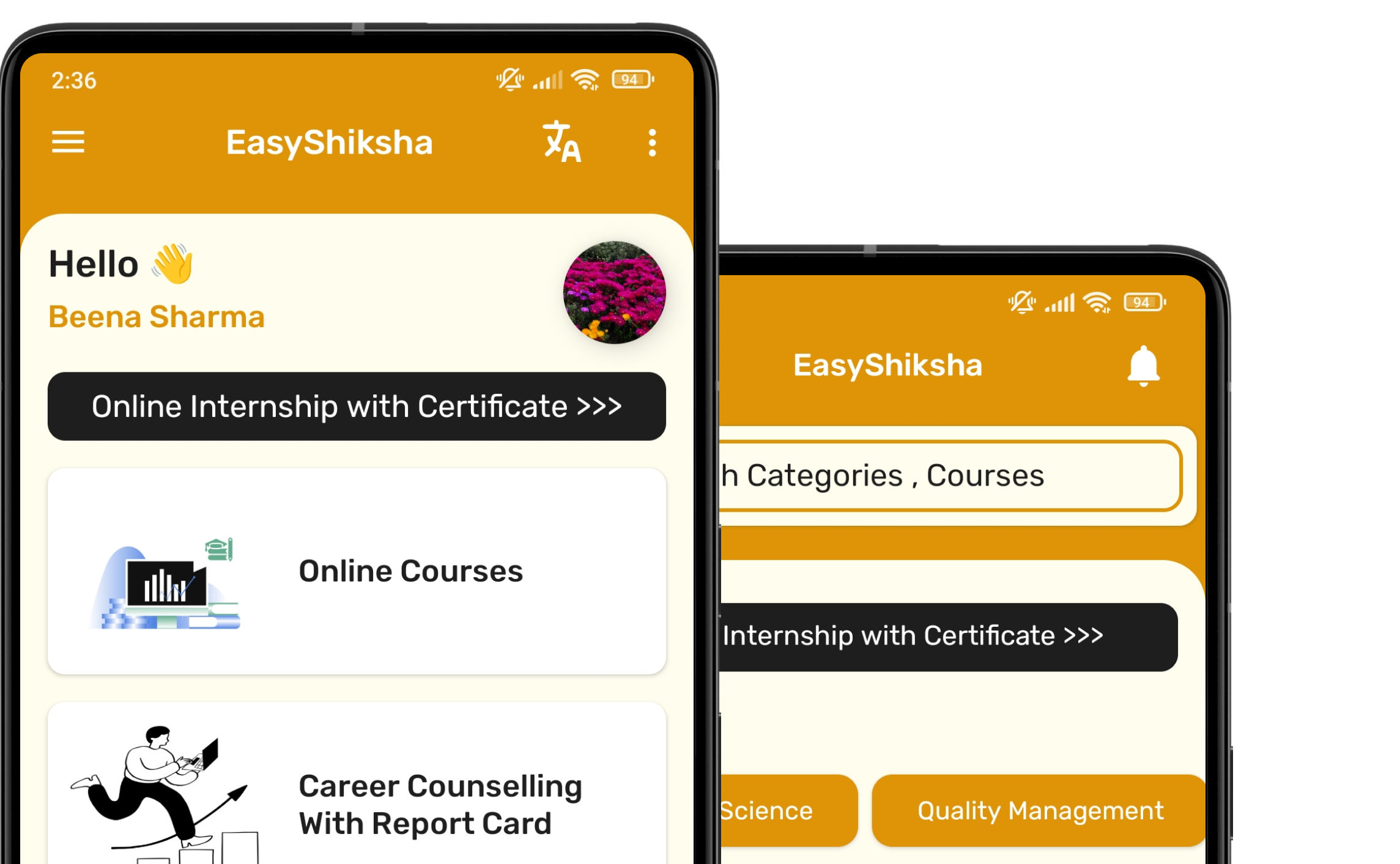
Educational platforms such as EasyShiksha provide learners with flexible access to courses, certifications, and educational resources. However, the benefits of online learning can only be fully realized when students learn to manage distractions effectively and maintain focus during their learning journey.
This article explores the causes and consequences of digital distractions, their impact on students, and practical strategies for building healthier digital habits. It also examines how platforms like EasyShiksha can support focused and productive learning in an increasingly connected world.
Understanding Digital Distractions
Digital distractions refer to interruptions caused by electronic devices, online platforms, and digital content that divert attention away from important tasks. These distractions often occur through smartphones, tablets, computers, social media applications, email notifications, online games, and streaming services.
Unlike traditional distractions, digital distractions are available at all times and are specifically designed to capture and retain user attention. Many digital platforms use algorithms, notifications, and engagement techniques that encourage users to spend more time interacting with content.
For students, this constant availability of digital stimulation can make sustained concentration difficult. Even brief interruptions can disrupt learning processes and reduce overall productivity.
Understanding the nature of digital distractions is the first step toward managing them effectively.
Why Digital Distractions Are So Powerful
Digital distractions are effective because they appeal to fundamental aspects of human psychology. Social media notifications, messages, and online updates create a sense of anticipation and curiosity that encourages users to check their devices frequently.
The brain often perceives new information as rewarding. Every notification, message, or piece of content provides a small sense of satisfaction, reinforcing the habit of checking digital devices repeatedly.
Additionally, digital platforms offer endless streams of information and entertainment. This constant availability makes it easy for students to switch from productive tasks to recreational activities without fully realizing how much time has passed.
The convenience and accessibility of digital technology make self-discipline more important than ever before.

The Impact of Digital Distractions on Academic Performance
Academic success requires concentration, consistent effort, and effective time management. Digital distractions interfere with each of these elements.
When students frequently switch between studying and unrelated digital activities, their attention becomes fragmented. This fragmentation reduces comprehension, memory retention, and learning efficiency.
Research consistently shows that multitasking during learning negatively affects academic performance. Students who attempt to study while simultaneously engaging with social media, messaging applications, or entertainment platforms often require more time to complete tasks and achieve lower-quality outcomes.
The cumulative effect of digital distractions can lead to missed deadlines, reduced confidence, and increased academic stress.
The Connection Between Focus and Learning
Learning is most effective when attention is directed toward a specific task for an extended period. Deep focus allows the brain to process information, establish connections, and transfer knowledge into long-term memory.
Digital distractions interrupt this process by forcing the brain to repeatedly switch contexts. Each interruption requires additional mental effort to regain concentration, reducing overall cognitive efficiency.
Students who cultivate focused study habits are better able to understand complex concepts, solve problems, and retain information over time.
Protecting attention is therefore one of the most important aspects of successful learning.
Recognizing Personal Digital Habits
The first step toward reducing distractions is understanding personal digital behavior. Many students underestimate the amount of time they spend checking devices or engaging with non-essential digital content.
Keeping track of daily screen usage can reveal patterns that contribute to distraction. Students may discover that they frequently check social media during study sessions, respond immediately to every notification, or spend excessive time consuming online entertainment.
Awareness of these habits enables learners to identify specific areas for improvement and develop targeted strategies for managing distractions.
Self-awareness is a critical component of digital discipline.
Creating a Dedicated Study Environment
A productive study environment plays a significant role in reducing digital distractions. The physical space where students learn should support concentration and minimize unnecessary interruptions.
Studying in a quiet, organized location helps create mental associations with focus and productivity. Removing unrelated devices, reducing clutter, and maintaining a comfortable workspace contribute to better concentration.
When students establish consistent study environments, they often find it easier to enter a focused mindset and resist distractions.
A well-designed learning space supports both academic performance and effective time management.
Managing Smartphone Usage
Smartphones are among the most common sources of digital distraction. Their constant presence and multifunctional nature make them difficult to ignore during study sessions.
One effective strategy is to keep smartphones out of immediate reach while studying. Placing devices in another room or storing them in a drawer reduces the temptation to check notifications unnecessarily.
Students can also activate silent mode, disable non-essential notifications, or use focus settings that restrict access to distracting applications during designated study periods.
These simple adjustments can significantly improve concentration and productivity.
The Importance of Time Blocking
Time blocking is a productivity technique that involves allocating specific periods for focused work and separate periods for breaks or recreational activities.
Rather than attempting to study continuously for long hours, students can schedule dedicated learning sessions followed by short breaks. During these sessions, all unnecessary digital activities are avoided.
Structured schedules help learners maintain concentration while reducing feelings of restriction. Knowing that breaks are planned makes it easier to resist distractions during focused work periods.
Time blocking encourages intentional technology use and promotes greater efficiency.
Developing Self-Discipline in the Digital Age
Technology management ultimately depends on self-discipline. While external tools and strategies can be helpful, students must develop the internal ability to prioritize long-term goals over short-term distractions.
Self-discipline involves making conscious decisions about how time and attention are allocated. It requires recognizing the difference between productive technology use and activities that merely consume time.
Developing self-discipline is a gradual process that improves through consistent practice and reflection.
Students who strengthen self-control often experience improvements in academic performance, confidence, and overall well-being.
Using Technology as a Learning Tool
Technology itself is not the problem. In fact, digital tools provide unprecedented access to educational resources, learning opportunities, and skill-development platforms.
The key is to use technology intentionally rather than passively. Students should prioritize educational applications, research resources, online courses, and productivity tools that support learning objectives.
Platforms such as EasyShiksha demonstrate how technology can enhance education by providing flexible access to courses, certifications, and academic content.
When used effectively, technology becomes a powerful ally rather than a source of distraction.
Managing Social Media Consumption
Social media platforms are specifically designed to maximize user engagement. Endless scrolling, personalized recommendations, and constant updates make it easy to lose track of time.
Students can reduce social media distractions by establishing clear boundaries around usage. Limiting social media access during study hours and allocating specific times for personal browsing helps maintain balance.
Removing social media applications from study devices or logging out during learning sessions can further reduce temptation.
Intentional social media use enables students to enjoy its benefits without sacrificing productivity.
Parenting Health Tools With EasyShiksha
- Our education system provides an authentic and interactive classroom experience.
- We teach kids with proper techniques and the easiest ways to learn from us.
- Our platform offers personalized live online teaching.
Online Health Tools
Building Strong Time Management Skills
Poor time management often amplifies the effects of digital distractions. When students lack clear schedules or priorities, they are more likely to procrastinate and engage in unproductive activities.
Effective time management involves setting goals, organizing tasks, and allocating sufficient time for study, rest, and recreation.
Students who plan their activities in advance experience greater control over their schedules and are less vulnerable to distractions.
Strong time management habits support both academic achievement and personal well-being.
Practicing Mindfulness and Focus Training
Mindfulness involves paying deliberate attention to the present moment without judgment. This practice can help students become more aware of distractions and improve concentration.
Mindfulness techniques encourage learners to notice when their attention wanders and gently redirect it back to the task at hand.
Regular mindfulness practice has been associated with improved focus, reduced stress, and enhanced cognitive performance.
By strengthening attention control, students become better equipped to manage digital distractions and maintain productive study habits.
The Role of Goal Setting
Clear goals provide motivation and direction. Students who understand what they want to achieve are often more willing to resist distractions that interfere with progress.
Academic goals can range from improving grades and completing certifications to mastering specific skills or preparing for competitive examinations.
Platforms like EasyShiksha support goal-oriented learning by offering structured educational pathways and opportunities for skill development.
When learners connect daily study activities to meaningful long-term objectives, maintaining focus becomes significantly easier.
Balancing Entertainment and Productivity
Digital entertainment is not inherently harmful. Movies, games, social media, and online content can provide relaxation, enjoyment, and social connection.
The challenge arises when entertainment consistently interferes with academic responsibilities and personal goals.
Students should strive for balance rather than complete avoidance. Scheduling leisure activities after completing important tasks creates a healthy relationship with technology and reduces feelings of guilt or frustration.
Balanced digital habits support both productivity and mental well-being.
How EasyShiksha Supports Focused Learning
EasyShiksha provides students with a structured and flexible learning environment that encourages productive technology use. The platform offers a wide range of courses, certifications, and educational resources designed to support academic and professional development.
Unlike entertainment-focused platforms, EasyShiksha enables learners to engage with content that contributes directly to skill enhancement and career growth. Students can access educational materials according to their schedules while maintaining control over their learning experiences.
By promoting self-paced learning and continuous skill development, EasyShiksha helps learners develop disciplined study habits and make meaningful use of digital technology.
The platform serves as an example of how technology can be leveraged to support educational success rather than contribute to distraction.
Developing Long-Term Digital Wellness
Avoiding digital distractions is not simply about improving study habits; it is also about developing a sustainable and healthy relationship with technology.
Digital wellness involves using technology in ways that support personal growth, productivity, and well-being. It requires ongoing self-awareness, intentional decision-making, and regular evaluation of digital habits.
Students who prioritize digital wellness are better positioned to achieve academic goals, maintain mental balance, and navigate the challenges of an increasingly connected world.
Long-term success depends not on eliminating technology but on learning how to use it wisely.
Conclusion
Digital distractions have become one of the most significant challenges facing students in the modern educational landscape. Smartphones, social media platforms, notifications, and endless online content compete constantly for attention, making sustained focus increasingly difficult.
However, digital distractions can be managed through self-awareness, effective time management, structured study environments, goal setting, mindfulness, and intentional technology use. By developing these habits, students can protect their attention, improve learning outcomes, and achieve greater academic success.
Educational platforms such as EasyShiksha demonstrate the positive potential of technology when used purposefully. By providing accessible learning opportunities and skill-development resources, the platform helps students channel their digital engagement toward meaningful educational growth.
Ultimately, avoiding digital distractions is not about rejecting technology. It is about taking control of how technology is used and ensuring that it serves educational goals rather than undermining them. Students who master this balance will be better equipped to succeed academically, professionally, and personally in the digital age.