For generations, marks and examination results have been the most widely accepted measures of academic success. Students have been evaluated through percentages, grades, ranks, and scores, while educational institutions have often used these numbers to determine admissions, scholarships, and opportunities. Although marks continue to play an important role in assessing academic understanding, the modern world is increasingly showing that they cannot tell the complete story of a student's potential.
Today's students are entering a rapidly changing environment shaped by technology, artificial intelligence, automation, digital communication, entrepreneurship, and evolving workplace expectations. Success now depends on much more than the ability to memorize information and reproduce it in an examination. Employers and institutions increasingly value practical skills, communication abilities, creativity, problem-solving, adaptability, digital literacy, project experience, and the ability to continue learning throughout life. A student may perform well in examinations but still lack practical exposure, while another student with average marks may possess exceptional technical, creative, or professional abilities.
This changing reality makes the concept of a learning profile increasingly important. A learning profile goes beyond a traditional report card by presenting a broader picture of what a student knows, what the student can do, how the student learns, and what experiences the student has gained. It can include courses completed, skills developed, projects undertaken, internships, quizzes attempted, certifications earned, learning interests, achievements, and practical experiences. Instead of reducing student potential to a single percentage, a learning profile creates a more complete representation of educational growth.
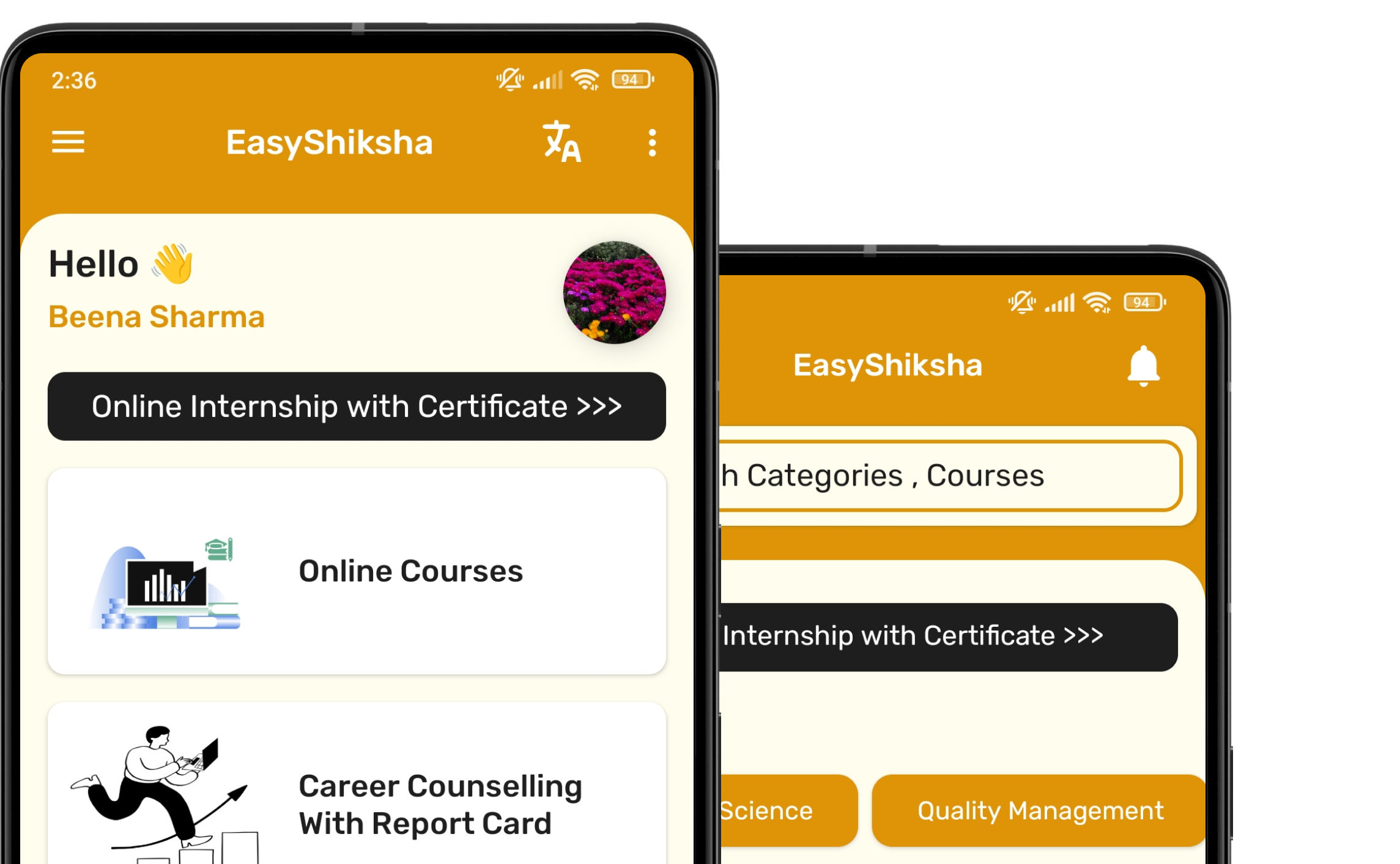
Platforms such as EasyShiksha can support this shift by creating opportunities for students to learn, practice, explore careers, gain practical exposure, participate in quizzes, earn certificates, pursue internships, and build skills alongside academic education. In a modern education system, the focus must gradually move from simply asking, "What marks did the student score?" to asking more meaningful questions such as, "What has the student learned? What skills has the student developed? What can the student actually do?"
The Traditional Importance of Marks in Education
Marks became central to education because they provide a simple and standardized method of evaluation. A score can quickly indicate how a student performed in a particular examination and make it easier to compare academic performance across a large number of learners. Educational institutions have relied on marks for decades because they are measurable, familiar, and relatively easy to record.
Academic performance is certainly important. Strong marks can reflect discipline, subject knowledge, consistency, preparation, and the ability to understand and apply concepts within an academic framework. For many students, examinations also provide motivation to study systematically and achieve educational goals. Marks can therefore remain a valuable part of the education system.
However, problems arise when marks become the only measure of intelligence, ability, or future potential. A three-hour examination cannot always capture a student's creativity, communication skills, leadership qualities, practical knowledge, curiosity, resilience, or professional readiness. Students learn in different ways and demonstrate their abilities differently. Some may excel in written examinations, while others may perform exceptionally well when solving real-world problems, creating projects, communicating with people, or working in teams.
The modern education system must therefore recognize that marks represent one part of a student's learning journey rather than the complete journey itself. A student's potential is multidimensional, and evaluation methods must gradually become capable of recognizing these multiple dimensions.
Why Marks Alone Cannot Define Student Potential
A high score can demonstrate academic achievement, but it does not automatically guarantee workplace readiness or practical competence. Similarly, average marks do not mean that a student lacks talent or future potential. There are students who may struggle with traditional examination formats but demonstrate excellent abilities in coding, design, communication, business, problem-solving, technology, or creative work.
The gap between marks and practical ability has become more visible because the professional world demands evidence of skills. Employers often want candidates who can communicate effectively, work with digital tools, adapt to new situations, collaborate with others, and contribute to real projects. A resume containing only academic qualifications may no longer be sufficient in competitive career environments.
Students today also have access to learning opportunities beyond classrooms and textbooks. Online courses, internships, certification programs, educational games, quizzes, project-based learning, and digital learning platforms have expanded the ways in which knowledge and skills can be developed. This means that a student's most valuable learning may not always be reflected in a traditional academic marksheet.
A student who completes a digital marketing course, works on a practical campaign during an internship, earns a certificate, develops communication skills through presentations, and regularly tests knowledge through quizzes may possess a much broader learning record than what is visible through academic marks alone. This is where learning profiles can create greater value.

Understanding the Concept of a Learning Profile
A learning profile can be understood as a comprehensive record of a student's educational development, skills, experiences, achievements, and learning journey. Unlike a traditional marksheet that mainly focuses on examination results, a learning profile provides a wider view of what the student has learned and accomplished.
The profile may include academic learning, professional skills, online courses, certifications, internship experience, projects, assessments, quizzes, practical activities, and areas of interest. Over time, it can become a dynamic representation of the student's growth rather than a static record of performance in a few examinations.
The importance of this approach lies in its ability to recognize learning as a continuous process. Students do not develop skills only during a semester examination or within the walls of a classroom. They learn through experiences, mistakes, projects, digital tools, discussions, practical assignments, and exposure to professional environments. A learning profile can capture these different forms of development.
For example, a student may begin with an interest in technology, complete beginner-level online courses, participate in quizzes to test understanding, develop practical projects, and eventually take part in an internship. Each stage contributes to the student's learning journey. When these experiences are recorded and organized, the result is a clearer picture of growth.
In the modern education system, such profiles can help students understand their own strengths while also making their skills and experiences more visible to educational institutions and future employers.
The Shift from Academic Records to Skill-Based Identity
Education is gradually moving toward a more learner-centered model. In the past, students were often identified primarily through their academic stream, degree, institution, and marks. Today, a student's identity can be much more diverse. A commerce student may learn data analytics, an engineering student may develop communication skills, or an arts student may build expertise in digital marketing.
The boundaries between traditional subjects and professional skills are becoming increasingly flexible. Technology has made it possible for students to learn from multiple sources and explore areas outside their formal degree programs. This creates a need for educational systems that can recognize interdisciplinary learning.
A learning profile supports this transition by allowing students to build an identity around their skills and experiences. Instead of being known only as a student with a particular percentage, an individual can demonstrate a combination of knowledge and practical capabilities.
This is especially valuable for students who are still exploring career paths. Many young learners do not have complete clarity about their future goals when they enter school or college. Through exposure to courses, quizzes, games, projects, internships, and different learning activities, they can discover their interests gradually. A learning profile can reflect this exploration and help students understand which areas they are consistently developing.
EasyShiksha can play an important role in this learning ecosystem by giving students access to multiple educational and career-focused experiences through one platform. When learning, assessment, certification, practical exposure, and skill development are connected, students can move toward a more meaningful and complete educational identity.
The Growing Importance of Skills in the Modern World
The modern workplace is changing faster than traditional education systems. New technologies are creating new job roles, while existing roles are evolving. Skills that were highly valuable a decade ago may require significant updates today. Artificial intelligence, data analysis, cybersecurity, digital marketing, cloud technology, communication, and other emerging areas have created a growing demand for continuous learning.
Students can no longer assume that completing a degree will automatically provide all the knowledge required for an entire career. Learning must continue throughout professional life. The ability to learn, unlearn, and adapt is becoming one of the most important skills of all.
Practical skills are also becoming more visible during recruitment. Employers often want candidates who can demonstrate what they have done rather than simply list what they have studied. A project, internship, portfolio, certification, or practical assignment can provide stronger evidence of capability.
This does not reduce the importance of formal education. Degrees continue to provide foundational knowledge, structured learning, and academic credibility. However, students can strengthen their educational journey by combining formal education with practical and skill-based learning.
A strong learning profile can bring these elements together. It can show academic education while also highlighting additional courses, internships, projects, assessments, and skill development. This creates a more balanced representation of the learner.
Learning Profiles and Personalized Education
One of the most important advantages of learning profiles is their potential to support personalized learning. Every student has different strengths, interests, learning speeds, and career aspirations. A one-size-fits-all education model may not be able to fully support these differences.
When students build a record of their learning activities, patterns can begin to emerge. A learner may consistently perform well in technology-related quizzes, complete multiple coding courses, and participate in technical projects. Another learner may show stronger interest in communication, management, design, or entrepreneurship.
These patterns can help students make more informed decisions about future learning and career pathways. Instead of choosing subjects or careers based only on social expectations or examination scores, students can gradually develop self-awareness through their learning experiences.
Digital platforms can further strengthen this process by helping students access diverse learning opportunities. EasyShiksha, with options related to online courses, certificates, internships, quizzes, games, and career-oriented learning, can contribute to a more personalized educational journey. Students can explore different areas and build their skills based on individual interests and goals.
Personalized learning does not mean separating students completely from common educational standards. Instead, it means recognizing that learners can follow different paths while working toward meaningful outcomes. A learning profile can act as a guide that documents these individual paths.
The Role of Online Courses in Building Learning Profiles
Online learning has transformed the way students acquire knowledge. In the past, learning opportunities were often limited by geography, schedules, institutional availability, and financial resources. Digital platforms have made it possible for students to access educational content and skill-based courses from a wider range of subjects.
Online courses are particularly valuable because they allow students to complement their formal education. A student pursuing a degree in one field can explore additional skills that may improve career opportunities. For example, a management student can learn digital marketing, an engineering student can explore artificial intelligence, or a graduate can improve communication and professional skills.
When these courses are completed successfully, they can become part of a student's learning profile. The profile then demonstrates a willingness to learn beyond compulsory academic requirements.
EasyShiksha can support students by providing access to learning opportunities that help them develop new skills and expand their educational experience. The value lies not only in completing a course but also in understanding how that knowledge can be applied.
As students complete multiple courses over time, their learning profile can become evidence of continuous growth. This can be especially useful in a world where lifelong learning is becoming essential.
Internships: Turning Knowledge Into Experience
One of the biggest challenges in education is the gap between theoretical knowledge and practical application. Students may study concepts for years but have limited opportunities to understand how those concepts work in professional environments.
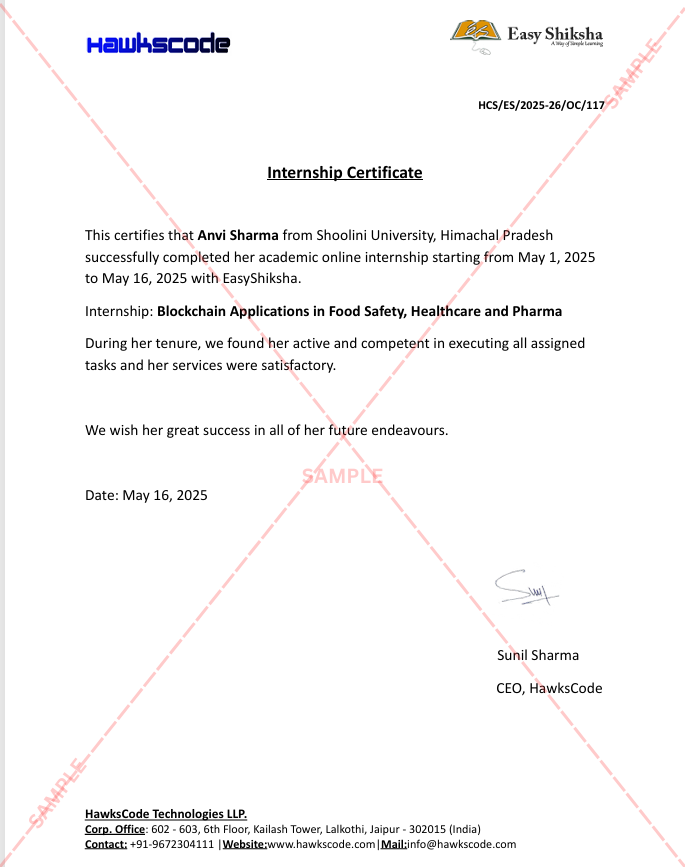
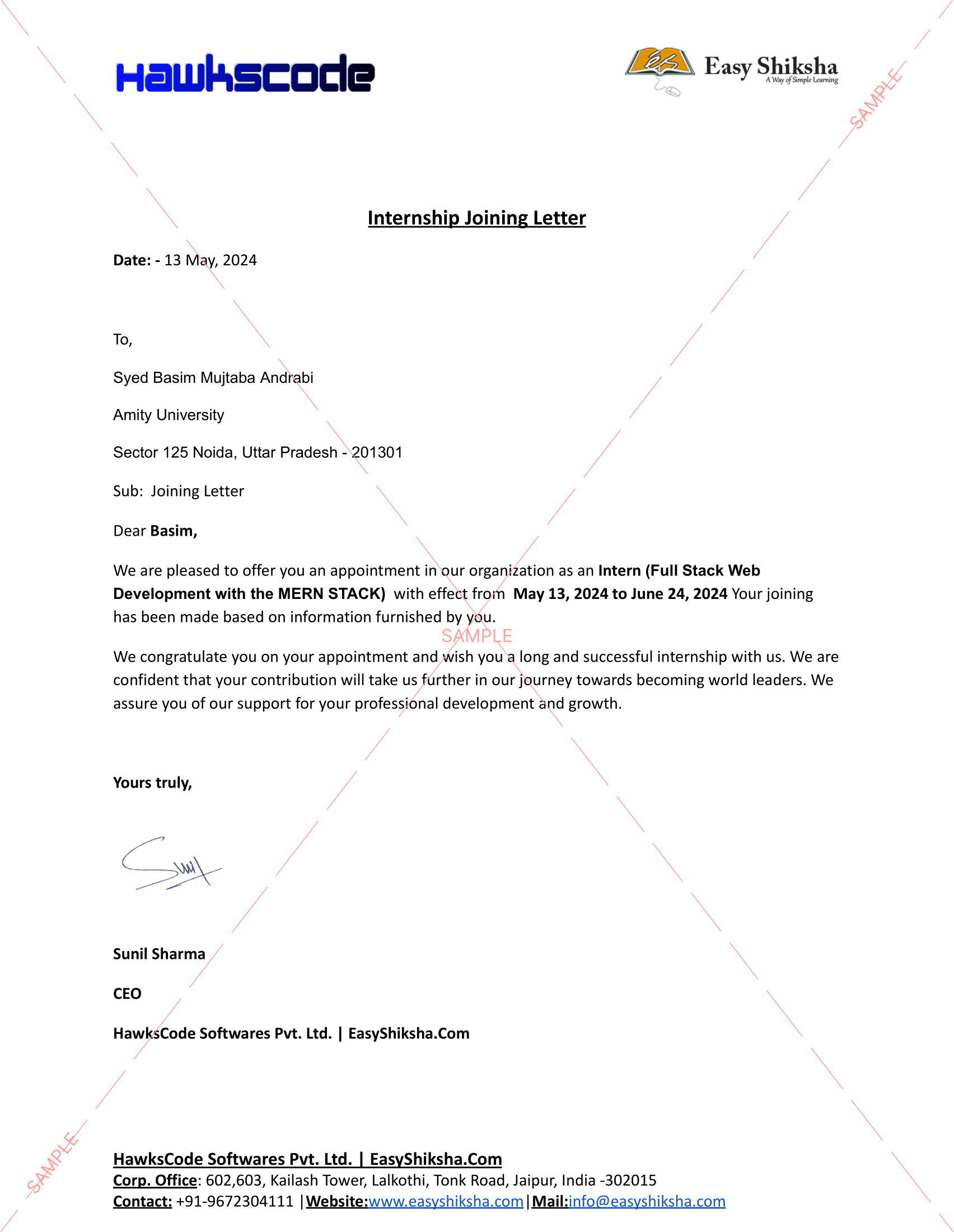
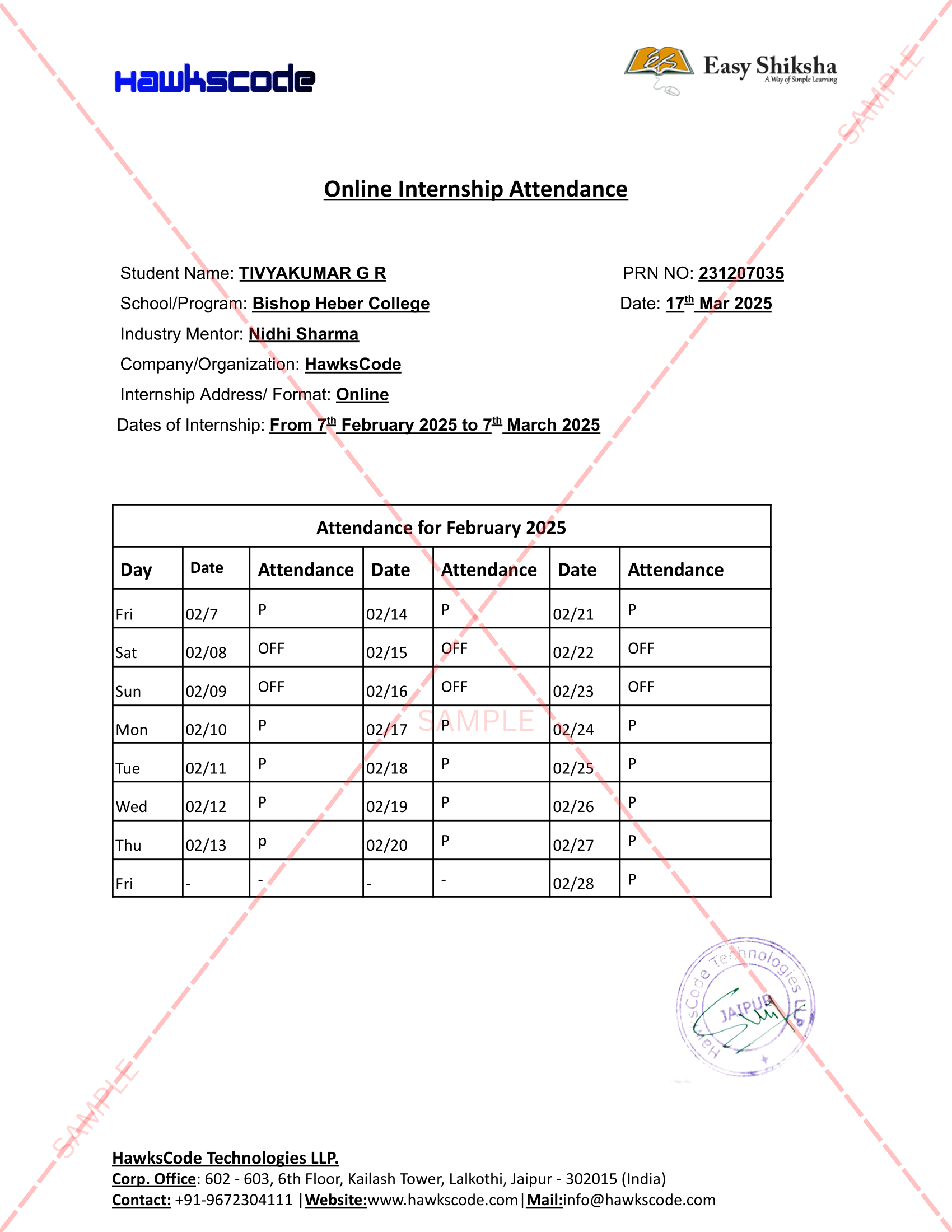
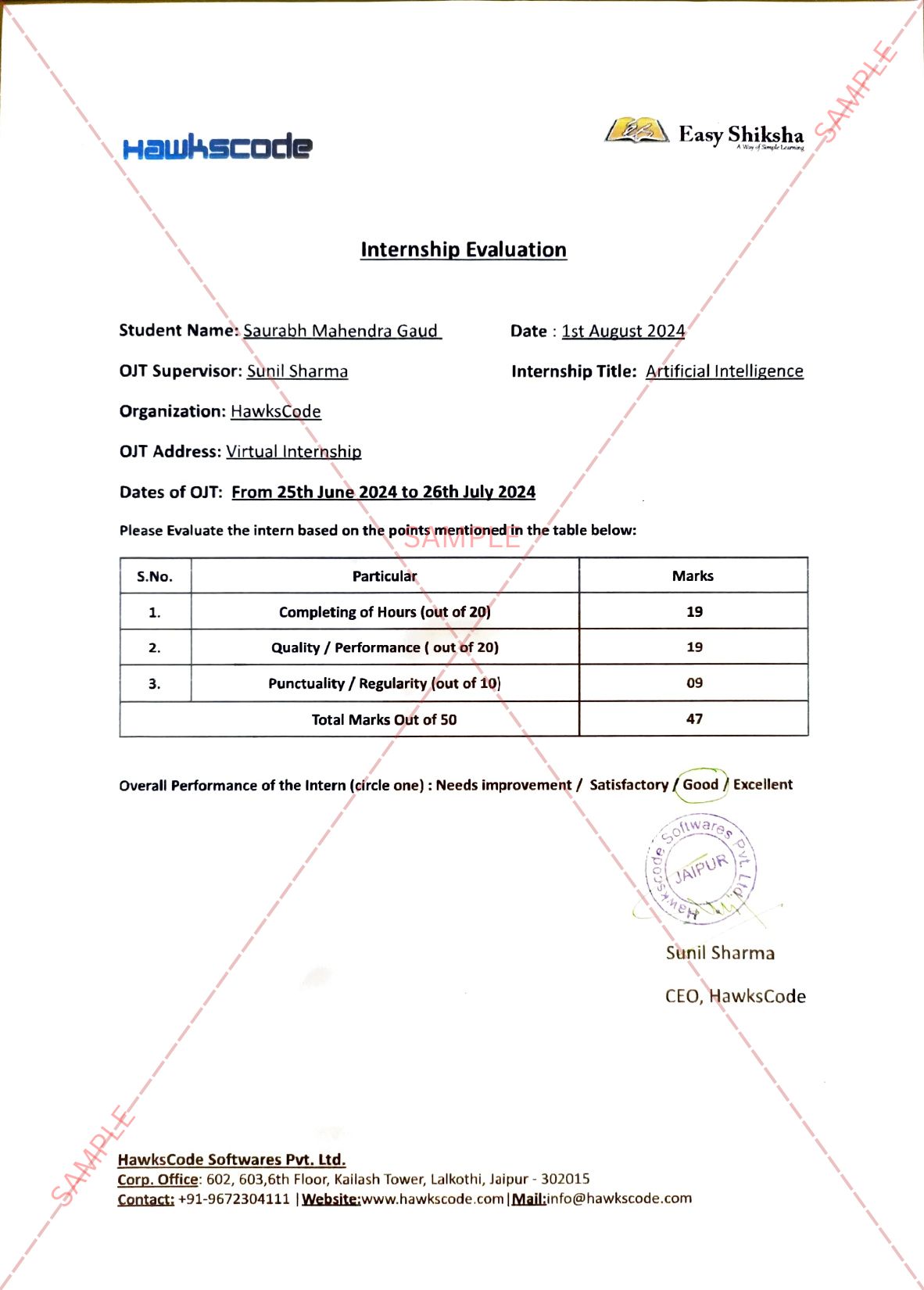
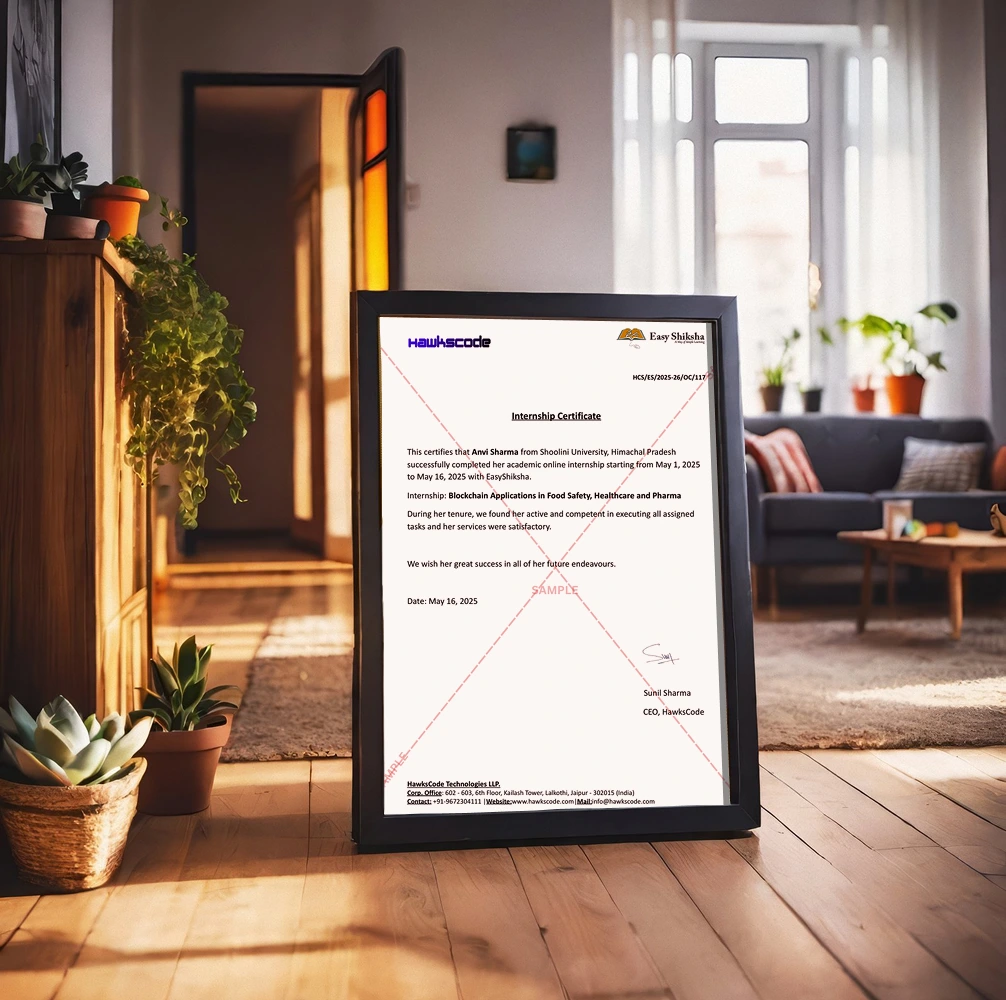
Internships can help bridge this gap. They allow students to gain exposure to workplace expectations, responsibilities, communication, deadlines, teamwork, and practical problem-solving. Even a short internship can provide valuable insights into a particular industry or role.
From the perspective of a learning profile, internship experience is highly important because it demonstrates application. A student is no longer only learning about a subject but also experiencing how knowledge and skills can be used in real situations.
For freshers and students with limited work experience, internships can also help build confidence. Many students hesitate to apply for professional opportunities because they believe they do not have enough experience. Internships provide an entry point for developing that experience.
EasyShiksha's learning ecosystem can support the connection between education and practical exposure by bringing learning opportunities and internships closer together. This reflects an important modern education model in which students learn, practice, and gain experience as part of a connected journey.
When internship experiences become part of a learning profile, they help create a more complete picture of career readiness.
Certificates as Evidence of Continuous Learning
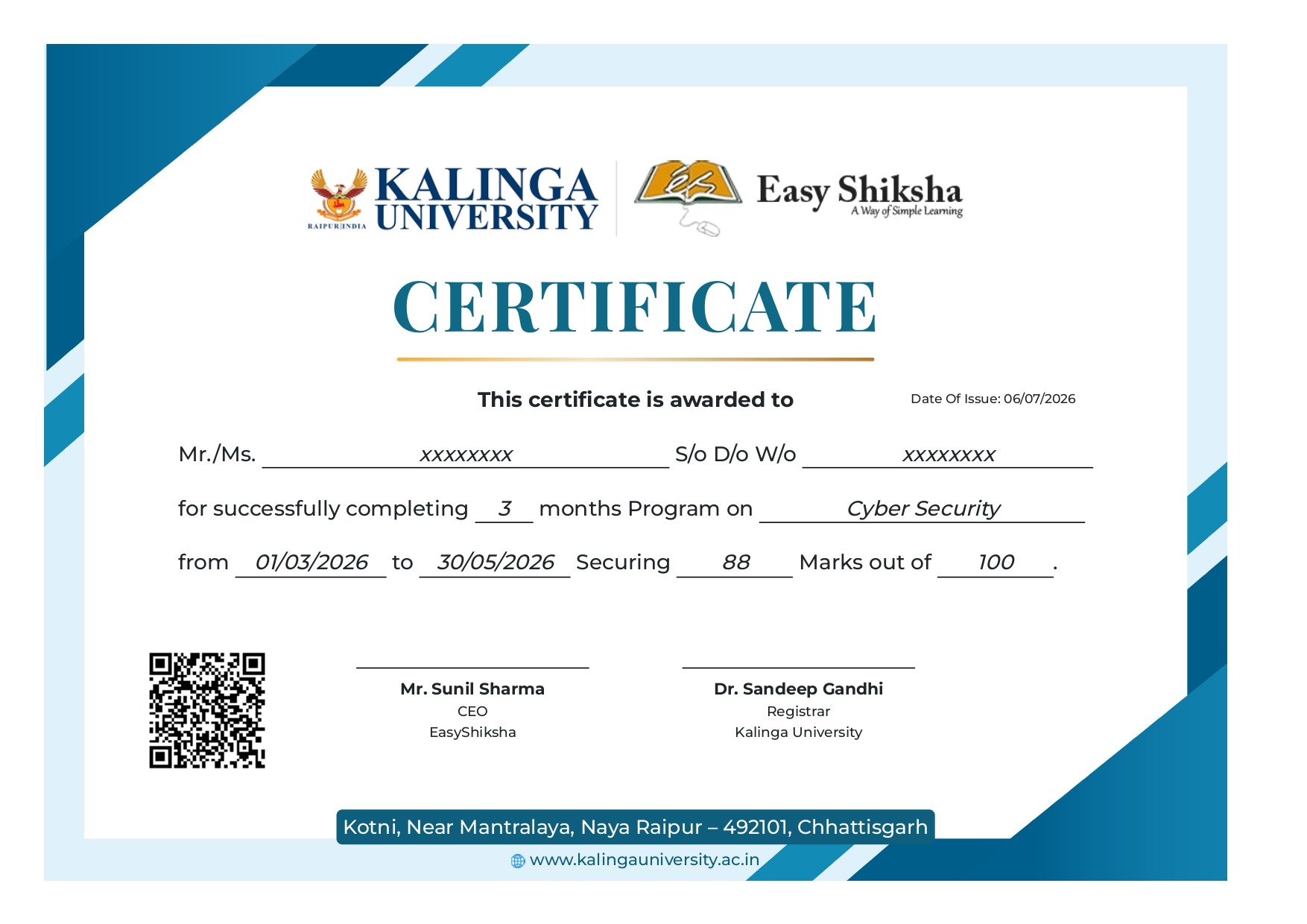
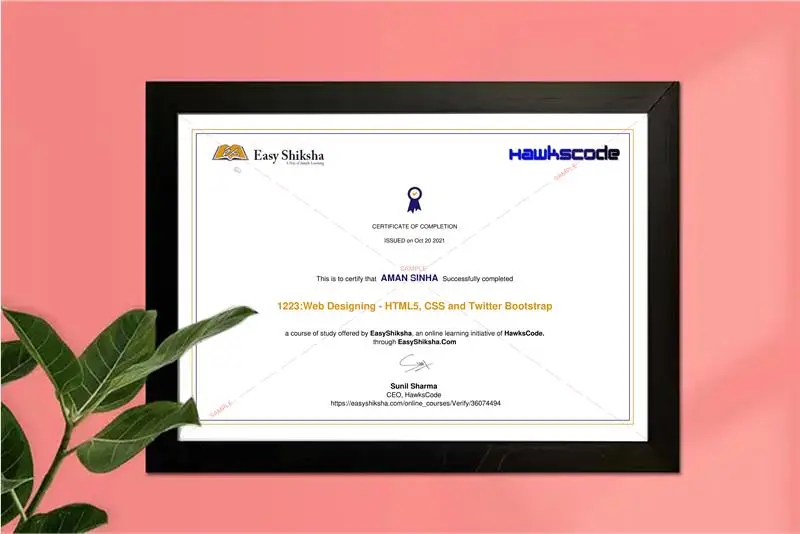
Certificates have become increasingly popular because they provide recognition for learning achievements. However, the real value of a certificate depends on the learning experience behind it. A meaningful certificate should represent knowledge gained, skills practiced, or an educational milestone achieved.
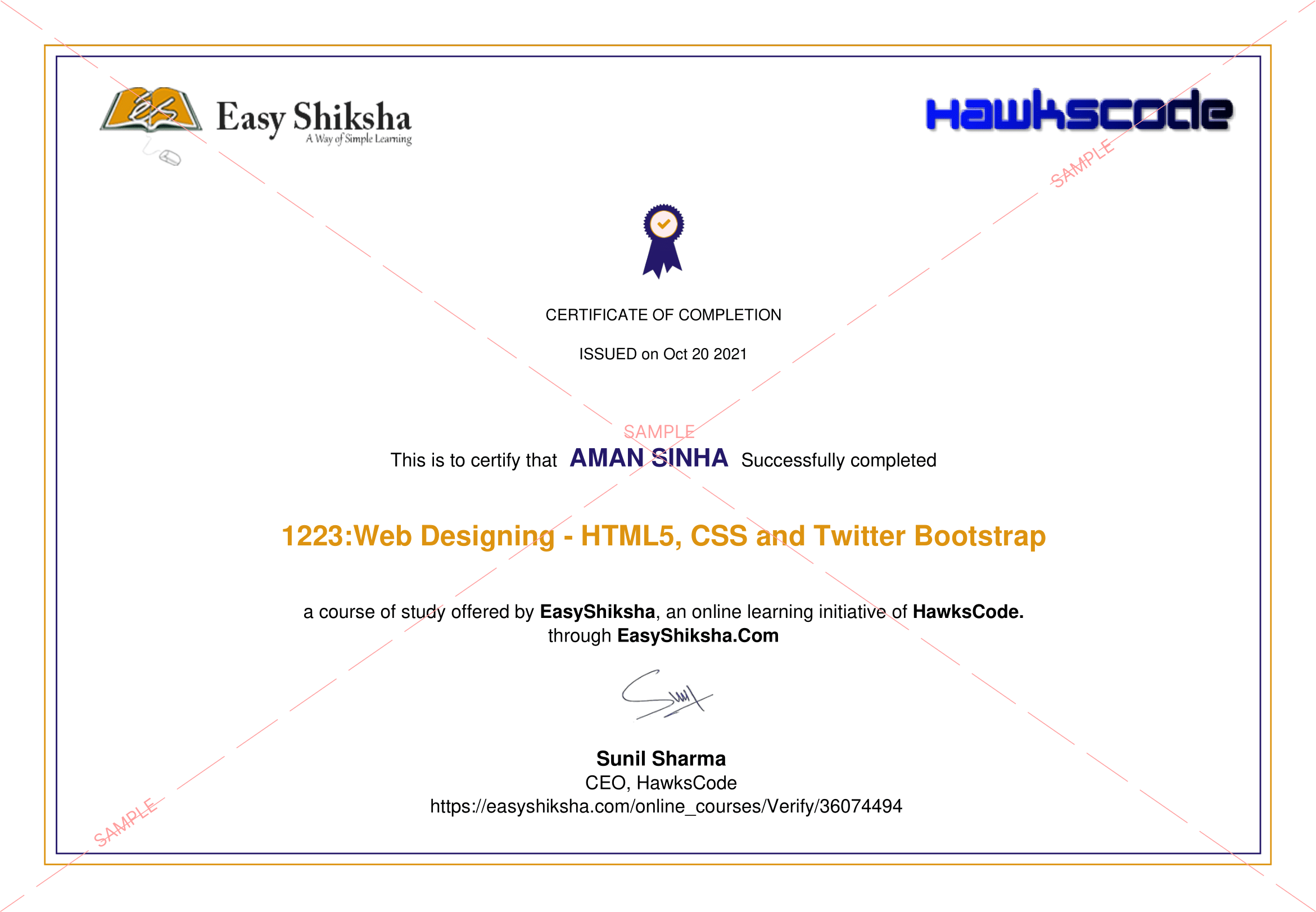
For students, certificates can become useful components of a broader learning profile. They can document participation in courses, programs, training, or skill-development activities. When combined with projects and practical experience, certificates can help demonstrate a consistent commitment to growth.
In a competitive environment, students often need ways to differentiate themselves. Academic qualifications may be similar among many candidates, especially in large graduate populations. Additional certifications can help show initiative and exposure to specific areas of learning.
Platforms such as EasyShiksha can make certificates part of a larger learning journey rather than treating them as isolated achievements. A student can complete a course, test knowledge, gain practical exposure through an internship, and build a record of these experiences over time.
The strongest learning profile is not simply a collection of certificates. It is a connected story of what the student has learned and how that learning has contributed to personal and professional development.
Quizzes and Assessments as Tools for Active Learning
Assessment should not only be used to assign marks. It can also help students understand what they know, identify gaps, and improve their preparation. Online quizzes can make assessment more interactive and accessible, allowing students to test their understanding regularly.
For competitive examinations and academic subjects, regular quizzes can encourage revision and active recall. Instead of waiting for a final examination, students can continuously evaluate their progress.
Quizzes can also become part of a broader learning profile by reflecting engagement and knowledge development. The purpose is not to create pressure through constant scoring but to encourage students to monitor their own learning.
EasyShiksha can support this process through quiz-based learning experiences that allow students to practice and test knowledge. This can be particularly useful for learners preparing for government examinations, academic assessments, and other competitive opportunities.
A modern learning profile can therefore include more than final results. It can represent the process of learning, practicing, improving, and mastering knowledge over time.
Gamified Learning and Student Engagement
Modern students are growing up in a digital environment where interaction and engagement play an important role in attention and motivation. Traditional learning methods remain valuable, but educational experiences can become more effective when learners are actively involved.
Gamified learning introduces elements such as challenges, progress, achievements, and interactive activities into the educational experience. When designed effectively, these elements can encourage students to participate more actively and remain motivated.
Educational games can also help students develop skills such as problem-solving, decision-making, strategic thinking, and persistence. Instead of viewing games only as entertainment, modern education can explore how game-based experiences may contribute to learning.
Within a platform such as EasyShiksha, games and interactive learning activities can become another part of the broader student journey. The goal is to create an environment where learning is not limited to passive content consumption.
A learning profile that recognizes different forms of engagement can provide a more realistic picture of how students learn. It can acknowledge achievements beyond written examinations and encourage learners to develop through active participation.
Insights from Internship Students: Testimonials
Why Learning Profiles Can Improve Career Readiness
Career readiness begins long before a student applies for a first job. It develops gradually through learning, skill-building, practical exposure, communication, self-awareness, and experience.
One of the challenges faced by many freshers is the difficulty of explaining what they can offer to an employer. A degree and marksheet provide important information, but they may not clearly demonstrate practical skills.
A learning profile can help students organize their achievements and experiences in a meaningful way. It can show the courses they have completed, skills they have explored, internships they have undertaken, projects they have worked on, and assessments they have completed.
This can make career preparation more purposeful. Students can identify gaps in their profiles and take action to improve them. For example, a student may realize that they have completed several courses but lack practical experience. This understanding can motivate them to pursue an internship. Another student may have experience but need to strengthen technical knowledge through additional courses.
EasyShiksha's combination of educational content, internships, certificates, quizzes, and career-focused opportunities can support this type of development. The platform can encourage students to think beyond isolated achievements and focus on building a complete learning journey.
Learning Profiles Can Reduce the Pressure of Marks-Centered Education
A marks-centered education system can create significant pressure on students because a single score may appear to determine their future opportunities. While academic performance should be encouraged, students should not feel that one examination defines their intelligence or entire future.
A broader learning profile can help create a more balanced perspective. It recognizes that students have multiple opportunities to demonstrate growth. A learner who performs poorly in one examination can continue developing skills, completing courses, gaining experience, and improving over time.
This approach encourages a growth mindset. Students begin to understand that learning is not a fixed measure of intelligence but a continuous process. Skills can be developed, knowledge can be expanded, and weaknesses can be improved through practice.
Such a system can also encourage students to take responsibility for their own learning. Instead of studying only to achieve a particular score, learners can focus on building capabilities that have long-term value.
The goal is not to eliminate examinations or academic evaluation. Rather, it is to ensure that marks exist within a broader system that recognizes multiple forms of achievement.
Building a Future-Ready Learning Profile Through EasyShiksha
A future-ready learning profile should reflect more than educational qualifications. It should demonstrate curiosity, consistency, skill development, practical experience, and the willingness to learn continuously.
EasyShiksha can support students in building such profiles by bringing different learning opportunities together. Students can explore online courses according to their interests, strengthen knowledge through quizzes, gain recognition through certificates, develop practical exposure through internships, and engage with interactive learning experiences.
This integrated approach can be particularly valuable for students who may not know where to begin their skill-development journey. Instead of searching across multiple disconnected platforms, learners can explore different aspects of education and career preparation in one ecosystem.
The combination of learning and practical exposure is especially important. Completing a course provides knowledge, while internships and projects can help students understand application. Quizzes can help assess progress, and certificates can document achievements. Together, these experiences contribute to a stronger and more meaningful learning profile.
For students in India, where competition for educational and career opportunities is intense, developing a diverse learning record can provide additional confidence and direction. The focus should not be on collecting achievements without purpose but on building genuine skills and experiences that support long-term goals.
The Role of Educational Institutions in the Learning Profile Era
Educational institutions will also play an important role in this transition. Schools and colleges need to recognize that the future of education requires greater attention to skills, practical learning, career guidance, and individual development.
This does not mean that traditional subjects will lose importance. Mathematics, science, language, social sciences, commerce, and other disciplines continue to provide essential foundations. However, these subjects can be strengthened through practical application and interdisciplinary learning.
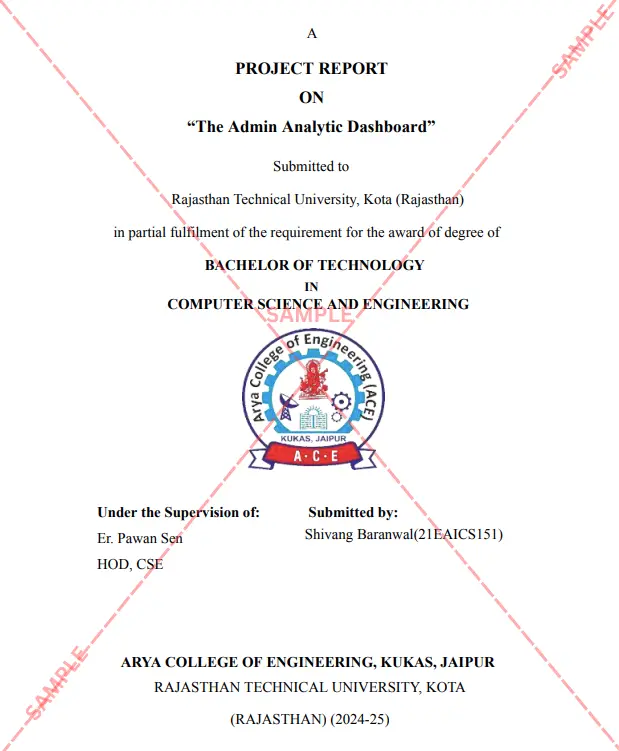
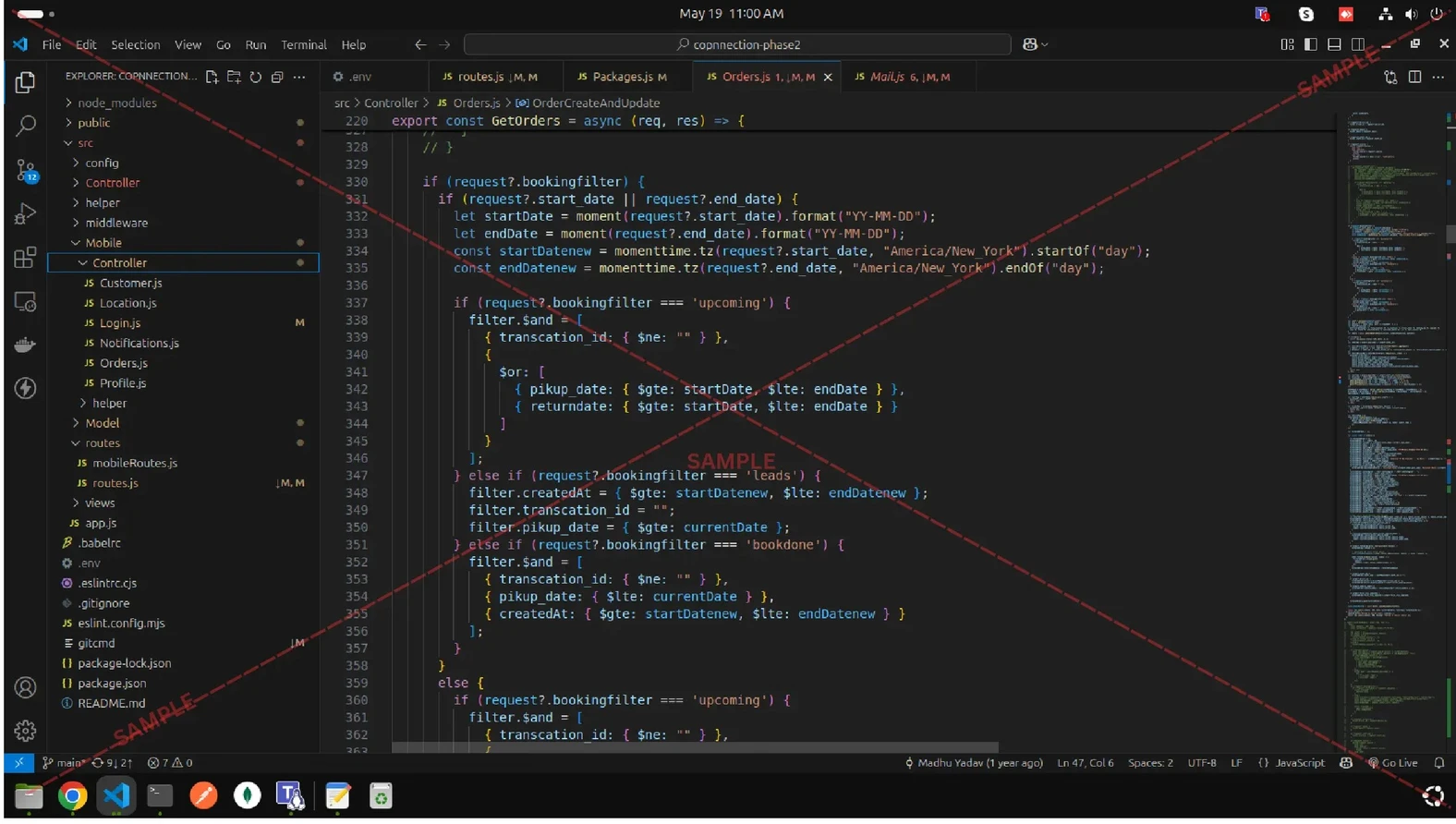
Institutions can encourage students to work on projects, participate in internships, develop digital skills, and explore career pathways alongside academic studies. They can also support students in creating portfolios and documenting achievements beyond examination scores.
Collaboration between educational institutions and digital learning platforms can further expand opportunities. Platforms such as EasyShiksha can complement formal education by providing flexible access to courses, quizzes, internships, certificates, and additional learning experiences.
The future education system may increasingly focus on a combination of academic records and learning profiles. Marksheets can continue to show academic performance, while learning profiles can provide a broader view of skills, experiences, and continuous development.
Preparing Students for Lifelong Learning
Perhaps the greatest advantage of learning profiles is that they encourage students to view education as an ongoing journey. In a rapidly changing world, no degree can guarantee that a person's knowledge will remain relevant forever.
Students must develop the habit of updating their skills and learning new concepts throughout their careers. A learning profile can support this mindset because it evolves over time. It does not end when a student graduates.
A learner can continue adding new skills, certifications, experiences, and achievements throughout different stages of life. This creates a culture of continuous development.
EasyShiksha's model of providing access to learning and career-focused opportunities can contribute to this culture. Students can begin developing their learning profiles during their academic years and continue strengthening them as they move toward professional life.
The most successful learners of the future may not necessarily be those who achieved the highest marks at one stage of education. They may be the individuals who remained curious, adaptable, skilled, and willing to learn throughout their lives.
Conclusion: From Report Cards to Complete Learning Journeys
The modern education system is entering a period of important transformation. Marks and examinations will continue to have value, but they should no longer be viewed as the complete definition of student success. A student's true potential is shaped by knowledge, skills, experiences, creativity, adaptability, communication, and the ability to apply learning in real situations.
Learning profiles provide an opportunity to recognize this broader reality. They can capture the complete educational journey of a student by bringing together courses, certificates, internships, quizzes, practical experiences, projects, and skill development. Instead of presenting students through a single number, learning profiles can present them as individuals with evolving strengths and capabilities.
EasyShiksha can contribute to this transformation by supporting students across different stages of their learning and career journeys. Through online courses, certifications, internships, quizzes, games, and other educational opportunities, students can move beyond passive learning and begin building a record of meaningful growth.
The future of education should not ask students to choose between marks and skills. Both academic knowledge and practical abilities are important. The real goal should be to create a balanced education system where marks reflect academic progress and learning profiles demonstrate the wider capabilities students develop along the way.
As education continues to evolve, students will increasingly need to show not only what they scored but also what they learned, what they created, what they experienced, and what they are capable of doing. This shift from marks to skills represents more than a change in evaluation. It represents a new way of understanding student success.