The rapid development of robotics, artificial intelligence, automation, and digital learning is changing the way technical education is delivered. Robotics is no longer limited to specialized research laboratories or engineering institutions with expensive physical infrastructure. As online education continues to expand, there is growing interest in creating practical learning environments that allow students to gain hands-on experience remotely.
An AI-powered remote robotics laboratory represents an important development in this direction. It combines physical robotic equipment, internet connectivity, cloud computing, artificial intelligence, simulation, and online learning platforms to allow students to experiment with real robotic systems from different locations.
Traditional online courses can effectively deliver theoretical concepts through videos, lectures, simulations, quizzes, and digital assignments. However, robotics requires practical interaction. Students need to understand sensors, motors, controllers, programming, mechanical movement, computer vision, automation, and real-world decision-making. Reading about these concepts is valuable, but practical experimentation provides another level of understanding.
A remote robotics laboratory can bridge this gap by allowing students to access physical robotic equipment through an online interface. A learner could write or upload a program, send instructions to a remotely located robot, observe its response through cameras or sensors, analyze the results, and modify the program accordingly.
Artificial intelligence can make these laboratories more intelligent and personalized. AI can assist students with programming, explain errors, recommend experiments, analyze robotic performance, and adapt learning activities according to individual progress.
For an EdTech platform such as EasyShiksha, the concept creates an opportunity to connect online learning with practical technical education. Instead of limiting robotics education to theoretical courses, an AI-powered remote laboratory can help students learn by experimenting with real machines.
Understanding the Concept of a Remote Robotics Laboratory
A remote robotics laboratory is a physical laboratory that can be accessed through the internet. The robots and associated equipment remain in a real laboratory, while students interact with them remotely through a digital platform.
The system can include robotic arms, mobile robots, sensors, cameras, microcontrollers, industrial automation equipment, drones in controlled environments, or other robotic devices depending on the educational objectives.
Students can access the laboratory through a web-based interface. They may select an experiment, review instructions, write code, configure parameters, and submit commands to the physical equipment.
The system then executes the instructions and provides visual or sensor-based feedback.
This creates a learning experience that is different from a conventional simulation. The student is interacting with physical hardware, even though the interaction is taking place remotely.
Why Robotics Education Needs Practical Learning
Robotics combines multiple disciplines, including programming, electronics, mechanical engineering, control systems, mathematics, artificial intelligence, and computer vision.
Because of this interdisciplinary nature, students often need to understand how different components interact in the real world.
A program may work perfectly in a simulation but behave differently when executed on physical equipment. Motors may have limitations, sensors may produce noisy readings, mechanical components may experience friction, and environmental conditions may affect performance.
These differences are educationally valuable.
When students work with physical robots, they learn that engineering involves experimentation, observation, troubleshooting, and refinement.
Remote laboratories can provide access to this experience without requiring every learner to own expensive robotic equipment.
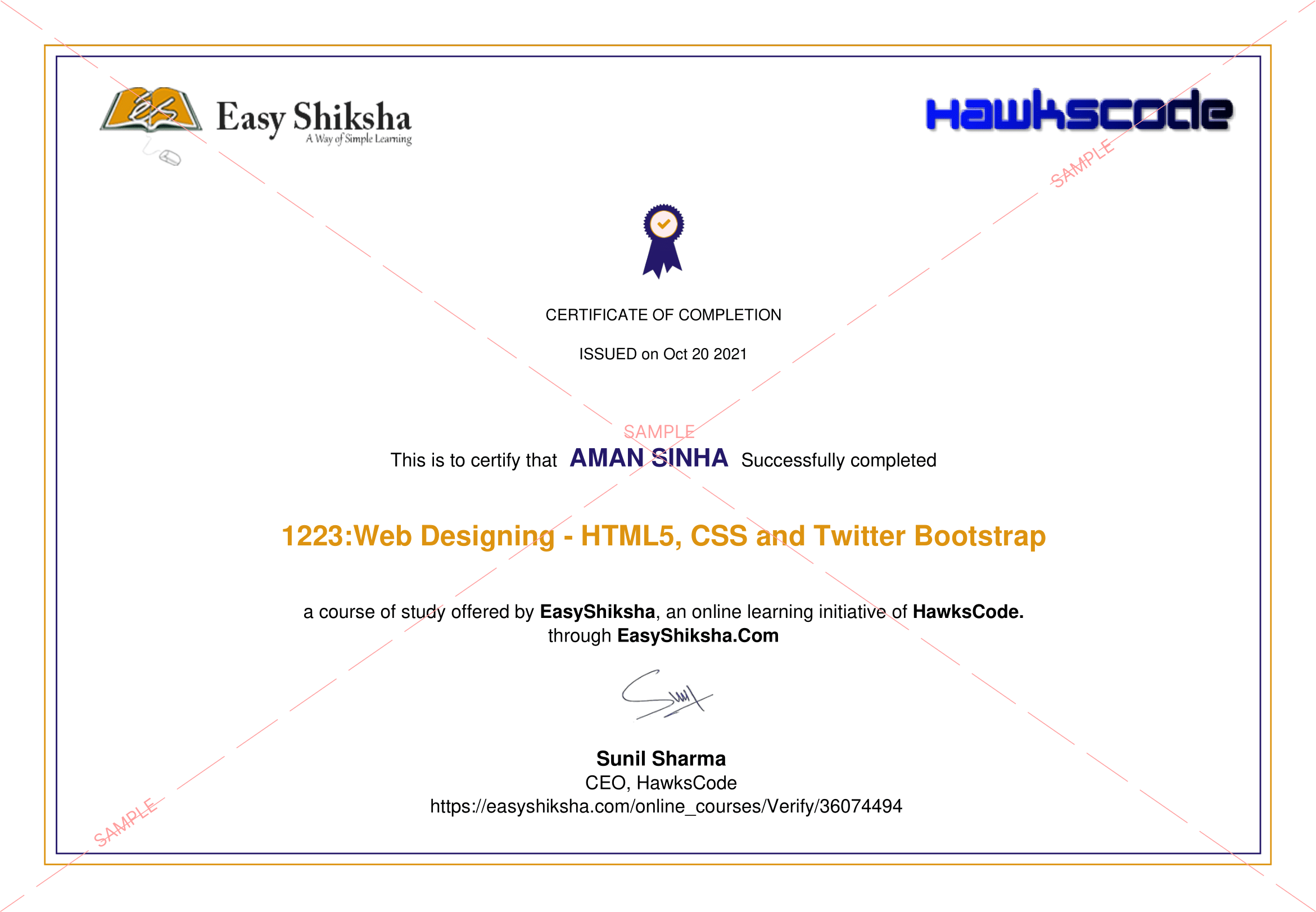
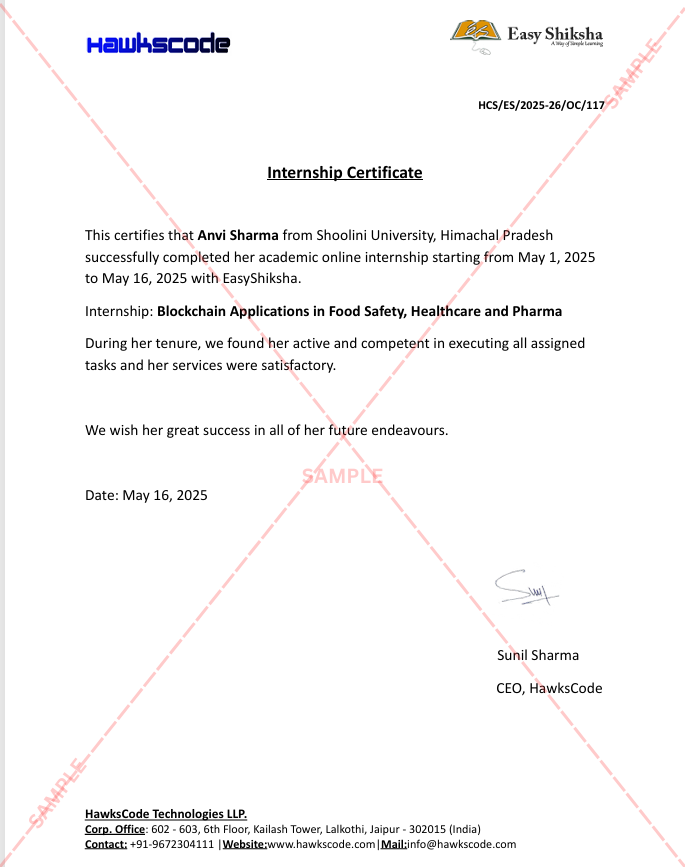
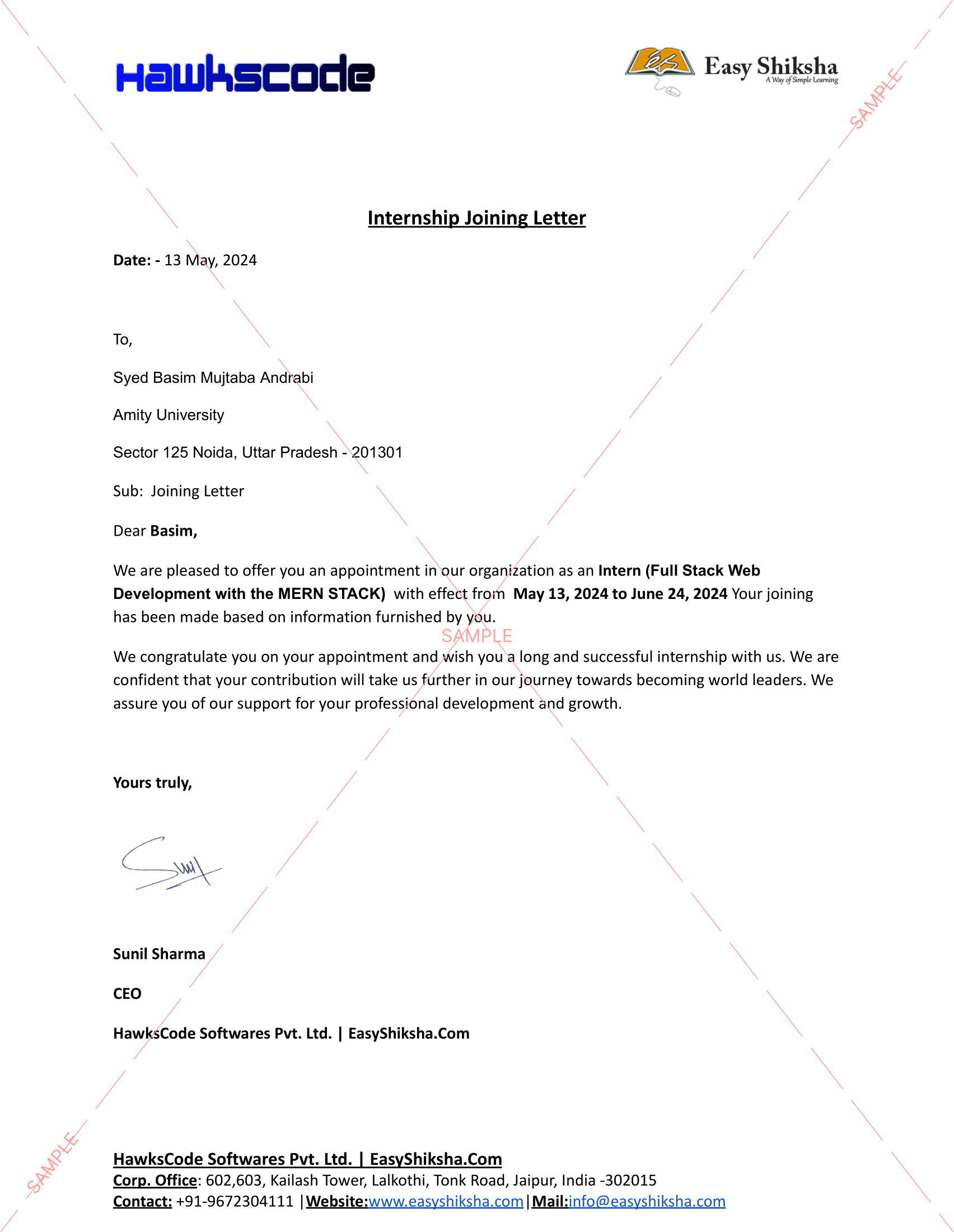
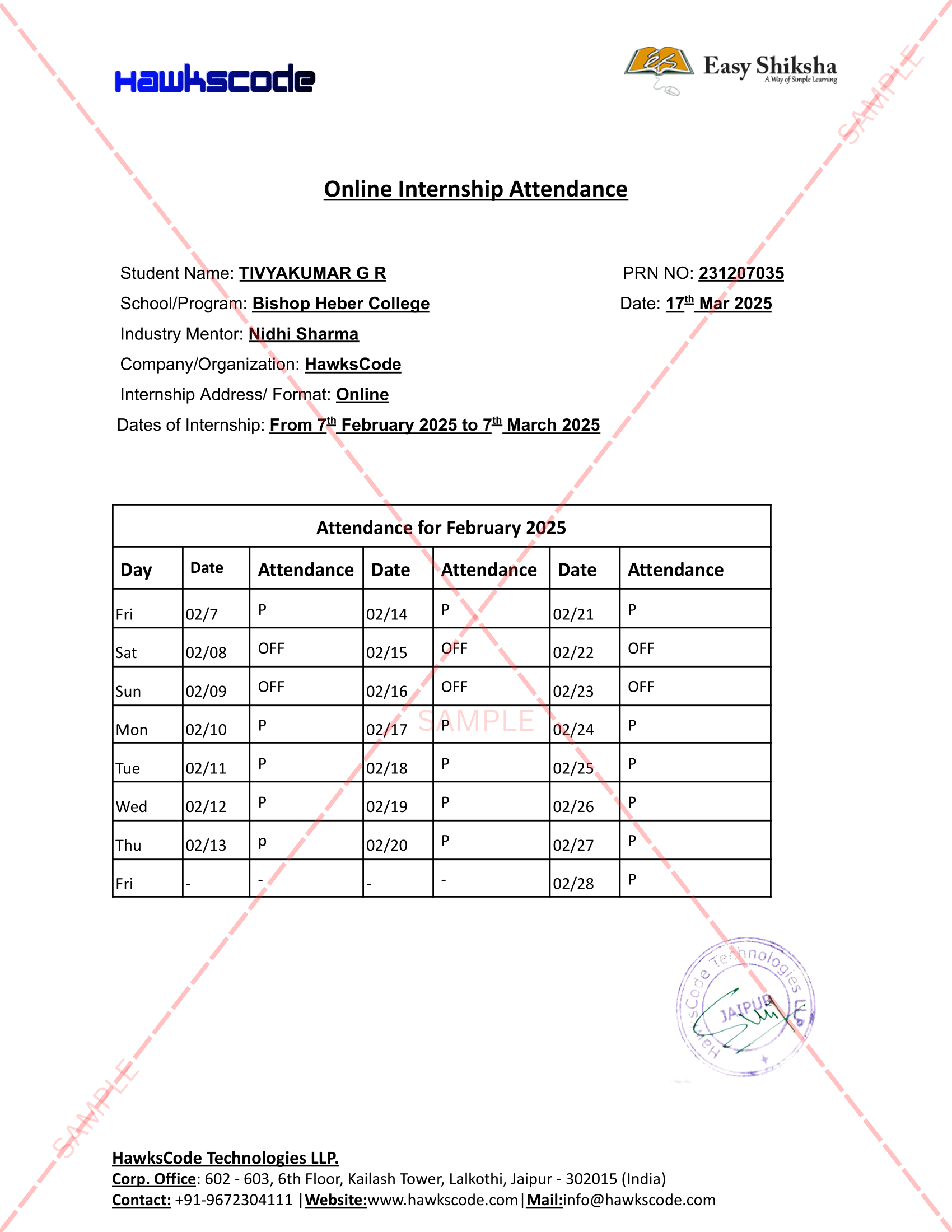
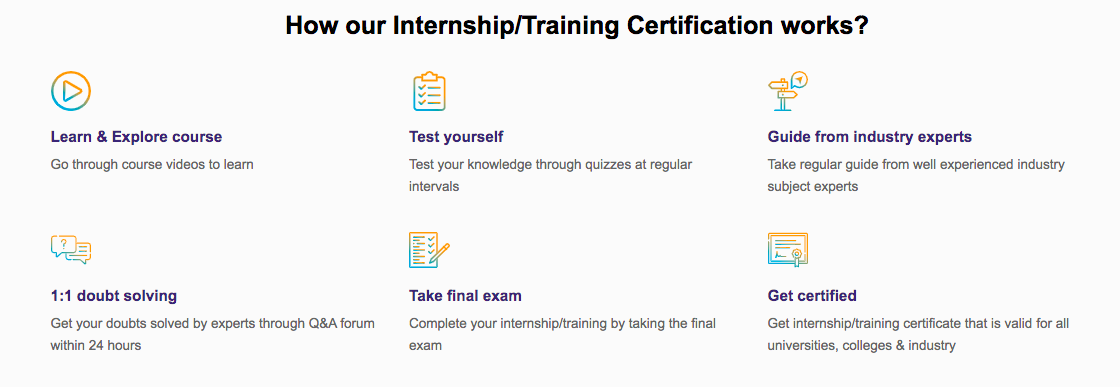
How EasyShiksha Internship/Training Program Works
The Role of Artificial Intelligence
Artificial intelligence can transform a remote robotics laboratory from a simple remote-control system into an intelligent learning environment.
An AI assistant can guide students through experiments, explain programming concepts, identify potential errors, and provide contextual suggestions.
For example, if a student's robot fails to move as expected, the AI system could examine the code and available sensor information and suggest possible causes.
It could explain whether the issue may be related to motor configuration, sensor input, programming logic, or another factor.
The objective should not be to provide the answer immediately. An effective educational AI system can encourage students to understand the problem and develop their own troubleshooting skills.
AI as a Robotics Tutor
An AI-powered robotics tutor can provide support throughout the learning process.
Students can ask questions about programming, electronics, control systems, or robotic behaviour. The AI can explain concepts at different levels of complexity.
A beginner might receive a simple explanation of how a sensor works, while an advanced learner could explore topics such as feedback control, path planning, or computer vision.
The tutor can also provide contextual assistance during experiments.
When students are working on a robotic task, the AI can understand the experiment and provide guidance that is directly connected to the activity rather than offering generic explanations.
Remote Access to Physical Robots
One of the most important features of a remote robotics laboratory is the ability to interact with real equipment.
Students can log into the platform, select an available robot, and perform an experiment according to the laboratory schedule.
Cameras can provide live or recorded views of the robot. Sensors can transmit information back to the student interface.
This creates a connection between digital learning and physical experimentation.
The student may write code on a laptop, submit it through the platform, and then observe the physical robot executing the instructions.
The experience can make online robotics education significantly more practical.
The Importance of Simulation
Although remote laboratories provide access to physical robots, simulation remains an important part of the learning process.
A student may first test a program in a virtual environment before sending it to physical hardware.
This reduces the risk of incorrect commands causing problems and allows learners to experiment more freely.
Simulation can also increase laboratory capacity because many students can practice simultaneously in virtual environments while physical robots are reserved for selected activities.
A combined model can therefore provide the advantages of both simulation and real-world experimentation.
Hybrid Simulation and Physical Experimentation
The strongest remote robotics learning environments may combine three stages.
Students can first learn the theoretical concept, then experiment with a simulation, and finally apply the concept to physical robotic equipment.
This progression helps learners understand the relationship between theory and practice.
For example, a student learning robotic navigation could first study path-planning concepts, then test an algorithm in a virtual environment, and finally deploy it on a physical mobile robot.
The differences between simulation and reality can become part of the learning experience.
Robotics Education Through EasyShiksha
EasyShiksha can play a meaningful role in connecting online learning with practical robotics education.
A learner could begin with an introductory robotics course and gradually move toward programming, sensors, automation, artificial intelligence, and robotics projects.
A remote laboratory can become the practical layer of this learning journey.
Instead of completing a course only through videos and quizzes, students could apply their knowledge to real robotic equipment.
This approach can make technical learning more engaging while helping students develop practical problem-solving abilities.
Making Robotics Accessible to More Students
Robotics equipment can be expensive.
Educational institutions may need robotic arms, mobile robots, sensors, controllers, computers, safety equipment, and laboratory space.
For individual students, purchasing and maintaining such equipment may not always be practical.
A shared remote laboratory can reduce this barrier.
Students can access equipment through a centralized facility rather than purchasing an entire robotics setup themselves.
This can potentially expand access to robotics education, particularly for learners who have access to reliable internet but limited physical laboratory resources.
Remote Laboratories and Rural Education
Remote robotics laboratories can also contribute to broader educational accessibility.
Students in locations without advanced robotics laboratories could potentially access equipment hosted in another institution or centralized facility.
This can help reduce geographical limitations.
For a platform such as EasyShiksha, online access combined with remote practical laboratories could provide students with learning opportunities that might otherwise be unavailable in their local educational environment.
However, reliable internet access and suitable devices remain important requirements.
Learning Through Experimentation
Robotics is particularly suited to experimental learning.
Students can change one variable, run an experiment, observe the result, and modify their approach.
A remote laboratory can support repeated experimentation.
A student might adjust the speed of a motor, modify a sensor threshold, change a navigation algorithm, or test a different control strategy.
The ability to repeat experiments encourages students to learn through trial, observation, and refinement.
This is an important aspect of engineering education.
AI-Assisted Programming
Programming is central to robotics education.
Students need to understand languages, algorithms, control logic, APIs, sensors, and hardware interfaces.
AI can provide programming assistance by identifying syntax errors, explaining code, suggesting improvements, and helping students understand why a program produces a particular result.
However, AI assistance should be designed to promote learning rather than encourage students to copy solutions.
An educational AI system can ask students to explain their reasoning, provide hints instead of complete solutions, and encourage them to modify and test their own code.
This preserves the learning value of programming.
Computer Vision and Intelligent Robotics
AI-powered remote robotics laboratories can also provide opportunities to learn computer vision.
Students can use cameras attached to robots to identify objects, detect movement, recognize patterns, or navigate environments.
A learning platform can provide datasets, camera feeds, and controlled experiments that allow students to explore computer vision concepts.
Students can learn how algorithms interpret visual information and how robotic systems use that information to make decisions.
This connects robotics education with one of the most important areas of modern artificial intelligence.
Autonomous Robotics Experiments
Remote laboratories can also support autonomous robotics.
Instead of manually controlling a robot, students can program it to perform tasks independently.
For example, a mobile robot could be instructed to navigate a defined environment, avoid obstacles, identify objects, or reach a destination.
Students can observe how their algorithms perform and make improvements.
Autonomous experimentation can teach important concepts such as sensor fusion, decision-making, path planning, and control systems.
Industrial Robotics Education
Industrial robotics is increasingly important in manufacturing, logistics, warehousing, and other sectors.
Remote laboratories can provide students with exposure to industrial robotic concepts without requiring every institution to maintain a full industrial robotics facility.
Students could potentially learn about robotic arms, automated production processes, machine vision, motion planning, and safety procedures through controlled simulations and remote equipment.
Such experiences can help learners understand how robotics is used in professional environments.
Robotics and Internet of Things
Robotics increasingly interacts with connected devices and IoT systems.
A remote robotics laboratory can introduce students to this relationship.
Robots can receive information from networked sensors, communicate with cloud systems, and transmit data to remote applications.
Students can learn how hardware, software, networks, and cloud infrastructure work together.
This interdisciplinary learning is particularly relevant to modern engineering and technology careers.
AI-Based Performance Analysis
Artificial intelligence can analyze data generated during robotic experiments.
The system can examine whether the robot completed a task, how efficiently it performed, how many errors occurred, and how the student's program changed the outcome.
This information can be converted into meaningful feedback.
Instead of receiving only a simple score, students can understand how their solution performed and where improvements may be possible.
Performance analytics can also help instructors identify common difficulties across a group of learners.
Personalized Robotics Learning
Students enter robotics courses with different levels of knowledge.
Some may already understand programming, while others may be new to both programming and electronics.
AI-powered learning systems can potentially personalize the learning experience.
Students with strong programming skills can move toward advanced robotic algorithms, while beginners can receive additional foundational instruction.
Personalized learning can help prevent students from becoming either overwhelmed or underchallenged.
Remote Robotics Projects
Project-based learning is particularly valuable in robotics.
A remote laboratory can provide structured projects in which students need to solve realistic problems.
A project might involve programming a robot to navigate a course, identify objects, optimize movement, or perform a specific automated task.
Students can document their approach, submit their code, analyze results, and present their final solution.
These projects can become part of a student's digital portfolio.
Building a Robotics Portfolio
A certificate can show that a learner completed a course, but a project can provide evidence of practical capability.
Students can create digital portfolios containing robotics projects, code, experiment results, design documents, and performance reports.
For learners preparing for employment, such portfolios can demonstrate practical experience.
EasyShiksha can potentially connect course completion with project-based evidence, creating a stronger representation of a learner's technical abilities.
Employers in technology, manufacturing, automation, logistics, and engineering increasingly value practical skills.
Students who have worked on real robotic systems can demonstrate experience beyond theoretical knowledge.
Remote laboratories can help students gain this experience without requiring them to be physically present in a specialized laboratory.
The resulting skills may include programming, troubleshooting, systems thinking, experimentation, and technical communication.
These capabilities can be relevant across a range of technology-oriented careers.
Industry-Academia Collaboration
Remote robotics laboratories can create opportunities for collaboration between educational institutions and industry.
Companies can contribute equipment, use cases, project challenges, and technical expertise.
Students can then work on industry-inspired problems through the online platform.
Such collaboration can help align educational experiences with real-world applications while giving students greater exposure to professional expectations.
For EasyShiksha, partnerships with technology companies, robotics organizations, engineering institutions, and training providers could support the development of specialized remote laboratories.
Virtual Mentoring and Robotics Communities
Robotics education can benefit from collaboration.
A remote platform can connect students with instructors, mentors, and other learners.
Students can discuss experiments, share project results, troubleshoot problems, and collaborate on challenges.
AI can provide immediate assistance, while human mentors can provide deeper guidance.
This combination creates a community-based learning environment.
Remote Robotics Competitions
Online robotics competitions can also become an important component of remote learning.
Students could be given a common challenge and asked to develop solutions using remotely accessible robotic equipment or simulation environments.
Participants could compare results, explain their strategies, and learn from different approaches.
Such activities can make robotics education more engaging while encouraging problem-solving and creativity.
Safety and Responsible Operation
Remote access to physical robots requires strong safety mechanisms.
The laboratory should include safeguards that prevent unsafe commands or excessive movements.
Systems can impose limits on speed, operating areas, power consumption, and access to specific equipment.
Emergency shutdown mechanisms should also be available.
Students need to understand that robotics involves physical systems and that responsible operation is part of engineering education.
Cybersecurity in Remote Robotics
Because remote laboratories depend on internet connectivity, cybersecurity is an important consideration.
Unauthorized access to robotic systems could create safety and operational risks.
Students can also learn cybersecurity principles as part of the experience.
This makes remote robotics education relevant not only to robotics but also to secure connected systems.
Managing Laboratory Resources
A remote robotics laboratory may serve many students, while the number of physical robots remains limited.
Efficient scheduling is therefore necessary.
Students may receive allocated time slots for physical experiments, while simulations remain available for unlimited practice.
AI-based scheduling systems could potentially help optimize laboratory usage according to student requirements and experiment duration.
This can increase the educational value of limited physical resources.
The Role of Cloud Computing
Cloud computing provides much of the infrastructure required for remote robotics.
Students can access development environments, submit code, store experiment results, and interact with robotic systems through cloud-based platforms.
Robots can transmit data to cloud systems, where it can be processed and analyzed.
This architecture allows a centralized laboratory to serve learners across different locations.
Integrating Robotics With Online Courses
A remote laboratory becomes most valuable when it is integrated directly into the learning curriculum.
Students should encounter practical activities at appropriate points in their courses.
After learning about sensors, they can conduct a sensor experiment. After learning about movement control, they can program a robot. After learning about computer vision, they can work with camera-based tasks.
This creates a direct connection between theory and practice.
Assessment Through Real Robotic Tasks
Traditional assessments often focus on written answers.
Remote laboratories can provide practical assessments.
Students may be asked to program a robot to complete a specific task within defined constraints.
The system can evaluate whether the robot completes the task and analyze the efficiency and reliability of the solution.
This can provide a more practical form of assessment for technical subjects.
Digital Credentials for Robotics Skills
Practical performance can also contribute to digital credentials.
Instead of recording only course completion, a platform could potentially record specific practical competencies demonstrated through remote laboratory activities.
Students could build a verified record of their robotics experience.
Such credentials can complement traditional educational qualifications and provide additional evidence of practical learning.
Challenges of Remote Robotics Laboratories
Building and maintaining remote robotics laboratories requires significant investment.
Robotic hardware can be expensive, and physical equipment requires maintenance, calibration, replacement parts, and technical support.
Internet connectivity can also affect the quality of remote interaction.
Latency is particularly important in robotics. A delay between sending a command and observing the robot's response can make certain activities difficult.
For this reason, not every robotics task is suitable for remote execution.
Laboratory designers must select experiments carefully and create appropriate safety mechanisms.
The Challenge of Hands-On Learning
Remote robotics provides physical interaction at a distance, but it is still different from being physically present in a laboratory.
Students may not be able to manually assemble a robot, physically connect wires, inspect hardware closely, or repair equipment.
Therefore, remote laboratories should complement rather than completely replace physical laboratories where hands-on assembly and maintenance are essential learning objectives.
A blended model can provide both remote accessibility and physical experience.
The Future of AI-Powered Remote Robotics
The future of remote robotics laboratories is likely to become increasingly intelligent.
AI systems may automatically configure experiments, monitor equipment, generate personalized challenges, and analyze student performance.
Robots may become more capable of autonomous operation, allowing students to focus on higher-level programming and problem-solving.
Digital twins of robotic systems could also allow students to compare simulated behaviour with physical performance.
This can create richer learning environments.
Robotics Education Through Digital Twins
A digital twin of a robot can represent the physical machine inside a virtual environment.
Students can experiment with the digital model before deploying their program to the physical robot.
They can compare simulation results with real-world results and identify differences.
This can teach an important engineering lesson: real systems are affected by physical conditions that may not be perfectly represented in simulations.
Combining robotic digital twins with student learning profiles could eventually create highly personalized technical education.
The Future of EasyShiksha and Remote Practical Education
For EasyShiksha, remote robotics laboratories represent an opportunity to extend online education into practical technical learning.
A student could begin with an introductory robotics course, learn programming fundamentals, practice in simulation, access a real remote robot, complete projects, receive AI-supported feedback, and build a digital portfolio.
This creates a continuous pathway from knowledge acquisition to practical application.
Such a model can be especially valuable for learners who may not have access to advanced physical laboratories in their local institutions.
Empower your team. Lead the industry
Get a subscription to a library of online courses and digital learning tools for your organization with
EasyShiksha
The long-term vision can extend beyond a single laboratory.
An integrated ecosystem could connect courses, simulations, physical robots, AI tutoring, assessments, projects, digital portfolios, and career preparation.
Students could move through different levels of robotics education while their learning progress is continuously recorded.
Mentors and educators could monitor progress and provide guidance.
Industry partners could introduce practical challenges and help learners understand professional applications.
This creates a broader ecosystem around robotics education rather than treating laboratory work as an isolated activity.
Conclusion
AI-powered remote robotics laboratories represent an important opportunity for the future of online technical education. By combining physical robotic systems with cloud platforms, artificial intelligence, simulation, computer vision, and remote access technologies, these laboratories can provide students with practical experiences without requiring every learner to be physically present in a specialized facility.
The greatest value of a remote robotics laboratory lies in its ability to connect theory with experimentation. Students can study a concept through an online course, test it in a simulation, apply it to real robotic equipment, analyze the results, and improve their solution. This creates a learning cycle based on experimentation and practical problem-solving.
For EasyShiksha, the concept offers a pathway toward a more practical and skill-oriented digital learning ecosystem. Online courses can become connected with remote laboratories, project-based learning, AI tutoring, practical assessments, digital portfolios, and career development.
Artificial intelligence can make these experiences more personalized by providing contextual guidance, analyzing performance, and recommending additional learning activities. At the same time, human educators and mentors remain essential for deeper guidance, motivation, and professional development.
Remote robotics laboratories will not eliminate the need for physical laboratories. Some skills require direct interaction with hardware, assembly, maintenance, and physical experimentation. However, remote access can significantly expand opportunities for experimentation and make specialized equipment accessible to a wider learning community.
As robotics becomes increasingly important across manufacturing, healthcare, logistics, agriculture, research, and other sectors, practical robotics education will become increasingly valuable. Remote laboratories can help make that education more accessible, flexible, and connected to real-world applications.
The future of online robotics education is therefore not simply about watching a robotics course from a computer. It is about giving learners opportunities to learn, experiment, program, observe, troubleshoot, collaborate, and build real technical skills through connected physical and digital environments.
With responsible implementation, AI-powered remote robotics laboratories can become an important part of the next generation of EdTech, helping platforms such as EasyShiksha bring practical engineering education closer to learners regardless of where they are located.
Anshika Jain is an Engineer, Developer, and Educational Content Author known for her dedication to technology and knowledge sharing. With a strong analytical mindset and a passion for innovation, she has consistently contributed to creating meaningful digital solutions and insightful educational articles.
Her ability to simplify complex technical concepts into engaging and easy-to-understand content makes her work valuable for students and learners across various platforms. Along with her technical expertise, Anshika is admired for her creativity, professionalism, and commitment to continuous learning.
She represents a perfect blend of technical excellence and impactful communication, inspiring others through both her development work and educational contributions.