Planning to study in the UK this year? Getting a university offer is only one part of the process. The next big hurdle is making sure your student visa application is financially sound, properly documented and consistent with your study plans.
The latest UK Home Office data shows 360,700 applications for sponsored study visas from main applicants in the year ending August 2026, down 16% from the previous year.
For Indian students, the UK continues to be a major destination – 82,523 sponsored study visas were granted to Indian main applicants in the year ending June 2026, although this was 16% lower than the previous year.
So, what can go wrong, and what should students check before applying?
YOUR VISA APPLICATION SHOULD TELL ONE CLEAR STORY
Saurabh Arora, Founder and CEO, University Living, says students should not treat the visa as the final paperwork after getting admission.
"One of the biggest mistakes is treating the visa as a final paperwork exercise rather than something that needs to be consistent with the student's entire study plan," Arora says.
That means students should be ready to explain why this course, why this university and how it fits their previous education and future plans.
Studying in the UK could be tougher
Sagar Bahadur, SVP, Group Partnerships and Strategic Growth, Manifest Global, makes a similar point.
"I think the biggest mistake students make is treating the visa as a paperwork exercise that comes after admission. It is really a test of whether the student's overall study plan is credible and coherent."
He says students can run into problems because of unexplained deposits, incomplete documents or difficulty explaining their course choice.
THE 28-DAY MONEY RULE IS IMPORTANT
Financial evidence is another area where students need to be careful.
Suneet Singh Kochar, CEO, Fateh Education, points to a mistake he sees frequently: withdrawing and redepositing money shortly before applying.
"The funds must remain above the required amount throughout the 28 days," Kochar says.
Students should also avoid keeping exactly the minimum amount because exchange-rate changes can affect the value of money held in rupees.
If using a parent's account, Kochar says students should make sure the relationship is properly documented.
"If they are using a parent’s account, they should include their birth certificate and the parent’s written consent," he says.
He also recommends a personalised cover letter where relevant, particularly if there is a study gap, career change or previous visa refusal that needs explaining.
HOW MUCH MONEY WILL YOU NEED?
This is where students should look beyond the visa requirement and calculate the real cost of studying in the UK.
From November 30, 2026, the maintenance requirement will rise to £1,570 (about Rs 1.99 lakh) per month in London and £1,203 (about Rs 1.53 lakh) outside London, for up to nine months. That means students may need to show up to £14,130 (about Rs 17.95 lakh) in London or £10,827 (about Rs 13.76 lakh) outside London, in addition to outstanding tuition fees.
New visa rules that could impact Indian students' plan
Arora says students should not mistake the visa requirement for their actual budget. "Build a first-year budget before paying the university deposit: tuition, housing, monthly living costs and an emergency buffer," he says.
Bahadur also stresses this difference. "What is more important is understanding that the visa requirement represents a minimum threshold, not the actual cost of studying in the UK," he adds.
He says families should also account for accommodation, living expenses, visa costs, healthcare, travel and currency fluctuations.
WHAT ABOUT LIFE AFTER THE DEGREE?
The UK has also changed its post-study plans.
Under the current rules, the Graduate visa lasts two years for eligible non-doctoral graduates who apply on or before December 31, 2026. For applications from January 1, 2027, it will last 18 months. Doctoral graduates continue to get three years.
This is something students should consider before paying a deposit, experts say. Anand advises students to check the rules that are likely to apply when they actually graduate rather than relying on today's rules.
"Understand the rules that may apply when you complete your course," he says.
Five things that Indian students should check before apply to UK in 2026
Bahadur says students should also not reduce the decision to "UK or elsewhere".
"The more pertinent question is which destination offers the right combination of academic quality, affordability, industry exposure, employability, and long-term opportunity for this student."
SO, WHAT ARE THE FIVE THINGS TO CHECK BEFORE PAYING
Devesh Anand, Regional Director – South Asia and Middle East, University of Birmingham, suggests five basic checks:
Course fit: Look beyond the ranking. Check the modules, entry requirements and whether the course fits your goals.
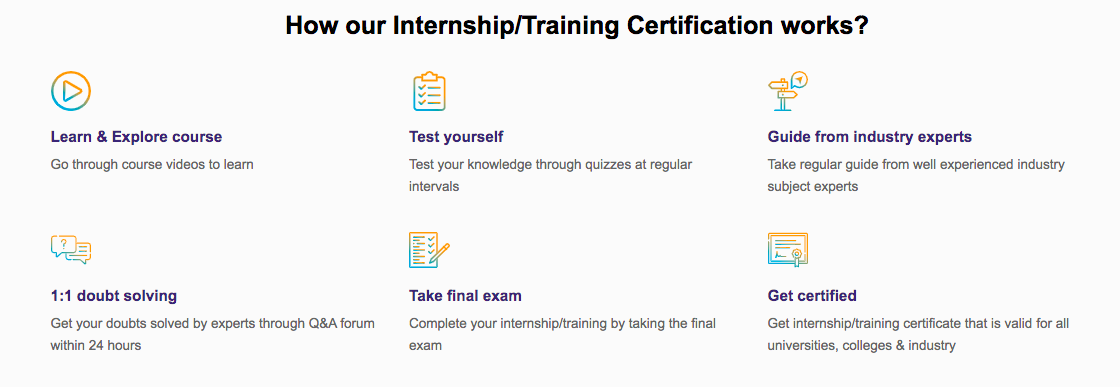
How EasyShiksha Internship/Training Program Works
University: Check teaching, facilities, careers support and international student services. Also confirm that it is a licensed Student sponsor.
Total cost: Calculate tuition, accommodation and everyday expenses — not just the fee shown on the university website.
Visa requirements: Check the latest financial and document rules before paying or applying.
After graduation: Understand employment opportunities and the immigration rules that may apply when you finish.
Kochar puts the final point simply: "Finally, have a realistic plan for what happens after the course."
For Indian students, the key is therefore not just getting an offer letter. Before paying a deposit or submitting a visa application, make sure the course, finances, documents and career plans all fit together.
Anshika Jain is an Engineer, Developer, and Educational Content Author known for her dedication to technology and knowledge sharing. With a strong analytical mindset and a passion for innovation, she has consistently contributed to creating meaningful digital solutions and insightful educational articles.
Her ability to simplify complex technical concepts into engaging and easy-to-understand content makes her work valuable for students and learners across various platforms. Along with her technical expertise, Anshika is admired for her creativity, professionalism, and commitment to continuous learning.
She represents a perfect blend of technical excellence and impactful communication, inspiring others through both her development work and educational contributions.