





PIC Microcontroller meets LabVIEW Step by step guide
Learn to interface PIC Microcontrollers with LabVIEW, controlling devices and visualizing real-world data through PC-based virtual dashboards.
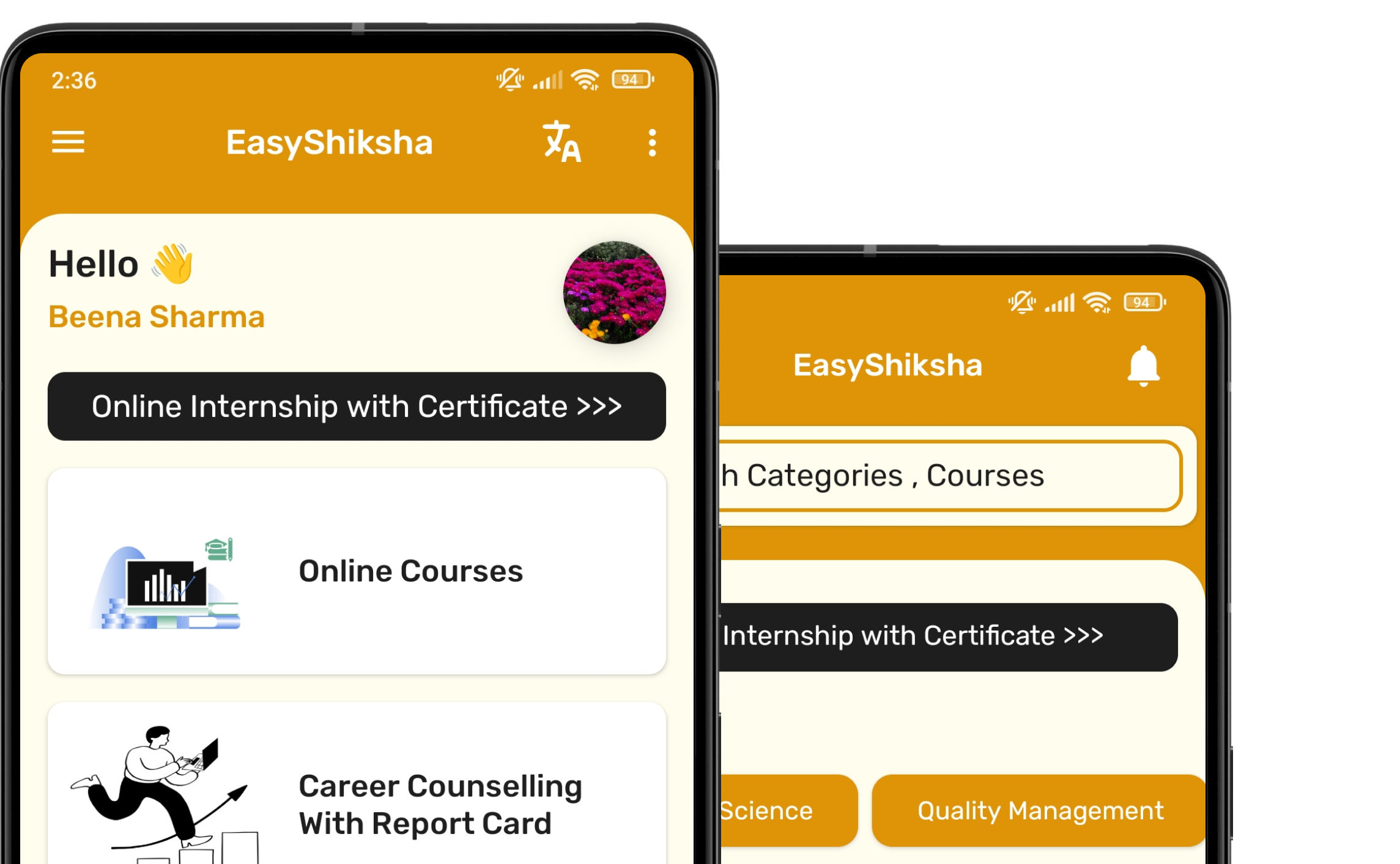
#1 Most Popular Online Course & Internship in Hardware You can enroll today & get certified from EasyShiksha & HawksCode.
 Build real-world projects
Internship with certificate
Resume-ready experience
Beginner to advanced
Lifetime access
Interview prep included
Build real-world projects
Internship with certificate
Resume-ready experience
Beginner to advanced
Lifetime access
Interview prep included
 Updated September 28, 2026
Join 5,00,000+ students already enrolled worldwide
No risk — 30-day full refund guarantee
Start instantly after payment — access in seconds
Certificate + Internship Joining Letter included
Updated September 28, 2026
Join 5,00,000+ students already enrolled worldwide
No risk — 30-day full refund guarantee
Start instantly after payment — access in seconds
Certificate + Internship Joining Letter included

 Free Preview
 13 On-demand Videos
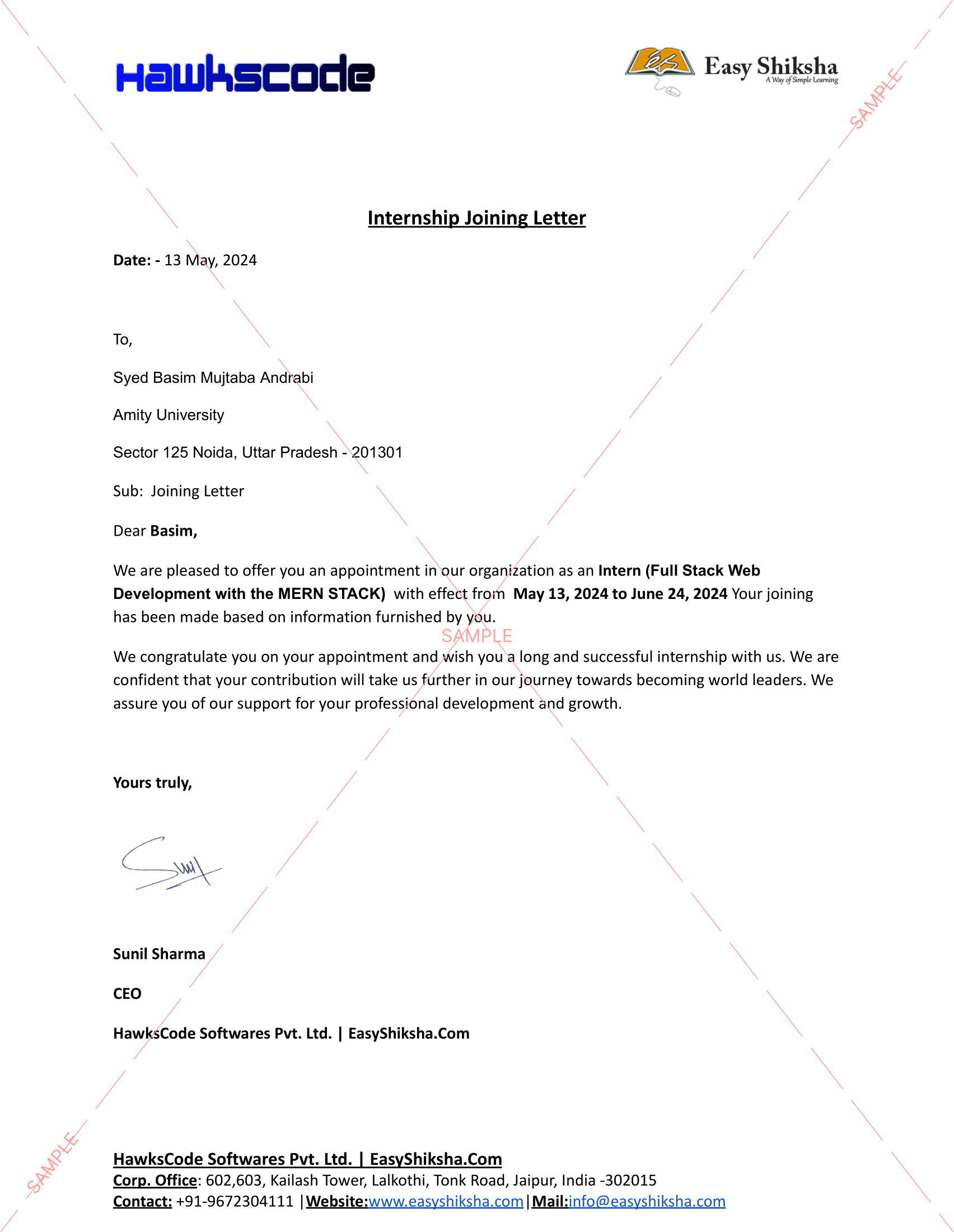
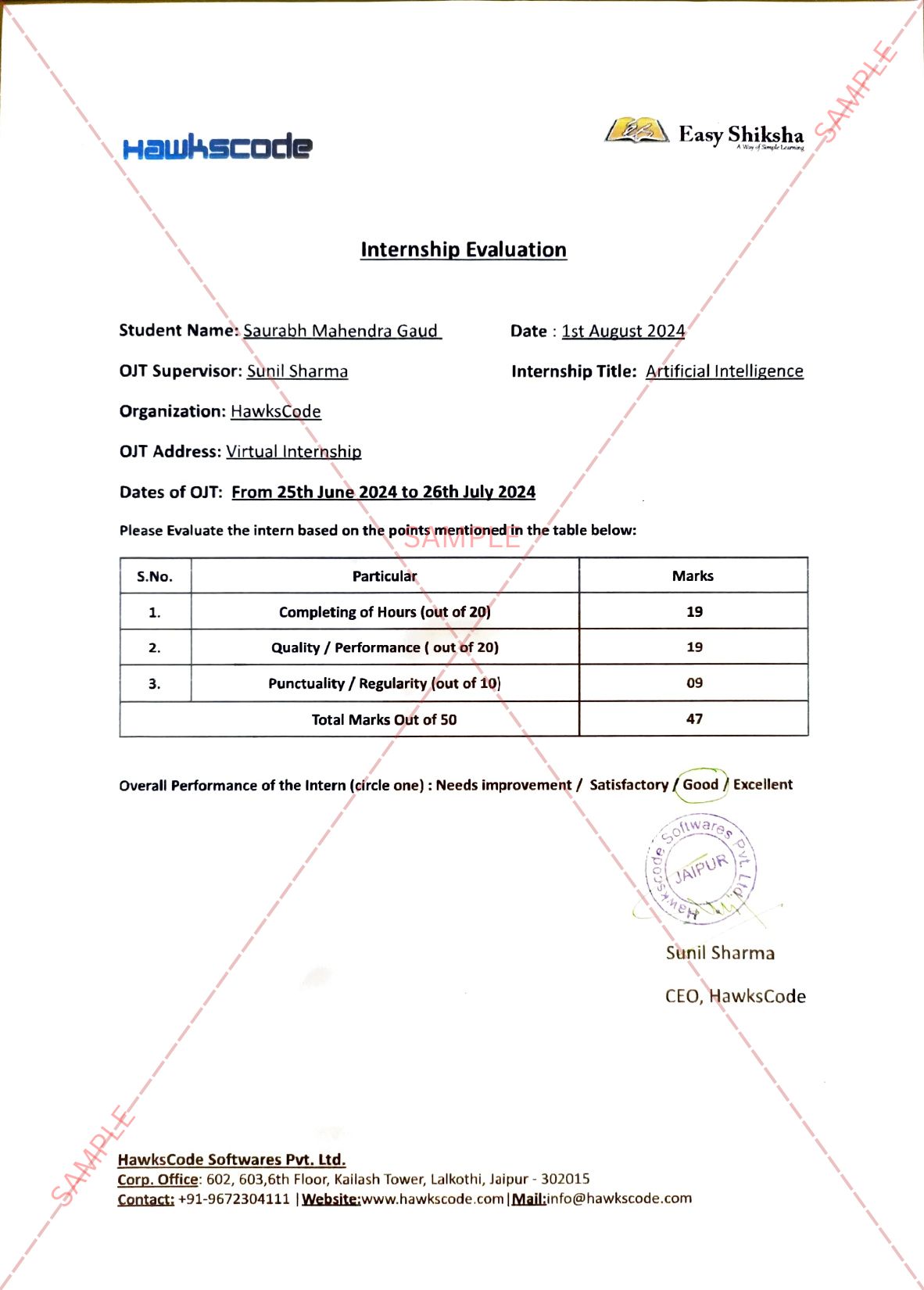
 Internship Joining Letter
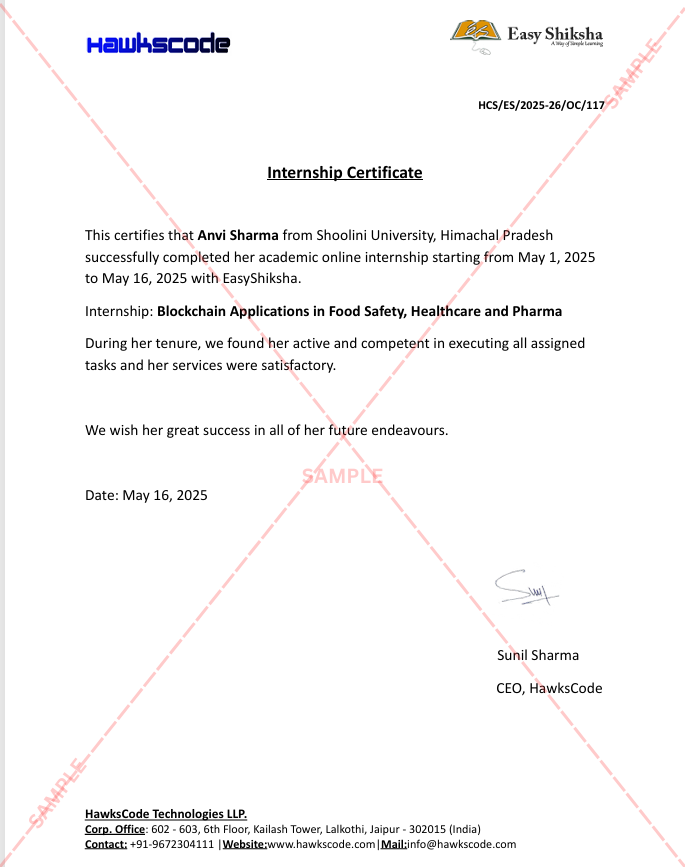
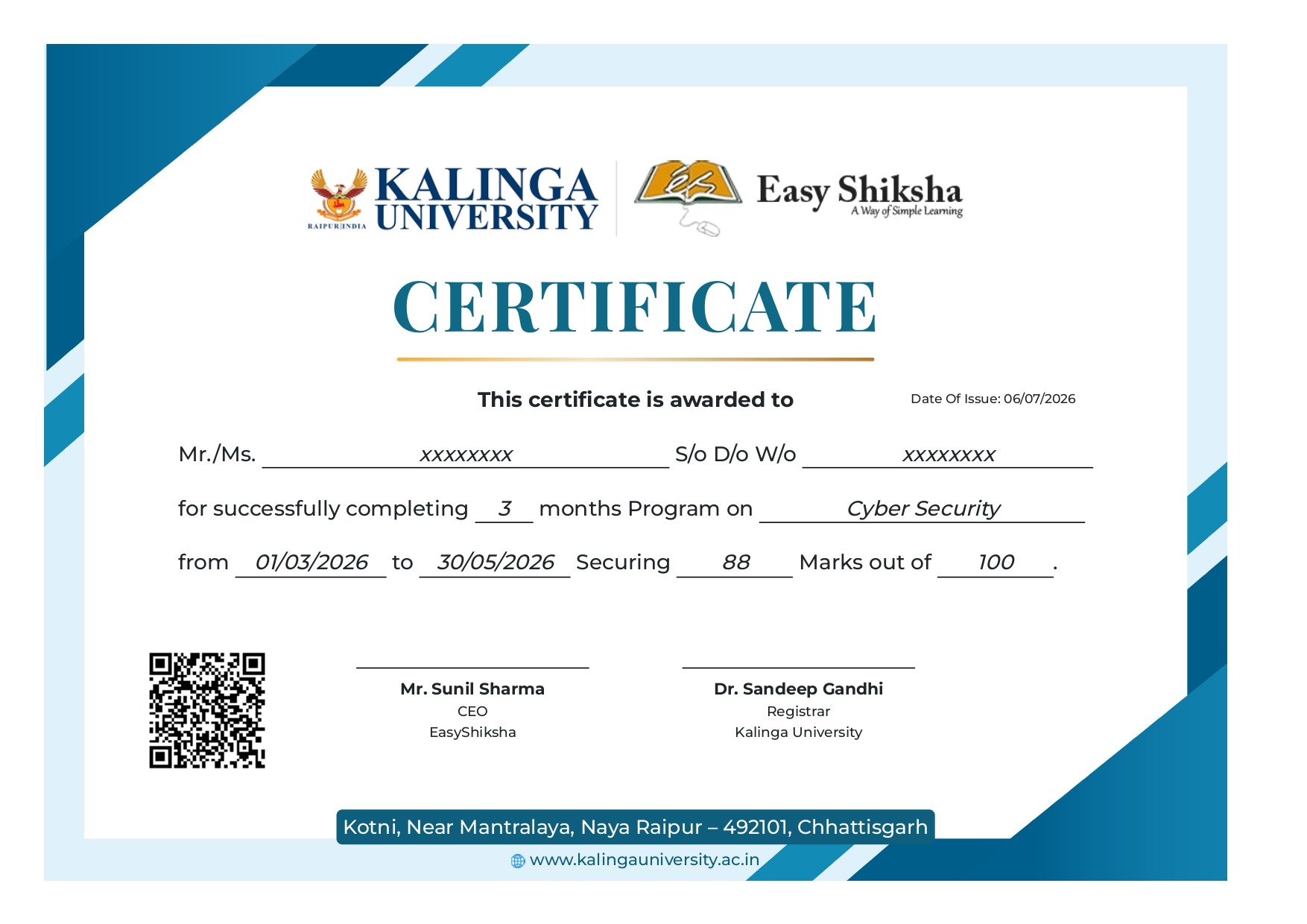
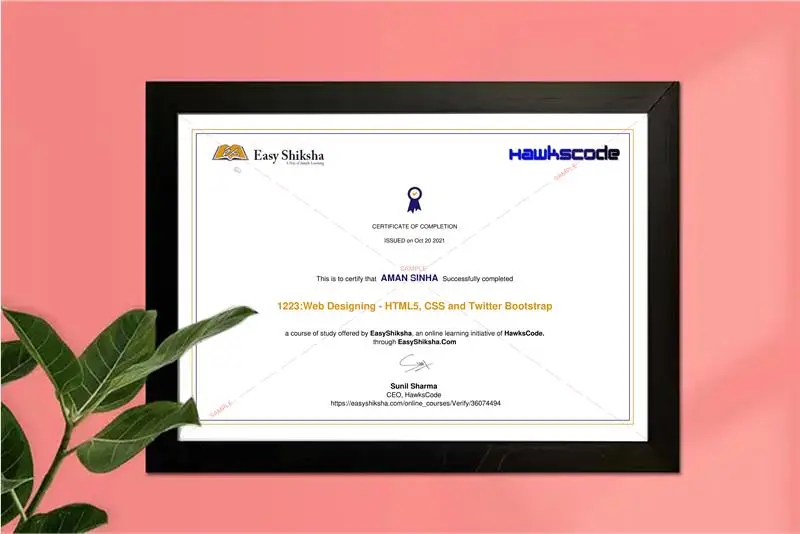
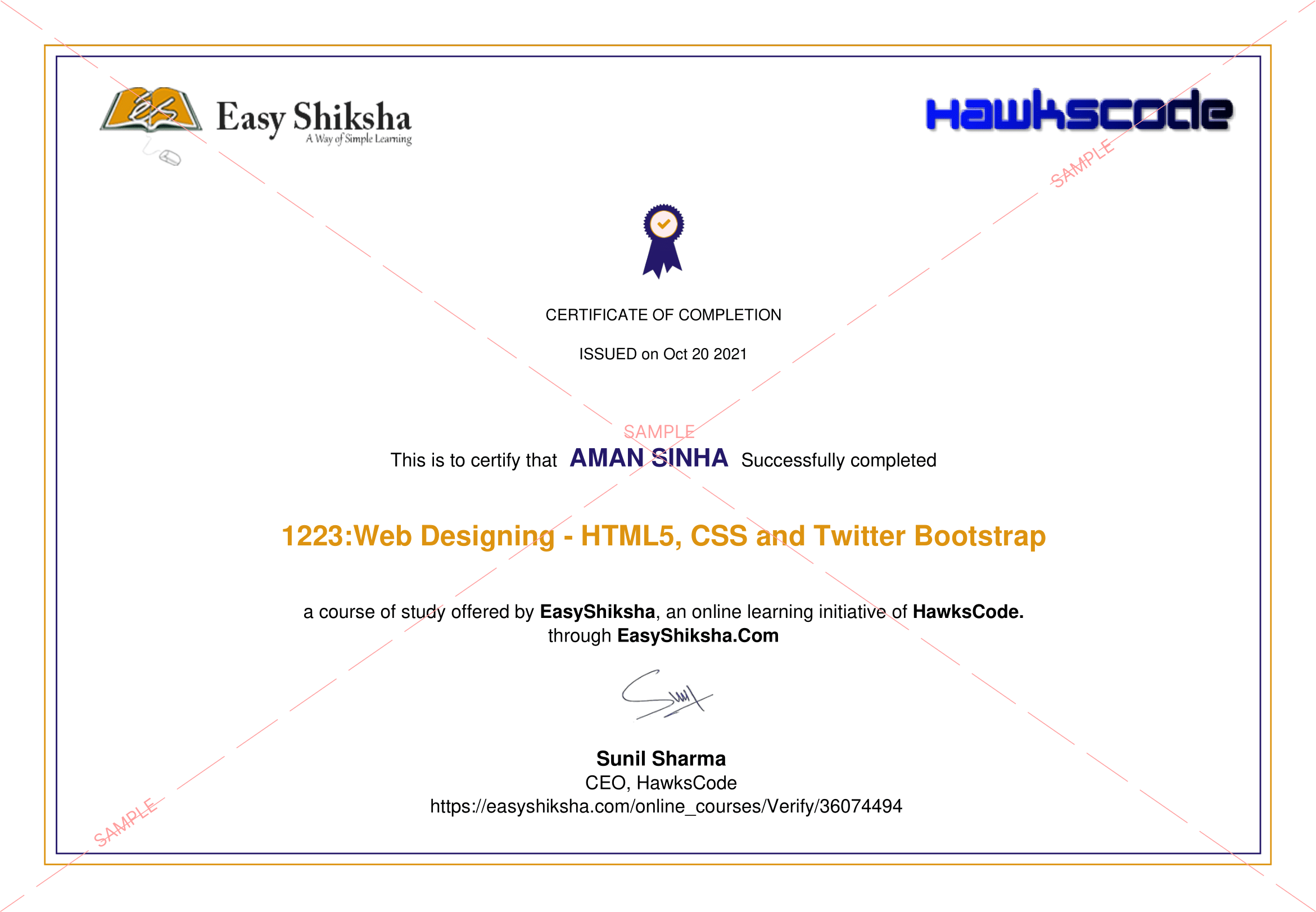
 2 Certificates (Course + Internship)
 Lifetime Access
 1 Quiz + Assignments
 Mobile & Desktop Access



Why This Course and Internship Stands Out
See exactly what separates EasyShiksha students from everyone else
 Watching scattered YouTube
videos with no structure
No certificate — nothing to show
employers
No internship experience on
resume
Wasting months without clear
direction
Struggling to stand out in job
applications
No proof of practical skills
Structured, beginner-to-advanced
learning path
Verified certificate — shareable
on LinkedIn
Real internship offer letter for
your resume
Go from zero to job-ready in one
programme
Resume-ready experience before
graduation
Practical projects you can show
any recruiter
Watching scattered YouTube
videos with no structure
No certificate — nothing to show
employers
No internship experience on
resume
Wasting months without clear
direction
Struggling to stand out in job
applications
No proof of practical skills
Structured, beginner-to-advanced
learning path
Verified certificate — shareable
on LinkedIn
Real internship offer letter for
your resume
Go from zero to job-ready in one
programme
Resume-ready experience before
graduation
Practical projects you can show
any recruiter
Internship Opportunity Included With This Course
"This is not just a course — it's real career experience. Walk away with documents that prove your skills to any employer."


This Course is Perfect For
Whether you're starting from scratch or switching careers — this course is designed with your success in mind.








Microcontroller interfaces are changing today. A new breed of microcontrollers called the PICmicro offers a high-performance interface to LabVIEW programs. This course will help you understand how to integrate the two technologies and work with them effectively.
LabVIEW meets PIC Microcontroller: Step by Step Guide is a course specially created for electronic geeks and engineers who want to take PIC Microcontroller programming to the next level.
Why You Should Take This Course?
- This is a step-by-step guide course that will teach you how to virtualize your PIC Microcontroller on a PC screen using LabVIEW.
- The course includes an introduction to LabVIEW and its interface, as well as basic programming techniques in C.
- Learn how to develop programs using the popular PIC programming language, which is then programmed onto the PIC Microcontroller circuit board.
What Students Are Saying:
- "Thanks a lot for teaching the course. I learnt a lot from this course. Thanks again." - Yves Lebrun
- "Good quality content that meets my exact needs. Thanks." - Fawzi Attalah
- "Thanks for this course, it has everything I needed to know to start my project. Would recommend it to anyone who asks. Thanks." - William Johan
Course Overview: The course lessons will explain “How to work on PIC Microcontroller and LabVIEW” by using C Language and LabVIEW Environment. This course will work best for you if you have basic knowledge of electronics. You will learn how to interface the PIC Microcontroller with LabVIEW.
Why Learn PIC Microcontroller?
If you are an engineering or science student, you might come across projects in which you want physical interaction with your computer system and display the operations on a PC screen. PIC Microcontroller is one of the cost-effective tools which you can create or purchase and start programming to interact with physical elements using your logic and create results the way you want.
Using LabVIEW, you can display various process parameters like motor speed, LED ON/OFF feedback, temperature signal. You can also create unlimited buttons, switches, and message boxes to control the PIC Microcontroller.
At the end of this course, you can create innovative projects. The only thing you need to do is THINKING, WIRING, and CODING.
What You Will Learn
- Introduction to LabVIEW and its interface.
- Basic programming techniques in C for PIC Microcontroller.
- How to develop programs using PIC programming language.
- Interfacing PIC Microcontroller with LabVIEW.
- Virtualizing PIC Microcontroller on a PC screen using LabVIEW.
 Unlock 11 More Lessons + Internship Access

 Missing this = losing the internship credential Missing this = losing your early-access advantage Missing this = falling behind candidates who did enroll



.svg?v1)
 Chat with us first →
 UPI
UPI
 Wallets
 Debit/ Credit card
 NetBanking
 EMIs
13 On-demand Videos Course Completion Certificate
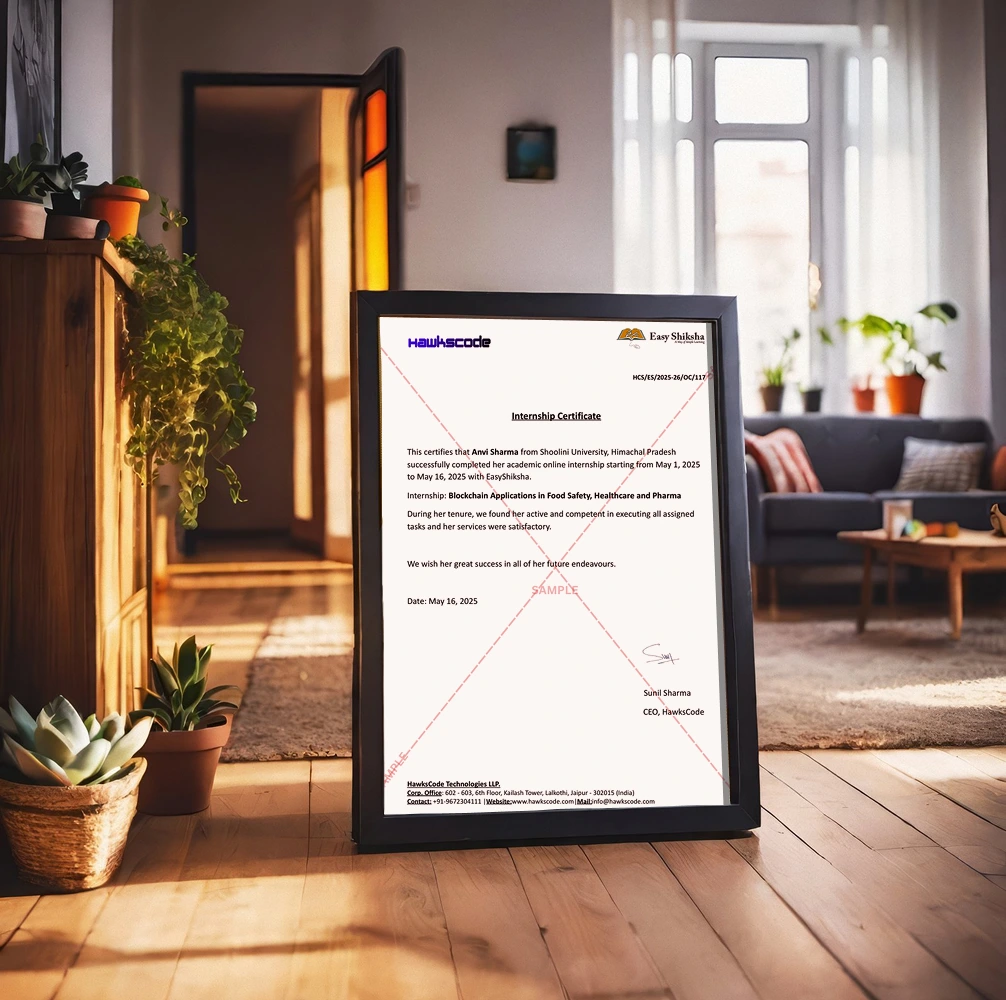
Internship Certificate
Internship Joining/Offer Letter
Letter of Appreciation (LOA)
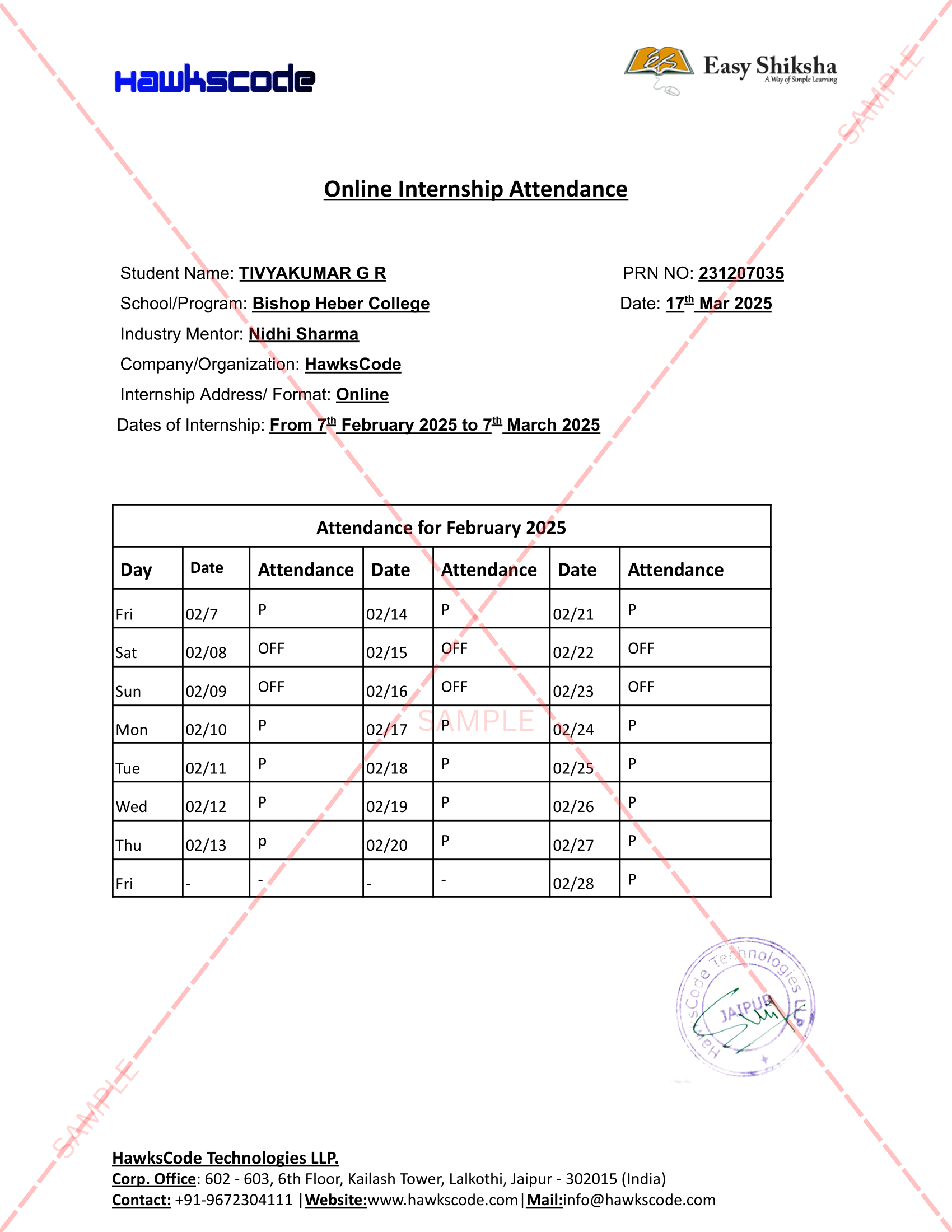
Internship Attendance Report
Internship Evaluation Report
Internship Certificate Hard Copy
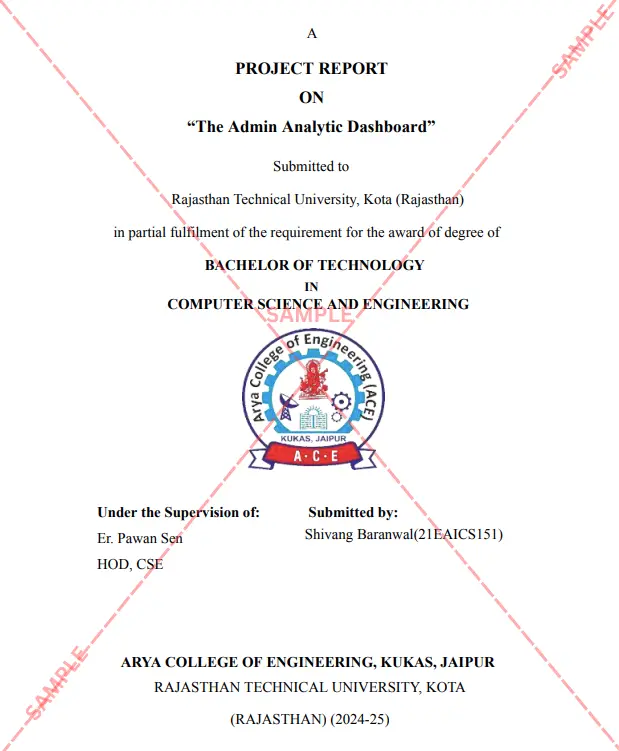
Project Report Assitance
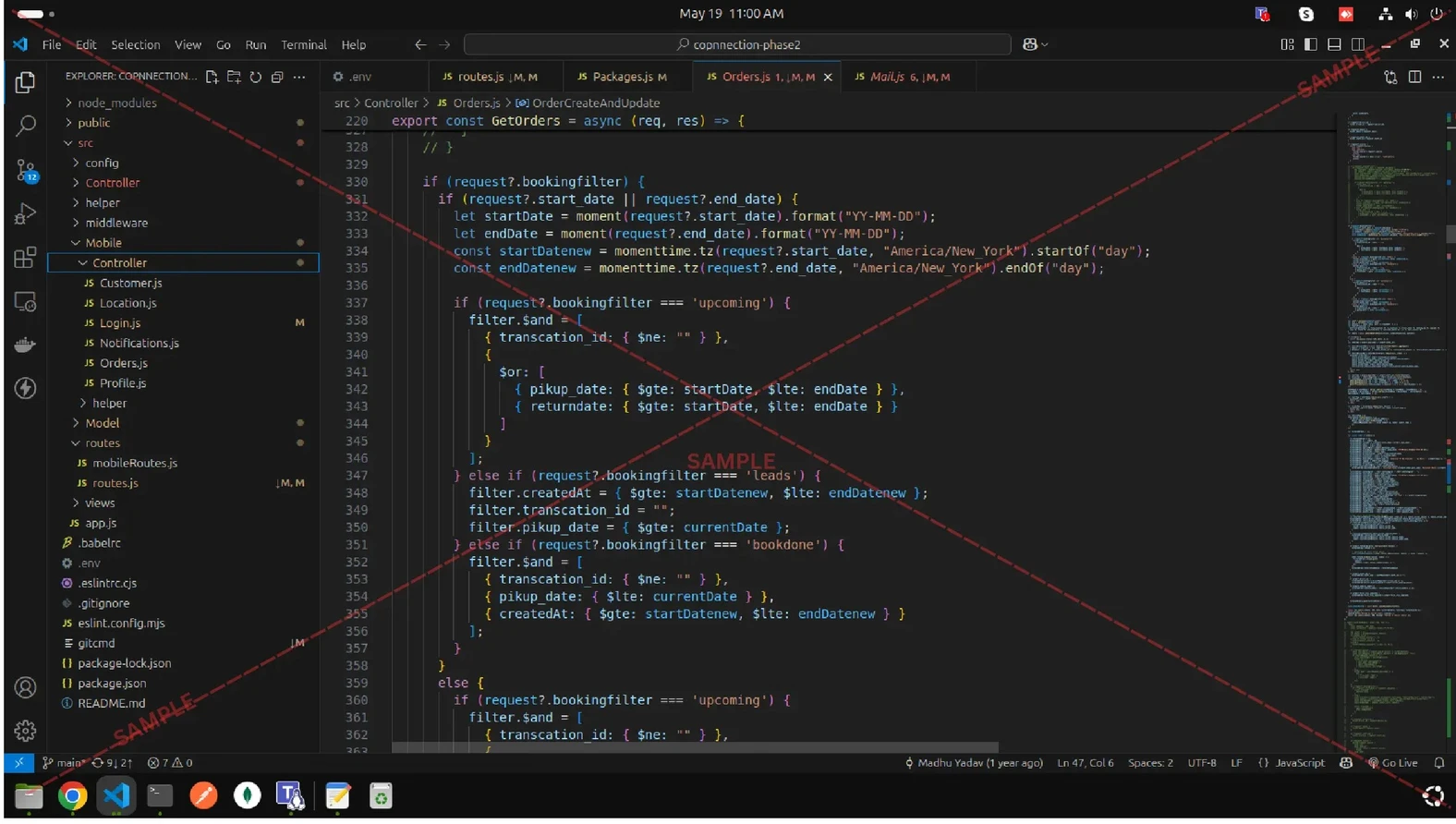
Internship Project Assitance
1:1 Live Mentor Call
Course Certificate in Elegant Wooden Frame
2 Certificates (Course + Internship) Lifetime Access Projects & Assignments 1 Quiz + Assignments
EMIs
13 On-demand Videos Course Completion Certificate
Internship Certificate
Internship Joining/Offer Letter
Letter of Appreciation (LOA)
Internship Attendance Report
Internship Evaluation Report
Internship Certificate Hard Copy
Project Report Assitance
Internship Project Assitance
1:1 Live Mentor Call
Course Certificate in Elegant Wooden Frame
2 Certificates (Course + Internship) Lifetime Access Projects & Assignments 1 Quiz + Assignments
Why Start Now?
The Opportunity Won’t Wait.
Every day you delay is a missed opportunity to grow your skills. Learners who start today gain the advantage — whether it's building skills, improving careers, or unlocking new opportunities.
Still Thinking?
Here's everything that makes this a no-brainer:
No prior experience needed — start from absolute zero Beginner friendly — explained step by step Risk-free — 30-day full refund guarantee One-time payment — access forever Student-friendly pricing — see details at checkout Real internship certificate includedWhat Happens After You Enroll?
From payment to certificate — here's exactly what to expect
 Secure Payment
 Instant Access
30-Day Refund
2 Certificates
Instant Access
30-Day Refund
2 Certificates
Imagine After Completing This Course
Picture yourself 30 days from now — with skills, experience, and credentials that open real doors.




 Includes Internship