Choosing what to study is one of the most important decisions in a student's life, but it is also one of the most confusing. Students are often expected to select subjects, courses, colleges, degrees, and career directions at a time when they are still discovering their interests and understanding their strengths. While some students have a clear idea of what they want to become, many others reach the end of school or college with an uncertain question: “What should I study?”
This uncertainty does not necessarily mean that a student lacks ambition or ability. In many cases, it means that the student has not received enough opportunities to explore different possibilities. A learner may know that they want a successful career but may not understand which subjects, skills, courses, or professional pathways could help them move forward. They may hear about engineering, management, data science, digital marketing, design, artificial intelligence, finance, healthcare, and other fields without knowing how these areas connect to their own interests.
Consider the story of Meera, a student who had recently completed her school education. Her classmates were discussing college admissions, professional degrees, online courses, and career plans. Some had already selected their preferred subjects, while others had decided which entrance examinations they would prepare for. Meera, however, was still uncertain. She enjoyed using technology, writing, organising activities, and solving problems, but she could not identify one specific career that matched all her interests.
Whenever someone asked her what she wanted to study, she usually replied, “I don't know.”
Her uncertainty began to feel like a weakness. She believed that she needed to discover one perfect career before taking her next step. However, as she explored digital learning resources, online courses, quizzes, career guidance, college information, and internship opportunities, she gradually understood that choosing a direction does not always begin with a final decision. Sometimes, it begins with learning what is available and identifying what is worth exploring.
Meera's journey reflects how digital education platforms such as EasyShiksha can help students move from confusion to informed exploration. By connecting online courses, online degrees, quizzes, internships, certificates, career counselling, and educational discovery, a platform can support students as they develop a clearer understanding of their learning and career possibilities.
Understanding Why Students Feel Confused
Students do not make educational decisions in isolation. Their choices are influenced by family expectations, academic performance, social trends, financial considerations, peer pressure, career information, and the availability of educational opportunities. Sometimes, students are encouraged to select a particular subject because it is considered secure or prestigious. In other situations, they choose a course because their friends are choosing it or because they have heard that it offers attractive employment opportunities.
These influences can make it difficult for students to distinguish between what they genuinely want and what they believe they are expected to choose.
Another challenge is the enormous amount of information available online. Students can search for thousands of courses, colleges, degrees, certifications, career videos, professional opinions, and learning platforms within minutes. Although this access can be valuable, it can also create information overload. A student who does not yet understand their interests may become even more confused after encountering too many choices.
The problem is not always a lack of information. It may be the absence of structure.
Students need opportunities to explore subjects, compare learning pathways, test their understanding, ask questions, and connect education with possible career directions. Instead of expecting them to make one permanent decision immediately, the learning process can help them develop clarity gradually.
Meera's First Digital Search
Meera's initial approach to career discovery was similar to that of many students. She opened her browser and searched for phrases such as “best courses after school,” “highest-paying careers,” and “which degree should I choose?” Each search produced a large number of results, but the information did not provide a clear answer.
One article recommended technology-related courses, while another discussed management and business careers. A video focused on government examinations, and another explained the opportunities associated with creative professions. Meera saved several links but found it difficult to decide where to begin.
She eventually realised that she was asking a question that was too broad. Instead of asking, “Which career is the best?” she needed to ask more specific questions about herself.
What subjects did she enjoy learning? Did she prefer solving problems, communicating ideas, creating visual content, analysing information, or working with people? Which skills did she want to develop? Did she want to pursue a degree immediately, explore short-term courses, or gain practical exposure before making a larger decision?
These questions did not provide an instant career answer, but they gave her a more useful starting point.
Her digital journey began when she stopped searching only for a final decision and started searching for opportunities to explore.

Career Clarity Begins With Exploration
Career clarity is often treated as something students must possess before beginning their education. However, clarity can also develop through the learning process itself.
A student may initially be interested in several unrelated areas. By taking introductory courses and participating in practical activities, the student can discover which subjects are engaging and which ones may not match their expectations. Exploration allows students to replace assumptions with experience.
For example, a student may believe that they want to become a programmer because technology careers appear attractive. After completing a beginner coding course, the student may discover an interest in logical problem-solving but may prefer data analysis or automation over software development. Another student may begin with an interest in business and later discover a strong preference for marketing, financial analysis, entrepreneurship, or human resource management.
These discoveries are not failures. They are part of the process of understanding personal interests and abilities.
EasyShiksha can support this exploratory approach by giving students access to different learning categories and educational resources. Instead of forcing a student to select a single direction immediately, a connected digital platform can help them explore multiple areas before making more informed decisions.
The Role of Introductory Online Courses
Introductory online courses can provide students with an accessible way to understand unfamiliar subjects. A beginner-level course allows learners to explore the basic concepts of a field without necessarily committing to a long-term programme at the beginning.
Meera decided to try introductory courses in three areas: digital marketing, programming, and graphic design. She did not select these courses because she was certain that one of them would become her career. She selected them because they represented different types of work that she wanted to understand.
The programming course introduced her to logical thinking, basic coding concepts, and problem-solving. The digital marketing course helped her understand content, audiences, search engines, and online communication. The graphic design course introduced her to visual composition, colour, typography, and creative communication.
As she moved through the courses, she began noticing differences in the way she responded to each subject. She enjoyed the problem-solving aspects of programming, but she was particularly interested in combining communication and creativity with digital tools. This did not immediately define her career, but it helped her identify which areas she wanted to investigate further.
Online courses can therefore function as exploration tools, not only as qualification-building resources.
Quizzes Help Students Test Their Interests and Understanding
Reading about a subject can create curiosity, but actively answering questions can help students understand whether they have grasped the fundamental concepts. Quizzes are useful because they encourage learners to retrieve information, identify gaps, and reflect on their progress.
For students exploring different educational fields, quizzes can also make the discovery process more engaging. After completing an introductory course, a learner can use a quiz to check their understanding of the subject. The results may reveal which concepts they understood easily and which areas require more practice.
Meera used quizzes after completing her introductory courses. In programming, she enjoyed questions that required logical reasoning. In digital marketing, she was interested in questions related to audiences, content planning, and search visibility. In graphic design, she found herself paying greater attention to the relationship between design choices and communication goals.
The quizzes did not determine her career. They helped her observe her learning preferences.
EasyShiksha's quiz-based learning resources can become part of this process by connecting knowledge testing with course exploration. When students use quizzes as learning activities rather than treating them only as examinations, they can gain a better understanding of their strengths and areas for improvement.
Moving Beyond the Pressure to Choose One Perfect Career
Many students believe that they must choose one career and remain committed to it for the rest of their professional lives. This belief can make educational decisions unnecessarily stressful.
The modern professional environment includes changing technologies, emerging job roles, interdisciplinary skills, and opportunities for continuous learning. While educational decisions have real consequences and should be made carefully, students do not always need to predict their entire future at the beginning of their journey.
A more practical approach is to identify a direction that is worth exploring and then continue learning based on experience.
This does not mean that students should make careless decisions or ignore the requirements of a degree or profession. Certain careers require specific qualifications, structured training, or formal examinations. Students should research these requirements before making important educational choices.
However, exploration can help students understand their options before they commit to a longer pathway.
Meera gradually stopped asking, “What will I become?” and began asking, “What should I explore next?” This change reduced the pressure she had placed on herself. She was no longer waiting for a perfect answer before beginning. She was taking practical steps to discover what suited her.
Connecting Interests With Skills
Interests can provide a starting point, but skills help students understand how those interests may translate into practical work.
A student may enjoy social media but need to explore writing, audience research, analytics, communication, and content planning to understand digital marketing more deeply. Someone who enjoys technology may need to practise coding, debugging, logical thinking, and project development. A student interested in finance may explore spreadsheets, financial concepts, data interpretation, and business analysis.
The connection between interests and skills becomes clearer when students practise.
Meera created a simple content plan for a fictional education platform after completing her digital marketing course. She researched potential student audiences, developed content ideas, and considered how educational information could be presented clearly. The project helped her understand that she enjoyed combining research, writing, and digital communication.
The exercise did not make her an expert. It gave her a practical reference point.
Students can use similar activities to investigate different fields. By connecting interests with skills, they can make educational decisions based on more than assumptions or popular opinions.
Why Practical Projects Matter During Exploration
Projects allow students to experience the process of doing something rather than simply learning about it. They also help learners recognise that every field has practical challenges that may not be visible in introductory descriptions.
A programming project may involve errors and debugging. A design project may require repeated revisions. A marketing assignment may involve unclear audiences or changing objectives. A business case study may require students to interpret incomplete information. These challenges can reveal whether a student enjoys the nature of the work.
Meera's project helped her understand that she liked the research and communication aspects of digital marketing, but she also enjoyed using basic design tools. This led her to explore content strategy, digital communication, and creative marketing rather than limiting herself to a single narrow job title.
Projects also create early evidence of learning. Students can document what they attempted, which tools they used, what problems they faced, and what they learned from the process. This evidence may become useful when applying for internships or discussing interests during career counselling.
Career Guidance Can Turn Information Into Direction
Digital information can introduce students to many possibilities, but guidance can help them interpret those possibilities in relation to their own circumstances.
Career counselling can help students consider their interests, academic background, skills, financial situation, preferred learning formats, and long-term goals. It can also encourage students to ask practical questions about eligibility requirements, course duration, professional pathways, and possible career environments.
Meera initially wanted someone to tell her exactly what to study. During a career guidance session, she instead received questions that encouraged her to think more carefully about her preferences. She was asked which activities she enjoyed, what kind of problems she liked solving, whether she preferred independent or collaborative work, and which skills she wanted to improve.
The session did not provide a guaranteed career outcome. It helped her organise her thoughts.
This is an important role for career guidance. It should support informed decision-making rather than replace the student's own responsibility for exploring and evaluating options.
EasyShiksha's career-oriented resources can complement this process by connecting students with learning opportunities and information that may help them move from uncertainty toward structured exploration.
Exploring Colleges and Universities With Better Questions
Choosing a college or university is another stage where students can experience confusion. Many learners begin by searching for institutions based only on popularity, location, rankings, or recommendations from others. These factors may be relevant, but they do not always answer whether a particular institution or programme matches the student's learning needs.
Students should also consider the subjects offered, eligibility criteria, curriculum, learning format, practical opportunities, fees, support services, and possible progression pathways. The importance of each factor will depend on the student's circumstances and educational goals.
Meera initially searched for colleges before deciding what she wanted to study. After exploring different subjects, she changed her approach. She began comparing programmes and asking what each one would allow her to learn and practise.
Instead of searching only for a “good college,” she started asking questions such as whether a programme offered relevant subjects, whether it matched her interests, and whether it provided opportunities to develop practical skills.
Digital college and university discovery resources can help students organise this research. Platforms that bring educational information into a connected environment may make it easier for learners to explore courses and institutions together rather than treating them as completely separate decisions.
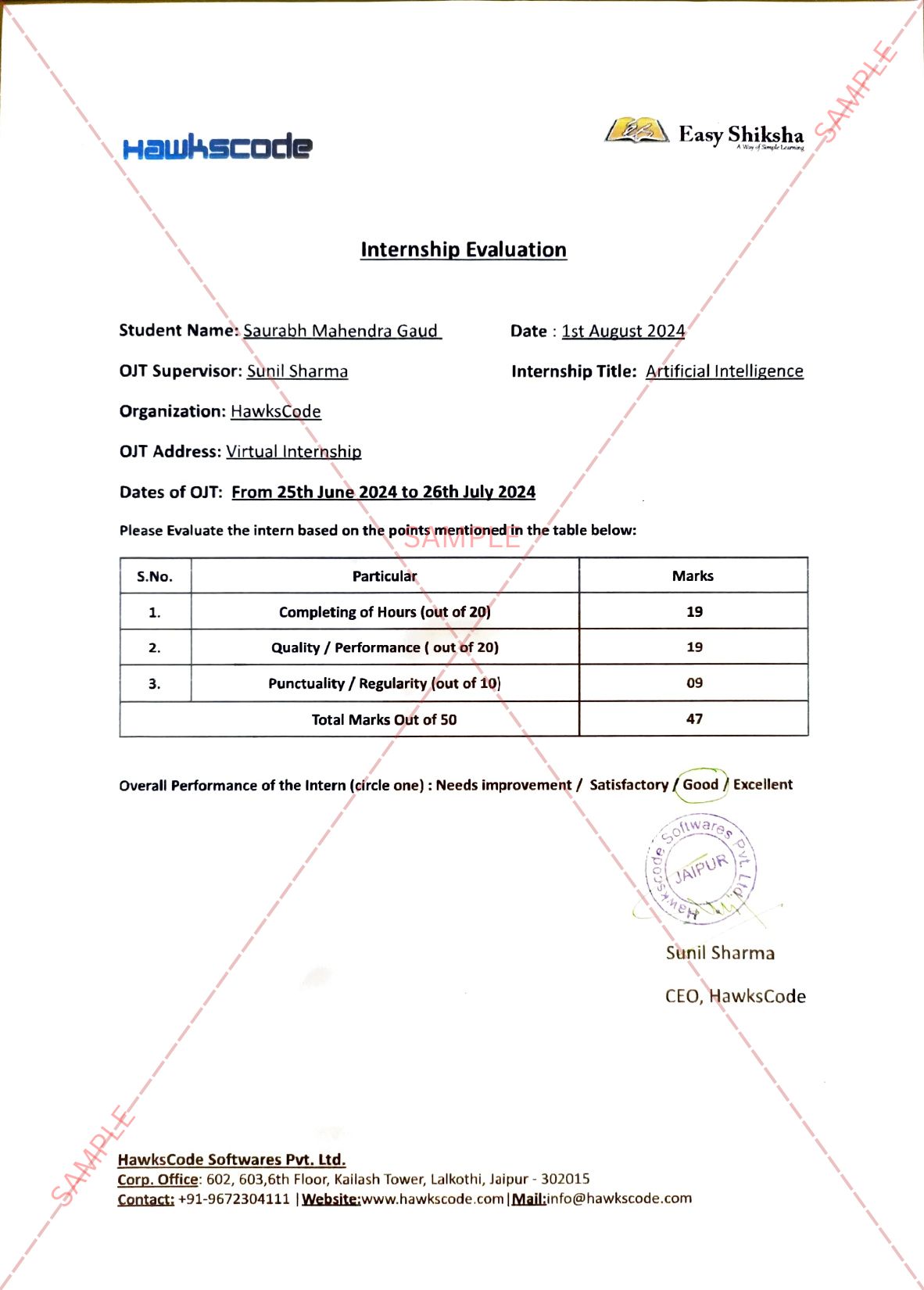
Insights from Internship Students: Testimonials
Online Degrees and Flexible Learning Pathways
Not every student follows the same educational route. Some learners may choose a traditional college programme, while others may explore online degrees, professional courses, certifications, internships, or combinations of different learning experiences.
Online degrees can provide flexibility for learners who need to balance education with work, personal responsibilities, location-related limitations, or other commitments. However, students should carefully verify programme recognition, eligibility, curriculum, assessment methods, fees, and institutional information before enrolling.
Short-term online courses can also help students develop foundational knowledge or supplement a formal degree. The suitability of a particular pathway depends on the student's goals and the requirements of the intended profession.
Meera considered an online learning option alongside traditional educational choices. She understood that an online course and a formal degree serve different purposes, and she began evaluating them according to her own needs rather than assuming that one format was suitable for everyone.
EasyShiksha's combination of online courses and online degree discovery reflects the importance of providing students with multiple educational choices. The platform can serve as a starting point for exploring learning opportunities, while students should independently verify official programme details before making enrolment decisions.
Internships Help Students Explore Professional Reality
An internship can help students understand what a field looks like beyond classroom learning. It may introduce them to professional communication, workplace tools, deadlines, teamwork, task management, and feedback.
For students who are unsure about their career direction, internships can provide useful exposure. A learner interested in marketing may discover that they enjoy content creation but prefer research and analytics over social media management. Someone interested in technology may find that they enjoy testing or documentation more than application development.
Meera began searching for beginner-friendly internship opportunities after completing her introductory courses and practical project. She did not expect an internship to answer every career question, but she wanted to understand how digital marketing work was organised in a professional setting.
During the experience, she assisted with content research and basic planning tasks. She learned that professional work required coordination, revisions, consistency, and attention to audience needs. She also realised that some activities she had enjoyed independently were less interesting when performed repeatedly under deadlines.
This experience helped her make a more informed decision about the skills she wanted to develop next.
EasyShiksha's internship opportunities can support students who want to connect learning with practical exposure. Internships should be approached as learning experiences in which students understand the role, responsibilities, expectations, and conditions before participating.
The Value of Building a Learning Profile
A student's educational journey can become easier to understand when learning activities are recorded and connected over time.
A digital learning profile may include courses completed, quizzes attempted, projects developed, certificates earned, internship experiences, and areas explored. Such a profile can help students reflect on their progress and identify patterns in their interests.
For Meera, maintaining a record of her activities helped her see how her interests were developing. At first, she had explored programming, digital marketing, and design without a clear direction. Later, she noticed that her strongest interest was in combining communication, research, and digital tools.
The profile did not make the decision for her. It helped her review her own journey.
A connected learning profile can also support future applications by helping students organise information about their skills and experiences. Students should present their work honestly and distinguish between completed coursework, independent projects, and professional experience.
Learning Through Small Experiments
Career exploration does not always require a major investment at the beginning. Small, structured experiments can help students learn about different subjects before making larger commitments.
A student interested in writing might create a short educational article. Someone curious about programming might build a basic application. A learner exploring finance might analyse a sample dataset. A student interested in design might create a simple visual project. Someone considering teaching might prepare an explanation of a topic for a younger learner.
The purpose of these activities is not to produce perfect professional work. It is to experience the basic nature of the activity and reflect on the process.
Meera began treating every new subject as a small experiment. She gave herself time to understand the basics, attempted a practical task, and reflected on what she enjoyed or found difficult. This approach allowed her to explore without feeling that every activity had to become a permanent career decision.
Small experiments can also help students identify the skills they need to develop before pursuing more advanced courses or internships.
The Importance of Reflecting on Learning
Exploration becomes more useful when students reflect on what they have experienced. Simply completing courses or projects may not be enough if learners never consider what those activities taught them about their interests and abilities.
Reflection can involve reviewing which tasks were engaging, which concepts were difficult, which skills improved, and which activities students would like to repeat. It can also include thinking about the kind of work environment they prefer and the challenges they are willing to practise overcoming.
Meera began writing short reflections after completing each course and project. She recorded what she enjoyed, what she found difficult, and what she wanted to investigate further. Over time, these reflections helped her recognise that she preferred work combining research, writing, creativity, and digital communication.
This process gave her a clearer direction without requiring her to make an immediate lifelong commitment.
Digital learning platforms can encourage this type of continuous development by helping students move between learning resources, assessments, projects, and practical opportunities.
Avoiding Decisions Based Only on Trends
Career trends can provide useful information, but they should not become the only basis for choosing a course or profession. New technologies and industries may create opportunities, yet students still need to consider their interests, abilities, learning requirements, and willingness to develop the necessary skills.
For example, artificial intelligence has increased interest in technology-related education. However, students should explore what different AI-related roles involve rather than choosing a course simply because the field is popular. They may need to understand mathematics, programming, data, communication, research, or domain-specific knowledge depending on the pathway they consider.
Meera initially felt pressure to choose a field that appeared popular online. As she explored different subjects, she realised that long-term learning would be easier if she selected an area that genuinely interested her and matched her willingness to practise.
Trends can inform exploration, but personal understanding and careful research should remain important parts of educational decision-making.
How EasyShiksha Can Support the Exploration Process
A student's journey from uncertainty to exploration often involves several connected activities. They may need to discover educational options, learn foundational concepts, test their knowledge, practise skills, receive guidance, compare programmes, and gain practical exposure.
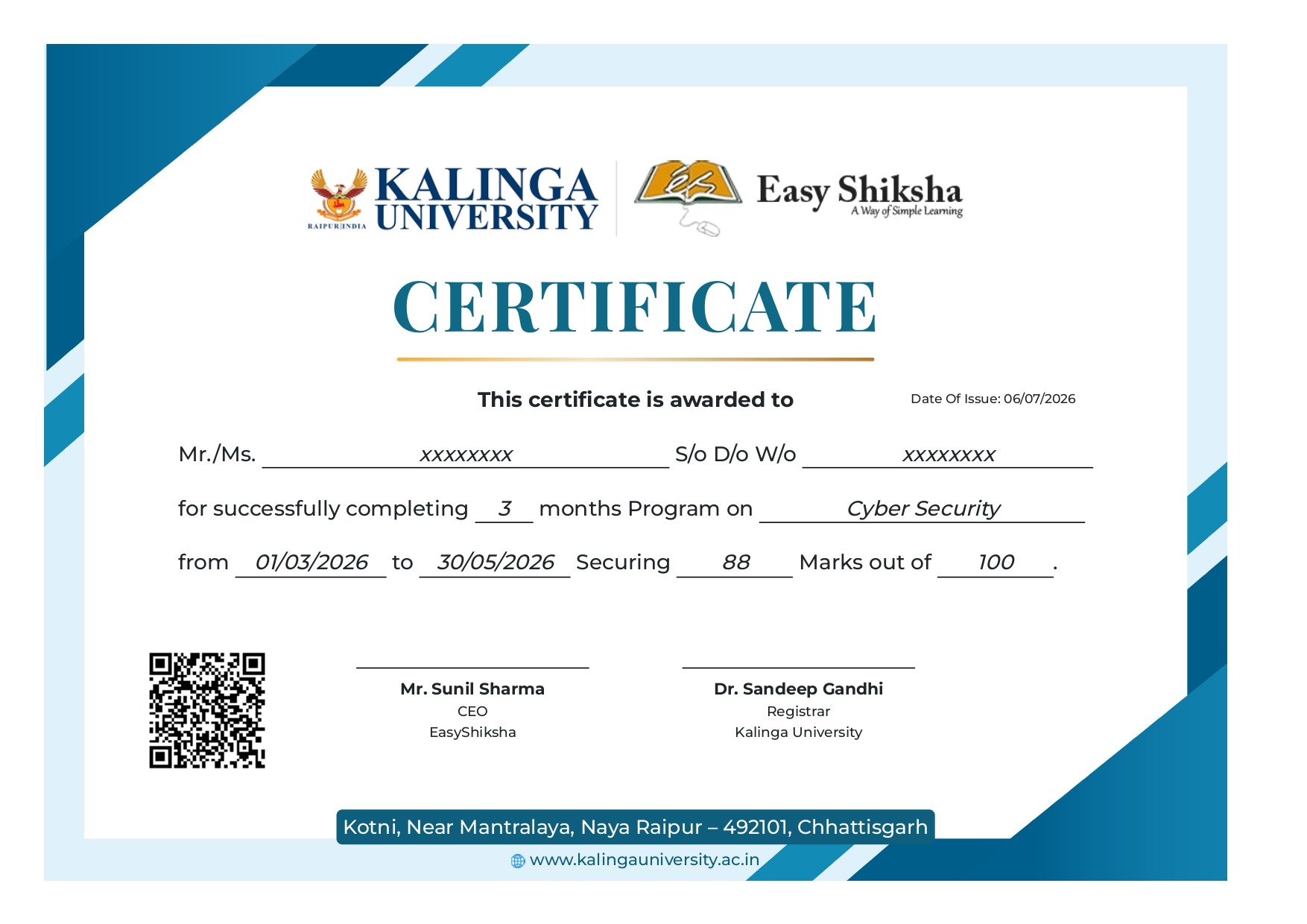
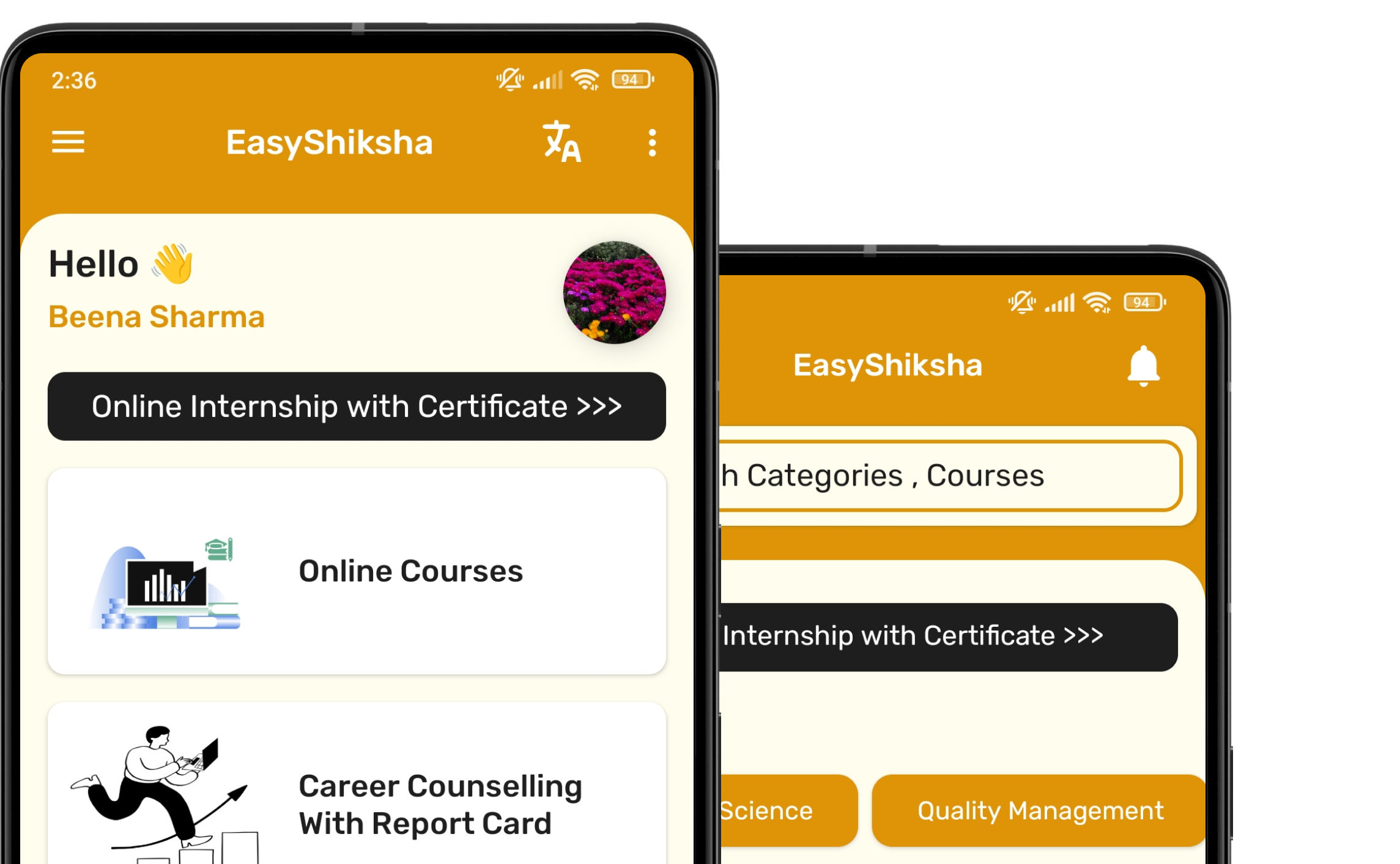
EasyShiksha brings together several of these opportunities through its online education ecosystem, including online courses, online degrees, quizzes, internships, certificates, career counselling, and school, college, and university discovery resources. This combination can help students approach education as a continuing journey rather than a series of unrelated decisions.
A student can begin by exploring a subject through a course, use quizzes to test understanding, practise through an assignment or project, and then investigate internships or additional learning opportunities. Another student may use career guidance to identify potential directions before comparing relevant courses or degree options.
The platform does not eliminate the need for student responsibility or independent research. Instead, it can provide a structured starting point for learners who need to explore different possibilities.
The most valuable outcome is not that every student immediately discovers one fixed career. It is that students develop better questions, gain relevant knowledge, practise skills, and become more confident in making informed choices.
From “I Don't Know” to “I Know What to Explore”
After several months of exploration, Meera still did not have every detail of her professional future decided. However, her answer to the question “What do you want to study?” had changed.
Earlier, she would say, “I don't know.”
Now, she could explain that she wanted to explore digital marketing, content strategy, communication, and creative technology. She understood that she needed to improve her writing, research, analytics, and design skills. She had completed introductory courses, taken quizzes, created a practical project, and gained initial internship exposure.
Her response was not a final career declaration. It was a more informed starting point.
This distinction is important. Educational clarity does not always mean having one unchangeable plan. It can mean understanding the next reasonable step and knowing how to continue exploring.
Meera's journey also changed how she viewed uncertainty. She no longer considered not knowing everything to be a personal failure. She understood that exploration, practice, guidance, and reflection could help her make progress.
- Career Helper suggests occupations that correspond to your interests, values, aspirations, and personality.
-
Career Helper consists of:
- IQ Test
- Basic Test
- Advance Test
- Psychometric Test
- Know your talents, skills, strengths, and weaknesses.
- Choose the profession that suits you best.
- Get best career guidance by Experts.
- Explore various career options in India with EasyShiksha.
Creating a More Informed Digital Learning Journey
A successful digital learning journey should not be measured only by the number of courses completed or certificates earned. It should also reflect how effectively students understand their interests, test their knowledge, practise skills, and connect learning with future possibilities.
Students can benefit from beginning with curiosity and then developing a structured approach to exploration. They can use introductory courses to understand unfamiliar subjects, quizzes to test foundational knowledge, projects to practise application, internships to gain professional exposure, and career guidance to evaluate possible directions.
The process may not be identical for every learner. Some students may begin with a degree search, while others may start with a short online course. Some may discover their interests through games and interactive activities, while others may prefer practical assignments or counselling sessions. What matters is that the learning journey provides opportunities for discovery and reflection.
A connected platform such as EasyShiksha can support these different starting points by offering multiple educational resources within one broader ecosystem.
Conclusion: Exploration Is the Beginning of Clarity
The journey from “I don't know what to study” to “I know what to explore” is not about finding an immediate and perfect answer. It is about replacing uncertainty with meaningful questions, practical learning, and informed discovery.
Meera's experience shows how students can begin with confusion and gradually develop direction through introductory courses, quizzes, projects, career guidance, college discovery, and internships. Each activity helps them understand something about the available opportunities and their own interests.
Students do not need to know every detail of their professional future before beginning their learning journey. They do, however, benefit from approaching education with curiosity, responsibility, and a willingness to practise.
Online education platforms such as EasyShiksha can support this process by connecting courses, online degrees, quizzes, certificates, internships, career counselling, and educational discovery in one digital environment. Such an approach allows students to explore different possibilities while building knowledge and practical experience.