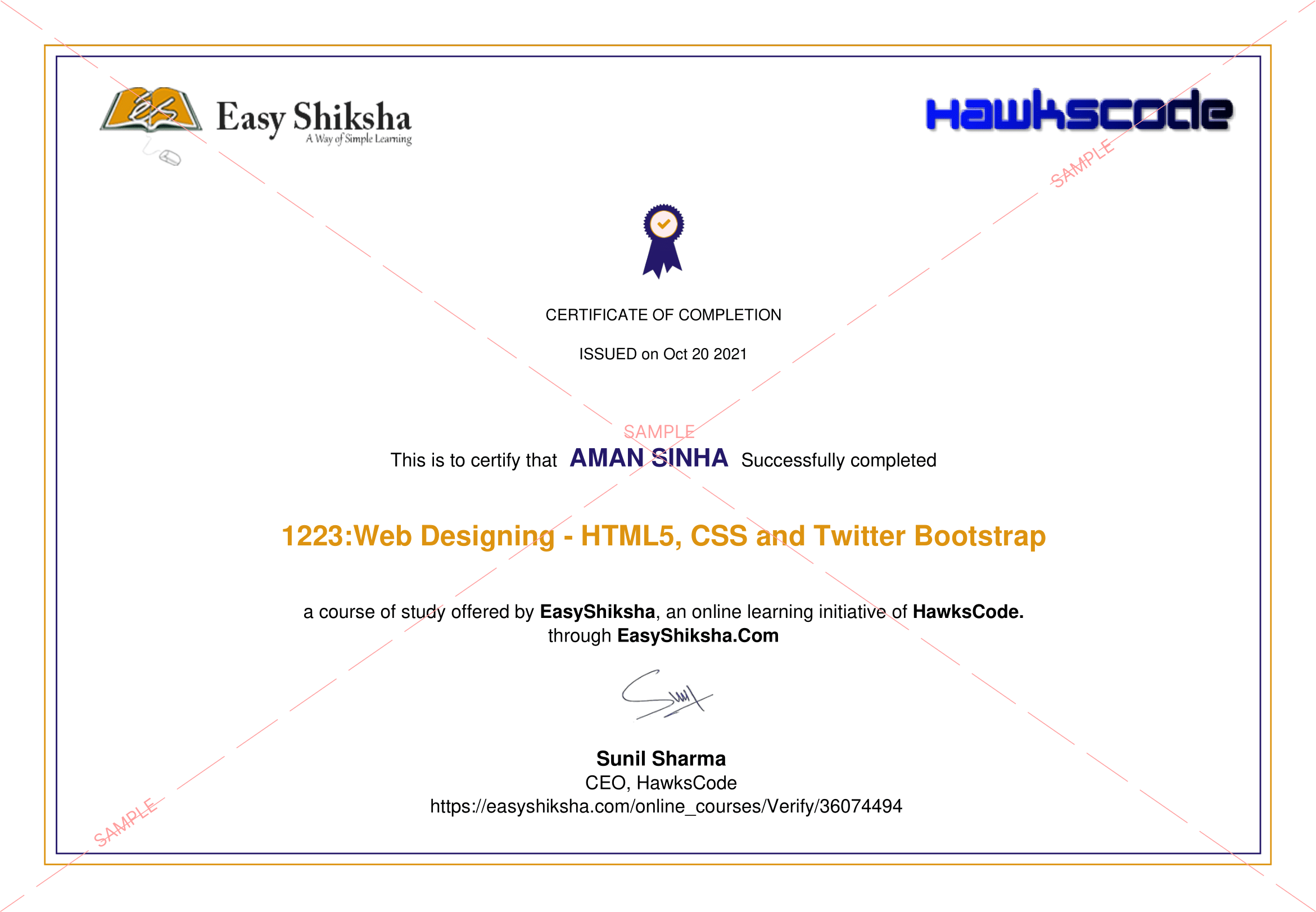
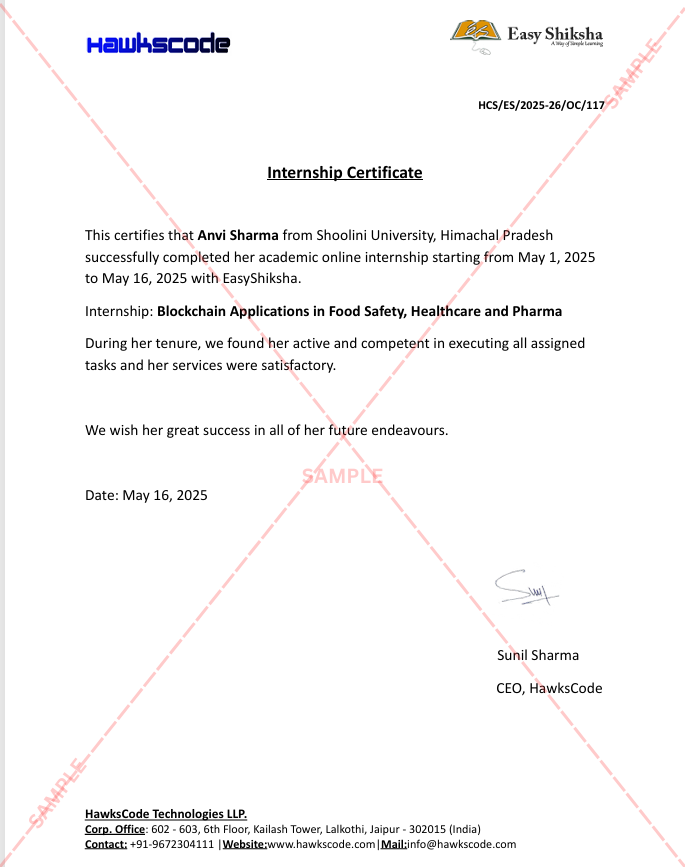
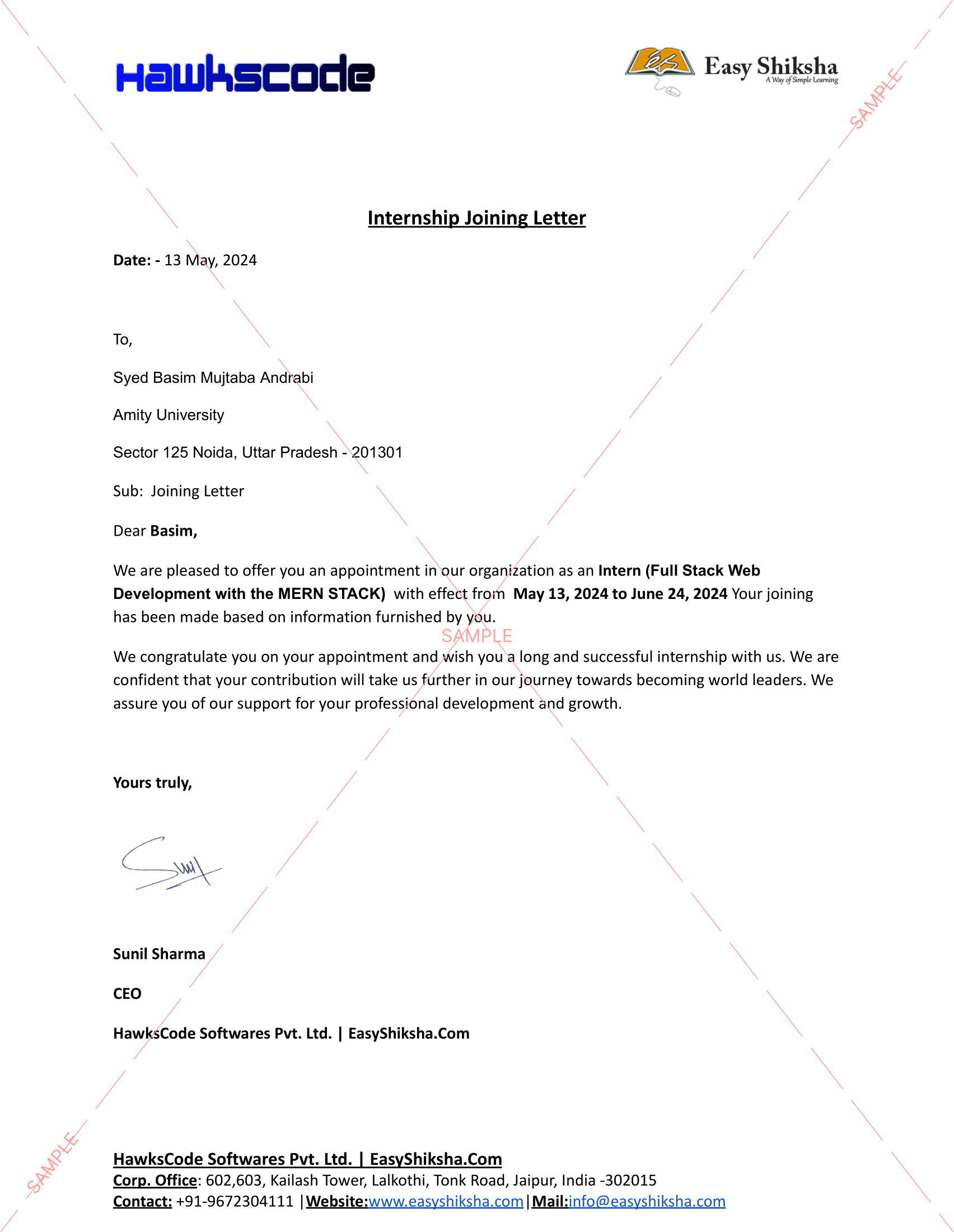
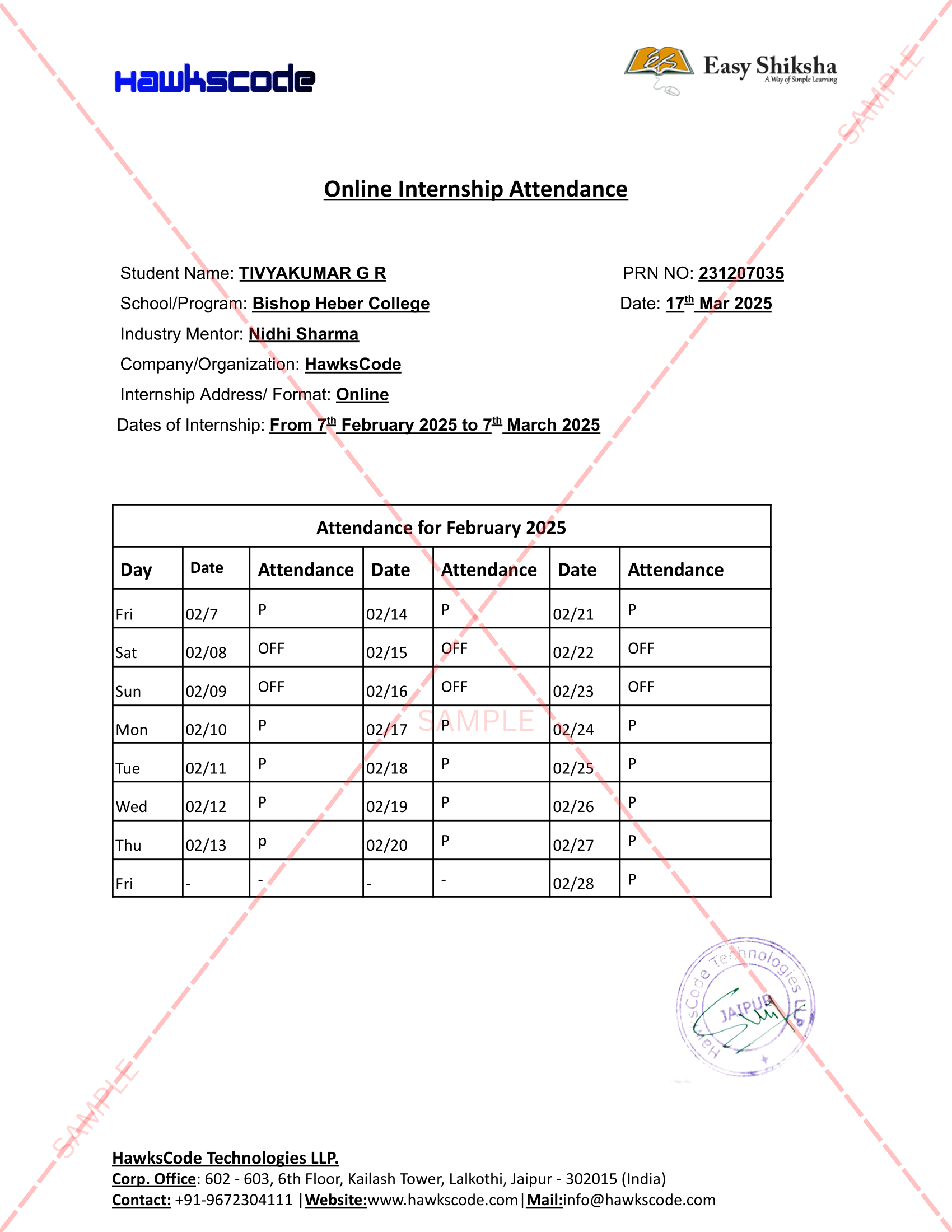
In an era where traditional MBA programs can cost tens of thousands of dollars, many ambitious learners are seeking affordable alternatives that still deliver tangible, career-ready skills. The concept of a DIY MBA (Do-It-Yourself MBA) has emerged as a powerful solution, combining low-cost online lectures, practical projects, and virtual internships to create a self-directed pathway to mastery in business and management.
This approach democratizes business education, allowing learners to acquire knowledge, gain hands-on experience, and develop professional skills without incurring the financial burden of traditional programs. By emphasizing real-world outcomes over theoretical memorization, the DIY MBA model equips innovators, entrepreneurs, and aspiring professionals with the tools needed to excel in today’s competitive market.
Understanding the DIY MBA Concept
What is a DIY MBA?
A DIY MBA is a self-guided business education program built using publicly available resources, affordable online courses, and practical experiences. It allows learners to:
- Curate content tailored to their goals
- Focus on actionable skills instead of rote theory
- Combine learning with real-world practice
- Control the pace and scope of their education
Unlike traditional MBAs, which often emphasize case studies, lectures, and exams within a rigid schedule, a DIY MBA is flexible, project-oriented, and outcomes-driven.
Why DIY MBAs Are Gaining Popularity
Several factors contribute to the rise of DIY MBAs:
- High cost of traditional MBAs: Tuition, accommodation, and opportunity costs can exceed $100,000.
- Practical skill gaps in traditional programs: Many graduates struggle to apply theory in real business environments.
- Access to affordable online education: Platforms like EasyShiksha, Coursera, and LinkedIn Learning provide low-cost courses.
- Growing entrepreneurial culture: Individuals prefer learning that enables them to launch startups or freelance businesses quickly.
This combination of accessibility, affordability, and practical relevance makes the DIY MBA a compelling alternative.
Building a DIY MBA Curriculum
A robust DIY MBA curriculum integrates core business knowledge with hands-on application. It can be structured around three pillars: lectures, projects, and internships.
Core Lectures
Low-cost online lectures provide foundational knowledge in key business domains:
- Accounting & Finance: Understanding balance sheets, income statements, and financial ratios.
- Marketing: Fundamentals of market research, branding, SEO, and digital campaigns.
- Operations Management: Efficient process design, supply chain basics, and productivity optimization.
- Strategy: Competitive analysis, market positioning, and business modeling.
- Leadership & Management: Decision-making, team management, and organizational behavior.
These lectures can be sourced from:
- MOOCs (Massive Open Online Courses)
- OpenCourseWare from universities
- Webinars and tutorials from industry professionals
- Affordable platforms such as EasyShiksha, Udemy, or edX
By choosing quality content at minimal cost, learners can cover all the foundational topics of a traditional MBA without a hefty financial commitment.
Project-Based Learning
Knowledge alone is insufficient — learners must apply concepts to real-world scenarios. DIY MBA projects allow students to:
- Run a small-scale marketing campaign
- Analyze the financials of a local business
- Create a startup business plan
- Build operational workflows for an online store
Benefits of Project-Based Learning:
- Provides evidence of competence for employers or clients
- Encourages problem-solving and critical thinking
- Builds a portfolio of work that demonstrates applied skills
For example, a student might launch a social media campaign for a small business, measure results, and iterate strategies — effectively translating theory into actionable skills.
Virtual Internships
Internships bridge the gap between learning and employment. Low-cost or remote internships provide:
- Hands-on experience: Working with companies on live projects
- Mentorship: Guidance from experienced professionals
- Professional networking: Building connections that can lead to career opportunities
Internships may be sourced from:
- Remote internship platforms
- Startup collaboration programs
- Project-based freelance work
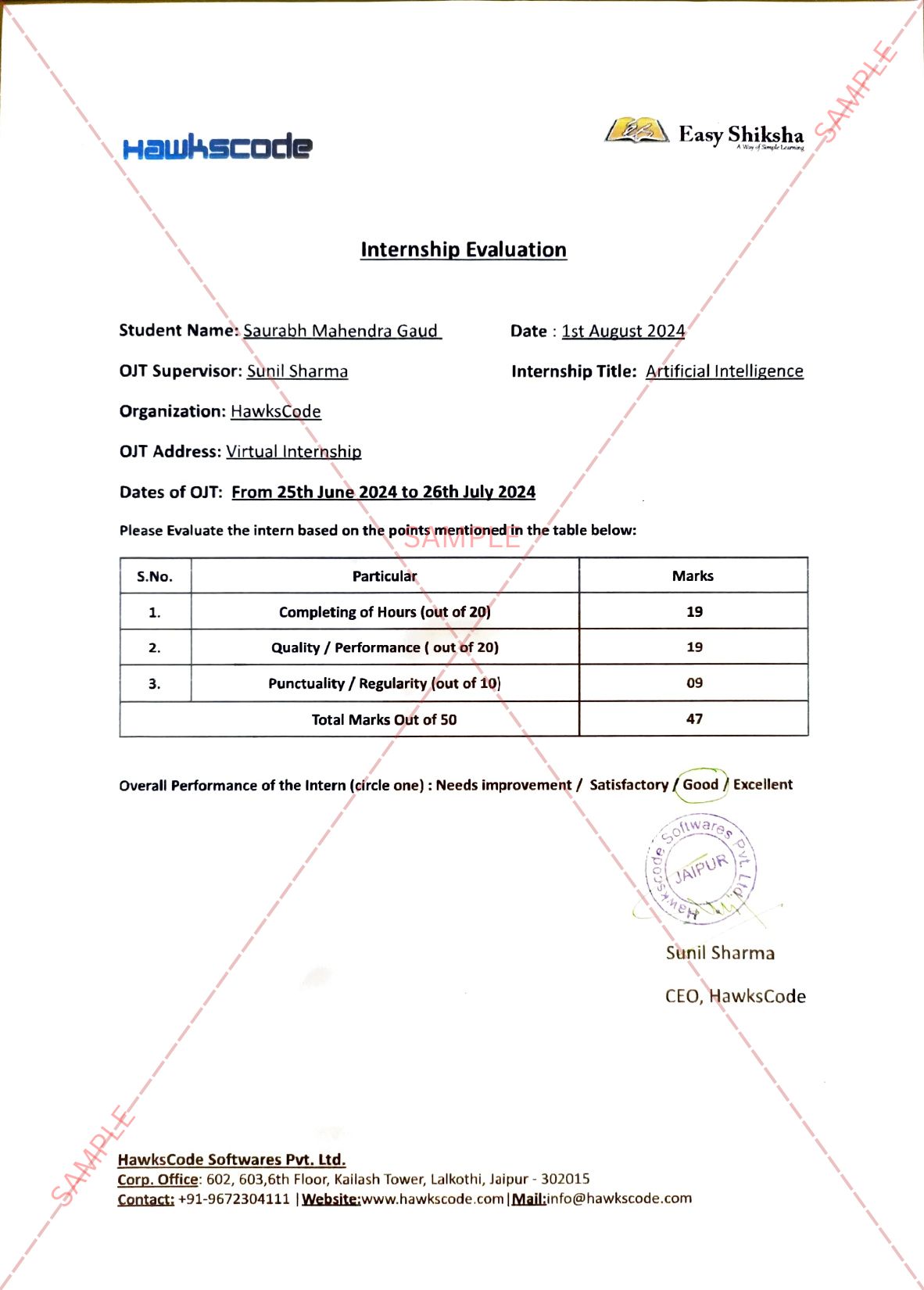
Interns gain real-world deliverables such as marketing analytics reports, business strategies, and product development plans, which significantly enhance employability.
Low-Cost Lectures: Accessing Quality Education Affordably
Leveraging Online Platforms
Many online platforms offer high-quality, affordable or free lectures. Key resources include:
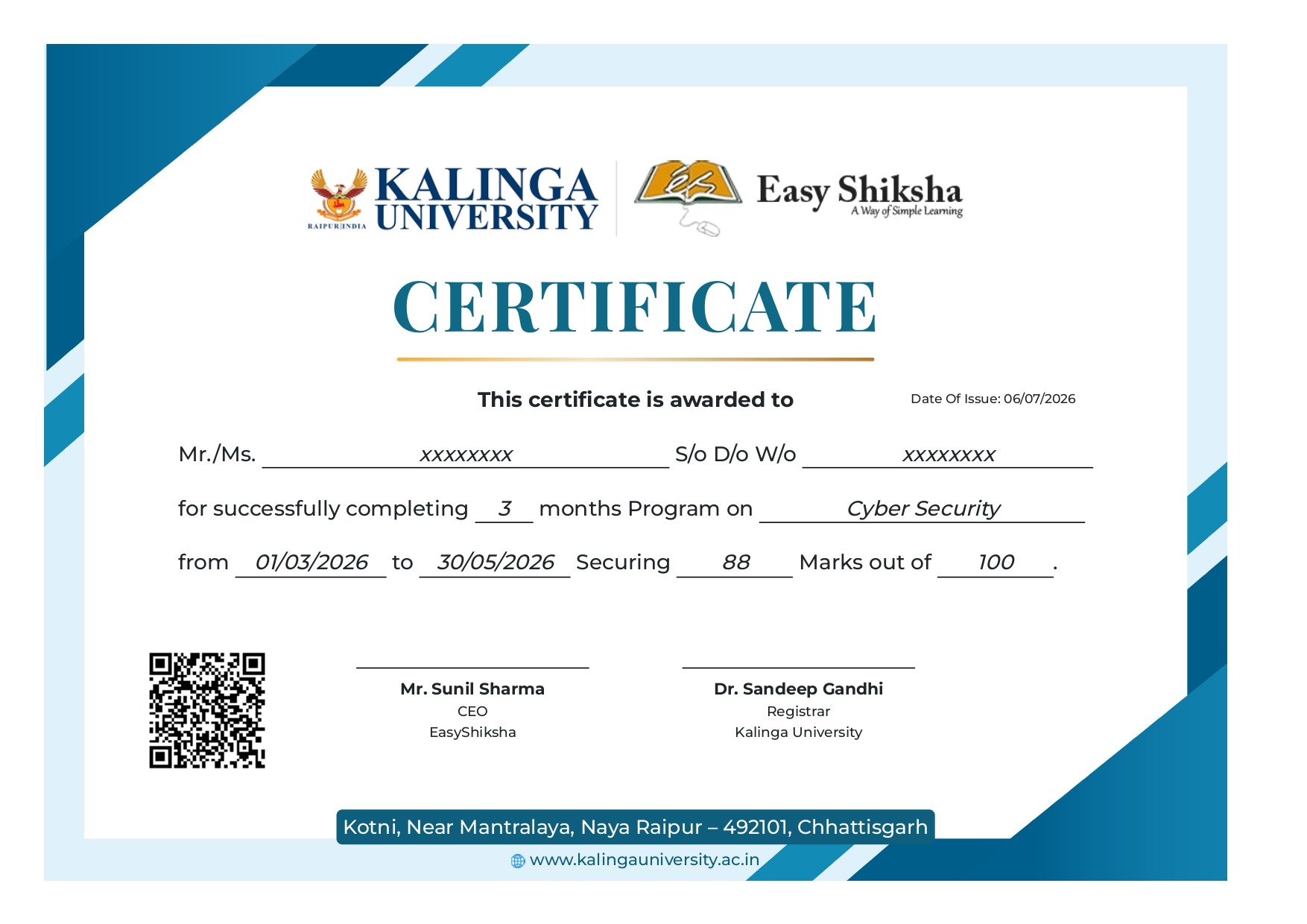
- EasyShiksha: Project-based internships and skill-building courses tailored for employable outcomes.
- Coursera & edX: University-backed courses with optional certification at a fraction of traditional tuition.
- YouTube & OpenCourseWare: Free lectures from industry leaders and professors.
- LinkedIn Learning & Skillshare: Practical tutorials in business, technology, and creative fields.
By combining these resources, learners can assemble a comprehensive curriculum covering all essential business skills.
Structuring a Lecture Plan
A DIY MBA lecture plan should prioritize:
- Foundational knowledge in finance, marketing, and management
- Practical application through project simulations
- Integration with internships to reinforce learning through real-world work
A typical plan might include 2-3 hours of lectures daily combined with weekly projects and internship tasks. This creates a balance between theory and practice without overburdening learners financially or time-wise.
Hands-On Projects That Build Real Skills
Project-based learning is at the core of the DIY MBA because it bridges theory and practice.
Marketing Projects
- Create a content marketing plan for a small business
- Conduct A/B testing of advertisements
- Develop a social media analytics report
These tasks demonstrate practical marketing competence, allowing learners to showcase results rather than just theoretical knowledge.
Finance & Accounting Projects
- Analyze financial statements of local businesses
- Build budgets and cash flow forecasts
- Model profitability and scenario planning
Projects like these teach learners to interpret real financial data, a skill often underdeveloped in theory-heavy MBA programs.
Operations & Management Projects
- Design process workflows for small-scale businesses
- Optimize inventory management or logistics systems
- Develop performance tracking dashboards
These exercises provide experience in problem-solving and operational efficiency, critical for leadership roles.
Entrepreneurship & Strategy Projects
- Build a startup business plan
- Conduct market research and competitor analysis
- Test a minimum viable product (MVP) in a real-world environment
Through entrepreneurship projects, learners practice ideation, execution, and iteration — a core part of innovation.
Virtual Internships for Real-World Exposure
Advantages of Remote Internships
- Low-cost accessibility: No need to relocate or pay for transportation
- Flexible scheduling: Compatible with ongoing studies or jobs
- Professional skill development: Work on deliverables that simulate actual business challenges
Types of Internships
- Marketing Internships: Creating campaigns, managing analytics, reporting results
- Finance Internships: Budget tracking, forecasting, financial modeling
- Tech Internships: Web development, app design, data analysis
- Consulting Projects: Business strategy, operations improvement
Virtual internships allow learners to demonstrate competence in ways that impress employers and clients.
Building a Portfolio: Evidence of Skill
A key element of the DIY MBA is building a portfolio of real-world work, which can include:
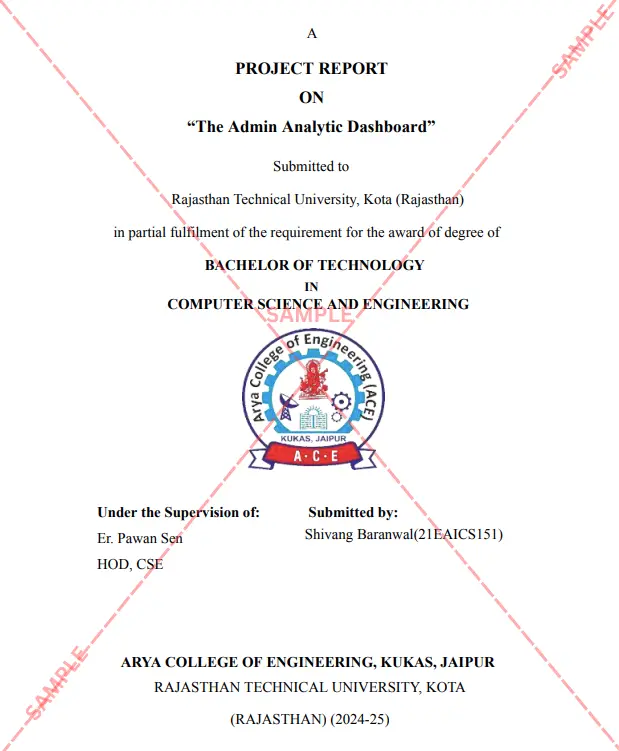
- Project reports
- Marketing campaign results
- Financial analyses
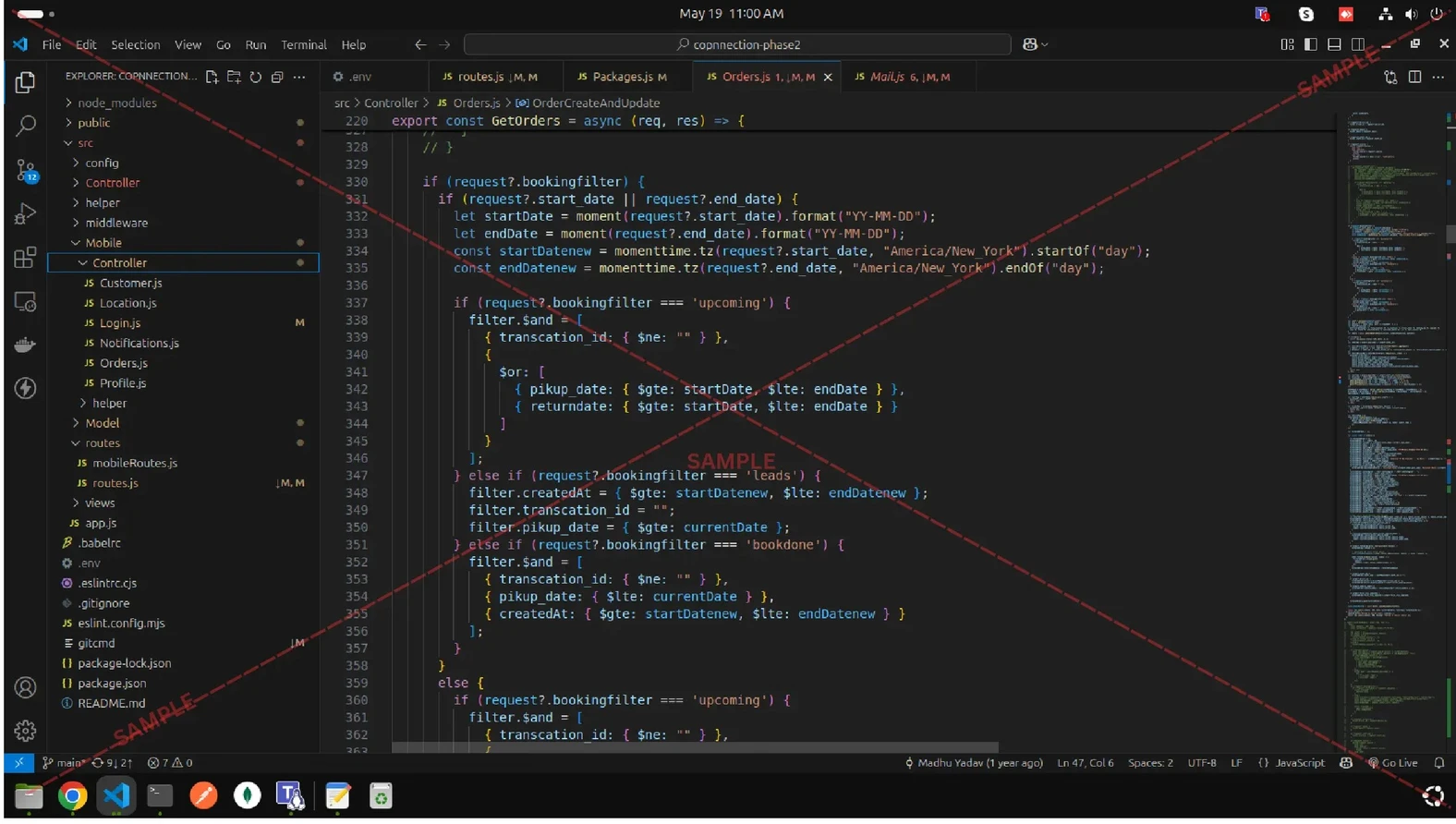
- Product prototypes
- Client feedback from internships
Portfolios provide tangible proof of skill, making learners highly attractive to employers and investors. They also allow self-reflection and growth, as students track progress across multiple projects.
Soft Skills Development in a DIY MBA
Beyond technical skills, a DIY MBA also emphasizes soft skills, which are critical for professional success:
- Communication: Writing reports, presenting ideas, and pitching projects
- Leadership: Coordinating project teams and taking initiative
- Problem-solving: Approaching challenges creatively and strategically
- Time management: Balancing lectures, projects, and internships
- Adaptability: Responding to evolving project requirements and market dynamics
These skills are developed naturally through practical projects and internship experiences, rather than classroom lectures.
Measuring Success in a DIY MBA
Success is measured by skills acquired and outcomes achieved, rather than degrees earned. Key metrics include:
- Completion of applied projects
- Quality of internship deliverables
- Portfolio strength and diversity
- Professional networking and mentorship gained
- Career opportunities unlocked through demonstrable skill
This outcome-oriented approach ensures that learners graduate with abilities that are immediately applicable, not just theoretical knowledge.
Case Studies: DIY MBA Success Stories
Marketing Innovator
A student completed online marketing lectures, built campaigns for small businesses, and documented analytics results. They landed a full-time role at a digital marketing agency within months.
Entrepreneurial Startup Founder
A learner studied finance, strategy, and operations online, then launched an e-commerce startup using project-based experience. Their practical knowledge helped secure early customers and investor interest.
Tech Professional
Another student combined coding lectures with virtual tech internships, creating a portfolio of web applications. They were hired by a remote tech company based entirely on their projects.
These examples illustrate that a DIY MBA delivers tangible outcomes and career growth without the high cost of traditional programs.
Advantages of a DIY MBA Over Traditional MBAs
- Cost-Effective: Learners can access high-quality education for a fraction of traditional tuition.
- Flexible & Self-Paced: Students control timing, pace, and curriculum.
- Outcome-Focused: Emphasis on projects, portfolios, and internships rather than exams.
- Practical Skill Development: Learners gain hands-on experience in real-world business applications.
- Entrepreneurial Friendly: Encourages experimentation, ideation, and launching projects.
By combining lectures, projects, and virtual internships, a DIY MBA equips learners with both knowledge and practical skills.
Overcoming Challenges in DIY MBA Programs
While DIY MBAs offer flexibility, learners must navigate certain challenges:
- Self-discipline: Requires strong time management and motivation
- Curating quality content: Students need to identify credible, relevant learning resources
- Finding internship opportunities: Requires proactive outreach and networking
- Maintaining portfolio standards: Deliverables must be professional and measurable
These challenges are mitigated through mentorship, structured course plans, and platforms like EasyShiksha that provide curated content, projects, and virtual internships.
The Future of Affordable, DIY Business Education
The DIY MBA is more than a low-cost alternative — it represents the future of accessible, outcome-driven education. As industries increasingly value skills over formal credentials:
- Self-directed learners can demonstrate competence through portfolios
- Remote internships become a bridge to employment
- Affordable, practical education fuels entrepreneurship and innovation
- Online platforms democratize learning globally
This approach ensures that anyone with ambition, curiosity, and drive can acquire the skills needed to succeed in business.
Conclusion: DIY MBA as a Pathway to Real Skills and Career Growth
A DIY MBA combines low-cost lectures, project-based learning, and virtual internships to provide practical, career-oriented skills. Unlike traditional programs that emphasize theory and cost, a DIY MBA is:
- Affordable: Accessible to learners regardless of financial background
- Flexible: Self-paced and customizable to career goals
- Outcome-Focused: Emphasizes measurable projects and portfolios
- Career-Ready: Equips learners with skills demanded by modern employers
By prioritizing real-world application over rote learning, the DIY MBA empowers learners to build skills, demonstrate competence, and achieve professional success. It is the ideal solution for aspiring entrepreneurs, innovators, and business leaders seeking high-quality education without prohibitive costs.
The DIY MBA is not just an alternative — it is a revolution in how business education is delivered, making learning practical, affordable, and impactful for the next generation of professionals.