








Every qualification format we offer
From a full Degree to a focused B.Voc — each type below is a different academic format. Degree-family types are marked with an amber accent, since this platform is built around full academic qualifications rather than short certificates.
Choose your qualification format

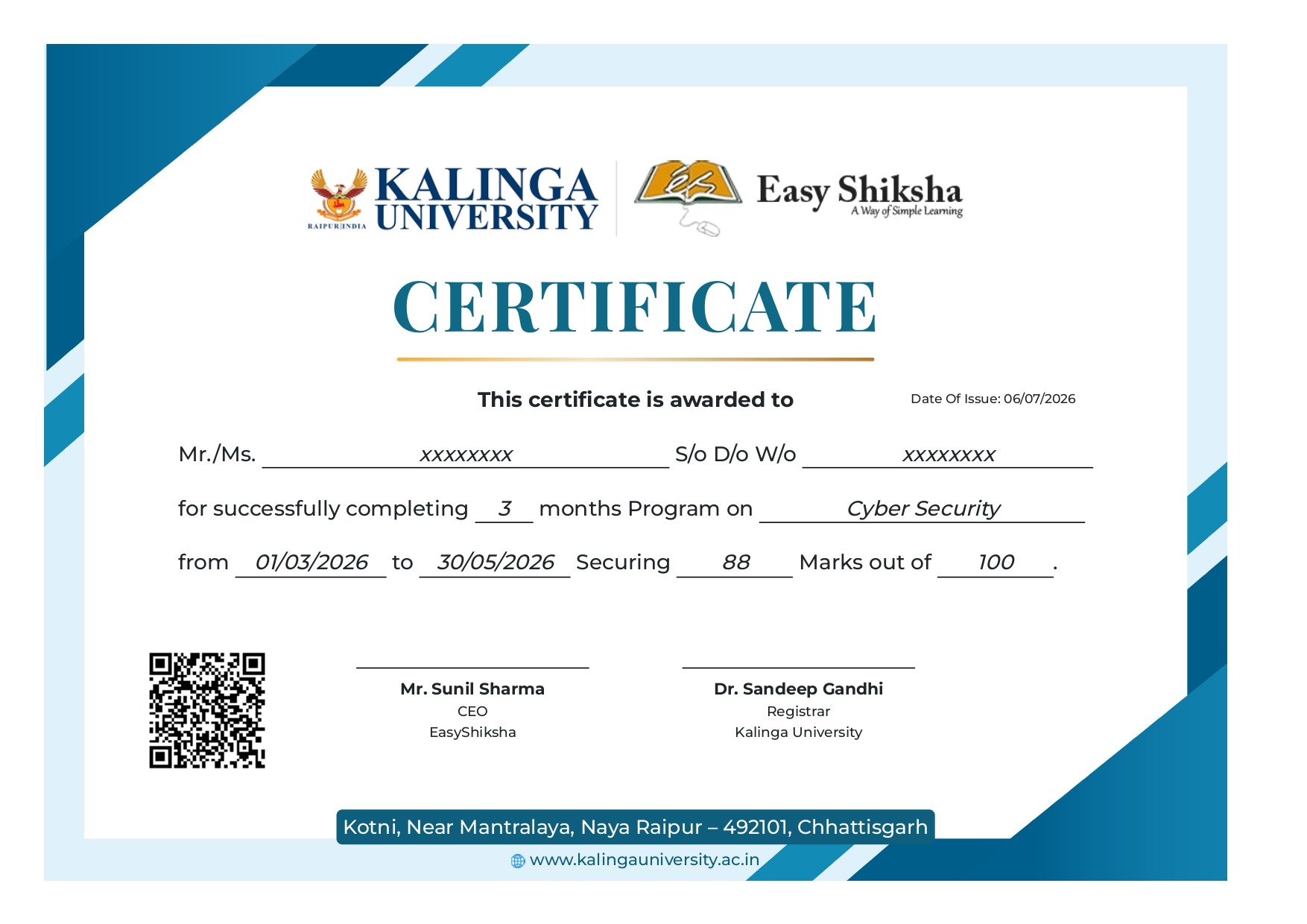
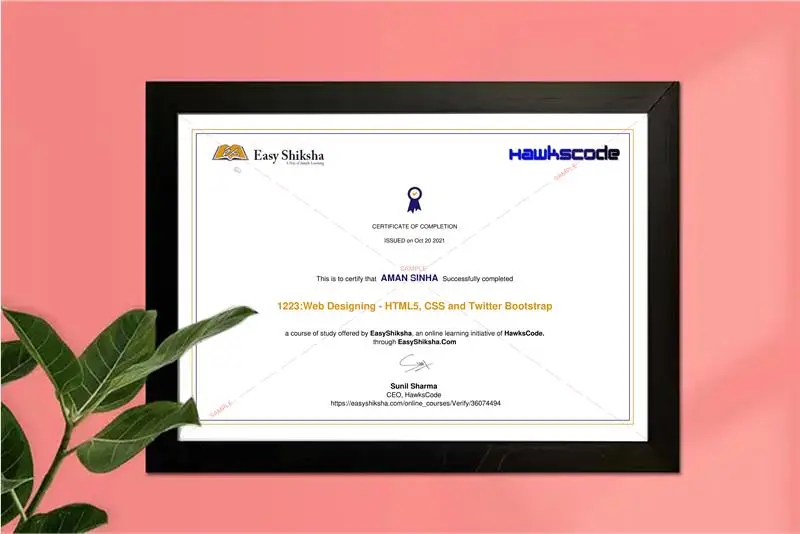
A Certification is a focused learning programme designed to develop knowledge or practical skills in a specific subject, occupation, technology, or professional area. Unlike degree programmes, certifications are generally narrower in scope and are intended to demonstrate learning or competency in a particular domain. The academic level, curriculum, assessment method, duration, eligibility and recognition of a certification can vary significantly depending on the university or institution offering it.
Certification programmes may cover areas such as information technology, digital marketing, business, finance, accounting, design, healthcare, hospitality, education, management, data analysis and other professional or vocational domains. Some certifications are designed for beginners, while others may require prior education, work experience or subject knowledge.
The duration of a Certification can range from short-term learning programmes to more structured courses extending over several months, depending on the programme requirements. Learning modes may also vary, with some certifications available through regular, online, hybrid or distance formats where offered.
Certifications can be useful for students, graduates, working professionals and learners seeking to build specialised skills or strengthen their existing academic profile. At EasyShiksha, students can explore and compare available university programmes and certifications based on their interests, eligibility, learning mode, duration and career relevance.

A Diploma is a focused academic or vocational qualification designed to provide students with subject knowledge and practical skills in a specific field. Diploma programmes are generally more specialised than broad academic programmes and may be offered in areas such as engineering, technology, management, business, computer applications, design, hospitality, healthcare, education, tourism and other professional or vocational domains.
Diploma courses can be available at different educational levels and may be designed for students entering a field after school, learners seeking technical or professional skills, or individuals looking to strengthen their existing knowledge. The eligibility requirements depend on the specific diploma programme and university or institution. Some programmes may require secondary or higher secondary education, while others may have additional academic or subject-specific requirements.
Diploma duration also varies according to the programme, institution and academic level. Depending on the course, learning may include classroom instruction, practical sessions, laboratory work, projects, training or other skill-based components. Diploma programmes may be offered in regular, online, distance or hybrid modes where available and permitted for the specific programme.
A Diploma can support skill development, employment-oriented learning, further education or progression into advanced programmes, depending on the qualification. At EasyShiksha, students can explore and compare university Diploma programmes based on specialisation, eligibility, duration, learning mode, curriculum and career relevance.

An Advance Diploma is a specialised educational programme designed to provide focused knowledge and practical skills in a particular academic, professional, technical or vocational field. It generally offers more advanced or specialised learning than an entry-level Diploma, although its academic level, structure and progression value depend on the specific programme and institution.
Advance Diploma courses may be available across areas such as management, technology, computer applications, design, hospitality, tourism, healthcare, education, media, finance, culinary arts and other professional or vocational domains. They can be relevant for learners seeking deeper knowledge in a chosen field, professionals looking to strengthen specific skills, or students interested in specialised career-oriented education.
There is no universal Advance Diploma eligibility criterion or duration. Requirements can vary according to the subject, institution and programme level. Similarly, the Advance Diploma duration may range from short-term study to programmes extending across multiple semesters. Some programmes may be offered through regular, online, distance or hybrid modes where applicable and permitted.
An Advance Diploma can complement previous academic qualifications, support specialised skill development and, depending on the programme, contribute to further education or professional development. Students should evaluate the curriculum, admission requirements and recognition of the specific programme before applying. At EasyShiksha, learners can explore and compare Advance Diploma programmes offered by universities based on specialisation, eligibility, duration, learning mode and career relevance.

A Post Graduate Diploma (PG Diploma) is a specialised postgraduate-level programme designed to provide focused knowledge and practical skills in a particular academic, professional, technical or vocational field. It is generally pursued after completing an undergraduate degree and is often structured around a specific subject or career area rather than broad postgraduate study.
PG Diploma courses are available across diverse domains such as management, business, finance, information technology, computer applications, healthcare, education, law, media, hospitality, tourism, design and other professional fields. The exact specialisations depend on the university and programme. Some PG Diploma programmes are designed for graduates seeking specialised knowledge, while others may support professionals who want to strengthen skills or develop expertise in a new area.
PG Diploma eligibility, duration, curriculum, admission requirements and learning mode vary by university and programme. Many programmes require a bachelor's degree, but specific subject, experience or other requirements may apply. Similarly, PG Diploma duration can vary depending on the course structure. Where offered, programmes may be available through regular, online, distance or hybrid modes.
A PG Diploma can complement an existing degree, support professional development and provide a pathway toward further academic or specialised learning where applicable. At EasyShiksha, students can explore and compare university PG Diploma programmes by specialisation, eligibility, duration, learning mode, curriculum and career relevance.

B.Voc (Bachelor of Vocation) is an undergraduate degree programme that combines academic learning with practical, industry-aligned skill development. Designed for students who want to build both a recognised bachelor's qualification and career-focused competencies, B.Voc programmes place greater emphasis on applied learning alongside theoretical education.
B.Voc programmes are available across a range of professional and emerging domains, including Software Development, Data Science, Computer Applications and Information Technology, Cloud & DevOps, Cybersecurity, UI/UX Design, Graphic & Digital Design, Digital Marketing, Retail Management and Financial Services, depending on the university and programme.
The typical duration of a B.Voc programme is three years, with Class 12 or equivalent qualification generally serving as the entry point.
At EasyShiksha, students can explore B.Voc programmes offered by partner universities across different domains and learning modes. Available programmes may be offered through Online or Hybrid modes, depending on the specific university and programme.
B.Voc is a suitable option for students seeking an undergraduate education that connects academic knowledge with practical skills and professional applications. Students can also explore further education, including M.Voc, for advanced specialisation after graduation.

Master of Vocation (M.Voc) is a postgraduate-level vocational programme designed to provide advanced knowledge, practical skills and specialised training in a particular professional or vocational field. The programme combines academic learning with an applied approach, allowing students to develop deeper expertise in areas relevant to specific industries and occupational domains.
M.Voc courses may be available across fields such as management, technology, information technology, hospitality, tourism, healthcare, design, media, education, retail, accounting and other specialised vocational areas. The exact M.Voc specialisations depend on the university and programme structure. These programmes can be relevant for graduates who want to strengthen their professional skills, specialise in a vocational discipline or pursue advanced learning in an applied field.
M.Voc eligibility, duration, curriculum and admission requirements can vary by university and specialisation. In many cases, admission is linked to a relevant undergraduate qualification, although individual programmes may specify particular academic backgrounds or additional requirements. Students should always check the official eligibility criteria of the selected programme.
Depending on the university and programme, M.Voc courses may be offered through regular or other approved learning modes. The programme can support professional development, specialised career preparation and further academic learning. At EasyShiksha, students can explore and compare M.Voc programmes by university, specialisation, eligibility, duration, learning mode, curriculum and career relevance.

Diploma in Vocation (D.Voc) is a vocational education programme designed to provide students with practical knowledge, occupational skills and industry-oriented learning in a specific vocational field. The programme focuses on developing competencies that can support further education, professional skill development and entry into relevant occupational areas. The exact academic structure, curriculum, duration and qualification requirements depend on the university or institution offering the D.Voc programme.
D.Voc courses may be available across diverse domains such as information technology, healthcare, hospitality, tourism, retail, management, accounting, design, media, agriculture, engineering-related skills and other vocational areas. The available D.Voc specialisations vary by institution and programme.
D.Voc eligibility and D.Voc duration are not universal and should be checked for each programme. Depending on the course, admission may be based on school-level education or another recognised qualification, while specific programmes can have additional subject or academic requirements. Students should refer to the official admission criteria of the selected university.
D.Voc programmes are generally focused on applied and skill-based education and may include practical training, projects, workshops or other occupational learning components, depending on the curriculum. Learning modes also vary by institution.
At EasyShiksha, students can explore and compare D.Voc programmes by university, specialisation, eligibility, duration, learning mode, curriculum and career relevance to identify options aligned with their academic and professional goals.

Bachelor of Technology (B.Tech) is an undergraduate engineering and technology programme designed to provide students with theoretical knowledge, technical understanding and practical skills in a specialised technology or engineering domain. B.Tech programmes generally combine fundamental concepts with applied learning, helping students understand how scientific and technological principles are used to solve practical problems. The curriculum, specialisation, eligibility, duration and admission process vary by university and programme.
B.Tech courses are available across numerous engineering and technology disciplines, including Computer Science and Engineering, Information Technology, Mechanical Engineering, Civil Engineering, Electrical Engineering, Electronics and Communication Engineering, Artificial Intelligence, Data Science and other specialised areas. The availability of B.Tech specialisations differs among universities.
B.Tech eligibility commonly depends on the student's prior academic qualification, required subjects and the admission rules of the institution. Many programmes consider school-level education with relevant science subjects, but exact requirements vary by university. B.Tech duration also depends on the programme structure and applicable academic regulations.
B.Tech programmes may be offered through regular campus-based learning and, where specifically approved and available, other formats. Engineering education can involve lectures, laboratories, practical sessions, projects and other applied activities.
After completing a B.Tech, graduates can explore technical, engineering, software, research, management and other professional pathways depending on their specialisation and skills. At EasyShiksha, students can explore and compare B.Tech programmes by university, specialisation, eligibility, duration, curriculum, learning mode and career relevance.

Master of Technology (M.Tech) is a postgraduate programme focused on advanced knowledge, specialised technical expertise and applied learning in engineering and technology. It is generally pursued by students and professionals who want to deepen their understanding of a particular technical field after completing an appropriate undergraduate qualification. The curriculum may combine advanced theory, practical work, research, projects and specialised technical study, depending on the university and discipline.
M.Tech courses are available across a wide range of engineering and technology domains. Common areas may include Computer Science and Engineering, Information Technology, Electronics and Communication Engineering, Mechanical Engineering, Civil Engineering, Electrical Engineering, Artificial Intelligence, Data Science and other specialised technology fields. The exact M.Tech specialisations offered vary by university.
M.Tech eligibility is not identical across institutions. Universities may require a relevant B.Tech, B.E. or another recognised qualification, along with specified academic performance or entrance requirements. M.Tech duration also depends on the university and programme structure.
Learning modes can vary, although technical programmes may include practical, laboratory, project or research components. Students should verify the officially available mode before admission.
An M.Tech can support advanced technical learning, research and specialised professional development. Graduates may explore technical, research, academic, development or management-oriented pathways depending on their specialisation. At EasyShiksha, students can explore and compare M.Tech programmes by university, specialisation, eligibility, duration, curriculum, learning mode and career relevance.

Master of Business Administration (MBA) is a postgraduate management degree designed to develop advanced knowledge of business, management and organisational practices. The programme generally combines conceptual learning with practical approaches to areas such as finance, marketing, human resources, operations, strategy, entrepreneurship and business analytics. MBA programmes may be suitable for graduates and professionals seeking to strengthen their management knowledge or specialise in a particular business domain.
MBA courses are offered with a variety of specialisations depending on the university. These may include Finance, Marketing, Human Resource Management, International Business, Operations Management, Business Analytics, Entrepreneurship, Healthcare Management, Information Technology Management and other emerging management areas. The exact MBA specialisations, curriculum and elective options vary across institutions.
MBA eligibility is determined by the university and programme. Admission may require a recognised bachelor's degree, minimum academic performance, entrance examination, interview or other selection criteria. MBA duration also varies according to the programme structure and learning format.
Depending on the university, MBA programmes may be offered through regular, online, hybrid, distance or other approved modes. Students should verify the mode, curriculum, assessment pattern and admission requirements of the specific programme.
An MBA can support professional development across business and management functions, while also providing a foundation for entrepreneurship or further academic study. At EasyShiksha, students and working professionals can explore and compare MBA programmes by university, specialisation, eligibility, duration, learning mode, curriculum and career relevance.

Bachelor of Business Administration (BBA) is an undergraduate management degree designed to provide students with foundational knowledge of business administration, management and organisational practices. The programme introduces learners to core areas such as accounting, finance, marketing, human resource management, business communication, operations, entrepreneurship and organisational behaviour. BBA programmes can be suitable for students interested in developing business knowledge and preparing for management-oriented professional pathways.
BBA courses are offered with different specialisations depending on the university. These may include Finance, Marketing, Human Resource Management, International Business, Entrepreneurship, Business Analytics, Digital Marketing, Banking and Finance, Healthcare Management and other business-related domains. The availability of BBA specialisations and elective subjects varies across universities.
BBA eligibility is determined by the university and programme. Many programmes accept students who have completed higher secondary education or an equivalent qualification, but specific subject requirements, minimum marks and admission conditions can vary. BBA duration also depends on the university and programme structure.
BBA programmes may be offered through regular, online, hybrid, distance or other approved learning modes, depending on the institution. Students should verify the officially available mode and programme requirements before admission.
After completing a BBA, students may explore entry-level business and management roles, entrepreneurship or further education such as an MBA or another postgraduate programme. At EasyShiksha, students can explore and compare BBA programmes by university, specialisation, eligibility, duration, learning mode, curriculum and career relevance.
Bachelor of Science (B.Sc) is an undergraduate degree programme focused on scientific knowledge, analytical thinking and subject-specific study. It is designed for students who want to develop a strong academic foundation in science and related disciplines through theoretical learning, practical work and, depending on the programme, laboratory or project-based study. The exact curriculum, eligibility, duration and specialisations vary by university.
B.Sc courses are available across a wide range of scientific and applied fields. Common B.Sc specialisations include Physics, Chemistry, Mathematics, Biology, Biotechnology, Computer Science, Information Technology, Environmental Science, Microbiology, Zoology, Botany, Statistics and other specialised areas. Universities may also offer interdisciplinary and industry-oriented B.Sc programmes.
B.Sc eligibility depends on the university and chosen specialisation. Many programmes require completion of Class 12 or an equivalent qualification, with specific subjects or minimum marks where applicable. However, admission requirements can vary significantly between programmes. B.Sc duration also depends on the university and academic structure.
B.Sc programmes may be offered through regular, online, hybrid, distance or other approved modes where applicable. Science programmes involving laboratory or practical components may have specific participation requirements.
After completing a B.Sc, graduates can explore opportunities related to their specialisation or pursue postgraduate education, professional certifications, research and other advanced learning pathways. At EasyShiksha, students can explore and compare B.Sc programmes by university, specialisation, eligibility, duration, curriculum, learning mode and career relevance.

Bachelor of Arts (B.A) is an undergraduate degree programme that offers academic study across humanities, social sciences, languages, communication and related disciplines. It helps students build subject knowledge while developing critical thinking, communication, analytical, interpretation and research skills. Depending on the university, students may pursue a general B.A programme or choose a specific subject, combination or specialisation.
B.A courses can cover a wide range of areas, including English, Hindi, History, Political Science, Sociology, Psychology, Economics, Geography, Philosophy, Journalism, Public Administration and other humanities and social science disciplines. The availability of B.A specialisations and subject combinations varies among universities.
B.A eligibility is determined by the university and programme. Many institutions accept students who have completed Class 12 or an equivalent qualification, while some programmes may specify minimum marks or particular subject requirements. B.A duration also depends on the university and applicable academic structure.
Depending on the institution, B.A programmes may be available through regular, online, hybrid, distance or other approved learning modes. Students should verify the officially available mode and admission requirements before applying.
After completing a B.A, students can explore career opportunities related to their chosen subject and transferable skills or pursue postgraduate education and professional qualifications. At EasyShiksha, students can explore and compare B.A programmes by university, subject, specialisation, eligibility, duration, learning mode, curriculum and career relevance.

Bachelor of Commerce (B.Com) is an undergraduate degree programme focused on commerce, accounting, finance, business and related areas of economic activity. It provides students with foundational knowledge of how businesses and financial systems operate while developing skills in accounting, financial analysis, taxation, business communication and management. Depending on the university, B.Com programmes may be general or structured around a particular specialisation.
B.Com courses can cover areas such as Accounting, Finance, Banking, Taxation, Economics, Business Law, Auditing, Marketing, Financial Management, Business Analytics and related commerce disciplines. Some universities may also offer specialised B.Com programmes aligned with banking, finance, taxation, international business or other professional domains. The availability of B.Com specialisations varies by institution.
B.Com eligibility is determined by the university and programme. Many institutions accept students who have completed Class 12 or an equivalent qualification, while some may specify minimum marks, preferred subjects or other admission conditions. B.Com duration also depends on the university and academic structure.
B.Com programmes may be offered through regular, online, hybrid, distance or other approved learning modes, depending on the institution. Students should verify the officially available mode and academic requirements before admission.
After completing B.Com, graduates can explore opportunities in accounting, finance, banking, taxation, business operations and related areas or pursue postgraduate and professional qualifications. At EasyShiksha, students can explore and compare B.Com programmes by university, specialisation, eligibility, duration, learning mode, curriculum and career relevance.

Master of Science (M.Sc) is a postgraduate degree programme focused on advanced study, specialised knowledge and analytical understanding in science and related disciplines. It is generally pursued by students who want to deepen their expertise in a particular scientific, mathematical, technological or applied field after completing an appropriate undergraduate qualification. Depending on the university, M.Sc programmes may combine advanced coursework with laboratory work, projects, research or practical learning.
M.Sc courses are available across diverse disciplines. Common M.Sc specialisations include Physics, Chemistry, Mathematics, Biology, Biotechnology, Microbiology, Environmental Science, Computer Science, Information Technology, Data Science, Statistics and other specialised areas. The exact subjects and specialisations available vary among universities.
M.Sc eligibility depends on the university and chosen programme. Many institutions require a relevant bachelor's degree, while some may specify particular subjects, minimum marks, entrance examinations or other conditions. M.Sc duration also varies according to the programme structure and applicable academic regulations.
M.Sc programmes may be offered through regular and, where officially available, online, hybrid, distance or other approved modes. Programmes involving laboratory or research work may have specific practical requirements.
After completing an M.Sc, graduates can explore specialised professional, research, academic and technical pathways or pursue doctoral and other advanced qualifications where eligible. At EasyShiksha, students can explore and compare M.Sc programmes by university, specialisation, eligibility, duration, curriculum, learning mode and career relevance.

Master of Commerce (M.Com) is a postgraduate degree programme focused on advanced study in commerce, accounting, finance, taxation, economics and related business disciplines. It is generally pursued by graduates who want to deepen their understanding of commerce and develop specialised knowledge for professional, academic or research-oriented pathways. Depending on the university, M.Com programmes may combine advanced theoretical learning with practical assignments, projects, case studies or research work.
M.Com courses can be offered in areas such as Accounting, Finance, Banking, Taxation, Economics, Financial Management, International Business, Business Analytics, Corporate Finance and related commerce domains. The exact M.Com specialisations and elective subjects vary by university.
M.Com eligibility depends on the university and programme. Many institutions require a relevant bachelor's degree, such as B.Com or another accepted qualification, while some may prescribe minimum marks, specific subjects or entrance requirements. M.Com duration also varies according to the programme structure and applicable academic regulations.
M.Com programmes may be offered through regular and, where officially available, online, hybrid, distance or other approved modes. Students should verify the learning format and academic requirements before admission.
After completing M.Com, graduates can explore opportunities in accounting, finance, taxation, banking, business and related areas or pursue professional qualifications, research and further academic study. At EasyShiksha, students can explore and compare M.Com programmes by university, specialisation, eligibility, duration, curriculum, learning mode and career relevance.

Master of Arts (M.A) is a postgraduate degree programme that provides advanced study in humanities, social sciences, languages, communication and related disciplines. It is generally pursued by graduates who want to develop deeper subject knowledge, analytical abilities and research-oriented skills in a selected academic field. Depending on the university, M.A programmes may be general, subject-specific, specialised or interdisciplinary.
M.A courses are available across a broad range of disciplines, including English, Hindi, History, Political Science, Sociology, Psychology, Economics, Geography, Philosophy, Journalism, Public Administration and other humanities and social science areas. Universities may also offer specialised programmes in communication, development studies, international relations, public policy and related fields. The availability of M.A specialisations varies by institution.
M.A eligibility depends on the university and programme. Many institutions require a relevant bachelor's degree, while some accept graduates from related or different disciplines subject to their admission rules. Minimum marks, entrance examinations and subject-specific requirements may also apply. M.A duration varies according to the university and programme structure.
M.A programmes may be offered through regular, online, hybrid, distance or other approved modes, depending on the institution. Students should verify the officially available learning mode and admission requirements before applying.
After completing an M.A, graduates can explore opportunities related to their specialisation, communication and analytical skills or pursue research, teaching-related qualifications and further academic study where eligible. At EasyShiksha, students can explore and compare M.A programmes by university, specialisation, eligibility, duration, curriculum, learning mode and career relevance.

Post Graduate Diploma in Computer Applications (PGDCA) is a postgraduate-level diploma programme designed to develop practical and conceptual knowledge of computer applications, information technology and related digital systems. It is generally intended for graduates who want to build or strengthen their computing skills without pursuing a full master's degree. The programme may combine theoretical concepts with practical learning in areas such as programming, databases, operating systems, software development and computer applications.
PGDCA courses can vary considerably by university. Depending on the curriculum, students may study programming languages, database management, computer networks, web technologies, software engineering, operating systems, data structures, information systems and other application-oriented subjects. The exact PGDCA specialisations or subject structure depends on the institution offering the programme.
PGDCA eligibility is university-specific. Many institutions require a bachelor's degree or an equivalent qualification, while some may prescribe minimum marks or particular academic requirements. PGDCA duration also varies according to the university and programme structure.
Depending on the institution, PGDCA programmes may be offered through regular, online, distance, hybrid or other approved learning modes. Students should verify the officially available mode and admission requirements before applying.
After completing PGDCA, students can explore entry-level or skill-based opportunities related to computer applications, software, IT support, databases and digital technologies, subject to their skills and experience. At EasyShiksha, students can explore and compare PGDCA programmes by university, curriculum, eligibility, duration, learning mode and career relevance.

Bachelor of Computer Applications (BCA) is an undergraduate degree programme focused on computer applications, information technology and software-related concepts. It is designed for students who want to build foundational and practical knowledge of computing, programming and digital technologies. Depending on the university, BCA courses may combine theoretical concepts with programming exercises, practical sessions, projects and application-oriented learning.
BCA programmes can cover areas such as programming, data structures, database management, computer networks, operating systems, web development, software engineering, computer architecture and information systems. Some universities may also offer BCA specialisations in areas such as Artificial Intelligence, Data Science, Cloud Computing, Cyber Security, Web Development or related technology domains. The exact subjects and specialisations vary by institution.
BCA eligibility is determined by the university and programme. Many institutions accept students who have completed Class 12 or an equivalent qualification, while some may specify minimum marks or particular subjects. BCA duration also depends on the university and applicable academic structure.
Depending on the institution, BCA programmes may be available through regular, online, hybrid, distance or other approved learning modes. Students should verify the officially available mode and admission requirements before applying.
After completing a BCA, graduates can explore technology-related career pathways or pursue postgraduate education and specialised certifications. At EasyShiksha, students can explore and compare BCA programmes by university, specialisation, eligibility, duration, curriculum, learning mode and career relevance.

Master of Computer Applications (MCA) is a postgraduate degree programme focused on advanced computer applications, software development, information technology and related computing disciplines. It is designed for graduates who want to build deeper technical knowledge and develop skills relevant to software, digital systems and technology-driven applications. Depending on the university, MCA courses may combine theoretical learning with programming, practical assignments, projects and application-oriented study.
MCA programmes can cover areas such as programming, data structures, database management, computer networks, operating systems, software engineering, web technologies, cloud computing, artificial intelligence, cybersecurity and data analytics. Some universities may offer MCA specialisations or elective pathways in emerging technology domains, while others provide a broader computer applications curriculum.
MCA eligibility varies by university and programme. Institutions may require a bachelor's degree and, in some cases, specific subjects such as Mathematics or Computer Science, along with minimum marks or other admission requirements. MCA duration also depends on the university and applicable academic structure.
Depending on the institution, MCA programmes may be available through regular, online, hybrid, distance or other approved learning modes. Students should verify the officially offered mode and admission requirements before applying.
After completing an MCA, graduates can explore technology-oriented career pathways or pursue specialised certifications and further academic study where eligible. At EasyShiksha, students can explore and compare MCA programmes by university, specialisation, eligibility, duration, curriculum, learning mode and career relevance.

Certified Skill is a skill-focused learning category designed to help learners develop practical knowledge and job-relevant capabilities in a specific area. Unlike conventional degree programmes, a Certified Skill programme generally focuses on building competency in a defined skill or occupational domain and may lead to a certificate upon successful completion. The exact academic level, curriculum, assessment method and certification structure depend on the institution or training provider.
Certified Skill courses can be relevant across a wide range of domains, including information technology, digital skills, business, accounting, design, communication, healthcare support, hospitality, retail, technical trades and other professional areas. The available Certified Skill programmes and their learning outcomes vary according to the course and provider.
Certified Skill eligibility is not uniform. Some programmes may be open to beginners, while others can require prior education, work experience or foundational knowledge. Similarly, Certified Skill duration can range from short-term learning modules to longer structured programmes, depending on the curriculum.
Learning may be available through regular, online, hybrid or other formats where offered by the provider. Students should verify the specific programme's eligibility, duration, assessment and certification requirements before enrolment.
Certified Skill programmes can be useful for learners seeking to develop a particular competency, improve existing skills or add focused training to their academic background. At EasyShiksha, students can explore and compare relevant skill programmes by provider, domain, eligibility, duration, learning mode, curriculum and career relevance.

Advanced Certification is a specialised, skill-oriented learning category designed to provide deeper knowledge and practical competency in a particular professional or technical domain. It is generally intended for learners who want to build on foundational knowledge, strengthen existing skills or develop expertise in a focused area. Unlike a conventional undergraduate or postgraduate degree, an Advanced Certification typically concentrates on a defined subject, skill set or professional application.
Advanced Certification courses may be available across areas such as information technology, data and analytics, business management, finance, digital marketing, design, healthcare, project management, cybersecurity and other specialised domains. The available Advanced Certification programmes and their learning outcomes depend on the institution or training provider.
Advanced Certification eligibility is not standardised. Some programmes may accept beginners with specified educational qualifications, while others may require prior study, professional experience or foundational knowledge. Advanced Certification duration also varies according to the curriculum, assessment structure and provider.
Depending on the institution, Advanced Certification programmes may be available through online, regular, hybrid or other learning modes. Students should verify the officially offered format, assessment method and certification requirements before enrolment.
These programmes can help learners enhance professional capabilities, update domain knowledge or complement an existing qualification. At EasyShiksha, students can explore and compare Advanced Certification programmes by provider, domain, eligibility, duration, learning mode, curriculum and career relevance.

Bachelor of Library and Information Science (B.Lib) is an undergraduate programme designed to provide specialised knowledge and practical understanding of library management, information organisation and information services. Unlike a general bachelor's programme, B.Lib focuses on the systematic management, preservation, retrieval and dissemination of information resources in traditional and digital environments.
The programme can introduce students to areas such as library administration, cataloguing, classification, documentation, reference services, information retrieval, library automation and digital information management. It is relevant for learners interested in libraries, educational institutions, research organisations, documentation centres and knowledge-management environments.
B.Lib can also provide a foundation for further education and professional development in Library and Information Science and related fields. Eligibility, duration, curriculum and admission requirements can vary between universities and programmes. Students should therefore review the specific programme requirements before applying. EasyShiksha enables students to explore university programmes and compare relevant academic information to make informed education decisions.

Master of Library Science (M.Lib) is a postgraduate programme designed for learners seeking advanced knowledge and professional skills in library and information services. The programme builds on foundational concepts of Library and Information Science and explores the management, organisation, preservation and retrieval of information resources across traditional and digital environments.
M.Lib programmes may cover areas such as advanced library management, information systems, digital libraries, information retrieval, documentation, knowledge management, research methods and library automation. The programme can be relevant for graduates who want to develop specialised expertise for careers in academic libraries, public libraries, research institutions, information centres, documentation services and other knowledge-based organisations.
The curriculum, eligibility, duration and learning mode can vary by university. Students should therefore review the specific programme requirements before applying. EasyShiksha helps students explore and compare university programmes based on factors such as qualification, eligibility, duration, programme mode, curriculum and other academic details.

Bachelor of Journalism and Mass Communication (BJMC) is an undergraduate programme focused on journalism, mass media, communication and the creation and distribution of information across traditional and digital media platforms. The programme introduces students to the principles and practices of news reporting, writing, editing, media production, communication and audience engagement.
A BJMC programme may cover areas such as journalism, reporting, editing, broadcasting, television, radio, print media, digital media, advertising, public relations, photography and media production, depending on the university curriculum. It can help students develop communication, research, writing, critical-thinking and creative skills relevant to the rapidly evolving media industry.
BJMC can be suitable for students interested in journalism, digital content, broadcasting, advertising, public relations, media production and related communication careers. Programme eligibility, duration, curriculum and learning mode vary by university. Students should review the specific programme requirements before applying. EasyShiksha helps students explore and compare university programmes based on relevant academic and admission information.

Bachelor of Hotel Management (BHM) is an undergraduate programme designed to provide students with knowledge and practical skills for the hospitality and hotel management industry. The programme covers key areas involved in managing hospitality operations, including food production, food and beverage service, front office operations, housekeeping, hospitality management and guest services.
BHM can help students develop professional skills such as communication, customer service, teamwork, problem-solving, organisation and operational management. Depending on the university and curriculum, students may also receive practical exposure through laboratory work, industry training, internships or other experiential learning activities.
The programme can be suitable for students interested in hotels, resorts, restaurants, travel and tourism, events and other hospitality-related businesses. After completing BHM, graduates can explore entry-level and management-track opportunities across different areas of the hospitality sector or pursue further education in hospitality and related fields. Eligibility, duration, curriculum, fees and learning mode can vary by university, so students should check the specific programme requirements before applying.

Master of Hotel Management (MHM) is a postgraduate programme designed for graduates seeking advanced knowledge and professional skills in hotel and hospitality management. The programme focuses on developing managerial capabilities across key areas of the hospitality industry, including hotel operations, food and beverage management, front office operations, housekeeping, hospitality marketing, human resource management, financial management and customer service.
MHM programmes generally combine theoretical learning with practical and industry-oriented training to help learners understand the operational and managerial aspects of hospitality businesses. Students can develop skills in leadership, communication, decision-making, service management, team coordination and business operations.
The programme can prepare graduates for managerial and supervisory roles across hotels, resorts, restaurants, hospitality companies, travel and tourism organisations, event businesses and other service-oriented establishments. MHM can also provide a foundation for further academic study and specialised professional development in hospitality and related fields.

Master of Journalism and Mass Communication (MJMC) is a postgraduate programme focused on advanced journalism, mass media, communication and the creation and distribution of information across traditional and digital media platforms. The programme helps students develop deeper knowledge of news reporting, writing, editing, media production, communication, research and audience engagement.
An MJMC programme may cover areas such as advanced journalism, reporting, editing, broadcasting, television, radio, print media, digital media, advertising, public relations, media research, photography, media production and communication studies, depending on the university curriculum. It can help students develop advanced communication, research, writing, analytical, creative and digital media skills relevant to the evolving media industry.
MJMC can be suitable for graduates interested in journalism, digital content, broadcasting, advertising, public relations, media production, communication research and related media careers. Programme eligibility, duration, curriculum, specialisations and learning mode vary by university. Students should review the specific programme requirements before applying. EasyShiksha helps students explore and compare university programmes based on relevant academic and admission information.

A Dual Degree programme allows students to pursue two academic degrees through an integrated or structured programme pathway. Depending on the university and programme design, the two degrees may be offered in related or complementary disciplines and may be completed through a coordinated academic structure rather than as two completely separate programmes.
Dual Degree programmes are designed to provide broader academic exposure while allowing students to develop knowledge and skills across two areas of study. They may combine disciplines such as business and law, engineering and management, science and education, or other academically compatible fields.
The curriculum, duration, eligibility requirements, credit structure, assessment methods, and award of degrees can vary significantly between universities and programmes. Some Dual Degree programmes may integrate the study of both qualifications from the beginning, while others may have a progression structure.
Students considering a Dual Degree should review the specific university's programme structure, eligibility, curriculum, duration, and degree-award requirements before enrolling.

MSW generally refers to Master of Social Work, a postgraduate academic programme category focused on understanding social issues, human behaviour, communities, welfare systems, and professional approaches to social work. Programmes under this category may combine theoretical learning with practical, field-oriented, research, or community-based learning, depending on the institution and individual programme. Common areas may include social welfare, community development, human services, social policy, counselling-related practice, rural development, healthcare settings, child and family welfare, and other social work contexts. Students may develop skills in communication, community engagement, case understanding, research, documentation, problem-solving, and professional practice. MSW may be considered by learners interested in social development, community services, welfare organisations, public or social-sector work, research, or related professional fields. The exact curriculum, eligibility, duration, fieldwork, specializations, assessment methods, and qualification structure vary by institution and individual programme. Career relevance therefore depends on the specific programme, qualification, skills, experience, and chosen area of practice.

M.D. generally refers to Doctor of Medicine, a postgraduate medical education category associated with advanced study in medicine and a specific medical discipline or specialty. Programmes under this category may provide in-depth academic, clinical, practical, and research-oriented learning, depending on the institution, medical discipline, and applicable regulatory framework. The focus may include advanced understanding of disease, diagnosis, treatment approaches, patient care, medical research, and specialty-specific knowledge. The exact structure varies by programme and institution, including eligibility, duration, curriculum, clinical training, assessment, admission process, and recognition requirements. M.D. is generally considered by learners who have completed the qualifications required for postgraduate medical education and who wish to pursue advanced study in a medical specialty. Career relevance depends on the specific medical qualification, specialty, clinical training, registration requirements, and applicable rules. Students should verify the official programme and regulatory requirements before applying.

BSW generally refers to Bachelor of Social Work, an undergraduate academic programme category focused on social work, human welfare, community development, and understanding social issues. Programmes under this category may introduce students to social work concepts, social welfare systems, human behaviour, community engagement, social research, and professional practice. Depending on the institution and individual programme, learning may include theoretical study along with fieldwork, projects, community-based activities, or practical exposure. Students may develop skills in communication, interpersonal interaction, documentation, research, teamwork, problem-solving, and community engagement. BSW may be considered by learners interested in social development, welfare services, community work, non-profit organisations, human services, or related areas. The exact eligibility, duration, curriculum, subjects, fieldwork, assessment, admission process, and qualification structure vary by institution and individual programme. Career relevance also depends on the specific programme, qualification, skills, experience, and chosen area of work.

B.Ed generally refers to Bachelor of Education, an undergraduate-level professional education programme category focused on developing knowledge and skills related to teaching and education. Programmes under this category may cover areas such as educational psychology, teaching methods, curriculum, assessment, classroom management, inclusive education, educational technology, and learner development, depending on the institution and individual programme. Practical components such as teaching practice, school-based activities, projects, or internships may also be included where applicable. Students may develop communication, lesson-planning, classroom-management, assessment, problem-solving, and educational technology skills. B.Ed may be considered by learners who are interested in teaching, education, learning processes, or related educational roles. The exact eligibility, duration, curriculum, subjects, practical training, admission process, assessment, and recognition requirements vary by institution and applicable regulations. Career relevance depends on the specific qualification, subject background, skills, experience, and requirements of the intended teaching or education-related role. Students should verify the specific programme and applicable professional requirements before applying.

M.Ed, or Master of Education, is a postgraduate programme category focused on advanced study of education, teaching, learning, pedagogy, educational theory, research, and related areas of the education sector. Programmes under this category may cover areas such as educational psychology, curriculum studies, teacher education, educational administration, assessment and evaluation, educational technology, inclusive education, and research methodology. Depending on the institution and programme, learning may combine theoretical study with practical work, projects, field experience, or research. M.Ed can be relevant to educators, education professionals, and learners seeking deeper academic or professional knowledge in education. It may also support further learning and research-oriented pathways, subject to applicable eligibility requirements. The exact curriculum, duration, admission criteria, assessment methods, practical components, specialization options, and other requirements vary by institution and individual programme.

Bachelor of Physical Education and Sports is an undergraduate programme category focused on physical education, sports, fitness, exercise, health, and related areas of human movement and athletic development. Programmes under this category generally combine theoretical knowledge with practical and activity-based learning in areas such as physical fitness, sports training, exercise science, health education, sports psychology, anatomy, physiology, coaching, and sports management. Depending on the institution and programme, students may participate in practical sessions, sports activities, fitness assessments, coaching exercises, or field-based learning. This programme type can be relevant to learners interested in physical education, sports, fitness, coaching, wellness, and related professional pathways. Career opportunities depend on the specific programme, skills, specialization, experience, and applicable requirements for the intended role. The exact curriculum, eligibility, duration, admission process, assessment methods, sports disciplines, practical components, and qualification awarded may vary by institution and individual programme.

Master of Physical Education and Sports is a postgraduate programme category focused on advanced study of physical education, sports, exercise, fitness, health, coaching, and related areas of human movement and sports development. Programmes under this category may combine theoretical learning with practical and research-oriented activities covering areas such as exercise science, sports psychology, sports training, physical fitness, biomechanics, sports management, health education, coaching, and research methods. Depending on the institution and programme, students may undertake practical training, sports activities, projects, fieldwork, performance assessment, or research. This programme type can be relevant to learners and professionals seeking advanced knowledge in physical education, sports, fitness, coaching, wellness, or sports-related management. Career opportunities depend on the specific programme, specialization, skills, experience, and applicable professional requirements. The exact curriculum, eligibility, duration, admission process, assessment pattern, practical requirements, specialization options, and qualification structure may vary by institution and individual programme.

Master of Valuation is a postgraduate programme category focused on advanced study of valuation principles, property and asset assessment, financial analysis, and related professional practices. Depending on the individual programme, learning may cover areas such as real estate valuation, land and property assessment, plant and machinery valuation, financial valuation, investment analysis, valuation methodologies, economics, accounting, taxation, risk assessment, and professional standards. Programmes may combine theoretical learning with case studies, analytical exercises, practical applications, projects, or research. This programme type can be relevant to learners interested in valuation, real estate, finance, asset management, consulting, investment, or related professional fields. Career pathways depend on the specific programme, area of specialization, professional skills, experience, and applicable regulatory or professional requirements. The exact curriculum, eligibility, duration, admission process, assessment methods, specialization options, recognition, and professional applicability may vary by institution and individual programme.

LL.M. generally refers to Master of Laws, a postgraduate-level programme category focused on advanced study of law and legal subjects. It is designed for learners who want to deepen their understanding of legal principles, legal systems, research methods, and specific areas of law.
Programmes under the LL.M. category may cover areas such as constitutional law, corporate law, criminal law, commercial law, international law, intellectual property law, human rights, taxation, or other legal fields. The exact subjects and areas of study depend on the institution and individual programme.
Eligibility, duration, curriculum, admission process, assessment methods, specialisation options, and research requirements can vary between institutions. Students should therefore check the details of the specific LL.M. programme before applying.
LL.M. may support further academic study, legal research, teaching-related pathways, or professional development in specialised areas of law.

LL.B. generally refers to Bachelor of Laws, an undergraduate-level law programme category focused on the study of legal principles, legislation, legal systems, rights, duties, and legal processes. It provides learners with foundational and structured knowledge of law and develops skills in legal reasoning, research, interpretation, communication, and analysis.
Depending on the institution, LL.B. may be offered as a programme following an undergraduate degree or as part of an integrated law programme structure. The exact eligibility, duration, curriculum, admission process, assessment pattern, practical training, and other requirements vary between institutions and applicable regulations.
Programmes under this category may include subjects such as constitutional law, contract law, criminal law, family law, property law, administrative law, procedural law, and other legal areas. Practical components may include legal research, drafting, moot courts, internships, clinical activities, or similar learning experiences, depending on the programme.

B.A. LL.B. generally refers to Bachelor of Arts and Bachelor of Laws, an integrated undergraduate law programme category combining legal education with subjects from the arts and humanities. It is designed to provide students with foundational knowledge of law alongside broader understanding of areas such as political science, sociology, economics, history, or related disciplines.
The integrated structure allows learners to study law and arts-related subjects within a combined programme framework. The exact curriculum, duration, eligibility, admission process, assessment pattern, practical training, and other requirements vary by institution and applicable regulations.
Programmes under this category may include constitutional law, contract law, criminal law, family law, political science, sociology, legal research, and other interdisciplinary subjects. Practical components may include moot courts, internships, legal drafting, clinical activities, or legal research, depending on the programme.

B.B.A. LL.B. generally refers to Bachelor of Business Administration and Bachelor of Laws, an integrated undergraduate programme category combining business administration education with legal studies. It is designed to provide students with knowledge of business, management, commerce, and law within a combined academic structure.
The programme may help learners understand how legal principles apply to business organisations, commercial activities, contracts, corporate operations, and related areas. Depending on the institution, subjects may include business management, accounting, economics, corporate law, contract law, company law, taxation, and legal research.
The exact eligibility, duration, curriculum, admission process, assessment methods, practical training, and other requirements vary by institution and applicable regulations. Students should review the details of the individual B.B.A. LL.B. programme before applying.

B.Des generally refers to Bachelor of Design, an undergraduate-level programme category focused on design thinking, creative problem-solving, visual communication, product development, and user-centred design. It can cover different areas of design depending on the individual programme and institution.
Programmes under the B.Des category may include areas such as fashion design, communication design, product design, interior design, interaction design, industrial design, textile design, animation, or other design-related fields. The exact specialisation, curriculum, duration, eligibility, admission process, studio work, and assessment pattern vary between institutions.
B.Des programmes commonly combine theoretical learning with practical and project-based activities. Students may work on design concepts, visual projects, prototypes, presentations, research, and portfolio development, depending on the programme.
B.Des may be suitable for learners interested in creative disciplines, design processes, visual communication, innovation, and developing practical design skills.

BMLT generally refers to Bachelor of Medical Laboratory Technology, an undergraduate-oriented area of healthcare education focused on laboratory-based support for diagnosis, disease investigation, and health services. Programmes under this category may combine academic study with practical learning related to medical laboratory procedures, specimen handling, laboratory techniques, and interpretation of laboratory information. Depending on the institution and individual programme, areas of study may include clinical laboratory sciences, pathology-related subjects, microbiology, biochemistry, haematology, immunology, and laboratory safety or quality practices. Students may develop technical, analytical, observational, documentation, and laboratory-management skills. This Program Type may be considered by learners interested in healthcare and laboratory-based work rather than direct clinical practice with patients. Depending on the qualification and institution, graduates may explore laboratory-related employment, further education, research, or specialised skill development. The exact curriculum, eligibility, duration, practical training, qualification awarded, and career pathways vary by programme and institution.

BRIT commonly refers to Bachelor of Radiology and Imaging Technology and represents an undergraduate-oriented area of healthcare education focused on medical imaging and radiological technology. As a Program Type, it broadly covers learning related to the use of imaging technologies and procedures that support diagnosis and clinical care. Programmes under this category may cover areas such as radiography, X-ray imaging, computed tomography (CT), magnetic resonance imaging (MRI), ultrasound, imaging physics, anatomy, radiation safety, image processing, and patient care, depending on the institution and individual programme. Students may develop technical, analytical, practical, communication, patient-care, equipment-handling, and safety-related skills. BRIT may be considered by learners interested in healthcare, medical technology, diagnostic imaging, and practical clinical environments. Career relevance may include opportunities in radiography, medical imaging, diagnostic services, hospitals, research, or further specialised study. However, the exact curriculum, qualification, duration, eligibility, practical training, recognition, and career pathways vary between individual programmes and institutions.

BNYS stands for Bachelor of Naturopathy and Yogic Sciences and refers to an academic programme category centred on naturopathy, yoga and related approaches to health and wellness. Programmes under this category may combine theoretical study with practical learning in areas such as naturopathic principles, yoga practices, lifestyle management, nutrition and holistic approaches to wellbeing. The exact structure, subjects, practical components, duration and assessment methods vary by institution and individual programme. Depending on the programme, students may develop knowledge of health, wellness practices, patient-oriented approaches, communication and practical techniques related to naturopathy and yoga. BNYS may be considered by learners interested in holistic health, yoga, naturopathic education and related professional or wellness fields. Career relevance depends on the specific qualification, institution, applicable regulations and the role pursued. Students should check the details of the individual programme before making academic or career decisions.

B.Opto generally refers to Bachelor of Optometry, an undergraduate academic and professional education category centred on vision care, eye health, optometric assessment, and related clinical practice. Programmes under this category may combine theoretical learning with practical and clinical exposure in areas such as visual assessment, ocular conditions, lenses, contact lenses, binocular vision, low-vision care, and optical dispensing. Depending on the institution and individual programme, the curriculum, duration, eligibility, practical training, assessment methods, and qualification structure may differ. Students may develop skills in patient interaction, vision testing, clinical observation, problem-solving, use of optometric equipment, and application of subject knowledge in supervised settings. This Program Type may be considered by learners interested in eye care, allied health sciences, and patient-facing healthcare work. Career relevance depends on the individual qualification, skills, experience, and applicable professional or regulatory requirements. Graduates may also explore relevant postgraduate study, specialisation, research, or continuing professional education.

M.Opto generally refers to Master of Optometry, a postgraduate area of professional education focused on advanced knowledge and practice in optometry, vision science, and related aspects of eye care. Programmes under this category may build on prior optometry or related academic learning through deeper study of areas such as clinical optometry, ocular health, visual assessment, contact lenses, binocular vision, low-vision care, or other specialised areas. Depending on the institution and individual programme, the curriculum may include advanced theoretical learning, clinical practice, research, case-based learning, or specialised training. The exact structure, eligibility, duration, admission process, assessment, practical requirements, and qualification awarded vary by programme. Students may develop advanced clinical reasoning, patient-management, research, communication, and specialised optometric skills. This Program Type may be considered by learners seeking advanced knowledge in optometry, professional development, research exposure, or further specialisation. Career relevance depends on the individual qualification, experience, skills, and applicable professional requirements.

BPT generally refers to Bachelor of Physiotherapy, an undergraduate professional education category focused on physiotherapy, physical rehabilitation, movement, and functional health. Programmes under this category may combine academic learning with practical and clinical education covering areas such as human anatomy, physiology, exercise-based rehabilitation, therapeutic techniques, movement assessment, and patient care. Depending on the institution and individual programme, the exact curriculum, duration, eligibility, admission process, assessment methods, clinical training, and qualification structure may vary. Students may develop knowledge and skills related to physical assessment, therapeutic exercise, rehabilitation planning, patient communication, clinical reasoning, and professional practice. BPT may be considered by learners interested in healthcare, rehabilitation, sports and physical performance, disability management, or patient-centred clinical work. Career relevance depends on the specific qualification, practical experience, competencies, and applicable professional requirements. Students may also explore postgraduate study, advanced specialisation, research, or continuing professional education after completing an appropriate programme.

MPT generally refers to Master of Physiotherapy, a postgraduate professional education category focused on advanced study in physiotherapy, rehabilitation, human movement, and functional health. Programmes under this category may build on undergraduate physiotherapy knowledge through deeper academic, clinical, practical, or research-oriented learning. Depending on the institution and individual programme, study areas may include advanced physiotherapy assessment, therapeutic interventions, rehabilitation approaches, movement science, clinical reasoning, and specialised areas of practice. Some programmes may offer focused study or specialisation in areas such as musculoskeletal, neurological, cardiopulmonary, sports, paediatric, or community physiotherapy. The exact curriculum, duration, eligibility, admission process, assessment, clinical training, and qualification structure vary by institution and individual programme. Students may develop advanced clinical reasoning, patient-management, research, communication, and problem-solving skills. MPT may be considered by learners seeking deeper expertise, professional development, academic progression, or research opportunities in physiotherapy. Career relevance depends on the specific qualification, competencies, experience, and applicable professional requirements.

BHA generally refers to Bachelor of Hospital Administration, an undergraduate education category focused on the management and administration of hospitals and healthcare organisations. Programmes under this category may combine healthcare-related knowledge with principles of management, administration, operations, finance, human resources, communication, and organisational planning. Depending on the institution and individual programme, learners may study areas related to hospital operations, healthcare services, quality management, health information, medical terminology, healthcare economics, or administrative processes. The exact curriculum, duration, eligibility, admission process, assessment methods, practical exposure, and qualification structure vary by institution and programme. Students may develop organisational, analytical, communication, coordination, problem-solving, and healthcare management skills. BHA may be considered by learners interested in the administrative and operational side of healthcare rather than primarily clinical practice. Career relevance can extend to hospital administration, healthcare management, operations, and related organisational roles, depending on the qualification and experience. Students may also explore postgraduate management, healthcare administration, public health, or related further-study options.

MHA generally refers to Master of Hospital Administration, a postgraduate education category focused on the management, administration, and coordination of hospitals and healthcare organisations. Programmes under this category may combine healthcare knowledge with advanced study in management, hospital operations, human resources, finance, healthcare quality, planning, policy, and organisational processes. Depending on the institution and individual programme, learners may also study health information systems, healthcare economics, patient services, medical administration, or healthcare management practices. The exact curriculum, duration, eligibility, admission process, assessment, practical exposure, specialisations, and qualification structure vary by institution and programme. Students may develop skills in leadership, healthcare operations, strategic planning, communication, resource management, problem-solving, data interpretation, and organisational decision-making. MHA may be considered by learners interested in the administrative and managerial side of healthcare rather than primarily clinical practice. Career relevance may include hospital administration, healthcare operations, quality management, and related healthcare management functions, depending on the individual's qualification, skills, and experience. Further study and professional development may also be possible.

BA (Add.) generally refers to Bachelor of Arts (Additional), a category associated with additional undergraduate-level study in arts and humanities. It may be relevant to learners who already hold a bachelor's qualification and wish to pursue additional academic study in another subject or area. The exact meaning and structure of BA (Add.) can vary between universities and individual programmes.
Programmes under this category may cover areas such as languages, literature, history, social sciences and other humanities-related subjects, depending on the institution. The learning orientation is generally academic and may help students build subject knowledge, analytical thinking, communication, research and other transferable skills. Learners may consider BA (Add.) when they want to broaden their academic background, add knowledge in a particular subject or support a future educational or professional objective. The exact eligibility, duration, subjects, assessment pattern, qualification awarded and progression opportunities depend on the individual programme and institution.

BAP (Bachelor of Applied Psychology) is an undergraduate Program Type focused on understanding human behaviour, mental processes and the practical application of psychological knowledge. It generally combines foundational psychology with an emphasis on applying psychological concepts to real-world settings such as education, workplaces, communities, social services, research and other people-oriented environments. The exact academic structure varies by institution and individual programme.
Programmes under this category may cover areas such as psychological foundations, developmental psychology, social psychology, cognitive psychology, research methods, organisational psychology, behavioural studies and other applied areas. Depending on the programme, students may develop skills in communication, observation, critical thinking, research, behavioural analysis and problem-solving. BAP may be considered by students interested in human behaviour and its practical applications or those planning further study in psychology and related disciplines. Career opportunities depend on the specific qualification, skills, experience and professional requirements. Additional qualifications, supervised training, registration or other requirements may apply to regulated psychology-related professions.

MAP, when used for Master of Applied Psychology, is a postgraduate Program Type focused on advanced study of psychological concepts and their application to real-world settings. It generally builds on foundational knowledge of psychology and may explore how psychological principles can be applied in areas such as organisations, education, community settings, research, behavioural studies and other people-oriented environments. The exact meaning, structure and curriculum of MAP vary by institution and individual programme.
Programmes under this category may include advanced psychological theory, research methods, behavioural analysis, applied psychological practices and specialised areas of study. Depending on the programme, students may develop skills in research, critical thinking, psychological analysis, communication, assessment-related concepts and evidence-based problem-solving. MAP may be considered by graduates seeking deeper academic knowledge in applied psychology or preparing for further professional or research-oriented study. Career pathways depend on the specific qualification, skills, experience and professional requirements. Additional qualifications, supervised training, registration or other requirements may apply to regulated psychology-related professions.

MPA, or Master in Public Administration, is a postgraduate Program Type focused on public administration, governance, public policy and the management of public organisations and programmes. It generally helps learners develop an understanding of how public institutions function, how policies are developed and implemented, and how administrative resources and programmes can be managed. The exact academic focus varies by institution and individual programme.
Programmes under this category may cover areas such as public administration, governance, public policy, organisational management, development administration, public finance, research methods and public-sector management. Depending on the programme, students may develop skills in policy analysis, research, communication, leadership, decision-making, organisational management and problem-solving. MPA may be considered by graduates interested in public-sector administration, governance, development, policy-related work or further academic study. Career pathways depend on the specific qualification, skills, experience and recruitment requirements. An MPA does not by itself guarantee eligibility for a particular government position, and students should check the requirements applicable to their intended career.

BHMCT generally refers to Bachelor of Hotel Management and Catering Technology, an undergraduate-oriented Program Type focused on hospitality, hotel operations, catering, and related service management. Programmes under this category may combine academic learning with practical and industry-oriented training in areas such as food production, food and beverage service, accommodation operations, hospitality management, and related business functions. Depending on the institution and individual programme, the curriculum may also include areas such as hospitality marketing, event-related operations, communication, financial management, or technology used in hospitality settings. Students may develop practical, organisational, communication, customer-service, teamwork, and managerial skills. This Program Type may be considered by learners interested in hospitality and service-oriented careers or further study in related fields. The exact structure, subjects, duration, eligibility, practical training, assessment methods, and qualification awarded vary by institution and individual programme.

EMBA, or Executive Master of Business Administration, is a postgraduate management education category generally designed around advanced business and management learning, often with a focus on experienced professionals and working executives. Programmes under this category may help learners strengthen their understanding of areas such as leadership, strategy, finance, marketing, operations, organisational management, and business decision-making. Depending on the institution and individual programme, an EMBA may use practical, case-based, analytical, collaborative, or industry-oriented learning approaches. The exact structure, eligibility, duration, curriculum, delivery mode, and assessment methods vary by programme. EMBA programmes may be considered by professionals seeking to develop managerial capabilities, broaden their business perspective, prepare for greater responsibilities, or support a career transition. The qualification and skills gained may also be relevant to entrepreneurship, professional development, and further management education. Students should review the specific institution and programme before applying, particularly for admission requirements and the qualification awarded.

BFA, commonly understood as Bachelor of Fine Arts, is an undergraduate Program Type focused on visual arts, creative practice, artistic expression, and related theoretical knowledge. Programmes under this category may help students develop creative, technical, conceptual, and critical skills through areas such as painting, drawing, sculpture, applied arts, visual communication, photography, printmaking, digital art, or other forms of artistic practice. The exact areas covered depend on the institution and individual programme. Learning may combine studio or practical work with art history, theory, design principles, project work, and portfolio development. Students interested in creative expression, visual culture, artistic practice, or careers connected with the arts and creative industries may consider this Program Type. Depending on the qualification and programme structure, BFA can also support further study in fine arts, design, visual culture, arts education, or related disciplines. The curriculum, specialisation, assessment, and practical components may vary considerably between programmes.

MFA, commonly understood as Master of Fine Arts, is a postgraduate Program Type focused on advanced study and practice in fine arts and related creative disciplines. Programmes under this category may support deeper development of artistic practice, creative research, critical thinking, and professional presentation. Depending on the institution and individual programme, areas of study may include painting, sculpture, photography, printmaking, applied arts, visual communication, digital or contemporary art, and other forms of creative practice. The exact specialisation, curriculum, practical work, and balance between studio practice and academic study vary by programme. MFA programmes may be suitable for graduates seeking advanced knowledge in the arts, artists developing a more specialised practice, or learners interested in creative, academic, cultural, or research-oriented pathways. Depending on the individual qualification and institution, an MFA may also provide a foundation for further research or doctoral-level study in relevant fields. Students should evaluate the specific programme rather than assuming that all MFA programmes have the same structure or career outcomes.

BLIS generally refers to Bachelor of Library and Information Science, an undergraduate academic programme category focused on the organisation, management, preservation, retrieval, and use of information resources. It belongs to the broader field of Library and Information Science and may combine academic learning with practical and technology-oriented skills. Programmes under this category may cover areas such as library management, information sources and services, information organisation, documentation, information technology, digital resources, and user services. Depending on the institution and individual programme, students may develop skills in information retrieval, cataloguing and classification, information management, communication, digital tools, and research support. BLIS may be considered by learners interested in libraries, information centres, documentation, knowledge management, and related information services. It can also provide a foundation for further study in Library and Information Science or related fields. The exact eligibility, duration, curriculum, practical training, assessment, and qualification structure vary by institution and individual programme.

MLIS generally refers to Master of Library and Information Science, a postgraduate academic programme category focused on advanced study of libraries, information resources, information management, and information services. It belongs to the broader field of Library and Information Science and may build on foundational knowledge while introducing more advanced academic, professional, managerial, research, and technology-oriented learning. Programmes under this category may cover areas such as information organisation, library management, information retrieval, digital libraries, knowledge management, research methods, information technology, and information services. Depending on the institution and individual programme, students may develop skills in managing information resources, using digital information systems, conducting research, supporting information users, and applying professional practices. MLIS may be considered by learners seeking advanced knowledge in Library and Information Science or those interested in professional development and further academic study. The exact eligibility, duration, curriculum, practical training, assessment, and qualification structure vary by institution and individual programme.

M.Des, or Master of Design, is a postgraduate design education category focused on advanced study, design practice, creative problem-solving and specialised knowledge. Programmes under this category may cover areas such as product design, communication design, interaction or user experience design, fashion-related design, interior and spatial design, service design and other design disciplines. Depending on the institution and individual programme, learning may combine design theory, research, studio practice, project-based learning, technology and professional applications. Students may develop skills in design thinking, visual communication, research, ideation, prototyping, problem-solving, project development and presentation. The exact structure varies by programme, including its specialisation, curriculum, duration, admission process and assessment methods. M.Des may be considered by graduates or learners seeking advanced design knowledge, specialisation or professional development. Its career relevance depends on the individual programme, subject area, portfolio, technical and creative skills, experience and the requirements of prospective employers or professional fields.

PHD, or Doctor of Philosophy, is an advanced academic research category within higher education. Programmes under this category generally focus on developing specialised knowledge through systematic, original research in a chosen field. Depending on the institution and individual programme, a PhD may be offered across disciplines such as science, engineering, medicine and health-related fields, humanities, social sciences, management, education, law, commerce and other academic areas. Learning under this category is typically research-oriented and may involve literature review, research methodology, data analysis, scholarly writing, and the preparation and defence of a research thesis or dissertation. The exact structure varies by programme and institution. Students considering this Program Type are generally those interested in advanced subject expertise, academic research, teaching, innovation, or research-oriented professional careers. Career and further-study relevance depends on the specific field, qualification, skills, experience and opportunities associated with the individual programme.
Degree vs. Diploma vs. B.Voc, side by side
Best for long-term career goals
A full 3–4 year Bachelor's or 1–2 year Master's qualification. The standard choice if you're targeting long-term career progression or need eligibility for higher studies and most government job criteria.
Best for a faster, focused start
Shorter and more focused than a full degree. Useful when you need a specific qualification quickly, or as a stepping stone toward a full degree later through lateral entry.
Best for direct employability
Blends classroom academics with applied, industry-aligned skill training, designed in consultation with sector skill councils — ideal if hands-on job-readiness matters as much as the degree itself.
University partners across these programme types



















What learners say about choosing their programme type
"I almost enrolled in a Diploma before realising a B.Voc gave me the same degree-level recognition plus hands-on training."
"The Executive Program format was exactly what I needed as a working professional — same MBA, structured for my schedule."
"A PG Diploma was the right call — faster than a full Master's, but still carried real weight with recruiters."
Degree vs. Diploma vs. B.Voc: which type is right for you?
A Degree (Bachelor's or Master's) is a full 3–4 year (or 1–2 year postgraduate) academic qualification, and the standard choice if your goal is long-term career progression or eligibility for higher studies. A Diploma or Advanced Diploma is shorter and more focused — useful when you need a specific qualification quickly, or as a stepping stone toward a full degree later via lateral entry.
A B.Voc (Bachelor of Vocation) or M.Voc blends classroom academics with applied, industry-aligned skill training, designed in consultation with sector skill councils — a strong fit if direct employability alongside a recognised degree is your priority. Executive Programs are typically built for working professionals studying alongside a job, while Doctorate and Post Doctoral programmes are for advanced research at the highest academic level.
Formats beyond the degree family
Foundation Programs and Bridge Programs exist to prepare students for or connect them into a full degree track — useful if your prior qualifications don't directly meet a programme's entry requirements. Micro Credentials, Nano Degrees, Bootcamps, and Professional Certifications are shorter-format credentials in the same taxonomy, better suited to narrow, single-skill goals than a full academic qualification.
How to decide
Start from your goal, not the shortest option. If eligibility for a government job, further academic study, or long-term career depth matters, choose from the degree-family types. If you need a fast, narrow skill boost and already hold a recognised qualification, the shorter formats may fit better — but check each specific programme's recognition before committing, since not all short-format credentials carry the same weight as a UGC-recognised degree.
Frequently asked questions
What's the difference between a Degree and a Diploma?+
A Degree is a full 3–4 year (or 1–2 year postgraduate) academic qualification. A Diploma is shorter and more focused, useful when you need a specific qualification quickly or as a stepping stone toward a full degree later.
Is a B.Voc equivalent to a regular Bachelor's Degree?+
Yes — B.Voc (Bachelor of Vocation) is a UGC-recognised degree, blending academic credit with applied, industry-aligned skill training, and carries the same degree-level recognition as a conventional Bachelor's.
What does the accent border on some tiles mean?+
Types marked with an amber top border are what we consider the "degree family" — full academic qualifications (Degree, Diploma, Advanced Diploma, PG Diploma, B.Voc, M.Voc, Integrated, Executive, Doctorate). The rest are shorter-format credentials in the same system.
Can I switch programme types after applying?+
Generally no — you'd need to submit a new application for a different programme type. Contact support if you're unsure which type fits your goals before applying.
Not sure which type fits your goals?
Browse by domain or academic level instead, and narrow down from there.
Browse By Level